 Onwe Damian Chukwuemeka
A sudden decline in Pinterest traffic is common, and it doesn’t mean your account is broken or permanently penalized. Fluctuations often stem from a combination of content freshness, shifting keyword trends, inconsistent posting, or platform updates.
Understanding these factors is the first step toward stabilizing your results. Rather than guessing, you can identify the specific cause and apply the right fix to drive consistent Pinterest traffic to your site.
Why Your Pinterest Traffic Drops
Traffic dips rarely stem from a single catastrophic mistake. Instead, they usually result from subtle shifts in how your content interacts with the platform’s current environment. The most frequent culprits include stale pin designs, outdated keyword strategies, inconsistent posting schedules, or a failure to align with seasonal search trends.
Recognizing these patterns early allows you to pivot your strategy before a minor slump becomes a long-term decline. By reviewing your recent activity against these common factors, you can effectively diagnose a sudden drop in site traffic and start rebuilding your reach.
Your pins may be getting stale
Content fatigue is a silent traffic killer on Pinterest. When you repeatedly use the same graphic templates, color schemes, and headlines, users eventually stop noticing them. Your audience begins to scroll past your content because their eyes have become accustomed to your specific visual style.
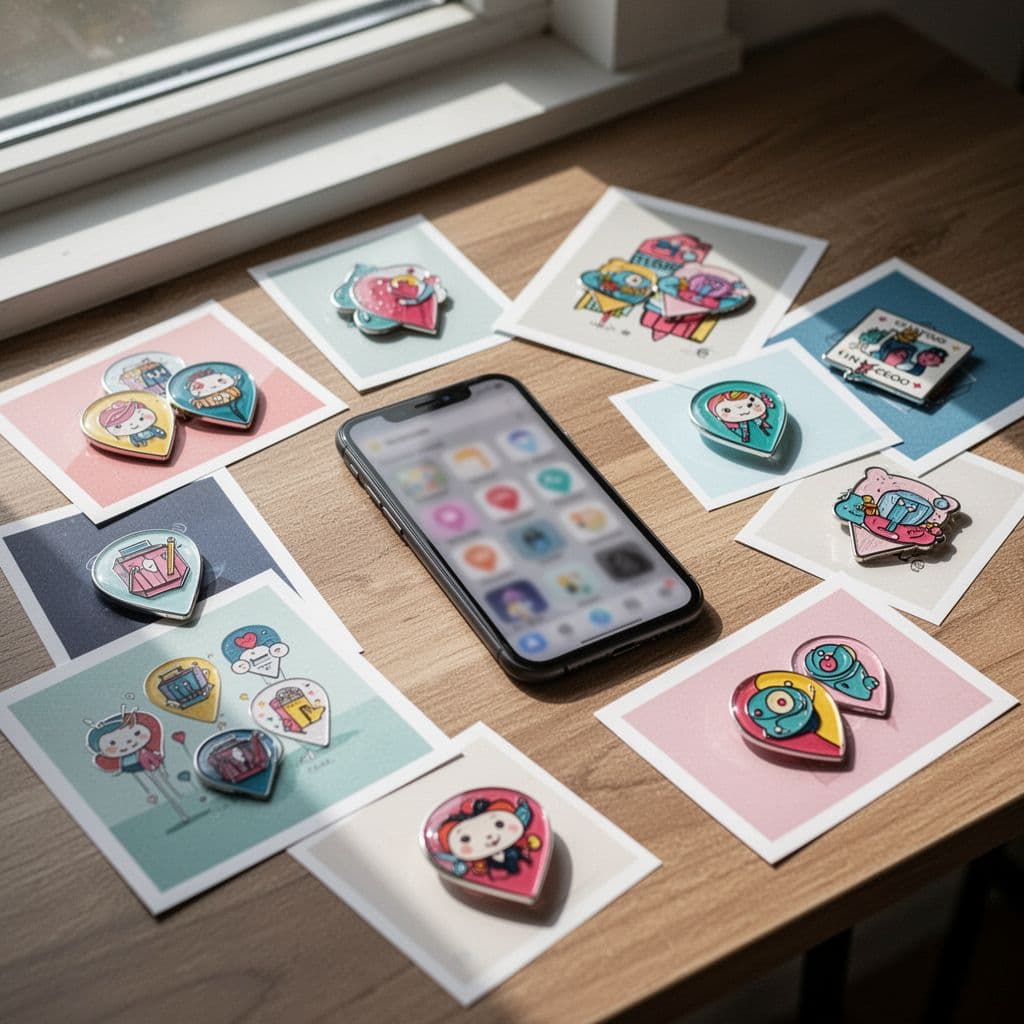
Fresh pins are the lifeblood of the platform. Pinterest prioritizes new images that offer unique value or a different aesthetic take on existing topics. If you rely on old, high-performing graphics for too long, their click-through rate will naturally decline as they reach audience saturation.
To combat this, try experimenting with new layouts or text overlays for your evergreen blog posts. Simply changing the background image or adjusting the font placement can revitalize a piece of content that has stopped generating clicks. It is not about reinventing the wheel but rather about presenting the same valuable information in a way that catches a user’s attention during their discovery phase.
Your keywords may not match what people search for.
Search intent on Pinterest changes frequently. A term that drove massive traffic to your site last year might have lost its search volume, or users may have shifted to using different language to find similar content. If your titles, descriptions, and board names stay static, your pins will stop appearing in relevant feeds.
Review your metadata to ensure it still reflects current user behavior. If you notice a decline, check how to prepare blog posts for better ranking to ensure your keyword application remains sharp. Your text should clearly describe the benefit of your content while mirroring the terms your target audience uses today.
Pay close attention to these areas:
- Pin Titles: Are they descriptive enough to capture attention?
- Descriptions: Do they include secondary keywords that provide context?
- Board Names: Are they broad enough to house relevant content but specific enough for search?
- On-Image Text: Is the primary message clear and legible to a quick scroller?
Your pinning rhythm may have changed
Pinterest functions best with a steady, predictable flow of content. If you post heavily for a week and then go silent for a month, the algorithm may struggle to categorize your account’s relevance. Consistent activity acts as a signal to the platform that you are an active creator contributing regularly to the ecosystem.
Long gaps in posting can lead to a drop in your overall account authority. While you do not need to post dozens of times every day, maintaining a daily or consistent weekly rhythm is more effective than erratic bursts of activity. If your current schedule is irregular, focus on setting up a manageable cadence that you can maintain long-term. Remember that changes in reach often lag behind changes in behavior; if you restart a consistent schedule, give the platform a few weeks to adjust and recognize your new, improved flow.
Check whether Pinterest itself changed the way it shows your content
Sometimes a traffic drop happens because the platform itself shifts gears. Pinterest constantly evaluates how it delivers content, and these adjustments can alter your reach overnight. You might see a sudden dip even when your habits remain the same. Understanding these changes helps you identify when the issue is systemic rather than specific to your account.

Algorithm updates can shift what gets shown
Pinterest modifies its internal ranking systems to improve user experience. These updates prioritize different signals, such as how users interact with pins or how diverse the home feed becomes. When the system updates, it often favors content that aligns with its new goals, such as higher engagement metrics or specific visual formats.
Content that once performed well might lose visibility if the algorithm shifts its focus. Perhaps your pins were optimized for keywords that now carry less weight, or the system decided to prioritize newer, fresher designs over established ones. For a technical look at these shifts, see how Pinterest refines its feed recommendations.
When these updates happen, you may notice a dip in impressions before the system stabilizes. This does not mean your content is low quality. Instead, it means you must adjust your approach to match the current standards. Creating fresh imagery and re-evaluating your target topics often helps your content regain its footing.
Search demand may have changed
Not every decline in traffic stems from the platform. Sometimes, the audience simply stops looking for your specific topics. Search demand is dynamic and fluctuates based on consumer interest and current events. If your niche relies on static, evergreen topics, you might see a natural cooling off as people shift their attention elsewhere.
Consider whether your content addresses long-term interests or fleeting fads. If you write about a specific trend that was massive last year, interest may have naturally waned. This is a demand problem rather than an algorithm issue. To see if the broader market is shifting, use tools like Pinterest Trends to compare current search volumes against your historical data.
Seasonality can make a good account look weak
Pinterest is a highly seasonal platform. Your traffic often follows the calendar, rising and falling with holidays, school schedules, and shifting weather patterns. A drop in late summer or during quiet weeks between major holidays is often normal behavior for many niches.
These cycles influence how users shop and plan their lives. For example, a home decor blog might see peak traffic in the spring and fall, while food bloggers might experience surges around Thanksgiving and Christmas. If you see a decline, check your data from the same time last year. You might find that your current numbers match previous cycles, indicating that your account is perfectly healthy despite the temporary dip in performance.
Spot content problems that quietly hurt reach
Low traffic is often a direct result of the specific content choices you make for your pins. While you might focus heavily on keyword strategy, the actual quality of the imagery and the originality of the message carry significant weight. If your pins look sloppy or feel repetitive, users will ignore them regardless of your search optimization efforts.

Duplicate or overly similar pins can work against you
Pinterest systems prioritize unique, fresh content that adds value to the user feed. If you frequently upload the exact same image or use identical URL destinations across dozens of pins, the platform may flag your account as spammy. This behavior limits your distribution because the algorithm detects the repetition and reduces your visibility to new users.
Repeating the same visual style is also a trap. If every pin you publish uses the same template with minor text changes, your audience develops banner blindness. They stop recognizing your content as something new and skip over it in their feed. Instead of posting dozens of variations of one pin, focus on creating distinct visuals that offer a different angle or aesthetic appeal. To maintain high performance, follow best practices for pinning to ensure your assets stand out for the right reasons.
Low quality images lower click-through
Visual clarity is the most important factor for engagement on this platform. If your pins feature blurry text, cluttered layouts, or dark, unappealing photography, users will scroll past without a second thought. A weak design fails to act as a hook, which results in a poor click-through rate even if your pin achieves high initial impressions.
Effective visual communication requires a balance of clean imagery and a clear, readable message. Use high-resolution assets that are easy to process in a split second, especially since most of your audience views content on mobile devices. If your designs feel crowded, try simplifying your text overlays or using more negative space. Strong design helps you earn the trust of your viewers. For more on what constitutes an effective asset, see these pin creation guidelines.
Copied or thin content can lose trust
Pinterest functions as a discovery engine for ideas and useful information. If your pins lead to thin, low-value content or pages that look like they were scraped from elsewhere, users will bounce back to the platform almost instantly. High bounce rates signal to the algorithm that your site fails to satisfy user intent, leading to a permanent decline in your traffic.
Original content remains the strongest driver of long-term stability. When you provide genuine value, users save your pins, share your posts, and return for more. If you find your site is cluttered with pages that offer little substance, pruning content for SEO growth can help you focus your efforts on the high-quality posts that perform best. Always ensure your pins reflect your unique perspective, as following the Pinterest creator code helps you build a reputation for quality that encourages consistent clicks.
Look at how your audience behavior may have changed
Traffic declines often signal a disconnect between your content and the shifting interests of your audience. While you might remain consistent in your output, the preferences of those who follow your niche could be moving toward new topics or different formats. Understanding these changes requires you to observe how your followers interact with your pins versus what they are currently prioritizing in their own planning.

People may be tired of the same topic
Every niche reaches a saturation point. If you focus on a single theme for months or years, your core audience eventually exhausts their appetite for that specific subject. They might have already saved your best tips, bought your recommendations, or moved on to a more advanced stage of their project.
When your feed lacks variety, users stop clicking because they assume they have already seen the value you offer. They start to overlook your content in favor of creators who introduce fresh perspectives or related sub-topics. To keep engagement high, you must balance your core content with new angles or expanded ideas that meet your audience where they are now. If you want to expand your reach, you can turn Pinterest traffic into income by diversifying the topics that lead users to your site.
Your pins may attract views but not clicks
High impression counts can be misleading if your traffic remains flat. Impressions simply mean that your pin appeared in a user’s feed, but they do not guarantee interest. If your visual hooks are vague or your text overlays fail to promise a clear benefit, a user might scroll past without interacting.
A gap between impressions and clicks often occurs when the pin design is decorative rather than functional. Users on this platform are in a planning mindset. They look for specific solutions to their current problems. If your pin doesn’t immediately show how your blog post solves their issue, they will save it for later or keep moving. Your design must act as a bridge between the user’s curiosity and your website content.
Your offer or blog post may not match the pin promise
Trust is a major factor in sustained platform performance. If a user clicks your pin expecting a specific tutorial or product guide, but the landing page delivers something entirely different, they will bounce immediately. Pinterest tracks this behavior, and it uses high bounce rates as a signal to reduce your future distribution.
When the landing page satisfies the search intent behind the click, the platform rewards you with better reach. You should regularly test your pins to ensure they reflect the current reality of the linked page. A mismatch between your headline and your content frustrates users and damages your reputation as a reliable source of information. As trends shift throughout 2026, keeping your promises consistent builds the authority needed for long-term growth.
Use a simple audit to find the real cause fast
A drop in traffic often feels like a crisis, but it is usually a math problem. When you stop relying on gut feelings and start looking at specific data points, you remove the guesswork from your recovery plan. A structured audit helps you pinpoint exactly when the shift began and which areas of your account need immediate attention.

Compare traffic before and after the drop
Stop looking at daily fluctuations, as these often reflect minor noise rather than systemic issues. Instead, pull your data in Pinterest Analytics and set a clear date range for the period before the decline began. Compare this baseline to the weeks following the start of the slump.
By identifying the exact week or month where your performance changed, you align your data with real-world events. Check your calendar for this timeframe. Did you stop pinning consistently during that week? Did you launch a new, unrelated content series? Or perhaps a major seasonal shift occurred, such as the end of a holiday shopping window or a change in weather. This comparison transforms a vague sense of dread into a specific timeline, allowing you to see if the drop corresponds with your own actions or broader shifts in user behavior.
Find which pins and topics lost the most traffic
Not every part of your account is failing at once. Often, a specific topic or a set of older pins loses relevance, while your newer content continues to attract engagement. Dig into your analytics to categorize your performance by pin type, board, and URL.
Look for clear patterns in the data:
- Pin formats: Are your video pins holding steady while static images lose reach?
- Board performance: Have specific boards stopped sending traffic, or is the decline across your entire account?
- Keyword decay: Search for the keywords associated with your top-performing pins from three months ago. If those terms have lower search volume now, your content is simply following the market.
Isolating these variables prevents you from overhauling your entire strategy when only a small portion of your content needs an update. To refine your approach further, focus on optimizing Pinterest posting schedule based on when your remaining high-performing pins earn the most engagement.
Review your last changes one by one
The fastest way to recover is often to reverse the last major change you implemented. Think back to the weeks immediately preceding the drop and list every update you made to your workflow. Did you start using a new design template with a different font style? Did you shorten your pin descriptions or swap your primary keywords?
Sometimes, a change intended to improve efficiency actually disrupts how the algorithm categorizes your content. If you recently updated your website’s layout or changed your permalink structure, verify that your Pinterest traffic is still reaching active, working URLs. When you identify the specific shift that occurred right before the numbers dipped, try reverting to your previous method for a trial period. If you can track pin performance in Google Analytics, you can confirm whether those specific changes led to fewer clicks or higher bounce rates. Small, controlled experiments are better than guessing what needs to change next.
How to rebuild Pinterest traffic after it drops
When your traffic numbers dip, the initial reaction is often to scramble for a brand new strategy. However, the most effective path forward is usually to refine what already works. By focusing on your existing high-performing content, you can leverage proven interests while signaling to the algorithm that your account remains an active, valuable source.
Refresh your best-performing pins with new designs
You don’t need to create entirely new content to see a boost in engagement. Your most popular blog posts already have a track record of success, meaning your audience has proven they want that information. Instead of starting from scratch, take these high-traffic pages and create new, distinct designs for them.

When you refresh a pin, focus on updating the visual hooks. Switch your color palette, try a different font combination, or experiment with a new layout that highlights a different benefit from your post. A design that looked fresh six months ago might feel dated today, so keep your aesthetic modern and clear.
For a guide on how to approach these updates, see what counts as a fresh pin on Pinterest. Keep the original destination URL, but treat the pin as an entirely new piece of creative. This helps you reach different segments of your audience without diluting the authority of your core articles.
Tighten your Pinterest SEO
If your content isn’t reaching users, the issue might be a disconnect between your language and their search queries. Pinterest acts as a search engine, and the keywords in your titles and descriptions provide the primary signals for placement. When traffic lags, re-evaluate how you describe your pins.
Start by searching for your main topics within the Pinterest search bar. Pay attention to the auto-fill suggestions, as these reflect the current terms users are typing. Integrate these specific phrases naturally into your pin titles and descriptions to ensure your content appears where your audience is already looking.
Don’t ignore your board names, either. Use descriptive, clear labels that reflect common search interests rather than vague or creative naming conventions. Updating your board titles and ensuring your pin descriptions provide enough context helps the algorithm categorize your content more effectively. For older content that needs a visibility boost, updating old Pinterest pins with fresh keyword sets is a simple yet powerful way to invite new traffic.
Stay consistent long enough to see results
Recovery requires a steady rhythm rather than a sudden burst of activity. Pinterest rewards accounts that contribute to the platform regularly, so establish a simple posting schedule that you can actually maintain. This consistency helps the algorithm relearn your account’s focus and helps your content regain authority in your specific niche.
Avoid the cycle of posting heavily for a few days and then going silent for weeks. If you find it difficult to post daily, try batching your designs in advance or using a scheduler to space your pins out evenly. Even a modest amount of daily content is better than erratic spikes in volume.
Patience is essential during this phase. It can take several weeks for the system to process these changes and stabilize your reach. Stay the course with your new strategy, continue monitoring your data for growth patterns, and focus on steady improvement rather than immediate, drastic changes. If your content remains high-quality, your traffic typically recovers as the platform identifies your consistent, updated contributions.
Conclusion
A drop in your Pinterest traffic is rarely random. It usually stems from factors such as stale content, outdated keywords, inconsistent posting, or shifts in audience interest. When you notice a decline, evaluate these specific areas rather than assuming your account is penalized.
The most effective way to recover is to diagnose the underlying cause first. Audit your recent pins for quality, refine your keyword strategy, and restore a steady posting rhythm. Patience is also a necessary part of the process, as the platform needs time to recognize your updated, high-quality contributions.
Review what changed in your workflow recently. Fix the most obvious issue first, and allow your account a few weeks to regain its momentum.
Save the pin for later

- How I Make Money on Pinterest Pinning in 2026 - June 23, 2026
- How to Research Pinterest Keywords for Blog Posts In 2026 - June 23, 2026
- How to Set Up Google Search Console for a Blog - June 23, 2026