 Onwe Damian Chukwuemeka
The best time to post on Pinterest is usually in the evening, with 8 PM to 11 PM showing the strongest results in recent data. Weekends often perform well too, and some early morning windows can also bring solid engagement.
I see this question come up a lot because there isn’t one perfect hour for every account. Your audience’s time zone, habits, and niche all change the answer, so I’ll help you find the best posting time for your own Pinterest account instead of following a generic rule.
When is the best time to post on Pinterest in 2026?
If you want the quick answer, I’d start with the evening window first, then test the early-morning and late-morning slots. Pinterest behaves more like a search and planning platform than a live feed, so your post can pick up saves long after it goes live.
That said, timing still shapes your first wave of engagement. A strong start helps your pins get noticed, saved, and carried farther, especially when you post around the hours people are already browsing for ideas.
However, each Pinterest account is different. On my main Pinterest account, I run a lot of experiments. Sometimes I pin everything at night, from 8pm to 11pm (Eastern Time), and sometimes I use the Tailwind app schedule. However, I currently use Pinterest’s native scheduler.
However, irrespective of when you pin on Pinterest, what I want you to understand is that Pinterest rewards patience. It will test your patience and even discourage you from pinning, especially when you’re giving it all your best.
Also, it is important to identify where your audience is coming from. If your audience are from the USA, Canada, the UK, or Australia, consider pinning from 8pm to 11pm.
Save the pin for later
The top time windows most studies agree on
The most consistent peak is 8 PM to 11 PM. That window fits relaxed browsing, when people have finished work, settled in, and opened Pinterest to plan meals, outfits, rooms, trips, or projects. It is the kind of time slot that feels natural for inspiration, not rushed clicks.
A second window shows up often, 2 AM to 4 AM, which sounds odd until you remember Pinterest has a global audience. Late-night posting can catch night owls in one region and daytime users in another, so it can still create a healthy early push.
The third window to watch is 10 AM to 1 PM, especially on weekdays like Thursday, Friday, and Sunday. That period often lines up with midday breaks, quick research, and idea gathering before the day gets busy again.
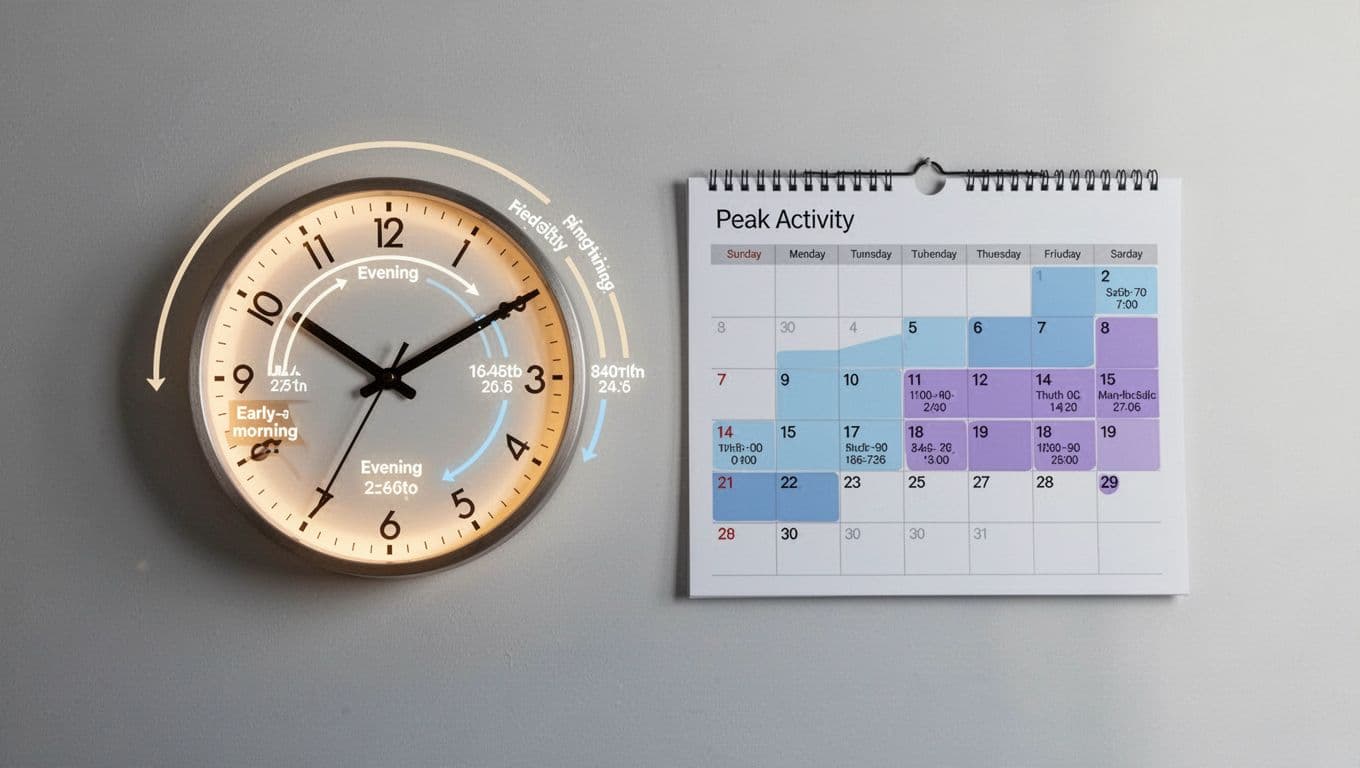
The best window is the one your audience already uses for planning. That is why patterns matter more than a single magic hour.
I usually tell readers to treat these windows as starting points, not fixed rules. If your audience saves home decor ideas after dinner, that evening slot matters more than a generic chart. If you publish business content, midday planning breaks may do better for you.
For a broader look at how timing shifts by niche, this Pinterest posting guide breaks down several current posting windows.
Which days usually get the most engagement
If I had to rank the days, I’d put Saturday and Sunday at the top. Friday usually comes next, then select midweek days like Tuesday and Thursday. Monday and Wednesday can work too, but they usually need stronger content or a clearer niche fit.
Weekends do well because people have more breathing room. They browse for recipes, decor, travel ideas, gift lists, and future plans when they can slow down and explore. Pinterest fits that mood better than platforms built for fast reactions.
A simple day-by-day view looks like this:
- Saturday, strong for almost every visual niche because people plan ahead.
- Sunday, strong for inspiration, prep, and weekly planning.
- Friday, good for lifestyle, shopping, and weekend-focused content.
- Tuesday and Thursday, solid midweek options when people take short breaks.
- Monday and Wednesday are useful but usually less consistent. However, it depends on the particular account, though. My main account brings the most traffic from Pinterest from Sunday, Monday, and Tuesday. So, take note of what is happening on your own account.
Results still vary by niche. A wedding account may peak on weekends, while a business or productivity account may get better traction on Sunday evening or Tuesday morning. That is why the best time to post on Pinterest depends on both the clock and the topic you share.
If you want to turn that traffic into income, timing matters even more when you are sending people to a blog, shop, or product page. I cover that angle in Pinterest money-making strategies, since strong posting times can help your content get more eyes at the start.
Then in this post, I also covered how to get traffic from Pinterest to your website.
Why Pinterest timing works differently from other platforms
Pinterest does not behave like a feed-first app, so the best posting time follows a different rhythm. On Instagram, TikTok, or X, a post often needs attention right away because the feed moves fast. On Pinterest, people arrive with a plan in mind, and that changes when they are most likely to save, click, or explore.
That is why I look at Pinterest timing as a planning window, not a scrolling window. When you understand that mindset, the answer to when is the best time to post on Pinterest becomes much easier to narrow down.
People use Pinterest when they are planning, not just scrolling
Most people open Pinterest with a task in mind. They are looking for dinner ideas, outfit inspiration, travel plans, home projects, gift lists, or content ideas for later. That makes Pinterest feel more like a visual notebook than a social feed.
Because of that, posting works best when your audience is calm and thinking ahead. Evening hours often fit that mood, especially after work or dinner. Weekends also matter because people have more mental space to browse, save, and organize ideas for the week ahead.

You can see the difference in the way people behave on the platform. Recent data shows that Pinterest users spend 14+ minutes per session, and the top activity is researching brands and products. That is a much slower, more intentional visit than a quick scroll past memes or short videos.
For that reason, I think about Pinterest timing in terms of mindset:
- Relaxed browsing works well for inspiration-heavy content.
- Planning breaks are strong for blogs, recipes, and product pins.
- Weekend sessions often support deeper saves and future intent.
If you post when people are rushed, your pin may still get traction later. Still, your first wave usually performs better when it lands during a planning moment, not a distracted one.
Pinterest timing works best when it matches how people already use the app, not when they are forced to pay attention.
For a useful comparison of how Pinterest differs from other social platforms, this Pinterest timing guide explains why its search-first behavior changes the rules.
Saved content can keep working long after you post
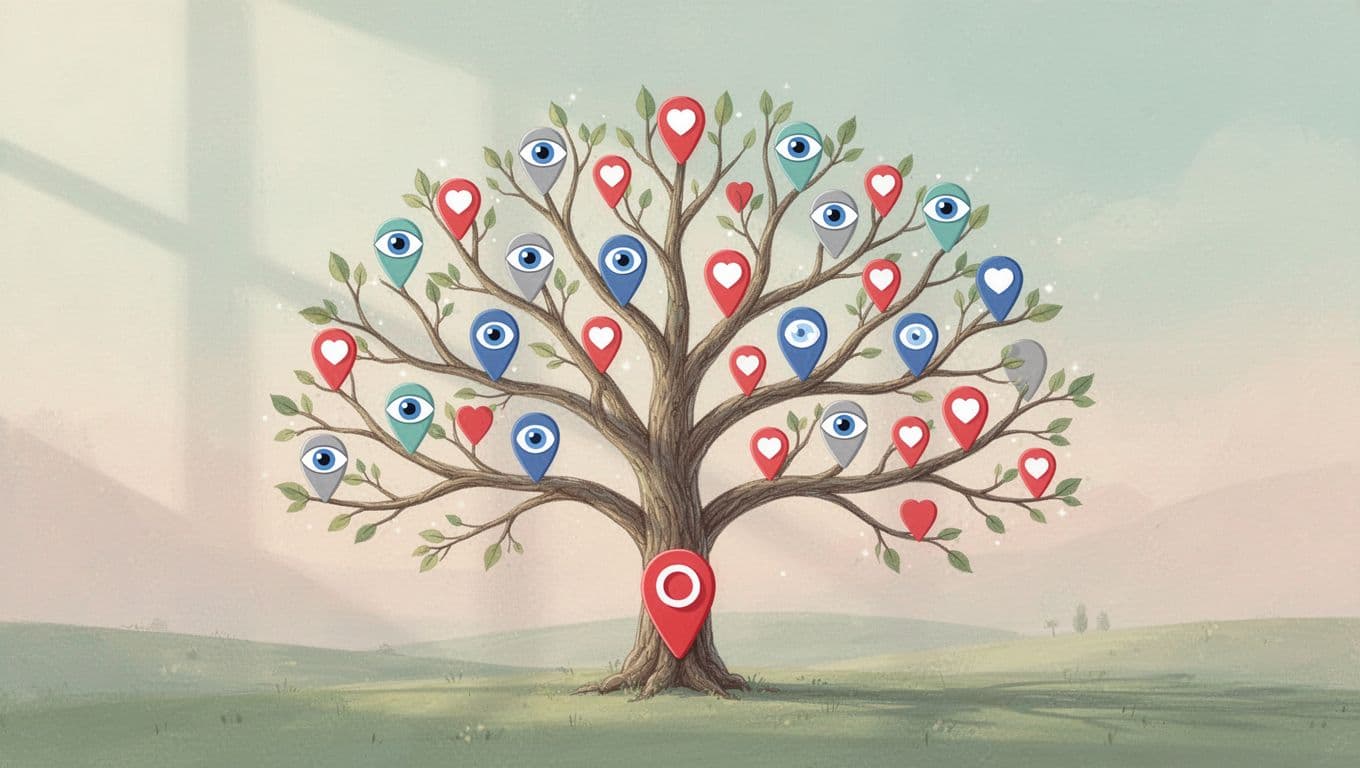
Pinterest has a much longer shelf life than most social posts. A pin you publish at the right time can keep getting views and saves for days, weeks, or even months after it goes live. That is one reason timing matters, but it is not the whole story.
The first push still helps. If your pin gets early saves and clicks, Pinterest has a stronger signal that the content is useful. However, unlike a short-lived post on another platform, a Pinterest pin can keep circulating after that first burst is gone.
Here is the part many people miss: timing helps the start, not the finish. A strong pin with a clear title, good image, and search-friendly description can keep working long after the original post time stops mattering.
That also means you should not rely on timing alone. If the content is weak, the schedule will not save it. If the pin is strong, though, timing can give it a cleaner launch.
The image below shows that long runway well.
So when I think about Pinterest scheduling, I look at two layers at once:
- Immediate visibility, which comes from posting when people are active.
- Long-term discovery, which comes from saves, searches, and re-shares.
That is the biggest difference between Pinterest and most other platforms. A post on Pinterest is less like a passing status update and more like a stored idea that can keep resurfacing.
How to choose the right posting time for your own audience
General Pinterest timing data gives you a starting point, but your audience decides the final answer. I use broad peak hours as a baseline, and then I narrow them with timezone data, Pinterest analytics, and the way real people in my niche browse.
What you should do is sign up for a Tailwind app account and connect your Pinterest account there. After that, Tailwind will suggest a list of times to post on Pinterest depending on your niche, location, and audience. This is the strategy I have used over the years to grow my various Pinterest accounts.

Match your posting time to your audience’s timezone
Local time matters because Pinterest users do not all live on the same clock. A pin posted at 8 PM on the East Coast lands at 5 PM in Los Angeles, and that difference can change how fast people see it and save it.
If most of your followers live in one region, pick one main timezone and post around that audience’s evening or midday window. That keeps your schedule simple and makes it easier to spot real patterns instead of guessing.
A global audience needs a different approach. In that case, I would stagger posts across two or three time zones so you can catch different groups when they are active, not just when you are online.
The best posting time is the one that matches your audience’s day, not yours.
If your audience is mostly in the US, choose one reference time and stay consistent for a few weeks. If your readers are spread across the US, Canada, and Europe, test separate windows for each region and watch which one brings the strongest saves and clicks.
Use Pinterest Analytics to spot your own peak hours
Pinterest Analytics gives you the clearest answer because it shows how your own account performs. I pay close attention to top pins, impressions, saves, clicks, and any audience activity patterns that repeat over time.
Start with the pins that already do well. Then compare the times you posted them with the hours when engagement picked up. If a certain window keeps showing stronger saves or clicks, that is a useful sign.
These are the main signals I would watch:
- Top pins: See which pins get the most saves, clicks, or long-term reach.
- Impressions: Look for time blocks when visibility rises faster.
- Saves: Check when people are most likely to store your content.
- Clicks: Notice when your audience takes action, not just when they view.
- Active times: Review when your followers are online most often.
If you want a wider benchmark before you compare your own data, this 2026 Pinterest timing guide breaks down common peak windows and audience location details.

The important part is consistency. Post at the same few times for a couple of weeks, then compare results. That gives you a cleaner read than changing your schedule every few days.
Think about who your audience is and when they browse
Different people use Pinterest at different moments in the day. Parents often browse after dinner or after school drop-off. Business owners may check during breaks or late at night. Students usually scroll between classes, in the evening, or on weekends.
That is why the same posting schedule does not work for every account. Your niche shapes the best time just as much as the platform does.
A simple way to think about it is to match the pin to the user’s free time:
| Audience type | Common browsing habits | Better posting windows |
|---|---|---|
| Parents | Evening planning, weekend prep, short breaks | 8 PM to 11 PM, Saturday mornings |
| Business owners | Lunch breaks, early mornings, late evenings | 7 AM to 9 AM, 12 PM to 2 PM, 8 PM to 10 PM |
| Students | After classes, late evenings, weekends | 4 PM to 11 PM, Sunday evenings |
| Travelers | Evening research, weekend trip planning | Friday evening, Saturday, Sunday night |
| DIY readers | Project planning before the weekend | Thursday evening, Saturday morning |
The table gives you a starting point, not a rulebook. A DIY audience may love Saturday mornings, while a travel audience may respond better on Sunday night when they are planning the week ahead.
If your content fits more than one audience, test each group separately. A home decor account, for example, may find that weekday evenings work for inspiration, while Saturday morning works better for project ideas.
Once you know who you are posting for, the answer to when is the best time to post on Pinterest gets much clearer. Start with the timezone that fits most of your followers, compare it with your analytics, then adjust for how your audience actually spends its time online.
Best posting times by day of the week
When I map Pinterest timing by day, I look for the hours people are most likely to pause, plan, and save ideas. A recent day-by-day Pinterest timing guide points to the same pattern I see again and again: weekday browsing often peaks around work breaks, while weekends lean into planning time.
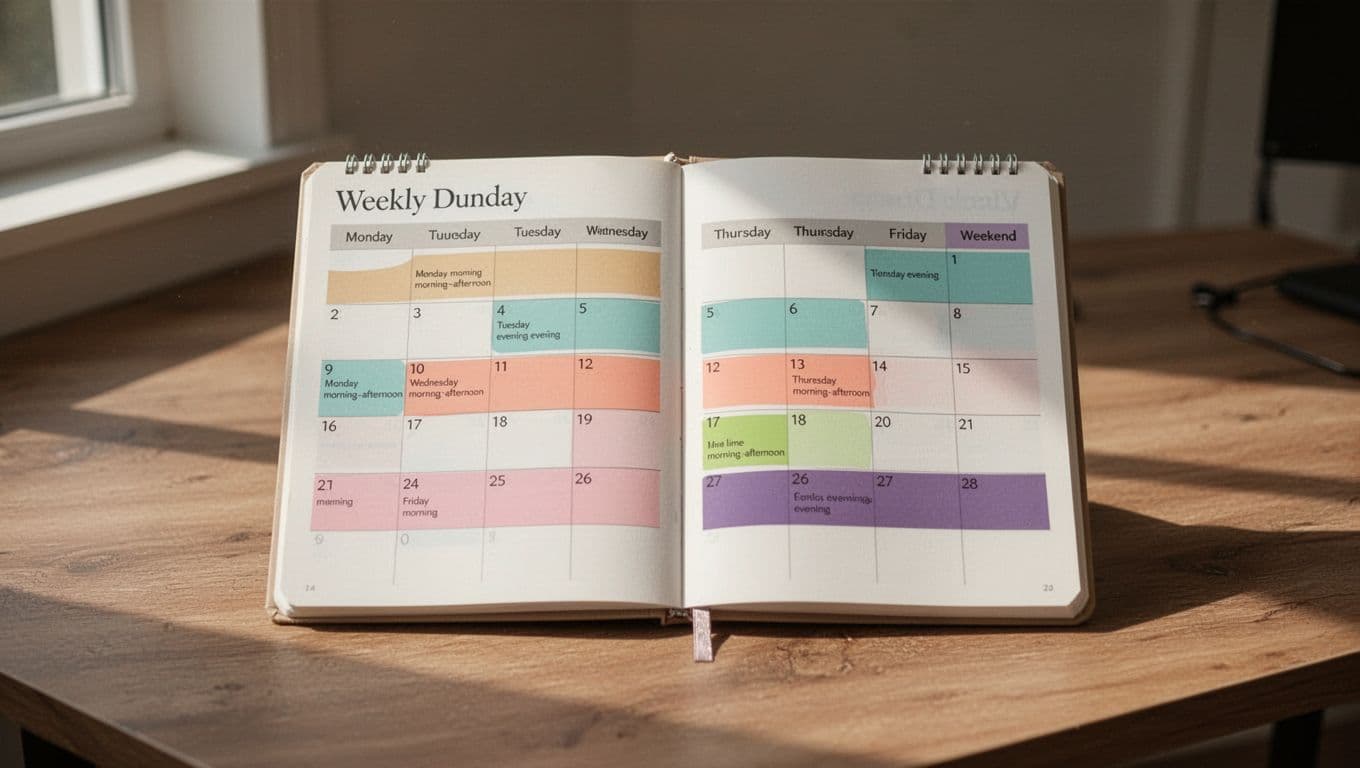
The best time to post on Pinterest changes across the week, but the pattern is easy to use. Weekdays reward short browsing breaks, while weekends reward slower planning sessions. If you match your pin to that rhythm, you give it a better chance to get seen early.
Monday through Thursday posting patterns
Monday through Thursday usually works best when you post around the moments people step away from work and look for ideas. Late Monday morning to early afternoon is a strong starting point because it catches people after they settle in but before the day gets too crowded. Tuesday evening often performs well too, since people are done with the rush of the day and ready to browse in a calmer frame of mind.
By Wednesday early afternoon, many users want a mental break. They may open Pinterest for recipes, outfit ideas, home updates, or project planning, which makes that window feel natural. Thursday late morning to afternoon is also a good spot, because people start thinking ahead to the weekend and begin collecting ideas they can use soon.
I treat these weekday windows as workday browsing breaks and idea-gathering moments. That is when people are not looking for a distraction so much as a useful next step, which is exactly where a good pin can fit.
If you want a simple weekday rhythm, this is the one I would test first:
- Monday: late morning to early afternoon
- Tuesday: evening
- Wednesday: early afternoon
- Thursday: late morning to afternoon
Weekday Pinterest traffic often shows up in small pockets of free time, not long sessions. That makes timing more about being present at the right break than chasing one perfect hour.
Friday, Saturday, and Sunday posting patterns
Friday often works well in the morning because people are already shifting into weekend mode. They may still be at work, but they are also thinking about what comes next, so a pin about meals, style, travel, or home projects can catch attention early. For some accounts, Friday afternoon does even better, especially if the content feels light, visual, or easy to save for later.
Weekends bring a different kind of energy. People use Saturday and Sunday to plan meals, trips, outfits, and home projects, so Pinterest fits that mindset naturally. Weekend evenings are especially strong because they give people time to sit down, browse slowly, and collect ideas for the week ahead.
That said, timing on the weekend is not one-size-fits-all. Some accounts do best late at night on Saturday or Sunday, especially if their audience shops, plans, or scrolls after the house gets quiet. If your niche leans toward inspiration, home decor, recipes, or personal style, these later hours can be worth testing.
I’d keep your weekend plan flexible:
- Friday morning for early planners and workday browsing.
- Saturday evening for relaxed research and saves.
- Sunday evening for weekly planning and prep.
- Late-night weekend hours if your audience is active after dark.
The main idea is simple. Friday starts the planning mindset, Saturday deepens it, and Sunday often closes the loop. If you watch your analytics closely, you’ll see which of those moments gives your pins the strongest first push.
How your niche changes the best time to post
Niche changes everything on Pinterest because people open the app with different goals in mind. A recipe pin, a work tip, and a vacation idea do not compete for attention in the same way, so they also do not peak at the same hour.
That is why I never treat the best time to post on Pinterest as a single rule. I start with broad evening and weekend trends, then I adjust for what your audience actually wants to do with your content. Recent 2026 timing data from PostEverywhere’s Pinterest guide show the same pattern, strong overall evening traffic, but clear shifts by topic.
Lifestyle, food, and home content often shines after dinner
Lifestyle, food, and home pins usually do well when people have time to relax. After dinner is a natural window because your audience is no longer rushing through errands or work tasks. They are in a slower mood, and that is when inspiration-based content gets saved.
That makes evening hours a strong fit for recipes, decor ideas, outfits, and DIY projects. A person browsing at 9 PM is more likely to imagine a weekend kitchen refresh or next week’s meal plan than someone checking in during a busy work block.

I see this pattern a lot with visual content because the audience is already in a dreaming mindset. Food pins feel useful when dinner is on the brain. Home decor feels more appealing when someone has a quiet room and time to compare ideas.
A few niche-specific examples make the timing clearer:
- Recipes often get attention in the evening, when people are planning dinner or tomorrow’s meals.
- Decor and home styling usually perform well after work, when people browse room ideas without a deadline.
- Outfits and style boards fit evening scrolling, especially when users are planning what to wear next.
- DIY projects get stronger interest at night and on weekends, when people can picture the full project.
If you sell handmade items or craft-based content, timing matters even more because your audience often shops when they feel calm and inspired. Selling crafts online works best when your pins reach people during that same relaxed browsing window.
Evening browsing works well for these niches because people are planning a mood, not completing a task.
Business, productivity, and educational content may work earlier
Business and productivity pins often do better earlier in the day. People use Pinterest for work-related ideas when they are getting organized, checking priorities, or trying to start the week with a clear plan. That can happen in the early morning, during lunch, or on Sunday night.
I see strong behavior around those planning moments because the content feels practical. A pin about a budget template, blog workflow, study hack, or content calendar fits a user’s headspace when they are already thinking about tasks. The same pin may fall flat late at night if the audience has switched into entertainment mode.

For these niches, I usually test three main windows:
- Early mornings, when people set priorities before the day gets busy.
- Lunch breaks, when they skim for useful ideas and save them for later.
- Sunday night, when they prepare for the week ahead and gather work ideas.
That Sunday pattern matters more than many creators expect. Users often look for systems, checklists, and planning content when they are resetting for Monday. If your pin helps them feel more prepared, it has a better shot at getting saved.
Educational content follows the same logic. Tutorials, how-to posts, and study resources do well when the audience is in a problem-solving frame of mind. If your post helps people act faster or think more clearly, try posting before the workday gets crowded.
Travel, holidays, and seasonal ideas need earlier planning windows
Travel and seasonal content needs a longer lead time than most other niches. People do not usually search for a holiday idea the day before the holiday, and they do not plan a trip the night before they pack. They browse early, save ideas, then come back later when they are ready to act.
That is why Sunday afternoons and evening browsing sessions can work so well for travel pins. People have room to daydream, compare destinations, and save trip ideas without pressure. The same pattern applies to holiday content, especially when users are planning gifts, decor, or events for the next few weeks.
Seasonal content needs even more runway. If you want a pin to perform for Halloween, Thanksgiving, winter holidays, or spring break, post it well before the event. That gives Pinterest time to index it, distribute it, and bring it back when search interest rises.
For travel, I also think about the user’s planning cycle:
- They notice an idea.
- They save it for later.
- They compare options.
- They book or build the trip plan.
Your timing should support step one. A pin about budget travel, packing lists, or weekend getaways gets more traction when people are in planning mode, not when they are already on the road. If you need help with that part of the process, this trip budgeting guide fits well with travel pins that send readers into action.
When you match the posting time to the niche, the answer to when is the best time to post on Pinterest gets much sharper. Use evenings for inspiration-heavy content, earlier windows for work-focused ideas, and advance your seasonal pins well before the event so they have time to build momentum.
A simple posting plan you can test this month
If you want a real answer to when is the best time to post on Pinterest, stop guessing and run a small test. I usually start with a few likely strong windows, then compare what happens over the next few weeks.
That approach keeps things simple. It also gives you cleaner data than changing your schedule every day. A focused test plan, like the one in this Pinterest posting test plan, is much easier to read than a messy posting habit.
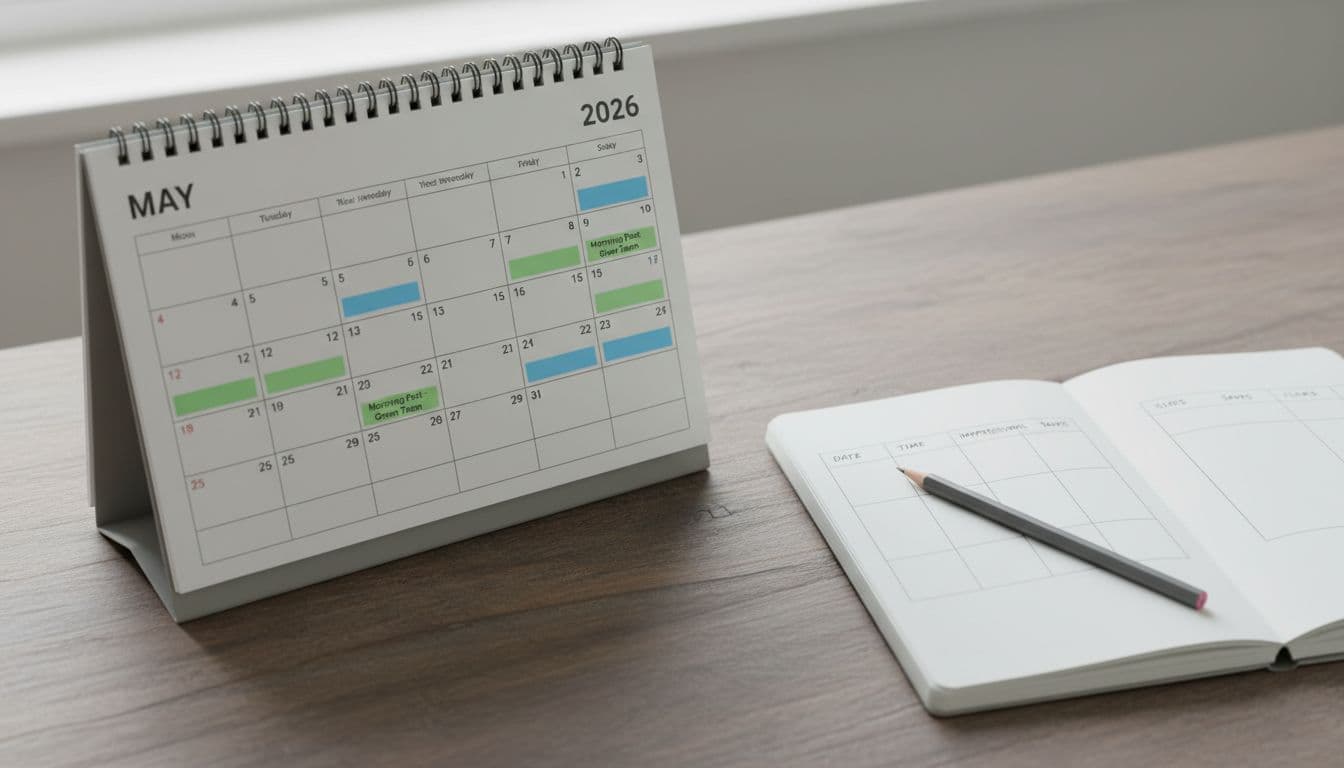
Start with two or three time slots and compare results
Pick a few windows that already look promising. For most accounts, that means one evening slot, one daytime slot, and maybe one weekend slot. Then post consistently in those windows long enough to see which one gets the strongest response.
A simple setup looks like this:
| Test slot | Why test it | What to watch |
|---|---|---|
| 8 PM to 11 PM | Strong for relaxed browsing | Impressions, saves, clicks |
| 10 AM to 1 PM | Good for planning breaks | Impressions, saves, clicks |
| Sunday evening | Useful for weekly planning | Impressions, saves, clicks |
Keep the content type similar across each slot. If you post a recipe at one time, don’t compare it against a business tip at another. That mix makes the results harder to trust.
I like to watch impressions first, then saves, then clicks. Impressions show reach. Saves show interest. Clicks show action, which matters most if you want traffic.
Keep your schedule steady long enough to see a pattern
A timing test only works when the data is clean. If you change your posting time every day, you make it hard to see what actually helped. Stay with the same slots for a few weeks before you decide what wins.
Changing the clock every day makes the results look random, even when they aren’t.
Consistency matters in the rest of the pin too. Keep your topic, format, and quality as steady as possible while you test. A strong pin can carry a weak time slot, and a weak pin can hide a good one.
That means you should avoid testing too many variables at once. Use the same kind of pin design, the same general topic, and the same posting rhythm. Then compare the numbers side by side and look for a repeat pattern.
When you do that, the best time to post on Pinterest gets much easier to spot. You stop relying on broad advice and start using your own account data, which is the clearest signal you have.
Conclusion
When I look at the data, the pattern is clear: there is no single perfect hour for every Pinterest account. The best place to start is with evenings, weekends, and your audience’s local time zone.
From there, I would use your own analytics to confirm what works on your account. Broad timing trends give you a smart starting point, but your saves and clicks tell the real story.
If you keep testing, learning, and adjusting, you will find a posting rhythm that fits your audience and your content. That steady approach is the best answer to when is the best time to post on Pinterest is.
Save the pin for later

- How I Make Money on Pinterest Pinning in 2026 - June 23, 2026
- How to Research Pinterest Keywords for Blog Posts In 2026 - June 23, 2026
- How to Set Up Google Search Console for a Blog - June 23, 2026