 Onwe Damian Chukwuemeka
Pinterest in 2026 is less about social posting and more about search intent, which means the Pinterest algorithm can make or break your reach. If your pins don’t match what people want, they won’t earn the saves and clicks that drive steady traffic.
That’s why success depends on more than one factor, including pin quality, account quality, relevance, and freshness. If you want the basics of how to drive website traffic from Pinterest, this guide will help you see what matters, without the jargon, and how to use each piece with more confidence.
How the Pinterest algorithm decides what to show now
Pinterest now ranks content like a search system with visual judgment. It looks at what a person wants, how well a Pin matches that need, and whether the Pin keeps earning actions over time. That means you need more than a pretty image. You need a clear topic, strong keywords, and a Pin that matches real user intent.
Why Pinterest acts more like a search engine than social media
People go to Pinterest with a purpose. They search for recipes, home ideas, outfits, side hustles, or products they want to save for later. That intent matters because Pinterest is trying to match a Pin with what someone wants to save, click, or buy.
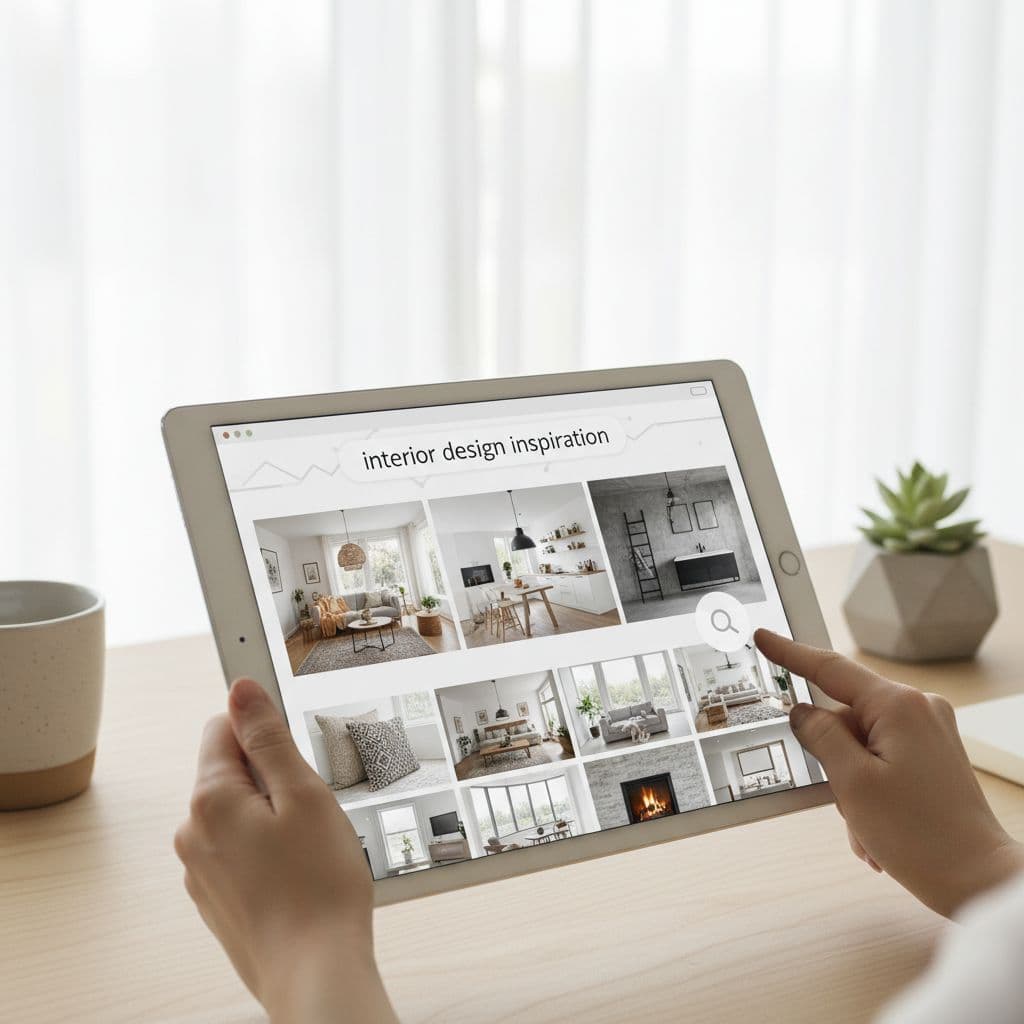
A social feed often rewards what is new or what friends interact with. Pinterest works more like a visual search engine. If a person types “small bathroom ideas,” Pinterest wants to show Pins that fit that exact need, not just popular Pins with broad appeal. Keyword match matters because it helps Pinterest read the topic of your content before a user ever taps it.
The platform also studies behavior. If people save your Pin, click through to your site, or keep engaging with similar Pins, Pinterest learns that your content satisfies that search. That is why the same Pin can keep getting views long after you post it.
For more on how timing fits into that behavior pattern, see the best times to post on Pinterest.
The four main signals behind ranking: quality, relevance, freshness, and account trust
Pinterest uses several signals at once, but four matter most. Quality tells Pinterest whether the Pin gets attention and keeps people interested. Relevance tells it whether the Pin matches the search, board, and image topic. Freshness tells it whether the content is recent enough to deserve new distribution. Account trust tells Pinterest whether your profile usually shares useful, consistent content.
Here is the simplest way to read those signals:
- Quality means people save, click, and spend time with your Pin.
- Relevance means your keywords, image, and landing page all fit the same topic.
- Freshness means newer Pins often get a test push before Pinterest decides how far to spread them.
- Account trust means Pinterest has seen your account deliver useful content before.
Pinterest does not guess based on one detail. It weighs the full pattern, then decides where your Pin belongs.
Pinterest also uses visual understanding, so the image itself matters. It can read objects, text cues, and scene type, which helps it place Pins in the right search results. That is why a clear image often performs better than a clever one with no obvious subject.
A strong Pin works because all four signals line up. The title says what the Pin is about, the image shows it, the description reinforces it, and the destination page delivers the same promise. When those pieces match, Pinterest has a much easier job showing your content to the right people.
What makes a Pin rank better in 2026
Pin ranking in 2026 comes down to a mix of clarity, quality, and behavior. Pinterest wants to show pins that look useful fast, match the search intent, and keep earning engagement after the first wave of views. That means the best pins are easy to read, easy to trust, and easy to act on.
A strong Pin does more than look nice. It gives Pinterest clear signals through the image, the title, the description, and the click behavior that follows. When those pieces line up, the platform has more confidence that the Pin belongs in front of more people.
Visuals that get more saves and clicks
Pinterest reads visuals better now than it did a few years ago. It can pick up on objects, layout, text cues, and the general topic of an image, so the design itself matters a lot. A vertical Pin usually performs better because it takes up more screen space and is easier to scan on mobile.

Clear text helps too, but only when it stays short and readable. Strong contrast, simple design, and easy-to-read branding make the Pin feel clean instead of crowded. If someone can understand the main idea in a second or two, the Pin has a better shot at saving and clicking.
Messy designs still lose out. Too many fonts, weak spacing, tiny text, or busy backgrounds make the message harder to process. That slows down engagement, and Pinterest notices that hesitation. For more context on how Pinterest evaluates visual content, Sprout Social’s Pinterest algorithm guide breaks down the main ranking signals.
Why saves, clicks, and watch time matter more than vanity metrics
Views can look nice, but they do not tell the full story. Pinterest pays more attention to actions that show real interest, such as saves, outbound clicks, zooms, and video watch time. Those behaviors tell the platform that people want to keep the Pin or keep moving toward the content behind it.
A Pin that gets a quick burst of attention but no follow-up often fades fast. On the other hand, a Pin that keeps earning saves over time looks more useful. That steady activity matters because Pinterest watches how people interact with similar content across a longer stretch, not just the first hour after publishing.
Video Pins follow the same idea. If viewers stop, watch, and click, Pinterest gets a stronger signal than from passive scrolling. Even comments can help when they show real interest, but saves and clicks still do most of the heavy lifting.
A Pin that gets saved today and clicked next week is often stronger than one that gets liked once and forgotten.
How to make Pins more helpful from the first second
The best Pins answer a question right away. A clear title, a specific promise, and a matching landing page help Pinterest see the Pin as useful, not vague. If the image says “easy dinner ideas,” the page should deliver easy dinner ideas, not a generic homepage or unrelated article.
Good Pins make the value obvious fast. They show the problem, the result, or the payoff in plain language. That might look like “small pantry organization ideas,” “best side hustle tools,” or “simple fall outfit formulas.” The point is to tell people what they get before they tap.
The landing page matters just as much as the Pin. If users click and find the same topic, the same promise, and a fast-loading page, Pinterest sees a clean match. If the page feels off, the Pin may still get clicks, but the long-term ranking signal gets weaker.
Practical checks help here:
- Does the title match the image?
- Does the Pin promise one clear outcome?
- Does the page answer that promise fast?
- Would a new viewer know what to expect in seconds?
A Pin ranks better when it feels obvious in the best way. Pinterest wants less confusion and more confidence, and that starts with content that is clear at a glance.
How Pinterest judges your account, not just your Pins
Pinterest looks at the whole account, not just one Pin in isolation. That means your posting habits, board setup, content mix, and engagement history all shape how much reach each Pin can get. A strong account gives new Pins a better starting point, while messy habits can hold good content back.
Why consistent posting still matters
Regular posting helps Pinterest see that your account is active and reliable. Fresh Pins give the platform new signals to test, and they also keep your profile from looking abandoned.
You do not need to flood Pinterest every day. What matters more is a steady rhythm, because sporadic bursts followed by long quiet stretches can make your account feel unstable. Consistency also gives your best Pins more chances to earn saves and clicks over time.
A simple posting habit can help in a few ways:
- It keeps your profile active in Pinterest’s view.
- It creates more opportunities for new Pins to be tested.
- It gives users more ways to engage with your content.
- It helps your account build a clear pattern over time.
Pinterest rewards accounts that look active, focused, and useful. A few strong Pins posted regularly usually beat a pile of random uploads.
If you want to build a repeatable workflow, this SEO checklist for new blog posts can help you keep your content process organized before you even create the Pin.
Board quality, keywords, and account organization
Pinterest uses your boards to understand what your account is about. Clean board names, clear topics, and related Pin groups all help the platform place your content in the right search results. If your boards are scattered, your account sends mixed signals.
Board names should match real search terms, not cute labels that mean nothing. For example, “Easy Dinner Ideas” tells Pinterest far more than “Food Love.” The same idea applies to descriptions, board sections, and profile text, because keywords help the platform connect your account to a topic.
Organization matters too. When your boards stay focused, Pinterest can see a theme across your profile. That consistency supports the idea that your account knows its lane, which makes your Pins easier to trust.
A good account structure usually looks like this:
- Boards built around one clear topic.
- Board names that use plain, searchable language.
- Pins grouped where they actually fit.
- No clutter from unrelated or outdated content.
What hurts pinner quality in 2026
Pinterest is quick to spot behavior that looks spammy or low value. Repeated Pins with little difference, copied content, broken links, and thin descriptions can drag down trust. Even if one Pin does well, weak account habits can limit how far the next one goes.
Engagement matters here too. If your Pins rarely get saves, clicks, or zooms, Pinterest has less proof that people want your content. That does not mean every Pin needs to go viral. It does mean quality matters more than volume.
Common problems that hurt account quality include:
- Posting the same image over and over with minor edits.
- Sending users to broken or irrelevant links.
- Reposting copied Pins without adding anything useful.
- Ignoring your boards and mixing unrelated topics.
- Using automation or spammy tactics to push volume.
Pinterest’s own creator guidance and ranking discussions line up with this pattern, and resources like Pinterest SEO guides from current creators show the same trend: accounts with consistent, useful behavior tend to perform better than accounts built on noise.
A strong account helps every Pin do its job. When your profile looks organized, your boards make sense, and your content earns real engagement, Pinterest has more reason to keep showing your work.
Why keyword relevance still matters for Pinterest SEO
Pinterest keeps getting better at reading content, but keywords still do the heavy lifting. They tell the platform what your Pin is about, who should see it, and which searches it belongs in. When your words match the image and the page behind it, Pinterest has a much easier time ranking the Pin well.
That matters even more now that Pinterest leans on AI to sort through huge amounts of content. Strong keyword relevance helps your Pin look clear, useful, and easy to place in search results. If the topic is fuzzy, your reach usually is too.
Where to place keywords so Pinterest can understand your content
Pinterest looks for topic clues across the whole Pin, not just one field. That means your Pin title, description, board name, board description, and profile bio all help shape how Pinterest reads your content. Each one should say the same thing in a natural way.
A good rule is simple, use plain language that a real person would search. For example, “small bathroom storage ideas” works better than a vague title like “bathroom inspo.” The first phrase gives Pinterest a clear topic, while the second leaves room for guesswork.
Your board names matter too, because they help Pinterest group your content. A board called “Easy Weeknight Dinners” is much stronger than “Meals I Love.” The same goes for profile text, which should tell Pinterest what kind of content you publish most often. If you want a quick reminder of how keyword targeting works beyond Pinterest, this guide to finding niche keywords can help you think in more specific terms.
A few simple placement habits go a long way:
- Put the main keyword in the Pin title.
- Add a related phrase in the description.
- Use a clear topic in the board name.
- Keep your bio focused on your main content themes.
Keyword stuffing does more harm than good. Clear wording beats repeated wording every time.

How Pinterest uses image recognition and text together
Pinterest does not read your Pin like a person reads a sentence. It studies the image and the text at the same time. The image gives visual clues, while the title, description, and board details confirm the topic.
That combination is why a clear Pin works better than a clever one. If the image shows a modern kitchen and your text says “modern kitchen remodel ideas,” Pinterest gets a strong match. If the image shows a kitchen but the text talks about budget travel, the signal gets messy fast.
Think of it this way. Pinterest sees the picture first, then checks whether your words back it up. A Pin with a white desk setup, a title about home office ideas, and a description that mentions workspace storage sends one clear message. That clear message helps Pinterest place the Pin in the right searches and recommendation slots.
Pinterest’s visual search systems have grown more advanced over time, and the platform’s own engineering work on automatic object detection shows how seriously it treats image understanding. That is why text still matters. Words help the algorithm confirm what the image already suggests.
How to match search intent instead of chasing broad terms
Broad keywords sound appealing because they seem big. In practice, they often bring mixed traffic and weak results. Specific keywords work better because they match what people actually want.
If someone searches “home decor,” that could mean almost anything. If they search “small apartment living room ideas,” Pinterest knows exactly what to show. That is the power of long-tail keywords. They are easier to match, easier to rank for, and more likely to attract people who want your content.
Search intent matters just as much as the keyword itself. A person searching for “easy meal prep ideas” wants simple, useful steps. A person searching for “meal prep containers” may want products instead. Your Pin should match the intent behind the search, not just the phrase.
To stay focused, ask yourself:
- What problem is this Pin solving?
- What exact phrase would a real user type?
- Does the image match that phrase?
- Does the landing page deliver the same answer?
When your keywords, image, and page all point in the same direction, Pinterest can understand the Pin faster. That usually leads to better distribution, stronger search placement, and more clicks from the right audience.
Fresh Pins, new designs, and the role of timing
Freshness matters a lot on Pinterest in 2026. A great idea can still stall if the Pin looks recycled, while a newer design can pull attention even when the blog post behind it is old. That is why the Pin itself matters more than the age of the page it points to.

What counts as a fresh Pin in 2026
A fresh Pin is a new creative, not just a repeat share. If you save the exact same image, title, and link again, Pinterest is far less likely to treat it as new material.
Fresh usually means one or more of these elements changes:
- A new graphic or photo
- A new headline or title
- A new angle that fits a different search need
- A new format, such as turning a static design into a video Pin
Pinterest cares about original presentation because it wants users to keep finding new ideas. As Tailwind explains fresh content on Pinterest, a fresh idea is an image or video Pinterest has not seen before. That means the same URL can still perform well if the creative is new.
If the image looks identical, Pinterest has little reason to treat it like a new Pin.
That is why original designs matter. New layouts, fresh text overlays, and different crops help Pinterest see a distinct Pin, even when the destination page stays the same. In other words, the creative is the product Pinterest ranks, not just the link.
Why old blog posts can still do well on Pinterest
Older blog posts can still bring in strong traffic when you package them with a new Pin. Pinterest does not care much about when the article was published. It cares whether the Pin feels current, useful, and worth showing.
A post from two years ago can rank well if the new Pin matches today’s search intent. For example, a stale blog post about pantry storage can get a second life with a cleaner design, a sharper title, and a more focused keyword angle. The content age matters less than the freshness of the Pin itself.
That is useful because it gives your best articles more mileage. Instead of writing new posts all the time, you can test new designs for proven pages and keep giving Pinterest fresh material to work with.
How often to publish without looking spammy
Consistency beats bursts. If you post a lot of weak Pins in one day, you may add noise instead of reach. A steady posting habit gives Pinterest a clean pattern and gives each Pin room to earn its own engagement.
A good rhythm usually looks like this:
- Publish fresh designs regularly.
- Rotate angles for the same URL.
- Space out repeats so they do not feel rushed.
- Keep quality high, even when you post often.
Timing matters too. New Pins often get an early test, so posting when your audience is active can help them gather signals sooner. Still, the best time to post only helps if the Pin itself is strong. A bad design posted at the perfect time is still a bad design.
Regular publishing also helps you learn faster. You can see which visuals get saves, which headlines get clicks, and which topics deserve more versions. That makes your Pinterest strategy feel less like guesswork and more like a system.
The best approach is simple: publish fresh creative on a steady schedule, give old content new designs, and avoid repeating the same Pin over and over. That keeps your account active, your feed varied, and your chances of ranking much higher.
How to build a Pinterest strategy that fits the 2026 algorithm
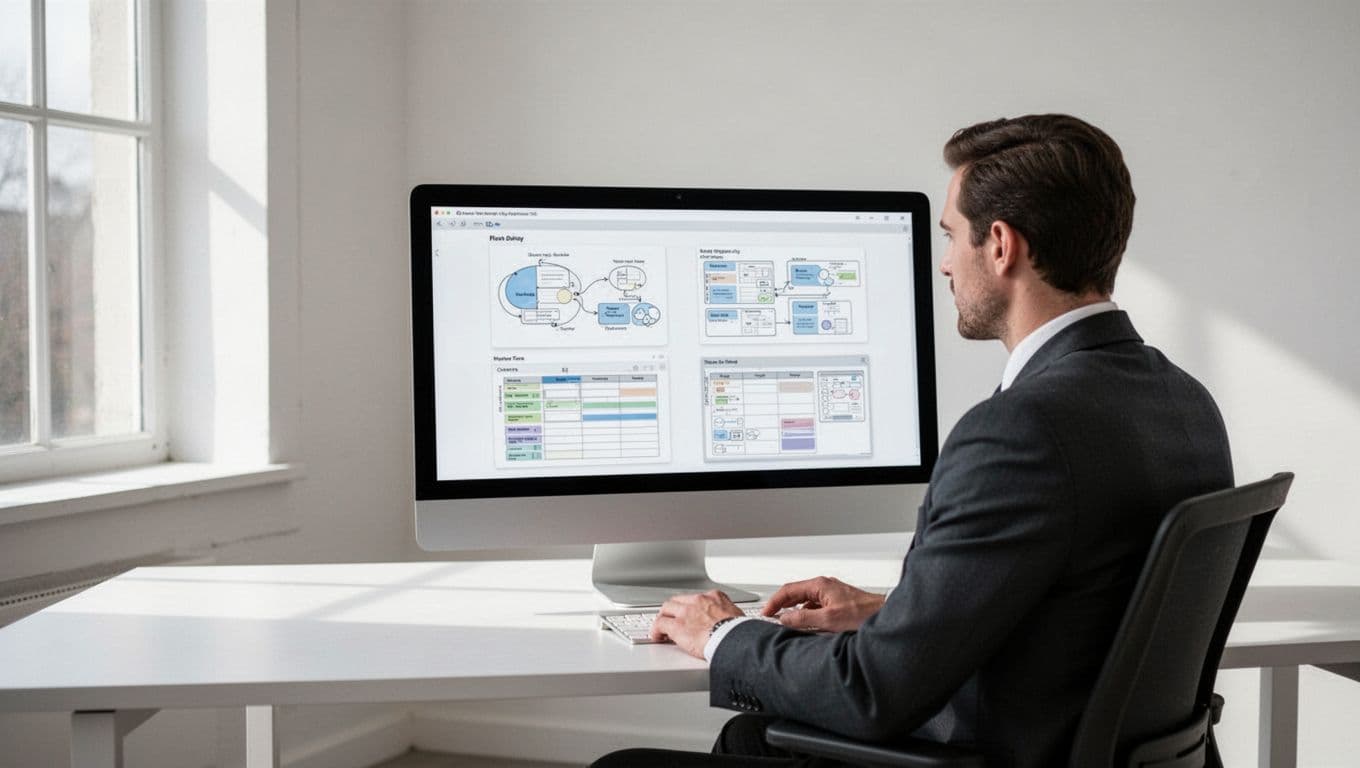
A strong Pinterest strategy in 2026 starts with focus. The platform rewards Pins that feel specific, useful, and easy to classify, so your plan should make that job simple. When you build around clear topics, matching landing pages, and content people actually want to save, you give Pinterest better signals and give readers a better experience.
Create Pins that match one clear topic at a time
Pinterest performs better when each Pin has one job. A Pin that tries to cover too much feels fuzzy, and fuzzy content gets weaker results. One Pin should make one promise, point to one topic, and send people to one landing page that matches the search intent.
That means you should stop blending multiple ideas into one design. A Pin for “easy breakfast ideas” should not also talk about meal prep, grocery lists, and kitchen tools. The more focused the topic, the easier it is for Pinterest to read the image, title, description, and page together.
A simple planning filter helps here:
- One promise means the Pin delivers one clear outcome.
- One topic means the keyword and image stay on the same subject.
- One landing page means the click leads to the exact answer.
- One search intent means the content matches what the user wanted in the first place.
This approach also helps with trust. Readers do not want surprises after the click, and Pinterest notices when people bounce because the page does not fit the Pin. If you want broader traffic later, build more Pins for related angles instead of stuffing everything into one.
Use Pinterest-friendly content formats that people save
Pinterest is built around useful content, so your best-performing ideas usually have a practical shape. Tutorials, checklists, recipes, how-tos, and step-by-step visuals fit the way people use the platform. They answer a question fast, which makes them more save-worthy.
Content that works well on Pinterest often has one of these traits:
- It solves a problem.
- It shows a process.
- It gives a list of ideas.
- It helps people plan, buy, or compare.
Visual step-by-step content does especially well because it feels easy to follow. For example, a Pin about “how to organize a small closet” can show the process in a clean sequence, while a recipe Pin can highlight the finished dish, key ingredients, and a short promise in the graphic.
You can also build around seasonal ideas, shopping guides, and comparison posts if they match your niche. A good way to test format is to ask whether the Pin would be useful enough for someone to save and return to later. If the answer is yes, you are on the right track.
For a broader view of how strategy, SEO, and posting habits work together, Hootsuite’s Pinterest marketing guide offers a useful 2026 overview.
Make sure your landing page keeps the promise of the Pin
Pinterest does not stop at the click. It also pays attention to what happens after someone lands on your page, because that tells the platform whether the Pin delivered real value. If the page is slow, off-topic, or hard to use, the Pin loses strength over time.
Your landing page should do three things well. First, it should load fast on mobile. Second, it should match the topic and promise of the Pin. Third, it should help the reader find the answer without extra friction. That means clear headings, helpful content, and a layout that feels easy to move through.
A smooth user experience matters more than many people think. If a visitor taps a Pin about “budget meal prep ideas” and lands on a cluttered homepage, Pinterest gets a mixed signal. If that same visitor lands on a focused article with the exact ideas promised, the signal is much stronger.
Your Pin gets the click, but your page earns the long-term ranking signal.
This is also where trust grows. People remember pages that respect their time. So keep the copy direct, remove distractions, and make sure your content actually answers the search. When the Pin and page stay aligned, Pinterest has a better reason to keep showing your work.
Conclusion
Pinterest in 2026 still rewards the same core habits that drive lasting reach, clear keywords, strong visuals, and a Pin that matches the page behind it. When those pieces line up, the algorithm has an easy job, and your content has a better chance to stay visible.
The strongest strategy is simple. Make helpful Pins, use natural search terms, keep your account consistent, and publish fresh creative instead of repeating the same design.
That approach gives you more than short bursts of traffic. It builds a Pinterest presence that keeps working over time, which is exactly what matters now.
Save the pin for later

- How I Make Money on Pinterest Pinning in 2026 - June 23, 2026
- How to Research Pinterest Keywords for Blog Posts In 2026 - June 23, 2026
- How to Set Up Google Search Console for a Blog - June 23, 2026