 Onwe Damian Chukwuemeka
Many creators believe that viral success on Pinterest is a matter of luck, but the truth is far more predictable. You don’t need to chase algorithms or rely on chance to see your content take off.
Viral pins are actually built using a specific mix of smart design, strong keywords, and content that people genuinely want to save. Because Pinterest remains a search engine driven by inspiration, the goal is to create pins that align with what your audience is already looking for.
If you are ready to master driving website traffic from Pinterest through consistent, high-performing content, let us look at how you can build a system that works.
What makes a Pinterest pin spread fast
Viral reach on Pinterest often stems from a pin’s ability to solve a specific problem or satisfy a user’s curiosity over a long period. Unlike platforms that prioritize immediate reactions, Pinterest rewards content that remains helpful months after it goes live. Pins that gain momentum usually do so because they align perfectly with user intent, offering value that people want to save for future reference.

Why Pinterest is more like a search engine than social media
Most users visit Pinterest with a clear goal in mind. Whether they are planning a renovation, looking for meal ideas, or seeking fashion inspiration, they come to find solutions. This user behavior shifts the focus from social interaction to discovery. Pinterest functions as a visual database where the primary objective is to match a user’s specific query with the most helpful content available.
Because intent drives the platform, successful creators treat their pins like landing pages rather than status updates. Your content needs to answer the questions that people are already asking in the search bar. When you prioritize clear, searchable topics, you help the platform identify exactly who needs to see your work. To refine your approach to this search-first environment, you can review essential SEO steps for new content to ensure every pin is built for discovery.
If you create content based on trending searches or evergreen needs, you naturally increase your chances of appearing in front of the right audience. Think of your pins as long-term assets that wait patiently for someone to search for the solution they provide. By understanding how Pinterest search and discovery works, you gain the ability to structure your descriptions and titles so they appear exactly when a user hits the search button.
The signals Pinterest seems to reward most
Engagement on Pinterest works differently than on other platforms. While likes are visible, they carry less weight than actions that demonstrate deep interest. The algorithm pays close attention to how users interact with your pin, specifically looking for signals that the content is worth keeping or sharing.
Three primary actions trigger significant growth for your pins:
- Saves: This is the strongest signal you can receive. When someone saves your pin, it tells the platform that your content is valuable enough to be indexed in a personal collection for later use.
- Clicks: A click-through to your website indicates that your pin successfully sparked curiosity and motivated the user to learn more about the topic.
- Close-ups and zooms: If a user clicks to enlarge an image, they are indicating a desire to see the details, which suggests your visual design is effective.
Consistency plays a major role in how these signals accumulate over time. When your account consistently produces high-quality content in a specific niche, the platform begins to view you as a reliable source. This trust can eventually lead to broader reach across the platform. As you focus on monetizing your Pinterest account, remember that your primary goal is to build a library of helpful, high-performing assets. By focusing on how Pinterest’s algorithms work, you can shift your strategy to prioritize long-term engagement over short-term trends.
Pick topics people already want right now
Success on Pinterest starts with choosing ideas that mirror the actual interests of your audience. When you build content around existing demand, you reduce the guesswork and increase the likelihood of your pins gaining traction. The most effective strategy is to combine high-volume search topics with your unique brand perspective.

Use 2026 Pinterest trends without copying them
Trends like “Cool Blue” or “Poetcore” offer a massive head start because they are already gaining momentum. However, simply reposting generic aesthetic images won’t set you apart. Instead, adapt these visual themes to fit the specific needs of your niche.
If you run a food blog, look at how “Cool Blue” can influence your table styling or drink photography. For those in home decor, integrate the “Mystic Outlands” vibe through specific texture choices rather than just pinning someone else’s room. You want your content to feel fresh, current, and deeply relevant to your specific audience.
To see how these concepts appear in practice, check out the official top trends for 2026 for inspiration that keeps you ahead of the curve. By translating a broad trend into your own voice, you provide value that feels timely while staying true to the authority you have built in your space.
Choose ideas with built-in search demand
Users often search for solutions, not just eye candy. To get more eyes on your pins, structure your content around the specific queries that people enter into the search bar every day. Focus on clear, intent-driven formats like step-by-step guides, resource lists, or quick fix tutorials.
When you create a pin that solves a clear problem, it becomes a permanent asset in the search results. People save these pins because they serve as reference points for future projects. If you need help identifying which periods are best for your new content, looking at optimal Pinterest posting schedule details can help ensure your high-intent pins reach users when they are most active.
Use these formats to capture search traffic:
- How-to guides: Provide clear instructions for DIY or beauty projects.
- Resource lists: Compile curated collections of tools, products, or ideas.
- Problem solvers: Address common struggles in your industry with a direct, visual answer.
- Inspiration boards: Group related items into a cohesive theme that saves the user time.
The goal is to be the primary destination when someone searches for a solution. When your pin acts as a direct answer to a user query, you remove the barrier between their search and your website traffic. Consistently producing this kind of useful content builds a foundation that makes your account a trusted source over time.
Create pins that stop the scroll in one second
Pinterest is a visual discovery engine where users move fast. If your pin doesn’t grab attention in the brief moment someone scrolls past, you lose that potential click. Success on this platform requires a design that communicates value instantly. Focus on clarity over complexity to ensure your audience knows exactly why they should stop on your content.
Make the image easy to understand at a glance
A common mistake is trying to fit too much information into one graphic. If a user needs more than a second to figure out what your pin is about, they will keep scrolling. Stick to one clear idea per pin. If you have five tips, create five separate pins rather than packing them all into a single, crowded layout.
Obvious focus is the hallmark of a high-performing pin. Your primary subject should dominate the frame. Use ample white space to let the design breathe and draw the eye toward the most important element. If your image is busy or cluttered, the user’s brain struggles to process the message, and they will ignore it.
Write pin text that is short, specific, and useful
Your overlay text serves as the headline for your content. It must promise a clear result or offer a direct benefit. Vague phrases like “My thoughts on decor” are weak because they don’t tell the user what they get. Instead, use specific language that highlights the value of the click.
Great overlay text focuses on the outcome. Phrases like “5-Minute Kitchen Fix” or “Save $200 on Groceries” work well because they imply a clear, helpful result. Keep your copy under seven words to maintain readability on mobile devices. For more technical details on optimizing your visual assets, see these proven Pinterest pin design techniques.
Use colors, fonts, and style that fit your audience
Your visual style should reflect the expectations of your niche. A luxury fashion brand requires a different aesthetic than a cozy home cooking blog. Use fonts that are thick and easy to read, as fancy scripts often disappear when viewed on a small smartphone screen. Consistency in your color palette and typography helps users recognize your brand as they scroll, which builds trust over time.
Don’t let your design become too busy. You can maintain brand recognition without sacrificing clarity by sticking to a limited set of colors and styles. When you align your visual language with your audience’s preferences, your content feels native to their feed. High-contrast color choices help your text pop against the background, ensuring that your main message remains visible even in a crowded search results page. If you want to refine how your designs rank, you can learn more about Pinterest SEO for pin designs to ensure your work is both beautiful and discoverable.
Make your titles and descriptions work harder
Your Pinterest titles and descriptions are the bridge between your content and your future audience. While beautiful images catch the eye, text tells the platform what your pin contains and who needs to see it. Thinking about SEO in simple, human terms makes a huge difference in whether your content remains buried or gets discovered. Focus on clarity, and you naturally improve your odds of reaching the right people.

Use keywords people would actually type into Pinterest
Search engines rely on the specific words users input to find solutions. Instead of guessing, use phrases that reflect the common language of your target audience. Think about the exact terms you would use if you were looking for your own content. If you have a blog post about home organization, someone might search for “small closet storage ideas” or “how to organize a tiny pantry.”
Avoid robotic keyword chains that look like a jumble of disconnected terms. This practice, often called stuffing, makes your content look unprofessional and harms your reputation with users. Pinterest prioritizes natural language, so write your titles as if you are speaking directly to a friend.
- Use descriptive, primary keywords that match your content perfectly.
- Stick to one clear topic per pin.
- Keep phrasing conversational rather than technical.
If your title reads naturally, the algorithm understands it just as well as your human readers do. For more help on finding what your audience wants, look at these 12 Pinterest SEO tips for high-traffic success.
Write descriptions that support the click
Your description is your opportunity to expand on the headline and convince someone that your link is worth their time. Think of it as a preview of the value waiting for them on your website. Start by stating exactly what the user will gain, whether it is a tutorial, a shopping list, or a design concept.
Expand on the core idea by adding helpful details that provide context. If you are sharing a recipe, mention why it is unique, such as its short prep time or simple ingredients. If it is a DIY project, highlight the difficulty level or the specific budget-friendly tools used. This extra information acts as a roadmap for the reader, which creates clear expectations.
- Start with your primary keyword in the first sentence to anchor the content.
- Keep the length between 100 and 300 characters for the best balance of readability and detail.
- Include a clear call-to-action like “click to see the full tutorial” or “save this for your next weekend project.”
When you provide a helpful, human-centered summary, you make it easy for users to decide that your pin is the correct answer to their search. Learn more about optimizing your pins for search to ensure your descriptions carry the right weight for your content.
Match the pin to the landing page
A viral pin is only successful if the destination page delivers on the promise you made. If your pin promotes a “5-minute organization hack,” your website must show that exact result quickly. When users arrive and find unrelated content or a slow, confusing page, they bounce back to Pinterest instantly. This behavior tells the platform that your link is unhelpful, which lowers your future reach.
Building trust begins with alignment between your visual assets and your content. Use the same tone, keywords, and core message in your description that users find on your site. When the experience is consistent, users feel confident in your brand. They are much more likely to save your content and return for more in the future.
Reliability is the foundation of long-term growth. When your landing page satisfies the curiosity sparked by your pin, you build an audience that values your expertise. Focus on creating a smooth transition from the search result to your site, and your traffic will steadily grow.
Build a posting plan that gives your pins a better shot
Success on Pinterest is rarely about a single viral moment. It is about building a system that puts your best ideas in front of users on a reliable schedule. By creating a rhythm for your account, you help the platform identify your content and understand your niche. A well-planned approach reduces the stress of daily content creation while keeping your presence active and discoverable.
Post consistently instead of waiting for perfect
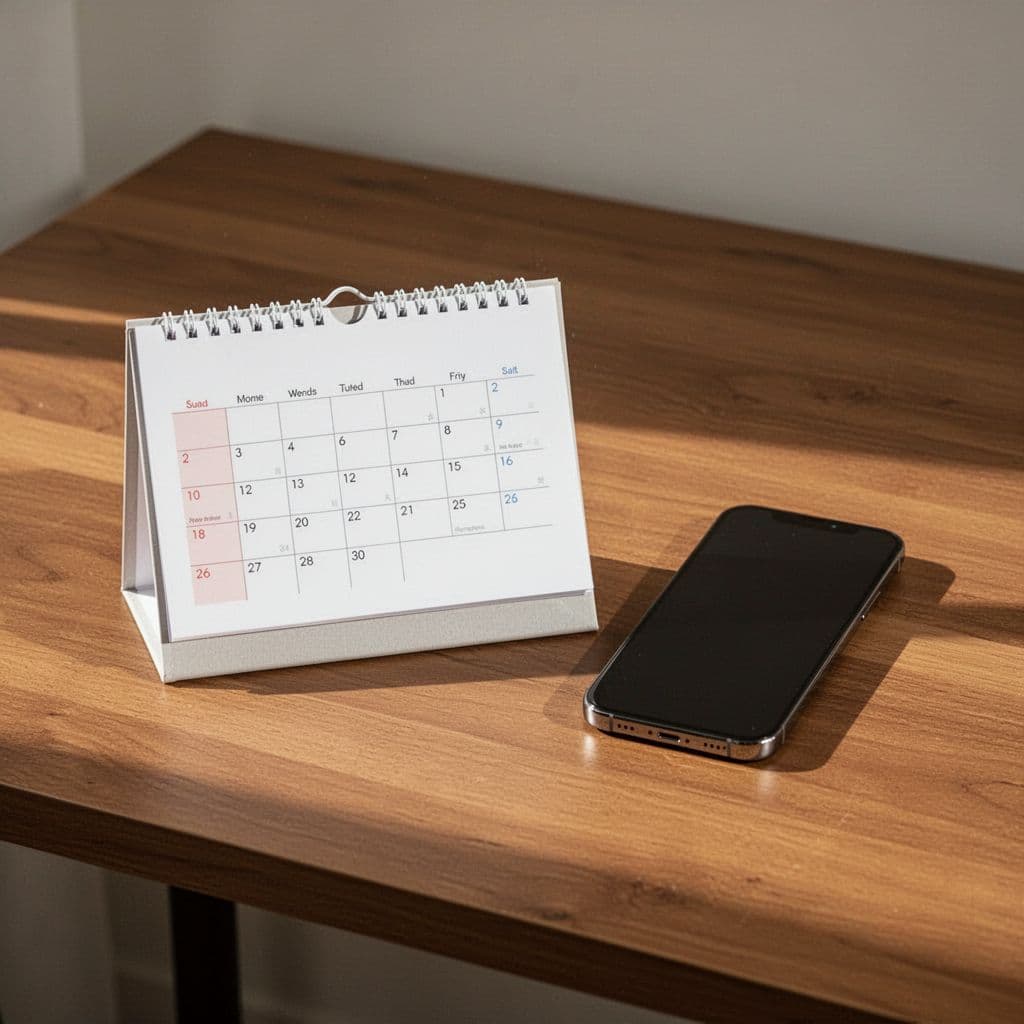
Many creators stall because they wait for the perfect design or the ideal time to post. On Pinterest, perfection is an enemy of progress. The algorithm prefers steady activity over sporadic bursts of content. When you post a few high-quality pins every week, you provide the platform with enough data to categorize your work correctly.
Aim for a schedule you can maintain over months, not just a few busy weeks. If you start with two or three fresh pins per day, stay at that frequency until it becomes a standard part of your routine. This reliability helps Pinterest build a profile of your interests, which improves your chances of showing up in the right search results. Focusing on optimal Pinterest posting schedule habits allows you to develop a manageable workload while you learn what truly interests your audience.
Test different images for the same idea
You do not need a new topic for every pin you create. In fact, some of your best results will come from taking a single high-performing blog post or product page and presenting it through different visual angles. Design a few variations for each piece of content and track which ones get the most clicks and saves.
Try changing these elements to see what works best:
- Use a lifestyle photograph for one pin and a clean graphic for another.
- Test different headlines that highlight unique benefits or solve specific user problems.
- Experiment with vertical text overlays versus images that rely on clean, spacious design.
Data takes the guesswork out of your strategy. If one style consistently earns more saves, put more of your time into that design format. You are learning what your audience prefers through direct observation rather than making assumptions. This iterative process turns every piece of content into a chance to refine your visual language.
Refresh old content that still has potential
Your past pins are not dead weight. Many of them contain evergreen information that remains valuable to users long after the initial post. When an older pin stops generating traffic, it is often because the image feels dated or the title no longer matches current search trends.
Give that content a second chance by designing a fresh image and updating the description. A new look can make an old link feel like a brand-new discovery. When you repackage your most helpful content, you multiply the impact of every hour you spend in your content studio. This habit keeps your feed looking current and ensures that your best work continues to serve your audience long-term.
Turn clicks into saves, traffic, and repeat views
Viral reach is only the beginning of your journey on Pinterest. The true goal is to transform casual browsers into a loyal audience that interacts with your content repeatedly. When your strategy moves beyond mere clicks, you build a sustainable engine for long-term traffic. This process requires a focus on value, smooth transitions, and smart data analysis.

Give people a reason to save your pin
Saves are the lifeblood of Pinterest growth because they signal that your content offers lasting utility. Users rarely save vague, inspirational imagery for long periods. They save reference material, such as checklists, tutorials, or detailed guides, because these assets solve future problems. Your content must function as a tool that users want to keep in their digital library.
Focus on creating “save-bait” by packing your pins with high-value information. A pin that explains “5 ways to organize a pantry” is far more likely to be saved than one simply titled “Pantry goals.” When your graphic displays a step-by-step summary or a quick-reference chart, the user gains value before they even click. To see how your content ranks against competitors for these high-value spots, you might look into finding high-traffic keyword opportunities. By prioritizing utility, you ensure your pins remain relevant to the user for months, rather than just minutes.
Create landing pages that keep readers engaged
A successful click from a pin is merely the introduction to your website. If a user arrives and faces slow load speeds, cluttered designs, or confusing navigation, they leave immediately. You must match the specific promise of your pin on the landing page to build trust. If your pin promotes a specific tutorial, the reader should find that information at the top of the page without digging.
A good landing page acts as an invitation for further browsing. Use clear headings, readable fonts, and a layout that keeps the reader focused on your primary solution. You can further improve your site’s performance by fixing technical SEO issues for traffic restoration to ensure that your pages remain accessible and fast. When your website provides an experience that mirrors the quality and intent of your pin, users are more likely to stay, explore other articles, and return to your brand in the future.
Track what works so you can repeat it
Data removes the guesswork from your Pinterest strategy. You should watch your analytics closely to see which pins generate the most impressions, saves, and clicks. When you identify the topics and visual styles that resonate with your audience, you can replicate that success in future posts. If a specific tutorial format drives massive saves, produce more content in that same style.
Avoid obsessing over individual vanity metrics and focus on the trends. Do your followers prefer listicles or deep-dive guides? Which colors or layouts stop them from scrolling? By gathering this information, you sharpen your content plan to prioritize what actually moves the needle. Regularly reviewing your top-performing assets allows you to spend less time on low-impact content and more time building a library of high-authority resources. Remember that consistent, small improvements to your process yield far greater results than chasing random viral spikes.
Conclusion
Viral success on Pinterest relies on a reliable formula of targeted topics, clean visuals, and clear keyword use. When you align your content with what users want to find right now, you build an asset that continues to attract traffic long after you hit publish.
Focus your energy on creating content that solves a specific problem or fulfills an inspiration goal. Consistency remains your best tool, as the algorithm rewards accounts that regularly provide high-quality answers to search queries.
Don’t chase temporary trends in isolation. Instead, test different design styles and topics to see what your specific audience prefers. Use these findings to refine your approach, then watch as your most helpful pins turn into long-term traffic sources for your business.
Save the pin for later

- How I Make Money on Pinterest Pinning in 2026 - June 23, 2026
- How to Research Pinterest Keywords for Blog Posts In 2026 - June 23, 2026
- How to Set Up Google Search Console for a Blog - June 23, 2026