 Vivien Robert
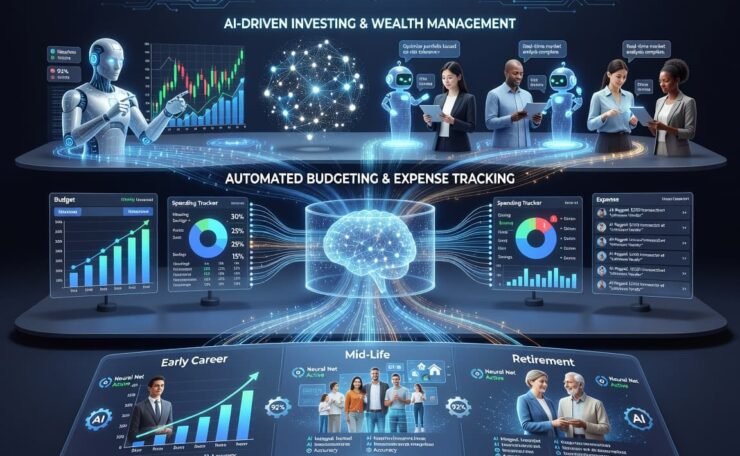
Money management used to mean sticky notes, app alerts, and a lot of guesswork. Now AI is helping everyday people spot spending patterns, catch fraud faster, and move money with more purpose before small mistakes turn into expensive ones.
That shift matters because personal finance is getting more personal and more timely. Tools in everyday banking and budgeting apps can now help with savings, investing, and expense tracking, but they still work best when you pair them with sound judgment, privacy awareness, and healthy money habits.
What used to be reactive record-keeping is becoming a sharper, more useful way to manage cash flow, so the next step is seeing where AI helps most and where you still need to stay in control.
Why AI is changing personal finance right now
Personal finance used to be a rearview mirror. You checked what you spent, added up the damage, then tried to fix it next month. AI changes that rhythm by spotting patterns early, predicting where money may go off track, and nudging you before a small problem turns into a bigger one.
That shift matters because money decisions now feel more immediate. A budgeting app can warn you that your current habits may keep you short on a savings goal, or that a heavy spending week could leave you tight before payday. That kind of early signal saves time, cuts guesswork, and gives you a chance to act while you still have options.
 ### From tracking expenses to predicting money problems
Older money tools were good at recording the past. They showed you what you bought, where you spent it, and how much was left. Helpful, yes, but they often came after the damage was done.
AI tools work earlier in the cycle. They can read your habits, compare them with past patterns, and point out where your money may be heading next. For example, if you usually overspend on dining out by the third week of the month, an AI-powered app can flag that trend before your account gets strained.
That difference is easy to feel in daily life. Instead of sorting receipts at the end of the month, you get a heads-up while choices still matter. A warning like “you may miss your savings target if spending stays this high” gives you time to adjust, not just explain what happened later.
The big shift is simple, old tools recorded mistakes, AI tools help you avoid them.
This is also why AI saves mental energy. You spend less time hunting for patterns and more time making decisions. For people who want better control without living inside a spreadsheet, that matters a lot.
For readers who want to build stronger habits alongside smarter tools, practical tips for better money management can help turn those alerts into action.
Why everyday users are starting to benefit
AI used to feel like a luxury for investors with big portfolios or people who worked with financial advisors. Now it shows up in the apps many people already use. Banking platforms, budgeting tools, and savings apps are adding smarter alerts, automatic categorization, and simple recommendations that fit normal routines.
That wider access is one of the biggest reasons AI matters now. People do not need a finance degree to get useful support. They do not need to hire an expert to understand spending patterns or set aside small amounts more consistently. The tools are becoming more practical, and that makes them easier to use every day.
A recent real-time overview of AI in personal finance points to the same trend, better budget accuracy, automatic savings, and faster fraud detection are showing up in mainstream tools, not just premium products. For a broader look at how these systems are being used, TimelyBills’ overview of AI in personal finance gives a useful snapshot.
That change matters most for ordinary users. A student trying to stretch a paycheck, a parent tracking household costs, or anyone trying to cut back on waste can now get help that once felt out of reach. Finance feels less like a monthly cleanup task and more like a system that works with you in real time.
As a result, AI is not just changing what personal finance tools do. It is changing who they serve, how quickly they respond, and how much help everyday people can get without paying for a full advisory setup.
How AI makes budgeting and saving feel easier
Budgeting gets easier when the work stops feeling like a punishment. AI helps by watching patterns, moving money with better timing, and turning a pile of money tasks into a few clear decisions. Instead of forcing you into one stiff monthly plan, it gives you a budget that bends with real life.
That matters on ordinary days, when spending changes for normal reasons. Groceries cost more, a ride home replaces a walk, or family needs pop up without warning. AI can adjust around those shifts, so the budget feels more human and less like a scolding note taped to the fridge.
Smarter budgets based on real spending habits
Traditional budgets often fail because they start with guesswork. AI works better when it studies what you actually do, then builds a plan around that behavior. If your food spending rises near the end of the month, the system can spot it and suggest a grocery limit that fits your real habits instead of an ideal version of your life.
That makes a big difference for people who get tired of restarting the same budget every month. AI can sort spending into groups, compare each category against past patterns, and then adjust the numbers when your routine changes. A budget built this way feels less like a trap and more like a map you can follow.
A practical setup might look like this:
- Groceries stay flexible when prices jump.
- Rides and transit get room during busy weeks.
- Family costs adjust when school or home needs rise.
- Discretionary spending gets trimmed when the month is already tight.
That kind of budgeting feels calmer because it matches your life instead of fighting it. If you want a simple starting point, how to build your first monthly budget gives a useful base to work from.
A budget works better when it reflects reality, not wishful thinking.
 ### Automatic savings that work in the background
Saving money gets easier when you don’t have to think about it all day. AI can watch your cash flow, notice safer moments to move money, and nudge you to save a little without wrecking your checking balance. That removes a lot of second-guessing.
Small moves add up fast when they happen often. An app might round up a purchase, move a few dollars after payday, or suggest a small transfer when bills have cleared. Those tiny actions may not feel dramatic, but they build real momentum over time.
This kind of setup helps because it takes emotion out of the choice. You don’t have to wonder every week whether you should save or spend. The system can do the boring part for you, which leaves you with more energy for the bigger decisions.
For readers who need help breaking the habit of spending everything that comes in, simple ways to stop overspending and save money pairs well with this approach. In short, saving gets easier when it runs in the background instead of sitting on your to-do list.
Finding hidden spending leaks before they grow
Small leaks can drain a budget before you notice what happened. AI is good at catching those leaks because it sees patterns across many small charges, not just the big purchases that grab your attention. A $9 subscription here, a $14 delivery fee there, and a few impulse buys can add up fast.
It also helps with spending that comes from mood, not need. Maybe you shop when you’re stressed. Maybe you order food when you’re tired. AI tools can flag those patterns, so you can see where your money slips away and why it happens.
Common leaks AI can catch include:
- Duplicate subscriptions you forgot about or no longer use.
- Small impulse buys that repeat often enough to hurt.
- Emotional spending that shows up after stress or frustration.
- Auto-renewals and fees that hide in plain sight.
One recent overview of AI personal finance tools points out that these systems are getting better at spotting subscription overlap, predicting cash flow, and warning users before overdrafts happen. For a broader look at how automation fits into money management, AI and apps for personal finance automation is a solid reference.
The real value is simple. AI catches the tiny drains that people miss because they happen in pieces. Over a month, those small leaks can quietly wreck a budget that looked fine on paper.
AI is giving people better ways to invest and plan ahead
The biggest shift in personal finance is moving from short-term cleanup to long-term growth. AI is helping everyday people make smarter investing choices, build plans that fit real life, and adjust when the future changes shape.
That matters because investing used to feel reserved for people with big accounts or paid advisors. Now, more tools can sort through options, compare risk, and help you decide what fits your goals without drowning you in jargon.
 ### Personalized investing tools once reserved for experts
AI is making investment help feel less exclusive. Instead of handing everyone the same model, it can look at your age, income, goals, and comfort with risk, then suggest a path that fits your life.
That matters because a retirement plan for a 25-year-old should not look the same as one for someone nearing retirement. AI can help sort out the difference between aggressive growth, balanced investing, and conservative choices in plain language. It can also connect the dots between your timeline and your money, so long-term goals feel more manageable.
For example, someone saving for a house in three years may need a different mix than someone investing for retirement in 30 years. AI can help with that planning layer, then point you toward options that match your time horizon instead of a one-size-fits-all portfolio.
A few useful ways AI helps here include:
- Risk matching that aligns your comfort level with your investment mix.
- Goal-based planning that separates short-term needs from long-term growth.
- Time horizon checks that keep money you need soon out of overly risky places.
- Simple portfolio suggestions that help you start without feeling lost.
If you want a basic foundation before using smarter tools, these habits for financial freedom are a strong place to start.
A 24/7 planning guide that adjusts with life changes
Life does not stay still, and your investment plan should not either. AI can update your plan when your income changes, debt grows, or a big event shifts your priorities. That means you do not have to start over every time life gets messy.
If you change jobs, take on new bills, or welcome a child, AI tools can revisit your plan and suggest a new path. They can show how much room you have to invest, how your savings target may need to shift, and where your risk level should come down for a while. That kind of support feels steady, especially when your finances are in motion.
This ongoing help is useful because people often abandon plans when the plan gets too rigid. AI can act like a calm checkpoint in the background, ready to adjust instead of judge. It keeps the conversation going, even when you do not have time for a full reset.
A recent overview of AI investing tools notes that robo-advisors and related systems are becoming cheaper and more personalized, which makes this kind of support easier to access for everyday users. For a helpful look at the limits and strengths of these tools, Verdence’s review of AI investment advice lays out what AI can and cannot handle.
AI is useful when your life changes fast, because it can recalculate without making you rebuild everything from scratch.
Why human judgment still matters with AI investing
AI can scan data faster than any person, but it cannot replace judgment. It does not know your family priorities, your values, or the reason you may want to avoid certain industries. Those decisions still belong to you.
It also depends on the quality of the data it receives. If the input is wrong or incomplete, the output can miss the mark. A person can see context that software may not catch, like a major medical bill, a shaky job situation, or a goal that matters more than raw return.
That is why the best results come from using AI as a helper, not a final authority. Let it sort, compare, and flag patterns. Then slow down before making big moves. Patience still matters, and common sense still pays.
In plain terms, AI can do the math, but you still have to live with the decision. That is especially true for long-term investing, where a calm plan often beats a quick reaction.
When you use AI well, it becomes a guide that helps you plan ahead with more confidence. The smartest move is to let it do the heavy lifting, then keep your own judgment close enough to steer the wheel.
Better fraud protection and safer money decisions
AI is making account security feel less reactive and more alert. Instead of waiting for a card charge to snowball into a bigger mess, it can spot odd behavior early and raise a flag while there is still time to act.
That matters because fraud often starts small. A strange online purchase, a login from a new device, or a payment that does not fit your habits can be the first warning sign. With AI watching patterns in the background, those clues can show up fast enough to stop more damage.
 ### How AI spots unusual activity in seconds
AI protection works by learning what normal looks like for your account. It notices where you usually shop, how much you spend, what devices you use, and when your activity tends to happen. When a new transaction breaks that pattern, the system can treat it like a warning light on the dashboard.
For example, if you usually buy groceries in your home city, then a large charge appears from another state or country, AI can flag it right away. The same thing can happen with a sudden login from a new phone, a payment that is much larger than usual, or several quick purchases in a row. A good system does not need to wait for a human review before acting.
That speed matters because fraud moves fast too. The earlier the system catches the odd behavior, the better the chance of stopping the charge before money disappears. IBM’s overview of AI fraud detection explains how models learn to tell normal activity from suspicious transactions in banking.
Why faster alerts can reduce financial damage
Fast alerts can turn a bad moment into a manageable one. If your bank catches a strange charge within seconds, you can freeze the card, confirm the purchase, or shut down access before a thief keeps going. That one alert can prevent a small issue from becoming a long cleanup.
The payoff is more than money. It also cuts stress. You are not staring at your account wondering what happened, because the system has already pointed out the problem and given you a next step. That kind of early warning can make online banking feel calmer and safer.
The best fraud protection is the kind that finds trouble before you feel its full weight.
When the alert comes early, you keep more control. You spend less time fixing damage and more time protecting the rest of your finances.
What users should still watch for
AI is strong, but it is not a free pass to ignore basic money habits. You still need to review statements, use strong passwords, and keep an eye out for scams that try to trick you into handing over access. A smart system helps, but it cannot replace your attention.
A few simple habits still matter:
- Check your account activity often, especially after travel or big purchases.
- Use unique passwords and turn on two-step verification.
- Watch for phishing texts and fake login pages.
- Report anything strange as soon as you notice it.
AI works best as a watchful helper, not a magic shield. Paired with careful review and simple money management habits, it gives you a much better chance of keeping your accounts safe and your decisions steady.
What people should know about privacy, bias, and bad data
AI can make money management feel lighter, but it still depends on what you feed it. If the numbers are wrong, the advice can drift. If the system sees too much, privacy gets thin. If the model carries bias, the guidance can tilt in the wrong direction.
That is why smart use matters as much as smart software. AI can help you spot patterns and save time, yet it still needs clean data, careful sharing, and a human eye on the final call.
 ### Why messy data can lead to weak advice
AI tools are only as useful as the information behind them. If your spending data is missing pieces, your income is outdated, or your account info is incomplete, the tool may read your life through a cracked lens. The result can be a budget that is too tight, a savings plan that is too optimistic, or advice that misses the real problem.
A missing paycheck deposit can make your cash flow look worse than it is. A forgotten card balance can make your spending seem lower than reality. Even one wrong category, like labeling a business expense as personal spending, can push the advice off track.
That is why clean input matters. A tool cannot give solid guidance if it is working from half the story.
The FIS discussion of AI risks in finance makes the same point in a broader way, data quality, fairness, and transparency all shape whether the output helps or harms. In personal finance, that means your habits and records need regular checks.
If the inputs are thin, the recommendations can look polished and still be wrong.
How to protect your privacy while using AI tools
Privacy deserves a calm, careful approach. Start by reading what a tool asks to access, then decide whether that access makes sense for the job. A budgeting app may need transaction data, but it does not need more than that.
It also helps to share less whenever you can. Use trusted platforms, limit account connections to tools you actually use, and avoid pasting sensitive details into prompts unless they are truly needed. The more information a system sees, the more you need to trust the company behind it.
A few habits keep your guard up without making the process feel heavy:
- Review permissions before linking bank or card accounts.
- Use tools from companies with clear privacy policies.
- Turn off features you do not need.
- Keep personal details out of open-ended chat prompts.
- Check how data is stored, used, and deleted.
IBM’s look at privacy issues in the age of AI is a useful reminder that convenience should never erase caution. Good privacy habits are not about fear, they are about control.
When a real person should step in
AI can handle routine questions well, but some money problems need human judgment. Major debt, tax questions, estate issues, and big life changes can bend a plan in ways software may not fully grasp. A tool can crunch numbers, but it cannot sit with your full situation.
That matters during moments like a job loss, divorce, a new child, a move, or a health crisis. Those events change more than income. They change priorities, timing, and risk tolerance. A human expert can ask follow-up questions, notice context, and help you weigh tradeoffs with more care.
AI is best for pattern spotting, reminders, and first drafts. A person is better when the stakes are high, the facts are tangled, or the decision carries long-term weight.
For planning that involves taxes, debt relief, or legal questions, a qualified professional is still the safer call. AI can support the process, but it should not carry the whole burden.
Conclusion
AI is making personal finance quicker, more personal, and more forward-looking. It helps people catch spending patterns early, tighten budgets, protect accounts, and make choices with more clarity than guesswork.
The biggest win is not convenience alone, it is better habits. With earlier warnings and cleaner data, everyday money decisions get easier to manage and harder to ignore.
Used well, AI can be a steady financial helper in the background. The control still belongs to you, and that balance is what makes the whole thing work.
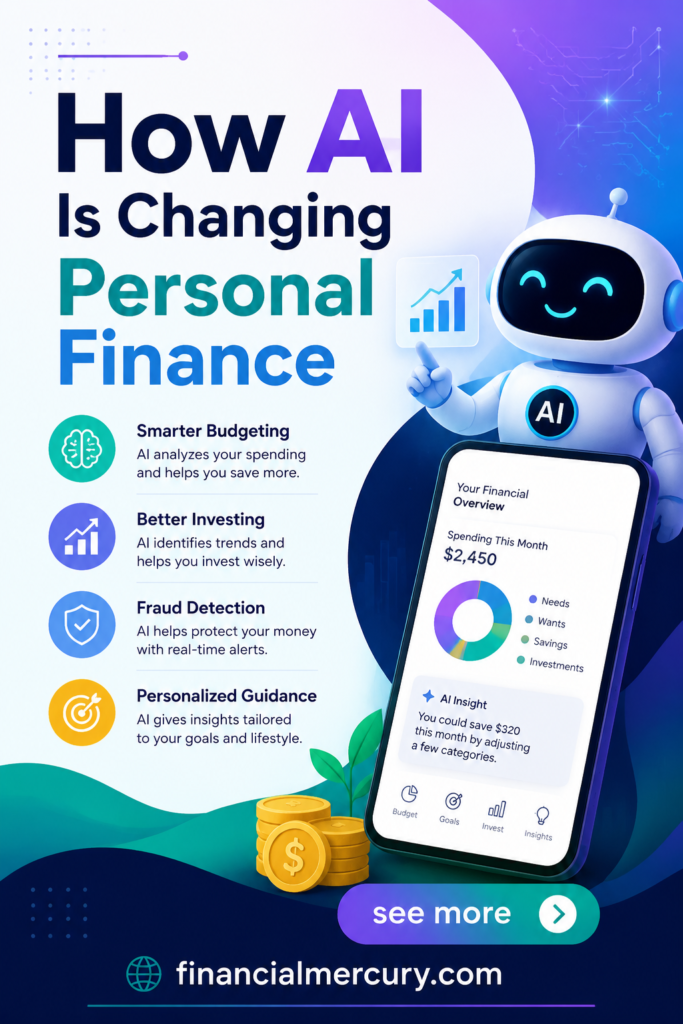
Save pin for later

- How to Find Long-Tail Keywords for Your Blog - June 29, 2026
- Pinterest SEO for Bloggers - June 27, 2026
- How to Do Keyword Research for Beginners - June 27, 2026