 Vivien Robert
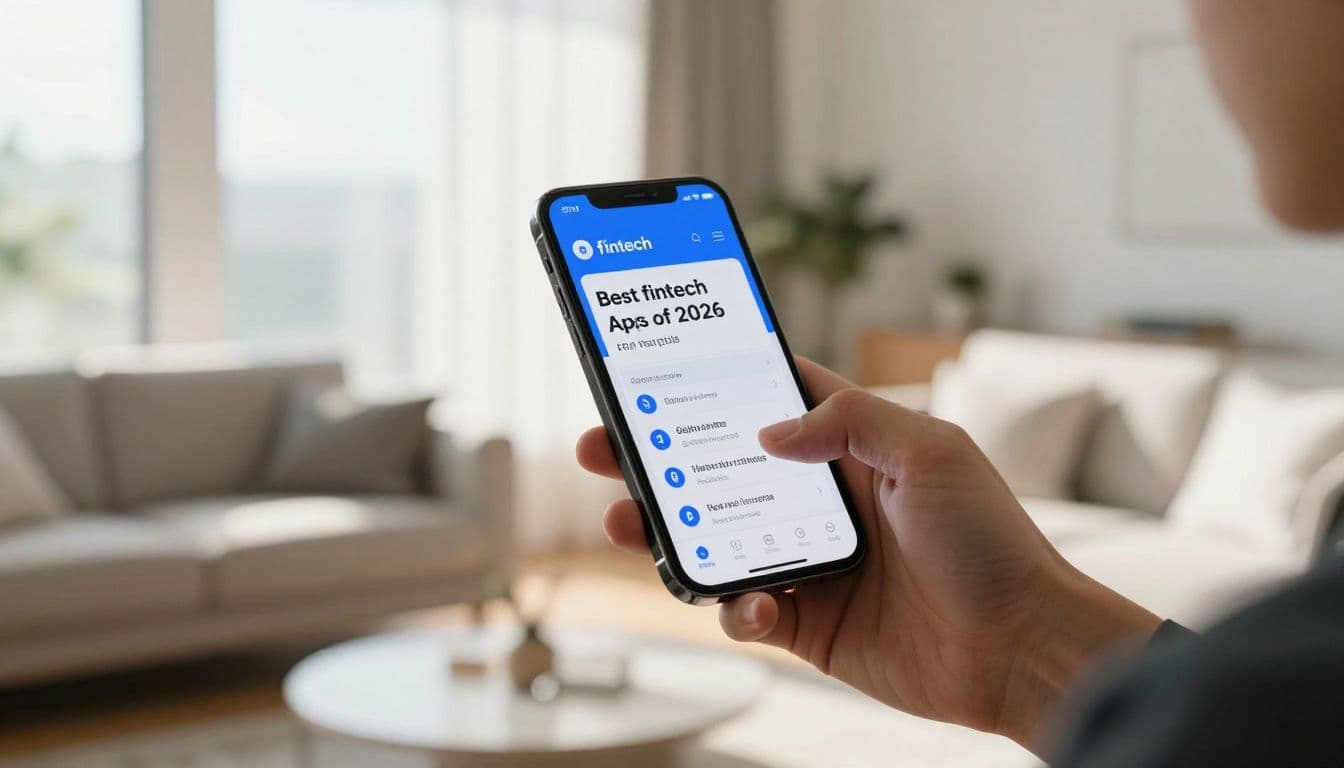
Fintech apps have become the easiest way to keep spending, saving, investing, and bills in one place. The best fintech apps of 2026 are the ones that fit your goal, because a budgeting app, an investing app, and a bill-tracking app do very different jobs.
Many of today’s top apps sync with bank accounts, sort spending on their own, and send real-time updates that take the guesswork out of money management. If you want more control without more effort, this guide points you toward the apps that can make daily money decisions feel lighter and more manageable, along with practical money management habits that help those tools work even better.
What makes a fintech app worth using in 2026?
A good fintech app should feel like a clean dashboard, not a second job. The best ones pull in your accounts, sort the noise, and show you what matters fast.
That matters because most people do not want another place to manage money. They want one screen that answers simple questions, like what came in, what went out, what is due soon, and what needs attention now. A strong app does that without making you dig through tabs or spreadsheets.
 ### The features that save time and reduce money stress
The best fintech apps in 2026 do the boring work for you. They sync with your bank accounts, credit cards, savings, and loans, then update transactions automatically. That means less manual entry and fewer missed details.
They also make your money easier to read. Clear spending categories, simple charts, and a clean dashboard help you spot patterns fast. If groceries keep eating more of your paycheck than expected, you should see that at a glance, not after an hour of tracking.
Useful reminders matter too. Bill alerts help you stay ahead of due dates, while subscription tracking can expose charges you forgot about. Many people pay for services they barely use, and that kind of leak adds up quickly.
A strong app should help you handle your day in minutes. The best ones make room for habits like these:
- Auto transaction tracking that keeps balances and spending current
- Spending categories that show where your money goes
- Bill reminders that cut down on late fees
- Subscription alerts that flag recurring charges
- Clear dashboards that show your full money picture fast
If an app makes you work harder to understand your own money, it is missing the point.
For readers who want better day-to-day money habits, developing good money habits helps turn app data into real progress.
Why security and trust matter more than flashy extras
A pretty interface means little if people do not trust the app. Finance apps handle account data, spending history, and personal details, so security has to come first.
Look for apps that protect logins with strong authentication, encrypted data, and real-time alerts for unusual activity. Those safeguards help you react fast if something looks off. They also make it easier to link accounts without feeling exposed every time you refresh your balances.
Trust also comes from clarity. A good app explains what it connects to, what it tracks, and how it uses your data. If that information feels hidden or vague, the app should raise concern, not confidence.
People should feel calm when they connect financial accounts. If an app adds stress before it saves time, it is the wrong fit. A solid option supports your habits, matches your comfort level, and works toward your financial goals without pushing you into features you do not need.
For a broader look at how money routines build stability over time, habits for financial freedom pairs well with the kind of app choices that keep your finances steady.
When you compare fintech apps in 2026, keep the test simple. The right one should save time, protect your data, and make your next money move easier to see.
The best fintech apps of 2026 for different money goals
The right fintech app depends on what you want money to do for you. Some people need a sharper budget, others want help cutting waste, and some want one place to see every account at once.
That is why the best apps in 2026 do different jobs well. A strong tracker helps you see patterns. A strict budget app keeps your spending in line. A bill-cutting app helps money stop leaking out of your account. For readers who like a simple starting point, a beginner budgeting guide can make app choice easier too.
 ### Copilot Money for people who want the smartest all-around tracker
Copilot Money is the best pick for users who want a clean view of their finances without a cluttered screen. It pulls in spending, categories transactions well, and gives you a polished dashboard that feels easy to read at a glance. That makes it a strong fit if you want your money data to feel organized instead of heavy.
It also works well for both beginners and experienced users. New users get simple visuals and easy tracking, while more advanced users can still dig into spending patterns, subscriptions, and net worth details. In other words, it gives you enough detail to be useful without making you work for every answer.
Copilot stands out because it treats your money like a story you can actually follow. You see where the cash goes, what repeats, and what needs attention next. That combination of smart insight and modern design is why so many people reach for it first.
If you want one app that feels polished, fast, and easy to trust, Copilot Money is the one to beat.
YNAB for anyone who needs a tighter budget
YNAB is the best choice for people who want structure and discipline. It pushes you to give every dollar a job before it leaves your account, which changes the way you think about spending. That simple habit can stop money leaks before they grow into larger problems.
The app works well for people who need a firmer grip on their finances. If you tend to overspend in small, harmless-looking ways, YNAB brings those habits into the light. It keeps your budget active, not passive, so you stay involved with every dollar.
For many users, that extra attention is the point. YNAB rewards consistency, planning, and follow-through. If your goal is to build better money habits and cut loose spending, it gives you the guardrails to do it.
Rocket Money for cutting bills and recurring waste
Rocket Money is the app for people who want savings without a lot of manual work. It looks for subscriptions, recurring charges, and other quiet drains on your account, then helps you take action. That alone can free up more cash than people expect.
Its biggest strength is simplicity. You do not have to comb through every statement by hand to find waste. Rocket Money helps surface charges you forgot about, which is often where easy savings hide.
It is especially useful if your finances feel busy but not broken. Maybe your bills are mostly under control, yet a few memberships, apps, or services keep slipping through each month. Rocket Money helps you clean that up fast, so your budget has more breathing room.
Monarch Money, PocketGuard, and Origin for different styles of users
These three apps fit different habits, so the best one depends on how you like to manage money. Monarch Money gives you the fullest snapshot, PocketGuard keeps spending checks quick and simple, and Origin adds AI help for users who want guidance in one place.
| App | Best for | Why people choose it |
|---|---|---|
| Monarch Money | Full financial picture | Great for users who want to see accounts, spending, and net worth together |
| PocketGuard | Quick spending checks | Best for people who want to know what they can safely spend right now |
| Origin | AI-based guidance | Useful for users who want budgeting help, planning, and smart money support in one app |
Monarch Money fits people who want depth without chaos. It brings accounts, balances, and spending into one view, which makes it easier to track the big picture.
PocketGuard is more direct. It keeps the focus on available spending, so you can open the app and get a quick answer. That makes it a smart choice if you want less guesswork and fewer tabs.
Origin is the best option for users who want more guidance built in. Its AI support helps with budgeting, planning, and next steps, which can be useful if you want the app to do more than display numbers. For a broader look at app features and comparisons, Origin’s 2026 app review offers a helpful side-by-side view.
For readers who also like a physical system, using trackers to manage finances can pair well with app-based budgeting. Some people do best with both, especially when they want more control over cash flow and daily spending.
A few other names can help in narrow cases. NerdWallet is useful for comparison content, Dave is known for cash advance features, Revolut works well for travelers and multi-currency use, and Qapital appeals to people who like automated saving rules. Still, they fit more specific needs than the apps above.
The clearest takeaway is simple. Pick Copilot Money for smart tracking, YNAB for discipline, Rocket Money for savings, Monarch Money for the full picture, PocketGuard for quick control, and Origin for AI-guided planning. The best fintech app is the one that matches your money goal, not the one with the longest feature list.
How to choose the right fintech app for your daily life
The best fintech app is the one that fits the way you already handle money. If you want to stop overspending, you need a stricter system. If your bills keep sneaking up on you, a subscription tracker makes more sense. If you want one clear view of your money, a dashboard app is the better fit.
That simple match matters more than a long feature list. A flashy app can still miss the point if it does not solve your real problem. Pick the tool that helps with your daily habits, not the one that only looks impressive on the app store page.
Pick an app based on the problem you want to solve first
Start with the money issue that causes the most stress. That might be budgeting, saving, cutting bills, investing, or just checking balances fast. When you choose from the problem first, the app has a job to do on day one.
If overspending is your main issue, a stricter app like YNAB makes sense because it forces you to give each dollar a purpose. If you mainly want to spot wasted subscriptions, Rocket Money is a better fit because it helps you clean up recurring charges. For people who want a broad view of spending, savings, and net worth in one place, Monarch Money or Copilot Money feels more useful.
A few app types match a few common needs:
- Budgeting apps help you control spending and plan ahead.
- Subscription and bill tools help you cut waste and avoid surprise charges.
- Dashboard apps show your whole financial picture in one place.
- Investing-focused apps work best when growing your money matters more than tracking every purchase.
- Simple balance-check apps are best when you want quick answers, not a full money system.
 If you want a helpful starting point for breaking old spending patterns, tips for stopping impulsive spending can show you why the right app matters so much. The goal is to match the tool to the habit, because the wrong app often gets ignored.
Look for an app that feels easy on a busy day
A strong fintech app should feel calm, quick, and clear. You should be able to open it, understand what is happening, and move on with your day. If it takes too many taps just to find your balance, the app will start to feel like homework.
That is where good design matters. Clean layouts, simple labels, and automatic syncing save time because they cut out extra work. The best apps do the heavy lifting in the background, then show you what you need without making you hunt for it.
If an app feels confusing during setup, it usually feels worse later.
Busy people need tools they will actually open. A simple interface often beats a feature-packed one, because daily use depends on friction. You are far more likely to check an app that feels like a quick glance than one that feels like a tax return.
That same idea shows up in broader budgeting advice too. Forbes’ budgeting app guide also points readers toward apps that fit specific financial needs, not just popular names. That is the right mindset to keep in mind before you download anything.
The best app for daily life is usually the one you trust, understand, and return to often. If it helps you check in without stress, you are more likely to use it enough for it to matter.
A simple way to test a fintech app before you commit
A free trial or short test run can tell you more than a polished app store page ever will. Give the app a few days in your normal routine, then watch how it handles the small jobs that matter most.
Use the same accounts, the same spending, and the same schedule you already have. That way, you see the app in real life, not in a perfect demo. If it helps you feel more in control by day three, that is a good sign.
Use a one-week trial to see if it fits your routine
Start with setup. If connecting your accounts feels slow, clunky, or confusing, the app may be a chore later too. A good fintech app should get you moving quickly and make the first steps feel clear.
Next, check the category accuracy. Do your grocery, gas, dining, and bill payments land in the right buckets? If the app sorts your spending badly, you will spend too much time fixing its mistakes. That gets old fast.
Then pay attention to alerts. A useful app sends notices that matter, like upcoming bills, low balances, or unusual charges. Weak alerts feel noisy. Helpful alerts feel like a tap on the shoulder at the right moment.
 Finally, ask a simple question after a few days: does this app help me act? The best tools make money feel easier to understand, and they point you toward the next step without extra fuss. If you want a solid comparison point for clean budgeting behavior, how to change money habits pairs well with this kind of trial.
If the app saves time, sorts your money well, and gives useful alerts, keep it. If it adds noise, move on.
A short test keeps app fatigue low and confidence high.
Conclusion
The best fintech apps of 2026 do one job well, they help you see money more clearly and handle it with less stress. Copilot Money leads overall because it gives most people the cleanest mix of speed, design, and useful insight, but the right app still depends on your habits and goals.
If you need tighter control, YNAB fits that mindset. If you want to cut waste, Rocket Money is a strong pick. If you want the full picture, Monarch Money or PocketGuard may feel like the better match.
The strongest choice is the one you will actually use every day. One good app can make your money life feel calmer, steadier, and much easier to manage.
Save pin for later

- How to Find Long-Tail Keywords for Your Blog - June 29, 2026
- Pinterest SEO for Bloggers - June 27, 2026
- How to Do Keyword Research for Beginners - June 27, 2026