 Vivien Robert
Tokenization in finance is turning a big asset into smaller digital pieces, so ownership can move in parts instead of all at once. That simple shift is getting a lot more attention in 2026, because banks, investors, and everyday readers are watching how property, funds, and other assets can be bought and sold with far less friction.
For many people, the appeal is easy to see. Tokenization can open the door to assets that once felt out of reach, speed up transfers, and create more flexible ways to invest, much like using smaller amounts to start investing. It also changes how ownership is tracked, which matters when money moves faster and mistakes get expensive.
The big idea is simple: tokenization makes expensive assets easier to divide, trade, and manage.
Here’s how that works in practice, and why it matters for finance right now.
https://www.youtube.com/watch?v=Y7I4IDojhJk
Tokenization in finance, explained in plain English
Tokenization in finance means turning a real-world asset into a digital token that can stand for ownership or a claim on value. The asset stays real, but the record of who owns what moves onto a blockchain, where it can be tracked in smaller pieces.
This matters because one costly asset can be split into many shares. A building, a bond, a piece of art, or even a stock position can be divided so more people can take part. Instead of buying the whole thing, you buy a slice. That idea is similar to starting an investment portfolio with little money, only the asset itself is broken into digital parts.
 ### How a physical asset becomes a digital token
The process starts with a real asset. That could be a house, a commercial property, a bond, or a painting.
Next, the asset is valued. Then it is divided into tokens, with each token representing a small share of the whole. If a building is worth $1 million and it is split into 10,000 tokens, each token can reflect a tiny part of that value.
That is fractional ownership in simple terms. Instead of one person holding the entire pizza, lots of people each own one slice. The pizza is still the same pizza, but now it is easier to share, sell, and buy.
People then purchase the tokens, and those tokens act like digital proof of their share. The underlying asset does not disappear. It just gets recorded and moved in a new way. For a plain-language overview of asset tokenization, Britannica’s explanation of real-world asset tokenization gives a useful starting point.
What blockchain does behind the scenes
Blockchain keeps the ownership record secure and shared across a network. Because the record is copied in more than one place, it is harder for anyone to secretly change it.
That helps reduce tampering and makes ownership easier to verify. If someone buys or sells a token, the chain updates the record so everyone can see the same version.
A blockchain does not make the asset itself more valuable. It makes the record cleaner, easier to check, and easier to move. In finance, that can cut down confusion and make ownership transfers far less messy.
Why tokenization is getting so much attention
Tokenization draws attention because it solves problems that show up in everyday finance. It makes expensive assets easier to divide, quicker to move, and simpler to track. For banks, fund managers, and regular investors, that mix is hard to ignore.
It also fits how people want to invest now. Many readers want smaller entry points, less waiting, and clearer ownership records. Tokenization answers all three at once, which is why it keeps showing up in conversations about modern markets and future investment trends and assets.
Lowering the cost of entry for everyday investors
Fractional ownership is one of the biggest reasons tokenization stands out. Instead of buying a whole asset, you buy a small piece of it. That can turn a six-figure opportunity into something far more reachable.
 A person who could never buy an entire commercial building may still buy one token tied to that property. The same idea can apply to art, private funds, or other high-value assets. In plain terms, tokenization opens the door without asking people to carry the full price tag.
That matters because access has always shaped who gets to build wealth. When smaller investors can join in, more people can take part in markets that used to feel closed off.
Faster settlement and fewer middle steps
Traditional asset transfers often move through layers of paperwork, verification, and manual checks. That slows everything down. Tokenized assets can move on-chain, where ownership changes are recorded directly and can happen much faster.
Instead of waiting days for a transfer to clear, the change can happen in minutes or even seconds, depending on the system. That reduces friction and makes the process easier to follow. It also cuts down on the handoffs that often create delays in legacy finance.
For institutions, speed matters because it affects cash flow, trading windows, and operational costs. A faster transfer is easier to plan around and easier to reconcile later.
Faster settlement is one reason tokenization keeps attracting attention from established financial firms, not just crypto users.
For a deeper look at how tokenization is used in financial services, PwC’s overview of tokenization gives a useful industry view.
Smarter automation with token rules
Tokenization gets even more useful when smart contracts are added. These are rule-based programs that can handle tasks automatically, so people do not have to chase every payment or approval by hand.
A rental property token can send income to token holders based on their share. A dividend-paying asset can distribute earnings without a manual payout round. Transfer rules can also be built into the token itself, which helps keep ownership within set limits.
That automation reduces busywork and helps payments arrive on schedule. It also lowers the chance of human error, which is a real problem in systems that still rely on repeated manual updates. In short, the rules travel with the token, and that makes the asset easier to manage day after day.
For a broader market view, State Street’s take on tokenized assets shows why large firms are paying close attention to this shift.
Where tokenization is already being used
Tokenization is no longer limited to theory or pilot projects. It already shows up in markets where assets are expensive, slow to move, or hard to split into smaller pieces. That is why it fits so naturally in finance, where ownership, access, and settlement all matter.
The clearest examples are the ones people already know: property, bonds, stocks, cash-like funds, and collectibles. In each case, tokenization gives the asset a cleaner digital wrapper, which makes it easier to divide, transfer, or track.
Real estate, bonds, and other common asset types
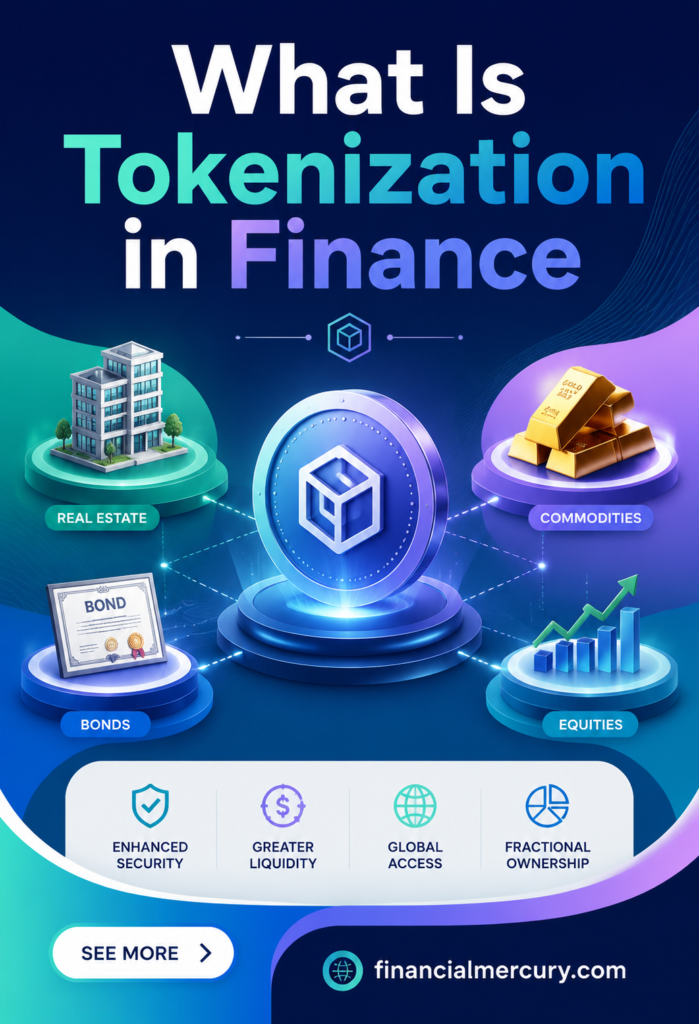
Real estate is one of the easiest examples to understand. A building is costly, hard to sell quickly, and impossible to divide by hand. Tokenization solves that by breaking a property into smaller shares, so more investors can buy in without taking on the full price of the asset.
Bonds fit tokenization well for a different reason. They are already built around fixed rules, payments, and maturity dates, so issuing or managing them in token form can make recordkeeping and transfers simpler. In practice, that can mean less paperwork, fewer manual checks, and faster handling of ownership changes.
Other assets also work well in token form because they have clear value but low flexibility in traditional markets. That includes:
- Commercial property, where shares can be sold in pieces
- Corporate and government bonds, where token records can simplify issuance and trading
- Gold and other commodities, where small fractions are easier to hold
- Collectibles, where value can be divided without moving the physical item
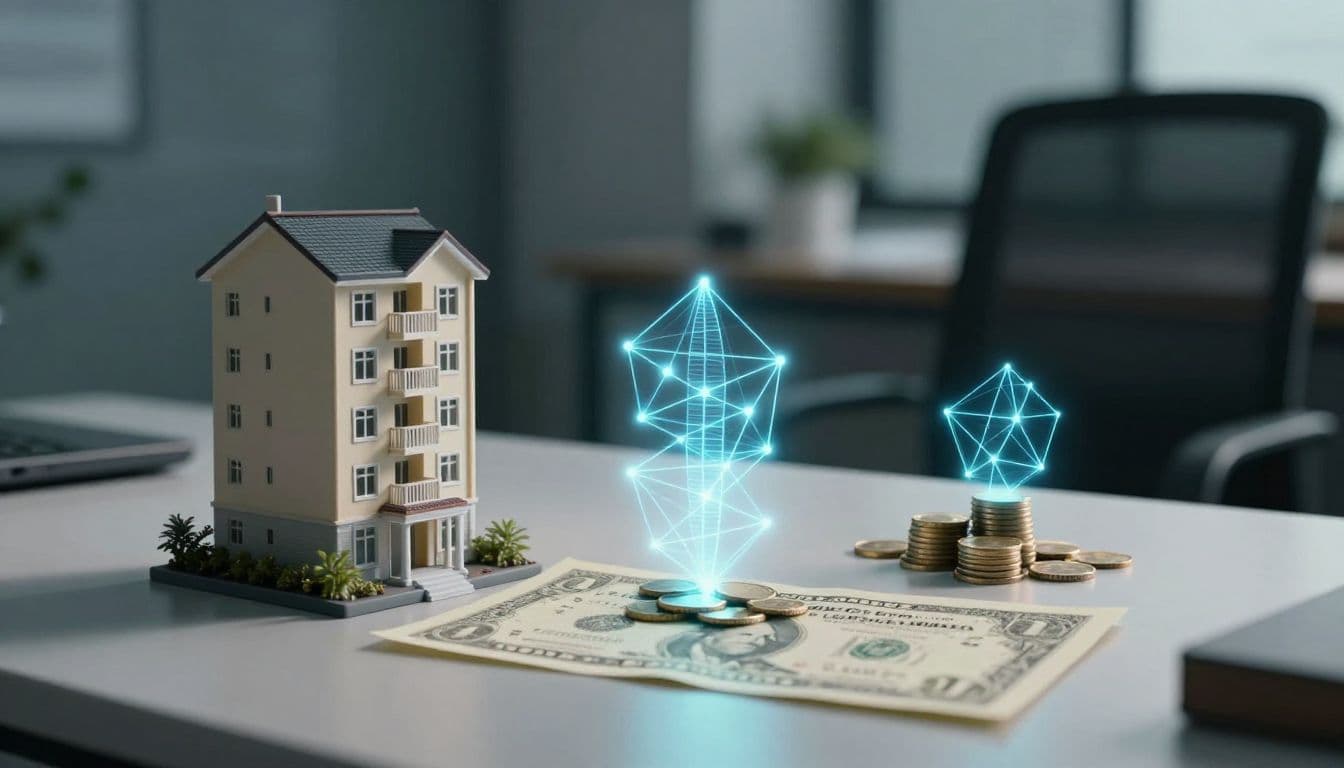 A recent Chainalysis overview of asset tokenization points to commercial real estate and government bonds as natural fits because both are easier to manage when ownership can be split and tracked digitally. That same logic helps explain why tokenization keeps spreading across asset classes.
What tokenization could mean for banks and markets
For banks and market players, tokenization is useful because it can reduce friction in the parts of finance that are usually slow and manual. Better recordkeeping is one obvious win. If ownership is tracked in token form, institutions have a clearer view of who owns what and when transfers happen.
Settlement is another area where tokenization can help. Traditional market moves often involve several steps and several middlemen. Tokenized assets can shorten that process, which makes cash movement and ownership updates easier to sync.
It also opens the door to new ways of raising capital. A company can sell smaller slices of an asset to more investors, which can improve liquidity and widen access to funding. That matters in markets where buyers are interested, but full-size entry points are too high.
Some of the clearest market use cases right now include:
- Tokenized treasuries and money market funds, which offer a more flexible way to hold cash-like assets
- Private credit, where tokenized claims can move more easily between investors
- Stocks and funds, where tokenization can support broader access and longer trading hours
According to State Street’s view of tokenized assets, these products are already shaping how large institutions think about liquidity and market access. In other words, tokenization is not only about making assets look modern. It is about making them easier to use.
For readers who want a broader sense of how tokenization connects to investing, how to make your money work for you offers a useful next step.
The risks and limits readers should know
Tokenization can make assets easier to trade and divide, but it does not remove the hard parts of finance. The same tools that bring speed and access can also create new questions about law, security, and trust. If you are looking at tokenized assets, it helps to know where the edges are.
Rules, regulation, and legal ownership
Tokenized assets can blur a simple question: who legally owns what? A token may show a share of value, but that does not always answer every legal point about the underlying asset, voting rights, dividends, or what happens in a dispute. The record on-chain may be clear, while the legal contract behind it is less so.
That matters because finance rules are not the same everywhere. A token that fits one country’s laws may face different treatment in another. Real estate, securities, funds, and commodities can all fall under different rules, so the legal setup depends on the asset, the issuer, and the market.
Regulation is one of the biggest reasons adoption can move slowly. Firms have to sort out compliance, investor protection, custody, taxes, and transfer rights before they can scale. For a broader look at these issues, GARP’s overview of tokenization risks gives a clear summary of the regulatory side.
A token can show ownership on a screen, but law still decides what that ownership really means.
Security and platform risk
Blockchain can help protect records, but it does not erase every threat. Hackers can target wallets, exchanges, smart contracts, and the platforms that issue tokens. A coding mistake or weak control can create real losses, even when the underlying blockchain itself keeps running.
The biggest risk is often not the chain. It is the system around it. If the issuer is weak, the platform has poor controls, or the asset backing the token is poorly managed, the token can still fail the investor.
Readers also need to trust more than the code. They need trust in the issuer, the platform, and the asset itself. If any one of those breaks down, the token loses a lot of its value. The IOSCO report on tokenized financial assets shows how regulators are already tracking these pressure points.
 ### Why tokenization is not a magic fix
Tokenization improves how assets are handled, but it does not turn a weak asset into a strong one. A bad property, a shaky fund, or a risky business does not become safe just because it lives on blockchain. The wrapper changes, the substance does not.
That is why value still comes from the real asset and the structure around it. If the asset is overpriced, illiquid, or poorly managed, tokenization can make it easier to buy and sell, but it cannot fix the core problem. It can also make losses move faster if investors rush in without understanding what they own.
A useful way to judge tokenized investments is to ask three questions:
- Is the underlying asset worth owning on its own?
- Is the legal structure clear and enforceable?
- Is the platform secure and trustworthy?
If the answer is weak on any of those points, the token may be more polished than protected.
What tokenization could change next in finance
Tokenization already helps split ownership into smaller pieces. The next shift is bigger, and much more practical. It points toward wider access, leaner market plumbing, and a finance system that works more like software, where ownership and payments move with less delay.
That future will not arrive all at once. Some parts will move faster than others, especially in areas like funds, private credit, treasuries, and real estate. Still, the direction is clear, tokenization is moving from a niche idea to a tool more firms want to use in daily finance.
 ### Wider access to investing
One of the biggest changes ahead is access. Tokenization can make high-value assets easier to buy in small amounts, which lowers the bar for people who want exposure without buying the whole asset.
That matters because many promising investments have stayed out of reach for ordinary investors. A tokenized fund, building, or credit product can open a smaller path in, while still keeping the asset tied to a real underlying value. The World Economic Forum’s view on asset tokenization points to this same shift, with more access and lower friction at the center of the story.
This does not mean every asset becomes affordable overnight. It means more products can be designed with smaller entry points, clearer ownership records, and easier distribution.
Faster markets with fewer choke points
The next wave also points to faster market movement. Traditional finance still leans on many handoffs, and each one adds time. Tokenized systems can cut some of those steps, so settlement, transfers, and reporting move with less drag.
That speed can change how institutions handle cash, collateral, and liquidity. It can also reduce the gap between trade and final ownership, which has long been one of finance’s slowest parts. BCG’s outlook on digital assets highlights this shift as part of a larger redesign of issuance, trading, and servicing.
A few changes are likely to matter most:
- Shorter settlement windows, which reduce waiting time and operational strain
- Easier asset splitting, which improves liquidity in harder-to-sell markets
- More direct ownership records, which cut down on manual reconciliation
The real shift is not just speed, it is fewer layers between the investor and the asset.
A move toward always-on digital finance
Tokenization may also push finance closer to an always-on model. Once assets, money, and rules live in digital form, they can move outside the old market clock more easily. That opens the door to 24/7 transfers, automated payouts, and payment systems that work across time zones without waiting for a back office to wake up.
That future will likely depend on better rules, stable digital money, and stronger controls. It will also depend on trust. Investors need to know the token matches the asset, the platform is secure, and the legal structure makes sense. The Citi Institute’s tokenization outlook shows how much room still exists for growth if those pieces keep improving.
The next chapter is not about replacing finance overnight. It is about making finance easier to access, easier to move, and easier to use, step by step.
Conclusion
Tokenization in finance turns real-world assets into digital tokens, so they can be divided, traded, and managed with less friction. That is the main appeal, it opens access, speeds up settlement, and can automate parts of ownership that used to depend on slow manual work.
Still, the value of a token depends on the asset behind it, the legal setup, and the platform that holds it together. Access and speed matter, but rules and risk matter just as much.
That balance is what makes tokenization worth watching. It is a cleaner way to move value, but it only works well when the structure around it is solid.
Save pin for later

- How to Find Long-Tail Keywords for Your Blog - June 29, 2026
- Pinterest SEO for Bloggers - June 27, 2026
- How to Do Keyword Research for Beginners - June 27, 2026