
 Vivien Robert
A teenager with a few dollars and a phone can start investing sooner than most people think. You do not need a big salary to begin, and you do not need to wait until adulthood to make money start working for you.
Starting early matters because time does a lot of the heavy lifting. Even small amounts can grow over the years through compound interest, which is why a modest investment today can turn into something far larger later on. If you want a bigger picture of smart money habits, building wealth through consistent habits is a good place to start. This guide will show what you can do right now, what usually needs a parent, what to buy first, and how to avoid mistakes that drain your cash.
The goal here is not to get rich fast. It’s to build smart habits, stay calm, and learn how investing fits into real life.
Why starting young gives you a real advantage
Starting young gives you something adults wish they had more of, time. That time changes the whole math of investing, because your money has more years to sit, grow, and grow again. A teen who begins now does not need a huge paycheck to build momentum. A small habit, repeated often, can matter far more than a big deposit that comes years later.
When you start early, you also get space to make mistakes while the stakes are low. You can learn how markets move, how patience feels, and how to keep going when results are slow. That early practice helps investing feel normal instead of scary.
 ### How compounding turns small deposits into bigger results
Compounding is simple. Money earns money, then that new money also starts earning. Over time, the snowball gets bigger, even if you only add a little each month.
That is why steady investing beats waiting for the “perfect” stock. A teen who puts in $20 or $30 regularly can build more than someone who waits years for a flawless entry point. The habit matters as much as the amount. If you keep adding to the pile, time does part of the work for you.
A quick example makes it easier to see. Say you invest a small amount every month and leave it alone. At first, the growth looks slow. Later, the earlier money begins to produce its own gains, and that is where things start to feel different. The first dollars may look tiny, but they can become the seed for much bigger results.
For a clear explanation of how compound interest works, the Investor.gov guide to compound interest keeps it simple. If you want a practical starting point for small amounts, how to start investing with little money also fits this stage well.
What teens gain by learning before college or a first job
Starting before college or a first job gives teens more than money. It builds money confidence, and that confidence changes how you handle spending, saving, and planning later on. You learn the difference between wants and real priorities while the numbers are still manageable.
Early investing also makes financial words less intimidating. Terms like diversification, risk, and long-term growth stop sounding like a secret code. By the time you need those ideas in adult life, they already feel familiar. That can save you from freezing up when your first paycheck, tax form, or retirement account shows up.
There is also a habit benefit. Teens who learn to invest often learn to pause before spending. They get used to asking, “Do I want this now, or do I want this money to work for me later?” That kind of thinking helps with more than investing. It supports better choices with every dollar.
The real win is long-term. Early habits can shape how you manage money in your twenties, thirties, and beyond. A few smart moves now can make adult life feel less rushed and less confusing. For more support on the habits side, building healthy financial practices can help reinforce the same mindset.
What a teenager needs before opening an investing account
Before a teen buys a single share, the setup has to be right. That means having money to invest, knowing which account type fits their age, and getting an adult involved when the law requires it. A few minutes of planning now can prevent a lot of confusion later.
The good news is that you do not need a huge amount to begin. Some teens start with around $100, then build from there. That small start is enough to learn the process, make a first purchase, and get comfortable with how investing feels in real life.
 ### Ways teens can legally invest before turning 18
Most teens under 18 cannot open a standard brokerage account alone, because they cannot sign the legal contracts by themselves. That is why an adult usually has to step in. The exact setup depends on the account type, and each one works a little differently.
A custodial account is opened by a parent or guardian for a minor. The adult manages it until the teen reaches the age of control in that state. The money is still meant for the teen, and the investments belong to the child in the account structure. Fidelity’s explanation of a custodial account for kids makes that basic setup easy to understand.
A joint account adds the teen and parent together on the same account. In some teen investing programs, the teen can place trades while the parent still has oversight. Schwab’s teen investor account is a good example of that kind of arrangement. It gives teens more hands-on control without removing the adult from the picture.
Some companies also offer teen-specific investing accounts or youth accounts. These can be more flexible than old-school custodial accounts, but they still usually involve an adult at the start. For a simple overview of how these accounts work, Ally’s guide to investment accounts for kids breaks down the basics well.
If you’re under 18, the main question is not “Can I invest?” It is “Which account path fits my age and my family setup?”
For teens who want a broader starting point, how to start investing with little money is a useful next read. It helps make the first step feel smaller and less messy.
Where the money can come from
Before investing starts, the cash has to come from somewhere. That does not mean you need a big paycheck. It just means you need a little money that is yours to set aside.
Many teens use money from part-time jobs, babysitting, lawn work, tutoring, or small side hustles. Chores and gifts can help too, especially birthday money or holiday cash that would otherwise sit in a drawer. The key is to treat investing like a planned use for money, not an afterthought.
A simple rule keeps things practical. Save a slice of every dollar you earn. If your family budget allows it, setting aside 20 percent is a clean place to start. If that feels too high, use 10 percent or even less and build up slowly. Consistency matters more than the number on day one.
It also helps to split money before you spend it. For example:
- Part goes to spending.
- Part goes to savings.
- Part goes to investing.
That kind of division keeps investing from stealing money you need for everyday life. It also makes the habit easier to repeat. If you want help building that base, simple ways for teens to save money fits this step well.
What to ask a parent or guardian first
A parent or guardian should help with the first setup, even if the teen plans to do the investing. This is the time to ask for help opening the right account, setting simple rules, and deciding how much to start with. A calm talk now can save a lot of back-and-forth later.
The best questions are plain and useful. Ask which account type makes the most sense, who will control it, and whether the money will stay in a custodial setup or a joint account. Then talk through how much you can start with, so the first investment feels safe instead of rushed.
This is also the right moment to talk about goals, risk, and patience. What is the money for? How long can it stay invested? How much change in value can you handle without panicking? Those answers matter, because investing works best when the plan is bigger than the mood of the day.
A teen who asks good questions learns faster. More importantly, that teen starts with a clear plan, a real account, and money that already has a job to do.
The safest first investments for beginners
When you are just starting out, the best first move is usually the one that keeps things simple. You want growth, but you also want room to learn without taking wild swings. That is why many beginners do best with broad funds first, then individual stocks later.
A smart starter investment should do three things. It should spread risk, be easy to understand, and let you stay patient. If a choice feels exciting but confusing, it may be too much for a first step.
 ### Why index funds are often a smart starter choice
Index funds are one of the easiest ways to begin because they spread your money across many companies at once. That spread is called diversification, and it matters because it keeps one bad pick from controlling your whole account. If one company drops, the others can help balance the damage.
Instead of betting on a single winner, you buy a small piece of a whole market slice. Many index funds track a major benchmark, like the S&P 500, so you are buying into a large group of companies in one move. That gives a beginner a cleaner, calmer starting point.
This is why broad funds often beat chasing random stocks early on. They remove a lot of guesswork, and they let you focus on the habit of investing instead of the stress of constant prediction. If you want a simple breakdown of how these funds work, Fidelity’s explanation of index funds is easy to follow.
A beginner does not need the perfect stock. A beginner needs a solid first step.
For teens, that first step often feels easier when the investment is tied to the wider market. It gives you a way to learn while keeping risk more spread out. If you want a broader view of putting money to work, how to make your money work for you fits this mindset well.
How to think about individual stocks without guessing wildly
Buying one stock can feel exciting, especially if it is a company you already know. Maybe you use the product every day, shop there often, or understand how the business makes money. That kind of familiarity can help you start paying attention to real companies, not just headlines.
Still, avoid buying because a friend said so or because a video made a stock look hot. Trendy picks can move fast, then fade just as fast. A quick burst of hype is not the same thing as a reason to invest.
Before buying any stock, ask a few plain questions:
- Does the company make something I understand?
- Has it been around long enough to study?
- Am I buying because I believe in the business, or because I feel pressured?
- Would I still want it if nobody was talking about it?
That pause matters. It keeps emotion out of the driver’s seat and gives you time to think. A teen investor who learns patience early is already ahead.
What to avoid at the start
Some investments are too complex for a first account. Options trading, leverage, and meme-style speculation can move fast and punish mistakes fast too. They may sound thrilling, but they are built for people who already know the basics.
A better rule is simple. If you do not fully understand how something works, do not put your first money into it. Start with broad funds, stay away from borrowed risk, and keep your first moves boring enough to repeat.
That calm approach helps you build skill without turning your first investing experience into a gamble.
A simple investing plan teens can actually stick to
A teen-friendly investing plan works best when it feels boring in a good way. You do not need to check prices every day, chase hot stocks, or wait until you have a big pile of cash. You need a clear purpose, a steady schedule, and enough patience to let the plan do its job.
The strongest start usually looks small and repeatable. One goal, one account, one amount, and one habit can carry you a long way. That kind of setup feels calm, which makes it much easier to keep going.
Pick one goal before you buy anything
Before you buy a stock or fund, decide what the money is for. A goal gives your plan shape, and without it, investing can turn into random clicking.
For many teens, the goal is simple. You might want to save for college costs, build a first car fund, or learn long-term money habits before adulthood gets louder. Each goal is valid, but it helps to choose just one at first. A single target keeps your decisions cleaner.
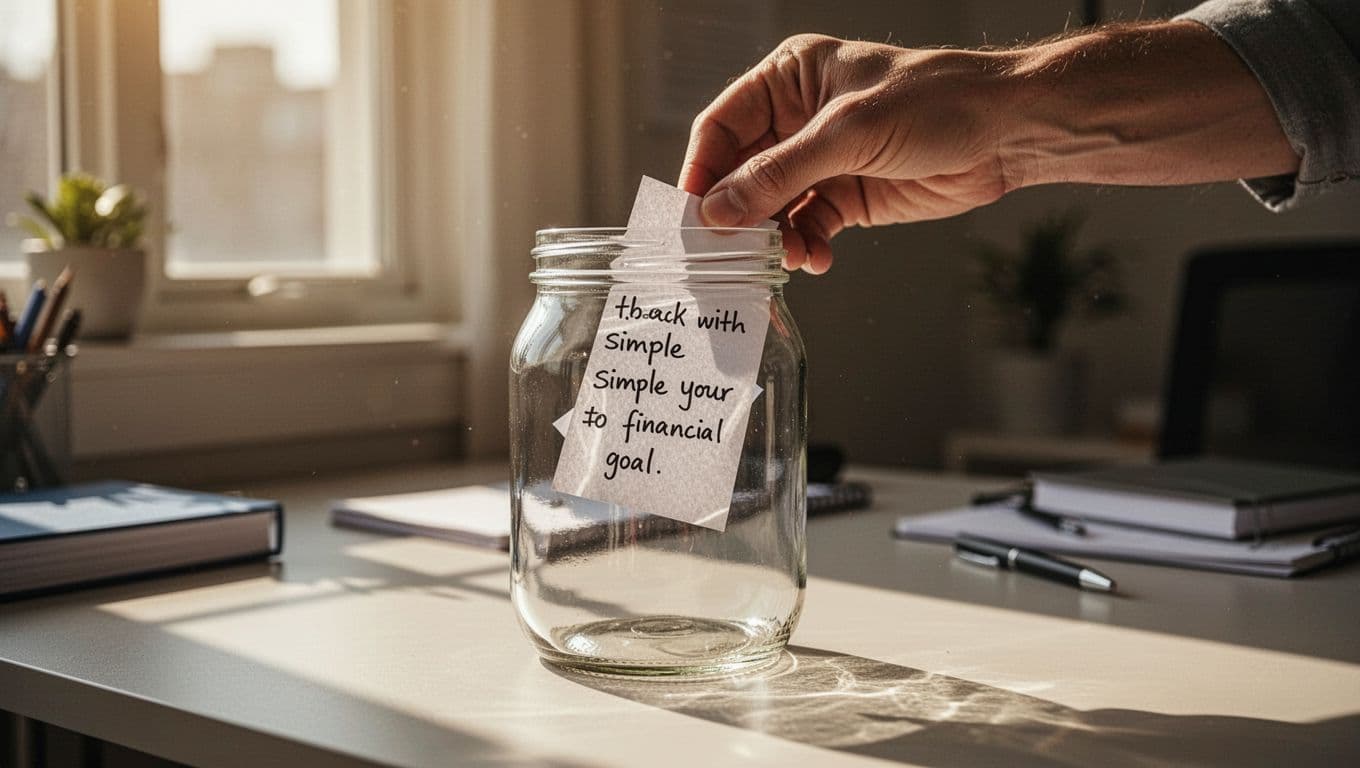 When your goal is clear, patience gets easier. You stop asking, “Why isn’t this moving faster?” and start asking, “Is this helping me get where I said I wanted to go?” That shift matters because investing rewards people who can stay steady.
A goal can also keep temptation in check. If the money is meant for college, a quick trade feels less attractive. If the money is for a car, you are more likely to keep adding to it instead of pulling it out for small wants.
For a simple example of goal-setting that fits students, financial goals for teens can help frame the idea in plain language. The point is not to make the goal fancy. The point is to make it real enough that you want to stick with it.
Use a schedule instead of trying to time the market
A good teen investing plan does not depend on guessing the perfect moment. It depends on a schedule. That means putting in the same amount on a regular basis, whether the market looks exciting or flat.
This habit is often called dollar-cost averaging, but the idea is simple. You invest a set amount every week or every month, then keep going no matter what prices are doing. When prices are higher, your money buys fewer shares. When prices are lower, it buys more. Over time, that smooths out the ups and downs.
The real benefit is emotional. You do not have to stare at charts and wonder if today is the day. You already have a plan, so you just follow it. The FINRA guide to dollar-cost averaging explains why this approach works well for beginners who want structure instead of guesswork.
A simple weekly or monthly pattern can look like this:
- Put money aside on the same day each week or month.
- Invest the same amount each time.
- Keep going even when the market feels noisy.
- Ignore the urge to chase quick wins.
Consistency beats perfect timing because perfect timing almost never happens.
That steady rhythm matters more than a big one-time move. A teen with $10 a week and a real plan can build a stronger habit than someone who invests once, panics, and stops.
Let time do more of the work
Teen investors do not need to watch every rise and fall. Markets move up, down, and sideways all the time, and most of that short-term noise says very little about the long run. If you keep checking every day, you give tiny changes too much power.
Long-term growth is where the real story lives. That is why a buy-and-hold mindset is so useful. You buy solid investments, keep adding when you can, and give them time to grow. You are not trying to win the week. You are trying to build a habit that can last for years.
That patience matters because time softens the rough edges. A bad day in the market can look scary on a phone screen, but it may not mean much over five or ten years. Teens have an edge here, because they can let time do more of the heavy lifting than older investors.
A simple check-in helps keep things sane:
- Look at your account less often.
- Add money on schedule.
- Revisit your goal once in a while.
- Stay focused on the next year, not the next hour.
If you want a broader reminder of why patience matters in money habits, building student savings habits fits this mindset well. The goal is to make investing feel like a routine, not a reaction.
When you stop chasing fast wins, the plan gets easier to follow. That is the kind of investing most teens can actually stick with, because it fits real life, real schedules, and real budgets.
Money habits that keep teen investors on track
Investing works better when your daily money habits support it. A teen investor who saves first, spends with a little restraint, and checks on money without drama is already ahead of the curve. The goal is simple, build a system that leaves room for school, work, sports, friends, and life.
 ### How to balance spending, saving, and investing
A good money habit starts with balance. Teens do better when they give every dollar a job instead of letting it disappear the moment it lands in their hands. That means keeping some money for fun, some for short-term goals, and some for investing.
A simple split can look like this:
- Spending covers snacks, outings, or small wants.
- Saving handles bigger goals, like a phone upgrade or car fund.
- Investing goes toward long-term growth.
The exact percentages can change based on your life. If you earn a little, even a small investing slice matters. If you get birthday money or side-job cash, you can shift more toward savings for that month. Flexibility keeps the habit real.
This is where discipline matters more than excitement. Spending every dollar feels good for a minute, but it leaves nothing working in the background. Saving first helps you avoid that trap. Investing after that turns part of your money into something that can grow while you focus on school, work, and everything else on your plate.
A teen-friendly rule is to save before you spend too much. That way, you do not treat investing like an extra step you only do when money is left over. You make it part of the plan. If you need a simple reminder, building healthy financial habits is a solid mindset to keep nearby.
Why learning a few money words helps a lot
Money gets easier when the words stop sounding strange. Once you know a few basics, investing feels less like a mystery and more like a skill you can learn one step at a time. That matters, because fear often comes from not understanding the language.
A stock is a small ownership piece of a company. A fund is a bundle of investments held together, which can make starting easier. Risk means the chance that value can go up or down. Diversification means spreading your money across different investments so one bad result does not hit everything at once.
That vocabulary does more than fill space. It helps you make calmer choices. A teen who understands these words is less likely to panic at every headline or chase every hot trend. The unknown feels smaller when you can name it.
A little learning goes a long way here. You do not need a finance degree. You just need enough knowledge to know what you own, why you own it, and what kind of ups and downs to expect. Fidelity’s guide to teaching teens investing basics breaks the ideas into plain language, and it is a good companion for first-time investors. You can also use basic investing terms for kids and teens as a quick reference.
The more money words you know, the less the market can spook you.
That learning is part of the return, especially early on. Every new word gives you more control over your decisions.
How to stay calm when the market goes up and down
A falling account balance can feel personal, but it usually is not. Markets move in waves, and short-term dips are normal. A teen investor does not need to react to every wobble. The better habit is to stay steady and remember why the money was invested in the first place.
If your goal is long-term, a rough week does not change the plan. In fact, checking too often can make you more anxious than informed. A calmer routine is better, so look at your investments on a schedule instead of every day. Some investors check monthly or even less often, which keeps the focus on progress instead of panic.
A few habits help when prices slide:
- Look at your original goal, not just the number on the screen.
- Avoid making big moves out of fear.
- Keep investing on schedule if the plan still fits.
- Give the market time to recover.
That patience matters because investing rewards people who can wait. Teen investors have a real advantage here. Years give your money space to bounce back, grow, and keep building. Real-time advice from how to stay calm when the stock market dips points to the same idea, stay focused on the long view and do not let daily noise run the show.
School, work, and investing should fit together, not fight each other. A teen who keeps life in balance has a better chance of sticking with the habit. Small, steady choices win here. The market will move. Your job is to stay prepared, keep learning, and keep going.
Conclusion
Starting to invest as a teenager is less about chasing a fortune and more about building a habit that can last. With a little adult help, a small starting amount, and simple investments like broad funds, you give time room to do its work. That is the real edge, because money that starts early has more years to grow into something larger.
Keep the path plain. Get the right account, begin small, stay patient, and let consistency lead the way. If you want to keep building that same mindset as you grow older, smart ways to invest as a young adult is a natural next step.
Small money moves today can become much bigger later when you repeat them with care.
Save pin for later

- How to Find Long-Tail Keywords for Your Blog - June 29, 2026
- Pinterest SEO for Bloggers - June 27, 2026
- How to Do Keyword Research for Beginners - June 27, 2026