 Vivien Robert
June 2026 is a good time to move idle cash out of a plain savings account, because regular bank rates are still lagging far behind what a solid high-yield savings account can pay. If your goal is to keep cash safe while earning real interest, you’re not chasing risk, you’re making your money work a little harder without giving up easy access.
The best accounts aren’t always the ones with the flashiest headline rate, either. Fees, balance caps, bonus rules, and withdrawal limits can change the real value fast, so it pays to compare the fine print before you move a dollar. If you’re also trying to build a stronger savings habit, this pay-yourself-first approach pairs well with a high-yield account, and the right choice starts with knowing which features matter most.
How high-yield savings accounts help your money grow faster
A high-yield savings account gives your cash a better place to sit while you wait to use it. It keeps the money safe, easy to reach, and earning more than the average savings account.
That difference matters more than many people expect. In June 2026, top accounts can offer APYs around 3% to 5%, while the national average for a standard savings account is still far lower. If you want a simple way to make idle cash work harder, this is one of the easiest moves you can make.
Why the interest difference matters over time
The rate gap may look small at first, but it adds up fast. Put $10,000 into a basic savings account earning about 0.40% APY, and the balance barely moves over a year. Put the same money into a high-yield account earning around 4.50% APY, and the growth is much clearer.
Here is a simple picture of the difference:
| Account type | APY | Estimated interest on $10,000 in 1 year |
|---|---|---|
| Standard savings | 0.40% | About $40 |
| High-yield savings | 4.50% | About $450 |
That extra money does not just appear once. It keeps building on itself when interest compounds, which is where the real lift comes from. Over months and years, the account that pays more starts pulling away like a cart on a downhill slope.
Small rate differences can feel easy to ignore, until you let them compound.
If you want a clear comparison of how these accounts are built, the basics of high-yield savings accounts explain the core idea in plain terms.
Why these accounts still work for emergencies and short-term goals
Higher interest is only part of the appeal. A high-yield savings account still keeps your money liquid, so you can use it when life gets messy or when a goal gets close.
That makes it a strong fit for:
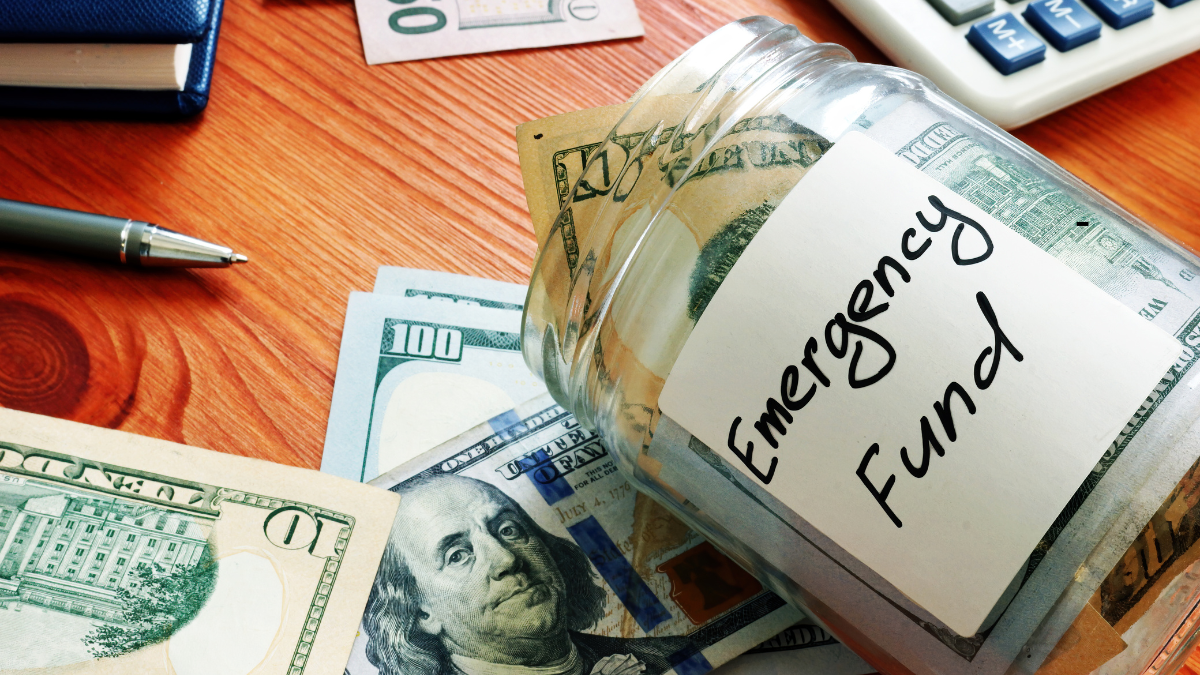
- Emergency funds for car repairs, medical bills, or surprise travel
- Short-term savings goals like a vacation, holiday spending, or a new laptop
- Home projects that need cash ready at the right time
- Down payment savings that should grow without taking on market risk
This balance matters. You want your money to grow, but you also want to grab it without a long delay when you need it. A high-yield savings account does both, which is why it works so well for everyday savers who want progress without pressure.
For readers trying to protect money they have already set aside, how to stop spending your savings pairs well with this kind of account. It helps keep your cash parked where it can grow instead of disappearing into daily spending.
 A high-yield savings account works best when you want steady growth without giving up control. It is a simple place for money that needs to stay close, yet still earn more while it waits.
The features that matter most when comparing accounts
A high APY gets attention, but it should not be the only number you check. The best savings account is the one that grows your money and fits the way you actually use it.
That means you need to look past the headline rate and check the details that can shrink your return later. Fees, balance rules, access limits, and insurance all shape the real value of the account. A smart comparison feels a lot like sorting fruit at the market, because the prettiest option is not always the best one to bring home.
 If you want a simple way to keep your savings plan on track, these positive money habits for saving fit well with a high-yield account.
APY is the headline number, but balance limits can change the value
APY matters because it tells you how much your money can earn over a year. In 2026, many strong high-yield savings accounts still sit in the 4% to 5% range, which is far better than a basic savings account.
Still, you need to read the fine print. Some banks only pay their top rate on small balances, while others cap the balance that earns the advertised APY. A flashy 5% rate on the first $5,000 can lose to a steady 4.25% on your full $20,000.
That is why balance rules matter so much. If most of your cash sits above the cap, the real return drops fast. A lower rate on all of your money can beat a higher rate that only applies to part of it.
For a broader look at how rate and account terms work together, this overview of high-yield savings accounts gives a useful comparison point.
Fees and minimums can eat into your gains
Monthly maintenance fees can take a quiet bite out of your interest. Even a small charge can weaken the advantage of a high APY if you keep a modest balance. That is why the best accounts usually have no monthly fees.
Minimum opening deposits matter too. Some accounts ask for a few hundred dollars to get started, while others let you open with almost nothing. If you are still building your savings, a low or zero opening deposit makes the account easier to use right away.
Minimum balance rules can also cause trouble. Some banks require you to keep a certain amount in the account to avoid fees or earn the best rate. That can work fine for larger savers, but it can be frustrating if your balance rises and falls during the month.
A simple comparison helps:
| Feature | Better option for most savers | Why it matters |
|---|---|---|
| Monthly fee | $0 | Keeps your interest intact |
| Opening deposit | Low or none | Makes the account easy to start |
| Minimum balance | Low or none | Reduces the risk of extra charges |
The easiest accounts to manage are usually the ones that ask for less upfront and charge less later. If you want your savings habit to feel sustainable, those details matter just as much as the rate itself.
FDIC or NCUA insurance gives peace of mind
Safety is one of the biggest reasons people keep money in a savings account. That is where insurance comes in.
Bank accounts at insured institutions are protected by the FDIC or NCUA up to the legal limit, usually $250,000 per person, per institution. That means your cash is protected if the bank or credit union fails, within the coverage rules.
You do not need to memorize the law to use this feature well. Just check that the account is insured before you open it. That quick step gives you a strong layer of protection and helps you save with less worry.
For most people, that peace of mind is non-negotiable. An account can offer a strong rate, but if it does not protect your deposits in a clear way, it loses a lot of its appeal.
Withdrawal rules and account access are part of the decision too
A great savings rate can feel less useful if you cannot reach your money when you need it. That is why access matters.
Check the monthly transfer limits first. Some accounts follow old withdrawal rules closely, while others offer more flexible online transfers. If you expect to move money often, a tight limit can become a headache fast.
App quality matters too. A clean mobile app, easy transfers, and simple balance tracking make it easier to stay organized. When the account is hard to use, people tend to ignore it, and that usually leads to sloppy saving habits.
Look for these access features before you open an account:
- Easy online transfers for quick cash moves
- A solid mobile app with clear balances and history
- ATM access or debit support if you need flexibility
- Clear transfer limits so you know what to expect
A strong APY is nice, but convenience keeps the account useful. If you can move money, track it, and trust the setup, the account works better in real life, not just on a comparison chart.
The best high-yield savings accounts in June 2026
The strongest high-yield savings accounts in June 2026 do not all win for the same reason. Some lead with a headline APY that looks hard to beat, while others keep things simpler with fewer hoops, easier access, or better everyday tools.
That matters because the best account for a small emergency fund is not always the best one for a growing balance. If you want the highest return, the fine print matters. If you want a savings account you will actually keep using, ease and flexibility matter just as much.
 ### Accounts with the highest headline APYs
If you are chasing the biggest advertised rate, Varo Bank often gets attention first. In June 2026, its top APY is strongest on the first $5,000, then the rate drops on the rest of the balance. That makes it a sharp choice for smaller savers, but less exciting if most of your money sits above that cap.
Newtek Bank is a different kind of pick. Its rate is lower than Varo’s top tier, but it is more consistent across the full balance. That can make it the better deal once your savings grow beyond the range where tiered bonuses matter.
Pibank and Fitness Bank also belong in this conversation because they can show up near the top of rate charts. Still, the real value depends on the balance rules, monthly requirements, and account terms behind the APY. A strong number can fade fast if it only applies in a narrow window.
The best APY on paper is not always the best return in your pocket.
For a quick comparison point, market roundups from WSJ Buyside and NerdWallet’s June 2026 list both show how much these rates can shift based on balance and deposit rules.
Accounts that offer strong rates without much fuss
Some people do not want to babysit a savings account. They want a good rate, a simple setup, and no extra drama. That is where Forbright Bank, TAB Bank, and Synchrony fit well.
These accounts tend to appeal to readers who want a clean path in and an easy path out. Low or no minimum opening deposits make them more accessible, and that matters if you are starting small or moving cash around between goals. For many savers, that simplicity is the real feature.
A few details usually make the difference:
- Low opening requirements help you get started fast.
- No monthly fees protect the interest you earn.
- Easy transfers and app access make the account easier to keep using.
- No harsh balance hurdles mean your rate stays useful even when your savings change.
This kind of account works well for an emergency fund too, especially if you want money parked safely and ready to use. If that is your goal, choosing the right place for emergency savings can help you match the account to the job.
### Best choices for people who want extra perks
Sometimes the right account is the one that saves you hassle later. Ally Bank is a good example. Its APY may not sit at the very top, but it often wins on convenience, which can matter more in real life than a tiny rate difference.
Ally is known for smooth account access, a user-friendly app, and features like ATM fee reimbursement. That can matter if you want to move money without feeling boxed in. A few extra conveniences can make a savings habit stick, especially when you split money between bills, goals, and a rainy-day fund.
That same logic applies to other feature-friendly accounts. If a bank gives you easier transfers, solid customer tools, or fewer frustrations when you need your money, it can be worth more than a slightly higher APY you never enjoy. The best account is the one you will keep funded and keep using.
For readers who want more help building the habit around the account, smart banking for personal savings pairs well with this choice. A good account helps, but the habit keeps the balance growing.
In June 2026, the clearest choice depends on your balance and your style. Pick the highest-rate account if you want to squeeze the most yield from a smaller balance. Choose the simpler option if you want less friction. Go with the perk-rich account if daily access and easy use will help you save more consistently.
How to choose the right account for your money and habits
The best high-yield savings account is the one that fits the way you save, spend, and move cash around. A strong APY helps, but your balance size, transfer habits, and comfort with mobile banking matter just as much. The right account should feel easy to keep, easy to trust, and easy to use when life changes.
Choose based on how much you plan to keep in the account
Your balance changes the math. If you plan to keep a smaller amount, a promotional rate or a capped APY can still work well, especially if the top rate applies to the full balance you expect to hold. That kind of setup can give a nice boost without forcing you to chase a giant minimum.
Larger balances need a different lens. Once your savings climb, a steady rate on all funds often beats a higher rate that only applies to part of your money. A 5% headline rate looks great, but if it only covers the first slice of your balance, the real return may fall behind a lower rate with fewer limits.
The money you leave sitting in the account most of the time should shape your choice, not the rate that looks best in a banner ad.
Choose based on how often you need to move money
Some savings accounts are built for people who rarely touch the money. Others work better when transfers happen often, like when you top up an emergency fund or move cash between short-term goals. If you expect frequent transfers, speed and app quality matter a lot.
A good account should feel easy to live with, not stressful to use. Look for fast transfer times, a clean mobile app, and clear access rules so you do not have to guess when money will arrive. If you are saving for an emergency fund, that ease can matter more than squeezing out a tiny rate difference.
For a quick comparison of account features and access rules, NerdWallet’s June 2026 high-yield savings roundup is helpful, and U.S. Bank’s savings account guide gives a solid breakdown of what to check before opening one.
Choose based on your savings goal
The purpose of the money should guide the account you pick. An emergency fund needs quick access and strong liquidity, because that money is there for sudden expenses, not long waits. Vacation savings or holiday cash can handle a little more structure, especially if you like separating goals and watching them grow.
Home repair money sits somewhere in the middle. You want it safe, but you also want it ready when a pipe leaks or a roof needs work. A future large purchase, like a car down payment or new furniture, may call for a balance-friendly account with no monthly fees and no strange limits that chip away at your earnings.
A simple match-up helps:
- Emergency fund: focus on access, transfer speed, and no fees.
- Vacation savings: focus on goal tracking and easy deposits.
- Home repairs: focus on liquidity and steady growth.
- Big purchase savings: focus on balance rules and full-balance APY.
 The best choice is usually the one that matches your real routine. If you care most about rate, pick the account that pays well on the balance you will actually keep there. If you care more about flexibility, pick the one that is easy to use without extra rules getting in the way.
Smart habits that help your high-yield savings balance grow
A strong rate helps, but your habits do the real work. A high-yield savings account grows best when money keeps flowing in, stays untouched, and gets checked just enough to stay on track. Small moves matter here more than perfect timing.
The goal is simple: make saving feel automatic, give each dollar a purpose, and keep an eye on the account before small problems turn into lost interest.
Automate deposits so saving happens in the background
Automatic transfers turn saving into a quiet routine. Instead of relying on willpower every payday, you set money to move from checking to savings on its own. That way, the habit happens before you can spend the cash somewhere else.
Start with a small amount if that feels easier. Even $25 or $50 at a time can build momentum, because consistency does more than a one-time burst of effort. If your income varies, you can still save on a schedule that fits your life, then raise the transfer later when the habit feels natural.
A simple system works best:
- Pick a transfer date that lines up with payday.
- Choose an amount you can handle every month.
- Increase it after a few pay cycles if it feels comfortable.
Regular deposits matter more than large deposits that never repeat.
That steady rhythm is what grows a balance over time. For a deeper look at habit changes that support saving, strategies for better money management fit this approach well. You can also compare how banks describe this habit in automatic savings tips.
 ### Keep the money in its lane
Your savings account needs a job. If you treat it like spare cash for random purchases, the balance drains fast. If you give it a clear purpose, it has room to grow.
That purpose can be an emergency fund, a vacation, holiday spending, or a car repair cushion. The label matters because it gives you a reason to pause before you pull money out for small wants. A separate goal also makes progress easier to see, which helps you stay committed.
Try a simple rule:
- Emergency money stays for true surprises.
- Goal money stays put until the target date.
- Extra cash goes into checking, not savings, if you will need it soon.
This keeps your savings from becoming a catch-all account for every little expense. When the account has a clear lane, it grows instead of disappearing. That structure also fits well with how to build an emergency fund, especially if you want a buffer that stays ready.
Check your rate and rules every so often
High-yield savings rates move with the market, so the account you opened last year may not be the best one now. The Federal Reserve has kept rates steady for much of 2026, and savings rates have been drifting lower in response. That means a good account today may pay less later, even if nothing about your balance changes.
A quick review every few months helps you catch problems early. Look for a rate drop, a new monthly fee, a balance rule that changed, or transfer limits that no longer fit how you save. A small change can trim your earnings faster than you expect.
The best habit here is simple. Check the APY, compare the rules, and ask whether the account still supports your goal. If it does not, move your cash before the return slips too far.
For a broader look at current rate movement, Bankrate’s high-yield savings roundup gives useful context on how quickly these accounts can change.
The strongest savings balance usually comes from boring, steady actions. Automatic deposits, a clear purpose, and a quick rate check can do more for your money than chasing perfection ever will.
Conclusion
The best high-yield savings account is rarely the one with the flashiest headline rate. It is the one that gives you a strong APY, clear safety, easy access, and rules that fit how you actually save.
That mix matters because your money should feel useful, not parked and ignored. If you are building a cushion, saving for a goal, or just want idle cash to earn its keep, a solid high-yield account gives it a job.
Compare a few options, check the fine print, and pick the account that fits your money goals today. If you want a bigger target to work toward, how to save 10k in six months is a practical next step.
Save pin for later

- How to Find Long-Tail Keywords for Your Blog - June 29, 2026
- Pinterest SEO for Bloggers - June 27, 2026
- How to Do Keyword Research for Beginners - June 27, 2026