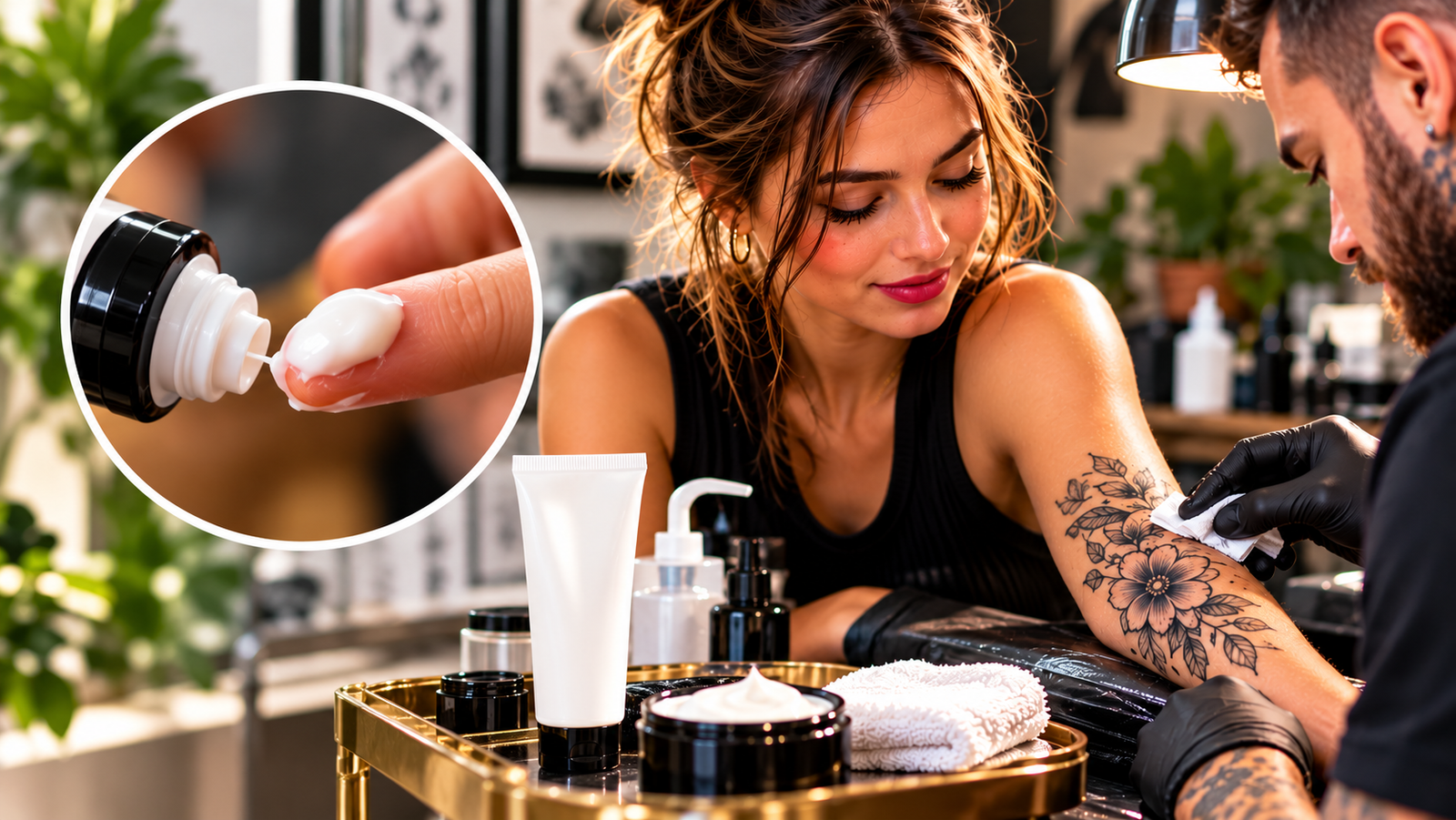
Tattoo Numbing Cream: Signs It’s Working and What to Expect
“Tattoo numbering cream” is likely a typo for tattoo numbing cream. These products may reduce skin sensation, but a brand’s claims or a dramatic change in your skin don’t prove the cream is working.
The clearest sign is reduced normal feeling in the treated area, though timing varies by product and its directions. Here’s what to look for, when to expect an effect, and which safety limits matter before your tattoo appointment.
For a tattoo artist’s perspective, watch this video about numbing cream.
Signs to know your tattoo numbering cream actually works
People searching for “tattoo numbering cream” usually mean tattoo numbing cream. The most useful sign is a local change in sensation, not a visible change to your skin. The effect may be subtle, and it won’t necessarily remove every sensation during tattooing. Results vary by product, person, body area, and how the cream was applied.

The treated area feels numb or less sensitive
When the cream begins to work, the treated patch may feel mildly numb, tingly, or less responsive to light touch than nearby skin. You might notice that a gentle brush or fingertip feels muted. The change should be limited to the area where you applied the product, rather than a dramatic feeling throughout your body.
However, sensation alone can be hard to judge, especially if you’re nervous or expecting a strong effect. Skin color, swelling, or a dramatic sensation doesn’t confirm that the cream worked. Redness or swelling may be a skin reaction, while pale-looking skin doesn’t prove that the area is numb.
Don’t test the area with a needle, sharp object, or painful pinch. Those tests can injure or irritate skin, and they don’t tell you how tattooing will feel. Instead, compare how the treated area responds to a light touch versus nearby untreated skin. Follow the product’s directions for timing, and ask your tattoo artist before adding more cream or extending the application.
Reduced sensitivity to gentle touch is a more useful clue than redness, swelling, or a change in skin color.
Needle contact may feel less sharp, but not painless
If the cream has an effect, the tattoo needle may feel less sharp or sting less than you expected. Still, topical numbing cream usually affects sensation near the skin’s surface. You may continue to feel pressure, vibration, movement, or soreness as the artist works. Numbness doesn’t guarantee a pain-free session.
The sensation can also change as the appointment continues. Some areas of the body feel more sensitive than others, and a long session may become uncomfortable even if the cream helped at first. Your experience may differ from someone else’s, so another person’s results can’t predict yours.
Tell your tattoo artist before the session that you used numbing cream, and share the product name if you have it. That gives the artist a chance to discuss how they want to proceed. If you feel significant pain, say so rather than trying to tolerate it silently.
Use products only as directed. The FDA warns consumers against certain topical pain-relief products marketed for cosmetic procedures and cautions against heavy application, use on irritated or broken skin, and covering the area. Its guidance on topical pain-relief products also explains why more cream or longer application doesn’t automatically mean better results.
When tattoo numbing cream should start working, and how long effects may last
Tattoo numbing cream doesn’t follow one universal schedule. The time it takes to work, and how long numbness lasts, depend on the active ingredient, formulation, amount applied, location, and product directions. Use the label as your guide rather than adding time or cream based on someone else’s experience.
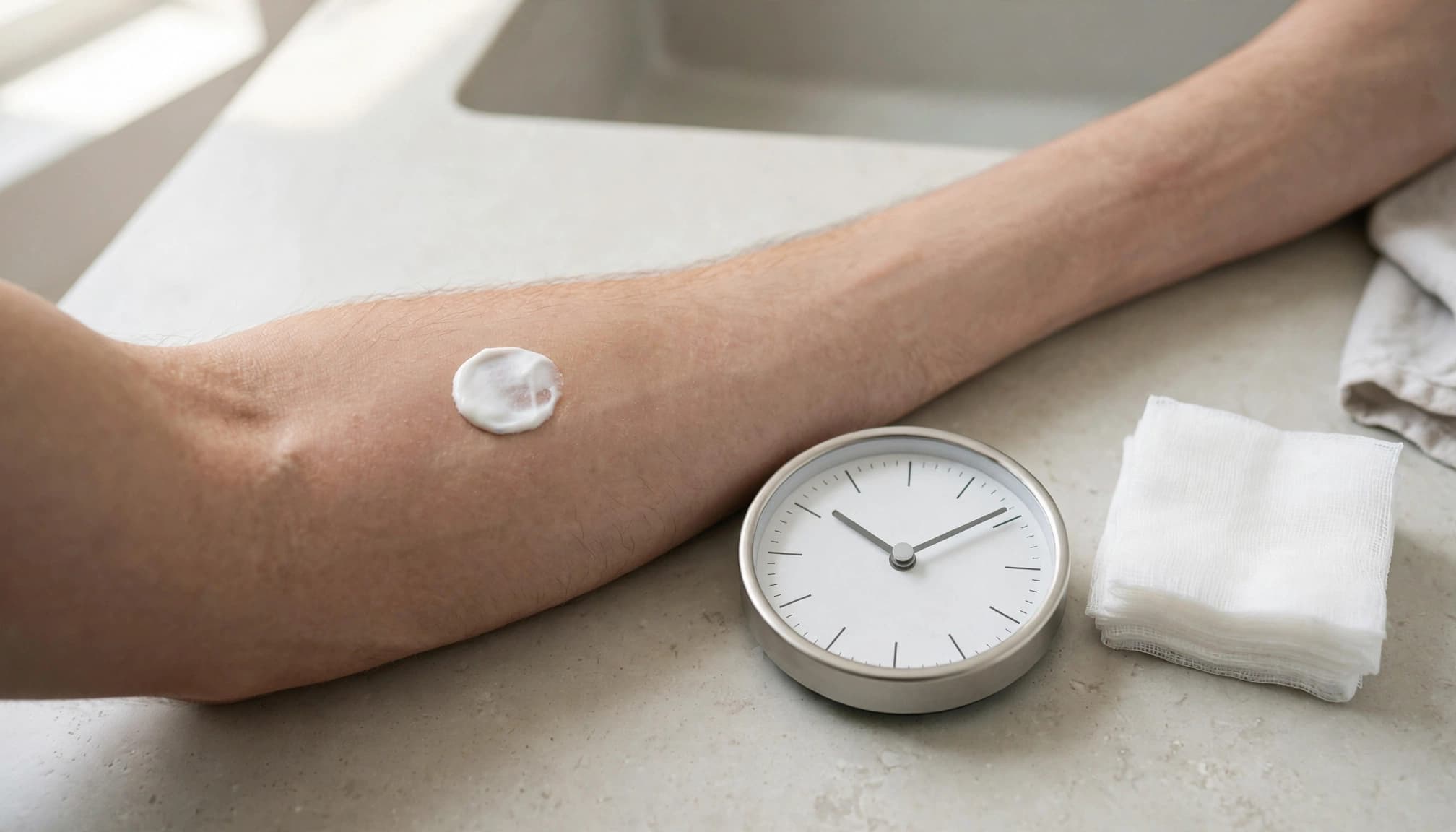
Follow the product label instead of guessing at the wait time
Topical anesthetics need time to take effect, but the required wait varies by product. Check the active ingredients and directions, including how much to apply, which skin the product is intended for, and whether it should be washed off. Don’t assume that a thicker layer or longer application will make the cream work better.
For context, the prescription lidocaine-prilocaine cream EMLA has medical directions that call for application at least one hour before certain procedures on intact skin. Its FDA-approved label says numbing is generally achieved after an hour and can reach its maximum after two to three hours. Those instructions apply to that specific medication and approved uses, not to tattoo numbing creams as a group. Review the EMLA prescribing information, and ask a clinician or pharmacist if you aren’t sure how a product should be used.
If the label doesn’t clearly explain timing or use before tattooing, don’t improvise. Check with a healthcare professional and tell your tattoo artist what you plan to use. Also, don’t leave cream on longer or cover it with plastic unless the product directions and a qualified healthcare professional specifically advise it. FDA warns that heavy application, large treated areas, damaged skin, and covering skin can increase the risk of harmful absorption.
Notice whether the numbness stays local and fades as expected
When the cream takes effect, the change in sensation should generally remain near the application site. How long it lasts varies with the product and the person, so a brand’s advertised duration is not a guarantee. The area may begin to feel more normal as the effect wears off, but don’t apply more simply because numbness seems to be fading.
Pay attention to the product’s stated duration and your body’s response. If numbness spreads well beyond the treated area or lasts much longer than the label suggests, stop using the product and seek medical advice. Get urgent help for serious symptoms such as trouble breathing, seizures, or an irregular heartbeat. FDA has warned that some topical pain-relief products marketed for cosmetic procedures can cause dangerous side effects, particularly when used in ways that increase absorption.
Why a numbing cream may seem ineffective
A weak or short-lived effect can come from the product, how it was applied, or the tattoo itself. Check the label before drawing conclusions, and tell your tattoo artist what you used. If the instructions or ingredients are unclear, ask a health professional rather than guessing.
The product, application, or timing may not match its directions
An expired cream, or one stored outside the conditions listed on its package, may not work as expected. Products also differ in their active ingredients and concentrations, so directions and timing for one brand may not apply to another. Check the expiration date, storage instructions, active ingredients, and label directions before use.
Application can affect the result, too. If the cream was spread unevenly or applied to only part of the intended area, some spots may feel less numb than others. Removing it sooner than directed may also shorten the time it has to work. Follow the product’s exact instructions for how much to apply, when to remove it, and which skin it can be used on.
However, don’t compensate for a weak effect by applying more, leaving it on longer, or covering the skin. The FDA warns that heavy application, prolonged use, large areas, and covering treated skin can increase the risk of harmful absorption. Its safety guidance on topical pain-relief products explains why using extra cream can be dangerous. If the label is missing, unclear, or lists ingredients you can’t identify, skip the product and ask a health professional.
Some tattoo areas and sessions are harder to numb
Sensitivity varies from person to person and across the body. A small test patch may feel noticeably numb, while a larger tattoo area or a long session can feel different. Cream may also reduce surface sensation without removing pressure, vibration, or deeper discomfort, so some feeling during tattooing is expected.
If the effect seems limited, don’t increase the dose or cover more skin. More product doesn’t guarantee stronger numbness, and it can raise health risks. Instead, let your artist know what you applied and where. They can discuss whether to pause, adjust the session plan, or continue without the cream.
When you’re unsure whether the product is safe for you, or you notice an unexpected reaction, stop using it and contact a health professional. If you feel unwell during or after application, seek medical advice promptly.
Use tattoo numbing cream safely, and know when to stop
A tattoo numbing cream can affect more than the skin if your body absorbs too much of its active ingredient. Use caution before your appointment, especially with products sold online or marketed specifically for tattooing. Check the label and current FDA guidance, and ask a clinician or pharmacist before using a product if you’re unsure about its ingredients or directions.
Check the active ingredients and avoid risky application practices
Look at the active ingredients and their concentrations, not just the product name or claims. Some products marketed for tattooing may contain unusually high concentrations or ingredients that aren’t approved for the advertised use. A label that says “extra strength” or “professional strength” doesn’t prove the cream is safer or more effective.
The FDA warns consumers against certain topical pain-relief products marketed for cosmetic procedures. In particular, it advises against using over-the-counter products containing more than 4% lidocaine. Its consumer guidance on topical pain-relief products also warns against heavy application, large treatment areas, and use on irritated or broken skin.
Follow the product label, but don’t treat unclear directions as a reason to guess. Avoid applying numbing cream to skin that’s already damaged or irritated, and don’t spread it over a large area. If the product doesn’t clearly identify its active ingredients or explain safe use, don’t use it until a clinician or pharmacist has reviewed it.
Never cover the treated area with plastic wrap or another dressing unless a qualified health professional specifically tells you to. Covering skin can increase absorption, which raises the risk of serious side effects. The same goes for using more cream or leaving it on longer than directed. If you’re planning a large tattoo, ask a health professional how to handle the product safely rather than applying it across the whole area.
Stop and get help if you notice serious symptoms
Stop using the cream and seek emergency medical help if you develop an irregular heartbeat, a seizure, trouble breathing, severe dizziness, or unusual confusion. These symptoms can point to a serious reaction or harmful absorption. Don’t wait to see whether they pass, and don’t apply more product.
For a rash, burning, or another concerning skin reaction, remove the cream according to the label and contact a health professional for advice. If the reaction is severe or rapidly worsening, seek urgent care. Keep the product container or take a photo of its ingredient list so medical staff can see what you used.
Because tattoo numbing products vary, symptoms and risks may not be obvious from the brand name alone. When in doubt, stop using the product and ask a clinician or pharmacist before trying it again.
Conclusion
The clearest signs your tattoo numbing cream is working are reduced sensitivity in the treated area and less sharp discomfort. Skin appearance alone can’t confirm an effect. Even when the cream helps, it may not block every sensation, and results vary by product, person, and tattoo location.
Follow the exact product directions, check its active ingredients, and review relevant safety guidance before use. If the cream doesn’t seem to work, don’t apply more or leave it on longer. Ask your tattoo artist or a health professional what to do next.
Save pin for later

- Saniderm Healing: Wear Time, Fluid, and Aftercare - September 25, 2026
- How to Choose the Right Tattoo Size for Your Design and Skin - September 25, 2026
- How to Slow Tattoo Fading: Healing Care and Sun Protection - September 25, 2026
Leave a Reply