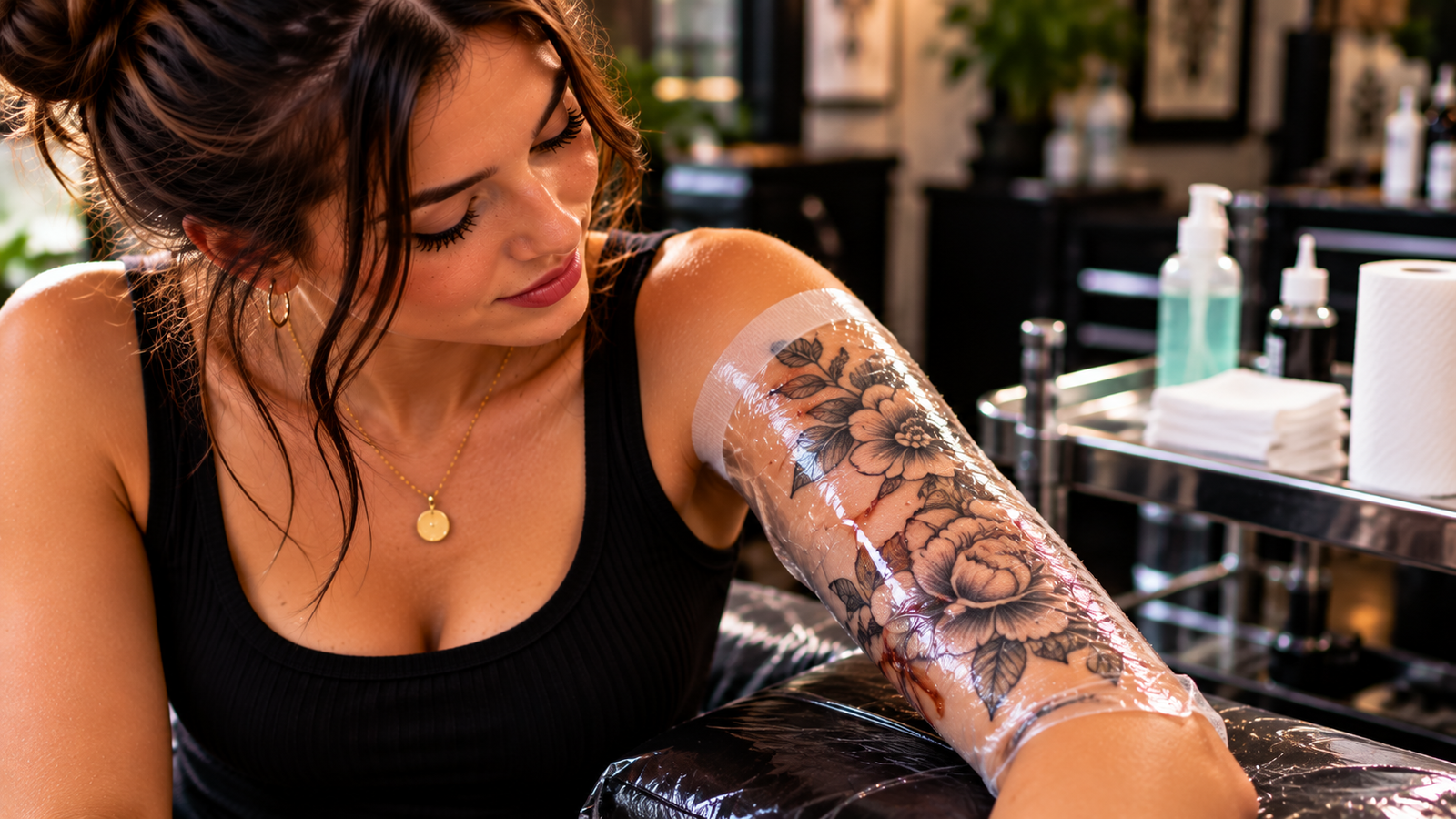
Saniderm Healing: Wear Time, Fluid, and Aftercare
How long should you keep Saniderm on, what does fluid under the film mean, and how should you care for your tattoo afterward? Saniderm is a breathable adhesive bandage that protects fresh ink, but it doesn’t replace clean handling or your tattoo artist’s aftercare instructions.
Some fluid trapped under the film can be part of normal healing, while a leak or worsening skin symptoms may need attention. The tattoo itself usually takes longer to heal than the bandage is worn, so knowing what to expect can help you avoid removing it too soon or keeping it on too long.
This guide explains normal healing, safe removal, and when to seek professional advice, with practical tattoo aftercare guidance.
Things You Should Know About Saniderm Healing
Saniderm is a transparent, adhesive bandage designed to protect a fresh tattoo during the early stage of healing. It creates a barrier against outside contact while allowing moisture vapor to pass through, but it doesn’t stop the skin’s healing process or replace your tattoo artist’s instructions.
What the protective film does
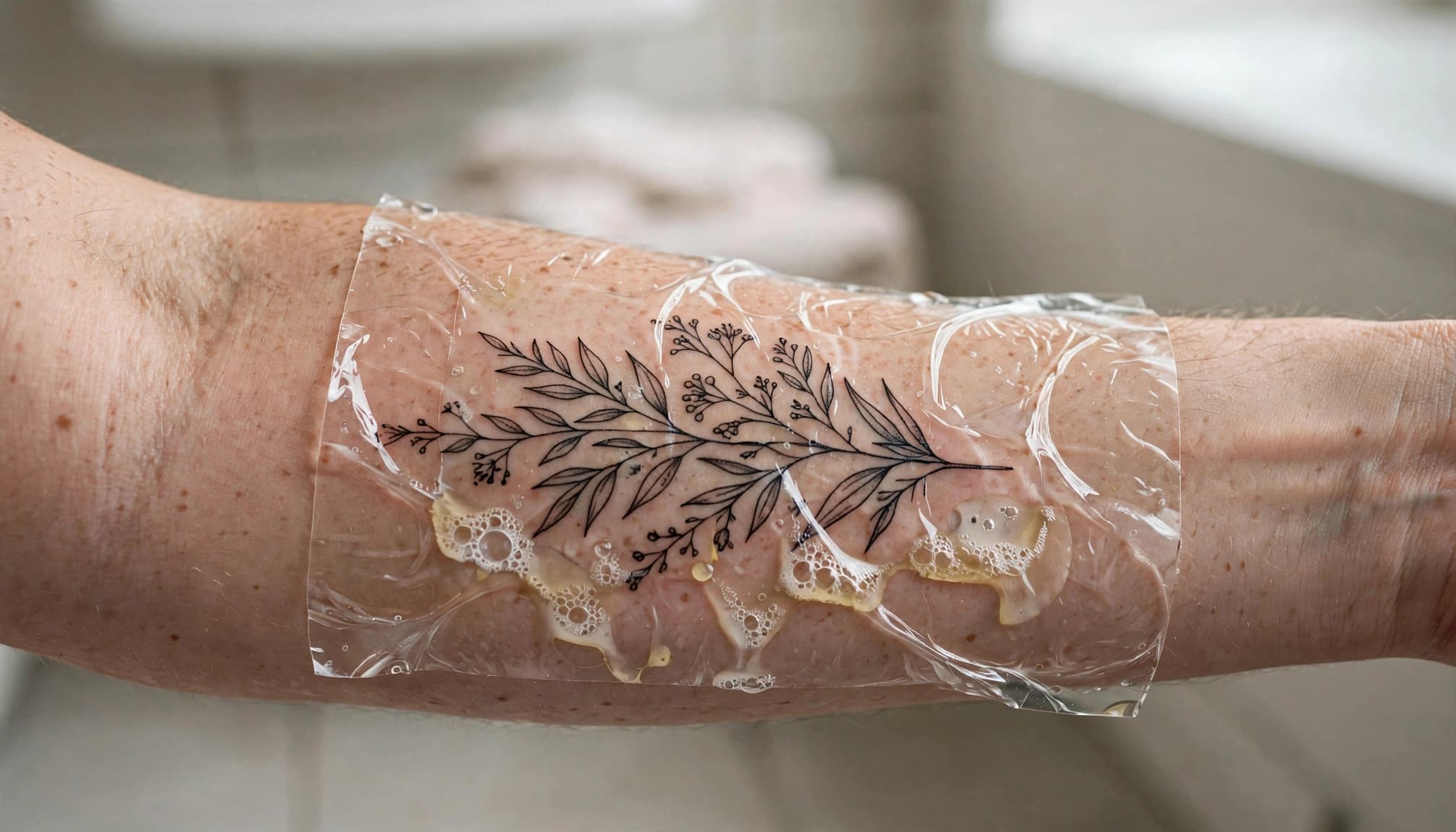
A fresh tattoo is an open skin wound, and the film helps shield it from friction and everyday contaminants. In the first days, plasma, ink, and a small amount of blood may collect beneath the bandage. This fluid can look cloudy or dark, and its presence alone doesn’t mean the tattoo is infected.
However, the film should remain intact. If it leaks, peels away enough to expose the tattoo, or traps fluid beyond its sealed edges, follow your artist’s removal and cleaning instructions rather than trying to patch it. Saniderm’s wear schedule can vary by bandage application, and studio guidance differs; for example, Crucial Tattoo Studio’s aftercare instructions recommend a specific initial wear period. Follow the directions you received for your tattoo and product.
Healing continues after Saniderm comes off
Removing the bandage doesn’t mean the tattoo has finished healing. The skin may still feel tender, itch, flake, or form light scabs over the following weeks. Wash it gently as directed, pat it dry, and use only the aftercare product your artist recommends. Avoid picking flakes or scabs, since pulling at healing skin can irritate the area and affect the tattoo’s appearance.
Your experience may differ based on the tattoo’s size and placement, your skin’s sensitivity, and how your body responds. A larger piece may stay tender longer, while skin under tight clothing or near a joint can face more friction. If redness spreads, pain worsens, the area feels hot, or you notice pus or fever, contact a healthcare professional. These symptoms need attention beyond routine aftercare.
How Long to Keep Saniderm on a New Tattoo
Saniderm wear time depends on whether you’re using the first bandage or a replacement. Follow the directions for your specific product and your tattoo artist’s advice, especially if the film leaks or your skin reacts to the adhesive.
What to expect from the first bandage
Saniderm recommends keeping the first bandage on for 8 to 24 hours. During that time, blood, plasma, and excess ink may collect beneath the film in a sealed fluid pocket. This can look messy, but fluid alone doesn’t mean the bandage has failed.
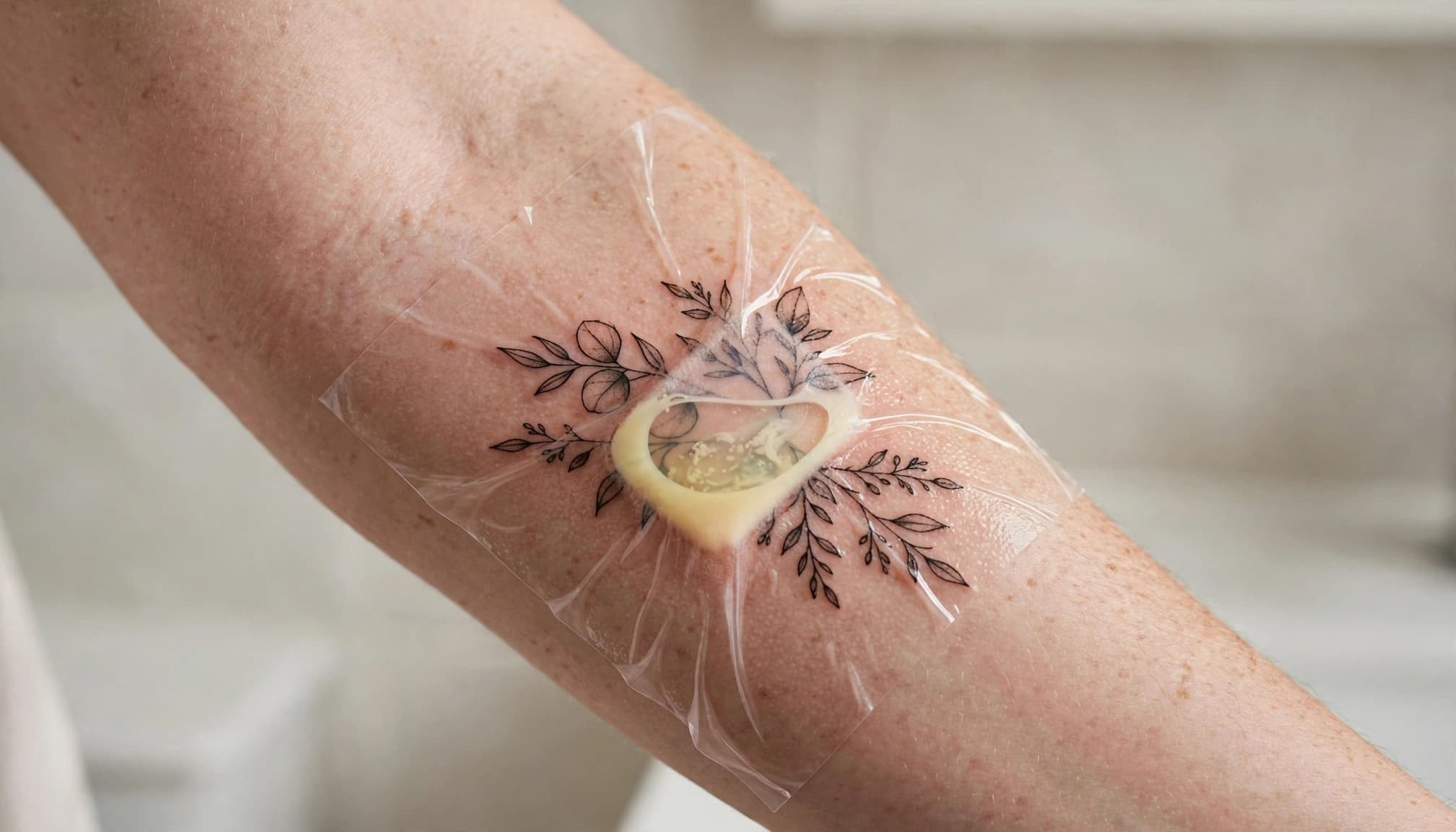
Check the film’s edges and the skin around it. If fluid leaks out, or the seal breaks and exposes the tattoo, remove the bandage rather than leaving it in place. Then follow the product’s cleaning and replacement directions, along with your artist’s guidance. Saniderm’s first-bandage wear-time instructions give the 8-to-24-hour range, but a damaged seal changes the situation.
When to apply a replacement bandage
If your artist recommends another layer, remove the first bandage, gently wash the tattoo, and let the skin dry before applying a clean replacement. Avoid trapping moisture or residue beneath the new film, and use the application method described in the package directions.
Saniderm’s guidance varies by page: some instructions list a replacement wear time of 3 to 5 days, while others allow a second bandage to stay on for up to 6 days. The total wear time should not exceed the product’s stated limit, commonly 7 days in total across the bandages. Check the directions for your specific Saniderm product instead of treating one schedule as universal.
If the replacement loosens, leaks, or causes significant irritation, don’t keep it on just to reach a target day. Remove it as directed and ask your tattoo artist what to do next. When the product instructions and studio advice differ, contact your artist for guidance specific to your tattoo.
What Is Normal Under Saniderm, and What Is Not?
A pocket beneath Saniderm can look messy, especially when ink and blood darken the fluid. The key details are whether the film still seals and whether your skin is getting better or worse.
Why a fluid pocket can look alarming but be normal
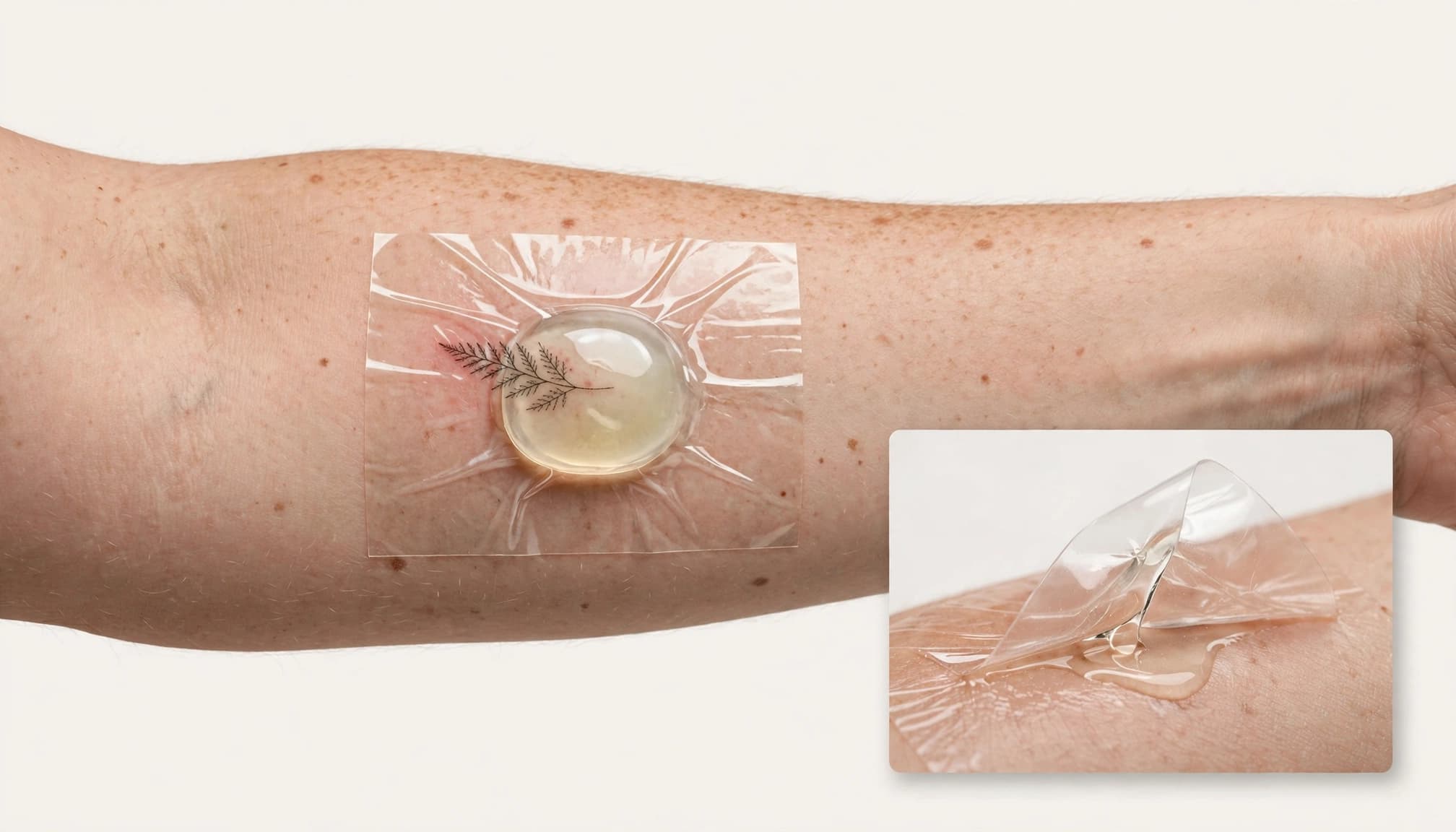
A small pool of blood, plasma, and excess ink beneath an intact bandage is common during early healing. It may make the tattoo look cloudy, dark, or blurred through the film, but fluid alone doesn’t mean the tattoo is infected.
As you move, the pocket may shift or spread beneath the dressing. That movement is usually different from fluid escaping: if liquid leaks through an edge, the seal has broken and the bandage can no longer protect the tattoo as intended. Don’t tape down a leaking edge or keep the film on to reach a target wear time. Follow your artist’s removal instructions, clean the tattoo as directed, and ask your artist what to do next.
Signs of irritation, allergy, or possible infection
A new rash beneath the adhesive, worsening itch, or increasing irritation may point to a reaction to the bandage rather than an infection. If the rash appears or the skin becomes increasingly uncomfortable, remove the film according to the product directions and contact your tattoo artist or a healthcare professional for advice. The American Academy of Dermatology’s guidance on tattoo skin reactions explains that tattoo-related reactions can need medical evaluation.
Pay attention to symptoms that worsen instead of gradually settling. Spreading redness, increasing swelling or warmth, and worsening pain deserve prompt assessment. Pus-like drainage, a foul smell, or yellow-green discharge is also concerning, unlike the usual mix of ink and plasma under a sealed film.
Only a healthcare professional can assess whether symptoms point to an infection or another skin problem. Contact one promptly if symptoms are getting worse, and seek urgent care for fever, chills, red streaks, or feeling ill. When in doubt, remove a compromised or irritating bandage as directed and get medical guidance rather than sealing the area again on your own.
How to Remove Saniderm and Care for the Tattoo Afterward
When it’s time to remove Saniderm, warm water and a slow peel help limit pulling on freshly tattooed skin. Afterward, clean the tattoo gently, dry it without rubbing, and use only a thin layer of suitable moisturizer.
Peel the film slowly under warm running water
Wash your hands before touching the bandage. Then remove Saniderm in the shower or hold the tattoo under warm running water to soften the adhesive. Avoid a strong spray directly on the fresh tattoo.
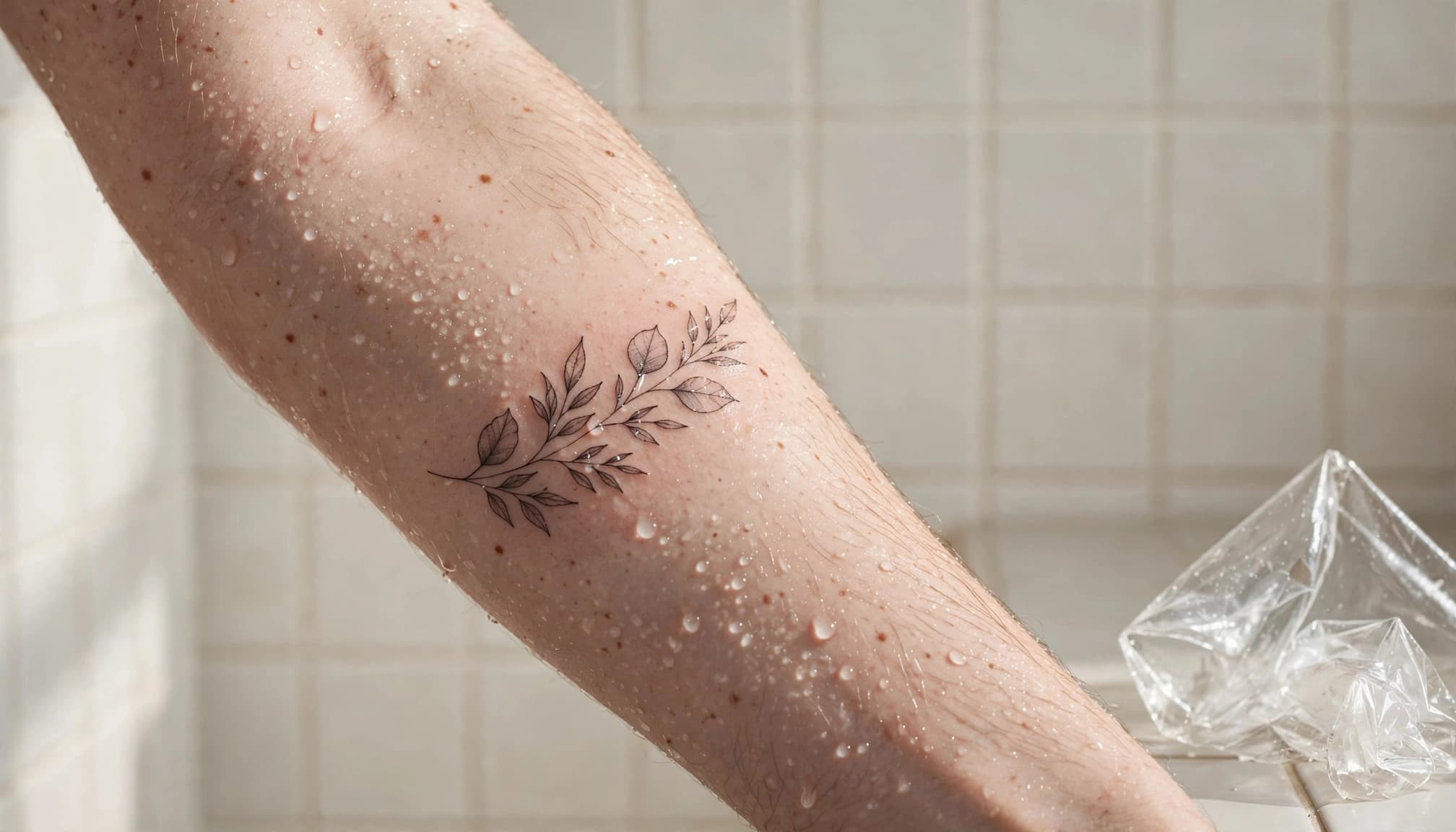
Start at one corner and gently lift the film. As it loosens, fold it back over itself and peel slowly, keeping it close to the skin instead of pulling straight up. Move gradually around the tattoo, letting warm water loosen any spots that cling.
If the film feels painful to remove, stop pulling and let it soften longer under warm water. Don’t tug at the tattoo or force the adhesive off dry, since that can irritate tender skin. Once the bandage is off, dispose of it and move on to washing the area.
Wash gently, pat dry, and moisturize lightly
Wash your hands again before cleaning the tattoo. Rinse the area with lukewarm water, then use a small amount of mild, fragrance-free soap. Clean with your fingertips and light pressure. Don’t scrub, use a washcloth, or aim a forceful stream at the tattoo.
Rinse away all soap, blood, and residue. Next, pat the skin dry with a clean, soft cloth or paper towel. Rubbing can irritate the fresh tattoo, so use a gentle touch. Let the area air-dry for several minutes before applying anything.
When the skin is dry, spread on a very thin layer of fragrance-free, alcohol-free moisturizer or tattoo aftercare balm. A thick coating can leave the area overly moist, so use only enough to lightly cover the tattoo. Follow your artist’s product recommendations, and check the label for ingredients that could irritate your skin.
Continue gentle washing and light moisturizing as the tattoo heals. If a product causes burning, a rash, or worsening irritation, stop using it and ask your tattoo artist or a healthcare professional for advice.
Showering, Daily Activities, and Mistakes to Avoid During Healing
An intact Saniderm bandage can get wet during a short shower, but it doesn’t make a fresh tattoo ready for soaking or rough treatment. Protect the seal, limit friction, and follow your artist’s instructions and the directions for your specific bandage.
Showering is different from soaking
You can usually shower while wearing Saniderm. Keep the shower brief, use comfortably warm rather than very hot water, and avoid aiming a strong stream at the bandage. Although the film is designed to resist water, prolonged exposure can weaken its adhesive. If an edge lifts enough to expose the tattoo or fluid leaks out, follow your artist’s removal instructions instead of trying to seal it back down.
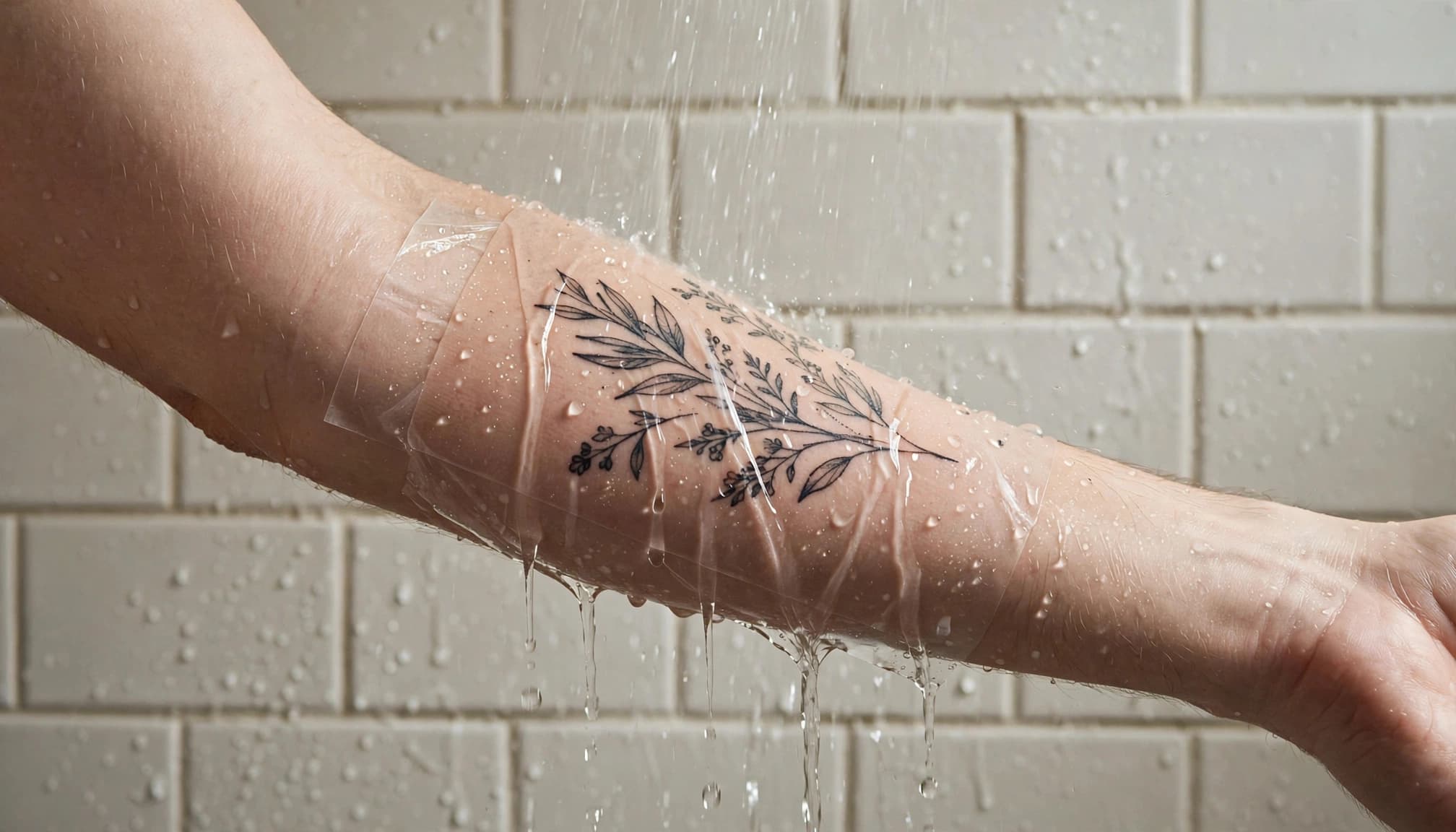
A shower doesn’t count as permission to swim or bathe. Saniderm advises avoiding full submersion, including baths, pools, and hot tubs, for 2 to 4 weeks after getting tattooed. Healing speed varies, so ask your artist when it’s safe to return to these activities. See Saniderm’s guidance on water exposure for more details.
You can go about ordinary daily activities, but avoid anything that pulls at the bandage or causes heavy sweating and prolonged rubbing. Saniderm doesn’t block every source of irritation or infection, so keep the film clean and intact, and follow its package directions for wear time.
Avoid picking, friction, and harsh skin products
As the tattoo heals, peeling and itching can tempt you to scratch or pull at loose skin. Resist the urge. Picking at flakes or scabs can irritate the area and interfere with healing. Instead, leave them alone and continue the gentle washing and light moisturizing recommended by your artist once the bandage comes off.
Clothing matters, too. Choose clean, loose-fitting fabric that won’t press against or snag the tattoo. Tight waistbands, rough seams, and dirty clothing can rub tender skin. If an activity repeatedly irritates the area, adjust what you’re wearing or pause that activity until the skin settles.
After removing Saniderm, wash your hands before touching the tattoo. Use gentle pressure and mild, fragrance-free soap, then pat the area dry with a clean towel or paper towel. Avoid scented lotions, alcohol-based products, and harsh cleansers unless your artist specifically recommends them. If a product causes burning or a rash, stop using it and seek advice from your artist or a healthcare professional. For broader advice, consult Saniderm’s new tattoo care guide.
Conclusion
Saniderm healing depends on following the wear schedule for your first and replacement bandages. Some fluid beneath an intact film is normal, but a leak or broken seal means you should follow the removal instructions. Peel the film back slowly under warm water, then keep caring for the tattoo with gentle washing and light moisturizing.
Because guidance for replacement-bandage wear time can vary, ask your tattoo artist if you’re unsure what schedule to follow. If irritation worsens or you suspect an infection, contact a healthcare professional.
Save pin for later

- Saniderm Healing: Wear Time, Fluid, and Aftercare - September 25, 2026
- How to Choose the Right Tattoo Size for Your Design and Skin - September 25, 2026
- How to Slow Tattoo Fading: Healing Care and Sun Protection - September 25, 2026
Leave a Reply