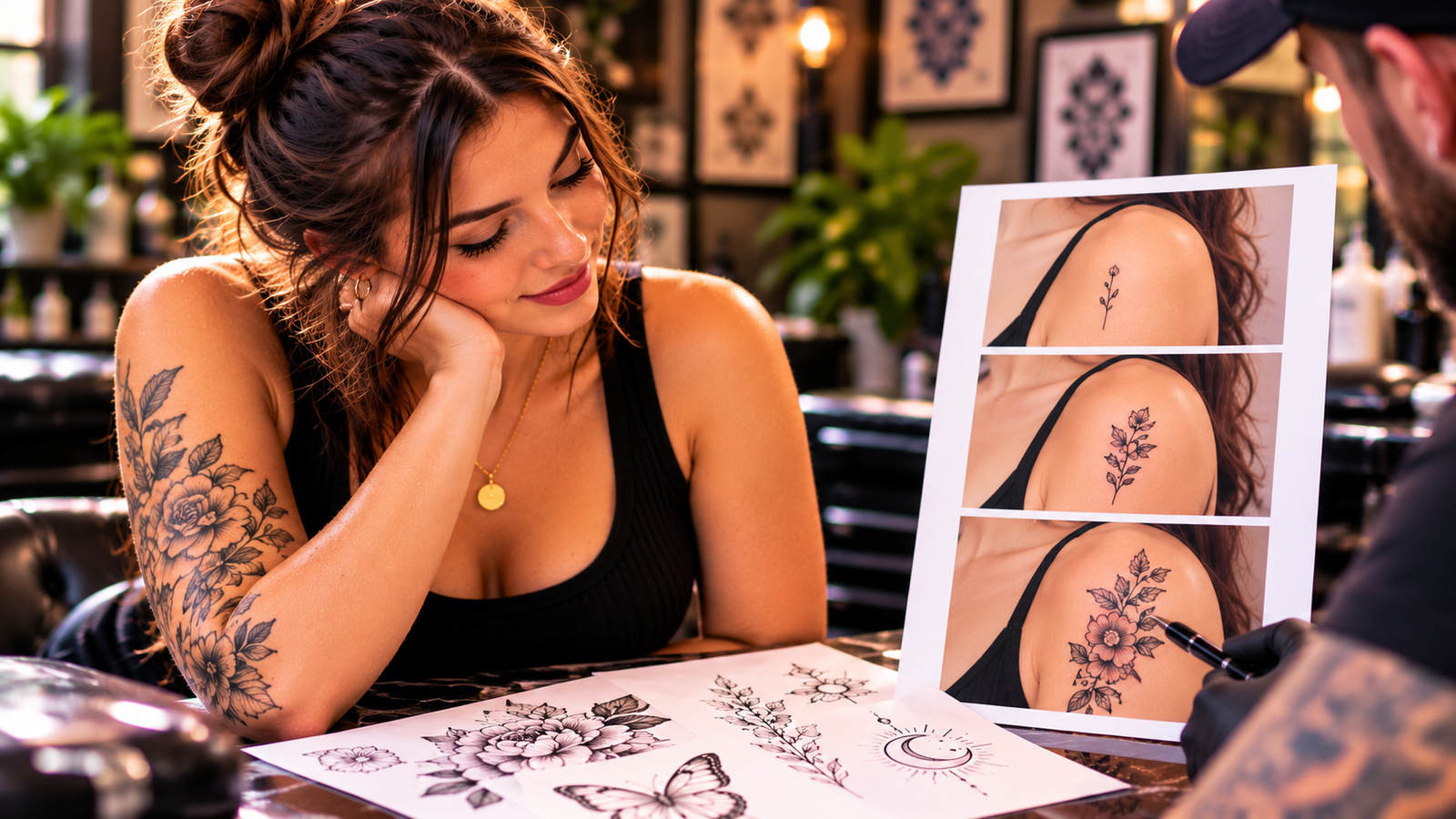
How to Choose the Right Tattoo Size for Your Design and Skin
Loving a tattoo design but unsure how large it should be is a common dilemma. The right size depends on the design’s detail, where it will sit, your skin’s condition, and how the tattoo may change over time.
Before meeting with an artist, consider how much space the design needs and how the placement may affect its appearance as it ages. A few practical checks can help you discuss size with confidence, and tattoo inspiration and design ideas can help you refine what you want. Start by matching the design’s detail to the space available.
Tips to choose the perfect tattoo size for your skin
There’s no single ideal tattoo size for everyone. A design that looks clear at one size on a flat forearm may feel crowded on a curved or narrow area. Judge the size by whether the lines and details have enough room to stay readable, both now and as your skin and ink change over time.
Start with the design’s detail, not a size you saw online
Reference photos can help you explain the look you want, but they don’t set a reliable measurement. The same design may need more space on your body, especially if it includes fine lines, small lettering, or closely packed details. When marks sit too close together, slight softening over time can make separate lines blur or merge.
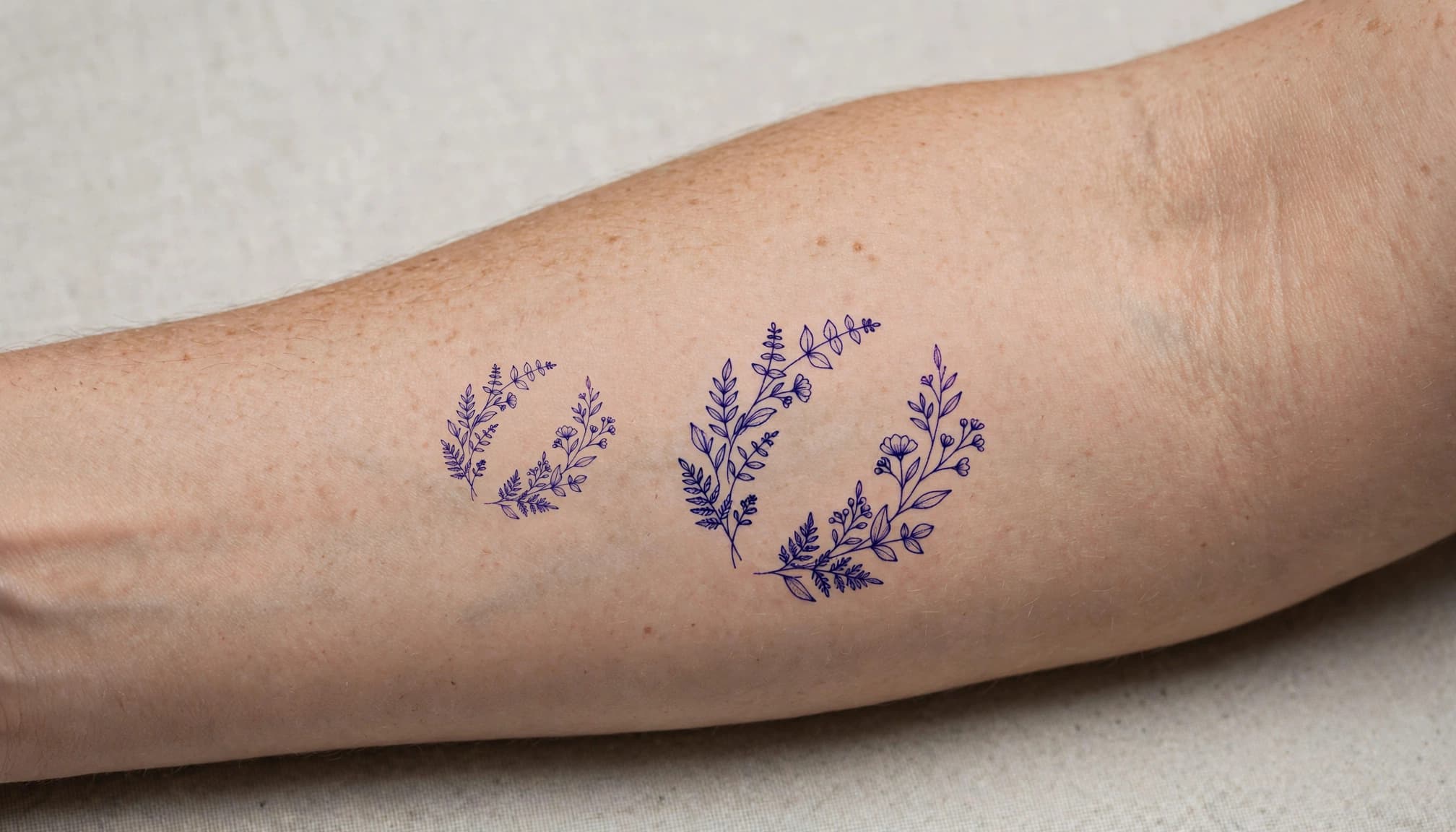
Ask your tattoo artist to show the design at a few sizes on the intended area. Look at the stencil from a normal viewing distance, not only up close. Can you still read the lettering? Are the small shapes distinct, with visible skin between them? If the design only works when enlarged on a screen, it may need to be simplified or tattooed larger.
Most importantly, ask your artist for the smallest size they recommend for that specific design. They can assess the line weight, spacing, and placement together, then explain which details may need adjustment. That gives you a practical starting point before you commit.
Match the tattoo size to the body area
Your body’s shape affects how a tattoo reads. A broad, relatively flat area gives a design room to stay open, while a narrow or curved spot can compress its proportions. Joints and creases move as you bend, so a design placed across them may look different in motion than it does while your limb is still.
Have the artist position the stencil on your skin, then check it while standing naturally and moving the nearby joint. Notice whether the design wraps too far around the area or whether a key detail lands in a crease. Depending on the placement, the best fix may be making the tattoo larger, changing its orientation, or simplifying part of the design.
Hands and fingers need extra care because frequent washing, friction, movement, and sun exposure can wear tattoos unevenly. A tiny, detailed design in one of these spots may lose clarity sooner than the same design on a lower-friction area. If you prefer a small hand or finger tattoo, ask your artist which details can remain legible there, and be open to a simpler version.
How to choose a tattoo size that fits your placement
The best tattoo placement balances the space your design needs with how you live day to day. Before settling on a size, consider how the area moves, what rubs against it, how often it gets sun, and whether you want the tattoo on display.
Consider movement, friction, and sun exposure
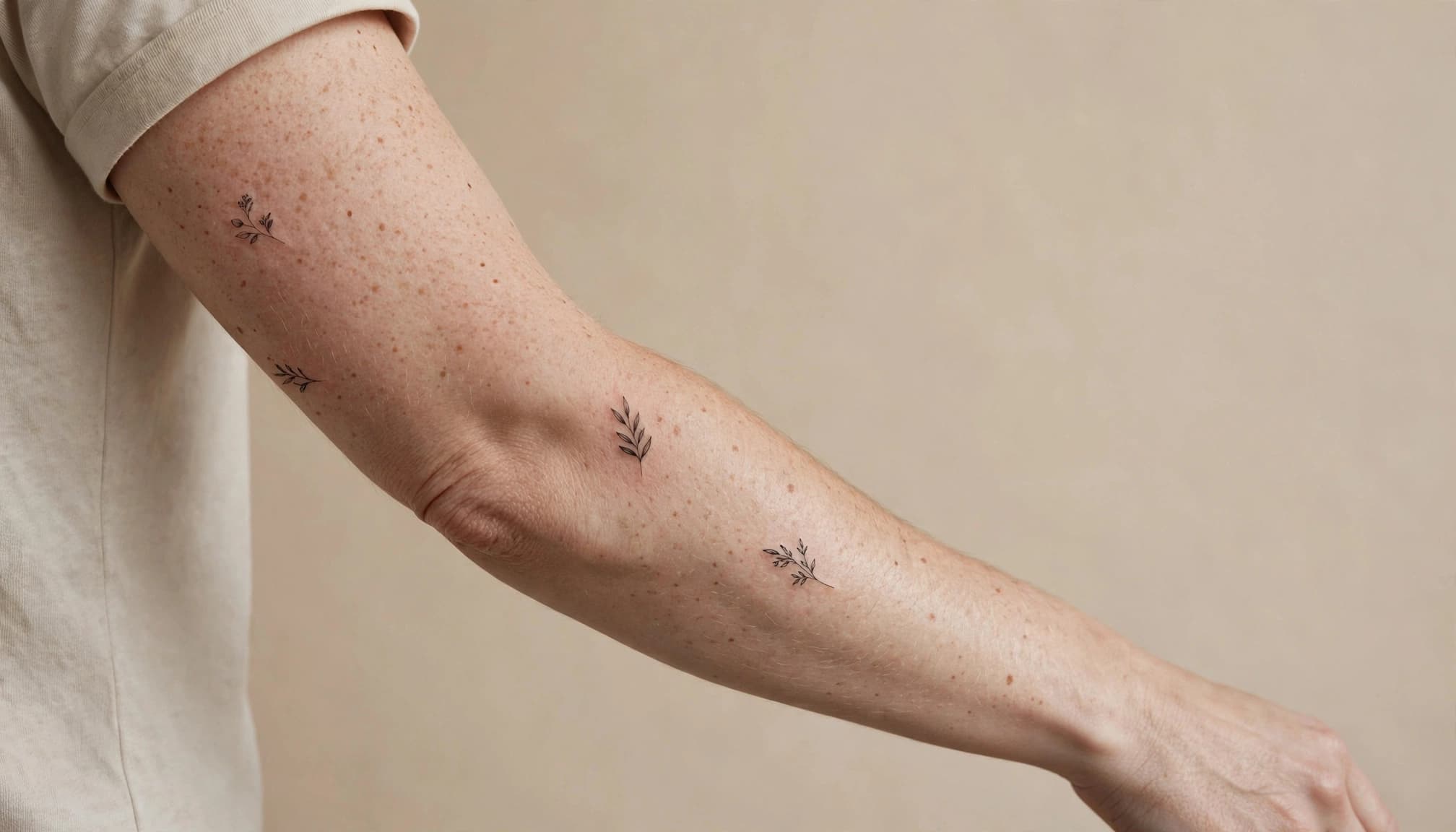
Areas that move less and experience little friction can give fine-line designs a calmer setting. The outer upper arm, for example, usually sits under clothing and avoids the constant bending and rubbing common around hands, wrists, and joints. A small design may fit comfortably there, while a piece placed across a crease may need more room or a simpler shape to remain clear when you move.
Clothing and daily habits matter, too. A tattoo under a backpack strap, waistband, or snug shoe may get repeated friction. Hands and forearms are often exposed to sunlight, which can fade some tattoo inks over time. The American Academy of Dermatology recommends sun protection for tattooed skin; MD Anderson’s guidance on tattoos and sun safety also addresses how to protect tattoos outdoors. Keep a healing tattoo out of direct sunlight and cover it with loose clothing until it has healed. Once healed, regular sun protection can help limit fading.
Think about how visible you want the tattoo to be
Forearms and hands keep a tattoo in view, so they work well when you want to see the design often. They also draw attention at work and in social settings, and hands tend to get more washing, friction, and sun than areas covered by clothing. If you choose a highly visible spot, a clear, uncomplicated design may hold up better than tiny details packed into a small space.
The upper arm, shoulder, thigh, and torso are easier to cover with everyday clothes. These areas offer more privacy and can give a larger design room to follow the body’s shape. However, curves affect how a tattoo looks from different angles. Ask your artist to place the stencil where you plan to wear it, then check it while standing naturally and moving. A design that looks balanced straight on may wrap or stretch visually around a shoulder or thigh.
Your comfort should guide the final choice. Consider whether you want the tattoo visible in short sleeves, swimwear, or work clothes, then ask your artist to size it for that exact placement.
Choose a tattoo size that works with your skin and design
A design’s size affects more than how much space it takes up. It also determines whether the outlines, colors, and small details read clearly against your skin. Ask your artist to assess those choices together, using your actual placement and desired look rather than a fixed size rule.
Ask how line weight and contrast will read on your skin
Skin tone doesn’t rule out a particular tattoo style or color. However, the contrast between ink and skin affects how clearly a design shows. Ask your artist how they’d adjust the palette, outline weight, or detail level to achieve the look you want.
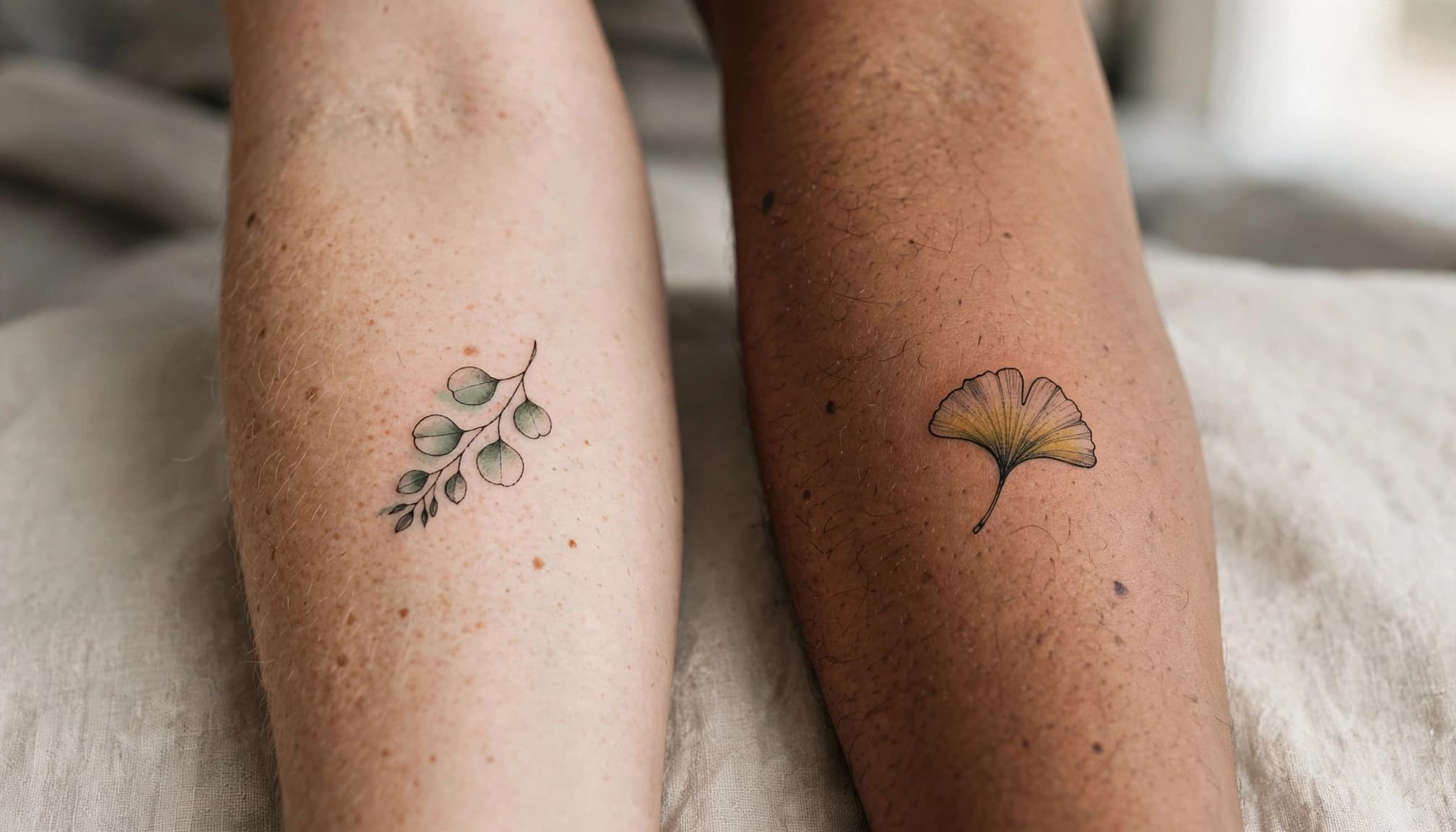
For example, a fine outline or pale color may appear subtle by design, while a darker, heavier line may make the same shape easier to distinguish. Neither choice is automatically better. The right approach depends on your preferences, the design, and how its colors appear on your skin.
Before choosing a size, review healed examples of your artist’s work on a range of skin tones, when available. Fresh tattoos can look different from healed ones, and photos help you judge how the artist’s line work and color choices settle. You can also ask to see the proposed stencil on your own skin and discuss whether extra space would improve clarity.
Plan for the tattoo to soften as it heals and ages
A new tattoo often looks sharper than it will after healing. Fine-line work can soften over time, and tightly packed details may become harder to separate. Giving small elements enough room can help preserve their definition, so ask your artist whether the design needs more scale or simpler details.
How a tattoo changes varies by person and depends on factors such as placement, sun exposure, and care. Areas that get frequent sunlight may fade sooner; the American Academy of Dermatology’s tattoo-care advice recommends protecting healed tattoos with broad-spectrum, water-resistant sunscreen. During healing, follow your artist’s aftercare instructions and keep the fresh tattoo out of direct sun.
Your artist can’t promise exactly how a design will look years from now. Still, you can make a thoughtful choice today: leave enough space between fine details, choose line weight that suits the image, and size the tattoo for the way you want it to read on your skin.
Preview the size with your tattoo artist before the appointment
A design can look balanced on a screen but feel too large or too small once it sits on your body. Before your appointment, bring reference images, the intended placement, and a clear idea of your preferred size. If you have a budget or maximum dimensions in mind, share those too. Your artist can help you find a scale that suits both the design and the area.
Use a stencil or mock-up to see the design on your body
Ask your artist to print or apply the design at more than one size. Check each option in a mirror while standing naturally, then sit down and look from the front and side. If the tattoo sits near a joint or wraps around a curved area, move as you normally would and see whether the design still looks balanced.
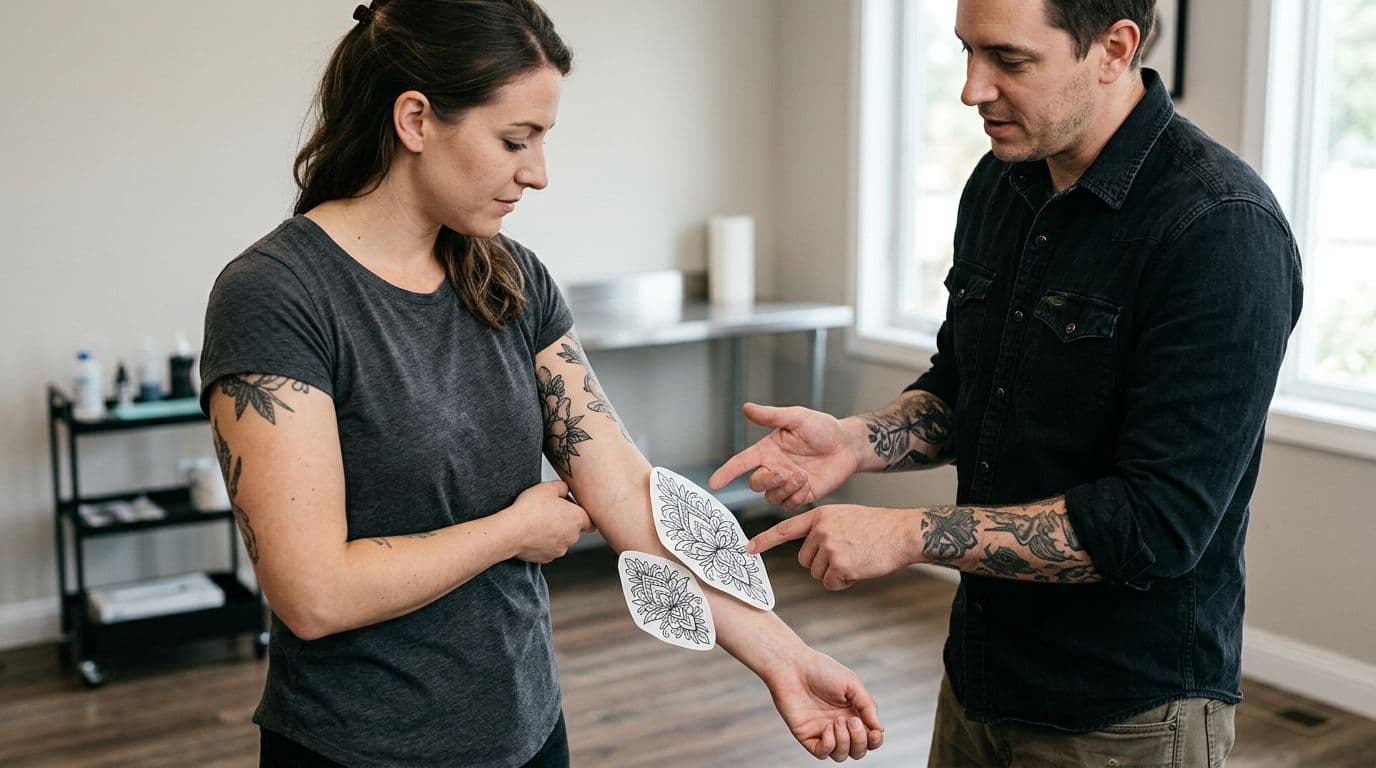
A phone photo can help you compare sizes later, especially if you take pictures from the same angles. You can also try a temporary mock-up before the appointment to get used to seeing the design on your body. A virtual tattoo placement simulator may help you compare approximate scale and position, but treat the result as a preview, not a substitute for an in-person stencil. A flat image cannot fully show how a design follows your body’s curves or changes as you move.
Give yourself time to consider the options if you feel unsure. A temporary size adjustment is easier to test than to regret after the tattoo is permanent. At the appointment, ask to see the final stencil on your skin before approving it.
Ask the artist what details may need to change
A design may need more space if it includes fine lines, small lettering, or elements packed close together. Ask whether any parts should be simplified, spaced out, or enlarged so they remain clear at your preferred size. Your artist can explain which details are essential and which can change without altering the overall look.
Be direct about your budget and size preferences. For example, tell the artist the largest area you’re comfortable with and ask what version of the design will work within it. However, don’t pressure them to shrink the tattoo below a workable scale. If the details need more room, consider a simpler design or a different placement instead.
Before the needle starts, confirm that you’re comfortable with the size, position, and orientation of the stencil. If something feels off, speak up and ask for an adjustment.
Avoid common mistakes that can make a tattoo feel too small
A tattoo can feel undersized when you choose its dimensions too quickly, copy a reference without adapting it, or overlook how aftercare affects clarity. Give yourself time to assess the design at its actual placement, then follow your artist’s guidance before and after the appointment.
Do not copy a reference without adapting it
A photo can show the style you like, but it can’t tell you the right size for your body. The same design may look open and balanced at one scale, then crowded at a smaller size. Its proportions can also shift when placed on a narrow wrist, a curved shoulder, or another area with a different shape.
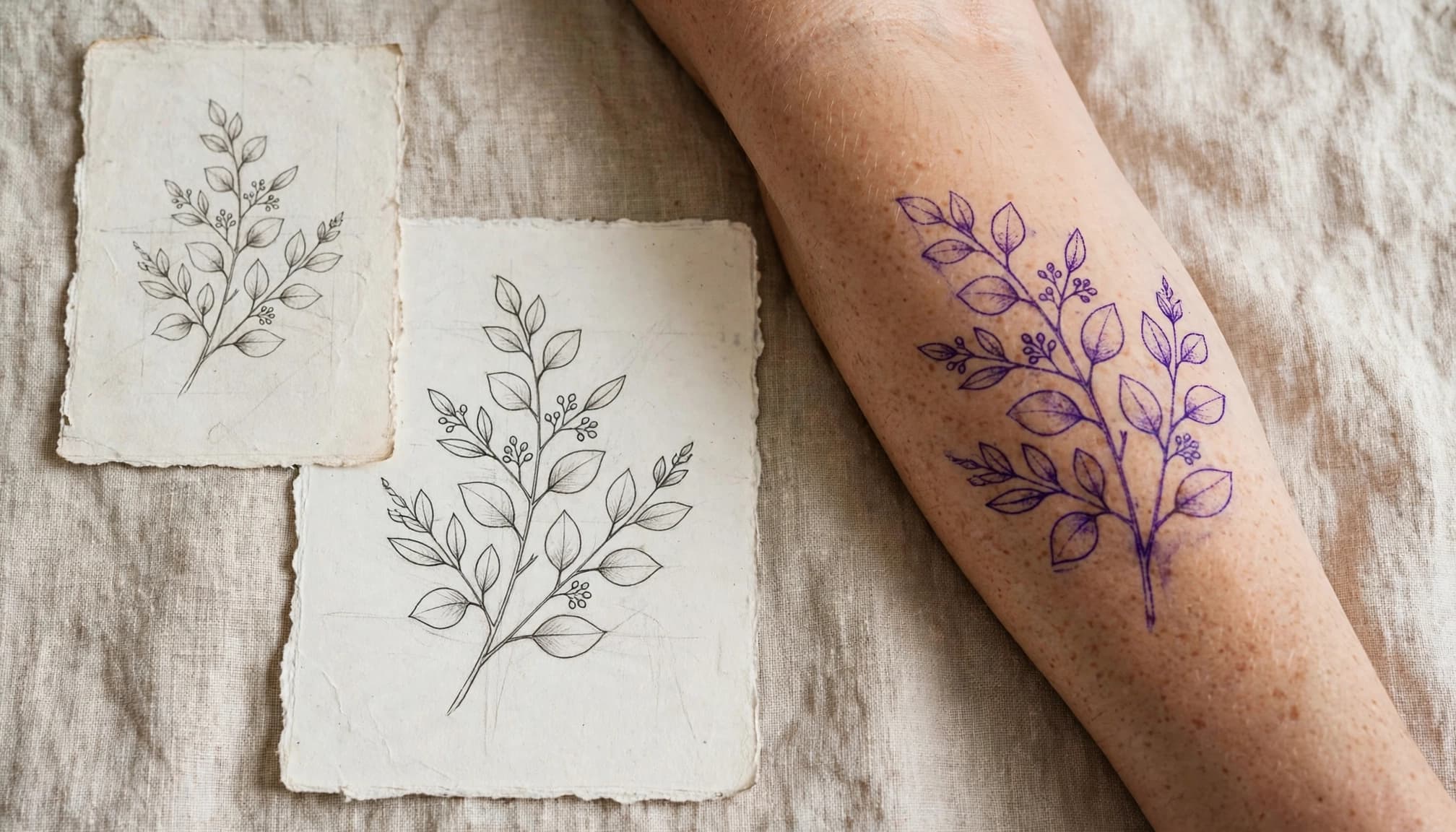
Use reference images to show your artist the style, composition, and details you want. Then ask them to adapt the proportions and spacing for your body and preferred placement. A stencil lets you assess the proposed size on your skin before the session. Take a moment to view it standing naturally and from more than one angle.
Also, avoid choosing a size on impulse just because a design looked small on a phone screen. If you’re unsure, ask to compare a few stencil sizes or take time to consider the options. A reference is a starting point, not a measurement.
Protect the tattoo after healing to help preserve clarity
Poor aftercare won’t change the tattoo’s original dimensions, but fading can make details harder to see. Follow your artist’s aftercare instructions, and keep a fresh tattoo out of direct sunlight while it heals. Don’t apply sunscreen to healing skin; cover the area with clothing instead.
Once the tattoo is fully healed, protect exposed skin with broad-spectrum, water-resistant SPF 30 or higher. The American Academy of Dermatology’s tattoo care guidance recommends applying sunscreen before going outdoors and reapplying at least every two hours. Reapply sooner after swimming or sweating, in line with the product label.
Regular sun protection helps limit UV-related fading, so the lines and details remain easier to distinguish. It can’t prevent every change over time, but it supports the clarity your artist planned for.
Conclusion
The right tattoo size gives the design enough room to stay clear while fitting the shape and movement of the chosen body area. It should also feel comfortable with your long-term preferences for visibility and style, rather than being based only on a reference photo or a number.
Before you commit, compare the design at a few sizes on your skin and check how it looks from different angles. Then have an honest conversation with a skilled tattoo artist about what will remain readable at your preferred size. A thoughtful size test can help you choose a tattoo that feels right now and suits you over time.
Save pin for later


- Saniderm Healing: Wear Time, Fluid, and Aftercare - September 25, 2026
- How to Choose the Right Tattoo Size for Your Design and Skin - September 25, 2026
- How to Slow Tattoo Fading: Healing Care and Sun Protection - September 25, 2026
Leave a Reply