
How to Slow Tattoo Fading: Healing Care and Sun Protection
Tattoo ink can lose brightness over time, but thoughtful care can slow avoidable fading. Some change is normal, and sun exposure, healing habits, skin movement, and tattoo placement can all affect how your tattoo looks as the years pass.
Protecting fresh ink starts with following your artist’s aftercare instructions and keeping the tattoo out of direct sun while it heals. Once it’s fully healed, long-term sun protection and simple skin care can help preserve its appearance; if it’s already faded, there are practical next steps to consider. Start with the habits that protect a new tattoo during healing. Watch a tattoo artist’s tips for preventing fading.
Secrets to Stop Your Tattoo From Fading Start With Healing Care
A tattoo is a healing wound at first, so careful aftercare helps protect the skin while it recovers. Follow your tattoo artist’s instructions over general advice because the right routine can vary with the tattoo, covering, and your skin.
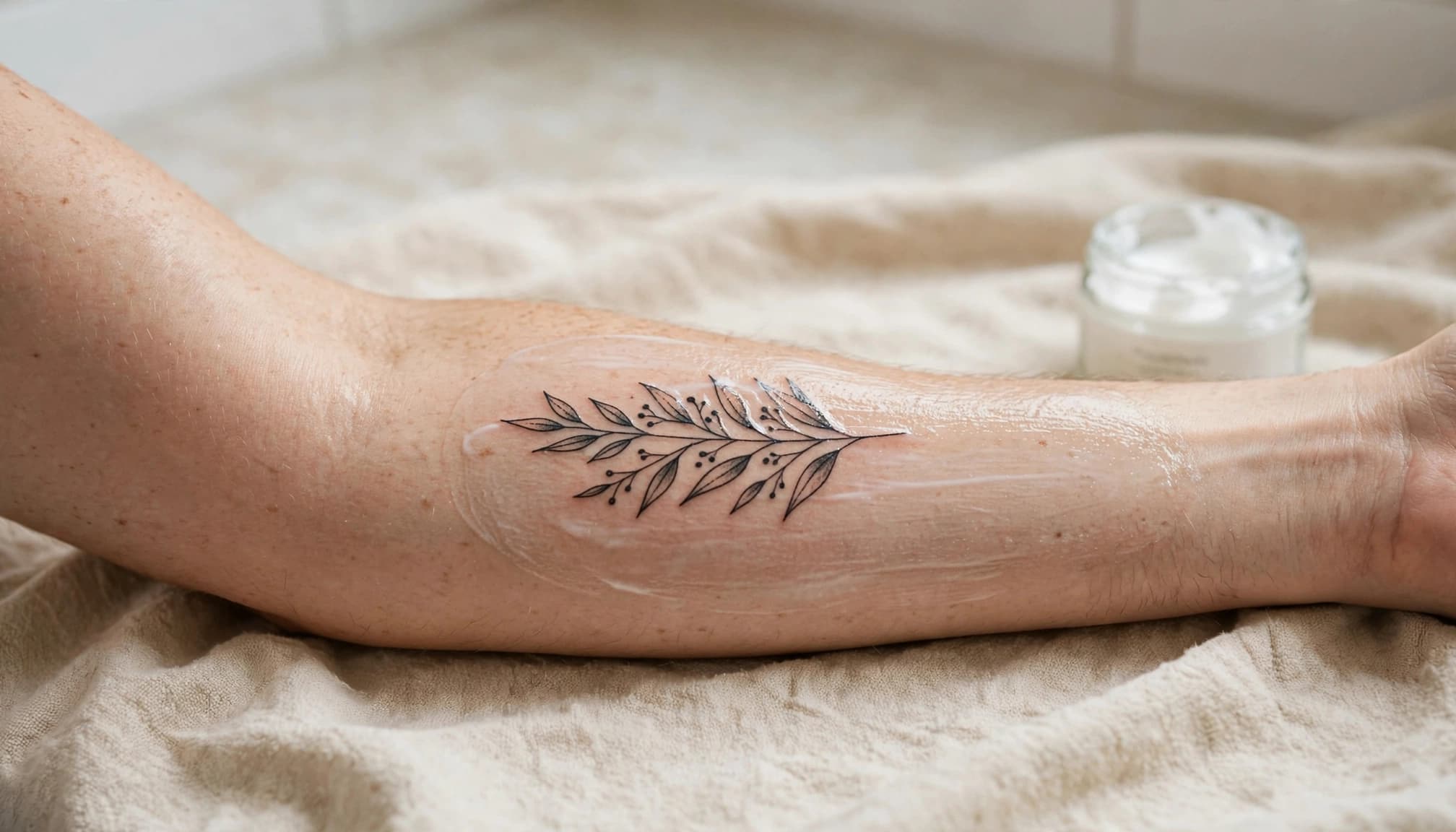
The first few days: keep it clean and protected
Leave the bandage on for the time your artist recommends. When it’s time to remove it, wash your hands first, then gently wash the tattoo with lukewarm water and mild, fragrance-free soap. Avoid scrubbing or holding it under a strong stream of water. Pat the area dry with a clean towel, and apply only the aftercare product your artist recommends.
During these early days, wear loose, clean clothing that won’t rub or stick to the tattoo. Keep it out of direct sunlight, and don’t soak it in a bath or go swimming. Pools, hot tubs, lakes, and oceans can expose healing skin to irritants and germs. Mayo Clinic also advises gentle washing and avoiding swimming while a tattoo heals.
The next few weeks: moisturize, don’t pick
As the skin begins to flake or form small scabs, resist the urge to scratch, peel, or pick. Let flakes and scabs come away on their own; pulling them off can irritate the skin and affect how evenly the tattoo heals. Continue washing gently, often twice a day, and apply a thin layer of the product your artist recommends when the skin feels dry.
Once your artist’s initial aftercare routine ends, a mild, water-based lotion or cream can help with dryness. The American Academy of Dermatology recommends water-based moisturizer for tattooed skin and cautions that petroleum-based products can cause ink to fade. Don’t apply sunscreen to an open or peeling tattoo. Instead, keep it covered with loose clothing and out of direct sun until it has fully healed.
Healing time varies, so don’t use a calendar alone to decide when to resume swimming or sun exposure. If redness or swelling worsens, you notice pus, or you develop a fever or rash, contact a medical professional. A new tattoo can look dull or cloudy while it heals, but proper care gives the skin time to settle before you judge the final color.
Protect a Healed Tattoo From Sunlight Every Day
Sun protection should be part of your regular routine, not something you save for the beach. Ultraviolet (UV) rays can break down tattoo pigment over time, making colors look dull and lines less distinct. Daily sun care also helps protect your skin from sun damage and skin cancer.
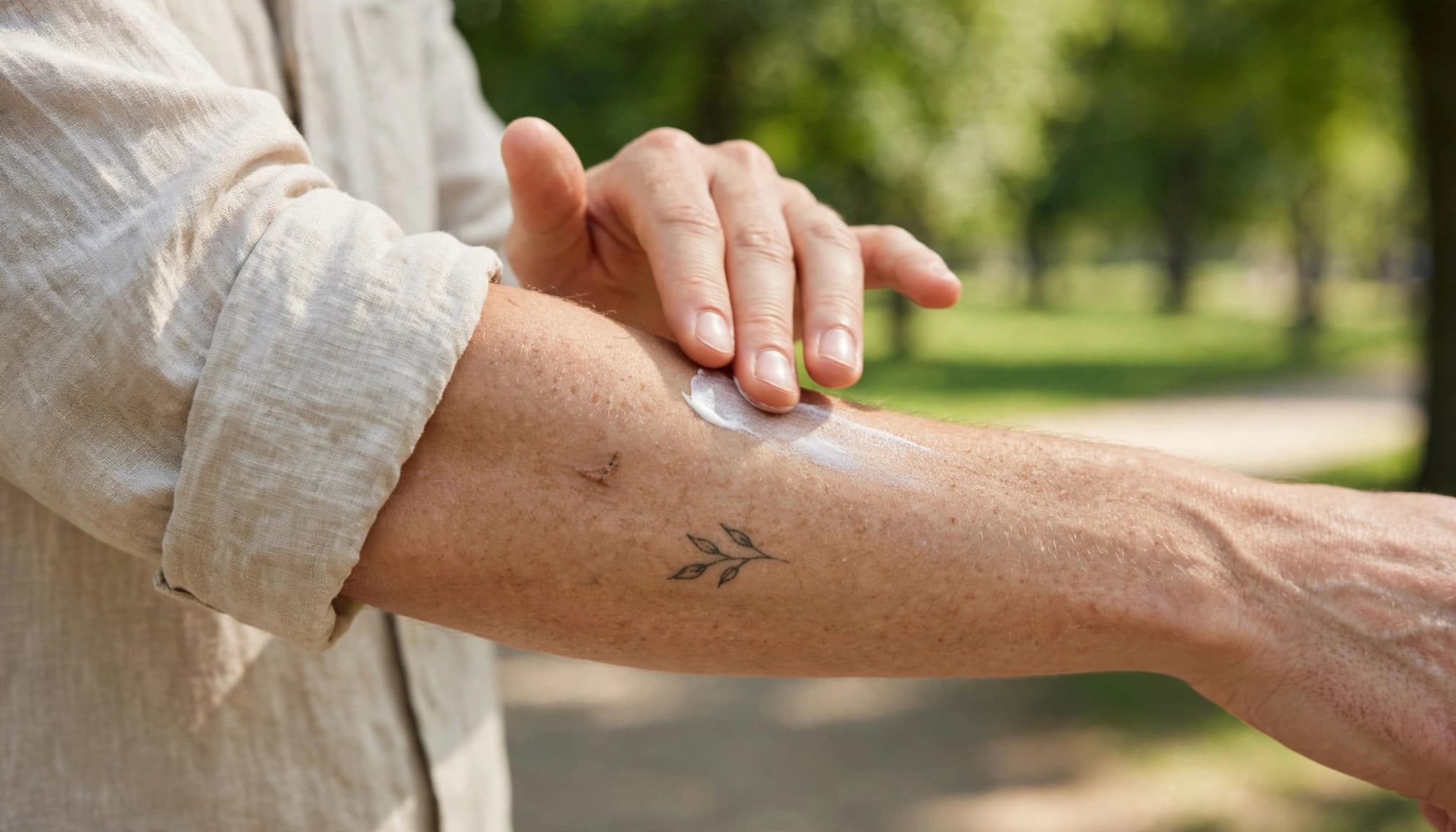
Choose sunscreen that protects tattooed skin
Once your tattoo is fully healed, apply a broad-spectrum, water-resistant sunscreen with SPF 30 or higher to the tattoo whenever it will be exposed. Broad-spectrum formulas protect against both UVA and UVB rays. Apply sunscreen about 15 minutes before going outside, and cover the tattoo evenly rather than dabbing only the darkest areas.
Sunscreen works best when you use enough and reapply it. The American Academy of Dermatology recommends reapplying sunscreen about every two hours outdoors, and sooner after swimming, sweating, or toweling off. Water-resistant sunscreen still wears away, so don’t treat the label as all-day protection.
Keep sunscreen handy with your everyday essentials, especially during seasons when your arms or legs are often exposed. If you forget to apply it before leaving home, put it on as soon as you can.
Use shade and clothing as backup
Sunscreen is only one part of sun protection. When possible, choose shade during the sun’s strongest hours, and cover a tattoo with tightly woven clothing or a lightweight sleeve. A hat can protect tattoos on the scalp, neck, or ears, while a cover-up can shield larger designs during long stretches outdoors.
These habits matter even on cloudy days, since UV rays can still reach exposed skin. They also help when sunscreen has worn off or you can’t reapply easily. Avoid tanning beds and sunlamps, which expose skin to UV radiation and can fade tattoo ink.
Make sun care a lasting habit
Build sunscreen into routines you already follow. Apply it before a walk, a drive with exposed arms, or time spent in the yard. If you regularly wear short sleeves, keep a bottle by the door or in your bag so protecting your tattoo takes little effort.
A healed tattoo doesn’t need special treatment beyond consistent care for exposed skin. Moisturize when the skin feels dry, and keep an eye on changing spots or unusual skin reactions. If you notice a new or changing mark on tattooed skin, ask a healthcare professional to check it.
Know Which Everyday Habits Can Wear Down Tattoo Ink
Once a tattoo has healed, everyday care can help it look clear and comfortable. Repeated rubbing, harsh exfoliation, and neglected dry skin can affect its appearance, although normal skin aging also changes how a tattoo looks over time. These habits won’t erase ink overnight, but reducing avoidable irritation can help preserve the design’s sharpness.
Reduce repeated rubbing and irritation
Clothing that constantly rubs one spot can leave skin irritated or rough. This is more likely where a tattoo sits beneath tight waistbands, watchbands, straps, or stiff seams. A healed tattoo’s pigment won’t simply rub off, but ongoing irritation can make the surface look uneven and uncomfortable.
Choose softer fabrics or adjust accessories if they repeatedly chafe the same area. Also, avoid scratching itchy skin or using rough towels and abrasive brushes directly over the tattoo. Small changes in daily friction are especially helpful on spots that bend or move often, such as wrists, elbows, and knees.
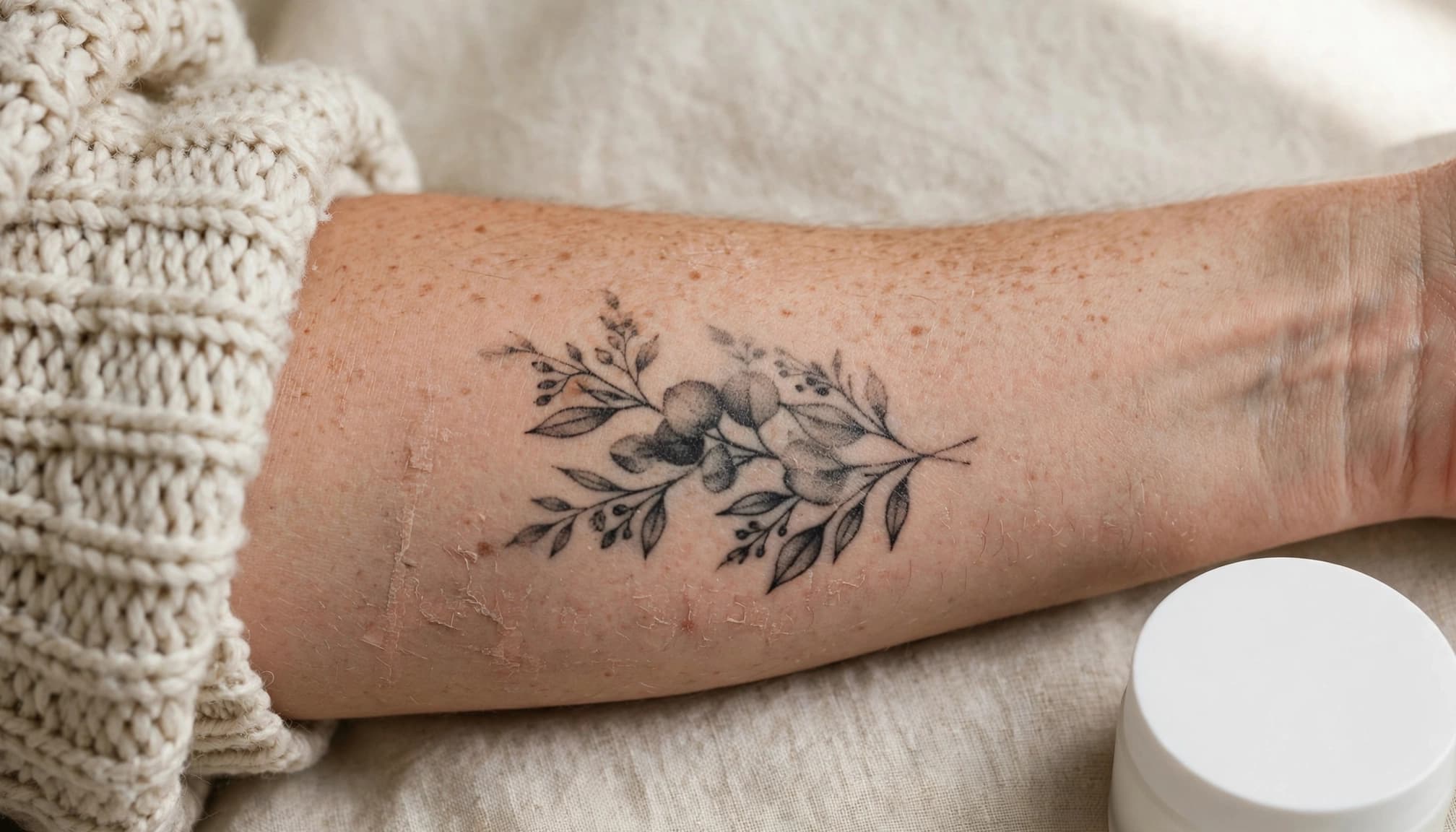
Exfoliate gently and moisturize for skin comfort
Scrubs and strong exfoliating products can irritate the skin, especially with frequent use. Once a tattoo is fully healed, exfoliation won’t automatically remove ink set deeper in the skin, but aggressive scrubbing can cause redness and make the tattooed area look temporarily dull or patchy. Use exfoliants sparingly, and stop if the skin becomes sore or inflamed.
Dry skin can also make a tattoo appear less vibrant because flaky, rough skin scatters light across the design. A simple, water-based lotion or cream can keep the surface comfortable; the American Academy of Dermatology’s tattoo care guidance recommends moisturizing tattooed skin when it feels dry. Moisturizer supports the skin barrier; it can’t seal pigment in forever.
Expect skin to change over time
Even with consistent care, skin changes as you age. Its texture, elasticity, and tone can shift, which may soften fine lines or alter how colors appear. A tattoo on an area that stretches or moves often may also look different as the skin changes.
Treat the skin well, avoid habits that cause repeated irritation, and keep expectations realistic. Tattoo ink sits within living skin, so no routine can freeze its appearance. If a tattoo looks suddenly raised, itchy, or inflamed, ask a healthcare professional about the change rather than trying to scrub or treat it away.
Understand Why Tattoos Fade and What Care Can Realistically Change
Tattoo ink lasts because pigment sits in the dermis, the layer beneath the skin’s surface. But skin is living tissue, not a sealed frame around the design. Over time, pigment can shift or break down, while changes in the skin can make lines and colors look softer.
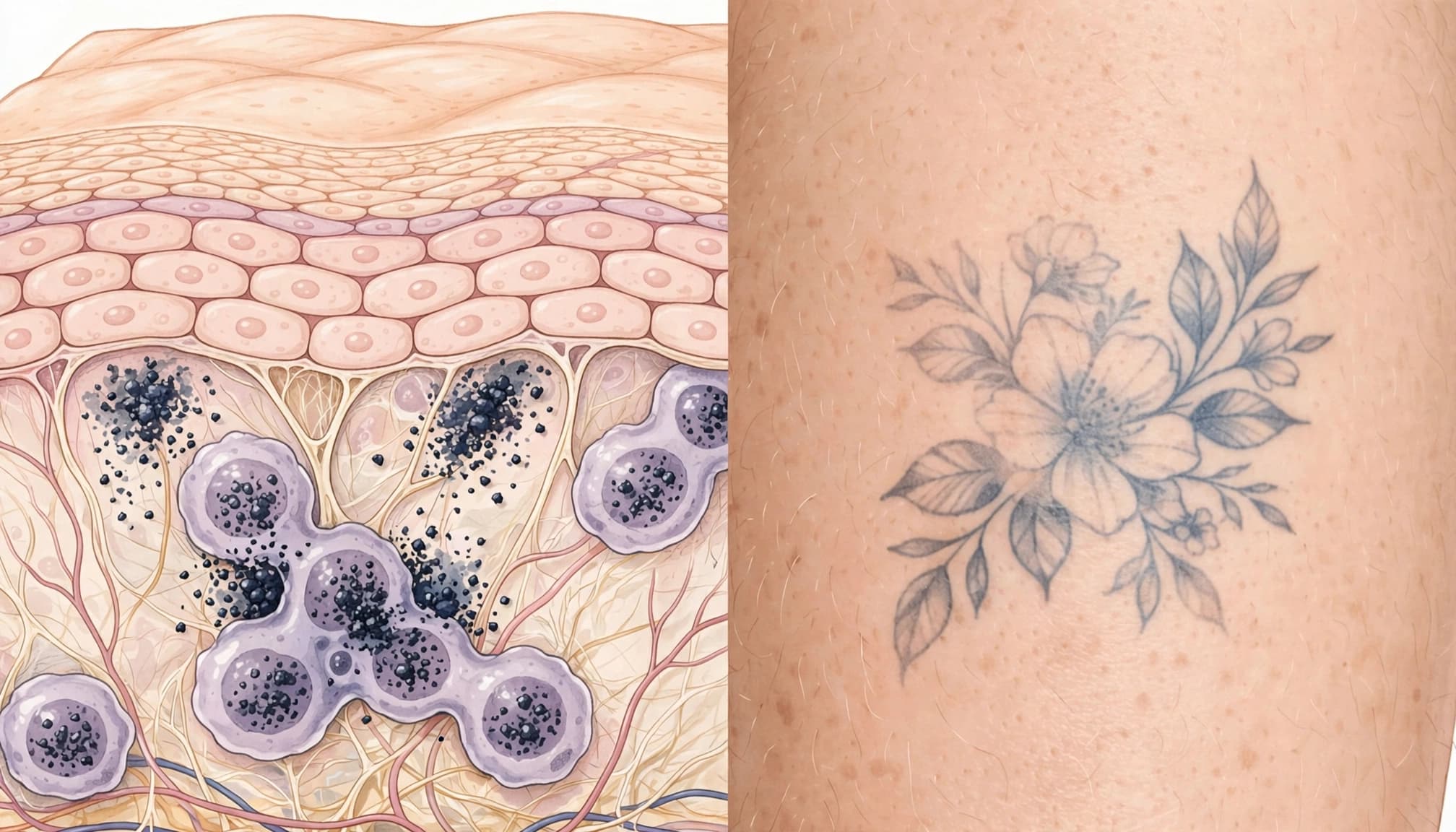
Why tattoo pigment changes over time
After tattooing, immune cells take up some pigment particles and help keep them in place. When those cells die, other cells can capture the released pigment. Research published in the Journal of Experimental Medicine describes this cycle in mice, showing how pigment can persist even as cells renew. Some particles can also move beyond the tattooed area.
Meanwhile, ultraviolet (UV) exposure can break down pigment and speed visible fading. Years of sun exposure may reduce contrast, while normal aging changes skin texture and elasticity. As a result, an older tattoo can look less crisp even when much of its pigment remains. The research on immune cells and tattoo pigment helps explain why ink can endure while its appearance still changes.
What care can and can’t control
Good aftercare matters most while the tattoo heals. Gentle cleaning and avoiding picking, friction, and direct sun help limit irritation and prevent avoidable damage to healing skin. Once the tattoo has healed, sun protection can slow UV-related fading, and moisturizer can relieve dryness that makes the design look temporarily dull.
However, no lotion or sunscreen can stop every change. Care can’t prevent normal aging, completely halt pigment movement, or restore color that’s already faded. Think of long-term care as reducing some sources of wear, not preserving a tattoo in its original state indefinitely.
Some fading is preventable, but some change is part of having a tattoo in living skin.
A tattoo’s age, placement, ink colors, and the way it was applied also shape how it changes. So judge fading in context: gradual softening over the years is common, while a sudden raised, itchy, or inflamed area deserves medical attention.
Know When a Touch-Up or Medical Advice Makes Sense
A tattoo that looks less vibrant may need a cosmetic touch-up, but a change in the skin calls for a different response. First, separate gradual fading from symptoms such as worsening pain, heat, swelling, or a new rash. A touch-up can refresh healed ink, but it won’t treat a skin problem.

Ask your tattoo artist about gradual fading
If a fully healed tattoo has softened lines, lighter color, or small gaps, ask an experienced tattoo artist whether a touch-up makes sense. They can assess the design, placement, and existing pigment, then explain whether adding ink will improve the result. Some tattoos need a small correction; others may benefit from a larger refresh or a different approach.
Wait until the tattoo has healed completely before discussing new work. If you’re unsure whether the skin is ready, contact the artist rather than scheduling another session. Also, keep expectations realistic: a touch-up can improve the appearance, but it can’t stop future fading or restore skin to its original condition.
Contact a healthcare professional about skin symptoms
A tattoo that becomes increasingly sore, hot, swollen, or red needs attention, especially if redness spreads or you notice pus. Fever, chills, red streaks, or worsening pain are reasons to seek prompt medical care. These symptoms are different from gradual fading and should not be handled with another tattoo session.
An itchy rash or raised bumps can also point to a reaction to tattoo pigment, even long after the tattoo healed. The American Academy of Dermatology explains signs of tattoo-related skin reactions. Don’t scratch the area or apply harsh treatments while waiting for advice. If the reaction began after a recent tattoo, tell the artist and ask for the ink brand, color, and batch details, which may help a clinician assess the problem.
Choose the right next step
Gradual fading without discomfort is usually a cosmetic concern, so start with a reputable tattoo artist. New or worsening symptoms belong with a healthcare professional. When you’re uncertain, get the skin checked before arranging a touch-up. That simple distinction helps protect your health and gives any future tattoo work a better chance of healing well.
Conclusion
Protecting a tattoo starts while it heals: follow your artist’s aftercare directions, keep it out of the sun, and avoid swimming or soaking until the skin has healed. Once healed, apply broad-spectrum, water-resistant sunscreen with SPF 30 or higher whenever the tattoo is exposed, and use protective clothing for added coverage.
Some fading is normal as skin and ink change over time. Still, steady care can limit avoidable sun damage and help your tattoo look its best for years.
Save pin for later

- Saniderm Healing: Wear Time, Fluid, and Aftercare - September 25, 2026
- How to Choose the Right Tattoo Size for Your Design and Skin - September 25, 2026
- How to Slow Tattoo Fading: Healing Care and Sun Protection - September 25, 2026
Leave a Reply