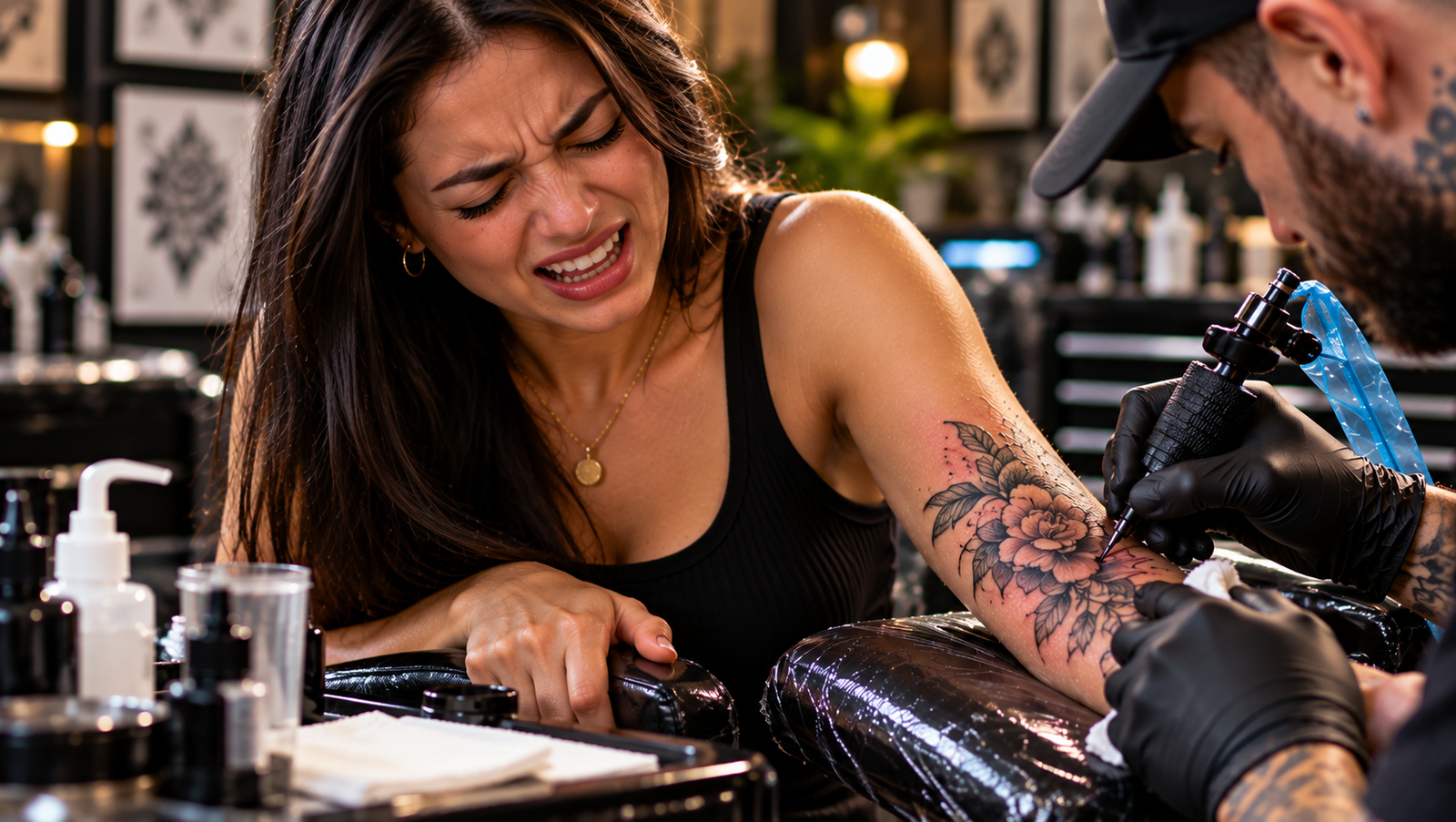
Most and Least Painful Tattoo Spots: What to Expect
Where will a tattoo hurt most, and where might it feel easier? Areas with thin skin or more bone close to the surface, such as the ribs, hands, and feet, often hurt more, while the outer arm or thigh tends to feel more manageable. Still, pain varies from person to person, so tattoo pain charts are general guides, not guarantees.
Your placement, the tattoo’s size, and how long you sit can all affect the experience. Below, you’ll find common high- and low-pain spots, what can change your sensitivity, and ways to prepare for your appointment. For more body art ideas, explore Financial Mercury’s tattoo inspiration.
Watch: Three of the least painful tattoo areas
Most painful and least painful tattoo spots, at a glance
Tattoo pain charts offer a quick comparison, but they aren’t precise medical scales. A 2020 survey of 1,092 tattooed adults recorded an average pain rating of 4.35 out of 10, but individual experiences vary, and no universal ranking captures how every spot will feel. Use these patterns as a rough guide, not a promise.
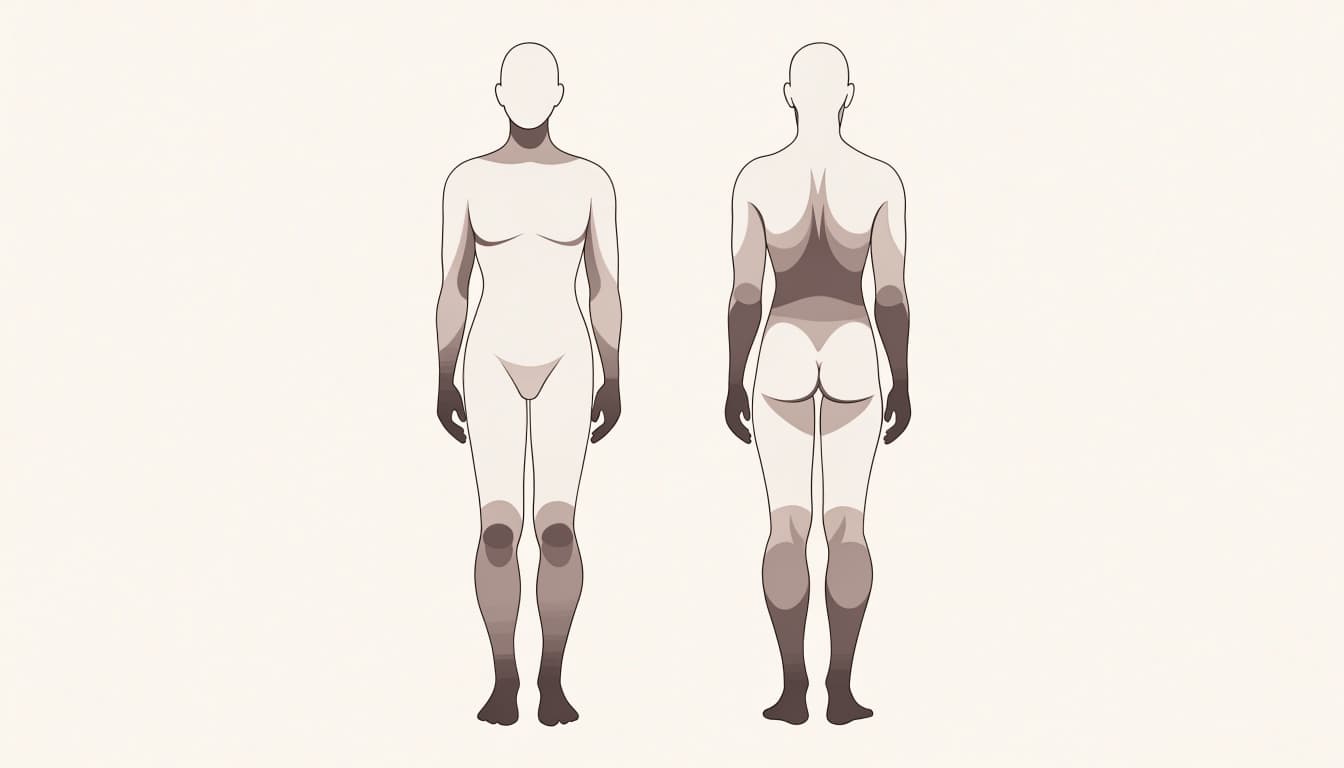
Tattoo spots that are often easier to sit through
The outer upper arm and shoulder, outer forearm, upper back, outer thigh, and calf are often more manageable. These areas tend to have more muscle or soft tissue between the skin and bone, and they’re generally less sensitive than nearby inner or bony spots.
For example, the outer thigh may feel easier than the inner thigh, while the outer arm may be more comfortable than the armpit or inner elbow. Still, the tattoo’s exact position matters. A design that crosses a bony edge or sensitive patch can feel different even within the same body part.
Tattoo spots that tend to hurt more
Ribs, sternum, and spine often feel more intense because the skin sits close to bone. Armpits, groin, and inner thighs can also be sensitive, while knees and ankles have less cushioning in some areas. Hands, fingers, and feet tend to hurt more for many people, too.
Neck and head tattoos are often reported as sensitive placements. In general, pain can feel sharper around bone, thin skin, or sensitive tissue. The Healthline tattoo pain chart describes similar patterns, though the experience still depends on the person and exact placement.
A quick comparison:
- Often easier: outer upper arm, shoulder, outer forearm, upper back, outer thigh, and calf.
- Often more painful: ribs, sternum, spine, armpits, groin, inner thigh, knees, ankles, feet, hands, and fingers, plus the neck and head.
The location alone won’t determine how a session feels. Tattoo size, time in the chair, and your own sensitivity can change the experience. A 2020 study of tattoo pain surveyed people after tattooing, but it doesn’t establish a dependable pain score for every body part. Use common reports to guide placement, then ask your artist about the specific spot you’re considering.
Why some tattoo placements hurt more than others
Tattoo pain depends partly on what lies beneath the skin and how that area moves during a session. These anatomical differences explain common patterns, but they don’t create a scientifically exact pain chart for every person or body part.
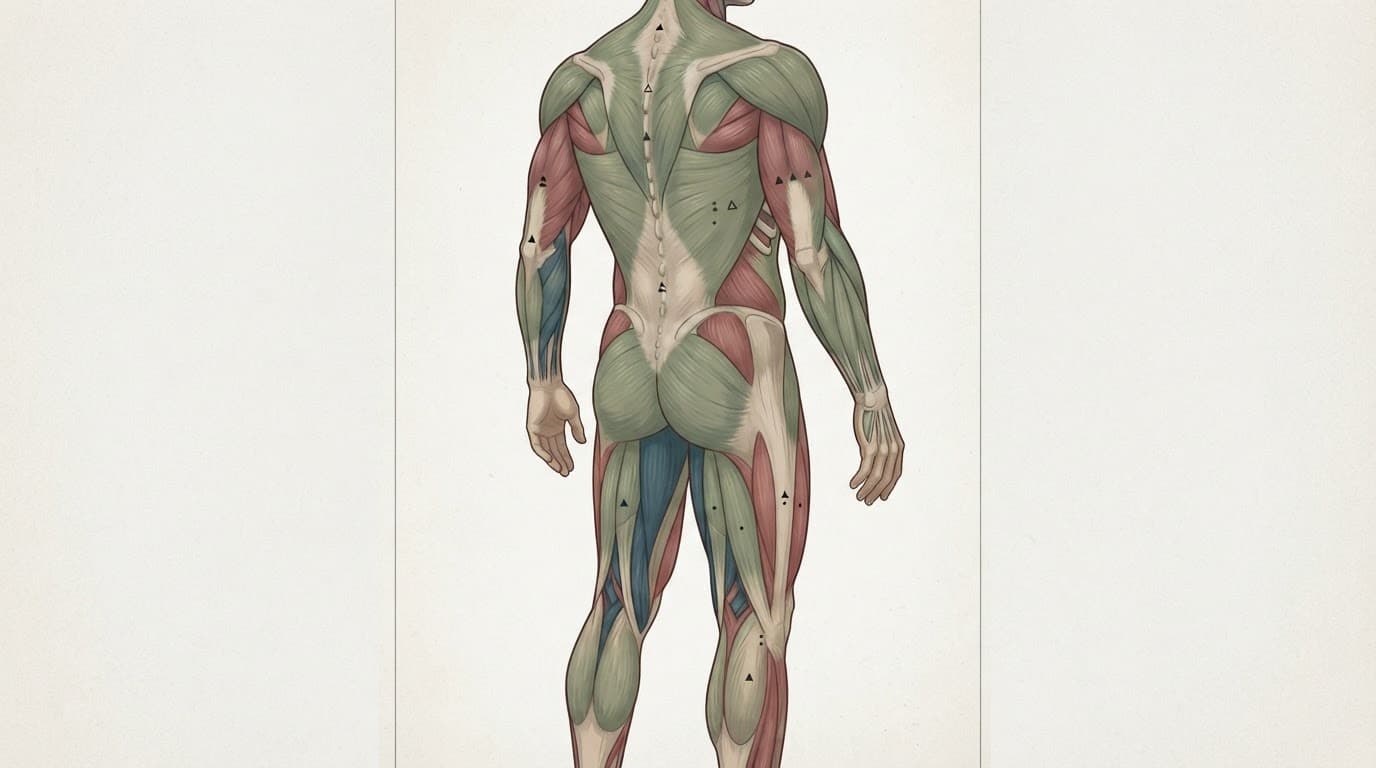
Thin skin, nearby bone, and less cushioning
When there’s little fat or muscle between the skin and bone, the tattoo needle’s repeated vibration can feel more intense. That’s one reason the ribs, spine, and ankles often feel sharper or more uncomfortable than padded areas.
By contrast, the outer thigh and upper arm usually have more soft tissue beneath the skin. That cushioning can make the sensation easier to tolerate, though a tattoo’s exact position still matters. A design on the outer thigh may feel manageable, while one closer to the inner thigh can feel more sensitive.
Pain charts can help you compare common reports, but their rankings are estimates rather than clinical measurements. The 2020 study on tattoo-related pain examined people’s reported experiences, but it doesn’t establish a precise score for every placement. Treat charts as rough guides, not predictions.
Nerve sensitivity, movement, and exact placement
Sensitivity also varies across the body. Areas such as the hands, feet, inner elbow, and armpit are often described as more sensitive, while the outer arm or thigh may feel less intense. Nerve distribution is one factor, but individual pain thresholds and the artist’s technique also affect how a session feels.
Movement can add another challenge. Skin near joints may fold or stretch as you shift, so placements around the knee, wrist, or elbow can be harder to sit through. Rib tattoos bring a different kind of motion: the area moves with each breath, even when you’re trying to stay still.
Small placement changes can make a noticeable difference. The inner and outer sides of the same body part may feel very different because they have different amounts of padding, sensitivity, and movement. Since no validated chart ranks every site with exact precision, use common pain patterns as a starting point and ask your tattoo artist about the specific spot you’re considering. Tattoo pain chart estimates can offer a general comparison, but your own experience may not match the rankings.
How to choose a tattoo spot that fits your pain comfort
Pain charts can help you compare common placements, but they can’t predict how a specific tattoo will feel. Your design, session length, daily routine, and comfort with visibility all matter. Before you decide, talk with a reputable tattoo artist about how the size and placement work together.
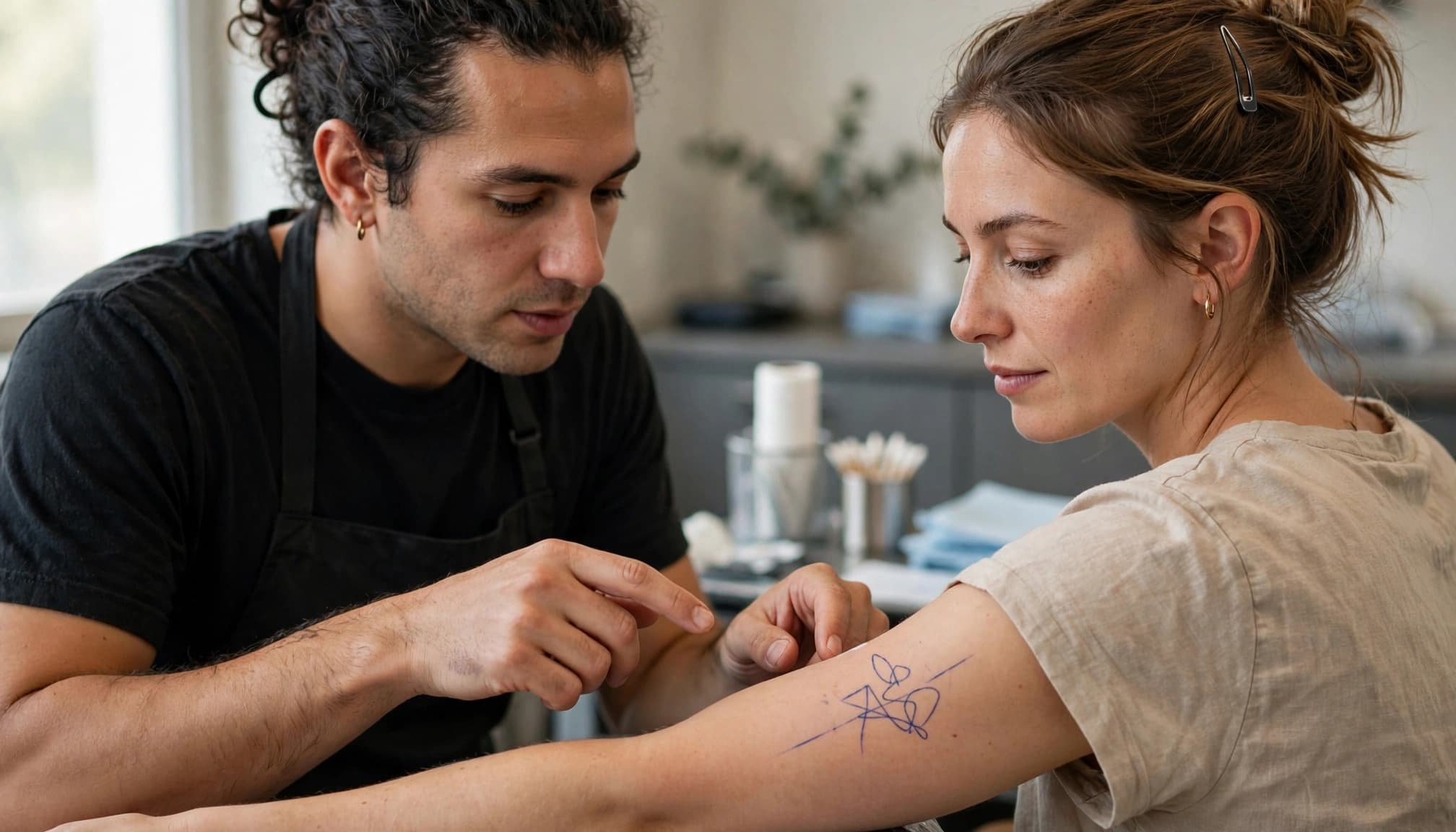
Match the design and session length to the placement
A small tattoo and a long, detailed session can feel very different, even in the same spot. A brief outline on the outer arm may be manageable, while hours of shading over a sensitive area can become tiring. As a session goes on, soreness and the need to hold still may affect your comfort.
Ask your artist how long the design is likely to take and whether its details will fit the location as planned. If you’re considering a sensitive spot, such as the ribs or foot, ask whether the work can be split into shorter sessions. The artist can also suggest a nearby placement that suits the design while avoiding a particularly tender area.
Visibility deserves a place in the conversation, too. A tattoo on your hand or neck may be hard to cover at work, while a design under clothing gives you more control over when it shows. Discuss how the design will sit on your body and how its size may affect the final result over time.
Think about clothing, work, and healing
Placement affects more than pain during the appointment. Tight waistbands, straps, shoes, or uniforms can rub against a fresh tattoo, and areas near joints may move often throughout the day. If your work involves frequent bending, sweating, or contact with equipment, choose a spot you can protect while it heals.
Sun exposure also matters. A tattoo on an often-exposed area may need more consistent sun protection after healing, since UV exposure can fade tattooed skin. The American Academy of Dermatology’s tattoo-care guidance recommends broad-spectrum, water-resistant SPF 30 or higher for tattooed skin outdoors. While the tattoo is fresh, follow your artist’s aftercare instructions and keep it out of direct sun.
Before booking, consider whether you can keep the area clean and avoid friction during healing. Cleveland Clinic’s tattoo aftercare advice recommends loose, breathable clothing to reduce rubbing. A placement that fits your usual clothes and activities can make those first weeks easier, as well as help you feel comfortable with the tattoo long term.
What you can do to prepare for tattoo pain
Good preparation can make a session easier to manage, but it can’t remove the pain. Eat before you go, get enough rest, and tell your artist what might affect your comfort, especially if this is your first tattoo or you’re choosing a sensitive spot.

Eat, rest, and arrive ready for the session
Get a full night’s sleep if you can, then have a meal before your appointment. Being hungry or tired can make a long session feel harder. Drink water beforehand, too, and bring a snack if your artist allows it. These steps won’t change how sensitive a particular body area is, but they can help you feel steadier in the chair.
Avoid alcohol and recreational drugs before tattooing. Mayo Clinic advises against getting a tattoo after drinking or using drugs, and arriving sober helps you communicate clearly and follow your artist’s instructions. If you take prescription medication or have questions about how it could affect bleeding, ask your healthcare provider before the appointment rather than stopping it on your own.
Tell your artist in advance if you’ve fainted during medical procedures, feel anxious about needles, have concerns about bleeding, or have a skin condition near the planned placement. That gives you both time to discuss the location, session plan, and any need to reschedule. If the skin is irritated, broken, or affected by a flare-up, don’t hide it. Your artist can advise whether to choose another spot or wait until the skin has settled.
Use breaks and ask before applying numbing products
During the session, breathe slowly and keep your body in a comfortable position. Tensing up can make it harder to stay still, so let your artist know if you need to adjust your posture. You can also ask for a short break when the sensation becomes difficult to manage. Agreeing on a simple signal before the tattoo starts can make it easier to speak up without interrupting the artist unexpectedly.
Numbing products aren’t right for every tattoo or every skin type. Ask your artist before applying a cream, spray, or other product, since studio policies differ and some products can change how the skin feels or behaves during tattooing. The FDA has warned that certain topical pain-relief products marketed for use during cosmetic procedures can cause serious harm when misused, especially if applied over large areas, covered, or used on damaged skin. Don’t assume a product is safe just because it’s sold online or labeled for tattoos.
For general safety, follow Mayo Clinic’s tattoo precautions, and ask your artist about any concern before the appointment begins.
Conclusion: Choose a Spot With Realistic Pain Expectations
Tattoo pain charts can help narrow down your options, but they can’t tell you exactly how a session will feel. The outer arm, forearm, back, outer thigh, and calf are often easier placements, while bony, thin-skinned, or sensitive areas tend to hurt more. Your own sensitivity, the design, and the time in the chair all affect the experience.
Use pain patterns as a guide, not a promise
A placement that feels manageable for one person may be difficult for someone else. Even within one area, the inner and outer sides can feel different. Tattoo pain also depends on factors beyond location, including the machine and the artist’s style. A pilot study on pain during tattoo procedures supports treating placement as one part of the experience, rather than the only factor.
If pain is a major concern, consider a fleshy area with more cushioning, such as the outer upper arm or thigh. That doesn’t guarantee a comfortable appointment, but it can be a reasonable starting point, especially for a first tattoo. If your preferred design belongs on a more sensitive area, you don’t necessarily need to abandon it. Talk through the trade-offs and decide whether the placement still feels right to you.
Plan the placement and session with your artist
Before booking, show a trusted artist the design and ask how its size and detail may affect session length. A long appointment can become harder to manage, particularly on a sensitive spot. Your artist can discuss whether the work makes sense in one sitting or should be divided into shorter sessions.
Also consider how the placement fits your day-to-day life. Clothing, movement, visibility, and healing can matter as much as the pain during the appointment. Choose a location you can care for comfortably, and speak up if you need a break or a position adjustment during the session.
The practical takeaway is simple: use common pain patterns to guide your choice, then make the final decision with an artist who understands the design and your concerns. A realistic plan beats a pain chart’s promise, because only you can judge what feels manageable.
Save pin for later


- Saniderm Healing: Wear Time, Fluid, and Aftercare - September 25, 2026
- How to Choose the Right Tattoo Size for Your Design and Skin - September 25, 2026
- How to Slow Tattoo Fading: Healing Care and Sun Protection - September 25, 2026
Leave a Reply