 Vivien Robert
Digital assets are things that hold value but live in electronic form, like money in a crypto wallet, a digital collectible, or an ownership record stored online. They can feel abstract at first, but the idea is simple, because you already use digital files, payment apps, and online accounts every day.
The term matters more now because digital assets come up in investing, business, and tech conversations all the time. Some people mean crypto, like getting started with Bitcoin investing, while others mean tokens, records, or files that can be bought, sold, or tracked.
This guide breaks the topic down in plain English, so you can understand what digital assets are, how they work, and why they matter without getting buried in jargon.
What digital assets are and why people talk about them so much
Digital assets sound technical, but the idea is simple. They are items that exist in electronic form and can still hold value, ownership, or rights. That is why people discuss them in finance, business, and tech circles so often.
Some digital assets are money-like, while others are proof of ownership, access, or creative work. A file on your phone might be harmless, but a file tied to value is a different story. That is where the conversation gets bigger.
 ### The easiest definition you can remember
A digital asset is something valuable stored online that can be owned, transferred, or traded through electronic systems.
That one line covers the basic idea without getting lost in jargon. If you can own it, send it, sell it, or prove rights to it online, it fits the concept.
Why digital assets are different from regular files
A regular digital file is just data. A photo in your camera roll, a PDF on your desktop, or a song in a folder may have personal meaning, but that alone does not make it an asset.
A digital asset has some kind of value attached to it. It may carry financial value, legal rights, business use, or proof of ownership. For example, a marketing file used by a company, a licensed image, or a token tied to a collectible can all matter in ways a plain file does not.
That difference matters because ownership changes everything. The IRS explains that digital assets are stored electronically and can be bought, sold, owned, transferred, or traded, which is why they are often treated more like property than simple files. For a plain-language reference, see the IRS guide to digital assets.
Here is the simplest way to separate them:
- Regular file: Useful data, but no clear market value or ownership rights.
- Digital asset: A file or record that carries value, rights, or a claim someone cares about.
- Business asset: A digital file that supports revenue, operations, or legal proof.
So, a spreadsheet of family expenses is a file. A customer database, a licensed design, or a tokenized ownership record can be an asset.
How digital assets fit into daily life
You probably already use digital assets without calling them that. Online money in a payment app, a crypto coin in a wallet, or a digital ticket stored on your phone all fit the idea in different ways. So do game items, digital art, and business records that matter to a company’s bottom line.
A good example is an NFT, which can act as a digital proof of ownership for a piece of art, a membership pass, or a collectible. A crypto coin is another common example, since it can be held, sent, and traded online. In business, digital assets can also include contracts, brand files, or records that help prove who owns what.
The reason people talk about them so much is simple, they affect how money moves, how ownership is recorded, and how value can live online. That makes them important for both personal use and business planning. If you want a broader view of how they fit into investing, the top investment opportunities in digital assets page is a useful place to start.
A few common examples make the picture clearer:
- Online money: Funds held in a digital wallet or payment app.
- Game items: Skins, weapons, or collectibles that can carry trade value.
- Digital art: Work that can be sold, licensed, or tied to proof of ownership.
- Business records: Documents or files that support contracts, sales, or compliance.
- Tokenized ownership: A digital record that links a person to an asset or share of value.
Digital assets get attention because they sit at the intersection of convenience and value. They are easy to move, easy to store, and often easy to trade. That mix is exactly why they keep showing up in everyday life and in bigger financial conversations.
The main types of digital assets people should know
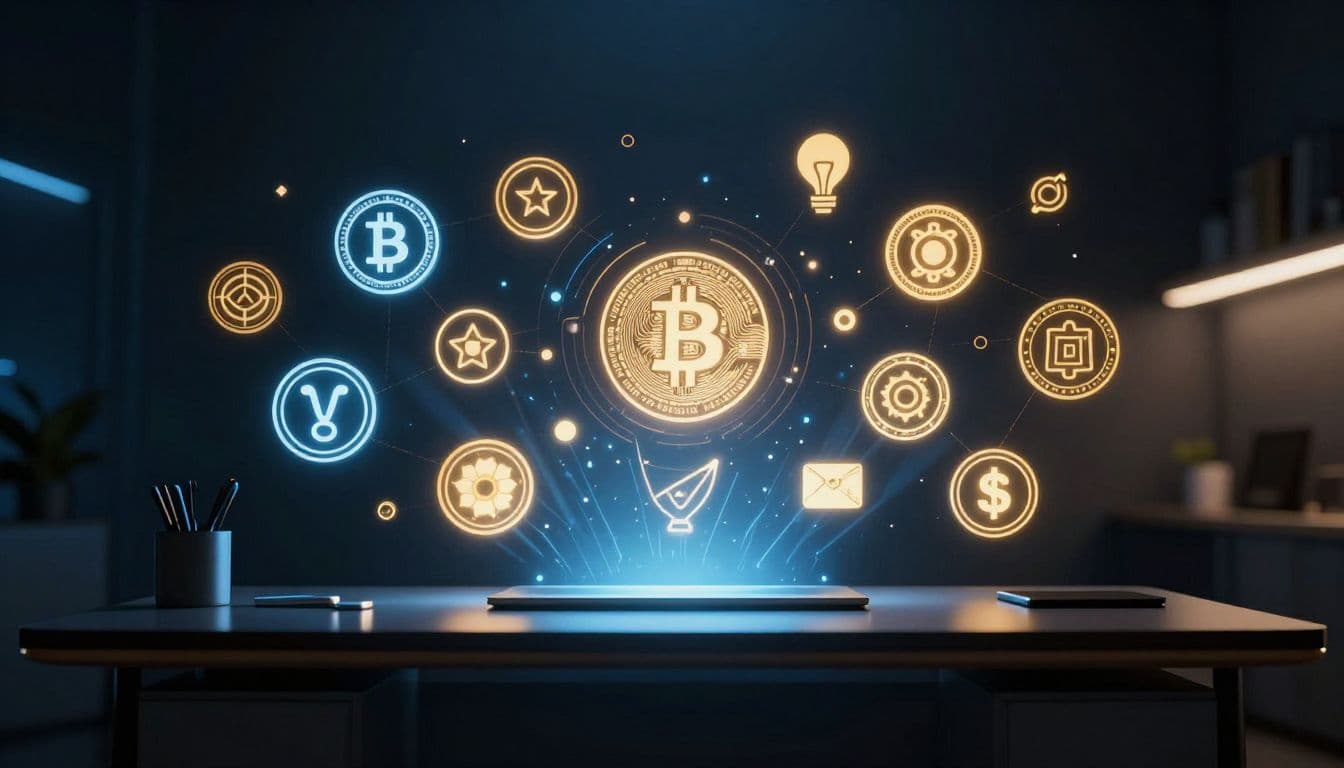
Digital assets come in a few common forms, and the market usually groups them by purpose, value stability, and ownership model. That makes the category easier to read at a glance. Some types act like money, some aim to hold a steady price, and others prove ownership of something unique or tokenized.
 ### Cryptocurrencies, the best-known example
Cryptocurrencies are the digital money most people hear about first. Bitcoin and Ethereum are the biggest names, and both live on a blockchain instead of inside a traditional bank system. That means no single bank controls them, and transfers happen through the network itself.
People use cryptocurrencies in two main ways. Some use them for payments, while others buy them as investments and hope the price rises over time. Since values can move quickly, they can feel more like a market asset than cash in a checking account.
Bitcoin is often called digital gold because many people hold it as a store of value. Ethereum is different because it also powers apps and smart contracts, which makes it useful beyond simple payments. If you want a deeper look at the buying side, the safe Bitcoin buying guide for the USA fits well here.
For a plain-language primer on how crypto works, Charles Schwab’s cryptocurrency overview gives a solid introduction.
Cryptocurrencies can move like money, but they often behave like volatile assets.
Stablecoins, the calmer side of crypto
Stablecoins are built to stay close to a fixed value, often one US dollar. That design helps reduce the sharp price swings people see with Bitcoin or Ethereum. In practice, they give users a calmer place to park money inside the crypto system.
Many people use stablecoins when they want speed without the same level of price risk. They can help with trading, saving, or sending funds across platforms without constant price changes getting in the way. Because of that, stablecoins often feel more practical than flashy.
Common examples include coins tied to the dollar, which makes them easier to understand and use. A stablecoin is still a digital asset, but its goal is steadiness, not big gains. That difference matters when you want your balance to stay close to what you put in.
NFTs and one-of-a-kind digital ownership
NFTs, or non-fungible tokens, point to ownership of a unique digital item. That item might be art, music, a collectible, or even a game item. The file itself can be copied, but the token shows who owns the original or official version.
This is where NFTs feel different from regular crypto. One Bitcoin is interchangeable with another Bitcoin, but an NFT is tied to something specific. It acts like a digital certificate that says, “this is the one.”
That makes NFTs useful when uniqueness matters. Artists, creators, and game makers use them to show scarcity, identity, or proof of purchase. The token does not stop someone from copying the image or file, but it does record the version that counts as authentic.
Tokenized real-world assets
Tokenized assets bring real-world value onto a blockchain in digital form. Stocks, bonds, real estate, and other valuable items can all be broken into tokens. Each token may stand for full ownership, partial ownership, or a claim on part of the asset.
This model can make ownership easier to divide and track. A building, for example, can be split into smaller shares instead of one large, hard-to-sell package. That can also make transfers simpler, since digital records are easier to move and verify than piles of paperwork.
Tokenization is useful because it adds flexibility. It can help more people access expensive assets and can make trading more efficient. The basic idea is simple, turn something valuable into a digital record that is easier to manage.
Digital assets can look complicated at first, but the main categories are easy to separate once you know what each one does. Cryptocurrencies move like money, stablecoins hold a steadier value, NFTs prove ownership of unique items, and tokenized assets turn real-world value into digital form.
How digital assets actually work behind the scenes
Once you strip away the buzz, digital assets run on a simple system: a record book, a wallet, and a way to prove who has permission to move value. That system is what makes a token, coin, or ownership record feel real instead of random data on a screen.
The moving parts are easier to understand when you separate them. Blockchain keeps the history, wallets hold access, and cryptography protects each transfer. Together, they create a trail that is hard to fake and easy to verify.
 ### Why blockchain matters for trust
Blockchain works like a shared digital record book. Every time an asset moves, the network writes down who sent it, who received it, and when it changed hands. Because many computers keep the same record, no single person can quietly rewrite the past.
That shared setup matters because it builds trust without needing a middleman to approve every move. A bank, company, or platform may still sit around the system, but the blockchain itself keeps the history in order. As IBM explains blockchain, it is a shared, immutable ledger that records transactions across a network.
Cryptography adds the security layer. It helps lock each record with math that is very hard to break, which makes tampering obvious. In plain terms, the record is public enough to check, but protected enough to resist fraud.
A blockchain does not make mistakes disappear. It makes them hard to hide.
That is why people trust blockchain records for crypto, NFTs, and tokenized assets. The system does not rely on memory or a single database. It relies on a trail that the network can verify again and again.
What a digital wallet really does
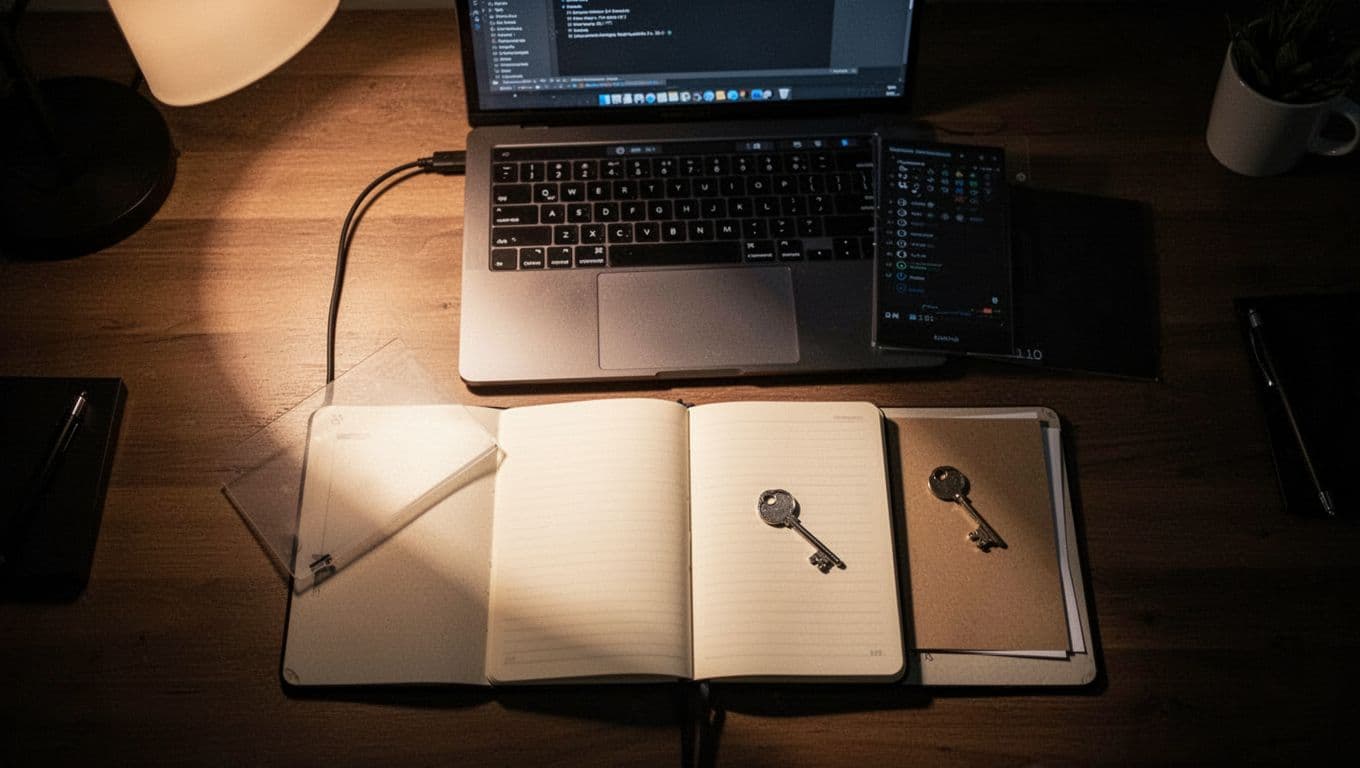
A digital wallet does not hold the asset itself. It holds the keys that let you access and move the asset on the blockchain. That is a big difference, because losing the wallet keys can mean losing access even if the asset still exists on the network.
You can think of the wallet as a secure app or key holder. It stores your private key, uses it to sign transactions, and shows your balances in one place. Your public key or wallet address is what you share so others can send assets to you.
A wallet usually handles a few jobs at once:
- It lets you receive digital assets through your address.
- It lets you send assets after you approve a transfer.
- It helps prove that the transaction came from the right owner.
That is why wallet security matters so much. If someone gets your private key, they can act like the owner. If you keep it safe, the wallet stays your access point, much like a locked key ring for a secure digital vault.
How transfers happen in plain English
Sending a digital asset follows a clear path. First, you tell your wallet where you want the asset to go. Next, the wallet uses your private key to sign that request, which acts like a proof mark that the transfer came from you.
After that, the network checks the transaction. If the wallet has the right balance and the signature matches, the transfer moves forward. Then the blockchain records it, and the ownership update becomes part of the public history.
A simple way to picture it is this:
- You choose a recipient address.
- Your wallet signs the transfer.
- The network checks and records it.
- The new owner now controls the asset.
That flow is why digital assets can move across the internet with so little friction. The transfer behaves a lot like sending an email, except the message carries ownership with it. Once the network confirms it, the record changes hands and the blockchain keeps the proof.
Why digital assets matter for money, business, and ownership
Digital assets matter because they make value easier to move, track, and prove. That helps when money needs to travel quickly, when a business needs cleaner records, and when ownership has to be clear without a stack of paper in the way.
They also fit how people already work online. Orders, payments, contracts, and customer files all move through screens now, so it makes sense that ownership and value do too. For readers comparing long-term market potential, future cryptocurrency market trends can also help frame why these assets keep drawing attention.
 ### Faster transfers and fewer middle steps
Traditional money movement can slow down fast. A bank transfer may pass through branches, approval checks, and outside payment networks before it lands. Digital assets can cut across that delay because they move through a network instead of waiting on a paper form or a long approval chain.
That speed matters in real life. A freelancer can receive payment sooner, a buyer can settle a trade faster, and a business can move funds without waiting for office hours. The system runs around the clock, so weekends and holidays do not stop the transfer.
This is one reason digital assets are attractive for people who want less waiting and more control. A transfer can move in minutes, sometimes much faster, depending on the network. For a plain-language look at the basics, Wells Fargo Advisors’ overview of digital assets explains how they support faster exchange over the internet.
Lower friction for global payments
Cross-border payments often bring extra cost and extra patience. Banks may add checks, currency conversions, and settlement delays before funds arrive. Digital assets can reduce that friction because they can move directly between parties, even when those parties live in different countries.
That matters most for online business. A store in the US can pay a contractor overseas, or a creator can receive income from another market, without the same barriers that slow older systems. The result is less waiting, fewer handoffs, and a cleaner path from buyer to seller.
In practice, this can help companies keep cash moving and reduce the mess around international work. A public ledger also gives both sides a clearer record of what moved and when. As Investopedia explains digital asset frameworks, these systems can improve the way value travels and is tracked across borders.
When money moves faster, small businesses feel it first. Cash flow gets less stuck, and planning gets easier.
New ways to prove ownership
Ownership is one of the biggest reasons digital assets keep growing. A digital record can show who owns a file, a token, a contract, or a share of something real. That record is easier to check than a paper document that can be lost, copied, or disputed.
This matters for art, music, data, and tokenized property. A creator can prove a work is theirs, a business can track a contract, and a token can point to ownership of a physical asset or a part of one. The record does not need to be fancy to be useful, it just needs to be clear.
Businesses also use digital assets to organize records, protect intellectual property, and manage customer information. That can make audits easier, reduce confusion, and give teams one place to check what belongs to whom. In industries where proof matters, a clear digital trail can carry more weight than a folder full of scanned documents.
A simple ownership record can help with:
- Art and media: Showing who created or bought the original version.
- Contracts: Tracking signed terms and key changes.
- Customer data: Organizing records so teams know what belongs where.
- Tokenized property: Linking digital proof to a real asset or share.
Digital assets keep growing because they solve ordinary problems. They move value faster, make cross-border work easier, and give people a clearer claim to what they own.
What beginners should watch out for before they buy or use digital assets
Digital assets can open the door to new ways of storing and moving value, but the first step is caution, not excitement. Before you buy, send, or hold one, slow down and check the risks. A clear head protects you better than hype ever will.
Price swings can be wild
Many digital assets move fast, and crypto can move even faster. A coin may climb sharply in the morning and drop hard by night. That kind of movement can be exciting, but it can also wipe out gains in a hurry.
Beginners often focus on upside and forget how steep the falls can be. A small investment can turn into a bigger loss than expected if you buy during a rush. The safest habit is simple, only put in money you can afford to leave untouched for a while.
If you want a clear warning from regulators, the CFTC’s digital asset risk guide is a useful reference. It explains how quickly values can change and why that matters.
If the price can double fast, it can also drop fast.
That is why it helps to read the asset before you trust the chart. If you do not understand what drives the price, the market can feel like a storm with no map. For readers comparing long-term outlooks, cryptocurrency growth forecasts can add context, but forecasts should never replace your own research.
Scams and fake offers are common
Digital assets attract scammers because money moves quickly and mistakes are hard to undo. Fake giveaways, phishing emails, copied websites, and shady “guaranteed return” promises show up all the time. If an offer sounds too good, it usually is.
Be careful with messages that rush you. Scammers often push urgency so you act before you think. A link that looks like an exchange, wallet, or support page may hide a trap.
A few simple habits help a lot:
- Check the website address before you sign in.
- Ignore random DMs that promise free coins or bonus rewards.
- Never share your recovery phrase or private key.
- Verify platform names through the official app store or company site.
The District of Columbia’s crypto risk page gives a plain warning about scams and fraud in this space. That advice fits beginners well, because the first line of defense is still careful attention.
Losing access can mean losing the asset
With many digital assets, access is everything. If you lose your password, your recovery phrase, or the device tied to your wallet, getting back in can be hard or impossible. Unlike a bank card, there may be no help desk that can reset things for you.
That makes wallet security a real part of ownership. Write recovery details down, store them safely, and keep them away from prying eyes. Do not save them in places that are easy to hack, like a plain phone note or an email draft.
This is where beginner mistakes can get expensive. People sometimes buy an asset, feel relieved, and then forget the wallet is the key to control. Once the key is gone, the asset may still exist on the network, but you may no longer be able to reach it.
 Keep the basics tight:
- Store recovery phrases offline.
- Use strong, unique passwords.
- Turn on two-factor authentication when available.
- Double-check wallet addresses before sending funds.
That kind of routine may feel plain, but it protects you from the kind of loss that is hard to reverse.
Rules and taxes can change
Digital asset rules are not the same everywhere, and they can shift over time. What is allowed in one place may be limited in another. Tax treatment can also change, which means a trade, sale, or transfer may have reporting duties attached to it.
That is why beginners should pay attention to current guidance, not old advice from a forum post. The IRS has its own digital asset guidance, and it is worth checking before you file or trade often. A small action now can save a messy surprise later.
Platform risk matters too. Some exchanges and apps are more stable than others, and not all of them are supervised the same way. If a platform fails, freezes withdrawals, or gets hacked, your access can be delayed or damaged.
Using digital assets starts with understanding what you own, how you access it, and what rules apply where you live. Once those pieces are clear, the hype gets quieter and the real picture comes into focus.
A simple way to think about digital assets before you get started
Digital assets feel easier to understand when you stop treating them like a mystery box. At the core, they are just items with value that live in electronic form, and someone has a claim to them. That claim may be financial, creative, or tied to access.
A clean mental model helps more than memorizing terms. Before you buy, send, or store anything, ask what it is, who controls it, and why it has value. That keeps you focused on the basics instead of the hype.
 ### Start with the asset itself
The first question is simple: what is it? A digital asset might be a coin, a token, a file, or a record that proves ownership. The IRS describes digital assets as electronically stored value that can be owned, transferred, or traded, which is a useful baseline for beginners. See the IRS digital asset guidance for a plain official definition.
That matters because not every digital item is an asset. A random photo on your phone is just a file. A coin in a wallet, a token tied to artwork, or a record linked to a business right is something more.
Then look at control
The second question is who controls it? With many digital assets, control comes down to access keys, wallet permissions, or platform rules. If you control the keys, you control the asset. If a company controls the account, your access depends on that company.
That difference is easy to miss at first. A balance on a screen can feel like ownership, but real control may sit elsewhere. Before you trust any asset, know where the power lives.
Finish with the reason it has value
The last question is why does it have value? Some digital assets have value because people use them like money. Others matter because they prove ownership, unlock access, or support a business need. Value comes from utility, scarcity, trust, or all three.
Once you can answer those three questions, the picture gets clearer fast:
- What is it? Identify the exact type of asset.
- Who controls it? Find out where access and ownership sit.
- Why does it have value? Look at use, demand, and proof.
That is the simplest way to read digital assets without getting lost. They are not magic, just a new form of ownership and exchange built for the internet age.
Conclusion
Digital assets are simply valuable things that live online. They can be money-like, ownership-based, or tied to access, and that is why they matter in everyday life and business.
The main types are easy to remember, too. Crypto moves value, stablecoins hold steadier prices, NFTs point to unique ownership, and tokenized assets bring real-world value into a digital record. Behind them, blockchain keeps the ledger, wallets hold the keys, and security rules decide who can move what.
The biggest risks are price swings, scams, lost access, and changing rules. You do not need to master every detail at once, you just need a solid base before you explore further.
Save pin for later

- How to Find Long-Tail Keywords for Your Blog - June 29, 2026
- Pinterest SEO for Bloggers - June 27, 2026
- How to Do Keyword Research for Beginners - June 27, 2026