
 Vivien Robert
A good credit score tells lenders you’re a lower-risk borrower, and in 2026 that usually means a FICO score of 670 to 739 or a VantageScore of 661 to 780. Since most credit scores run from 300 to 850, even a small jump can make a real difference when you apply for a loan, a credit card, or even an apartment.
A stronger score can open the door to better interest rates and more appealing credit offers, but the numbers don’t always mean the same thing across every lender. If you’ve been checking your report and wondering where you stand, understanding your credit score range is a smart place to start.
The details matter, too, because score ranges, lender standards, and the habits that shape your credit all work together. Next, we’ll look at what those numbers mean, why they differ, and how you can build or protect a good score without making the process harder than it needs to be.
Good credit score ranges, explained without the jargon
A good credit score is not a mystery number. It is a signal that you usually pay on time, manage debt with care, and do not scare lenders off. In 2026, the exact label depends on the scoring model, but the middle ground is where most people want to be.
 ### Where FICO scores land in the good range
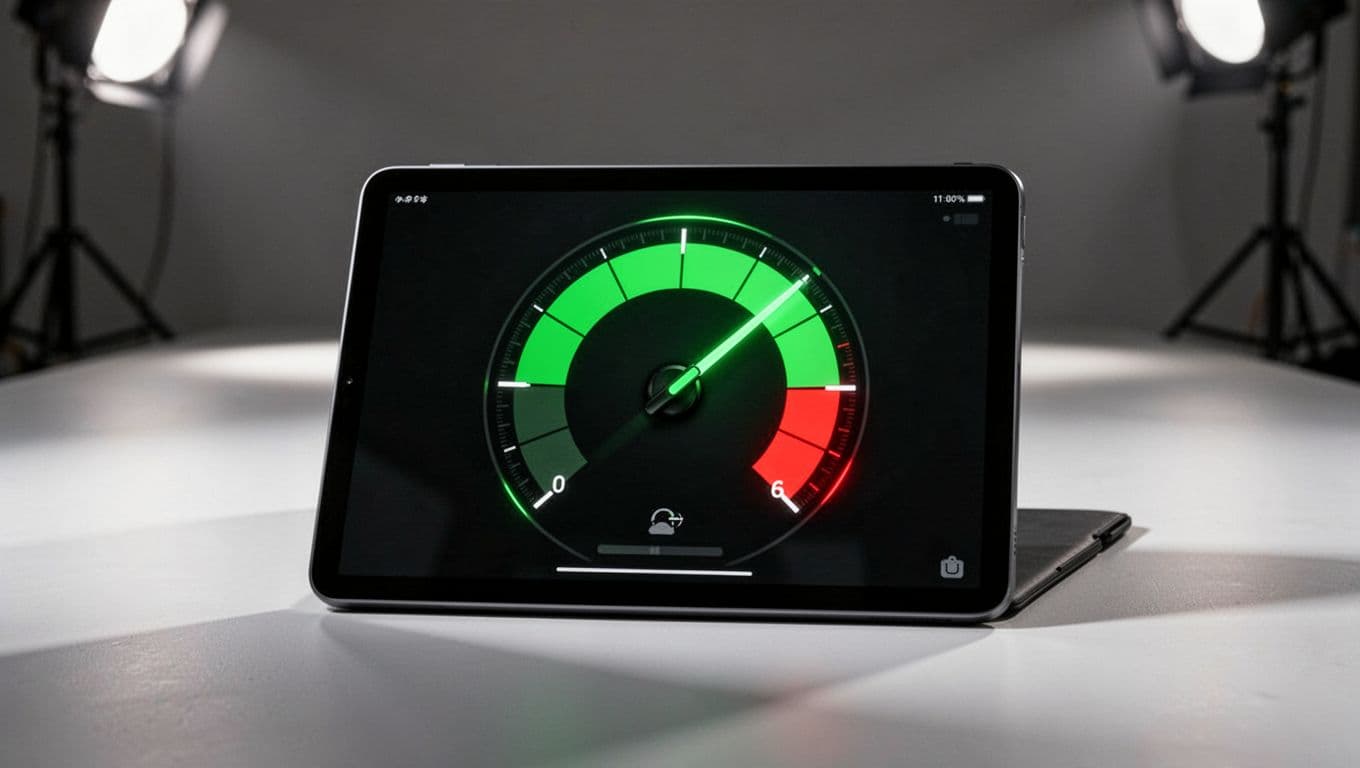
FICO scores run from 300 to 850, and the labels are easy enough once you know the bands. Fair usually falls around 580 to 669, good sits at 670 to 739, very good reaches 740 to 799, and exceptional starts at 800.
The sweet spot for most readers is the 670 to 739 range. That range tells many lenders you are a solid, lower-risk borrower, which can help with approvals and better terms. The average U.S. FICO score is about 714, so the typical score in the country already lands inside the good range.
A good FICO score does not mean perfect credit. It means your profile is usually strong enough for lenders to take seriously.
If you want a broader breakdown of how score habits affect your finances, these steps to build a better credit score connect the numbers to everyday money choices.
How VantageScore labels the same kind of credit health
VantageScore uses a different set of labels, so the same person can look “good” in one app and “prime” in another. That can feel confusing at first, but the score model is doing the talking, not your finances falling apart.
For VantageScore, the good range is usually 661 to 780, and that category is called Prime. In plain terms, that means the score is strong enough to look reliable to many lenders, even if the wording is different from FICO.
If you check a free credit app, pay attention to the model name on the screen. The number matters, but the model behind it matters too. Chase offers a clear breakdown of how credit score ranges work, and it helps show why the same score can wear a different label.
Why one score can look different on two apps
A credit score is not carved in stone. Credit bureaus may update information at different times, and lenders may report balances, payments, or account changes on different schedules. As a result, one app can show a number that is a little higher or lower than another.
That gap does not automatically mean something is wrong. It often means the apps are looking at slightly different snapshots of your credit file. One may have a newer balance, while another still shows last month’s data.
Here is the part to remember:
- Small changes are normal when accounts update at different times.
- Different models can produce different labels from the same data.
- A one-time dip is not always a warning sign, especially if you recently used more credit or opened a new account.
Most banks and mortgage lenders still rely heavily on FICO, while many free credit apps lean on VantageScore. If you want to compare your numbers with a lender-friendly source, the FHFA’s credit score guidance explains how these models fit into real lending decisions.
The best move is to watch your trend, not panic over tiny shifts. If your score stays in the good range, you are on solid ground, even when the apps disagree by a few points.
What lenders may think when they see a good score
A good credit score usually sends a simple message to lenders: this borrower has handled credit well before. That does not lock in approval, but it can make your application look cleaner and easier to trust.
Lenders still read the rest of your file, yet a strong score often gives you a better starting point. It can shape the loan offers you see, the rates you qualify for, and how much extra review your application needs.
 ### How a good score can open more doors
A good score can make it easier to qualify for credit cards, auto loans, personal loans, and sometimes even rental applications or utility accounts. In everyday terms, it can help you move from “maybe” to “more likely” when a lender scans your file.
That matters because some lenders use credit scores as a first filter. If your score looks solid, your application may get a friendlier look than someone with a fair or damaged score. For a quick example, two people can ask for the same car loan, but the one with the better score may see more offers and less hesitation.
A good score helps open the door, but it does not guarantee the lender will invite you in.
Approval still depends on the full application. Even so, a strong score often gives you a wider set of options and less friction along the way. That is why people often focus on keeping their score in the good range before they shop for major credit.
Why interest rates often improve as scores rise
Lenders usually connect a good score with lower risk. When they see less risk, they often charge less to borrow money. That is why higher scores can bring lower interest rates on loans and credit cards.
A small rate drop can save real money over time. On a car loan or mortgage, even a modest difference may cut hundreds or thousands of dollars from the total cost. Moving from fair to good can help, and moving from good to very good can save even more.
The FTC’s credit score guide explains that businesses use scores to help decide both approval and loan terms. In plain language, your score can affect not just whether you borrow, but how expensive that borrowing becomes.
If you want a cleaner picture of how scores affect borrowing costs, how to pay off your car loan fast can also help you see how a stronger payment history supports better financial habits over time.
What a good score does not guarantee
A good score helps, but lenders still look at the full picture. They want to know if your income is steady, your job history makes sense, and your debt load is manageable. Your debt-to-income ratio can matter a lot, because it shows how much of your paycheck already goes toward bills.
They also check your payment history, savings, and recent activity on your credit report. A person with a good score but high debt may still get a weaker offer. Someone with a solid score and shaky income may also face extra questions.
In other words, a good score is a strong sign, not a free pass. It makes you more attractive on paper, but lenders still want proof that the rest of your finances can support the loan or account.
The habits that shape a good credit score over time
A good credit score does not happen by accident. It grows the same way a sturdy tree does, through steady care, small choices, and time. If you want better credit, the goal is simple, keep the habits that lenders trust and cut the ones that create stress on your report.
The biggest factors are easy to understand once you strip away the jargon. Payment history, how much credit you use, and how long you have managed accounts all play a part. Consumer Financial Protection Bureau guidance on good credit habits puts the basics in plain language, and those basics matter more than tricks or shortcuts.
 ### Paying on time matters more than almost anything else
Late payments can drag down a score fast, while on-time payments build trust one month at a time. That is because lenders want proof that you can handle debt without missing deadlines. A single card payment or loan payment made by the due date every month may not feel dramatic, but it sends a steady signal that you can be counted on.
This is where consistency matters most. If you pay your credit card, auto loan, or personal loan on time, month after month, your credit history starts to look reliable. The same habit also keeps small mistakes from snowballing into bigger ones, like late fees or collection accounts.
A simple example helps. If your card payment is due on the 15th, and you pay it every month before that date, you are building a cleaner record with each payment. Over time, that quiet routine does more for your score than one big effort ever could.
Good credit often grows in plain sight, through habits you repeat without drama.
Keeping balances low can help your score stay healthier
Credit utilization is just a fancy way of saying how much of your available credit you are using. If you have a $1,000 limit and carry a $900 balance, your card looks stretched. If you keep that balance much lower, your profile usually looks calmer and less risky.
That does not mean you need to avoid credit cards. It means you should leave breathing room when you can. A card that stays close to maxed out can make a score look strained, even if you make payments on time.
A simple way to think about it is this:
- Lower balances usually look better than maxed-out cards.
- Extra room on a card gives your score some space to breathe.
- Paying down balances before the statement closes can help your reported usage look better.
The Experian credit habits guide explains that using credit wisely is one of the habits tied to stronger scores. In practice, that means borrowing with a light hand and keeping some cushion on your accounts whenever possible.
Why length of credit history and account mix matter too
Older accounts can help because they show a longer pattern of responsible use. A card you’ve managed for years gives lenders a wider view of how you handle credit over time. That history can work in your favor, especially when your payments and balances have stayed steady.
Account mix matters too, though it should never push you into debt you do not need. Having different kinds of credit, such as a credit card and an installment loan, can sometimes support a stronger profile. The point is not to collect accounts for show. The point is to show that you can handle different types of credit without slipping.
Think of credit like a garden, not a sprint. You water it, trim it, and let it grow at a steady pace. The goal is not to rush new accounts onto your report. It is to build a track record that looks calm, balanced, and patient over time.
For a deeper look at the habits that support long-term money health, these money rules for building credit tie credit use to everyday financial discipline. That is often where the strongest scores begin.
A few habits do most of the heavy lifting:
- Pay every credit account on time.
- Keep card balances well below your limits.
- Leave older accounts open when they still help you.
- Add new credit only when it makes sense.
Those are simple moves, but they add up. If you stay consistent, your score has room to rise in a way that feels steady instead of rushed.
Simple steps to move closer to a good credit score
A better credit score usually comes from a few steady habits, not a dramatic reset. If you feel behind, keep the focus small. One clean report, one on-time payment, one lower balance, that is enough to start moving in the right direction.
The smartest path is calm and practical. Fix what is wrong, set up a system that protects your bills, and trim debt before adding more. That kind of routine gives your credit file room to improve without making your life harder.
 ### Check your credit reports and spot errors early
Credit report mistakes can pull your score down for no good reason. An old account might be listed twice, a balance may be wrong, or an account could appear that you never opened. Those errors matter, because lenders read your file as if every line is true.
Set a simple habit of reviewing your reports on a regular basis. Look for unfamiliar accounts, late payments you do not recognize, and balances that do not match your records. If something looks off, dispute it right away with the credit bureau and the company that reported it.
The Consumer Financial Protection Bureau explains how to dispute a credit report error, and the process is more straightforward than many people expect. Keep copies of your paperwork and note the date you sent it. That small bit of order can save time later and help you stay confident while the issue gets reviewed.
Make one or two payment habits automatic
Late payments do the most damage when they happen by accident. That is why a simple system works better than willpower alone. Set calendar alerts, turn on autopay for at least the minimum, or add reminders a few days before each due date.
Pick the bills that matter most and make those automatic first. A credit card, a phone bill, or a loan payment can become one less thing to remember each month. When the system handles the timing, your attention stays free for the rest of your day.
Small routines also lower stress. You do not have to hold every due date in your head, and you do not have to rush through payments at the last minute. If you want to build a stronger payment rhythm while also reducing debt, paying off debt with a low income can help you structure the next step in a way that feels manageable.
Lower card balances before chasing new credit
If your cards are carrying heavy balances, paying them down can help more than opening a new account. Revolving debt sends a message to lenders every month, and high usage makes that message look strained. Lower balances often bring better results because they improve how much of your available credit you are using.
Start with one card if that helps you stay focused. Make the normal payment, then add a little extra when you can. Even a small extra payment can move the balance in the right direction over time.
This is where progress feels real. You are not trying to fix everything in one week. You are choosing one account, one payment, one lower number, and letting that choice repeat. That steady approach lines up with 2026 credit trends too, since newer scoring models still reward lower balances and clear payment patterns.
A smaller balance often helps more than a new credit application.
Avoid moves that can shake your score too much
Some credit moves look helpful at first, but they can knock your score around. Applying for several new accounts in a short time can trigger hard inquiries and make your file look busy. Closing an old card too quickly can also remove useful history and reduce your available credit.
Missing small payments is another easy trap. A late utility bill, a forgotten card payment, or a missed BNPL payment can leave a mark that takes time to fade. If a bill feels easy to forget, treat it like a standing appointment and give it a place on your calendar.
Keep your credit life simple while you build momentum. Hold onto older accounts when they still make sense, avoid opening new lines just because they are offered, and pay attention to every due date. The safest progress usually comes from fewer surprises, not more activity.
A good score is built the same way a sturdy path is worn into the ground, one careful step at a time. Check your reports, automate your payments, trim balances, and skip the moves that create noise. That is enough to start moving your score in a better direction.
How to know if your score is good enough for your goals
A “good” credit score only matters if it fits the next step you want to take. A score that works fine for a new credit card may still fall short for a mortgage, and a score that gets you approved may not get you the best rate. That is why the real question is not just, “Is my score good?” It is, “Is my score strong enough for what I want to do next?”
 ### A good score for credit cards may not be the same as for a mortgage
Lenders do not all set the bar in the same place. Credit card issuers often have more room to approve people with midrange scores, especially if the rest of the application looks stable. Mortgage lenders are usually more exact, because the loan is much larger and lasts much longer.
That difference matters in real life. A score that feels solid for a rewards card may still leave you paying a higher rate on a home loan. Chase notes that mortgage lenders often use the middle score from your credit reports, not an average, which is one more reason the number you see in an app may not tell the whole story. For a closer look, Chase’s guide to mortgage credit scores explains how lenders read those numbers.
A good score is useful, but the right score depends on the loan in front of you.
If you are shopping for a credit card, a fair-to-good score may be enough to get started. If you are planning a home purchase, you may want a stronger cushion first. In other words, the goal should shape the target.
Why the full credit picture still matters
Your score is only one part of the application. Lenders also look at income, debt-to-income ratio, payment history, and recent credit activity. A strong score can help you stand out, but it does not erase a heavy debt load or a thin paycheck.
That is why two people with the same score can get different results. One may have steady income and low debt. The other may have a good score, but too many monthly obligations. The lender sees both versions very differently.
Recent credit activity matters too. A new loan, several card applications, or a jump in balances can make your file look busy. Equifax explains that scores can also look different to consumers and lenders because of timing and model updates, so the number you check at home is not always the exact number a lender sees. Their overview, why credit scores look different, gives useful context.
When to aim higher than good
If your score is already good, you are in a strong position. Still, moving into very good or excellent territory can unlock better offers and lower borrowing costs. That can mean a lower rate on a mortgage, better terms on an auto loan, or more attractive card rewards.
A higher score is not about chasing a perfect number. It is about giving yourself more room to qualify with less friction and less cost. For big goals, that extra cushion can matter more than people expect.
Use good credit as your base, then decide whether your next goal needs a stronger number. If you are buying a house soon, aiming higher makes sense. If you just want a solid everyday card, good may already be enough. The smartest move is to match your credit target to your plan, then build from there.
Conclusion
A good credit score is a moving target, but the main answer stays simple, good FICO scores are 670 to 739, and good VantageScores are 661 to 780. That range tells lenders you handle credit with care, and it can make borrowing easier, faster, and often cheaper.
The score itself matters, but the habits behind it matter more. On-time payments, low balances, and steady use of credit do the real work over time, and strategies for long-term financial success often start with those same basics.
If your score is not where you want it yet, keep moving one step at a time. One clean payment and one smart choice can change the next chapter of your credit story.\
Save pin for later

- How to Find Long-Tail Keywords for Your Blog - June 29, 2026
- Pinterest SEO for Bloggers - June 27, 2026
- How to Do Keyword Research for Beginners - June 27, 2026