
 Vivien Robert
Freelance income often arrives in waves, and taxes can slip to the back of your mind until the bill shows up. That delay gets expensive fast, because no employer is withholding money for you, so you have to handle it yourself.
This freelance tax tips guide gives you a calmer way to stay ahead of it, keep more of what you earn, and avoid last-minute stress. It also helps you build a year-round system that fits irregular pay, along with a simple habit of setting aside tax money after each client payment, like the approach in budgeting for irregular freelance income.
Freelance taxes in 2026 also mean tracking profit, not just income, so the right records matter more than guesswork. If you want a quick primer, this video is a solid place to start:
How freelance taxes really work, without the confusing jargon
Freelance taxes get easier once you stop treating them like one giant bill. Most of the time, you are dealing with two separate pieces, and both depend on your net income, not every dollar that lands in your account. That means your business expenses matter just as much as your client payments.
 ### Why freelancers pay both self-employment tax and income tax
Freelancers usually pay self-employment tax and income tax because no employer is doing part of the job for them. Self-employment tax helps cover Social Security and Medicare, the same programs funded through payroll taxes for traditional employees. Income tax goes to the federal government based on what you earned after expenses.
That is why freelance taxes can feel heavier than a regular paycheck. A W-2 worker often has taxes withheld automatically, while a freelancer has to track, save, and pay them directly. The IRS explains the basics in its self-employed tax center.
If you want a simple way to think about it, self-employment tax covers your share of work benefits, while income tax covers your general tax bill. Both can apply in the same year, and both depend on how much profit your business actually made.
Why net income matters more than gross income
Gross income is the full amount you bring in. Net income is what is left after business expenses come out. That difference matters because taxes are based on profit, not every dollar you invoice.
Say you earned $8,000 from freelance work. If you spent $2,000 on software, supplies, and internet costs used for work, your net income is $6,000. Your tax bill starts from that smaller number, which is why expense tracking is one of the smartest habits you can build. A simple system like setting aside taxes from your business income can make the whole process less stressful.
Keep your records clean, too. Receipts, invoices, and bank statements help you see what you really kept, not just what came in.
The filing threshold most freelancers should know
One number matters more than most beginners realize, $400. If your net earnings from freelance work reach that amount or more, you generally need to file a federal return. That is true even if a client never sends you a form.
If you only remember one rule, remember this one: freelance filing starts much earlier than many people expect.
This threshold is not a warning sign, it is a checkpoint. It tells you when it is time to file, report your profit, and pay what you owe. The IRS covers this filing rule in its guidance for self-employed people, and the key point is simple: once your net earnings hit $400, you should pay attention to your tax duties.
That small number can catch people off guard, especially when side work starts as “just a little extra.” Still, it is easier to handle early than to sort out later.
Build a tax savings habit before the money disappears
Freelance tax stress gets smaller when you handle it in pieces. The money is easier to manage when a share leaves each payment right away, before it blends into rent, groceries, and client tools. That one habit can turn tax season from a surprise into a routine.
A steady system works better than a once-a-year scramble. If you save as you earn, you stay closer to what you actually owe, and you avoid spending money that already has a job.
 ### A simple percentage to set aside from each payment
A good starting point for many freelancers is to save around 30% of each payment. That rough target is simple enough to use, and it gives you a cushion for self-employment tax, federal income tax, and possible state tax. The exact number can shift based on your income, deductions, and where you live.
For some people, 25% is enough. For others, especially in higher-tax states or on higher earnings, 35% or more feels safer. The point is to pick a percentage you can repeat without overthinking every invoice.
A simple example helps. If a client pays you $1,000, move $300 into taxes before you touch the rest. If the payment is smaller, use the same rule. A $200 payment sends $60 to tax savings, while the rest stays available for business and personal spending.
If you want a deeper look at the tax side, the IRS explains the basics of self-employment tax. For many freelancers, that fixed tax load is the main reason a plain percentage works so well.
Save first, spend second. That order keeps your tax money from getting swallowed by day-to-day expenses.
How a separate tax savings account helps
Keeping tax money in the same checking account as your spending money makes it too easy to blur the lines. A separate account creates distance. That distance matters, because the money looks less available when it sits somewhere else.
You do not need a fancy setup. A basic savings account with no debit card is often enough. After each payment lands, move the tax share out right away. That small transfer feels like closing a door before distractions walk in.
The best part is the peace of mind. Your operating account stays cleaner, and you can look at it without mentally subtracting what belongs to taxes. If your freelance income is tied to other budgeting goals too, a broader plan like budgeting with irregular income can help you keep each dollar in the right lane.
A separate account also makes filing easier later. When tax season arrives, you already know where the money is. No panic, no last-minute reshuffling, no guessing which bill can wait.
How to adjust when your income changes
Freelance income rarely shows up in neat, equal checks. One month feels full, the next feels thin. That is normal, so your tax savings habit should bend with it.
During strong months, keep the same percentage and let the surplus build. During slower months, review whether the set-aside still fits your current profit. If your costs rise or your income drops, the percentage may need a small tweak. If business is booming, you may need to increase it a little so the account stays ready.
A simple monthly check works well. Look at your recent payments, your business expenses, and what is already sitting in your tax account. Then adjust before the gap gets too wide. That habit keeps you from treating tax savings like a fixed number when your income is anything but fixed.
The goal is steady progress, not perfection. Save what you can, keep it separate, and let the habit grow with your business.
Track freelance income and expenses like your next tax bill depends on it
Clean records make tax season feel less like a fire drill and more like a job you already finished. When every payment and expense is logged, you can see what you earned, what you spent, and what may lower your taxable income. That clarity matters most when work comes in through different channels and no one hands you a neat package at year-end.
 ### Keep every income source in one place
Record client payments as soon as they hit your account. That includes direct deposits, PayPal, Venmo, Zelle, Cash App, checks, and any other payment app you use for work. If you wait, small jobs blur together and income slips through the cracks.
The bigger rule is simple: income is taxable even when no tax form arrives. A client may send a 1099-NEC or a 1099-K, but you still need to report every dollar you earned. If a payment came in for freelance work, it belongs in your records.
A basic income log can include:
- The client name
- The payment date
- The amount paid
- The payment method
- The project or service linked to the payment
That habit gives you a clean total when you file. It also protects you if a client forgets to send paperwork or sends the wrong amount.
The IRS says self-employed workers must report all income, not just income tied to a form, and you can review that guidance in the self-employed tax center. In other words, your records matter more than the form.
If it paid you for work, track it. If it went into your business, record it too.
Save receipts for the expenses that support your work
Every expense tied to your freelance work can help lower the amount you pay tax on, so receipts are not clutter. They are proof. Keep them for the costs that support your business, then sort them by category so you can find them fast later.
Common expenses include:
- Internet and phone service used for work
- Software, subscriptions, and online tools
- Laptop, printer, and other equipment
- Home office costs, when you qualify
- Business travel, lodging, and local transport
- Supplies, postage, and shipping
- Advertising or website costs
You do not need a giant list of categories to stay organized. You just need enough detail to show what the expense was for and why it belongs to your business. A receipt with a note on the back, or a digital copy with a short label, can save you time when tax season gets busy.
A practical system also helps you spot spending you can trim. If a tool charges every month and nobody uses it, your records will reveal it. If travel, meals, or equipment start adding up, you will see those patterns before they turn into a surprise.
For a closer look at day-to-day tracking habits, expense management for freelancers offers a useful breakdown. The main takeaway is simple, know what you spent, know why you spent it, and keep proof nearby.
Choose a system you will actually use
The best tracking system is the one you can keep up with on a busy Tuesday. Fancy software helps only if you open it. A plain spreadsheet, a bookkeeping app, or a monthly folder system can work well if you use it consistently.
A spreadsheet is a good fit when your income is still manageable and you want full control. Bookkeeping apps help when you want bank feeds, receipt uploads, and automatic totals. A folder system works if you prefer paper and want to sort receipts by month or category.
One simple setup might look like this:
- Add income each time you get paid.
- Enter expenses once a week or once a month.
- Save receipts in one place, either digital or physical.
- Review totals at the end of each month.
- Compare your records before tax deadlines arrive.
Consistency matters more than perfection. A half-finished system helps less than a simple one you keep using. If you miss a week, pick it back up and move on. That steady rhythm keeps your records useful, and useful records make tax time much calmer.
Know the deductions that can lower your freelance tax bill
Deductions are one of the easiest ways to keep more of what you earn. When a cost is ordinary and tied to your freelance work, it may reduce the income you’re taxed on, which can make a real difference over the year. The trick is knowing which expenses fit your business and keeping proof close by.
 A good deduction list does not need to be complicated. It just needs to match the way you actually work, whether that means a home office, paid software, or a retirement plan that helps you save for later. For a broader budgeting system that supports this habit, see the 50 30 20 budget rule for variable income.
Home office costs that may count
If you use part of your home regularly and only for work, that space may qualify for a home office deduction. That usually means a dedicated area that supports your freelance business, not the corner of a dining table that still handles family meals. The IRS has details on the basic rules in its business expense resources.
You may be able to count part of your household costs if the space qualifies. That can include a share of rent or mortgage interest, utilities, internet, repairs, and similar expenses, depending on the method you use and your situation. Some freelancers also qualify for the simplified method, which uses a flat rate based on square footage, while others use the regular method and calculate actual costs.
Keep the rules in mind before you claim anything:
- The space should be used for business on a regular basis.
- The area should be used only for work, with limited or no personal use.
- The deduction should match the part of the home that supports your freelance work.
A home office deduction is helpful, but it only works when the space truly belongs to your business.
Tools, software, and services that support your business
Freelancers often overlook the small expenses because each one feels minor on its own. Over a full year, though, those charges can stack up like paper clips in a drawer. A few dollars here and there can turn into a meaningful deduction total.
Common business costs may include:
- Design tools and editing apps
- Project management or invoicing subscriptions
- Website hosting, domain fees, and email tools
- Online storage and backup services
- Professional help, such as bookkeeping or tax prep
- Office supplies, printer ink, and shipping materials
The key is whether the purchase helps you run your freelance work. If you bought it to serve clients, deliver projects, or keep your business organized, it may belong in your expense records. If you want a practical way to sort those costs, expense management for freelancers can help you spot the right categories.
Even the smallest monthly fee matters when it repeats. A $12 design tool, a $20 website service, and a $35 scheduling app can become hundreds of dollars by year-end. That is money you may be able to deduct instead of leaving it uncounted.
Retirement contributions that can lower taxable income
Retirement savings can do two jobs at once. They help you build a future cushion, and some plans may also lower your taxable income for the year. For freelancers, that can make saving feel a lot less abstract.
Plans such as a Solo 401(k) or SEP-IRA are common examples for self-employed workers, depending on eligibility and current tax rules. Contribution limits and deductibility can change, so it makes sense to check the latest IRS guidance before you move money around. The important part is simple: money put into the right retirement account may reduce what gets taxed now while you keep building savings for later.
That can be a smart fit if your income is strong enough to support both taxes and long-term planning. Even a modest contribution can help if you want to lower your current tax bill without giving up future security. In other words, this is one of those rare moves that may support both today and tomorrow.
The best freelance tax savings usually come from a mix of small, steady habits. Track the everyday costs, keep the home office rules in mind, and look for retirement options that fit your income. When you treat deductions like part of your routine, tax season starts to feel more manageable and a lot less expensive.
Stay on top of quarterly estimated payments and deadline dates
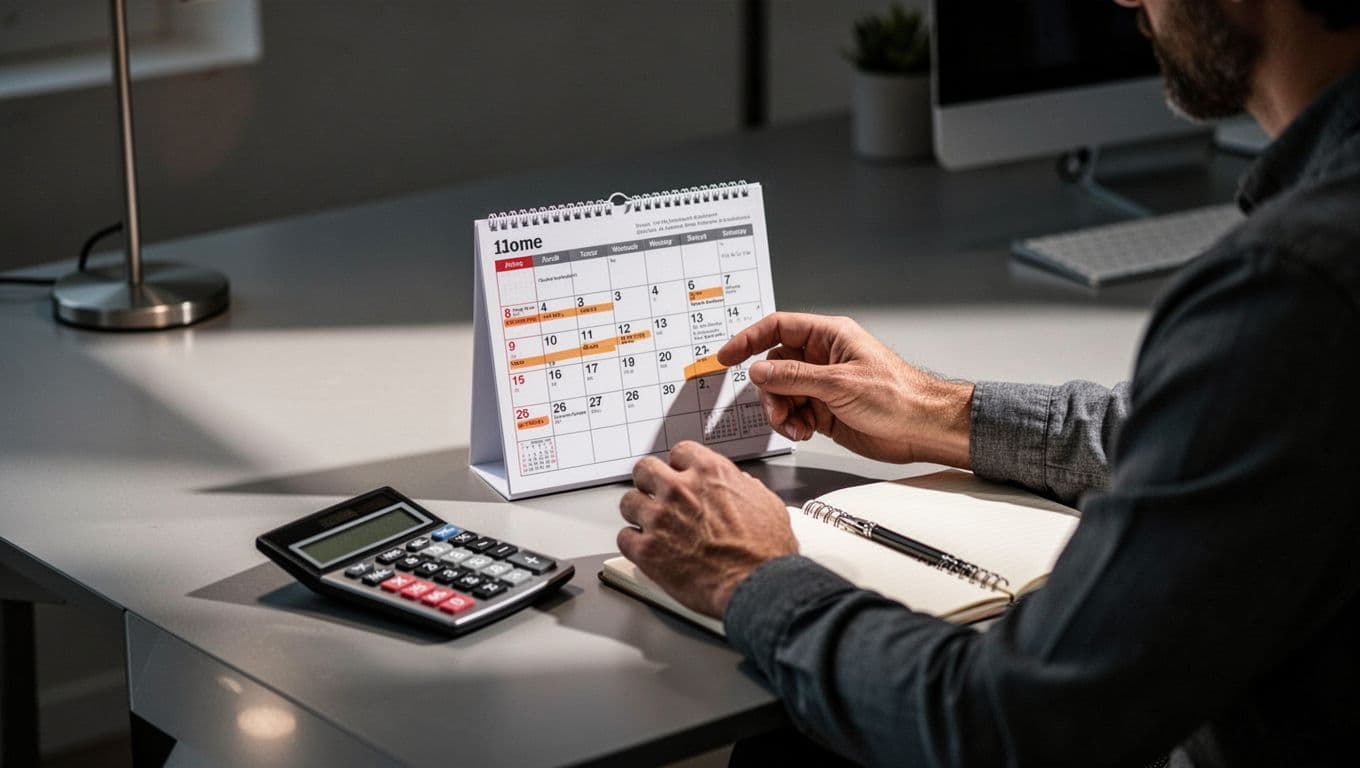
Freelance taxes feel easier when you treat them like a calendar job, not a once-a-year panic. Estimated payments keep you current during the year, so April doesn’t arrive like a surprise bill with sharp edges. That steady rhythm also gives you room to adjust if your income rises or slows down.
 ### When quarterly payments usually matter
Quarterly estimated payments usually matter when your freelance income is high enough that you’ll owe tax after filing. A common rule of thumb is this: if you expect to owe more than $1,000 when you file, the IRS may expect you to pay throughout the year instead of waiting.
That matters because freelance income does not come with tax withheld. Each client payment may look like spendable cash, but part of it already belongs to taxes. If you wait until filing season, the bill can feel much larger than expected.
The IRS says self-employed workers should check whether they need to make estimated payments, and Form 1040-ES is the worksheet used to help figure that out. You can review the official guidance in the IRS self-employed tax center.
Estimated payments are a pay-as-you-go system. You send taxes in during the year, so you don’t owe one giant lump sum later.
What to do before each payment deadline
Before a deadline gets close, look at your income first. Add up what you’ve earned since the last payment period, then estimate what portion should go toward taxes.
A short routine keeps the process manageable:
- Review your freelance income for the period.
- Subtract business expenses you can document.
- Estimate your tax due based on your profit.
- Move the payment money into your tax account.
- Send the payment before the deadline.
That step-by-step habit works better than guessing at the last minute. A simple record of what came in and what went out gives you a clearer picture, and it makes each payment feel less random.
The 2026 due dates are April 15, June 15, September 15, and January 15, 2027. If a date falls on a weekend or federal holiday, the next business day usually counts as on time. The IRS explains the schedule in its estimated tax guidance, and Paychex’s quarterly tax overview also lays out how estimated payments work in practice.
How to avoid penalties and last minute panic
Regular payments keep the pressure down. When you pay a little at a time, the tax bill never gets a chance to grow teeth. You also avoid the stress of trying to find a big chunk of cash after the year ends.
Checking your earnings during the year helps just as much. If your freelance work picks up in summer or slows down in winter, your tax payments can shift with it. That keeps you closer to what you really owe, instead of forcing one fixed number on an uneven income.
Underpaying can lead to a surprise bill, and the IRS may also charge an underpayment penalty. That penalty starts from the date the payment was due, so waiting does not make the problem smaller. Staying current is the calmer choice, because it gives you time to adjust before the numbers stack up.
A simple monthly review can change everything. Look at your income, check your tax savings account, and compare it with what you already paid. That small habit turns tax deadlines into routine checkpoints instead of emergency alarms.
Simple filing habits that make tax season easier
Tax season gets lighter when your filing habits are already in place. If your income, receipts, and payment records stay organized all year, the final return feels less like a scramble and more like a final check.
The goal is simple. Keep your numbers clean, file in the format that saves time, and give yourself one last review before you hit submit. Those small steps can spare you from errors, delays, and avoidable stress.
 ### Review your numbers before you file
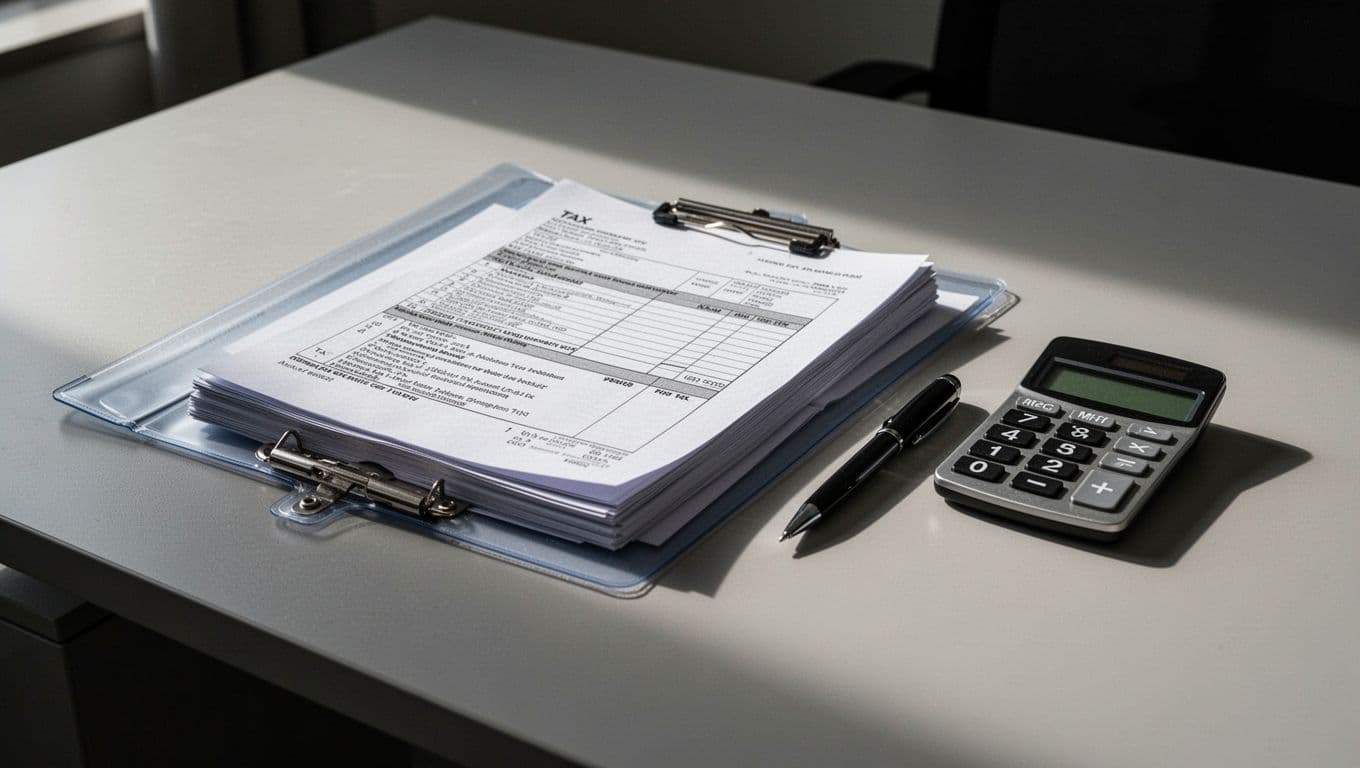
Before you send anything, take one calm pass through the return. Check your income totals against your payment records, then make sure your deductions match the receipts you saved. A small mismatch now can turn into a bigger headache later.
Look for the basics first:
- income from every client and platform
- business expenses with matching receipts
- tax payments you already made
- bank deposits that need to be counted
- missing forms or duplicate entries
That final review matters because small mistakes often hide in plain sight. A wrong total, a missed expense, or a duplicate payment can distort the whole return. A few extra minutes here can save hours of back-and-forth later.
A careful review is cheaper than fixing a return after it goes out the door.
Why electronic filing can save time
E-filing usually makes tax season easier because it cuts down on waiting. The IRS processes electronic returns faster than paper returns, and direct deposit can speed up your refund once the return is accepted. It also reduces the chance of simple math errors, since tax software checks numbers as you go.
Paper filing adds friction. You have to print, sign, mail, and wait for processing. That path leaves more room for lost paperwork and longer delays.
For many freelancers, e-filing also brings peace of mind. You get confirmation that the return was received, and that alone removes one layer of uncertainty. If you want a broader look at self-employment filing basics, the IRS self-employed tax center is a useful reference, and TurboTax’s freelancer tax tips gives a practical overview of common self-employment tax issues.
When it makes sense to call a tax pro
A tax pro can help when your business has grown past the simple stage. That often includes multiple income streams, mixed personal and business expenses, bigger deductions, or questions about quarterly payments and retirement contributions.
It also makes sense to get help if you feel unsure about what you can claim. A good tax professional can spot deductions you might miss and help you avoid filing mistakes that cost money later. That support can be especially useful after a strong year, when the numbers get more complicated.
If you are still building your freelance system, expert help does not mean giving up control. It just means getting a second set of eyes on the return before the deadline closes in.
The best filing habit is a steady one. Keep your records organized, review the numbers before you file, and use e-filing when you want a faster, cleaner path through tax season.
Conclusion
Freelance taxes feel lighter when you treat them like a habit, not a yearly shock. Save a share of each payment, track every job and expense, and use deductions only when they truly fit your work.
Quarterly deadlines matter too, because they keep the bill from piling up in one heavy lump. When you stay ahead of them, the numbers feel calmer and easier to manage.
Small systems built now can make tax season feel lighter all year long.
Save pin for later


- How to Find Long-Tail Keywords for Your Blog - June 29, 2026
- Pinterest SEO for Bloggers - June 27, 2026
- How to Do Keyword Research for Beginners - June 27, 2026