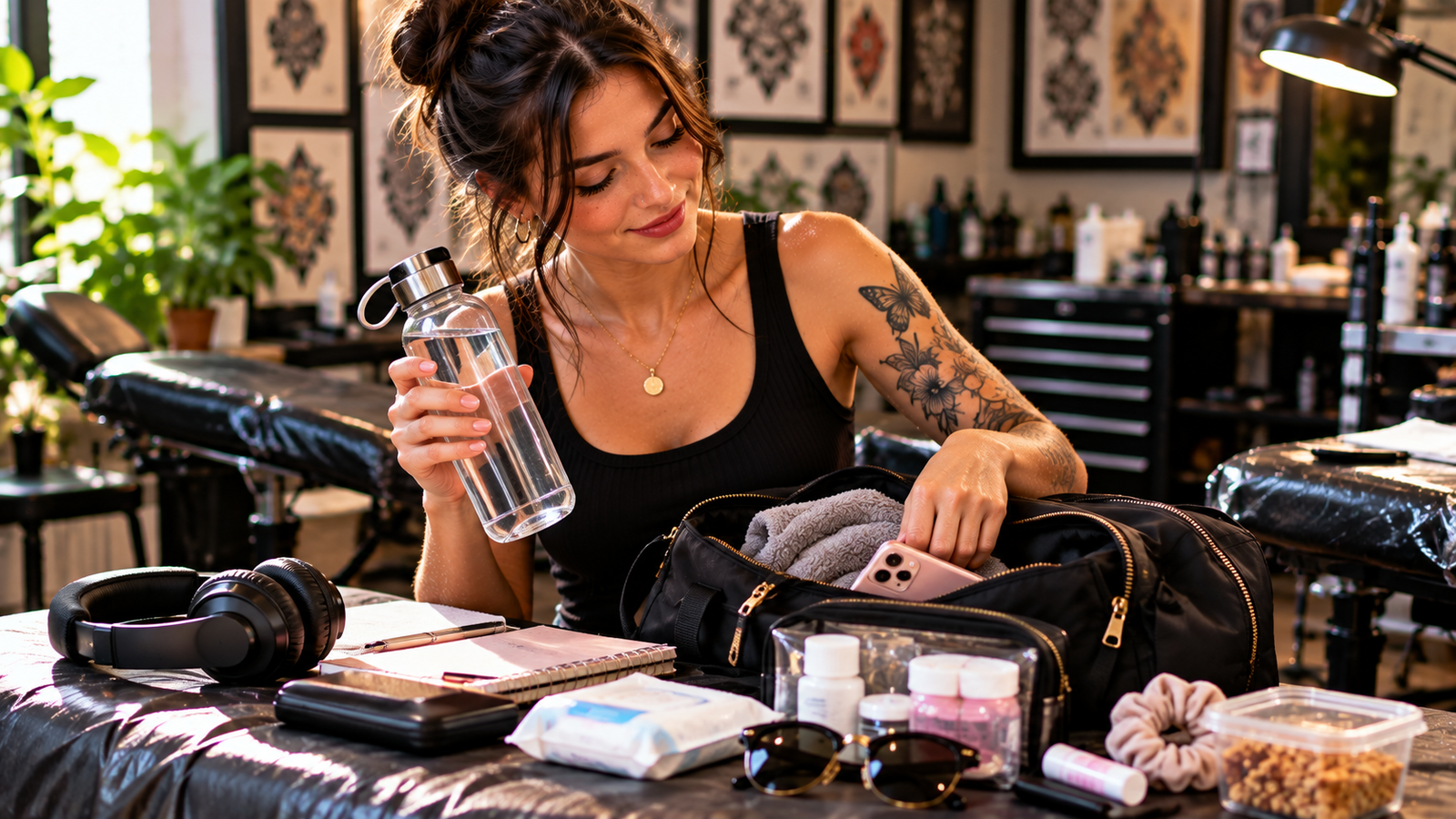
What to Eat, Wear, and Bring to the Tattoo Shop
A little planning before your tattoo appointment can help you feel more comfortable, stay steady during the session, and avoid clothing or packing problems. Eat a meal beforehand and drink water, since arriving hungry or dehydrated can make a long appointment harder.
Choose clothes that give your artist easy access to the tattoo area, and bring only useful items, such as your ID, payment, or a snack for a longer session. Studio policies vary, so check your artist’s instructions before you go; start with what to eat and drink before your appointment.
Watch a tattoo appointment packing guide
What to eat, wear and carry to the tattoo shop
A little preparation can make it easier to sit comfortably and focus during your appointment. Use this practical checklist as a starting point, but follow your artist’s safety rules and ask a medical professional about health concerns.
Eat a real meal and drink water before your session
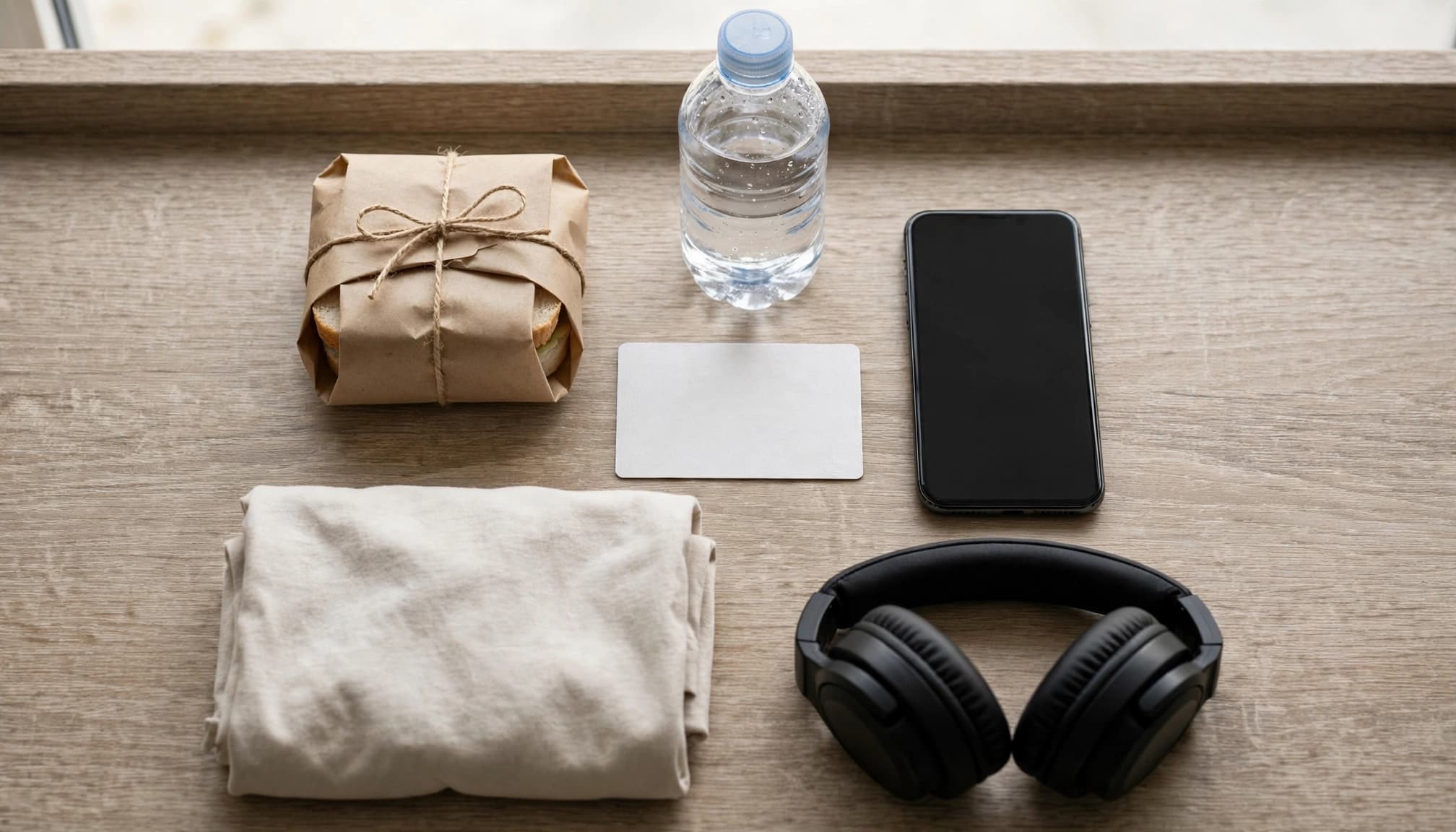
Have a filling, balanced meal before you arrive. Include carbohydrates for energy and protein to help you feel satisfied, such as eggs with toast, yogurt with granola, or a sandwich. For more meal ideas, see this guide to eating before a tattoo session.
Drink water steadily before your appointment, especially if you’ll be in the chair for several hours. You don’t need to overdo it right before you leave; simply avoid showing up thirsty. An empty stomach or dehydration can make discomfort, lightheadedness, or nausea harder to manage.
For a long session, bring a simple snack and water if the studio permits food and drinks. Check where you’re allowed to eat, since some shops don’t allow food in the tattooing area.
Wear clothes that give your artist easy access
Choose clean, loose clothing that lets your artist reach the placement without pulling or twisting fabric around your body. A tank top works well for an upper-arm tattoo, while shorts can make a thigh tattoo easier to access. For a back piece, a button-front shirt may offer coverage while keeping the area accessible.
Also consider what you’ll wear home. Fresh ink can feel tender, so avoid tight sleeves, waistbands, or seams that press or rub against it. If you prefer more coverage, bring a loose layer that won’t cling to the tattoo. Dark or older clothes can be a practical choice in case ink or ointment transfers.
Pack the few items that make the visit easier
Bring a photo ID, your required payment method, and any appointment details the studio asked you to have. Reference images and brief placement notes can help you communicate clearly with your artist before the stencil goes on.
For an extended appointment, consider packing water, a small snack, a phone charger, and headphones. Confirm that the studio allows these items, and keep your belongings easy to reach without crowding the artist’s workspace. Share relevant allergy, medication, or health information with your artist before the session. Don’t stop or change prescribed medication without medical advice.
Before bringing a guest, food, or personal aftercare products, check the shop’s policies. Preparation can support your comfort, but it never replaces studio safety instructions or guidance from your healthcare provider.
Choose Clothing for the Tattoo Location and the Trip Home
Your outfit should make the placement easy to reach and keep the new tattoo comfortable afterward. Access and comfort matter more than dressing up, especially if your appointment lasts several hours.
Match your outfit to where the tattoo will go
For an arm tattoo, a loose short-sleeve shirt or a top with wide sleeves can keep fabric clear of the work area. Shorts make thigh or knee placements easier to access, while loose pants that roll up comfortably may suit a lower-leg tattoo.
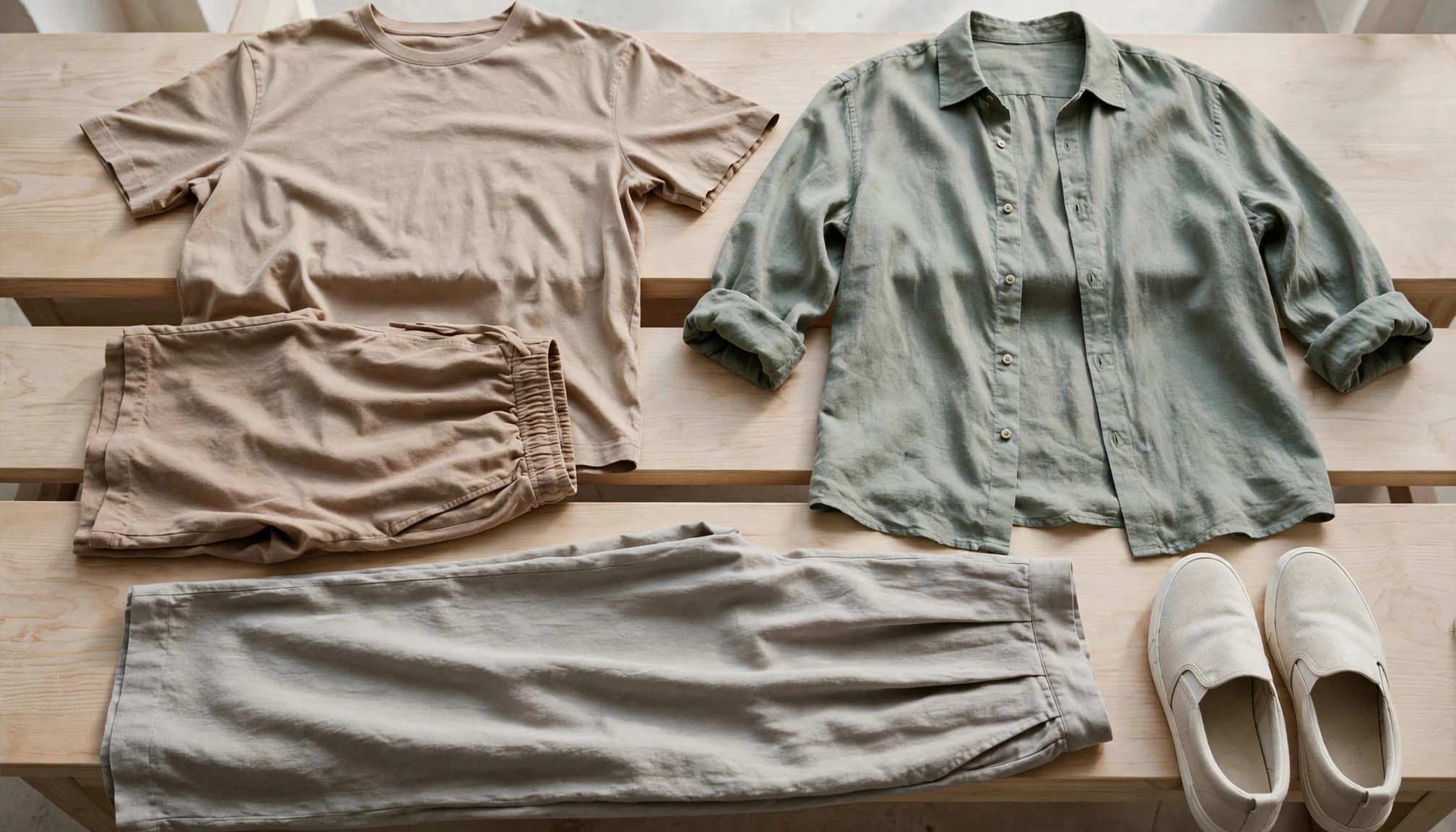
Rib and chest tattoos often require the artist to reach beneath or around clothing. A button-front shirt, zip-up top, or loose layers can open easily without forcing you to pull fabric across the stencil. For a back tattoo, wear a shirt that opens in front, so you can change or adjust coverage without lifting clothing over the fresh work.
Foot and ankle tattoos call for footwear that leaves the area exposed during the appointment. Bring roomy sandals or loose shoes for the trip home, provided they won’t rub the tattoo. If the weather calls for more coverage, pack a soft, loose layer to wear over or around the area. Avoid anything that presses tightly against the fresh tattoo.
Plan for comfort without irritating fresh skin
Choose clean, soft fabrics for the ride home. Tight cuffs, waistbands, straps, and rough seams can press on tender skin, while clothes that stick to the tattoo or repeatedly scrape it may cause irritation. For a foot or ankle tattoo, skip snug socks and shoes that rub the placement; a short walk in roomy footwear can feel better than a long ride in tight sneakers.
A cover-up layer can help protect the tattoo from sun, cold, or contact with other surfaces, but it should hang loosely rather than cling. Don’t add a wrap or product on your own. Ask your artist what protective covering to use, how long to keep it on, and what aftercare steps to follow. Bandage guidance varies with the dressing and placement, so follow the instructions you receive. The American Academy of Dermatology’s tattoo-care guidance also explains basic care for tattooed skin.
Know what to eat and drink, and what to avoid
What you eat and drink can affect how comfortable you feel during a tattoo appointment, but it won’t prevent pain. A meal and water can help you arrive feeling steady. Alcohol, unusually large amounts of caffeine, and some medications deserve more care.

Skip alcohol and avoid excess caffeine
Arrive sober, and avoid alcohol before your appointment. Alcohol can affect judgment and may increase bleeding during the session. Delaware Public Health also warns about drinking before getting a tattoo. Since studio policies differ, ask your artist how far in advance you should stop drinking and follow the shop’s rules.
You don’t necessarily need to cut out all caffeine. However, a large coffee or energy drink may leave some people feeling shaky, restless, or anxious, which can make sitting still harder. Stick with your usual moderate amount, or choose less if caffeine tends to make you jittery. Water is a practical choice during the appointment, if the studio allows drinks.
Ask before changing medication or taking pain relievers
If you take a prescribed blood thinner or another medication that may affect bleeding, don’t stop or change it on your own to prepare for a tattoo. Contact the clinician who prescribed it and ask whether tattooing is appropriate for you. The decision to continue, pause, or delay treatment belongs with your healthcare provider.
The same advice applies if you have a bleeding disorder, another relevant health condition, or questions about supplements. Some medicines and supplements can affect bleeding, but the risk depends on your health and what you take. Tell your tattoo artist about relevant conditions and medications before the appointment so they can discuss shop requirements with you. Don’t take aspirin, ibuprofen, or another pain reliever as a precaution without checking with a clinician or pharmacist first. There isn’t one rule that fits every person.
Arrive rested, fed, and ready to speak up
Get a good night’s sleep and eat beforehand, especially if your appointment may last several hours. These steps can support your comfort, though they won’t remove the sensation of tattooing or guarantee that you won’t feel lightheaded.
If you feel faint, unwell, or unusually anxious, tell your artist. The same goes if you need a short break. Speaking up early gives you and your artist a chance to pause and address the concern, rather than trying to push through silently.
Bring these essentials for a smooth tattoo appointment
A small, purposeful bag keeps your appointment easier without crowding the studio. Before you pack, check the shop’s rules: requirements for ID, payment, food, and aftercare supplies can vary.
Have your ID, payment, and design details ready
Bring the physical photo ID the studio accepts. Age requirements depend on state law, and shops may have their own documentation rules, so confirm what you need before appointment day. Also ask which payment methods the shop accepts and whether you owe a remaining balance beyond your deposit. Deposit rules differ too. Check whether yours applies to the final price and what happens if you need to reschedule.

Bring approved reference images, plus concise notes about placement, approximate size, and details you want the artist to retain. If you sent images ahead, keep them accessible on your phone or bring printed copies if requested. The artist may need time to review the design, answer questions, or adjust the stencil before tattooing begins. Arrive at the time the studio gave you, with enough room for check-in and that design conversation.
Make a long session easier with a few comfort items
For a longer appointment, a charged phone, headphones, water, and a light snack can make breaks more comfortable. First, ask whether the studio allows food and drinks, and where you can have them. Some shops restrict snacks near the tattooing area or ask clients to keep phones silent.
Choose quiet entertainment that won’t compete with your artist’s instructions. A downloaded playlist or podcast through headphones is a better fit than speaker audio. Keep your bag small and place it where the artist directs, rather than beside the work area. Leave valuables at home when possible; it’s easier to relax when you don’t have to keep checking on them.
Keep aftercare simple and follow the artist’s directions
Ask whether the studio provides aftercare instructions or supplies, and whether you should buy anything in advance. Don’t bring or apply creams, ointments, or wraps unless your artist has approved them. Aftercare can vary based on the tattoo and the dressing used, so follow the instructions you receive rather than a routine meant for a different setup. For general tattoo safety information, consult the FDA’s tattoo and permanent makeup fact sheet.
Check your skin and the studio before you sit down
A quick check before your appointment can help you catch problems while there’s still time to address them. Look over the tattoo area, consider how you’re feeling, and take a moment to observe the studio setup. If anything concerns you, pause and ask before the artist begins.
Reschedule if the tattoo area is irritated or infected
Rashes, open cuts, swelling, pus, or other signs of infection on or near the planned tattoo area are reasons to contact the studio before your appointment. Tattooing over unhealthy or broken skin can aggravate the area and complicate healing. Don’t cover up a skin problem with clothing or makeup and hope the artist won’t notice. Be honest about what you see, and reschedule if the skin hasn’t healed.
If you’re unsure whether a spot is a concern, send the studio a clear description or ask your healthcare provider. Seek medical advice for symptoms such as worsening pain, spreading redness, warmth, or discharge. The Cleveland Clinic’s tattoo infection guide describes signs that need medical attention.
Also call the studio if you feel sick, especially if you have a fever or feel too unwell to sit comfortably. Ask about rescheduling rather than trying to push through the appointment.
Look for clear, basic hygiene practices
Before the session starts, look for a clean work surface and an artist who puts on fresh gloves. The artist should open a sterile, single-use needle for your appointment, and reusable equipment that contacts skin should be properly cleaned and sterilized. These steps help reduce the risk of infection.
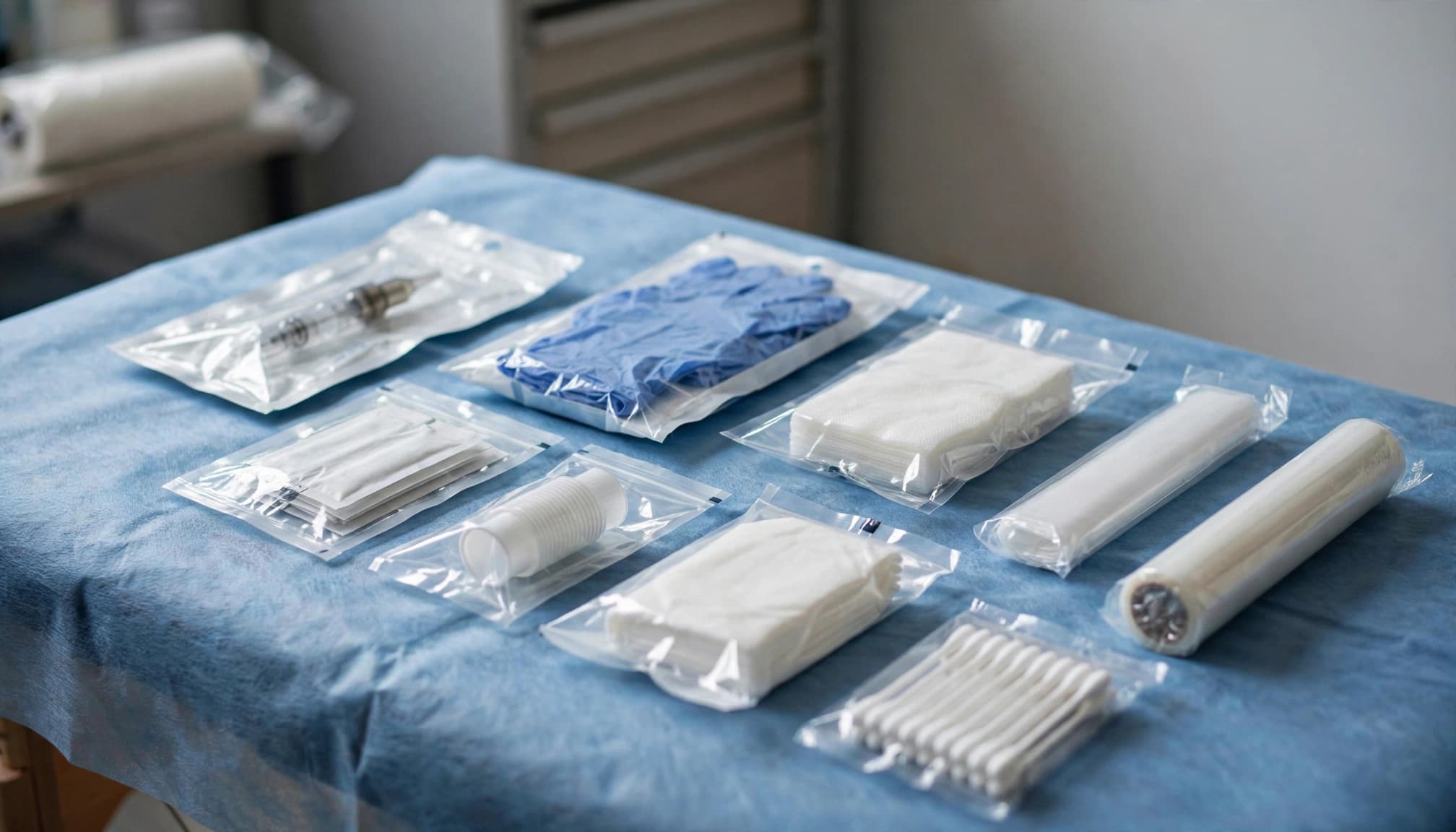
You don’t need to know every technical detail to ask a reasonable question. If you’re unsure whether a tool is new or how reusable equipment is sterilized, ask the artist to explain. A professional should be willing to answer clearly. If the setup looks unclean or you’re uncomfortable with the response, you can leave without proceeding. The FDA’s tattoo safety guidance offers more advice on choosing a tattoo artist and reducing health risks.
Confirm studio rules before appointment day
Policies can affect what you bring and how your visit goes, so check them ahead of time. Ask whether guests, food, and drinks are allowed, how to request breaks, and what happens to your deposit if you need to reschedule. Confirm which payment methods the shop accepts, too.
If you have a health condition, allergies, or questions about medication, contact the studio before you arrive. Your artist can explain the shop’s requirements, but medical decisions belong with your healthcare provider. Raise concerns before the session starts, and remember that you can pause at any point to ask a question.
Conclusion
A comfortable tattoo appointment starts with the basics: eat a balanced meal, drink water, and wear clean, loose clothes that give your artist access to the placement. Bring your ID, payment method, design details, and a few permitted comfort items for a longer session.
Arrive sober, and never stop or change prescribed medication without medical advice. Most importantly, follow your artist’s instructions, since studio policies and preparation needs can vary.
Before you leave home, confirm the shop’s rules for payment, food, guests, and anything else you plan to bring.
Save pin for later


- 30 Tips to Find Your Perfect Tattoo Style and Artist - September 25, 2026
- Saniderm Healing: Wear Time, Fluid, and Aftercare - September 25, 2026
- How to Choose the Right Tattoo Size for Your Design and Skin - September 25, 2026
Leave a Reply