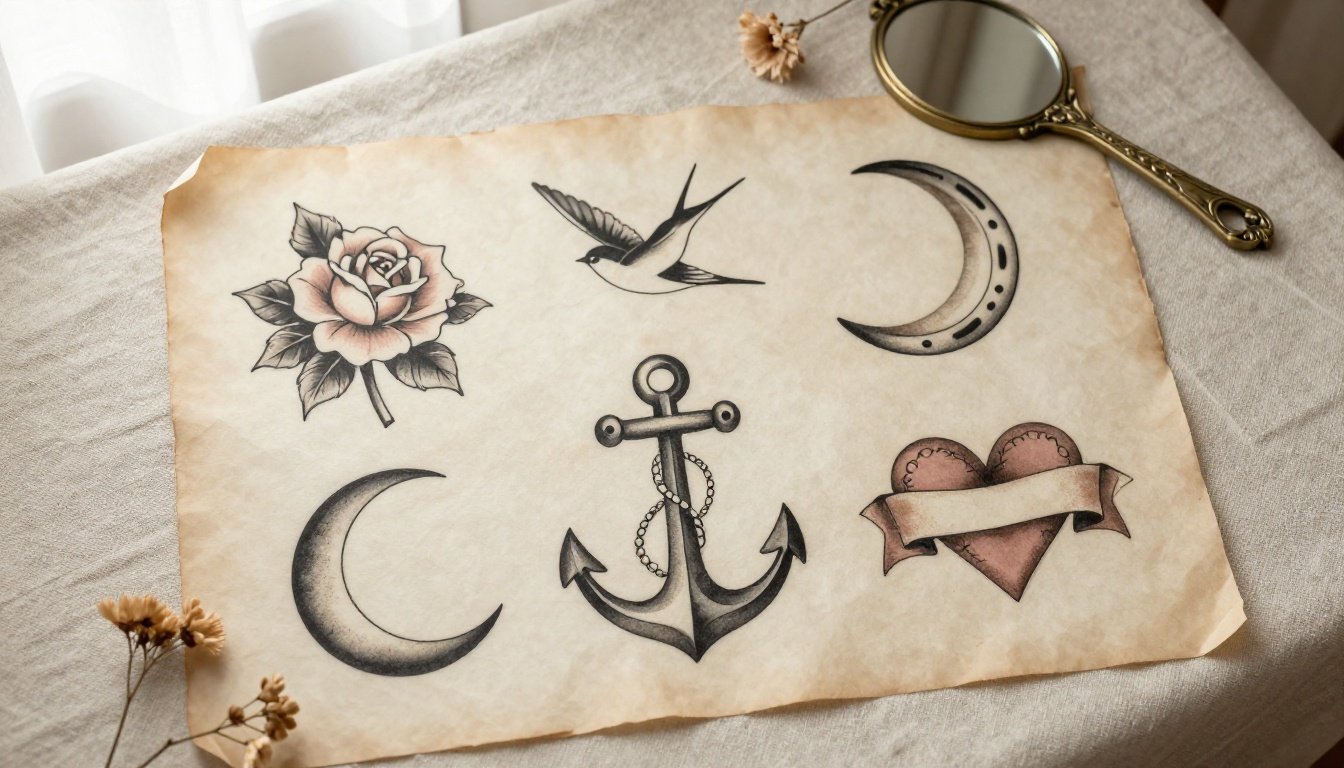
22 Vintage-Inspired Tattoo Ideas for Women Over 40
A tattoo can mark a new chapter, honor a treasured memory, or express your personal style at any age. For many women over 40, vintage-inspired tattoos feel especially appealing because bold classic shapes, rich symbolism, and timeless charm create designs that feel personal without chasing short-lived trends.
This collection features 22 ideas, including graceful florals, sentimental keepsakes, celestial symbols, nautical motifs, and classic Americana artwork. You’ll also find guidance on choosing a style and placement that suits your daily life, selecting an artist with a strong portfolio of healed work, and considering line weight and contrast as skin texture changes over time. Medium-to-bold details and clear shapes can help a design stay readable, while thoughtful placement makes it easier to protect from clothing friction and sun exposure. As you explore these designs, keep your own story, comfort, and desired level of visibility at the center, then begin with the first vintage-inspired tattoo idea.
22 Vintage-Inspired Tattoo Ideas for Women Over 40
Vintage-inspired tattoos combine classic artwork with personal meaning. Choose a medium-sized design with clear outlines, balanced shading, and enough open space to keep every detail readable over time.
Timeless floral and botanical designs with a soft vintage feel
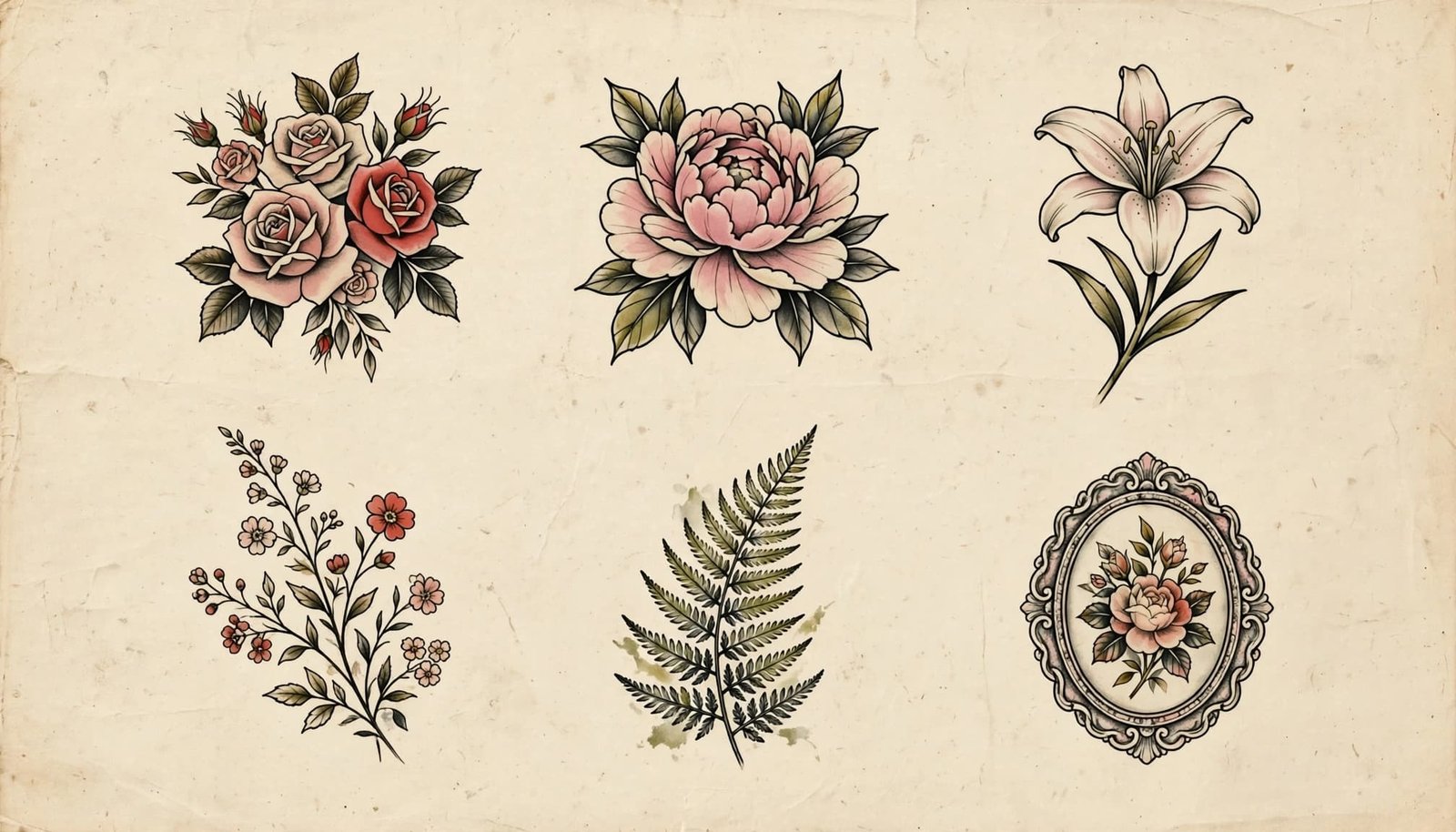
Floral tattoos offer color, symbolism, and plenty of room for personalization. A traditional rose bouquet can suggest love, family, or a life richly lived. Use muted red blooms with olive-green leaves for an old-fashioned look. A neo-traditional peony has fuller petals and heavier shading, while its symbolism often connects with prosperity and good fortune. Dusty pink or cream gives it a softer finish.
A vintage lily can reflect purity, remembrance, or a fresh beginning. A wildflower sprig feels more relaxed and individual, making it a thoughtful choice for independence or treasured memories. For a quieter botanical style, choose a slender fern frond in black and gray. Its clean shape suits someone who wants vintage character without a large, colorful piece.
A floral cameo combines an antique oval frame with roses, lilies, or small wildflowers. This distinctive design can resemble a family heirloom while still feeling personal. The outer forearm, upper arm, shoulder, or shoulder blade gives larger floral artwork room to breathe.
For long-term care, protect exposed ink with broad-spectrum SPF 30 or higher, as recommended in the American Academy of Dermatology’s tattooed skin care guidance.
Nautical and travel-inspired tattoos full of character
Nautical motifs work well when you want a tattoo with a clear story. A classic swallow can express returning home after a difficult season. An anchor with a ribbon suggests staying grounded, especially after a major change. Choose a compass rose when finding direction matters to you, or a ship wheel to express independence and confidence in your own decisions.
A vintage postage stamp can honor a meaningful journey, hometown, favorite destination, or important chapter. Bold traditional outlines and limited colors help small nautical designs remain easy to read. Consider navy, muted red, cream, and black instead of a crowded palette.
Personal details can include initials, a meaningful date, a place name, or a tiny landscape. Keep the additions restrained, though. Too many fine lines inside a small tattoo can blur together and weaken the design’s vintage clarity.
Romantic keepsakes that feel personal, not predictable
Keepsake tattoos can honor family, self-love, a life transition, or a treasured relationship. A heart-shaped locket might hold initials, a small portrait, or a symbol connected to someone important. A decorative key can suggest independence, a new beginning, or access to a part of yourself you once kept closed.
An antique perfume bottle has an elegant, nostalgic shape and can recall a loved one, a favorite scent, or a special period in your life. A cameo silhouette offers a graceful nod to heirloom jewelry, while a heart with a banner leaves room for a short word or meaningful name.
These designs are elegant keepsakes, not tattoos reserved for romantic partners. If you add lettering inside a locket or banner, choose a large enough design to keep it legible. A simple word usually ages better than a long quote.
Whimsical vintage icons with a modern twist
A crescent moon with stars can blend old-school linework with simplified shading and unexpected color, such as pale blue or muted gold. A vintage butterfly looks polished with symmetrical wings, a clean black outline, and only a few color accents. An old-fashioned bee can suggest purpose, community, or personal strength while keeping its small shape easy to recognize.
For something more distinctive, consider a framed vintage lady portrait. Choose an experienced artist with a strong portfolio of faces, since small changes in proportion can affect the likeness and mood. An ornamental mirror can symbolize self-acceptance or a new chapter, especially with a modern, uncluttered reflection.
Finally, an antique birdcage with an open door offers a clear image of freedom and personal choice. Simplified shading, open space, and a medium-sized layout help these whimsical designs retain their charm without looking crowded.
How to Choose Vintage-inspired Tattoo Designs That Feel Like You
Choosing from dozens of beautiful tattoo ideas can feel harder than finding inspiration in the first place. Start with the image that connects to your personal history, then shape it around your preferred style, existing tattoos, body placement, and the amount of detail your skin can support.
Pick the right vintage tattoo style for your story
Your chosen style changes the entire mood of a vintage-inspired tattoo. Compare these four options before you settle on a final sketch:
- American traditional uses strong outlines, solid color, and familiar imagery such as roses, swallows, anchors, and hearts. It creates the boldest look and usually stays readable because the shapes are clear and the contrast is strong.
- Neo-traditional keeps the classic subject matter but adds richer detail, decorative shading, larger color ranges, and more expressive forms. Choose it when you want a vintage foundation with a little more softness and visual depth.
- Black-and-gray creates a quieter antique mood. Soft gradients, charcoal shading, and carefully placed negative space can make a cameo, perfume bottle, portrait, or botanical design feel like an old photograph.
- Simplified fine-line vintage offers a lighter appearance with delicate outlines and minimal shading. It suits smaller motifs, especially when you want the tattoo to feel subtle rather than bold.
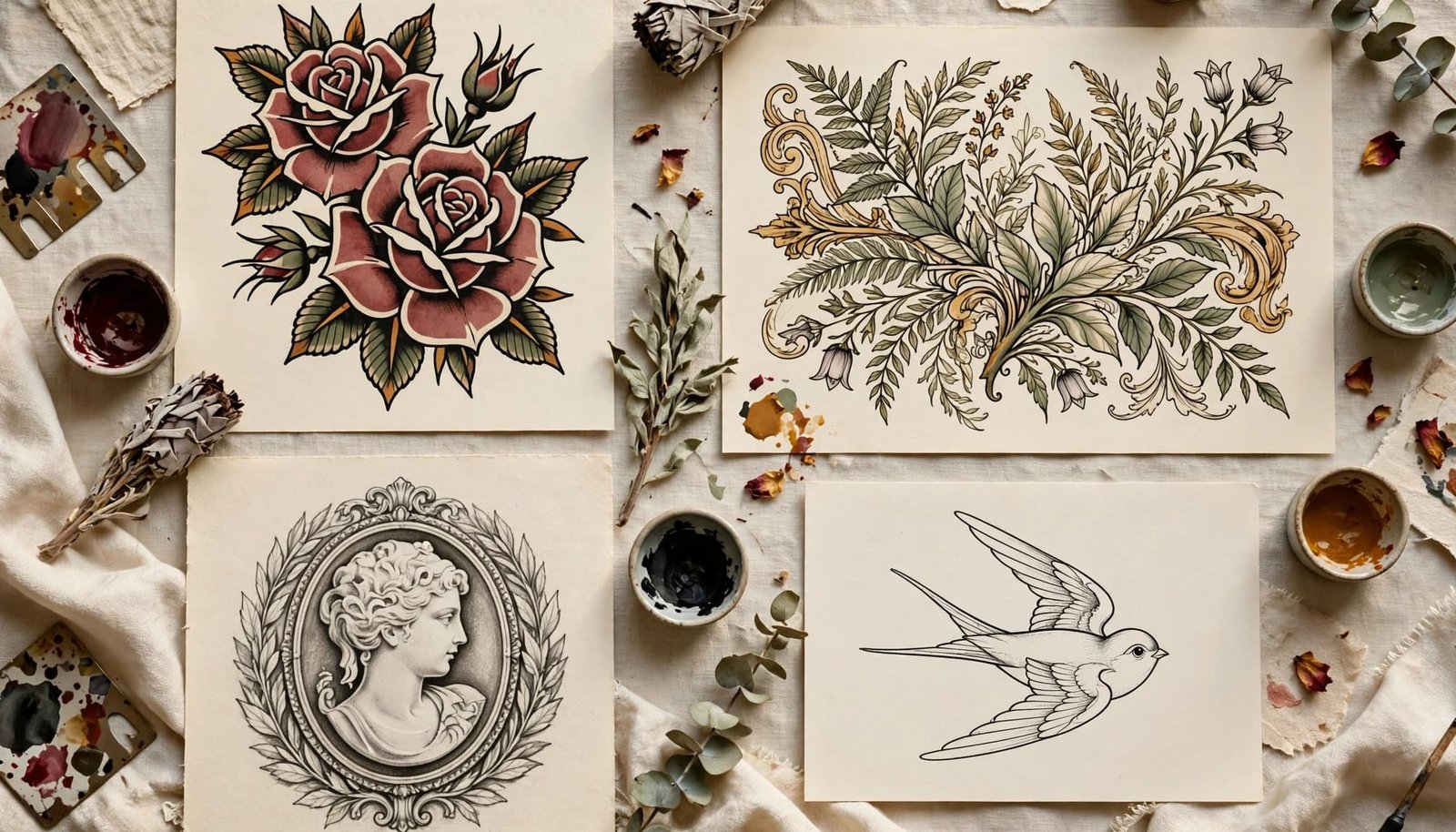
Fine-line work can look graceful, but extremely fine details may blur or fade more easily over time. That risk increases when an artist places many tiny elements inside a very small design. Sun exposure also fades tattoo ink, so exposed pieces need consistent protection after healing.
Your body and existing tattoos should guide the final direction. A bold traditional rose may balance delicate linework on your wrist, while a detailed neo-traditional piece could compete with another large tattoo nearby. Look at the surrounding shapes, colors, line weights, and spacing before adding a new design.
Bring reference images to your consultation, but use them to communicate mood, subject, and color rather than requesting an exact copy. Ask the artist to create an original sketch that keeps the vintage feeling while fitting your body and preferences. Their portfolio should also show strong work in the style you want, along with healed tattoos when possible.
Make the design meaningful without overloading it
A meaningful tattoo doesn’t need to include every symbol connected to your life. Start with one main image, such as a rose, locket, swallow, moon, or cameo. Then add one supporting detail that gives the design a personal direction.
That detail might be a birth flower tucked beside the main symbol, a family initial worked into a small banner, or a date hidden inside a locket. A hometown reference could appear as a tiny landmark, coastline, state flower, or color linked to a favorite place. Even one muted shade can hold private meaning, such as the blue of a childhood bedroom or the red of a mother’s favorite lipstick.
Lettering deserves extra care because small words can lose clarity as ink ages. Choose a short name, initial, or date instead of forcing a long quote into a compact design. Your artist can adjust the size and spacing so the letters remain readable.
A tattoo also doesn’t need an obvious explanation for anyone else. Private meaning can make the piece feel more personal, especially when the design looks like a classic decorative image to everyone around you. The best choice balances your story, the artist’s strengths, your preferred size, and the detail your placement can hold.
Best Tattoo Placements for Women Over 40
The best tattoo placement balances comfort, visibility, design size, and your everyday routine. Mature skin can be tattooed beautifully, so focus on choosing an area that supports the artwork and feels right for you.
Comfortable, supportive areas for medium-sized designs
The outer upper arm is one of the most practical choices for a medium-sized vintage tattoo. It offers enough space for a cameo, perfume bottle, rose, or framed portrait, while sleeves and short-sleeved tops can control how much of the design people see. The area also has more cushioning than locations close to bone, which can make the tattooing process more comfortable.
A shoulder placement works especially well for a floral bouquet. The rounded shape gives petals and leaves room to follow the natural curve of the body instead of sitting like a flat sticker. Your artist can angle the stems toward the upper arm or collarbone for a more balanced result.
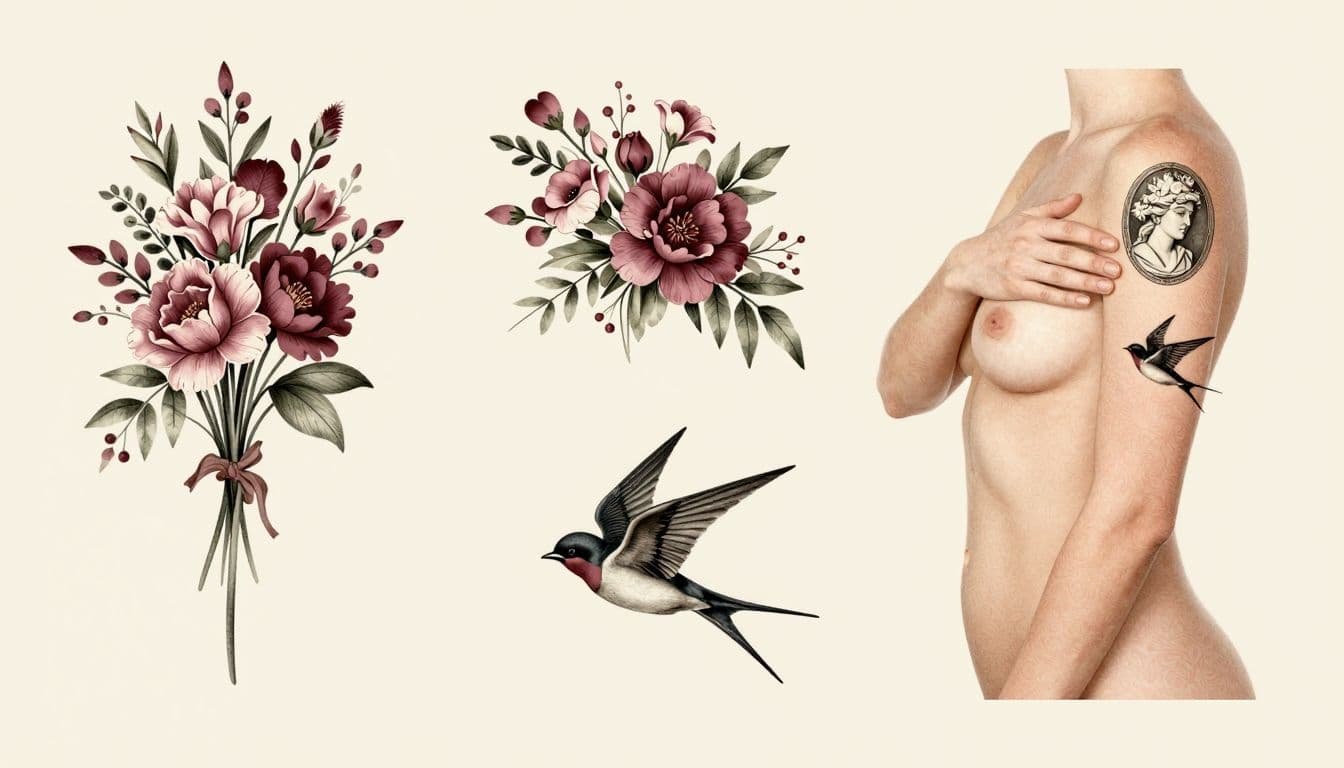
The outer forearm provides a long, visible canvas for a swallow, botanical sprig, key, or small ship. It is easy to admire without using a mirror, although frequent sun exposure means you’ll need consistent protection after the tattoo heals. The American Academy of Dermatology recommends using broad-spectrum, water-resistant SPF 30 or higher on healed tattooed skin and reapplying it at least every two hours outdoors. See the AAD’s tattooed skin care guidance for more details.
The shoulder blade and upper back offer more room for detailed artwork. A larger portrait, ornate cameo, winged heart, or vintage landscape can follow the shoulder blade’s broad shape. These placements also stay covered during many work settings and receive less daily sun than the forearm. However, the shoulder blade is closer to bone, so some people find the session more sensitive.
The outer thigh gives you a generous, cushioned area for a larger design. Consider a portrait, floral frame, oversized butterfly, or elaborate perfume bottle. Clothing usually protects the tattoo from sunlight, but tight jeans, shapewear, or rough fabric can create friction, especially while the tattoo heals.
Finally, the lower leg suits vertical designs such as a swallow, flower stem, candle, or decorative key. The outer calf has useful space and often provides more cushioning than the shin. The shin itself may feel sharper during tattooing because it sits close to bone. Fingers, palms, and other high-friction areas can fade faster and may need more frequent touch-ups, so they require a different commitment.
What to consider before choosing a visible placement
Start with your workplace dress code. A forearm tattoo may be easy to show casually but harder to cover in a professional setting, while an upper arm, shoulder blade, upper back, or thigh gives you more control. Neither a private tattoo nor a visible piece is more appropriate. The right choice depends on how you want to live with it.
Sun exposure matters, too. A forearm or lower-leg tattoo may need more daily protection than one under clothing. During healing, keep the area covered with loose, breathable clothing and avoid applying sunscreen until the skin has fully healed. Clothing can also create friction, so consider waistbands, bra straps, socks, and tight sleeves before choosing a placement.
Movement should guide the design’s shape. A tattoo that follows the natural curve of the shoulder, arm, thigh, or calf often looks more intentional as your body moves. Before booking, test the size and position with a temporary tattoo or paper mockup. Wear your usual clothes, sit, bend, and look at the design from several angles.
Also ask yourself how often you want to see the tattoo. A visible forearm piece can become part of your daily style, while an upper-back or thigh tattoo may feel more private and personal. Both options can carry lasting meaning, and your comfort with visibility should matter as much as the design itself.
How to Help a Vintage Tattoo Age Well on Mature Skin
A vintage tattoo can stay graceful for years when the original design leaves room for natural changes. Skin texture, sun exposure, and gradual ink spread all affect how a tattoo looks, so the best time to plan for longevity is before the needle touches your skin.
Use linework, contrast, and open space wisely
Choose bold but graceful outlines that define the main image without making it look heavy. Clear borders help a rose, cameo, swallow, or perfume bottle remain recognizable as the ink softens. Medium-sized or larger designs also give each feature enough room to breathe.
Ask your artist to separate petals, leaves, facial features, and decorative elements with visible gaps. Open space works like punctuation in a sentence. Without it, the eye has trouble telling where one shape ends and another begins.
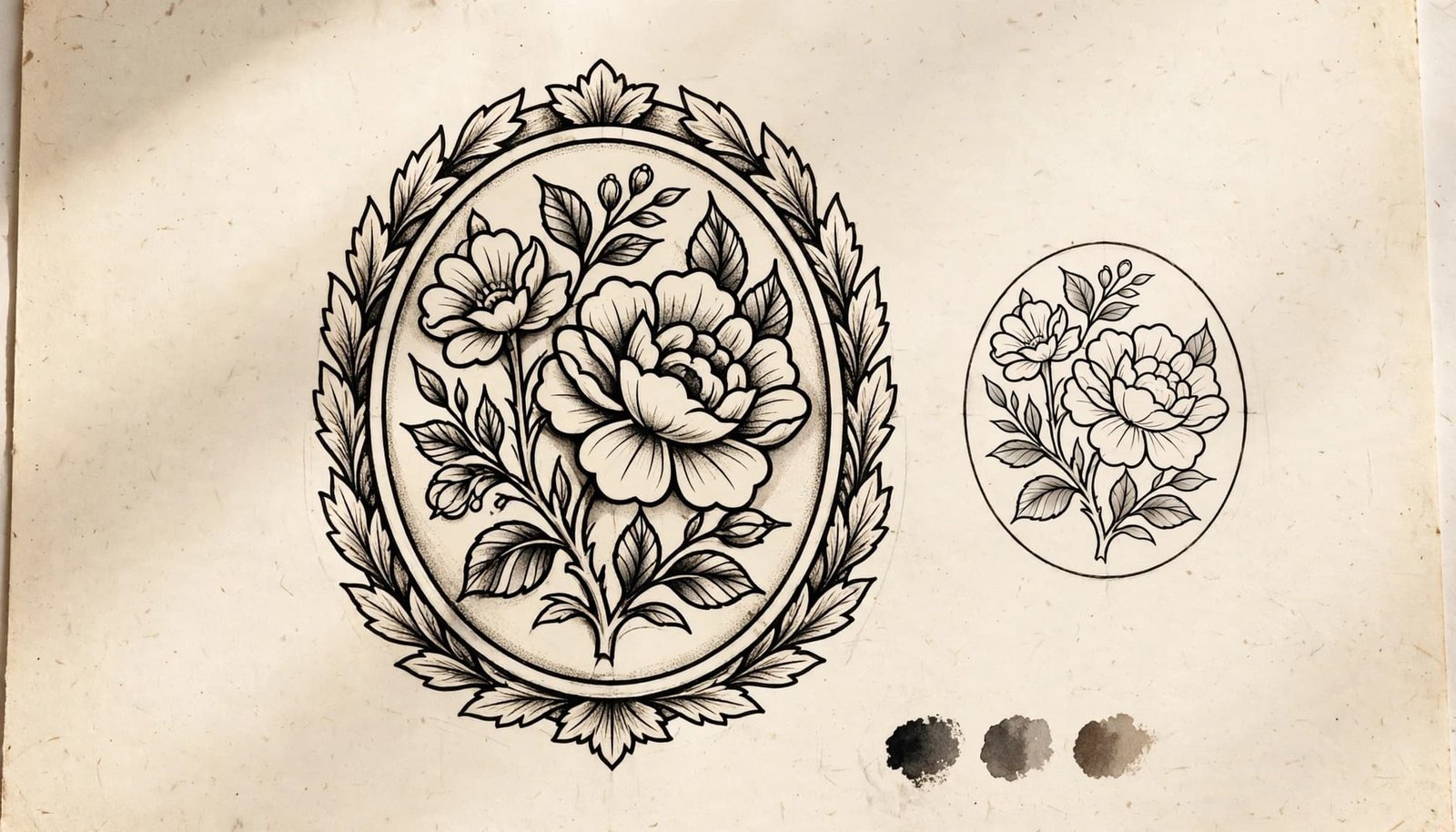
A skilled tattoo artist can simplify a reference image without removing its vintage character. They might reduce the number of petals, widen a narrow ribbon, remove tiny background marks, or combine several shades into one controlled shadow. The finished design can still feel ornate, but every detail has a job.
Black outlines and controlled shading often hold up better than designs built from many nearly identical fine details. Heavy texture, crowded patterns, and overly delicate single-needle work may become harder to read as ink spreads and skin changes. Tiny lettering has the same problem, especially when a long phrase is squeezed into a small banner or locket.
Before approving the sketch, check whether:
- The main subject is recognizable at a quick glance.
- Each petal, leaf, facial feature, or ornament has enough separation.
- The smallest details are large enough to remain useful after healing.
- The design uses strong contrast instead of relying on faint gray lines.
- Any lettering is short, spacious, and easy to read.
- The tattoo still looks attractive if a few fine details soften.
For additional skin-care guidance, the American Academy of Dermatology provides information about tattoos and tattooed skin.
Plan for natural changes, fading, and future touch-ups
Every tattoo changes gradually. Sun exposure can fade ink, while normal skin changes may affect texture and shape over the years. The AAD recommends broad-spectrum, water-resistant sunscreen with SPF 30 or higher on healed tattoos exposed to sunlight. Avoid tanning beds and sunlamps, which can also fade ink and damage skin.
A touch-up can be part of long-term tattoo care, not proof that the original work failed. Color may need refreshing, or an artist may reinforce a softened outline after several years. Still, a strong design should look appealing before any future maintenance becomes necessary.
Choose a tattoo that can age gracefully, rather than one that depends on every tiny detail staying perfect.
Let the tattoo heal fully before judging its final appearance. Fresh ink can look sharper, darker, or more swollen than it will after recovery. Photograph the healed tattoo in natural light, then show the image to your artist if you notice fading, blurred edges, or uneven color. They can tell you whether a touch-up would improve the design or whether the changes are simply part of normal aging.
Good aftercare, sun protection, and a readable original sketch give your vintage tattoo the best chance of staying beautiful through every stage of life.
Choose a Safe Tattoo Studio and Care for Your New Ink
A beautiful vintage tattoo begins with a safe studio and a realistic healing plan. Choose a licensed, experienced artist whose portfolio includes healed work, not only fresh tattoos. Their designs should also show confidence with classic roses, cameos, swallows, portraits, or other vintage motifs you are considering.
Questions to ask before booking the appointment
During your consultation, ask how often the artist tattoos mature skin and whether they can show healed examples from several months or years after the appointment. Fresh ink can look impressive, but healed work reveals how well the artist handles line weight, shading, color, and natural changes in skin.
Discuss the recommended size and placement before approving the design. Ask how much detail the area can support, how painful the location may feel, how long the appointment should take, and what the estimated cost includes. You should also understand the artist’s touch-up policy, including when a free or reduced-cost correction applies.
Ask what type of ink they use and whether they can provide ingredient information. Tell the artist about allergies, eczema, psoriasis, keloid scarring, diabetes, medications, immune conditions, or previous reactions to cosmetics and adhesives. If you have a healing concern or a medical condition that could affect the appointment, speak with a healthcare professional first.
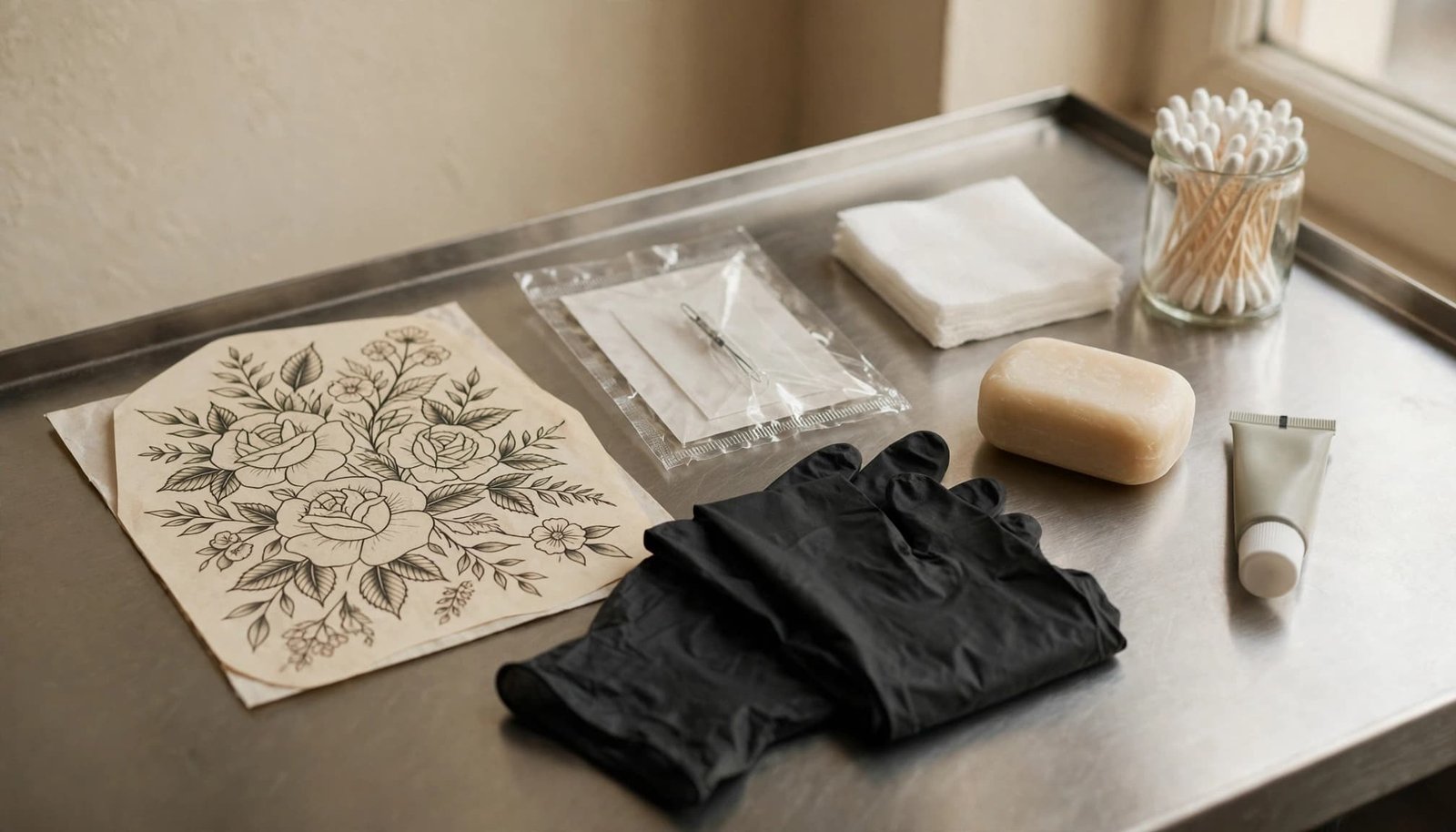
A responsible studio should use clean equipment, fresh gloves, sealed single-use needles, and appropriate sterilization procedures. The artist should explain aftercare clearly and answer questions without rushing you. If the shop avoids basic safety questions, pressures you to book immediately, or offers an unusually low price, treat that as a warning.
A short consultation can reveal more about an artist’s professionalism than a polished social media feed.
Mature skin can heal more slowly, and even careful work can cause irritation or an allergic reaction. A good artist will discuss those possibilities instead of promising a completely risk-free result.
Simple aftercare for a clean, lasting result
Follow the artist’s instructions for the initial dressing, since the recommended wear time depends on the covering they used. When it’s time to remove it, wash your hands first. Then gently clean the tattoo with warm water and mild, fragrance-free soap. Pat the area dry with a clean paper towel or soft cloth, rather than rubbing it.
Apply a small amount of suitable fragrance-free moisturizer once the skin is ready. A thin layer is enough, because heavy ointment can trap moisture and irritate the area. Avoid alcohol-based products, harsh scrubs, and thick layers of petroleum-based products unless your artist or healthcare professional specifically recommends them.
While the tattoo heals, don’t scratch, pick, peel, soak, or expose it to direct sun. Skip pools, hot tubs, baths, and natural bodies of water. Wear loose, breathable clothing so waistbands, bra straps, sleeves, or rough fabric don’t rub the area.
Some redness, tenderness, flaking, and mild swelling can occur during normal healing. However, contact a medical professional if redness spreads, swelling worsens, pain increases, pus appears, the area feels hot, or you develop fever, chills, or red streaks. Once the tattoo has fully healed, apply broad-spectrum, water-resistant SPF 30 or higher when it will be exposed to sunlight. Consistent sun protection helps slow fading and keeps the vintage details clearer for longer.
Conclusion
The best vintage-inspired tattoo for a woman over 40 is one that feels personal, readable, and comfortable to wear. Florals and botanical designs offer timeless softness, while nautical symbols can express direction, strength, or a return home. Keepsakes, portraits, and whimsical icons add room for memories, personality, and a little old-fashioned charm.
Thoughtful placement helps the design fit your daily life, whether you prefer a visible forearm tattoo or a more private piece on the upper arm, back, or thigh. A bold, readable design with open space can support graceful aging, while careful aftercare and sun protection help preserve its appearance. Take your time choosing an artist, just as you would with other examples of intentional shopping after 40.
Most importantly, let the tattoo reflect the woman you are now, not who you were expected to be. Your story, comfort, and personal style should guide the final choice.
Save pin for later


- 30 Trendy Tattoo Ideas for 2026: Styles and Placement - September 27, 2026
- 30 Gorgeous Fine Line Tattoo Ideas to Try - September 27, 2026
- 25 Fine Line Tattoo Ideas for Women With Meaning - September 22, 2026
Leave a Reply