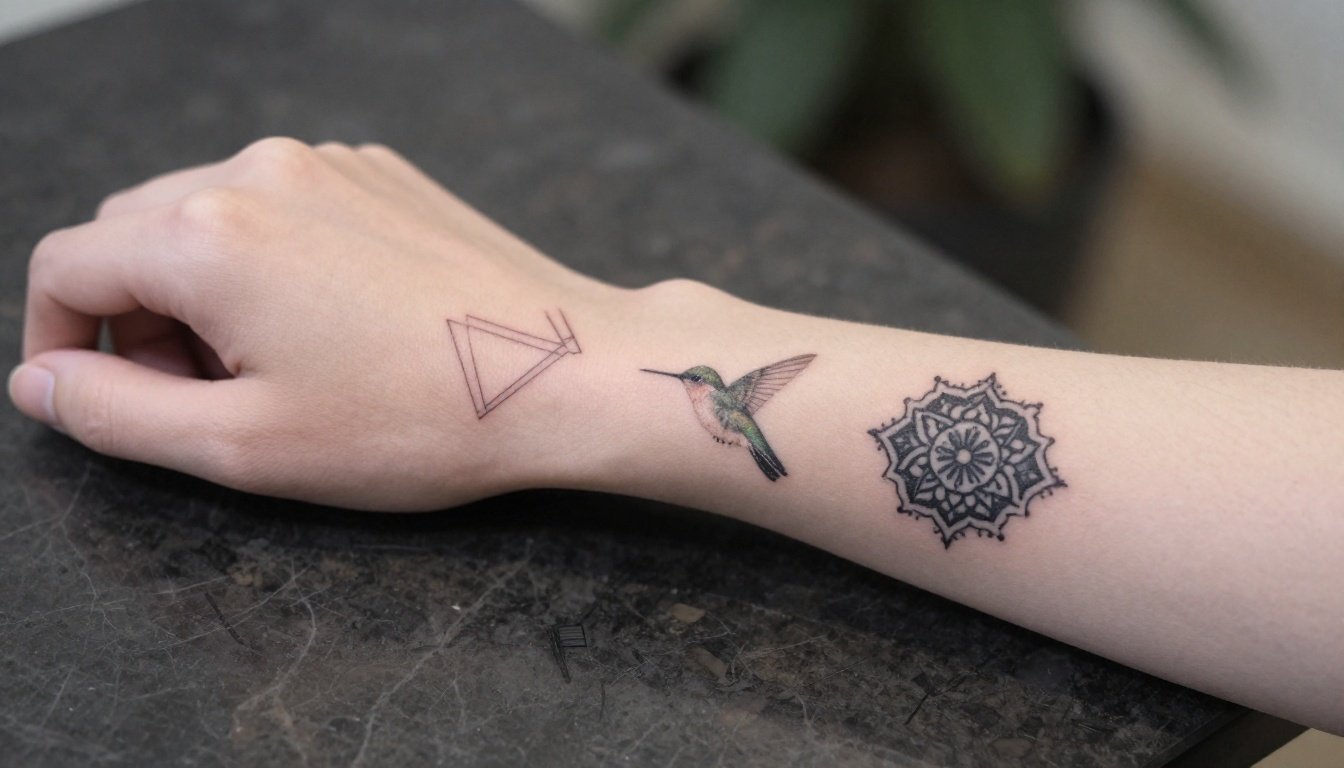
30 Trendy Tattoo Ideas for 2026: Styles and Placement
In 2026, tattoo trends favor smaller, cleaner, more personal designs instead of copying one viral style. The best ideas feel current while still fitting your story, your body, and the way your taste may change over time.
This collection brings together fine-line, micro-realism, botanical, ornamental, cyber sigilism, patchwork, controlled color, bold blackwork, and meaningful custom tattoo ideas. Each design includes a suggested placement and a style note, so you can picture how it might look on your skin and discuss it clearly with your tattoo artist. Start with the ideas that feel personal, then explore the first designs below.
30 Trendy Tattoo Ideas for 2026 to Inspire Your Next Design
The strongest 2026 tattoo ideas balance visual appeal, personal meaning, clear lines, and long-term readability. Use these concepts as starting points, then adjust the scale, placement, and details with your artist.
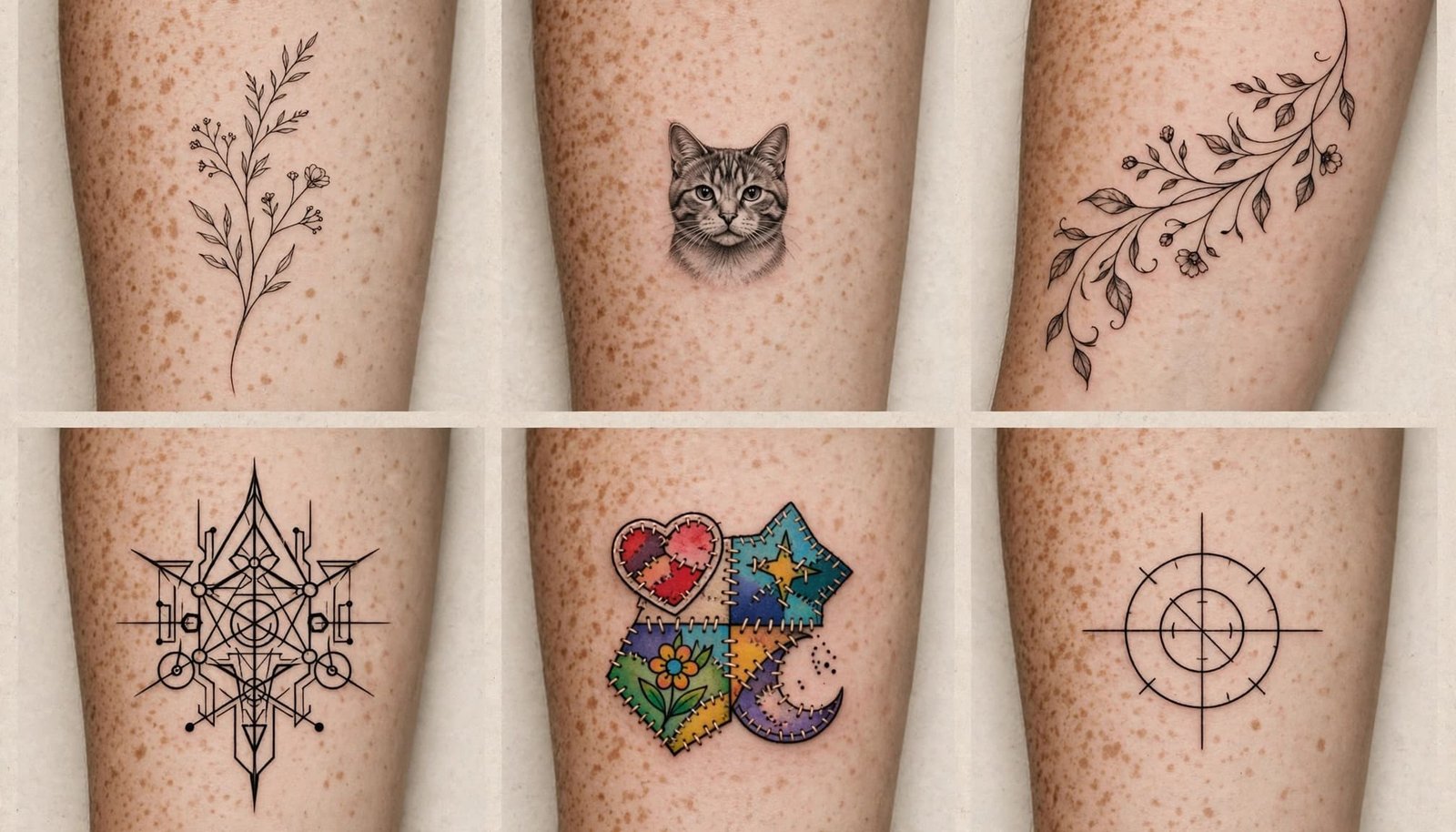
Fine-Line Minimal Tattoos That Feel Delicate but Intentional
Modern fine-line tattoos are becoming more structured and readable. Slightly stronger lines and open space often age better than extremely faint work packed with tiny details.
- A birth flower stem on the inner forearm feels personal in 2026; choose palm-sized, black and gray linework.
- A tiny single-word script on the rib or collarbone offers quiet meaning; keep it 1 to 2 inches and black and gray.
- A wrist constellation with one personal star gives celestial style a custom detail; use a 1-inch black and gray design.
- A minimalist sun and moon pairing suits the ankle; keep it 1 to 2 inches with black outlines and a small color accent.
- A fine-line abstract face on the upper arm feels artistic and current; choose 2 to 3 inches in black and gray.
Ask to see healed examples, not only fresh tattoo photos, before booking delicate work.
Micro Realism Ideas for Tiny Portraits, Pets, and Favorite Objects
Micro realism needs a skilled artist because small details can blur as the tattoo heals. Strong focal points, simple shapes, and enough room around the image help the design stay readable. A palm-sized piece usually holds detail better than a coin-sized one.
- A miniature pet portrait on the inner forearm carries emotional meaning; choose palm-sized black and gray for clearer features.
- A tiny eye or facial profile on the upper arm feels expressive and modern; use 2 inches in black and gray.
- A realistic seashell on the ankle brings a coastal memory to life; choose 2 to 3 inches in muted color or graywash.
- A small camera or book on the forearm suits travelers and readers; use palm-sized black and gray with simple shading.
- A micro-realism flower with shaded petals adds softness to the shoulder; choose 3 inches with controlled color or graywash.
Botanical and Ornamental Tattoos That Follow the Shape of the Body
Placement can make a tattoo feel connected to the body instead of sitting on top of it. Blackwork, fine-line, and limited color all work well, especially when the flower has personal meaning.
- A trailing wildflower vine along the ribs follows the torso naturally; choose 5 to 7 inches in black and gray.
- A birth-month flower bouquet on the shoulder creates a personal focal point; use palm-sized fine-line color or blackwork.
- A herb sprig on the wrist feels simple and recognizable; keep it 2 inches in black and gray.
- An ornamental sternum design inspired by lace or jewelry suits centered placement; choose 4 to 6 inches in blackwork.
- A geometric leaf band around the forearm or ankle creates structure; use a 1-inch band in black and gray or limited color.
Flowers can honor a birth month, family connection, favorite memory, or meaningful place.
Cyber Sigilism and Bold Blackwork for a Futuristic Look
Cyber sigilism blends sharp, organic, circuit-like lines with a futuristic mood. Limb wraps, ribs, collarbones, and the spine suit designs with strong directional flow.
- A sharp cyber sigilism wrap on the outer forearm feels graphic and current; choose 5 to 7 inches in blackwork.
- A symmetrical futuristic symbol down the spine creates a strong vertical design; use 6 to 10 inches in black and gray.
- A rune-like design around the calf follows the leg’s shape; choose 4 to 6 inches in solid black.
- A negative-space blackwork sun on the upper arm offers contrast; use palm-sized blackwork with minimal gray.
- A bold blackout panel with a small negative-space symbol creates a dramatic statement; choose 3 to 5 inches in blackwork.
Blackout and heavy blackwork require careful planning, experienced execution, and more demanding healing care. Follow professional aftercare advice, such as the American Academy of Dermatology’s tattoo care guidance.
Patchwork, Color, and Y2K-Inspired Pieces to Build Over Time
Patchwork looks best when spacing, scale, and a shared theme are planned before you book several pieces. Travel, music, nature, and nostalgic objects can connect separate tattoos without making them identical.
- A curated sticker sleeve of tiny symbols builds gradually; use 1 to 2-inch black and gray pieces.
- A red accent heart inside a black-line design adds controlled color; choose 2 inches on the forearm.
- A cobalt blue star or chrome-inspired Y2K charm feels nostalgic; use 2 to 3 inches in color.
- A colorful mini butterfly or flower brings softness to a patchwork set; choose 2 inches in a limited palette.
- A black-and-color patchwork cluster on the upper arm creates a balanced collection; use mixed 1 to 3-inch pieces.
Choose colors because they suit your design and skin, not because they happen to be trending.
Meaningful Custom Tattoos Built Around Identity and Memory
Personalization is one of the strongest tattoo directions for 2026. Give your artist a story, reference images, and emotional details instead of requesting an exact copy. A simple symbol can carry more meaning and age more clearly than a crowded design.
- Coordinates for a meaningful place create a discreet memory; use 2 to 3 inches in black and gray.
- A memorial stem with initials honors someone important; choose 3 inches on the inner forearm in black and gray.
- A short quote in the wearer’s handwriting feels intimate; place it along the ribs or collarbone in black and gray.
- Matching but not identical symbols suit two people; choose 1 to 2 inches each in black and gray or shared accent color.
- A custom emblem combining several personal interests creates a one-of-a-kind design; use palm-sized blackwork or limited color.
How to Choose the Right Tattoo Idea for Your Style and Story
A trend should give you a direction, not make the decision for you. Start with the designs that catch your eye, then ask whether the subject, style, and placement still feel right when connected to your own story.
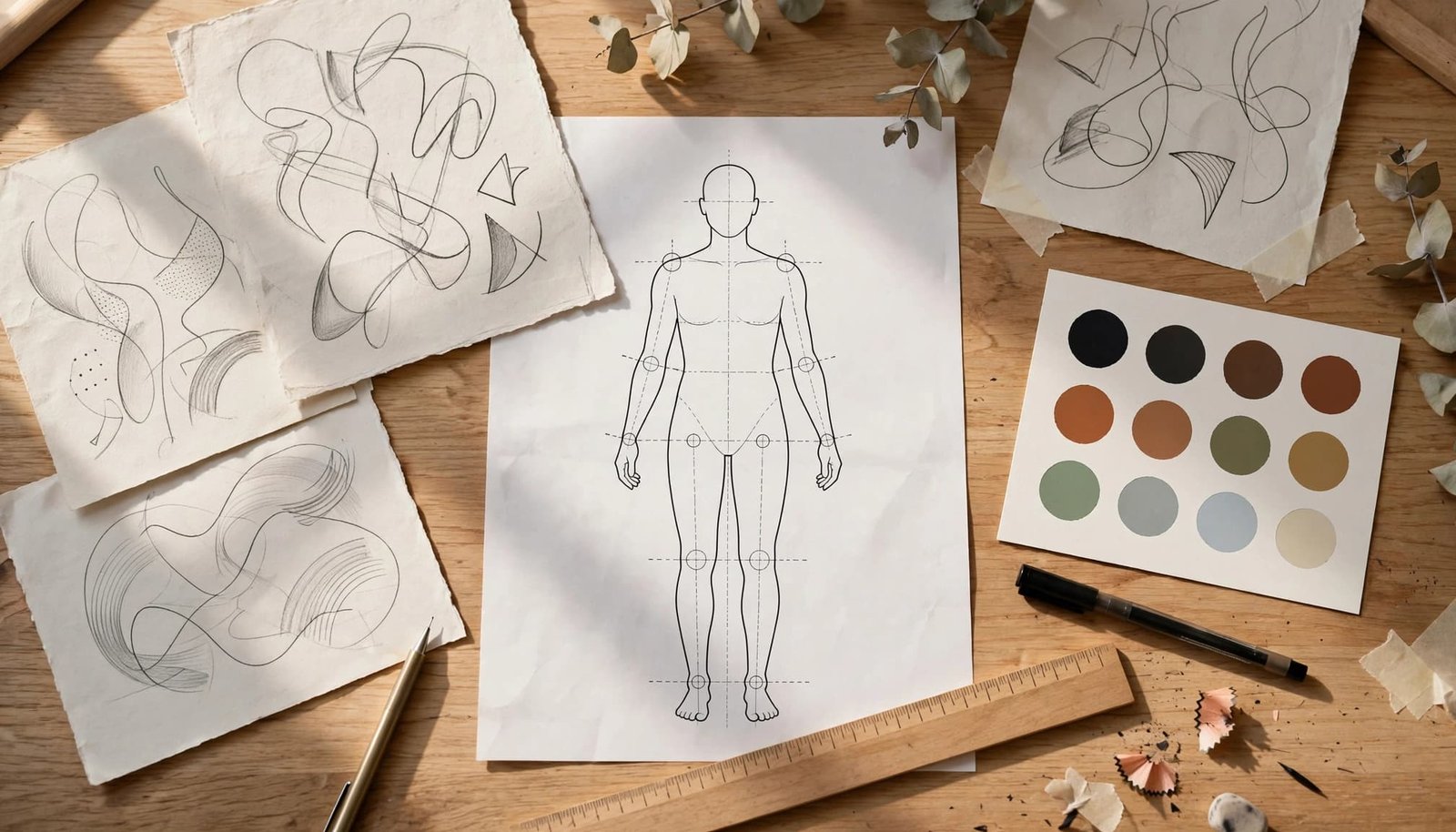
Match the Tattoo Style to the Feeling You Want to Carry
Before saving dozens of references, choose three words for the mood you want your tattoo to hold. Words such as gentle, nostalgic, sharp, elegant, strange, or strong can guide your choices more clearly than a trend name alone.
Fine-line and botanical designs often feel quiet and poetic, especially when they use open space and simple outlines. Micro realism can preserve the likeness of a person, pet, place, or treasured object. Ornamental work feels decorative and elegant, while cyber sigilism brings a futuristic, angular quality. Bold blackwork creates a heavier visual presence and can feel powerful from across the room.
Use your three words to compare references, colors, and shapes. For example, “soft, personal, natural” may lead you toward a small birth flower in fine-line work. “Futuristic, sharp, intense” may point toward black cyber sigilism with strong angles.
The best tattoo often combines a current style with a personal subject. A popular look gives the design a visual language, while your memory, relationship, belief, or identity gives it a reason to exist.
Choose Placement Based on Visibility, Movement, and Pain Tolerance
Placement changes the way a tattoo reads. An inner forearm keeps a meaningful design visible throughout the day, while an upper arm or shoulder offers more flexibility with clothing and future additions. The ankle and wrist create small, noticeable accents, but both areas experience regular movement and contact with shoes, watches, or sleeves.
Ribs, collarbone, and spine create striking compositions for sentimental or decorative work. They also sit closer to bone and may feel more intense during the appointment. A calf gives larger designs room to breathe, while the spine naturally supports narrow, vertical artwork.
Visible placements suit people who want to enjoy their tattoos often. More private areas can feel better for memorial designs, relationship symbols, or images that carry personal meaning without inviting daily questions.
Skin movement, clothing friction, hand use, and sun exposure can affect healing and long-term appearance. Fresh tattoos need protection from direct sunlight until the skin closes. After healing, broad-spectrum SPF 30 or higher helps protect exposed ink, as recommended in the American Academy of Dermatology’s tattoo care guidance. Ask your artist to apply a stencil first, then move naturally and view it from several angles before approving the placement.
Plan the Size, Details, and Future Collection Before You Book
Small tattoos have limits. Fine text, tiny shading, and complex patterns can lose clarity when compressed into a coin-sized design. Give important details enough room, especially if you want the tattoo to remain readable as your skin changes over time.
If you plan a patchwork collection, leave intentional open space between pieces. Also consider whether your first tattoo will compete with future work on the same arm, leg, or shoulder. Clear references help your artist understand your taste, but the final drawing should be adjusted for your body’s shape rather than copied without changes.
Bring these details to your consultation:
- The final subject and the personal meaning behind it.
- Your preferred tattoo style and any styles you want to avoid.
- The exact placement and whether you need the design to stay discreet.
- An approximate size, measured in inches or compared with your palm.
- Your color plan, such as black and gray, one accent color, or a limited palette.
- A realistic budget that includes the artist’s minimum and possible touch-ups.
When the concept, placement, size, and budget agree, inspiration becomes a tattoo you can live with confidently.
What Helps a Trendy Tattoo Stay Sharp After It Heals
No tattoo stays exactly the same forever. Artist technique, ink placement, skin type, sun exposure, friction, design size, and aftercare all shape the final result. A trendy tattoo can age beautifully, but its long-term clarity begins with realistic planning before the appointment.
Review Healed Tattoo Photos, Not Just Fresh Studio Pictures
Ask your artist for photos taken several months after the appointment, especially if you want fine-line, micro-realism, color, or small script work. Fresh tattoos often look darker, sharper, and more defined because the ink sits in newly irritated skin. Once the skin settles, some lines soften and colors can appear less intense.
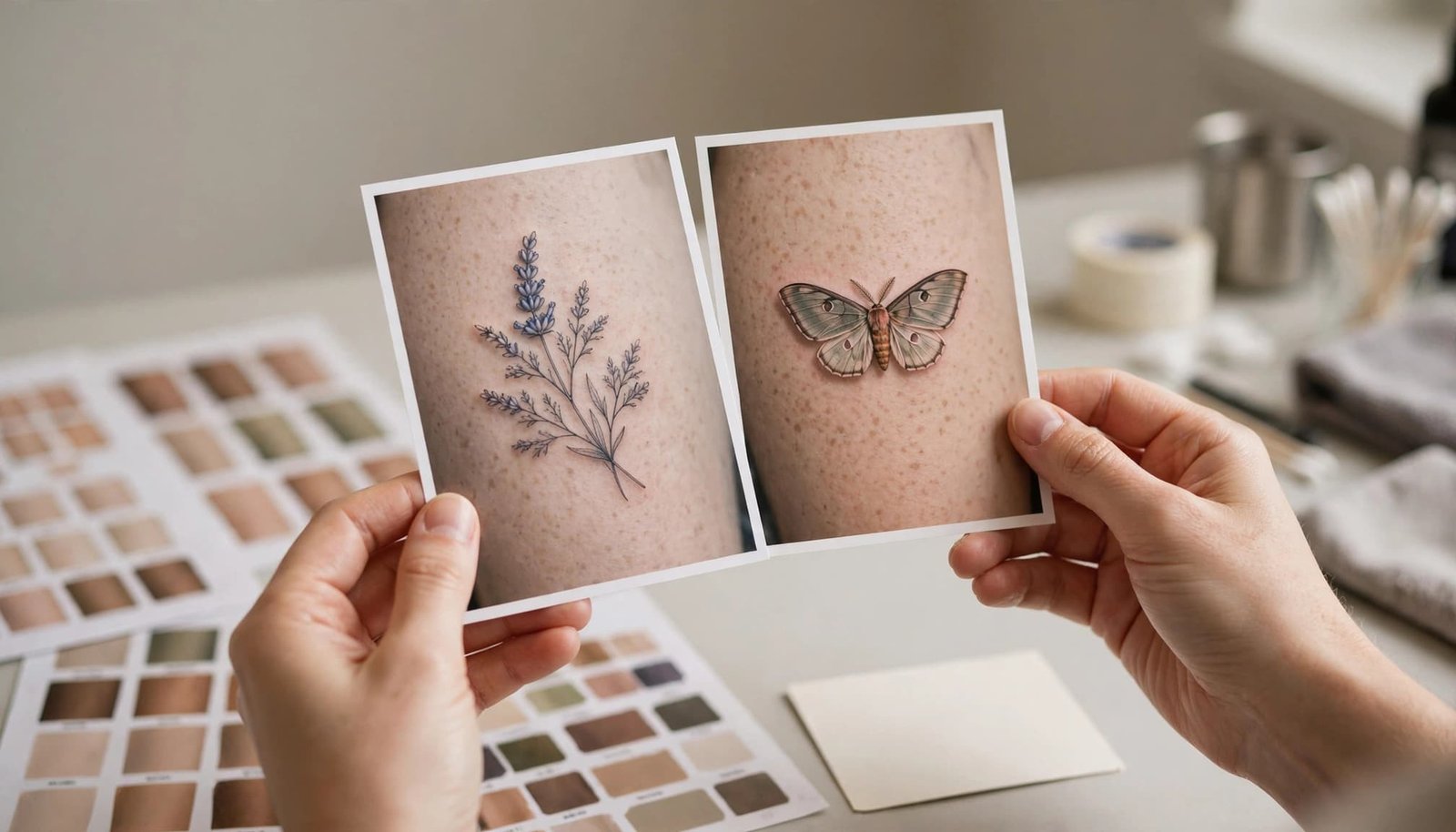
Study the healed images closely. Do the lines remain clear? Can you still recognize the face or pet? Do the colors look balanced, or has one shade faded faster? Is there enough negative space between details, or have nearby marks started to visually merge?
Your artist’s portfolio should match the exact style and body placement you want. A person who creates beautiful large blackwork may not be the right choice for tiny script on the wrist. Ask to see healed work on similar skin areas, since movement, friction, and sun exposure differ across the body.
Follow Simple Aftercare While the Skin Repairs Itself
Follow your artist’s written instructions first, because products and healing timelines can vary. In general, wash the tattoo gently with clean hands and mild soap, pat it dry, and keep the area clean. Avoid picking, scratching, or peeling flakes, even when the skin feels itchy.
Keep the tattoo out of pools, hot tubs, baths, and other soaking water while it heals. Avoid direct sun during this stage, and don’t apply sunscreen to open or healing skin unless a qualified professional tells you otherwise. Loose clothing can also prevent rubbing and sticking.
After the tattoo heals, protect exposed ink with broad-spectrum, water-resistant SPF 30 or higher. The American Academy of Dermatology’s tattoo care guidance recommends applying sunscreen before sun exposure and reapplying it regularly.
Heavy blackwork, saturated color tattoos, and detailed small designs deserve careful healing. Uneven healing can affect solid coverage, color balance, and fine details. If you notice spreading redness, worsening pain, pus, red streaks, fever, or other unusual symptoms, contact a qualified medical professional.
Know Which Design Choices May Fade, Blur, or Need More Maintenance
Ultra-thin lines, tiny text, crowded details, and pale colors need realistic expectations. Repeated friction can also affect tattoos on the fingers, hands, feet, ankles, waist, and areas covered by tight clothing or watchbands.
Strong contrast and sensible spacing give a design more room to stay readable. A slightly larger tattoo may preserve details better than a miniature version, especially when the design includes faces, lettering, or layered shading. Your artist can suggest a size that fits both the artwork and the placement.
Blackout tattoos and dense blackwork are major visual commitments. They may be difficult to cover, redesign, or remove, so discuss the choice carefully before booking. Ask your artist how the piece may change, whether touch-ups are likely, and how to protect it from sunlight over time. The goal is not to freeze your tattoo in its fresh-studio appearance. It is to choose a design with enough structure to remain clear as your skin and style change.
How to Prepare for a Safe and Thoughtful Tattoo Appointment
A good tattoo appointment begins before you enter the studio. Research the artist, discuss the design clearly, check hygiene practices, and give yourself enough time to change your mind. A few careful decisions now can protect both your skin and your confidence in the finished piece.

Choose an Artist Who Regularly Works in Your Desired Style
A talented tattoo artist is not automatically the right artist for every style. Someone known for delicate fine-line work may not have the technique or stamina needed for a clean blackout tattoo. Likewise, a realism specialist may not be the best fit for ornamental geometry, where symmetry, spacing, and consistent pattern work matter most.
Review the artist’s healed portfolio, not only fresh studio photographs. Look closely at line quality, shading, color saturation, composition, and how well small details remain readable after healing. Ask to see work on body areas similar to yours, since skin movement, friction, and curvature can change the result.
You should also ask how the artist adjusts designs for different skin tones and body shapes. A thoughtful artist will explain how contrast, color selection, line weight, and placement affect visibility. Custom design examples can show whether they create original work or simply reproduce reference images.
Book a consultation before paying a deposit for a large or highly visible piece. Use that conversation to discuss your references, personal meaning, preferred size, placement, and any styles you want to avoid. You should leave with a clear idea of the artist’s process and enough comfort to make an informed decision.
A strong portfolio shows what an artist can do. A focused consultation shows how they will approach your tattoo.
Ask Clear Questions About Price, Timing, Hygiene, and Touch-Ups
Tattoo pricing varies by location, artist experience, studio minimum, size, detail, color, and the time required. Ask how the artist calculates the quote instead of comparing one number with another. Also clarify the estimated appointment length, deposit rules, cancellation policy, consultation fees, and what happens if the design needs substantial changes.
Before the appointment, ask:
- Whether the deposit applies to the final cost and when it becomes nonrefundable.
- How many sessions the design may require.
- Whether touch-ups are included, and which situations create an additional charge.
- What aftercare instructions you will receive before leaving.
- Which ink brand, colors, and lot information the studio can provide.
A very low quote should not outweigh cleanliness, experience, or portfolio quality. During your visit, look for a clean work area, fresh gloves, sealed supplies, and a brand-new sterile needle opened for your appointment. Washington State’s tattoo safety guidance also advises clients to confirm that artists use a new sterile needle for every tattoo.
If the studio avoids basic hygiene questions or rushes you through consent and design approval, take that discomfort seriously. You can leave and find another artist.
Give Yourself Time to Test the Design Before Making It Permanent
Live with the idea before you make it permanent. Set the design as your phone wallpaper, print a stencil, try a temporary tattoo, or use a placement mockup to see how it looks while you move through a normal day. Check it in different lighting and from the angles other people will see.
Wait longer if the design comes from a sudden emotion, a recent relationship, or a short-lived trend. A tattoo can still feel current while carrying a lasting connection to a value, memory, place, or personal symbol. That foundation gives a trendy style more staying power.
If the design feels crowded, awkward, or less meaningful after several weeks, revise it before booking. Changing the artwork before the appointment is always easier than changing it afterward.
Conclusion
The best tattoo ideas for 2026 balance current style with lasting personal meaning. Fine-line and micro realism offer delicate detail, while botanicals and ornamental work follow the body’s natural shape. Cyber sigilism, patchwork, controlled color accents, and bold blackwork bring stronger visual character. Custom symbols, initials, coordinates, and meaningful subjects give each design a reason to stay relevant beyond the trend cycle.
The most memorable tattoo isn’t always the loudest or newest. Pair a style with something that belongs to your story, then choose an artist who regularly works in that style. Confirm the placement and size, review healed examples, and follow your artist’s aftercare instructions so the design has the best chance to age well. A thoughtful tattoo should still feel like yours long after 2026.
Save pin for later


- 30 Trendy Tattoo Ideas for 2026: Styles and Placement - September 27, 2026
- 30 Gorgeous Fine Line Tattoo Ideas to Try - September 27, 2026
- 25 Fine Line Tattoo Ideas for Women With Meaning - September 22, 2026
Leave a Reply