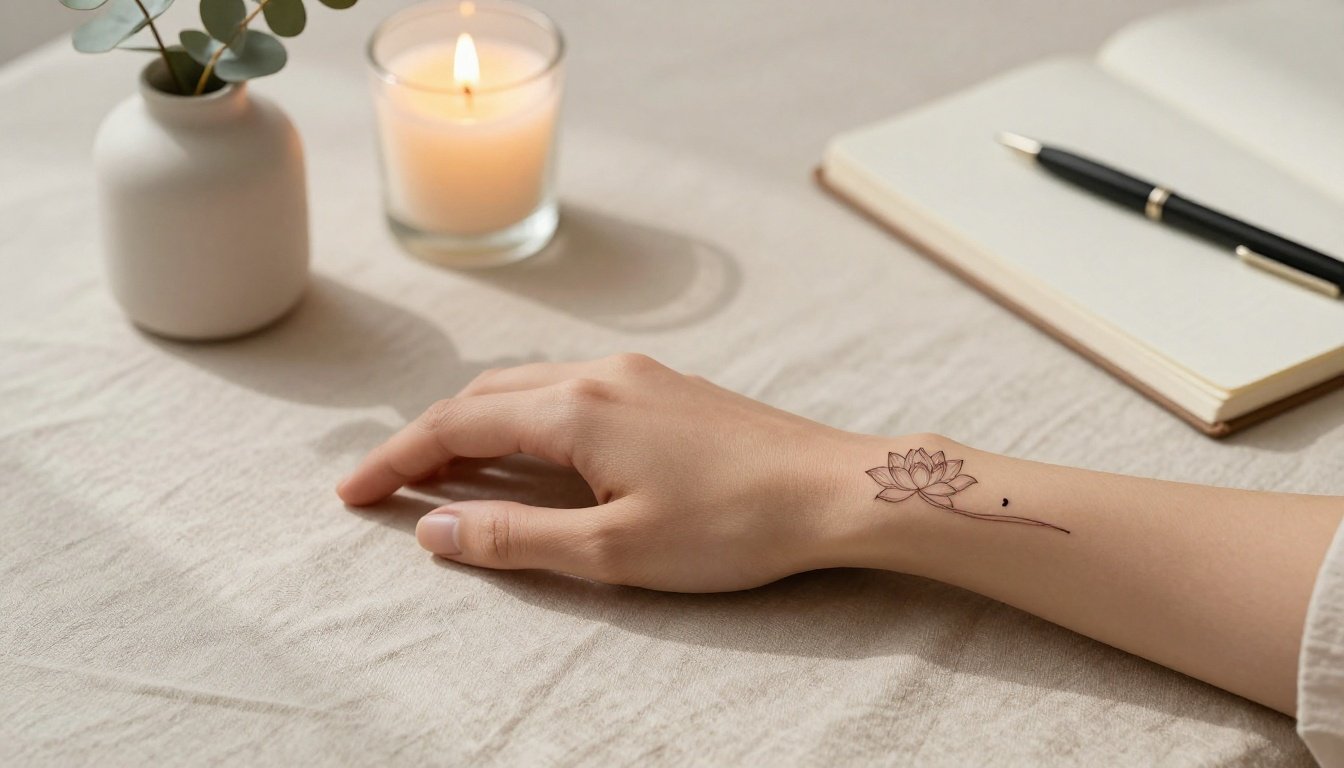
20 Tattoo Ideas for Women Overcoming Hard Times
Hard times can change you, but they don’t have to define you. For many women, a tattoo offers a personal way to mark survival, healing, or a fresh start, whether it’s a small symbol tucked behind the ear or a meaningful design placed where you can see it every day.
A tattoo can’t erase a difficult experience, and it isn’t a replacement for therapy, medical care, or time. Still, it can remind you of the strength it took to keep going and the progress you’ve made since then. The ideas ahead include nature symbols for renewal, mental health imagery, empowering designs, short quotes, and thoughtful placement options. You’ll also find practical aftercare guidance, including how to clean fresh ink, protect it while it heals, and recognize signs that need medical attention. If you’re still processing what happened, consider pairing your tattoo decision with self-care activities for emotional healing.
Start with these 20 tattoo ideas for women who want their ink to carry a personal reminder of hope, courage, and moving forward.
Key Takeaways
- Choose a tattoo symbol that reflects your healing, such as a butterfly, lotus, semicolon, phoenix, or meaningful phrase.
- Personal details, including placement, size, and color, can make your design feel more connected to your experience.
- Give yourself time before booking, especially if the tattoo relates to recent trauma or major emotional changes.
- Choose a licensed artist, follow aftercare instructions, and watch for worsening redness, bumps, fever, swelling, or breathing problems.
- Pair your tattoo decision with healthy alternatives to emotional spending when shopping feels like a coping habit.
10 Tattoo Ideas for Women Overcoming Hard Times
The right tattoo can hold a personal story without explaining every detail to anyone else. These symbols may suggest healing, survival, or change, but you decide what they mean in your life.
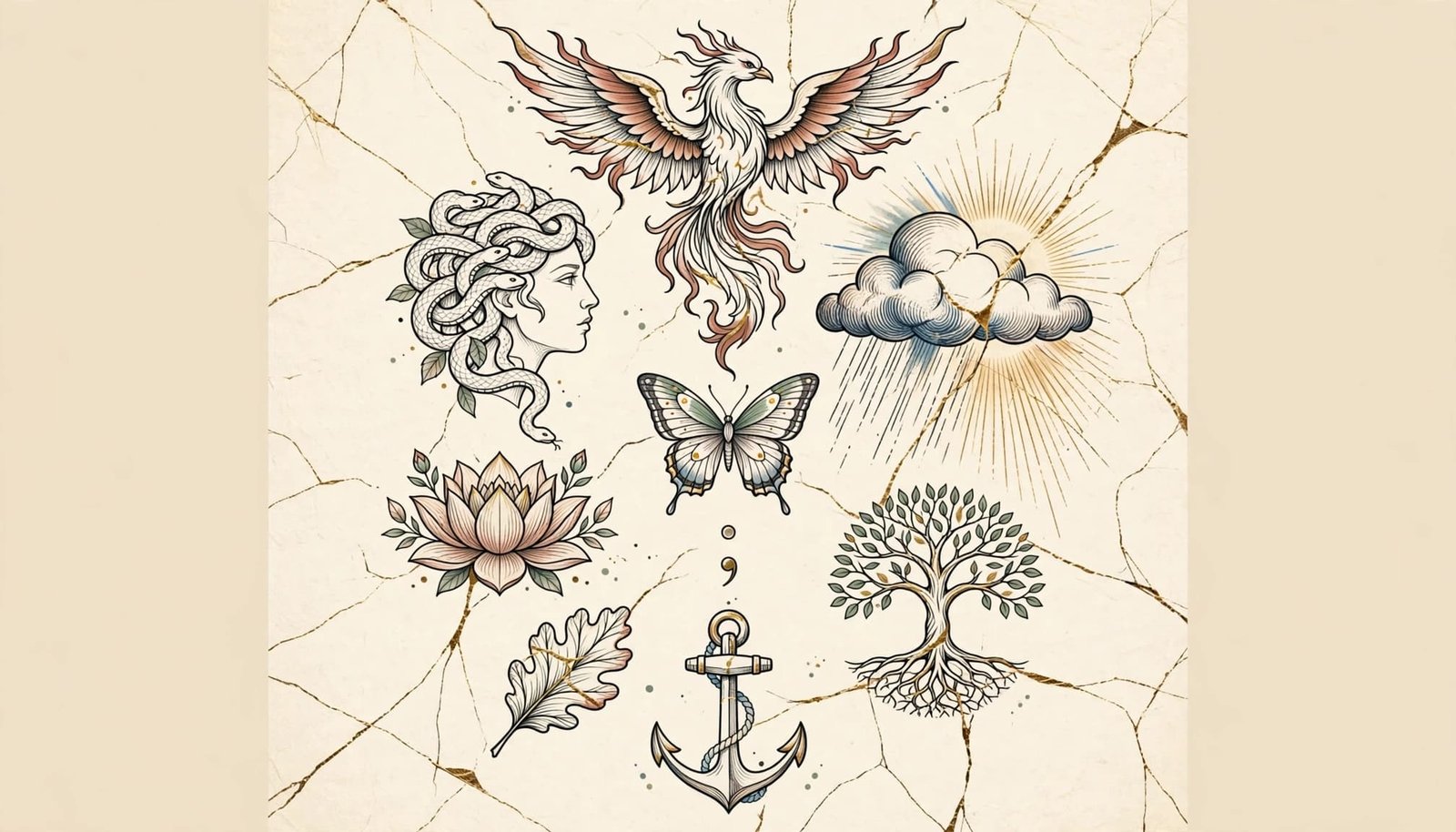
Phoenix, lotus, and butterfly designs for a new beginning
A phoenix tattoo can honor the decision to begin again after loss, heartbreak, burnout, or a major life change. You might choose a rising bird to show that your past shaped you without controlling your future. Fine-line feathers, soft shading, or a small flame detail can keep the design graceful without making it overly delicate. The ribs, shoulder blade, or upper arm gives the phoenix room to move.
The lotus grows in muddy water before opening above the surface, so it can reflect beauty that develops through difficult conditions. This idea may suit someone who has endured family conflict, illness, grief, or years of self-doubt. Add thin botanical details, a short stem, or muted color around the petals. A lotus also works well on the wrist, ankle, or back of the neck.
A butterfly suggests visible transformation, but it doesn’t have to mean becoming a completely different person. It may mark a new chapter, greater self-trust, or the freedom to live beyond an old identity. Consider a single butterfly with fine-line wings, asymmetrical details, or bold color that reflects your personality.
Semicolon, tree of life, and anchor tattoos for lasting strength
A semicolon tattoo can honor mental health recovery and the choice to keep your story going. Still, its meaning isn’t limited to one diagnosis or experience. You may connect it to surviving a painful period, asking for help, or choosing another day. A tiny semicolon behind the ear, on the finger, or along the inner wrist offers a private reminder. For background and support, the American Foundation for Suicide Prevention’s resources can help you learn about mental health and crisis care.
The tree of life can hold several meanings at once: roots may suggest family, the trunk can reflect endurance, and new branches can point toward growth. Include initials, small leaves, or roots shaped like waves to make the design yours. The shoulder, forearm, or side of the rib cage provides space for detail.
An anchor is a steady symbol for emotional storms. It may remind you of a trusted person, a safe home, or the routines that helped you stay grounded. Choose a simple anchor with a botanical rope, a small heart, or a meaningful date. Private placement near the hip or upper thigh can work well when the story feels personal.
Kintsugi, Medusa, oak leaves, and storm imagery for reclaimed power
Kintsugi-inspired lines use gold or fine cracks to show that repaired parts can remain beautiful. The design may reflect healing after betrayal, grief, illness, or a period when life felt broken. Keep the tattoo clean by placing a few lines through a flower, moon, or abstract shape rather than filling every space.
Medusa can symbolize protection, survival, sexuality, anger, or reclaiming power after harm. Because her meaning varies across cultures and personal experiences, choose the image thoughtfully. A subtle profile with snake details can feel more personal than a large portrait.
An acorn or oak leaf suits a quieter story of resilience. It can honor patience, steady growth, and strength that developed out of sight. Storm clouds opening to sunlight offer another option for surviving a hard season. Combine one main symbol with a small supporting detail, such as an oak leaf beneath a cloud, so the design stays clear instead of crowded.
More meaningful tattoo ideas for women who are healing and moving forward
The next ideas focus on personal meaning rather than trends. A simple symbol can hold a private story, while a small detail can make the design feel like it belongs only to you.
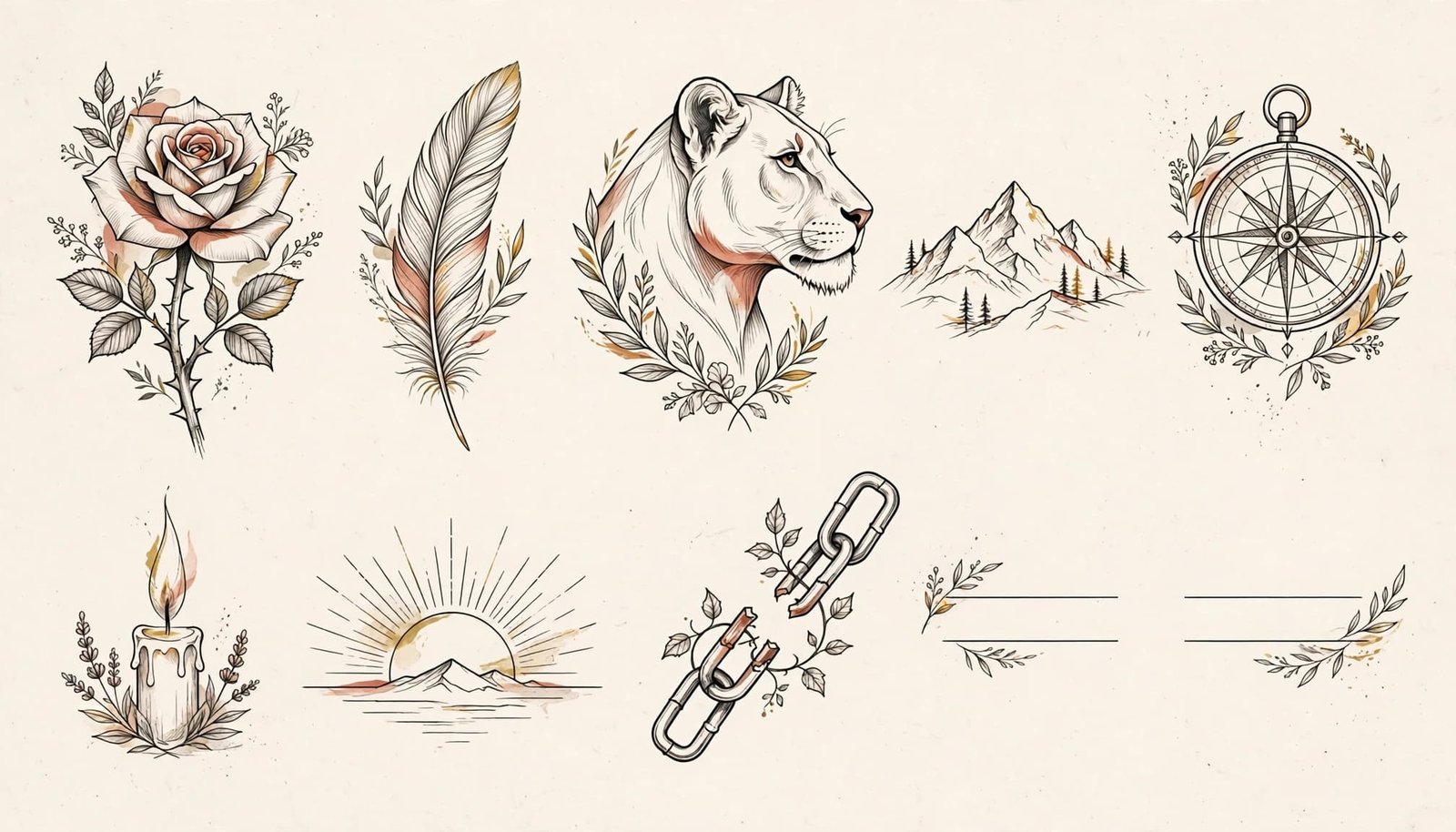
Rose, feather, lioness, and mountain tattoos that show inner courage
A thorned rose can represent beauty with boundaries. The flower honors tenderness and growth, while the thorns remind you that self-protection is part of healing. Choose a tiny rose on the wrist, ankle, or behind the ear, or create a larger shoulder or thigh piece with leaves, initials, or a meaningful flower woven through the stem.
A feather can suggest freedom after feeling trapped. Fine-line work suits a discreet design, while a feather breaking into birds or drifting toward the collarbone creates a stronger statement. A lioness brings another kind of strength, symbolizing courage, protection, and the decision to guard your peace. Add a small crown, wildflowers, or the outline of a loved one’s birth flower.
A small mountain range can honor obstacles you climbed one step at a time. Place it along the forearm, ribs, or ankle, and add a sun, trail, or tiny date from a turning point. These designs can honor self-protection without glorifying pain. Your tattoo can acknowledge what happened while keeping the focus on the life you’re building now.
Compass, flame, sunrise, and broken-chain designs for a fresh chapter
A compass fits the feeling of finding your path after being lost. Personalize it with coordinates from a safe place, a meaningful location, or a subtle initial. However, avoid private addresses or information you may not want strangers to read later.
A candle or flame can represent hope that survived a difficult season. Use a single line of flame for a minimalist tattoo, or pair it with a small flower, special color, or meaningful date. A sunrise offers a softer image of a new beginning, especially with rays placed behind a mountain range or horizon line.
A broken chain can symbolize release from an unhealthy situation, limiting belief, or identity that no longer fits. Keep the design small and open, or make it part of a larger piece with leaves growing through the broken links. Personal details should support the meaning, not make the tattoo feel crowded.
Short quote tattoos that offer a daily reminder
Brief wording stays easier to read and leaves more space around the design. “Still I rise” can express persistence, while “Breathe” may offer a grounding reminder during stressful moments. Other phrases might include “Keep going,” “Choose peace,” or words that have meaning in your family or culture.
These tattoos can fit on the wrist, rib, collarbone, forearm, or behind the ear. Before booking, check the spelling, font readability, and translation with a fluent speaker if another language is involved. Read the phrase for several weeks, too. If it still reflects your values later, choose a size and placement that let the words remain clear as the tattoo ages.
How to choose the right healing tattoo, style, and placement
A healing tattoo should feel personal now and still make sense years from now. Before booking an appointment, write down the story behind the design, what you survived, and the reminder you want to carry forward. That short exercise can help you choose a symbol that feels true instead of selecting an image because it is trending.
Also decide whether you want the tattoo to act as a visible reminder or remain private. Your answer will shape the design, size, and placement.
Match the tattoo size and placement to its meaning
A small symbol can hold enormous meaning. A tiny semicolon, star, initial, or flower may give you a private reminder without requiring anyone else to understand it. Larger artwork allows more detail and can tell a fuller story through several connected elements, such as a mountain, sunrise, and trail.
Visible placements, including the wrist and forearm, make the tattoo easy for you to see each day. They may also invite questions and could affect workplace visibility. The ankle and behind-the-ear area suit subtle designs, while the ribs offer more privacy. For larger artwork, consider the back, shoulder blade, upper thigh, or outer thigh.
Placement also affects comfort and healing. Ribs, ankles, and areas close to bone may feel more sensitive, while clothing friction can irritate a fresh tattoo on the waistband, bra line, or ankle. Pain and healing vary by person, skin type, and body area, so ask your artist what to expect from the exact placement you want.
A private tattoo can protect your story, while a visible tattoo can turn it into a daily reminder. Choose based on your life, not someone else’s expectations.
Personalize the design without losing its clean look
Start with one meaningful detail rather than adding every symbol connected to your experience. A birth flower, star, date, initial, coordinate, or handwritten word can make a familiar design feel like yours. Keep the detail small enough to support the main image instead of competing with it.
You can use reference images to show your artist the mood, line weight, size, and composition you prefer. However, avoid copying another person’s tattoo exactly. Your artist can combine those visual references with your story and create a design that fits your body.

Style matters, too. Minimalist fine-line work suits small symbols, while blackwork creates stronger contrast and may age well when designed correctly. Watercolor-inspired color adds softness, botanical styles bring natural detail, and lettering keeps the message direct. Each style has different maintenance and aging considerations, so choose an experienced, licensed artist whose portfolio matches the work you want.
Before the needle starts, review the stencil or digital mockup on your body. Check the size while standing and sitting, consider how clothing will cover it, and confirm every letter, date, and coordinate. A few minutes of review can prevent a permanent design from feeling rushed.
Tattoo Safety and Aftercare After a Difficult Chapter
A meaningful tattoo deserves the same care as the experience behind it. Take your time choosing an artist, then protect the fresh ink while your skin repairs itself.

Choose a professional artist and prepare before the appointment
Research the artist before you send a deposit. Look through their portfolio for healed tattoos, not only fresh photos taken immediately after an appointment. Recent reviews can also reveal how the artist communicates, handles changes, and maintains a clean studio.
During your consultation, ask whether the artist uses sterile, single-use needles and opens each package in front of you. Confirm how the studio cleans reusable equipment, disposes of sharps, and follows licensing or registration rules in your area. Local requirements vary, so check your state or county health department if the artist’s credentials aren’t clear.
Discuss the design, placement, size, colors, estimated time, total price, deposit, and cancellation policy before booking. Review every letter, date, and symbol on the stencil. If you have allergies, eczema, psoriasis, keloid scars, or another skin concern, tell the artist before the appointment and ask whether you should speak with a medical professional first.
A tattoo should be your decision, made freely. If you’re considering it during an intense emotional moment, wait a few days or weeks and revisit the idea when you feel steadier. No partner, friend, or family member should pressure you into permanent body art. The FDA also advises consumers to think carefully before getting tattooed and to pay attention to possible reactions from ink or contaminated equipment. Read its tattoo safety guidance before your appointment.
Protect the tattoo while it heals
Your artist’s instructions take priority because bandage types, ink coverage, and tattoo sizes vary. Follow their directions for when to remove the covering, and wash your hands before touching the area.
After removing the bandage, clean the tattoo gently with lukewarm water and fragrance-free soap. Pat it dry with a clean paper towel, then apply only a thin layer of recommended fragrance-free moisturizer. Heavy layers can trap moisture and irritate the skin. Wear loose, clean clothing so fabric doesn’t rub against the tattoo.
While the skin heals, avoid pools, hot tubs, baths, direct sun, and activities that leave the tattoo soaked or heavily sweaty. Healing may take several weeks. Don’t pick at peeling skin or scratch when it itches, since doing so can damage the design and introduce bacteria. Once the skin has fully healed, apply broad-spectrum sunscreen to help protect the tattoo from fading.
Some redness, swelling, and warmth can occur at first, but these symptoms should improve. Contact a health professional if redness spreads, pain worsens, pus appears, fever develops, the area forms a severe rash, or the tattoo isn’t healing. You can also review Mayo Clinic’s tattoo precautions for additional health information.
Conclusion
The best tattoo for overcoming hard times is not the one with the most popular symbol. It’s the one that reflects a meaning you’re ready to carry, whether that means renewal, courage, protection, or hope. Phoenixes, lotuses, butterflies, quotes, mountains, and sunrise designs can each tell a different story, but your personal connection matters most.
Take your time before making the decision. Review the design, consider the placement, choose a trusted artist, and follow proper aftercare so the tattoo receives the care it deserves.
Your tattoo doesn’t need to prove that you’re completely healed. It can simply mark where you’ve been and remind you that your story is still continuing.
Save pin for later


- 30 Trendy Tattoo Ideas for 2026: Styles and Placement - September 27, 2026
- 30 Gorgeous Fine Line Tattoo Ideas to Try - September 27, 2026
- 25 Fine Line Tattoo Ideas for Women With Meaning - September 22, 2026
Leave a Reply