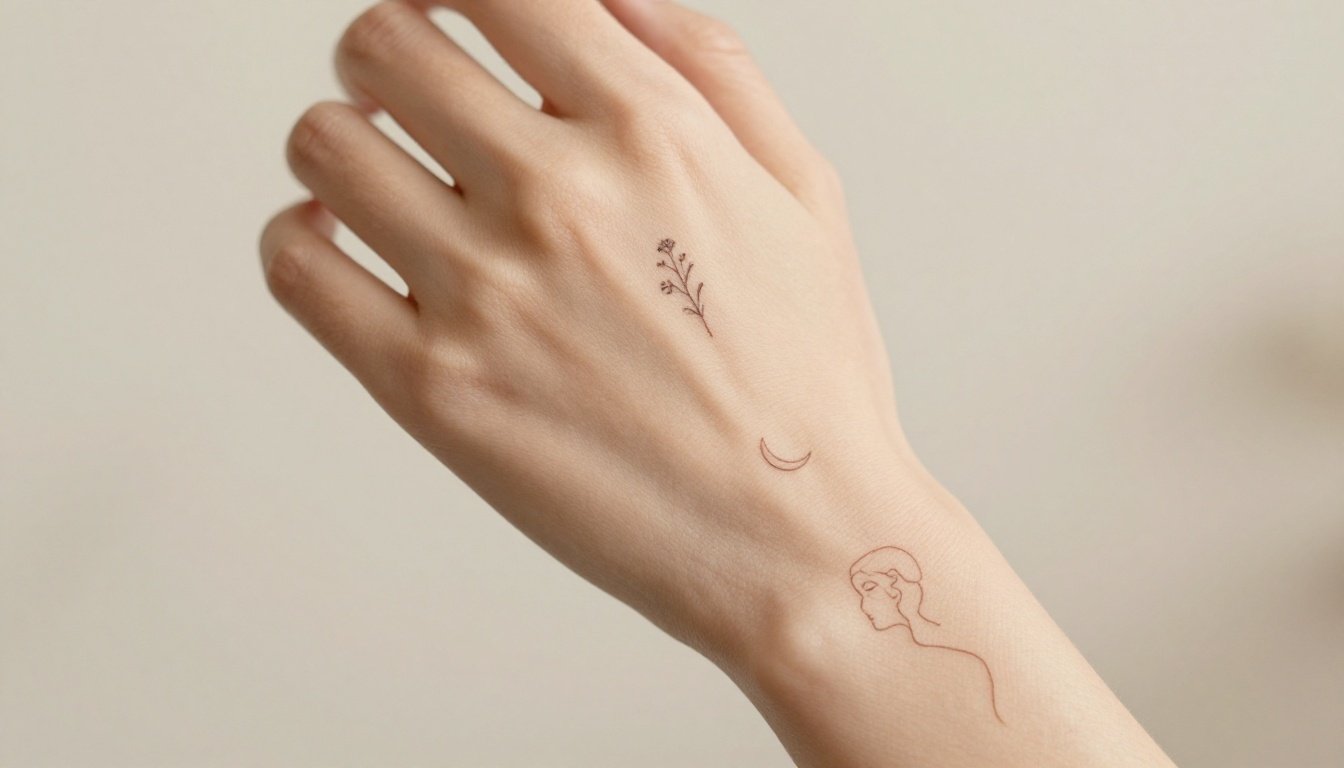
25 Single Needle Tattoo Ideas for Women With Meaning
Single-needle tattoos appeal to women who want delicate, personal body art with a quiet look. A tiny wildflower can hold a memory, a crescent moon can capture a season of change, and a fine-line portrait can keep someone beloved close without taking up much space.
The right design should reflect your story rather than a trend alone. In this collection of 25 single-needle tattoo ideas for women, you’ll find inspiration for meaningful motifs, thoughtful placements, and designs that feel personal without relying on stereotypical symbols. You’ll also find practical guidance for choosing an artist, planning your budget, and caring for fine-line ink while it heals.
Before you book an appointment, consider what you want the tattoo to say, how visible you want it to be, and whether the chosen artist has experience with delicate lines. Start with the designs, then narrow your choice by meaning, placement, cost, and long-term care.
What Makes Single-Needle Tattoos So Delicate and Personal?
Single-needle tattoos have a fine, airy quality that makes them feel almost handwritten on the skin. Instead of filling space with heavy outlines and dense color, they use precise linework, open skin, and small details to tell a personal story.
Fine lines create a lighter look
Single-needle work commonly uses a 1RL needle, meaning one round liner, or another very fine needle configuration. The exact setup depends on the artist and design, but the goal stays the same: create thin, controlled lines with as little visual weight as possible.
That precision suits meaningful designs such as a tiny flower, a handwritten initial, a constellation, or a simple outline of a beloved pet. The tattoo can feel private, even when it sits somewhere visible. Its smaller presence leaves room for the design’s meaning to speak without overwhelming your skin.
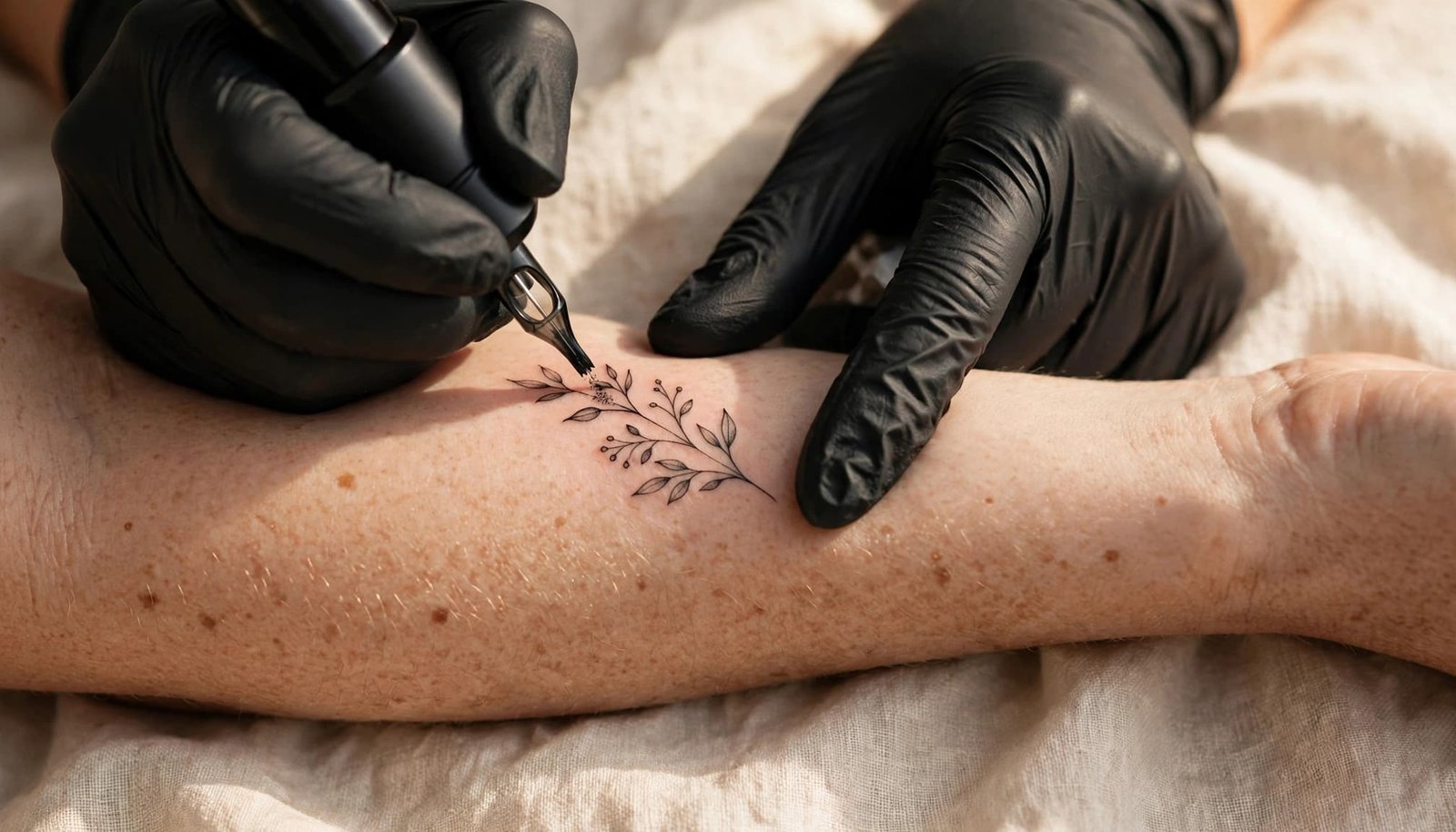
Fine-line tattoos often rely on three visual choices:
- Negative space keeps each line separate and prevents the design from looking crowded.
- Limited shading adds depth without turning the tattoo into a dark block.
- Simple silhouettes preserve clarity while keeping the overall piece delicate.
Bold-line tattoos have more visual force and often hold their shape better as the skin changes. Single-needle tattoos look elegant and subtle, but their thinner lines may soften or fade sooner, especially on fingers, feet, hands, or areas exposed to frequent friction and sunlight.
Because tattooing breaks the skin, choose a professional studio that follows careful hygiene practices. The FDA’s tattoo safety guidance discusses infection and allergic reaction risks associated with tattoo inks and equipment.
Scale protects the meaning
A design that looks sharp on your phone may lose its detail when reduced to the size of a coin. Tiny leaves can merge, lettering can become hard to read, and close lines can blur together as the tattoo heals.
For that reason, size matters as much as the idea itself. A skilled artist may enlarge the design, open the spacing, simplify small elements, or slightly increase the line weight. These changes can help the tattoo heal cleanly and remain readable over time.
Placement also affects the final result. The inner forearm, upper arm, shoulder blade, and thigh usually offer more stable space than a finger or ankle. If you want a miniature portrait or a design with several fine details, giving it more room often protects its expression.
Your artist should also explain how the tattoo may age and what aftercare it needs. The Mayo Clinic’s tattoo precautions covers common concerns, including skin reactions and infection. A thoughtful consultation helps you choose a design that looks beautiful now and still makes sense later.
25 Single Needle Tattoo Ideas for Women That Feel Thoughtful and Unique
Meaningful single-needle tattoos work best when the design has room to breathe. Choose one clear image, then add a personal detail that connects it to your story.

Soft Botanical Designs With Natural Meaning
Botanical tattoos suit single-needle work because simple stems and open spacing keep each line readable. Crowded bouquets can blur, so ask your artist to simplify tiny leaves and petals.
- A single rose stem can suggest love, resilience, or a person who helped you grow. Personalize it with a meaningful number of leaves or a tiny date along the stem.
- A lavender sprig offers a delicate reminder of calm and rest. Add your birth flower beside one small bloom, or choose a stem length that matches an important age.
- An olive branch can express peace, reconciliation, or a fresh beginning. A few leaves may represent family members, milestones, or a private promise.
- A tiny daisy carries associations with hope and joy without locking you into one interpretation. Include the birth month of someone special through the number of petals or a subtle date.
- A fern frond can speak to growth, patience, and new chapters. Let the artist shape the frond with a meaningful number of leaflets rather than adding dense shading.
Moon, Sun, and Celestial Single-Needle Tattoos
Celestial tattoos give small designs a sense of motion and mystery. Keep dots carefully spaced because too many tiny details may blur as the tattoo ages.
- A crescent moon can reflect change, renewal, or a love of nighttime. Add a small initial inside the curve if the space allows.
- A small sun can symbolize direction, warmth, or hope after a difficult season. Personalize it with a specific number of rays.
- A constellation can connect your tattoo to a birth sign, a treasured person, or a place beneath a memorable sky. Use only the essential stars.
- A star cluster may suit someone guided by dreams or curiosity. Three or four open dots can suggest loved ones without crowding the design.
- A tiny Saturn-inspired planet can capture imagination and a lasting fascination with space. A single ring and a few spaced dots will usually age better than detailed bands.
Tiny Animals and Insects With Personality
Animal tattoos can carry personal associations rather than fixed meanings. Clean silhouettes and one recognizable feature often work better than miniature facial details or dense wings.
- A butterfly may reflect transformation, freedom, or a new identity. Choose one distinct wing pattern instead of filling both wings with fine detail.
- A hummingbird can suggest energy, freedom, or affection for a garden memory. Personalize it with one tiny flower beneath the beak.
- A cat outline may express companionship, independence, or remembrance. Add one recognizable ear shape or tail curve from a beloved pet.
- A swallow can evoke movement, home, or the courage to leave and return. A simple wing silhouette keeps the design crisp.
- A small elephant may remind you of strength, memory, or family bonds. Use one curved ear or a short trunk as the defining feature.
Feminine Line Art and Meaningful Symbols
These designs offer a graceful style, but their meaning belongs to the wearer, not to gender expectations. An original sketch will feel more personal than a copied social media tattoo.
- A ribbon bow can suggest celebration, remembrance, or a connection to a cherished gift. Shape the loops after a real ribbon you own.
- A delicate heart can express self-love, devotion, or grief. Add a small break in the outline to symbolize healing.
- A line-art face may explore identity, creativity, or admiration for someone important. Base the profile on an original drawing, not a generic online design.
- An eye symbol can represent awareness, intuition, or seeing yourself clearly. A single lash or brow curve can make it distinctly yours.
- A tiny mirror or perfume bottle can preserve a personal ritual, memory, or love of beauty. Use the silhouette of an object from your home.
Words, Numbers, and Minimal Nature Scenes
Text needs enough size and spacing to remain legible, especially in script. Test several fonts, check every date carefully, and keep landscapes to one clear line.
- A one-word affirmation, such as “breathe” or “enough,” can become a private daily reminder. Choose a short word and test it at tattoo size.
- Initials can honor a loved one, family member, or former version of yourself. Compare print and script styles before deciding.
- A meaningful date in small numerals can preserve a birth, milestone, or turning point. Verify the numbers and leave space between them.
- A mountain outline may suggest endurance, home, or a goal you reached. Use one clean ridge instead of a detailed landscape.
- A single wave or horizon line can evoke calm, travel, or emotional balance. Add one slight curve from a real shoreline or favorite view.
The FDA’s tattoo safety guidance recommends paying attention to sterile equipment and contaminated ink, regardless of tattoo style.
How to Choose a Placement That Matches Your Tattoo and Lifestyle
Placement affects how your single-needle tattoo looks, feels, ages, and fits into your daily routine. Before choosing a spot, view the design at its real-world size on your body, not only on a phone screen. Then consider your work, clothing, sun exposure, and how often the skin bends or stretches.
Visible placements for everyday self-expression
The wrist and inner forearm are easy to see, making them thoughtful choices for affirmations, initials, small flowers, and celestial designs. The inner forearm offers more space and usually keeps its shape better than the wrist, especially for designs with several details.
A collarbone tattoo can feel graceful and personal while remaining easy to cover with a shirt. The shoulder and upper arm offer more flexibility because you can reveal the design with sleeveless clothing or keep it private under a sleeve. These areas also give your artist enough room to preserve open spacing.
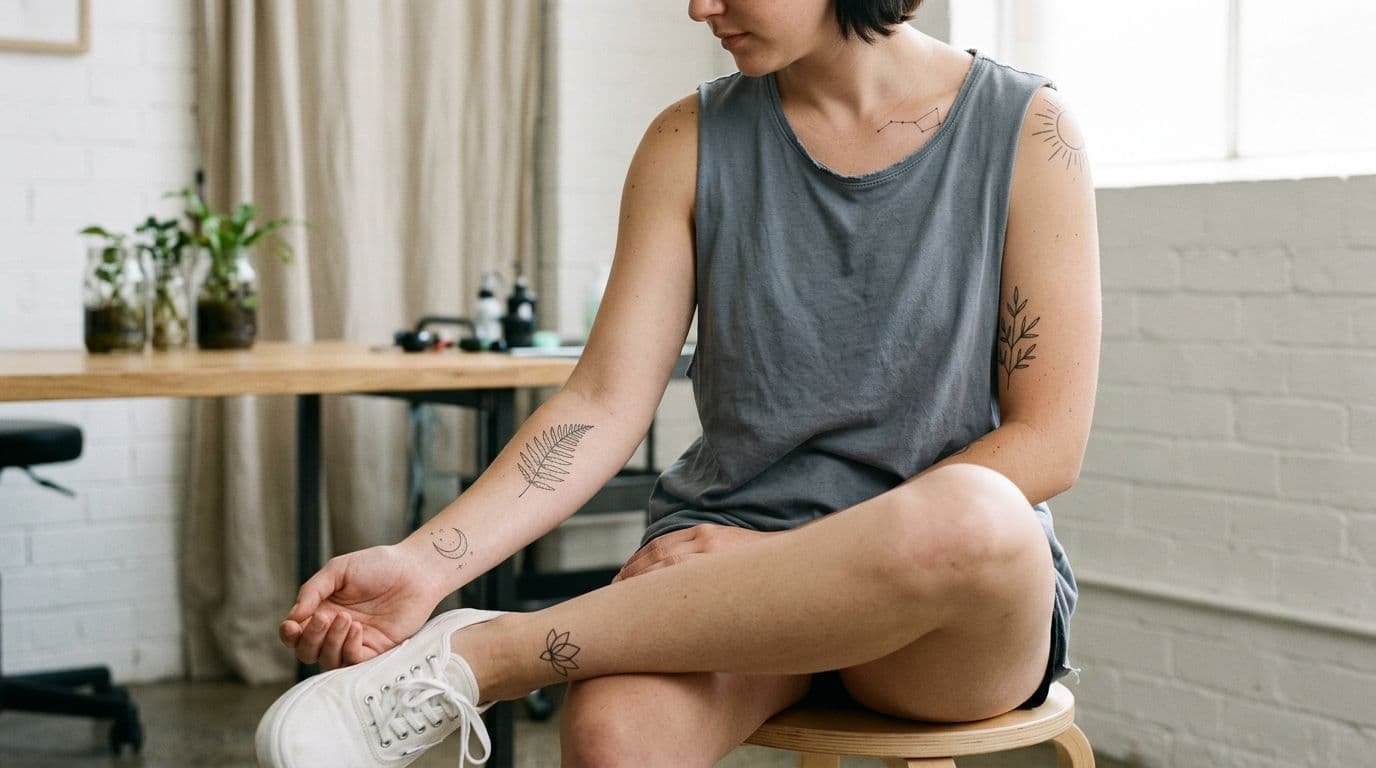
Discreet placements for personal meaning
The ankle and foot suit tiny symbols, short dates, and simple line drawings. However, socks, shoes, and regular movement can create friction during healing and later affect how the ink looks. A finger or hand tattoo is even more visible, but these areas face frequent washing, sunlight, and daily wear.
For a more private choice, consider the ribcage, sternum, nape, or behind the ear. The ribcage and sternum can hold meaningful designs close to the body, while the nape and area behind the ear offer a smaller canvas for minimalist symbols. Pain varies from person to person and depends on the location, so choose a spot that balances appearance with comfort.
Placements that may protect fine lines longer
Hands, fingers, feet, and other high-friction or sun-exposed areas often fade or blur faster. The factors that cause tattoos to fade include repeated wear and ultraviolet exposure, both of which matter for delicate single-needle work.
The upper arm, back, and ribcage may offer better protection because clothing covers them more often. Still, no placement stays unchanged forever. Ask whether the skin moves, stretches, folds, or rubs against clothing throughout the day.
Before booking, check these practical details:
- Will your workplace require the tattoo to stay covered?
- Will shoes, bra straps, waistbands, or jewelry rub against it?
- Does the area receive direct sunlight during your normal routine?
- Can you keep the design clean and protected while it heals?
A meaningful tattoo should fit your life as comfortably as it fits your skin. Choose the placement that lets you enjoy the design without creating daily problems you already know you won’t tolerate.
How to Find an Artist Who Can Keep Fine Lines Crisp
Choosing a fine-line tattoo artist requires more than finding a beautiful design online. Look for someone whose portfolio shows control, restraint, and strong healed results. A skilled artist knows when to preserve detail and when to simplify a design so it stays readable on your skin.
Study the artist’s portfolio carefully
Start with a portfolio focused on single-needle or fine-line tattoos, not an artist who posts only occasional delicate pieces. Fresh tattoos often look darker and sharper than they will after healing, so clear healed photos matter most. Look for images taken several weeks or months after the appointment, preferably in natural light.
Pay attention to practical signs of skill:
- Smooth curves should look steady rather than shaky or jagged.
- Line weight should remain consistent unless variation is part of the design.
- Small details need clean spacing instead of crowded marks.
- Tiny lettering, symbols, and faces should remain readable.
- Healed tattoos should look natural, with no obvious patchiness or unwanted spreading.
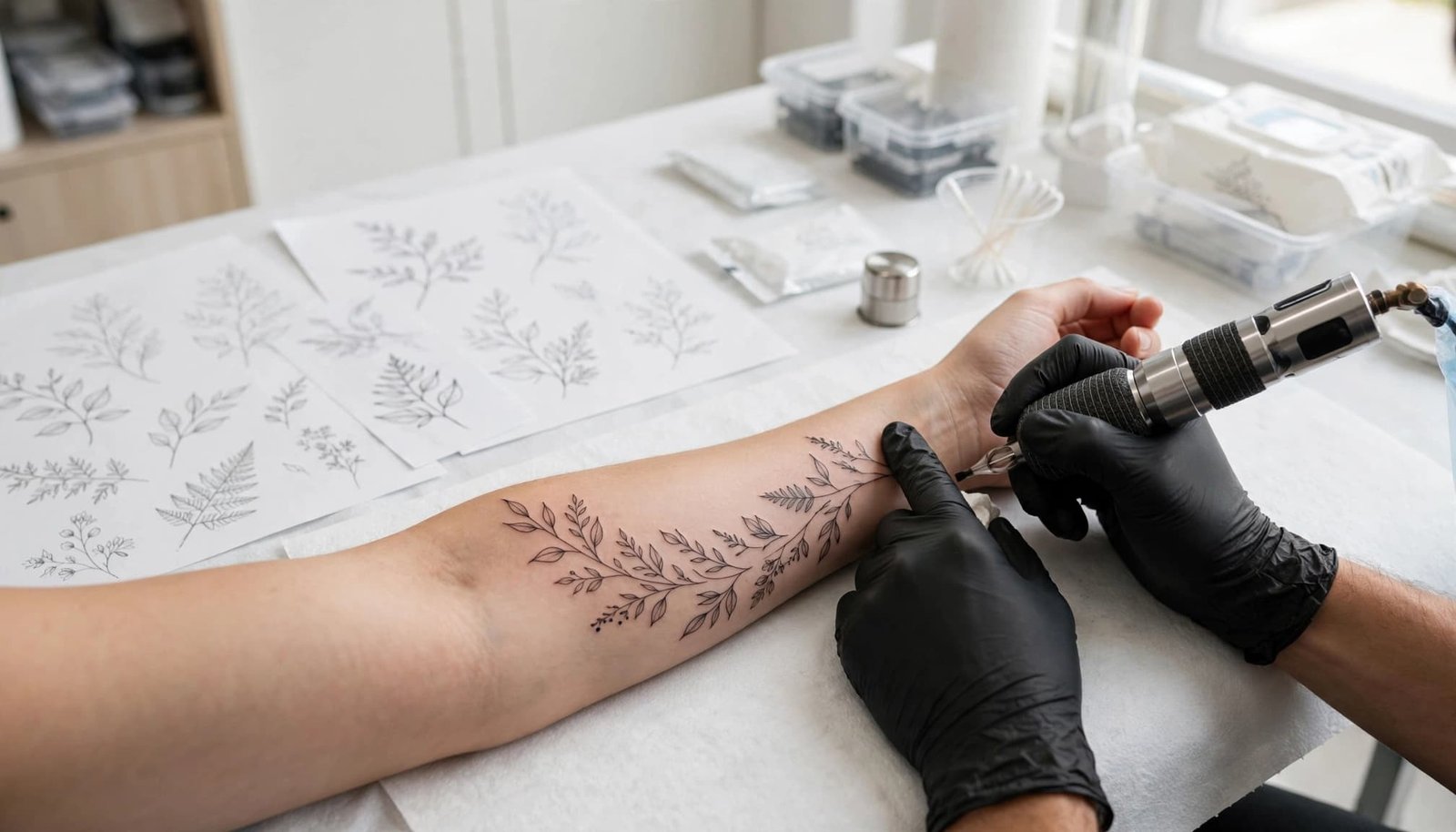
A portfolio should also show variety in placement and scale. An artist may create beautiful forearm work but have less experience with fingers, ribs, ankles, or other difficult areas. Ask to see examples similar to your intended design and placement before you pay a deposit.
Ask the right questions before booking
A short consultation can reveal how carefully the artist approaches delicate work. Ask whether they use a 1RL or similar fine needle configuration, although the exact setup should match your skin, design, and technique. More importantly, ask how they resize small artwork and adjust spacing for long-term clarity.
Bring reference images, but request an original adaptation rather than an exact copy. You can show the artist a botanical shape, symbol, or line style you like, then work together on details that connect it to your story. This gives you a more personal tattoo and respects another artist’s original work.
Discuss the touch-up policy before booking. Find out whether the artist includes a follow-up touch-up, how long you should wait after healing, and whether additional work costs extra. Fine-line tattoos may need small corrections, but a vague policy can create frustration later.
The studio should also meet basic safety standards. Check that the artist:
- Opens sterile, single-use needles for your appointment.
- Uses fresh disposable gloves and changes them after contamination or leaving the work area.
- Drops used needles into a rigid, puncture-resistant sharps container immediately.
- Provides clear written aftercare instructions before you leave.
The FDA explains that used needles belong in appropriate sharps containers, not ordinary trash. If the studio seems careless about disposal, hygiene, or aftercare, choose another artist. Clean technique protects your health, while thoughtful design decisions help keep your fine lines clear.
Cost, Fading, and What to Expect Over Time
A single-needle tattoo may look small, but its price depends on much more than the amount of ink. Before booking, plan for the studio’s minimum, the artist’s experience, the design’s detail, and possible touch-ups later.
What a single-needle tattoo may cost
Many U.S. studios charge a minimum even when a tiny tattoo takes only a short time. As a broad benchmark, small fine-line pieces often cost about $50 to $200, while micro tattoos under two inches may fall closer to $150 to $300. These figures are estimates, not guaranteed quotes.
Some artists charge by the hour instead of using a flat price. Hourly rates commonly range from roughly $100 to $300 or more, while established specialists may charge about $150 to $400 per hour. A simple symbol may still meet the shop minimum, while a custom botanical design, portrait, or detailed constellation can require more time.
Your final quote may change based on:
- The city and local demand.
- The artist’s training, portfolio, and booking schedule.
- The design’s size, detail, shading, and customization.
- The tattoo’s placement, especially on difficult or sensitive areas.
- The studio’s reputation, equipment, and operating costs.
A respected artist may charge more because fine-line work requires careful control. Paying for experience can help protect the design, but a higher price never replaces a strong portfolio and clear communication.
Why fine lines can fade or soften
Single-needle tattoos use delicate lines and limited saturation, so they may soften sooner than bold tattoos. Sunlight breaks down tattoo pigments over time, while friction from shoes, sleeves, jewelry, frequent washing, or skin folds can wear exposed areas faster. The main causes of tattoo fading include ultraviolet exposure, friction, placement, and poor healing.
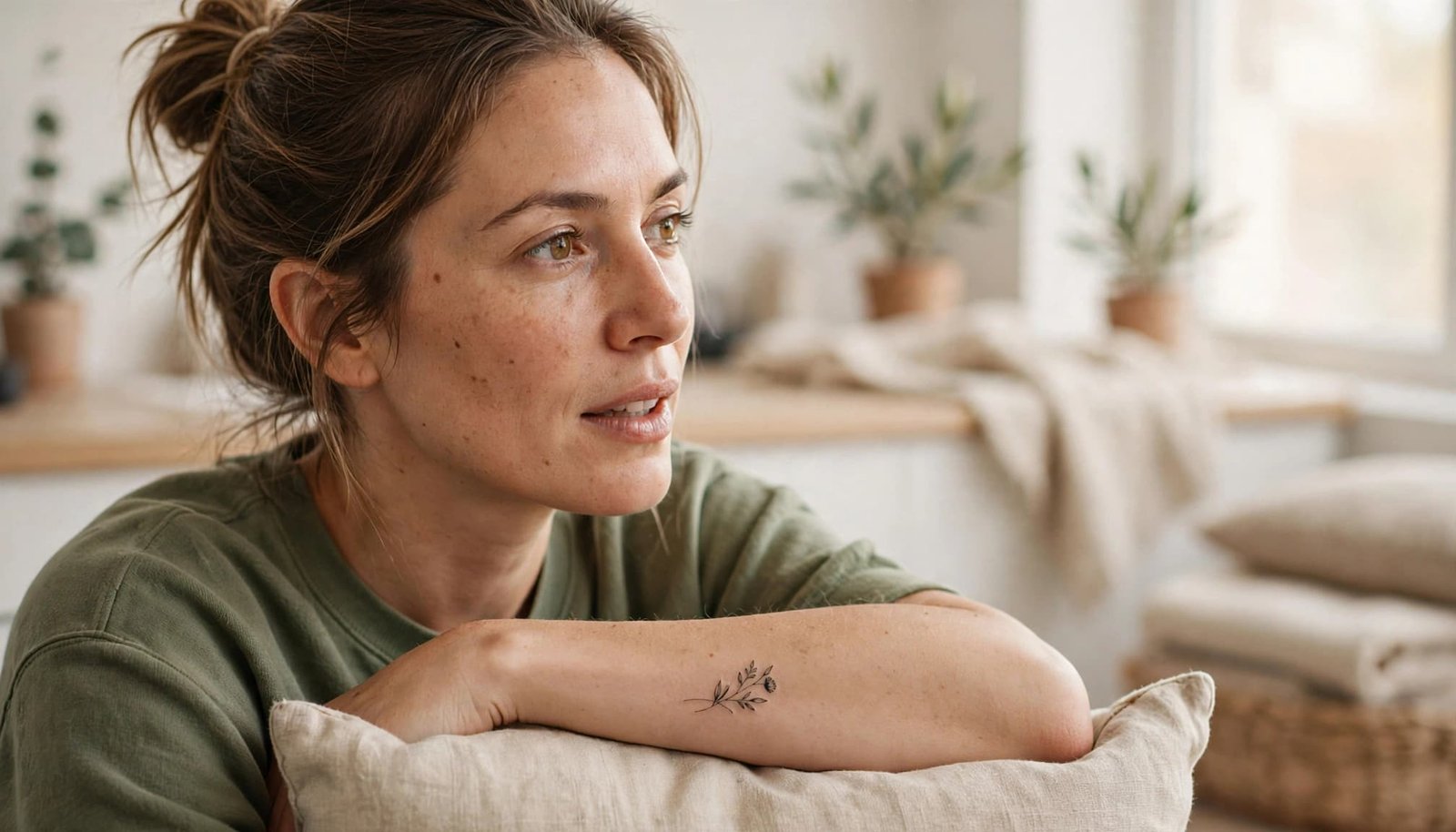
Healing also affects the finished result. Picking at peeling skin, soaking the tattoo too soon, or ignoring aftercare can cause patchiness. Once the tattoo has fully healed, protect exposed ink with broad-spectrum sunscreen and reduce repeated rubbing when practical.
Touch-ups are part of maintenance
A touch-up is normal maintenance, not automatically proof of poor work. Fine-line tattoos on the hands, fingers, neck, wrists, and feet often need attention sooner because those areas face more movement, washing, sunlight, or friction. Some people discuss a refresh after three to five years for exposed placements, while others need only a small correction after the initial healing period.
Before paying a deposit, ask the artist:
- What is the studio minimum?
- Does the quote include a deposit or tax?
- How long is the complimentary touch-up window?
- What happens if the tattoo needs correction after that window?
- What might a future refresh cost?
Leave the appointment knowing both the starting price and the likely maintenance plan. That clarity helps you choose a design that feels beautiful today and realistic for the years ahead.
Simple Aftercare That Helps a Single-Needle Tattoo Heal Well
A fresh tattoo is healing skin, not a finished decoration. Since single-needle lines are delicate, rough handling can affect how evenly the pigment settles. Follow your artist’s instructions first, because the recommended bandage type and removal time can vary.
Keep the area clean and gently moisturized
Wash your hands before touching the tattoo. Then clean the area with lukewarm water and a small amount of mild, unscented soap. Use your fingertips and a gentle touch, rather than a washcloth or scrubber. Avoid aiming a strong shower stream directly at the tattoo.
After washing, pat the skin dry with a clean paper towel or allow it to air-dry. Don’t rub. Apply a thin layer of the moisturizer recommended by your artist, and avoid covering the tattoo with a thick, greasy coating. The Cleveland Clinic’s tattoo aftercare guidance also recommends gentle cleaning, light moisturizing, and breathable clothing during healing.
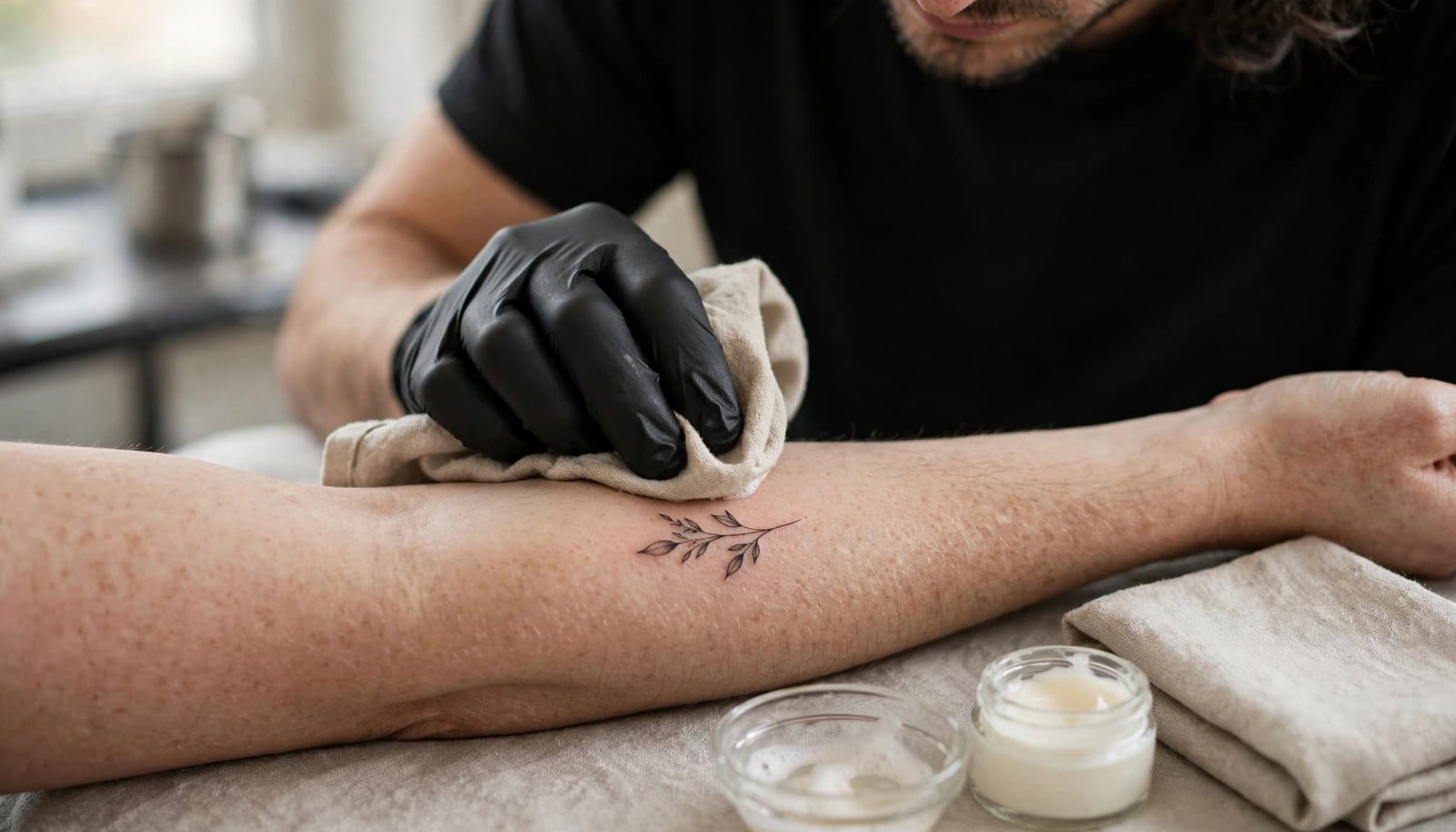
Protect the tattoo while it heals
Peeling, mild redness, tenderness, and itching can happen as the skin repairs itself. Resist scratching or picking, even when a small flake or scab feels ready to come away. Scab picking may pull out delicate pigment, leaving a fine-line tattoo patchy.
Wear loose, breathable clothing if fabric covers the area. Tight sleeves, waistbands, socks, or straps can rub against the tattoo and trap moisture. Also avoid baths, swimming pools, hot tubs, lakes, and other soaking until the skin has fully healed.
Keep the tattoo out of direct sunlight during healing. Once the skin has fully closed, use a broad-spectrum sunscreen with SPF 30 or higher on exposed ink. Applying sunscreen too early can irritate broken or peeling skin.
Know when to call a healthcare professional
Some discomfort is normal, but symptoms that worsen deserve prompt attention. Seek medical care if you notice spreading or worsening redness, increasing heat, swelling, pus, severe pain, red streaks, fever, chills, or a foul odor.
Good aftercare begins before the appointment. Choose a studio that opens sterile, single-use needles, uses clean gloves, and follows safe disposal practices. Clean equipment protects your health before gentle home care protects the finished tattoo.
Conclusion
The best single-needle tattoo balances meaning with practical choices. As you revisit these 25 ideas, consider how the design will look at its real size, where it will sit on your body, and whether your chosen artist has the control needed for delicate lines. A thoughtful consultation can turn a simple flower, symbol, word, or celestial shape into something personal and lasting.
Give your favorite idea time before booking. Test its size and position, check how visible it will be in daily life, and choose a design you will still value when today’s trends have passed. Fine-line tattoos can feel subtle and intimate, but they need careful sizing, protection from direct sun after healing, and occasional touch-ups as the ink softens over time.
The strongest design may be a small symbol carrying a large piece of your story.
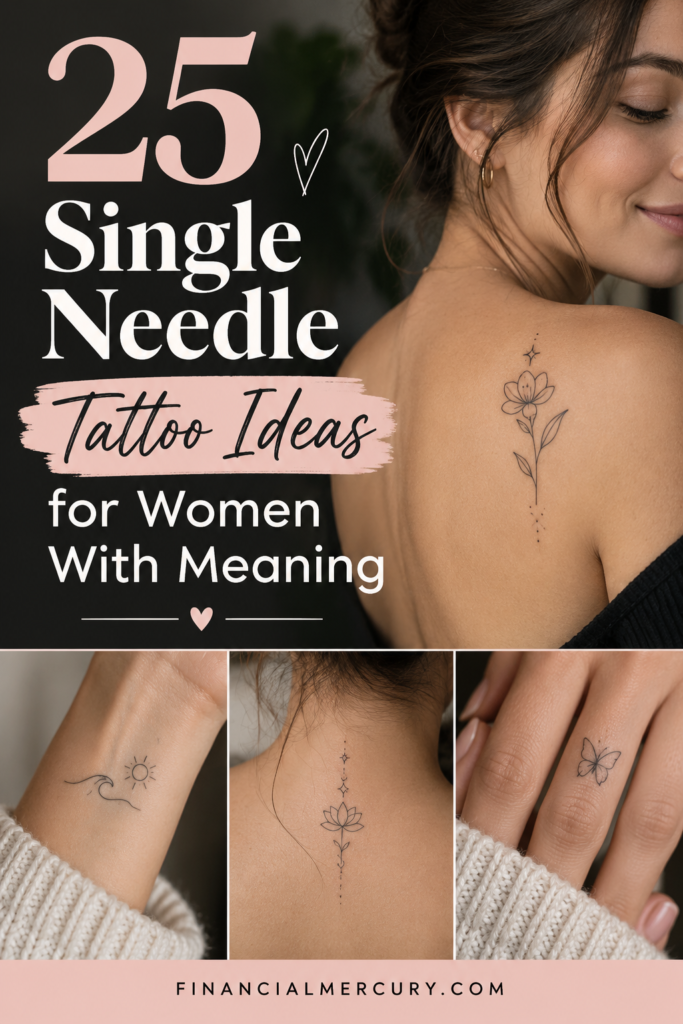
Save the pin for later

- 30 Beautiful Minimalist Tattoo Ideas for Women - September 15, 2026
- 25 Tiny Fine Line Tattoo Ideas for a Subtle Look - September 15, 2026
- 30 Meaningful Flower Tattoo Ideas for Women - September 15, 2026
Leave a Reply