Mom of Two Tattoo Ideas
Choosing a tattoo for two children is a personal decision, especially when you want the design to feel meaningful without making it overly literal. The best mom of two tattoo ideas can honor your family through names, initials, birth years, birthdates, handwriting, zodiac signs, flowers, stars, or symbols that hold special meaning for each child.
Your style and lifestyle matter, too. A tiny minimalist tattoo may suit you if you prefer something subtle on your wrist, ankle, collarbone, or behind your ear, while a larger custom design can bring together multiple details through portraiture, florals, meaningful objects, or a family-inspired illustration. You’ll also want to consider how readable small lettering will remain, how visible you want the tattoo to be, and whether the placement fits your daily routine.
The ideas ahead will help you compare meaningful designs, artistic styles, placement options, and ways to personalize a concept for your family. You’ll also find practical guidance on choosing an artist, estimating cost based on size and detail, and caring for your new tattoo while it heals. Start by exploring designs that honor both children while still feeling like an authentic expression of you.
Mom of Two Tattoo Ideas for Every Style and Story
The best mom of two tattoo reflects your family story, not a passing trend. You might choose a design that shows both children equally without using full names, or combine small details that only your family understands.
Minimalist tattoos with initials, dates, or tiny symbols
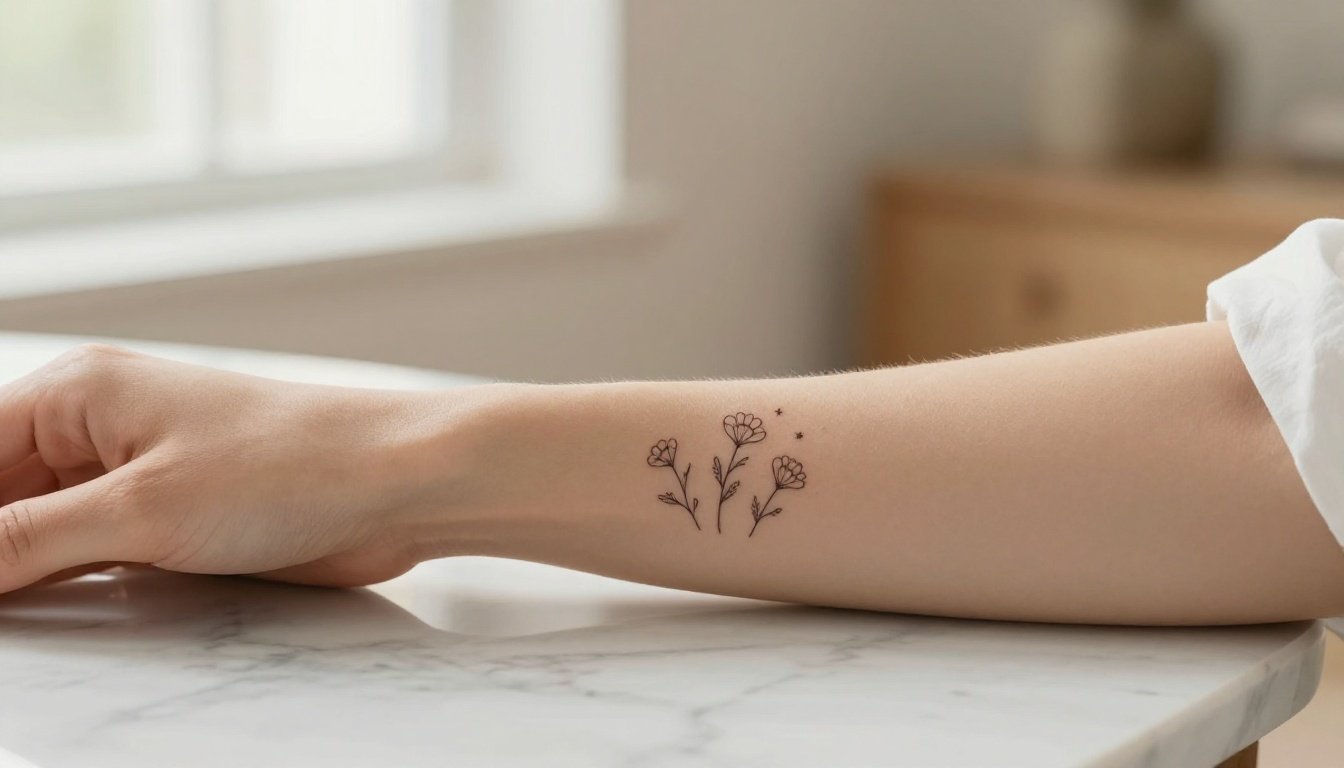
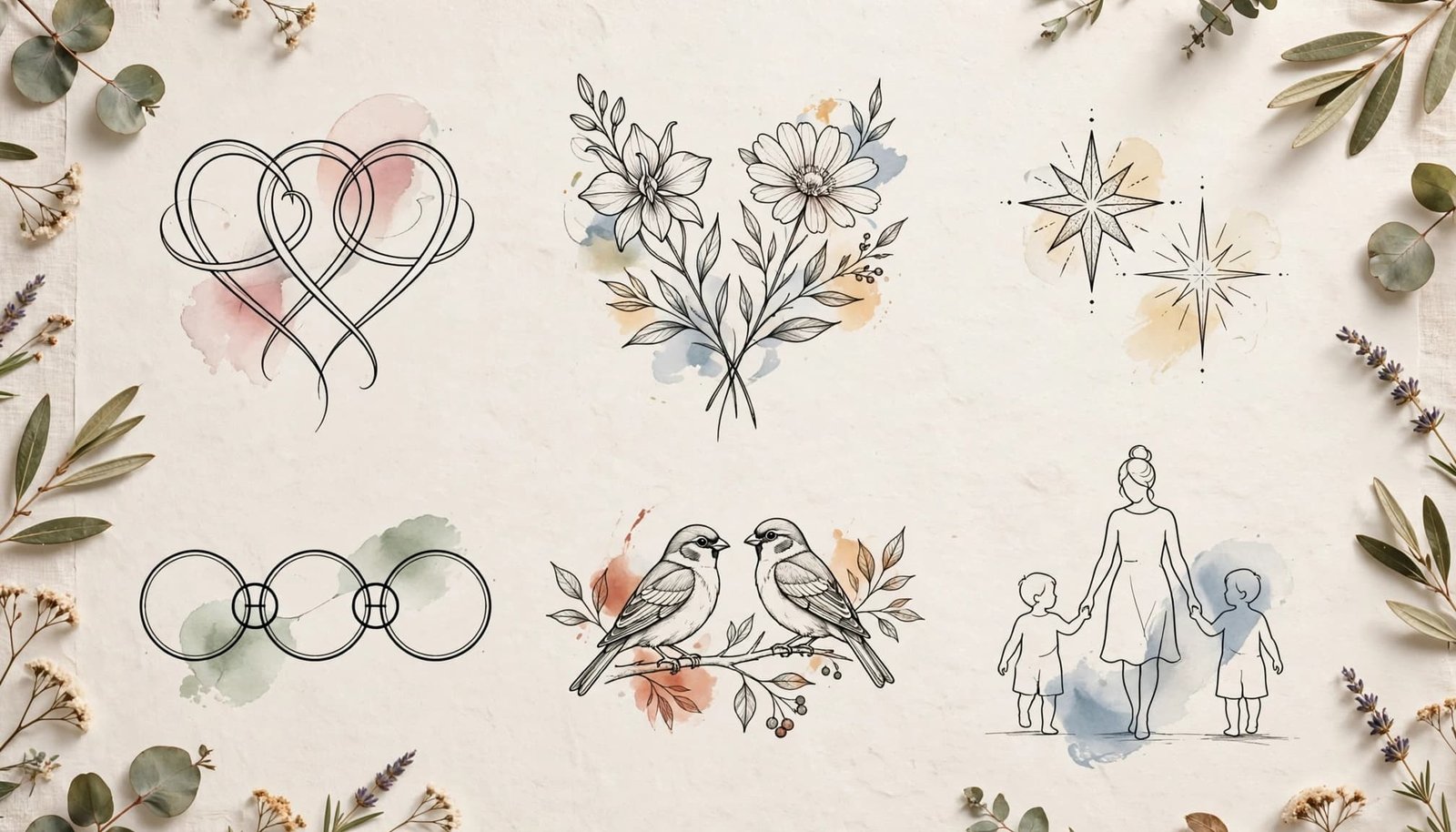
Fine-line hearts, two dots, small stars, or a simple number two can create a subtle tribute. You could place each child’s initial inside a tiny heart, use Roman numerals for their birth years, or add two small flowers with one bloom for each child. A pair of stars also works well when you want a design that feels light, personal, and easy to keep private.
Small lettering requires careful planning. Very tiny initials, dates, and Roman numerals may blur over time, especially if the lines sit too close together. Ask your tattoo artist to recommend a readable size and spacing before choosing the final design.
Simple layouts can suit many placements:
- A vertical pair of stars can follow the wrist or inner arm.
- Two initials can sit side by side near the collarbone.
- Small flowers or dots can curve along the ankle.
- Roman numerals can run horizontally across the ribs.
- Two hearts can rest near the shoulder or upper arm.
Placement should also match your comfort level, clothing, work routine, and the artist’s advice about skin movement and aging. If you’re comparing ideas for a sentimental keepsake, these personalized handmade gift ideas may also inspire details you could adapt into a tattoo.
Floral and nature-inspired designs for two children
Nature designs give you room to honor each child with a different detail. A pair of birth flowers can sit together as matching blooms, or two different flowers can share one balanced stem. Check the correct birth flower for each child before giving the reference to your artist, since popular lists sometimes vary by month.
A rose with two birth years worked into the stem creates a classic design with a personal detail. Two leaves on one stem offer a cleaner option, while a tree with two branches can suggest separate growth within the same family. You could also choose two butterflies, two birds, a sun and moon, or two stars for a more symbolic composition.
Color and line weight will shape the mood. Fine black lines feel modern and understated, soft color creates a delicate look, and heavier outlines make the design bolder and easier to read. Matching flowers create symmetry, while different blooms give each child an individual identity.
Meaningful symbols that do not use names
Symbols can feel more private and timeless than names or dates. Two linked circles may suggest connection, while two waves can reflect shared movement through life. An infinity symbol, paired constellations, abstract line art, or a mother-and-two-children silhouette can communicate family without spelling out the meaning.
A Celtic-inspired knot may appeal to mothers who want an interconnected design, but research its cultural or religious background before using it. Symbols don’t have one fixed meaning across every culture, family, or tradition. Your artist can help you create an original version instead of copying a symbol without understanding its context.
Bring your favorite idea to a consultation with reference images, preferred placement, line styles, and any details you want included. A skilled artist can adjust the scale, spacing, flower choices, and symmetry so the finished tattoo feels balanced and personal. Before booking, also review studio hygiene and ink information using the FDA’s tattoo safety guidance.
How to Personalize a Mother of Two Tattoo Without Overcrowding It
A personal mother of two tattoo usually feels strongest when it has one clear focal point and only a few supporting details. Start with the image that carries the most meaning, then add one or two details that identify each child without making the design difficult to read.
Before meeting your artist, decide what memory the tattoo should capture. Ask yourself whether you want a private symbol or a visible tribute, whether both children need the same visual weight, and whether the design will still feel meaningful years from now. These answers can guide every choice that follows.
Ways to include names, initials, and birth years
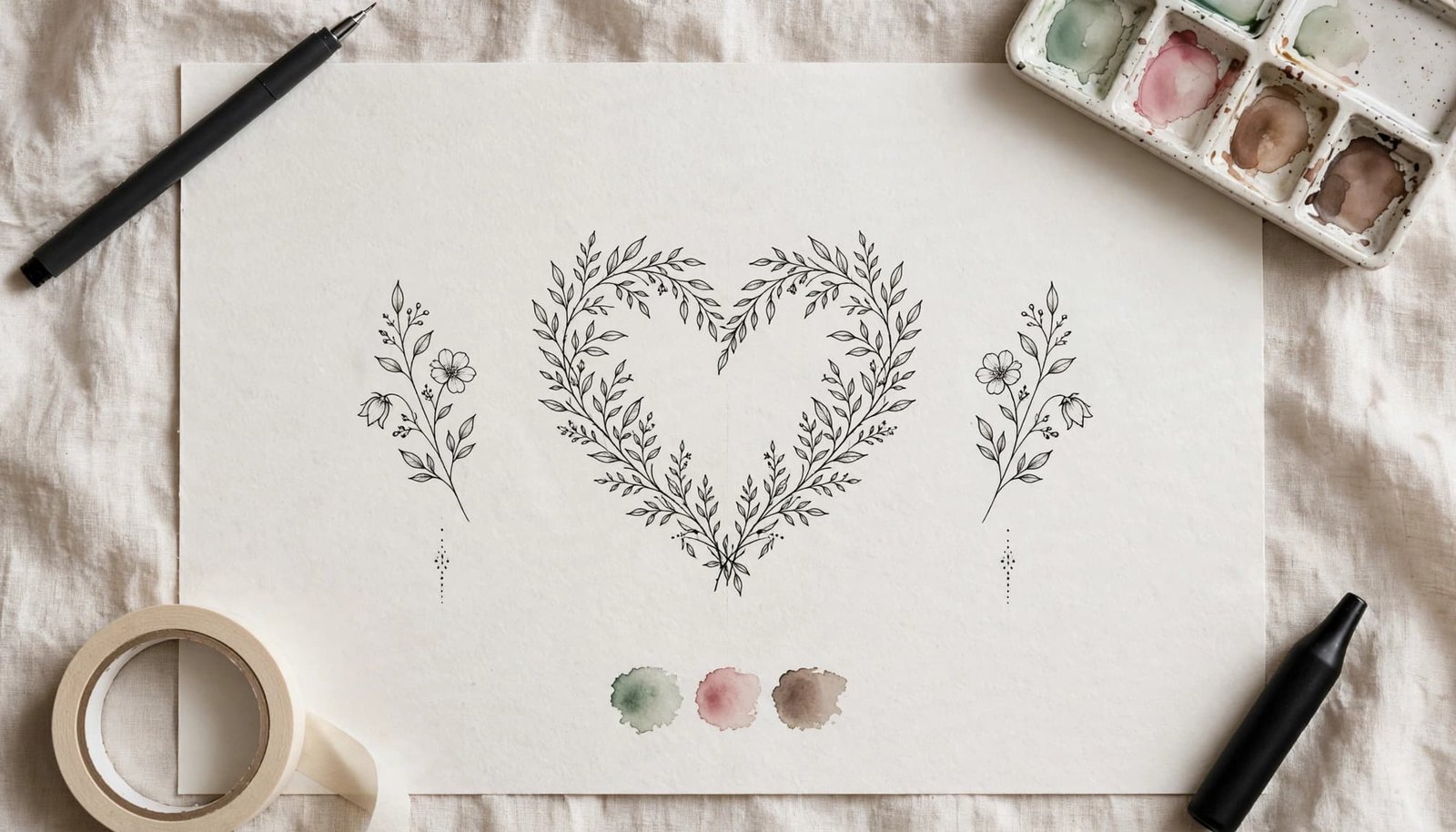
You don’t need to include every detail to make a tattoo personal. Two stacked initials can fit neatly inside a heart, circle, or small botanical shape. Birth years can sit beneath paired flowers, while full names can curve along a branch or follow the outline of a larger central image.
For a compact design, place small date numbers around a heart, use the month and day only, or add two birth years beneath one shared symbol. A favorite color, birth flower, or short family phrase can provide meaning without competing with the main artwork.
Long names need more room than initials or short dates. Tiny lettering can blur as ink spreads during healing and aging, so ask your artist to show the text at its actual tattoo size. Simple lettering with generous spacing usually stays clearer than ornate script.
Proofread every letter, accent, punctuation mark, and number before the tattoo begins. Compare the stencil with the original birth records or written reference, then check it again before the needle touches your skin. Reading the stencil backward once can also help reveal transposed letters or missing numbers.
How to honor two children with a balanced design
Balance doesn’t require identical symbols. You could use two branches of equal length, two stars that match in size, or two birth flowers joined to one stem. A shared central image, such as a heart, tree, moon, or sun, can hold two distinct details while keeping the composition unified.
Matching elements work well when you want both children represented equally. However, a slightly different symbol may better reflect each child’s personality, heritage, or place in your family. Keep the visual weight similar through scale, line thickness, spacing, or color, even when the symbols themselves differ.
Families don’t always fit a simple birth-date design. An adopted child, stepchild, blended family, or child honored after loss may need a name, meaningful date, cultural symbol, or memorial detail instead. You can include two symbols without forcing both stories into the same format.
There is no single correct way to define motherhood. One parent may choose birth flowers, while another may prefer two initials, shared stars, or a private phrase understood only by the family. The best design gives each child a clear place and still feels honest to your own story.
Before approving the final sketch, review these questions:
- What memory or feeling should the tattoo hold?
- Do you want other people to understand it, or should it remain private?
- Do both children have equal visual weight?
- Could one detail be removed without weakening the meaning?
- Will the design still feel personal if your family changes over time?
A thoughtful tattoo leaves enough space for every detail to remain visible, readable, and emotionally connected.
Choose a Tattoo Style That Matches the Meaning
Your tattoo’s style affects more than its appearance. It changes the mood, readability, durability, price, and amount of space your design needs. A small symbol for two children can feel gentle and private in fine-line ink, while the same idea may look bold and dramatic with blackwork, color, or realistic shading.
Save several reference images before your consultation, but ask your artist for an original design rather than an exact copy. Your skin, placement, and family story should shape the final artwork.
Fine-line and minimalist designs
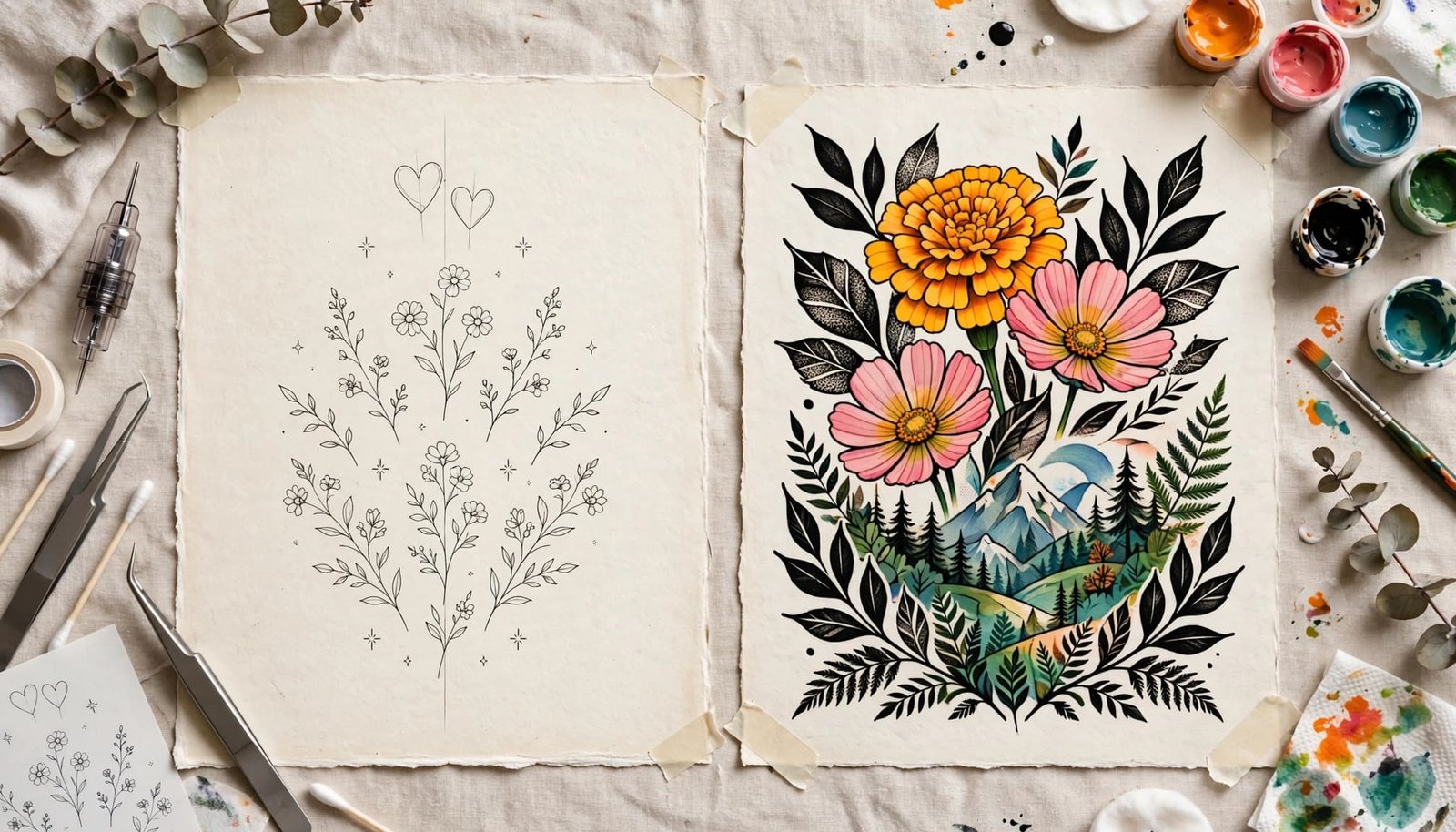
Fine-line tattoos appeal to mothers who want a discreet tribute. Simple hearts, initials, stars, small flowers, and clean outlines can honor both children without drawing attention to the tattoo. These designs often work well on the wrist, ankle, collarbone, ribs, or behind the ear.
Minimalist work usually costs less than a large, shaded composition because it takes less time and uses fewer visual elements. However, extremely thin lines and tiny details have less room for error. Ink can soften as skin heals and ages, so cramped initials, narrow lettering, and tightly packed dates may become harder to read.
During your consultation, discuss:
- The line thickness that fits your skin and chosen placement.
- The spacing needed between initials, stars, flowers, or dates.
- The smallest size that will remain readable after healing.
- Whether frequent sun exposure or skin movement could affect the design.
A fine-line tattoo can stay elegant for years, but it needs thoughtful sizing and good aftercare. Once healed, protect exposed ink with broad-spectrum SPF 30 or higher, since ultraviolet light can speed fading.
Bold, colorful, and custom statement tattoos
Larger tattoos give you more room for birth flowers, family portraits, animals, or nature scenes. Blackwork uses solid black areas and strong contrast, while traditional tattoos rely on bold outlines, clear shapes, and controlled color. Illustrative designs can combine sketch-like detail with personal imagery, and geometric work creates structure through symmetry, repeated shapes, or precise angles.
Watercolor-inspired tattoos offer softer edges and blended color, which can suit a gentle family scene. Tattoo ink heals differently from paint, though. A watercolor effect needs careful planning because pale washes and subtle transitions may lose clarity more quickly than strong outlines. Color can also carry personal meaning, such as a child’s favorite shade or a tone linked to a birth flower.
Before choosing a colorful or realistic design, consider:
- How your skin tone affects color contrast.
- Whether the placement receives regular sunlight.
- The likelihood of future touch-ups.
- The added time and cost of shading, color, and fine detail.
Bold lines and strong contrast often remain easier to see over time, but every tattoo changes as skin ages. Most importantly, choose an artist whose portfolio shows consistent work in your preferred style. A trend name matters less than the artist’s healed results, technique, and ability to turn your two-child concept into balanced original artwork.
Best Placement Ideas for a Tattoo Honoring Two Kids
Tattoo placement is a personal and practical choice, not a universal ranking. Consider how often you want to see the design, how much space it needs, and how the area fits your work, parenting routines, clothing, and comfort with visibility.
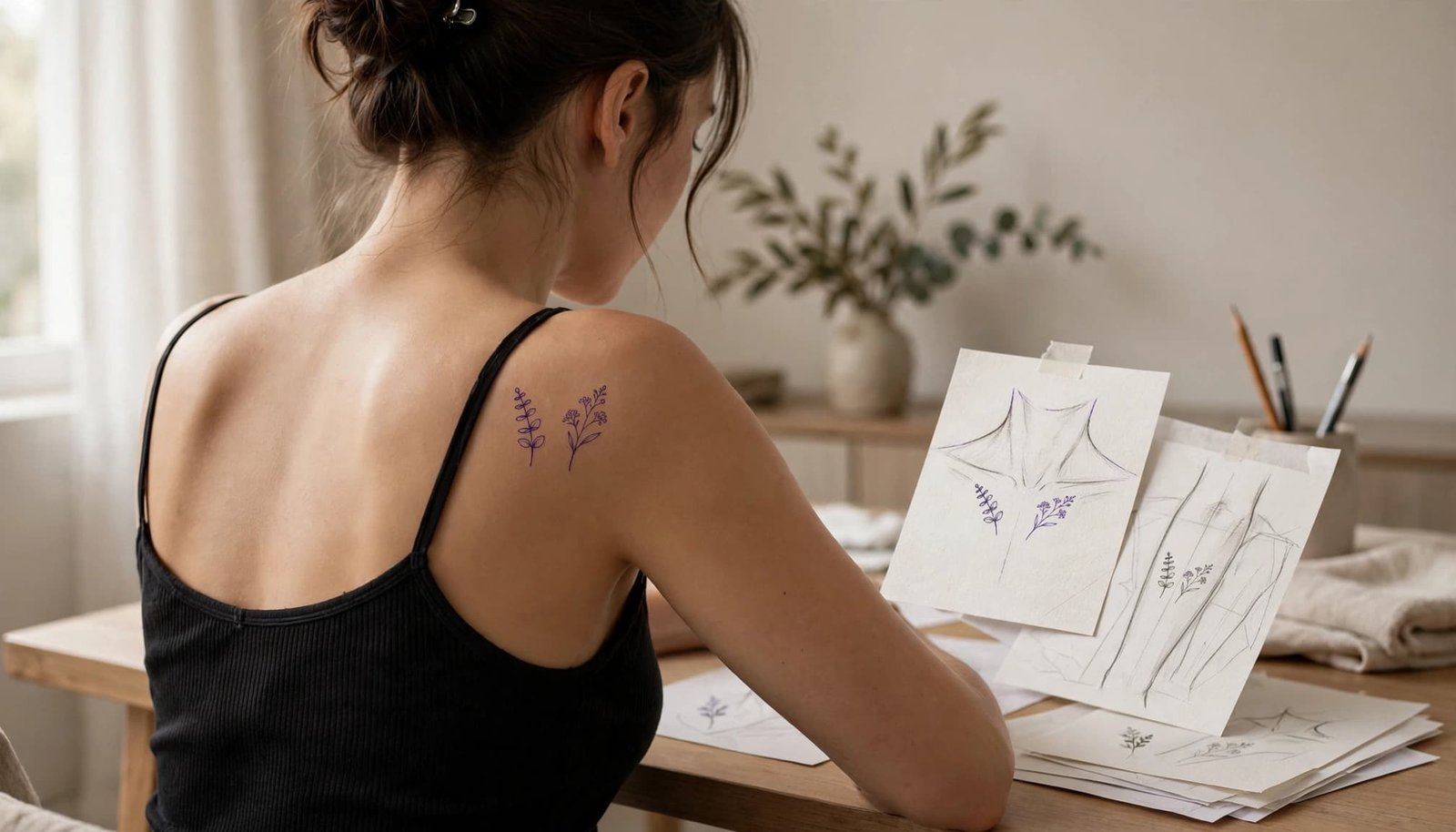
Visible placements for a daily reminder
The wrist and forearm work well when you want a regular reminder of your children. They can suit initials, dates, small flowers, stars, or two simple symbols. However, these areas receive frequent sunlight and contact with sleeves, watches, bracelets, and daily activities. Workplace dress codes may also affect how easily you can cover the tattoo.
The upper arm and shoulder offer more flexibility for sizing. A small design can stay discreet beneath a sleeve, while a larger composition can extend toward the shoulder blade or collarbone. This placement may also make it easier to protect the tattoo from direct sunlight with clothing.
The collarbone creates a visible but often easy-to-cover option. Consider friction from bra straps, necklaces, seat belts, and shirt collars before choosing it. Jewelry can irritate healing skin, while regular sun exposure may affect how the tattoo ages. For healed tattoos, the American Academy of Dermatology recommends broad-spectrum SPF 30 sunscreen, applied before outdoor exposure and reapplied regularly.
A placement that looks perfect in a photo may feel inconvenient if clothing, jewelry, or work equipment constantly rubs against it.
Private and flexible placements for family tattoos
The ribs and side area can keep a family tattoo more personal, especially when you want names, dates, or a larger symbolic design away from daily view. The upper back and chest also provide room for detailed artwork, while the hip and thigh allow a design to remain covered or shown when you choose. A larger tattoo may include two birth flowers, a family illustration, or several symbols without forcing everything into a tiny space.
The ankle and foot can suit small designs, such as paired stars, initials, or delicate flowers. Still, shoes, socks, walking, and frequent movement may create extra friction during healing. Ribs, sides, hips, and joints also move with stretching, sitting, lifting, and caring for children, so healing may require more planning.
Pain levels vary by person and body area, so don’t label any placement as painless or universally suitable. Before committing, ask your artist to apply a temporary stencil. Wear normal clothing, check the design in a mirror, and assess its size, visibility, balance, and relationship to future tattoos. During healing, follow your artist’s instructions, wash gently, avoid rubbing, and keep fresh ink out of direct sun until the skin closes.
How to Plan the Design, Artist, and Tattoo Budget
A meaningful tattoo starts with a clear plan, not a rushed appointment. Write down the names, dates, symbols, styles, and placement ideas you want to explore, then compare artists who regularly create that kind of work.
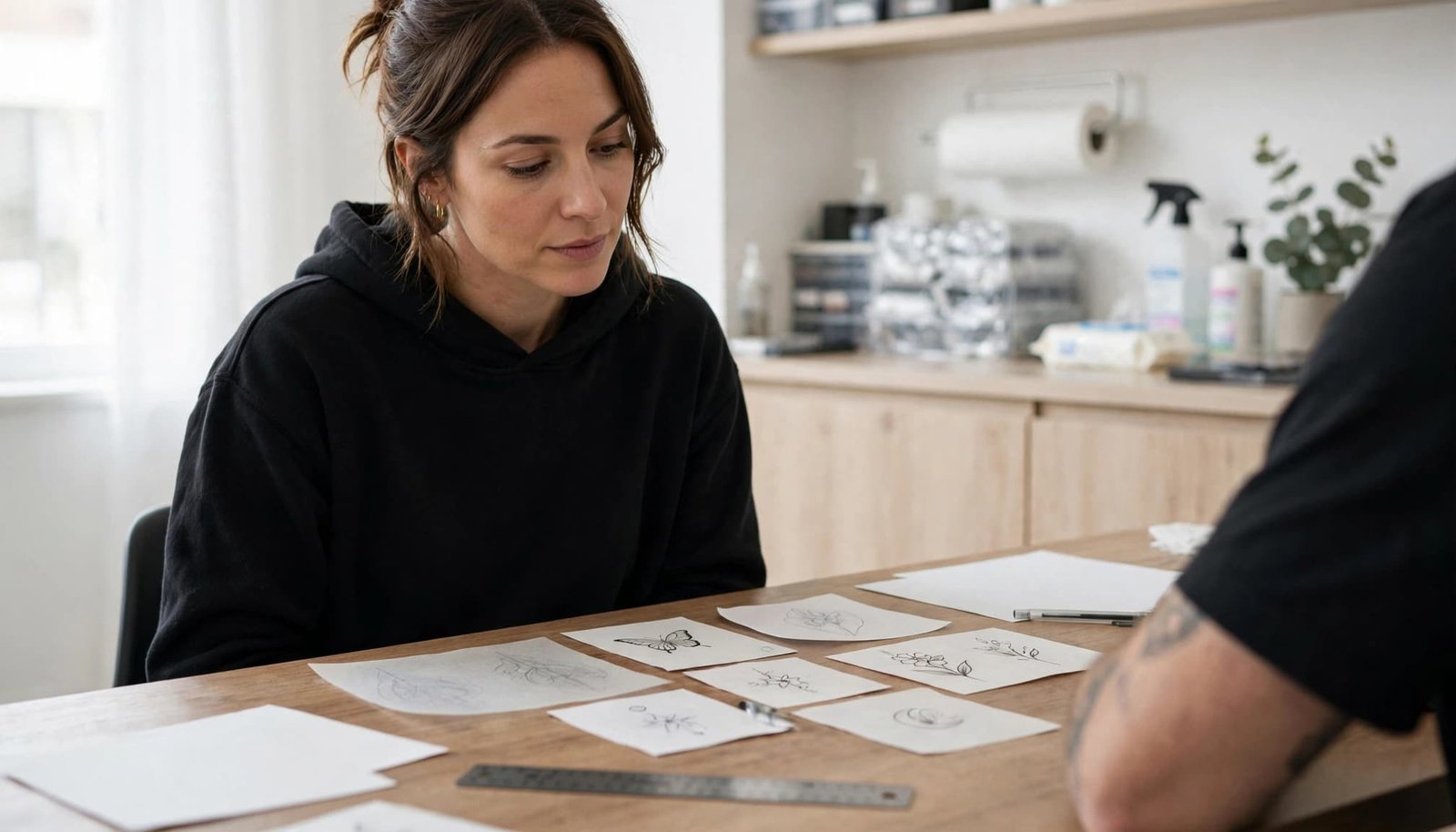
Questions to ask before booking a tattoo artist
Start with portfolios, not follower counts. Look for recent examples with clean linework, balanced composition, and a style close to your idea. Healed tattoos are especially useful because they show how lines, color, and spacing look after the skin has recovered.
Ask whether the artist has experience with fine-line lettering, birth flowers, color packing, realistic details, or whichever elements your design needs. You should also ask:
- Are you licensed, registered, or approved under local health requirements?
- What sterilization practices do you follow between clients?
- Do you use individually packaged, single-use needles and dispose of them in an approved sharps container?
- Can I request stencil changes before the tattoo begins?
- Will you provide written aftercare instructions?
- Do you offer follow-up support or a healing check?
- Do you charge hourly or use a flat price for this design?
- How much is the deposit, and does it apply to the final cost?
- Are consultations, custom sketches, or revisions charged separately?
- How long will the appointment take, and might the tattoo require multiple sessions?
- Is a touch-up included, and what is the time limit for that policy?
- Which payment methods do you accept?
Health rules vary by state and city, so check your local requirements as well as the studio’s answers. For example, Oregon’s tattoo regulations address single-use needles and approved sterilization standards.
Tattoo prices may use an hourly rate or a flat quote. As a general 2026 U.S. reference, established artists often charge about $150 to $300 per hour, while highly sought-after artists in major cities may charge more. Size, detail, color, placement, demand, and session count all affect the final cost.
A low quote shouldn’t outweigh hygiene, training, experience, or quality. Before booking, ask for the estimated total, not just the hourly rate, and confirm cancellation, rescheduling, deposit, revision, and touch-up policies in writing.
Bring these items to your consultation:
- Reference images that show your preferred mood, style, and placement.
- Correct spellings, birthdates, birth years, and other personal details.
- A short explanation of what each child should be represented by.
- Your preferred size, body placement, line weight, and color choices.
- Questions about how the artist will make the design original.
How to make a reference image work for your own tattoo
A reference image should communicate direction, not become artwork to copy. Use one image for its layout, another for its line weight, and a third for its color or mood. Combining several references gives your artist room to create a design that fits your skin and family story.
Write down the exact names, dates, symbols, flower varieties, and size preferences you want included. Also mention anything you don’t want, such as heavy shading, bright color, ornate lettering, or a design that feels too visible.
Before the appointment, review the final drawing and stencil carefully. Check every letter and number, then confirm the placement while standing, sitting, and wearing normal clothing. Once the stencil looks right, ask the artist to show you how the design will remain original rather than tracing another person’s tattoo.
Tattoo Safety and Aftercare for Busy Moms
A fresh tattoo needs simple, consistent care, even when your day includes school drop-offs, snacks, errands, and bedtime routines. Follow your artist’s written instructions first because bandage systems, healing products, and removal times vary between studios.
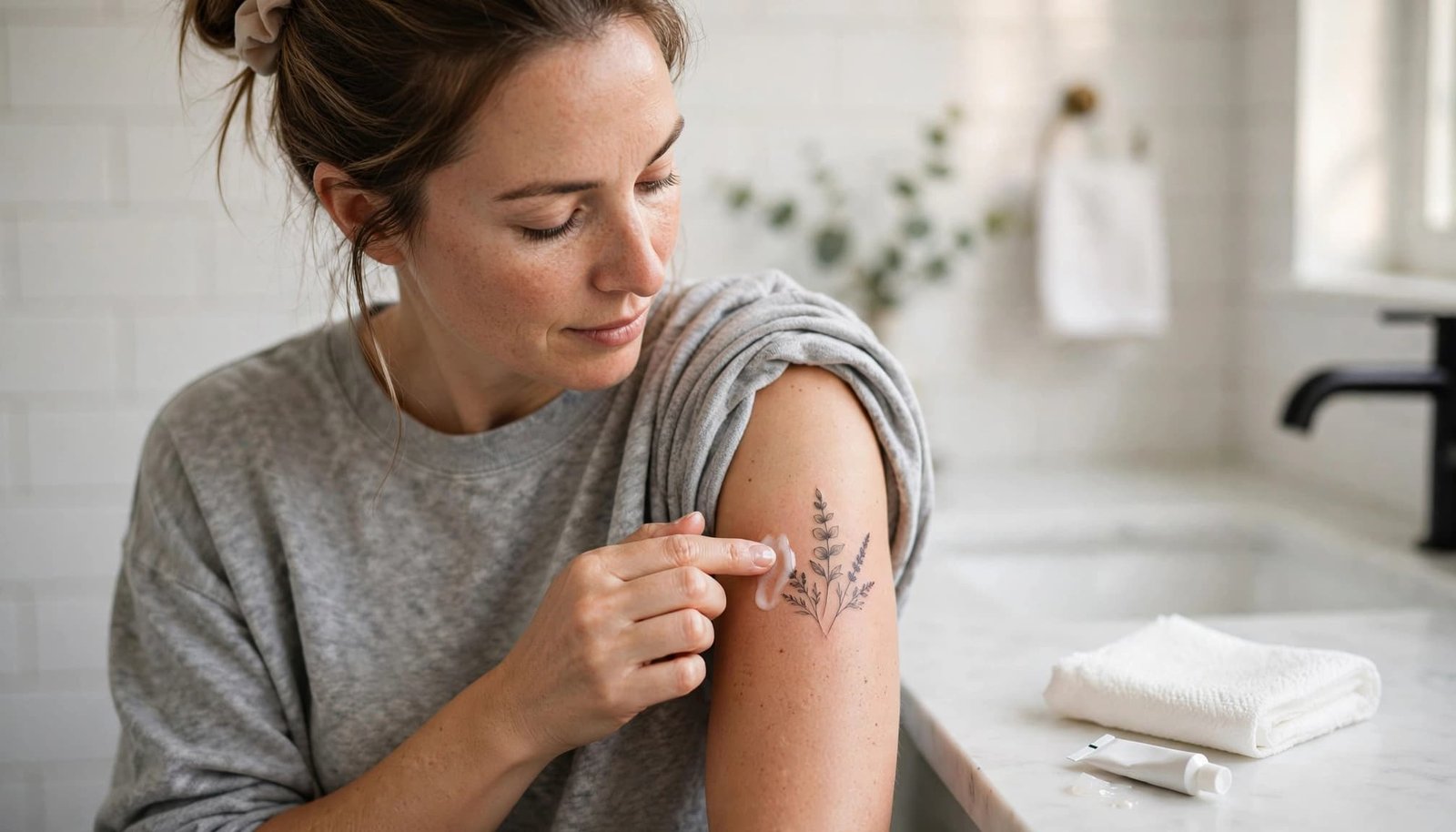
Before touching the tattoo, wash your hands. Clean the area gently with lukewarm water and mild, fragrance-free soap, then pat it dry with a clean paper towel. Don’t rub the skin with a bath towel, even if the tattoo feels dry or tight. Apply only a thin layer of the unscented lotion, cream, or other product your artist recommends, and use it at the advised time.
During healing, avoid scratching, picking, peeling, or rubbing the tattoo. Keep it away from pools, hot tubs, baths, oceans, and lakes, since soaking can expose healing skin to bacteria and irritants. Heavy sweating, tight clothing, and repeated friction can also bother the area. Wear loose, clean clothing and follow professional guidance before returning to swimming or strenuous exercise.
Plan the appointment with real parenting logistics in mind. If possible, arrange for another adult to help with childcare during the appointment and afterward. Keep clean shirts, paper towels, and the recommended aftercare product within reach. Curious little hands can touch a new tattoo without understanding the risk, so protect the area with loose clothing, but don’t cover it so tightly that heat and friction build up.
A simple healing timeline to expect
During the early phase, mild redness, tenderness, swelling, and clear fluid or light weeping can occur. The tattoo may feel similar to a shallow scrape or sunburn. These symptoms should gradually settle, although the exact pattern depends on the design, placement, your skin, and the bandage used.
Later, itching, dryness, flaking, and small scabs may appear. That stage can feel difficult when you’re busy, but scratching or peeling can remove healing skin and disturb the ink. Keep cleansing gently and let loose flakes come away on their own.
A tattoo may look smooth and healed on top while deeper layers of skin continue recovering. Healing times vary, so don’t judge readiness for swimming, soaking, intense exercise, or direct sun by appearance alone. When in doubt, ask your artist before changing your routine.
Once the skin has fully healed, protect the tattoo with a broad-spectrum, water-resistant SPF 30 or higher sunscreen. Sun protection helps reduce fading and protects the surrounding skin.
When to pause and contact a health professional
Mild irritation can be normal, especially when it improves. However, contact a qualified health professional if redness spreads or becomes darker, swelling becomes severe, pain intensifies, or the area feels increasingly hot. Pus, open sores, fever, chills, or a rash that spreads beyond the tattoo also needs medical attention. These symptoms can indicate an infection or allergic reaction, but only a health professional can assess what is happening.
For questions about washing, bandages, products, or normal flaking, contact your tattoo artist. For worsening or concerning symptoms, seek medical care rather than waiting for the next scheduled appointment. The American Academy of Dermatology’s tattoo reaction guidance can also help you recognize changes that deserve attention.
Conclusion
The strongest mom of two tattoo idea isn’t always the biggest, trendiest, or most detailed design. It is the one that reflects your relationship with both children, whether that means paired symbols, birth flowers, initials, birth years, nature-inspired artwork, or a mother-and-children silhouette.
Before booking, consider how the style, placement, artist’s skill, budget, and healing time fit your daily life. A smaller design can carry just as much meaning as a larger one when every detail has a personal reason for being there.
Take your time with the final sketch, review the stencil from different angles, and confirm every name, date, and symbol. Choose a tattoo that feels true to your family now and will still hold meaning years from now.
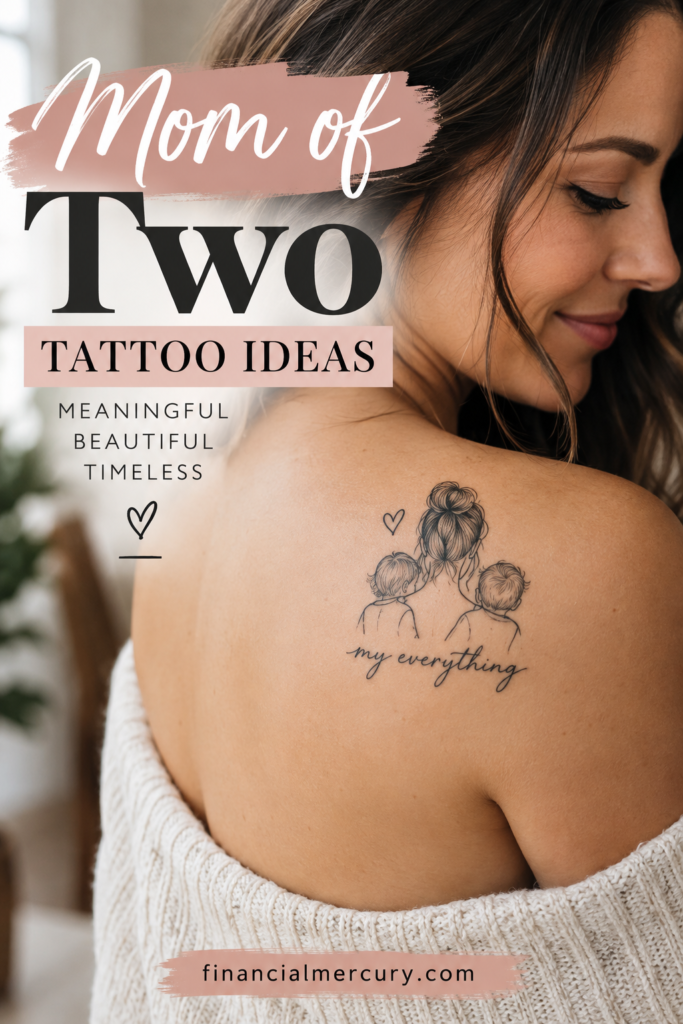
Save the pin for later

- 16 Cute Tattoo Ideas for Women on the Stomach - September 19, 2026
- 20 Beautiful Tattoo Ideas for a Daughter That Feel Personal - September 19, 2026
- 18 Tattoo Ideas for Passed Loved Ones That Feel Personal - September 18, 2026
Leave a Reply