30 Lotus Flower Tattoo Ideas With Meaning and Symbolism
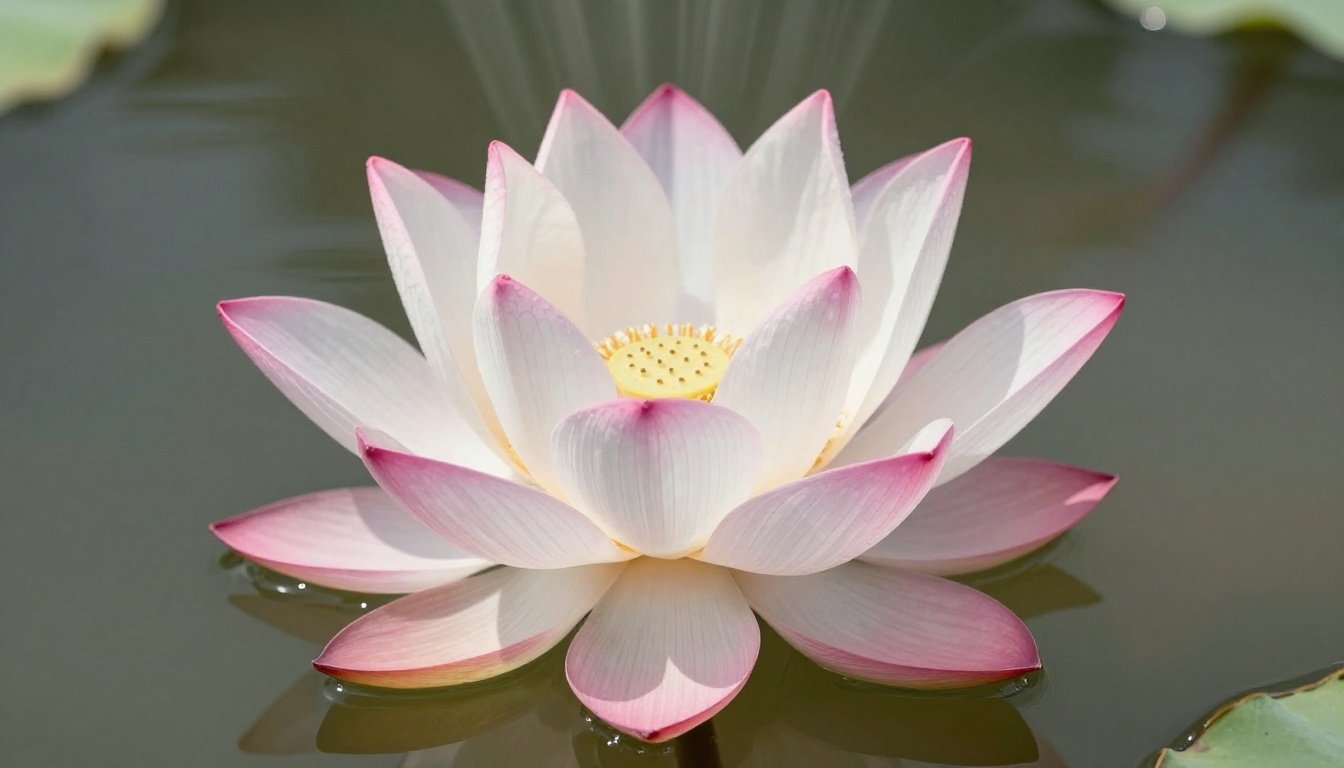
A lotus flower rises from murky water with clean petals open to the light, making it a fitting image for a life that has changed. That contrast is why lotus flower tattoos appeal to people honoring healing, personal growth, faith, love, or a fresh start.
The lotus carries different meanings across Buddhist and Hindu traditions, and its symbolism can also change with the tattoo’s color, style, placement, and your personal story. A white lotus may suggest purity, while red can point toward love and compassion, but no lotus tattoo has one fixed meaning. If your design draws on sacred imagery, thoughtful placement and cultural respect matter.
This collection features 30 lotus flower tattoo ideas with meaning, including delicate linework, bold blackwork, watercolor petals, mandala designs, and combinations with names, dates, or other symbols.
You’ll also find guidance on color symbolism, placement, choosing a style that feels personal, respecting religious traditions, and caring for fresh ink. Start by exploring the meanings behind each lotus design.
What a Lotus Flower Tattoo Can Mean Across Different Traditions
A lotus flower tattoo can honor purity, rebirth, spiritual awakening, beauty, resilience, or rising above hardship. Yet its meaning changes across cultures, so the design should reflect a tradition that genuinely fits your story rather than combining sacred symbols without context.
Buddhist Meanings of Purity and Enlightenment
In many Buddhist traditions, the lotus suggests purity because it grows through muddy water while its petals open cleanly above the surface. That image connects with spiritual awakening, non-attachment, and the mind’s movement beyond suffering. A tattoo of an open lotus may express a desire to rise above hardship without allowing painful experiences to define you.
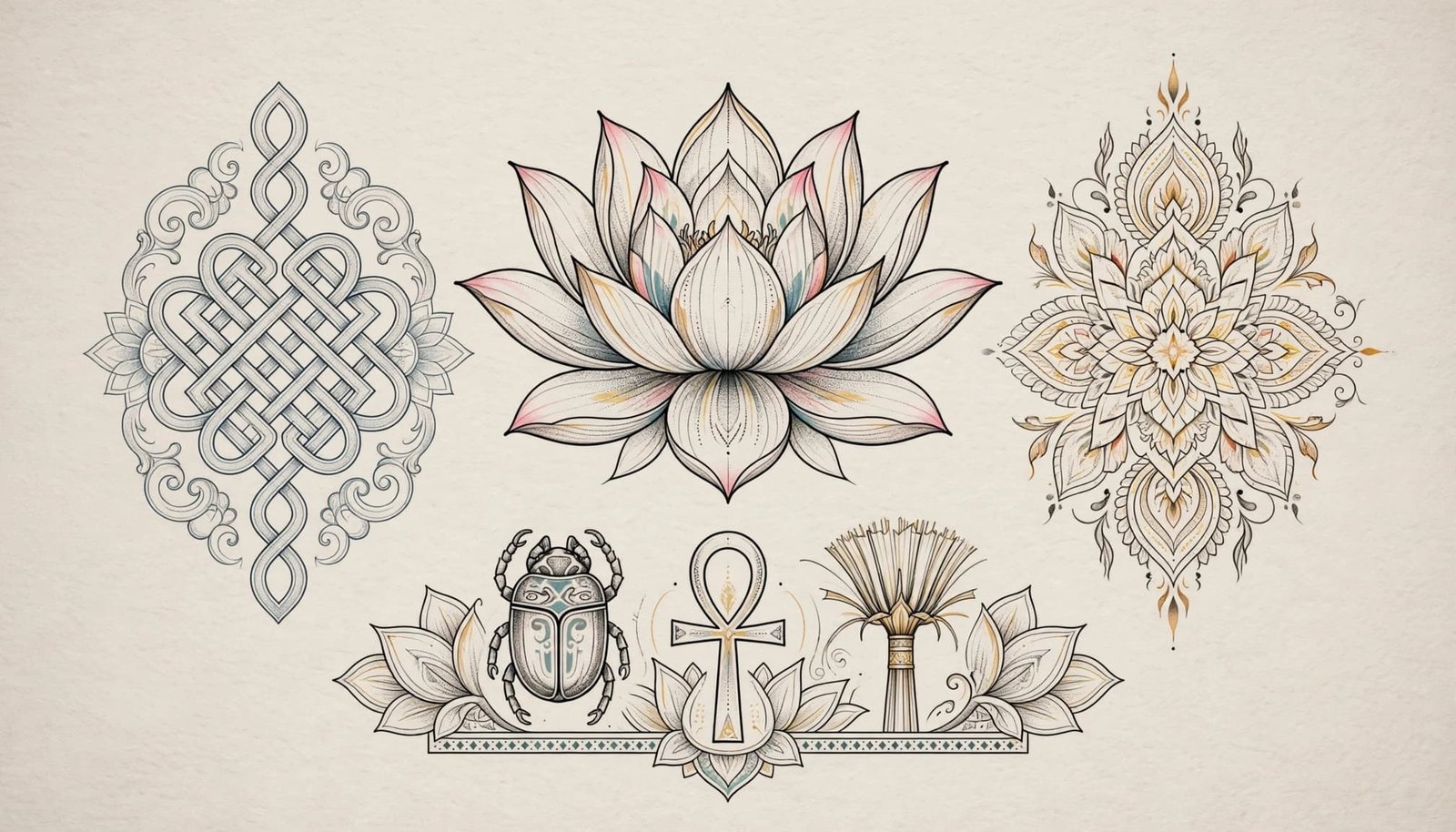
Buddhist art often shows the Buddha seated on a lotus. The flower becomes a sacred seat, linking the Buddha with enlightenment, transcendence, and freedom from ordinary attachment. A lotus tattoo inspired by this tradition might use a calm, symmetrical design, a meditative pose, or a mandala structure. However, color meanings can vary between Buddhist schools, regions, and lineages. A white lotus commonly suggests purity, while pink may point toward the Buddha or supreme spiritual attainment.
For additional context, the Buddhist lotus symbol is often discussed alongside the Buddha’s seated lotus posture and enlightenment.
Hindu Connections to Beauty and Prosperity
In Hindu traditions, the lotus carries associations with beauty, prosperity, fertility, spirituality, divine birth, and cosmic creation. Lakshmi, the goddess connected with wealth, fortune, and abundance, is frequently shown standing or seated on a lotus. For that reason, a lotus tattoo inspired by Lakshmi may express grace, prosperity, feminine strength, or hopes for a flourishing life.
The flower also appears in Vaishnava imagery connected to Vishnu. In many tellings, Vishnu rests upon the cosmic waters, while a lotus grows from his navel and gives rise to Brahma. This image ties the flower to creation and the continuing order of the universe. Other Hindu traditions may connect lotus symbolism with different deities and teachings, so one design cannot speak for every Hindu lineage.
A tattoo based on this tradition might include ornate petals, jewelry-like details, or a lotus paired with symbols of abundance. Before using a deity, sacred mantra, or religious image, learn its context and consider whether the connection is personal and respectful.
Ancient Egyptian Creation and Rebirth
Ancient Egyptian lotus imagery centers on creation, the sun, regeneration, and the afterlife. Egyptian sources sometimes use “lotus” and “water lily” interchangeably, especially when discussing the blue and white water lilies found in Egyptian art. These flowers are not botanically identical to the Asian sacred lotus, even though both carry rich religious symbolism.
The flower’s daily opening at sunrise and closing at night connected it with the sun god Ra. In creation stories, a lotus rises from the primeval waters of Nun, and the sun or Ra emerges as it blossoms. That cycle made the flower a sign of renewal, light, and the restoration of life.
Egyptian symbolism also links the lotus with regeneration and the afterlife, including resurrection themes associated with Osiris. A tattoo may therefore honor survival, a new beginning, or hope after loss. Meanings still vary by region, historical period, school, and lineage. Choose the tradition that matches your own experience, then let the flower’s color, posture, and surrounding symbols tell that story.
30 Lotus Flower Tattoo Ideas With Meaning
A lotus tattoo can be delicate, colorful, spiritual, natural, or intensely personal. The best design combines a clear visual style with a meaning connected to your own life, rather than copying symbols that look attractive but feel distant.
Simple Lotus Designs for Quiet Strength and New Beginnings
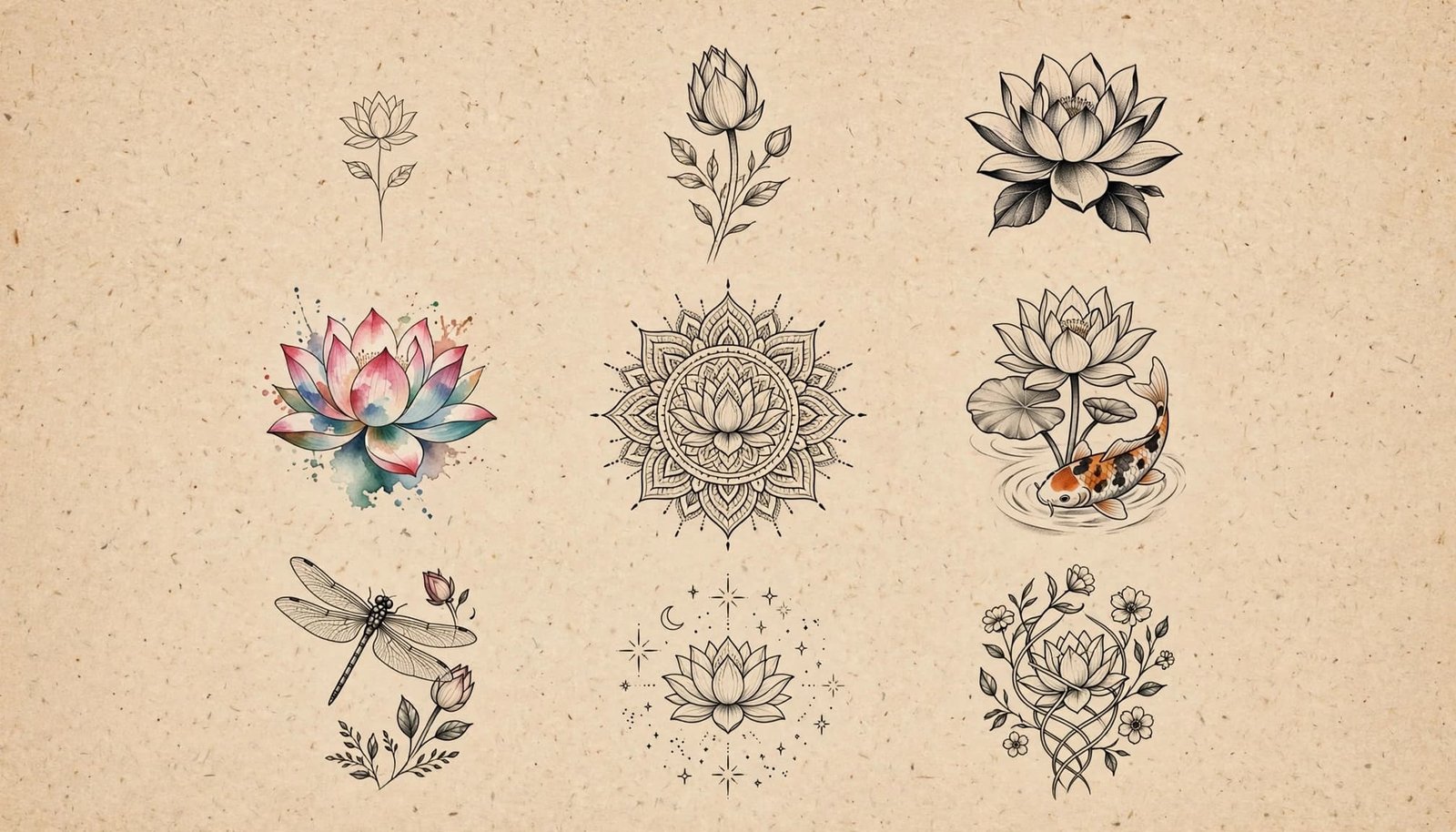
Small lotus tattoos work well when their petals stay open, clean, and easy to recognize. Very tiny designs may need fewer details, since dense linework can blur as the tattoo ages.
- A fine-line lotus with three or four open petals can suggest a fresh start. It suits someone beginning a new chapter after moving, graduating, or leaving an old routine.
- A closed lotus bud can symbolize potential, patience, or a future that has not unfolded. This design may suit someone protecting a private goal.
- A black-and-gray lotus bloom uses soft shading to express resilience after hardship. It fits a wearer who prefers a serious, timeless tattoo.
- A lotus beneath a rising sun creates a clear image of rebirth and renewed hope. It may honor recovery, a second chance, or a major life change.
- A lotus growing from visible mud or ripples shows beauty emerging from difficult circumstances. This design suits anyone who has overcome grief, illness, or emotional pain.
- A tiny lotus beside a meaningful date or initial keeps the symbolism personal without adding many extra elements. Choose a date or letter that only needs to make sense to you.
Colorful Lotus Tattoos Inspired by Personal Meaning
Lotus color meanings are commonly attributed, not universal. White, pink, blue, and red have more familiar associations, while purple and yellow carry less standardized meanings across traditions and modern tattoo art.
- A white lotus with soft gray shadows can suggest peace, purity, or spiritual clarity. It may suit someone honoring meditation or a calmer season.
- A pink lotus with watercolor edges can express devotion, tenderness, or enlightenment. It fits a meaningful relationship or a personal spiritual path.
- A blue lotus with a gentle gradient can suggest wisdom, serenity, and self-control. This style may suit someone learning to respond thoughtfully under pressure.
- A red lotus with realistic layered petals can point toward love, compassion, or emotional courage. It works well as a tribute to a partner, parent, or child.
- A purple lotus with shaded jewel tones can suggest mystery and an inward journey. Its meaning is less fixed, so connect it to your own private growth.
- A yellow lotus with warm golden petals can bring a feeling of joy and optimism. It may celebrate recovery, friendship, or a hopeful new direction.
Spiritual Lotus Tattoo Ideas With Sacred and Geometric Details
Religious imagery deserves more care than decorative styling. The Rubin Museum’s lotus symbolism guide explains the flower’s links with purity, awakening, transformation, and compassion in Buddhist and Hindu art.
- A lotus beneath a crescent moon can suggest reflection, changing seasons, and acceptance of uncertainty. It suits someone who finds meaning in quiet nighttime rituals.
- A lotus inside a mandala creates a balanced, symmetrical tattoo. The design may represent centeredness, meditation, or the need to bring order to a busy life.
- A lotus paired with Om can honor a personally meaningful spiritual practice. Research how the symbol functions within your chosen tradition before using it.
- A lotus with carefully checked mantra text can preserve a prayer or teaching. Verify the spelling, translation, script, and direction with a qualified source.
- An eight-petal lotus can reference the Buddhist Noble Eightfold Path. It suits someone whose practice centers on ethical conduct, wisdom, and disciplined attention.
- A lotus beneath a respectful Buddha or meditation figure can express devotion or a commitment to mindful living. Don’t choose a sacred figure only because it completes the composition.
Nature-Inspired Lotus Tattoos for Growth, Peace, and Connection
Natural elements can change the mood of a lotus tattoo without taking attention away from the flower. Keep surrounding details lighter or simpler when the lotus should remain the visual focus.
- A lotus with koi fish can suggest perseverance, movement, and progress through difficulty. It may suit someone who keeps moving despite repeated setbacks.
- A lotus surrounded by dragonflies can express transformation and adaptability. This design fits a person entering a new identity or stage of life.
- A lotus floating among lily pads creates a calm scene about balance and stillness. It may appeal to someone who feels restored by water and nature.
- A lotus with flowing water can suggest emotional healing and release. Curved lines make the design feel softer than a heavily shaded composition.
- A lotus framed by leaves or reeds connects the flower to its natural habitat. This option suits hikers, gardeners, or anyone who finds peace outdoors.
- A lotus beneath stars can offer hope during a dark season. Sparse dots and open space keep the design reflective rather than crowded.
Personal Lotus Tattoo Ideas for Love, Healing, and Remembrance
Personal details give a lotus tattoo its strongest connection to real life. Choose symbols tied to a person, memory, or milestone, and check every name, date, and line of text before your appointment.
- Two intertwined lotus flowers can represent a couple, siblings, or lifelong friends. Matching stem curves can show connection without making the tattoos identical.
- A lotus combined with a family member’s birth flower can honor shared roots. Use different petal shapes to give each flower its own identity.
- A lotus with a memorial name or date can keep a loved one close. Simple lettering often ages better than elaborate text around a small bloom.
- A half-open lotus can represent healing in progress rather than a finished chapter. It may suit someone rebuilding confidence after loss or illness.
- A lotus beside a short quote in your own handwriting creates an intimate keepsake. Scan the original writing clearly, then proofread the stencil before tattooing.
- A lotus with a phoenix or butterfly can symbolize major transformation. The phoenix suggests dramatic renewal, while the butterfly creates a lighter image of change.
How Color, Style, and Shape Change the Feeling of a Lotus Tattoo
The same lotus can feel delicate, bold, romantic, or meditative depending on its structure. Before choosing a design, decide which details should carry the emotion: the linework, the color, the bloom’s position, or the overall shape.
Choose a Lotus Tattoo Style That Matches Your Mood
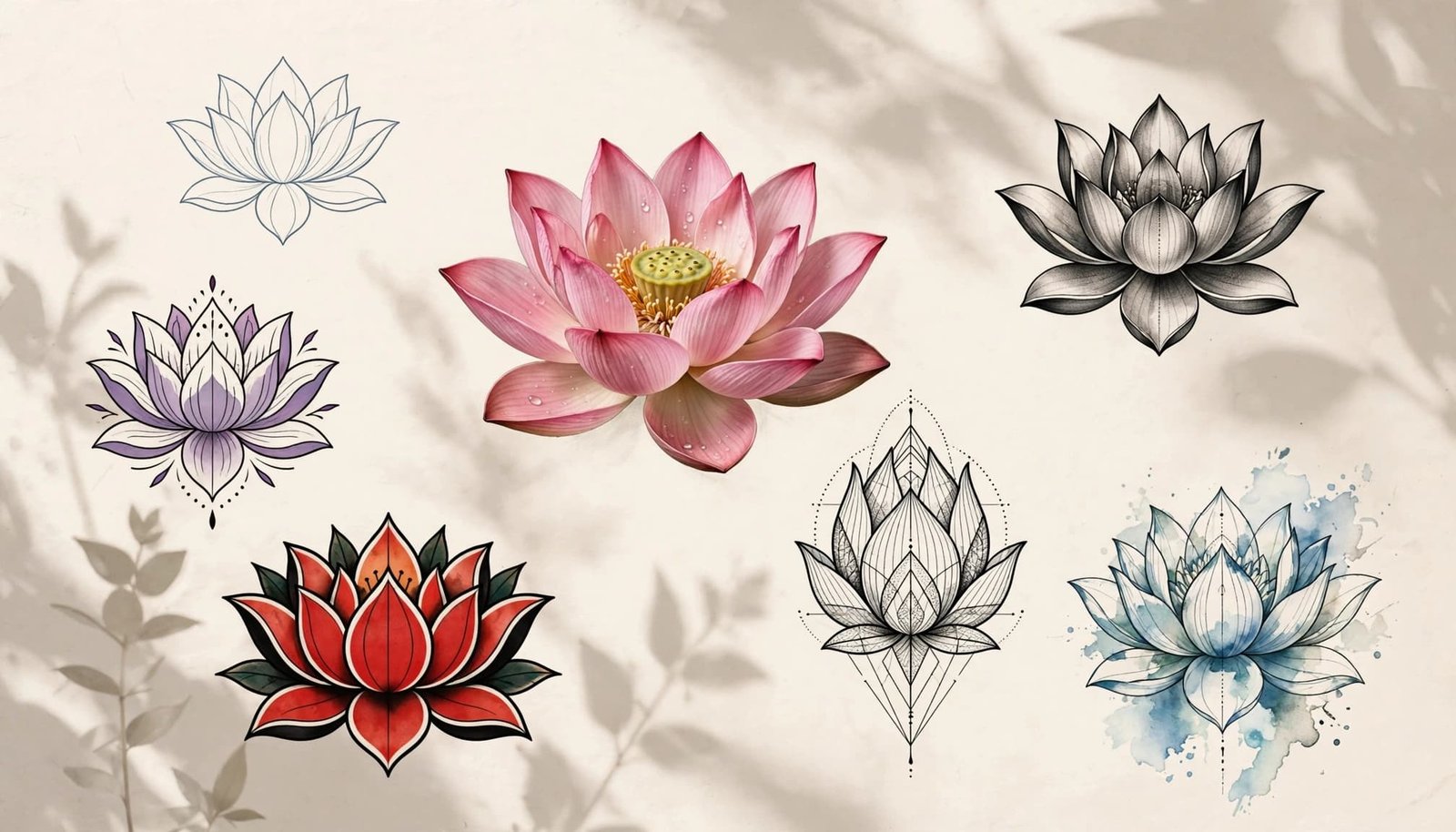
Fine-line lotus tattoos feel light, personal, and understated. They work well for small designs, but the artist needs enough space between petals and interior details. A crowded fine-line tattoo may lose clarity as the ink softens over time.
Black-and-gray shading creates a more serious, reflective mood. Soft gradients can give the petals depth without making the flower feel loud. By contrast, a bold traditional lotus uses strong outlines, solid color, and simplified shapes. It has a confident look that remains easier to recognize from a distance.
Watercolor lotus tattoos use loose edges and blended color to create a gentle, dreamy effect. The style can feel emotional and expressive, although it needs a clear outline or strong contrast if you want the flower to stay readable. Illustrative designs offer more freedom, adding leaves, water, insects, stars, or decorative marks with the feel of a storybook drawing.
A realistic lotus tattoo focuses on natural petal layers, shadows, and botanical detail. It can feel intimate and grounded, especially in black and gray. Geometric lotus tattoos take the opposite approach, using clean angles, repeated shapes, and measured spacing. When the design follows a mandala-like structure, its symmetry adds balance and a centered feeling.
A detailed lotus needs room to breathe. The smaller the tattoo, the fewer fine details it should contain.
Let Color and Bloom Shape Guide the Meaning
Color changes the emotional temperature of a lotus. Soft white or pale pink can make the design feel gentle and peaceful. Red creates a passionate, loving impression, while blue often feels calm, thoughtful, and controlled. Purple can add mystery and introspection, and golden yellow brings warmth and optimism.
These associations are personal rather than fixed rules. Buddhist and Hindu artwork uses lotus colors in varied ways, so research the tradition behind any sacred symbolism you plan to include.
The flower’s stage of opening also changes its message. An open lotus bloom can suggest growth, arrival, confidence, or a chapter that has finally come into the light. Its wide petals create a welcoming, expansive shape.
A closed lotus bud feels more private. It can express hope, potential, patience, or a beginning still unfolding. This option suits someone protecting a new goal or honoring progress that remains incomplete. A half-open flower sits between those ideas, showing healing in motion rather than a finished transformation.
Match Detail to the Tattoo’s Final Size
Ask your tattoo artist to design for the size you will actually wear, not for a large reference image on a phone. Line weight should match the amount of detail, and each petal should remain distinct without magnification.
Before your appointment, request a stencil or printed preview at the planned dimensions. Check whether the center, outline, and surrounding elements still read clearly from several feet away. A strong lotus design keeps its key shapes visible, even after years of normal ink softening.
Where Should You Place a Lotus Flower Tattoo?
The best lotus flower tattoo placement depends on the design’s size, visibility, detail, and your comfort with movement or sensitivity. A tiny fine-line bloom needs less space than a lotus surrounded by water, text, leaves, or a mandala.
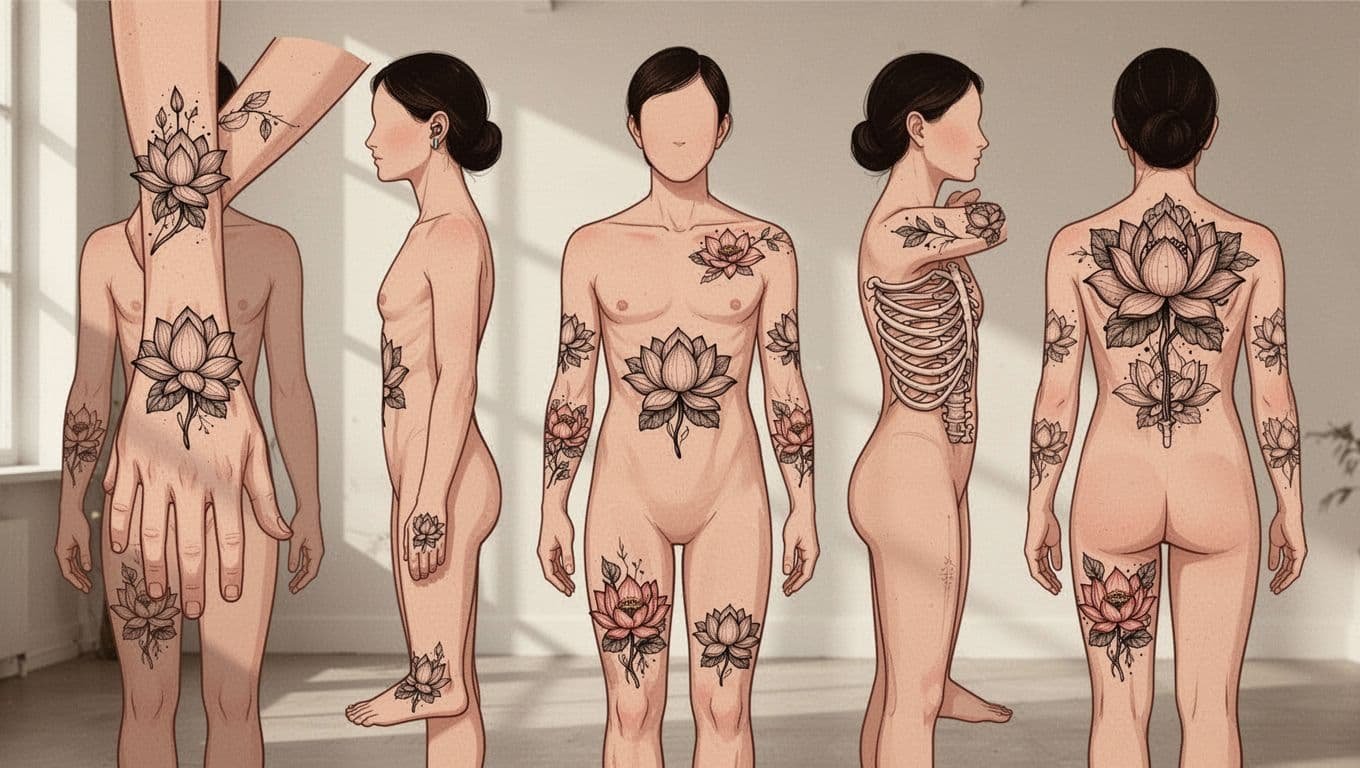
Small and Discreet Lotus Tattoo Placements
The wrist works well for a small lotus you want to see often. The outer wrist usually gives a little more room, while the inner wrist has thinner skin and can feel more sensitive. Because the wrist bends and moves throughout the day, keep the design simple and avoid packing too many fine lines into the flower.
An ankle tattoo offers a private placement that can remain covered by socks or shoes. A small lotus fits neatly above or beside the ankle bone, although the area may feel more sensitive because the skin sits close to bone. Designs placed near the foot should also account for shoe friction and daily movement.
For an especially subtle choice, consider a lotus behind the ear. This area suits a tiny bloom, a single stem, or a minimal outline. Space is limited, and the skin lies close to bone, so detailed petals or surrounding scenery may not remain clear at a very small size.
The collarbone creates a graceful horizontal line for a narrow lotus design. A small flower can sit beneath the bone, while a pair of blooms can follow its natural direction. Since the collarbone has little padding, ask your artist about sensitivity before choosing a longer session. Healthline’s tattoo pain guide explains why thin, bone-adjacent areas often feel more intense.
Placements With Room for Detail and Movement
The forearm gives a lotus enough space for open petals, a stem, light water lines, or a short date. The outer forearm is relatively stable and easy to display, while the inner forearm offers a more personal view. A shoulder or upper-arm placement provides similar flexibility, with enough padding for medium-sized designs and softer shading.
The upper back, especially around the shoulder blade, creates a broad canvas for a lotus with ripples, leaves, stars, or geometric framing. It can remain covered under everyday clothing and offers a flatter surface than the ribs. A thigh tattoo gives you even more room for large petals, color gradients, text, or a full botanical scene. The outer thigh is often more forgiving than the inner thigh, though every person’s sensitivity differs.
A lotus on the ribs can follow the body’s natural curve and create an elegant vertical composition. However, breathing moves the skin during the appointment, and the ribs have little padding. The sternum offers a centered, symmetrical location for a lotus or mandala, but its bony surface can make the process demanding.
Ask your artist to apply the stencil while you stand in a neutral position. Then check it while you bend, twist, raise your arms, and take a normal breath.
Curved areas can change the appearance of a design. A lotus that looks centered on the shoulder blade may shift visually when your arm moves. On the ribs, ankle, shoulder, and sternum, inspect the stencil from more than one angle. Also confirm that text remains straight and that the petals do not stretch awkwardly when your body moves.
How to Personalize Your Lotus Tattoo Without Losing Its Meaning
A personal lotus tattoo begins with a story, not a decoration. Before choosing petals, colors, or extra details, identify the life event, belief, relationship, or value you want the flower to carry. That decision gives every later choice a clear direction.
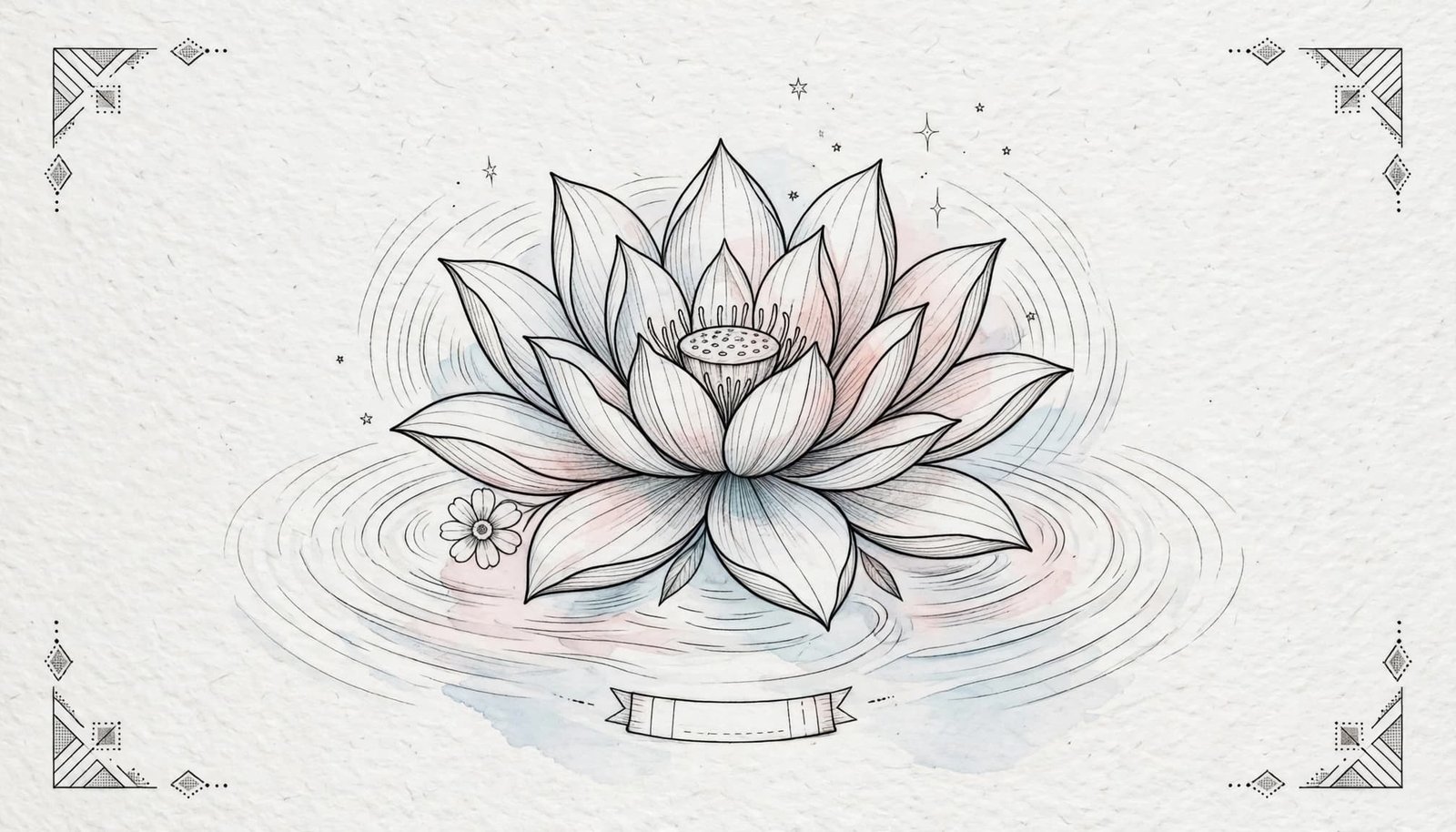
Build the Design Around Your Story
Write one plain sentence about the tattoo’s meaning. For example, you might want to honor recovery, remember a parent, celebrate a new beginning, or stay connected to a spiritual practice. Then choose details that support that sentence instead of adding every symbol you like.
An open lotus may fit growth or confidence, while a closed bud can express patience and private hope. Next, select a color that matches the mood. Blue can feel calm, red can suggest love, and white can create a peaceful appearance. These associations vary across traditions, so treat them as design choices rather than universal rules.
Supporting symbols work best when they have a clear personal purpose. You might add:
- An initial, date, or set of coordinates connected to a person or meaningful place.
- A birth flower that honors a family member, partner, or child.
- Your own handwriting for a short word, name, or phrase.
- Stars for guidance, a new direction, or someone you remember.
- Water lines to show hardship, healing, or movement through change.
- A culturally meaningful pattern that belongs to a tradition you understand and respect.
Use restraint when combining these details. A small lotus may need only one supporting symbol, while a larger shoulder or thigh tattoo can hold several elements without losing focus.
Work With Your Tattoo Artist, Not a Copy
Bring reference images that show the style, line weight, color, size, and mood you prefer. However, ask your artist to create an original composition rather than copying another person’s tattoo. A custom design can keep the feeling you admire while fitting your body and personal story.
Choose an artist whose portfolio includes several examples in your preferred style. Look at healed tattoos when possible, because healed lines and color show more than fresh ink. During the consultation, discuss placement, aging, text size, cultural references, and which details should remain visually dominant.
If you include a religious symbol, sacred script, or traditional pattern, research its use before approving the sketch. Ask whether the reference is appropriate outside its original context, and avoid treating sacred imagery as filler around the lotus.
Review the Final Sketch Before Your Appointment
Take a day or two before approving the design. Then ask yourself:
- Will the lotus and its main details remain clear as the tattoo ages?
- Does the text fit the available space, and have you checked every letter and date?
- Does the chosen style match the meaning you want to express?
- Do the color and bloom shape support your story?
- Do you feel comfortable with every cultural or religious reference?
- Does the composition feel personal without becoming crowded?
A meaningful lotus tattoo does not need many symbols. It needs the right ones, arranged with enough space for the flower and its story to remain clear.
Cultural Respect, Artist Selection, and Lotus Tattoo Aftercare
A lotus tattoo can be a beautiful personal symbol, but its meaning reaches beyond modern tattoo culture. The lotus is sacred in living Buddhist and Hindu traditions, and it also held important religious meaning in ancient Egypt. Before adding a Buddha, deity, mantra, Om, Sanskrit phrase, or Egyptian-inspired element, learn where it comes from and how people use it today.
Cultural meanings are not identical across all communities. A color, gesture, deity, or lotus arrangement may carry different meanings across regions, lineages, and religious schools. Read reliable cultural material, ask respectful questions, and avoid treating sacred imagery as a generic decoration around a pretty flower. The lotus flower’s religious symbolism can provide a starting point, but personal research matters when your design uses a specific tradition.
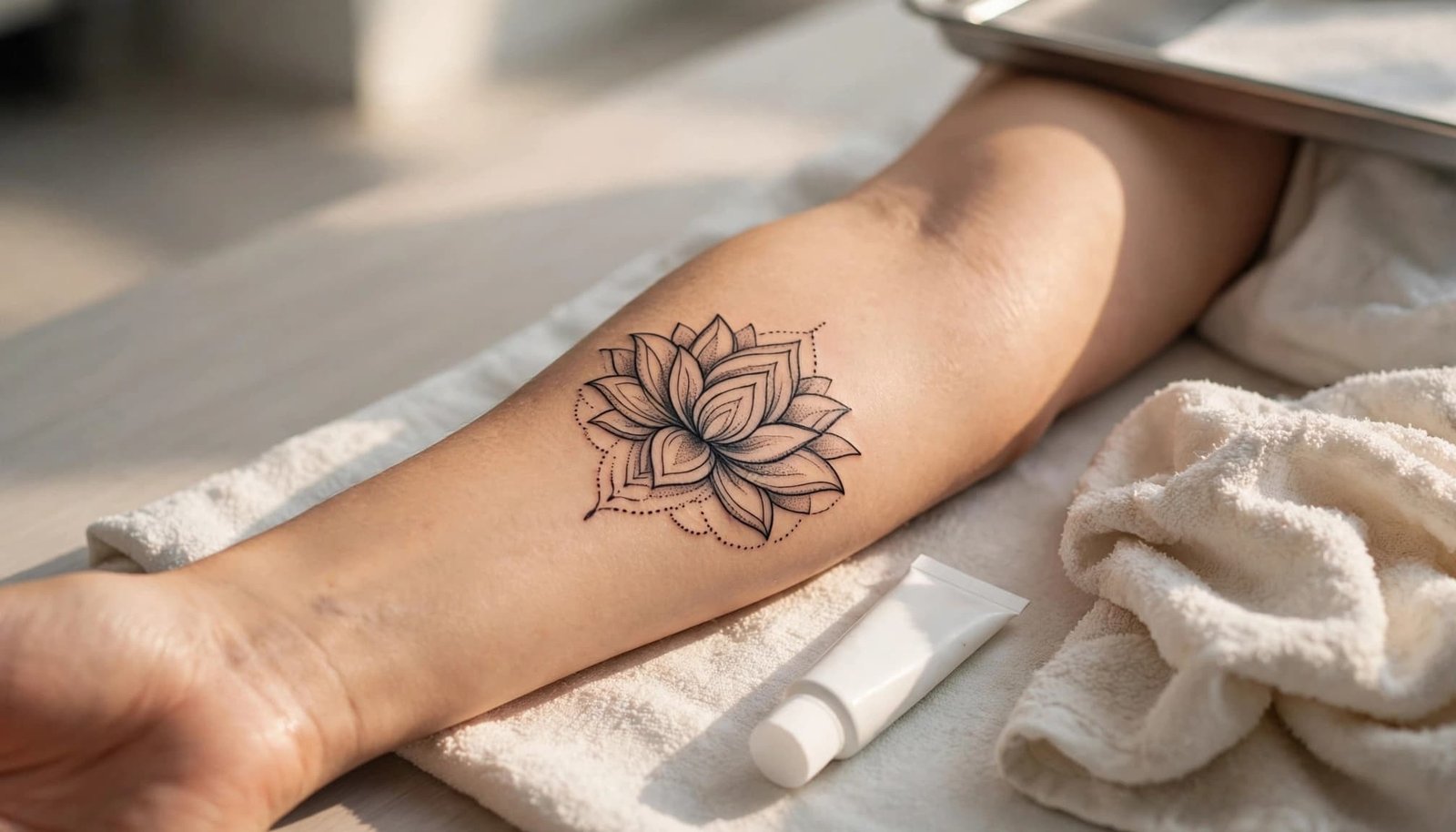
Choose an artist for skill, care, and communication. Start by reviewing healed work, not only fresh tattoos photographed under bright studio lights. Healed images show whether fine lines remain clean, color stays even, and details still read after the skin settles.
Look for experience with the style you want, whether that means fine-line petals, saturated color, black-and-gray shading, or realistic botanical work. Ask how the artist adjusts color and contrast for your skin tone, then discuss placement, body movement, tattoo size, and how the design may age.
Before booking, ask practical questions about:
- The artist’s license or registration and the local health rules that apply to the studio.
- Single-use needles, fresh gloves, sterile supplies, and surface disinfection.
- Their experience with your chosen tattoo style, skin tone, and placement.
- The spelling, translation, and cultural meaning of every word or symbol.
Bring your references, but allow the artist to create an original design. If a sacred figure or traditional symbol feels unclear, pause before approving the stencil. A confident artist should welcome careful questions rather than rush you through the appointment.
Follow a simple aftercare routine. Your artist’s instructions come first because bandage products, healing methods, and removal times vary. Once the covering comes off, wash your hands, then gently clean the tattoo with lukewarm water and mild, fragrance-free soap. Don’t scrub or direct a strong shower stream onto the area.
Pat the skin dry with a clean paper towel or soft towel. When your artist recommends moisturizing, apply a thin layer of the suggested fragrance-free moisturizer. More product won’t heal the tattoo faster, and heavy layers can trap moisture.
During healing, avoid scratching, picking scabs, tight clothing, and friction. Keep the tattoo out of pools, hot tubs, baths, lakes, and the ocean until the skin has fully healed. Protect it from direct sun with loose clothing, then use sunscreen after healing.
Some redness and tenderness can occur at first, but seek medical attention if redness spreads or increases, swelling worsens, pain intensifies, or the tattoo produces pus. Fever, chills, hot skin, or irritation that moves beyond the tattoo also need prompt medical care.
Conclusion
A lotus flower tattoo carries the image of a bloom rising through dark water, its petals opening above the mud and reaching toward the light. That image can hold many personal meanings, including healing, rebirth, spiritual growth, love, remembrance, or a new beginning. The strongest design is the one that connects that symbolism to a story that belongs to you.
Choose the color, placement, size, and surrounding details with intention. An open bloom can suggest growth, while a bud may express hope that is still unfolding. If your design includes Buddhist, Hindu, or Egyptian spiritual references, learn their meaning and treat them with respect. A skilled, responsible tattoo artist can also help you create an original design with clear lines, suitable proportions, safe studio practices, and details that will age well.
Your lotus tattoo doesn’t need to explain every part of your journey to hold deep meaning. Sometimes a single flower rising through dark water says enough.
Save the pin for later

- 30 Lotus Flower Tattoo Ideas With Meaning and Symbolism - September 14, 2026
- 29 Beautiful Sunflower Tattoo Ideas for Every Style - September 14, 2026
- 15 Christian Wrist Tattoo Ideas With Meaning - September 14, 2026
Leave a Reply