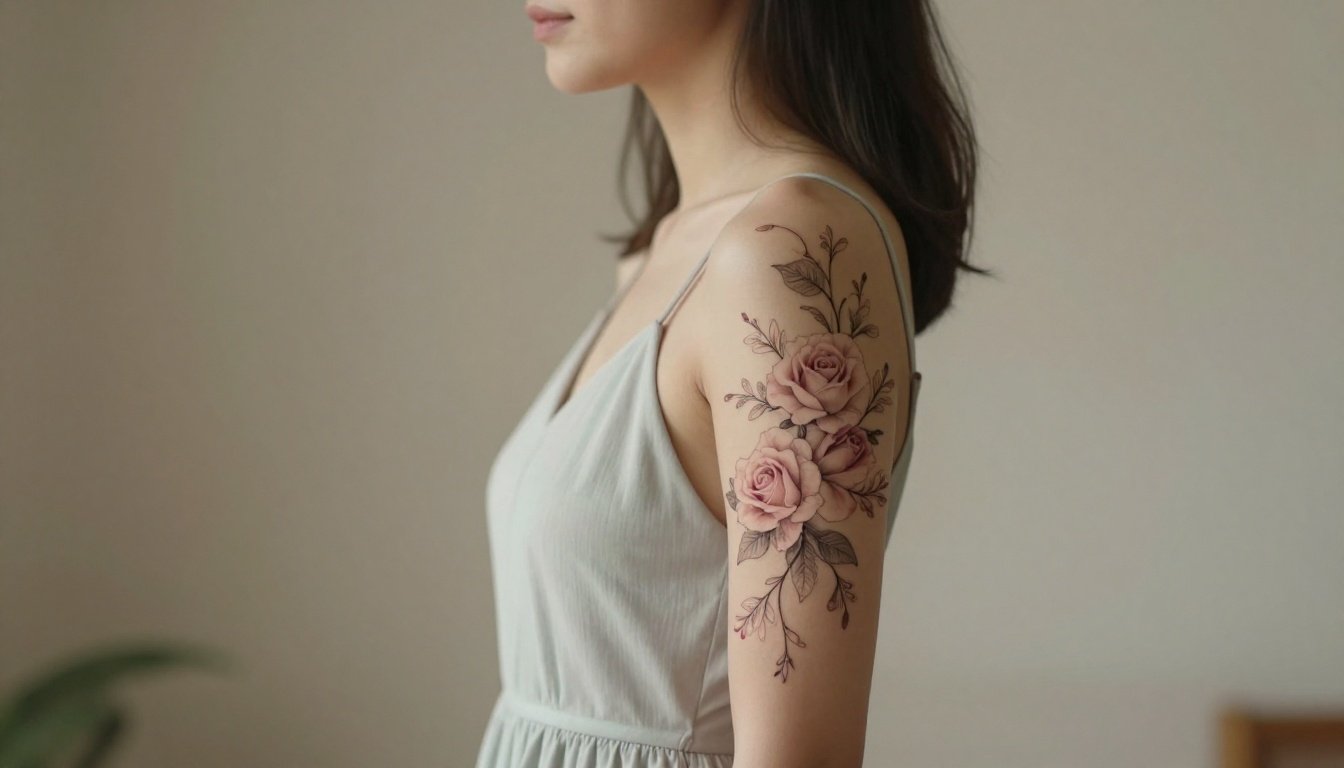
25 Stunning Hip Tattoo Ideas for Women to Inspire Your Next Design
Hip tattoos have a personal kind of appeal: the placement feels private, the curved shape can complement your body, and you can show or cover the design whenever you choose. That flexibility makes the hip a beautiful spot for everything from a delicate fine-line piece to a bold tattoo with plenty of detail.
These 25 hip tattoo ideas for women span floral, celestial, animal, minimalist, and meaningful styles, so you can find inspiration that suits your taste and story. The right design should fit your body and carry personal meaning, not only look good in a photo.
As you compare your options, you’ll also find guidance on size, placement, pain, cost, choosing a tattoo artist, and planning for aftercare. Start with the designs below, then narrow your favorites by considering how each one will look, feel, and fit your life.
25 Stunning Hip Tattoo Ideas for Women
The hip suits tattoos that follow the body’s natural curve. You can keep a design private beneath a waistband or extend it toward the upper thigh for a more visible statement. Use these ideas to compare mood, style, size, and placement before discussing your favorite concept with an artist.
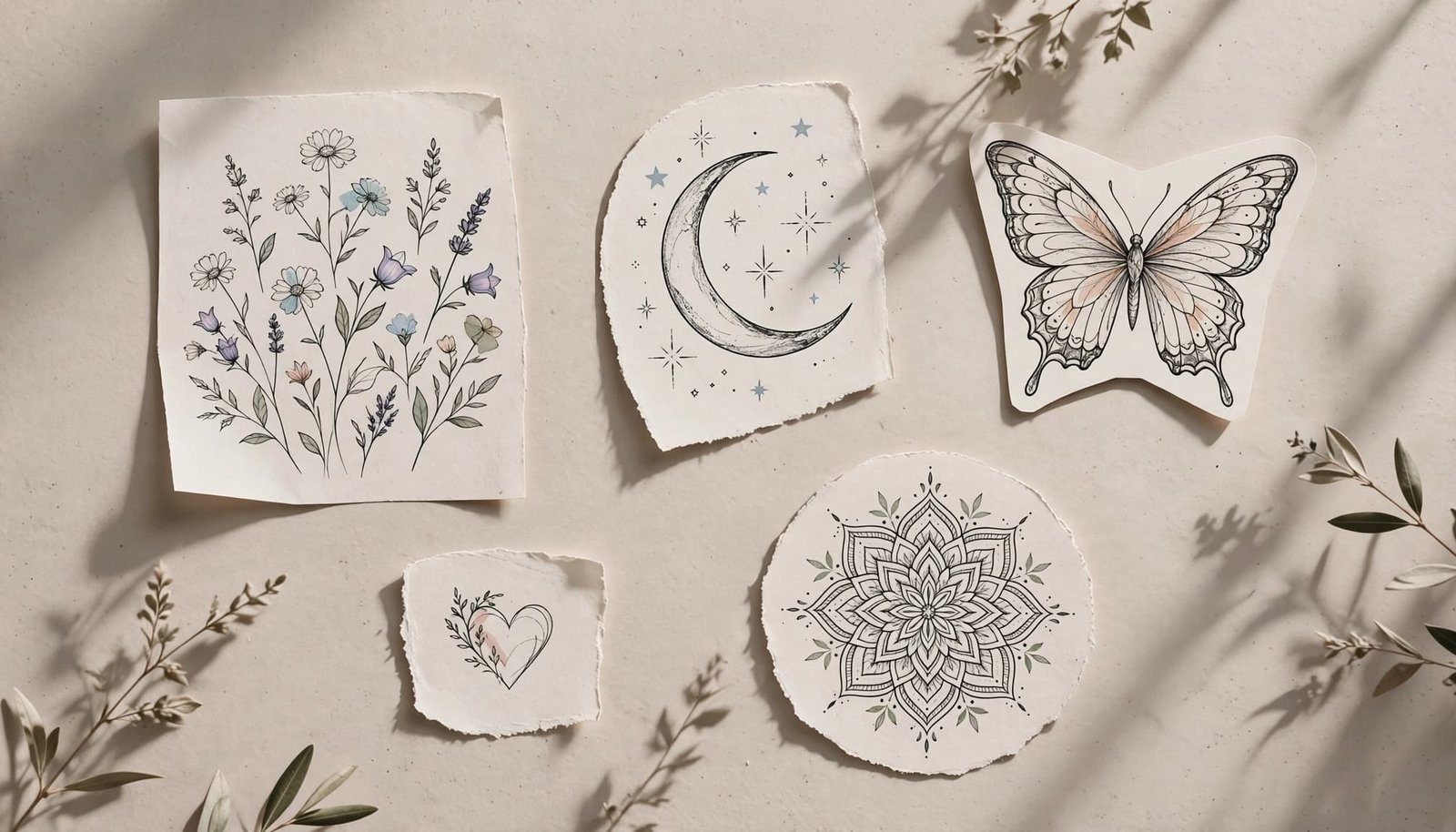
Soft Floral and Botanical Hip Tattoo Designs
Floral tattoos can look romantic, feminine, elegant, or earthy depending on the line weight and color palette. Keep petals larger and less crowded if you want the design to remain clear as it ages.
- A wildflower cluster can curve along the outer hip, with fine-line stems and muted color on selected petals. It suits a romantic, nature-inspired look without feeling overly formal.
- A trailing vine can begin near the waistband and sweep toward the upper thigh. Fine leaves create an airy effect, while bolder blackwork gives the piece stronger contrast and definition.
- A blooming peony works well over the rounded outer hip, where layered petals can follow the body’s shape. Choose soft pink or muted red for a feminine mood, or blackwork shading for a dramatic design.
- A lavender sprig is ideal for a narrow inner-hip tattoo or a small piece beside the waistband. Its simple silhouette looks elegant in fine line, while a little muted purple adds gentle color.
- A delicate lotus can sit horizontally across the hip or point downward toward the thigh. Fine lines create a graceful look, but slightly thicker outlines will help the petals stay readable over time.
Celestial Hip Tattoos With a Dreamy Feel
Celestial imagery gives you plenty of room for personal symbolism. Dotwork creates a soft, quiet mood, while crisp lines and subtle color make the design feel more graphic.
- A crescent moon with stars can nestle into the curve of the hip, with tiny dots extending toward the waistband. The imagery may suggest change, dreams, or guidance, depending on your personal connection.
- A sun and moon pairing can sit side by side near the outer hip. Use fine lines for a balanced look, or add warm gold and deep blue accents for more contrast.
- A constellation works well as a discreet inner-hip tattoo. Connect a few carefully spaced stars with thin lines, but avoid excessive tiny details that may blur or fade sooner.
- A celestial eye makes a stronger statement near the upper hip. Dotwork around the lashes and ornamental rays can create a mystical mood without requiring bright color.
- A planet with an orbit ring can follow the hip’s curve, especially when the ring angles toward the thigh. A small amount of muted color adds depth, while a black ink version stays clean and versatile.
Animal and Nature-Inspired Designs With Personality
Animal tattoos can express your interests, memories, or visual taste without having one fixed meaning. Choose realistic shading for depth, illustrative linework for charm, or a clean silhouette for a discreet design.
- A butterfly can sit on the outer hip with wings angled toward the waist. Fine ornamental details create a delicate look, while watercolor accents make the wings feel lively.
- A snake wrapped around a flower can follow the hip’s vertical curve toward the thigh. Realistic shading creates drama, while illustrative linework keeps the composition lighter.
- A hummingbird fits naturally along the upper hip, with its beak pointing toward the waistband. Fine feathers and restrained color suit a soft, graceful style.
- A koi fish can arc across the hip like a flowing ribbon. Use realistic scales for a detailed piece, or simplified blackwork and ornamental waves for a cleaner design.
- A wild cat silhouette works best near the outer hip or upper thigh. A simple walking profile feels modern and discreet, while a larger shaded silhouette creates a bolder statement.
Minimalist Hip Tattoos That Stay Simple and Stylish
Minimalist hip tattoos appeal to people who want something discreet and easy to cover. The inner hip works for small symbols, while the outer hip gives slightly larger designs more breathing room.
- A small heart can sit just below the waistband in fine line. Keep the shape simple so it stays recognizable as the ink softens with age.
- A fine-line bow looks feminine near the inner hip or at the side of the upper thigh. Leave enough space between the loops and tails to prevent the details from merging.
- A single meaningful word can follow the curve of the hip. Pick a clear, simple font and avoid extremely thin lettering, especially for a phrase with small letters.
- A tiny wave creates a subtle nature-inspired tattoo near the waistband. A slightly larger version on the outer hip allows the artist to add graceful movement without crowding the lines.
- A simple geometric shape, such as an open circle or triangle, suits a modern style. Use consistent line thickness and generous spacing rather than adding miniature patterns.
Meaningful and Statement-Making Hip Tattoo Ideas
Meaningful tattoos can remain private and personal, or they can become a major part of a larger collection. Share reference images with your artist, then adapt the size, flow, and details to your body.
- A birth flower arrangement can combine flowers linked to important family members. Add small initials or dates only when the composition still has open space.
- A personal quote can curve along the hip or extend toward the thigh. Keep the wording short, choose readable lettering, and ask the artist to test the scale before tattooing.
- A family symbol might combine an heirloom shape, initials, or a meaningful date. A small inner-hip version feels intimate, while a larger outer-hip design can anchor future tattoos.
- A decorative mandala suits the rounded outer hip because its symmetry follows the body well. Fine dotwork feels delicate, whereas heavier blackwork creates a stronger focal point.
- A large ornamental design can flow from the hip toward the upper thigh with custom curves, leaves, and geometric details. Collaborate closely with the artist so the reference images become a design that fits your anatomy rather than a copied outline.
Fine details need sensible sizing, clear spacing, and consistent aftercare. Sun exposure can fade tattoo ink, so follow the American Academy of Dermatology’s tattoo care guidance after healing.
How to Choose the Right Hip Tattoo Design for Your Style
Choosing a hip tattoo starts with more than finding a beautiful reference image. Ask yourself how visible you want the tattoo to be, what mood it should create, and whether you want a small personal detail or a larger piece that shapes the entire area. Your answers will guide the design, size, and placement.
Match the Design to Your Lifestyle
Start with the practical questions:
- Do you need to hide the tattoo at work or during formal events?
- Do you want to show it with swimwear, crop tops, or low-rise clothing?
- Should it carry personal meaning, or do you prefer a purely decorative design?
- Would you feel more comfortable with a delicate tattoo or a bold statement piece?
- Do you want the tattoo to stand alone, or should it connect with future work?
An inner-hip tattoo is usually easier to cover beneath underwear or fitted clothing. It suits small symbols, fine-line flowers, short words, and other private designs. The outer hip offers more space and visibility, so it works better for detailed florals, animals, ornamental patterns, or artwork that extends toward the upper thigh.
Your clothing matters, too. Try placing a paper version of the design beneath your usual waistband. Sit, stand, and bend to see whether the placement still feels right. A tattoo that looks balanced while standing may shift visually when your body moves.
A design can be beautiful on paper yet feel wrong if it fights the way you dress or move each day.
Consider Your Body’s Natural Curves
The hip is not a flat canvas. The hip bone, waist, lower abdomen, and upper thigh create different surfaces, so your artist should adjust the design to your anatomy instead of transferring a reference image unchanged. A curved vine may follow the waist and sweep downward, while a symmetrical mandala may look better centered on the rounded outer hip.
Body shape doesn’t determine which tattoo you can get. However, it affects how lines flow and where the main focal point sits. Ask your artist to place a stencil on your skin before the appointment begins. Look at it from the front, side, and back, then check it while standing naturally.
Skin tone also affects how ink appears. Black and gray linework usually creates clear contrast, while certain color pigments may need stronger saturation or a different shade for the result you want. Your artist can recommend suitable colors after considering your undertone, existing tattoos, and the amount of contrast in the design. A tattoo placement guide can also help you compare visibility, space, and design flexibility across common body areas.
Choose the Placement Before Finalizing the Artwork
Each hip placement creates a different look and level of privacy:
- Inner hip: Choose this area for a discreet design that stays mostly hidden. Keep the artwork simple because limited space can make tiny details look crowded.
- Outer hip: This placement gives larger designs room to breathe. It suits florals, celestial motifs, ornamental work, and other compositions that need a clear focal point.
- Hip bone: Artwork placed near the bone feels more visible and structured. It can emphasize the body’s natural outline, but the area may feel more sensitive during tattooing.
- Lower abdomen: This position allows a design to sit between the navel and hip. It works well for horizontal artwork, delicate lettering, and symmetrical designs.
- Upper thigh: Extending the tattoo downward creates more movement and space. This option works well when you may want to build a larger leg or hip collection later.
Save several references before choosing your final concept. Collect examples that show the line weight, shading, color, size, and placement you like. Then ask your artist to combine those qualities into an original design. Copying one tattoo exactly may ignore your body’s curves, while a group of references gives the artist enough information to create a better-fitting composition.
Existing tattoos deserve attention as well. A new hip tattoo can balance an older piece, fill an open area, or create an awkward visual break if the styles clash. Show your artist clear photos of nearby work, and discuss how much space you want to leave for future tattoos before approving the final stencil.
Hip Tattoo Placement, Pain, and What to Expect
Hip tattoos can look very different depending on where the design sits. The outer hip offers a broad, visible canvas, while the inner hip creates a more private placement. Before you book your appointment, consider how each area moves, how much space it provides, and how sensitive it may feel.
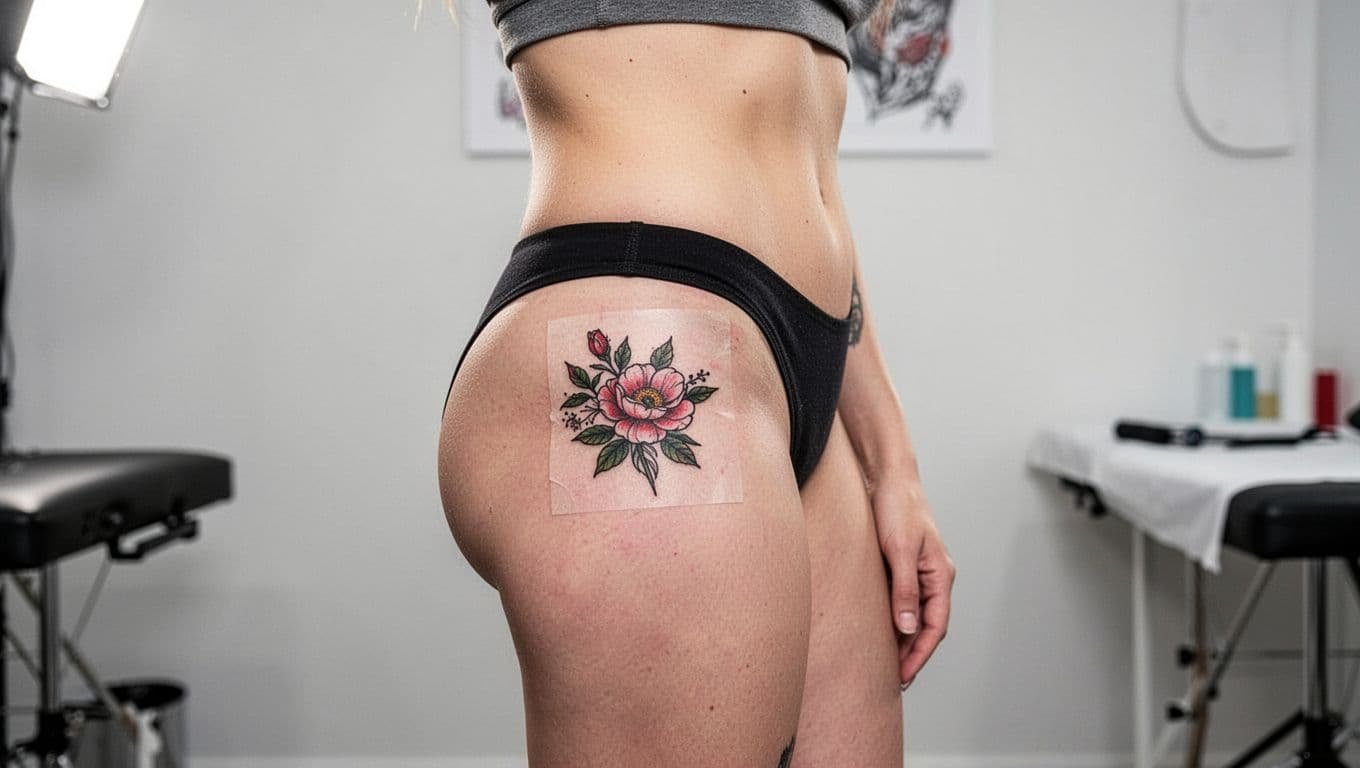
How Each Hip Placement Looks
The outer hip sits on the rounded side of your body. It gives larger florals, animals, mandalas, and ornamental designs enough room to breathe. This placement is easy to show with swimwear or cropped clothing, but you can still cover it with jeans or a longer top.
The hip bone creates a more defined, structured placement near the top of the pelvis. Small symbols, lettering, and designs that follow the bone can look striking here. However, the area has less padding, so the tattoo may feel sharper than one placed on softer skin.
The side waist sits higher, closer to the narrowest part of your torso. A vertical vine, moon design, or fine-line piece can follow this natural curve. Waistbands may cross this area, so think about how your everyday clothes fit before choosing the final stencil.
The inner hip is closer to the groin and lower abdomen. It suits discreet tattoos that you can keep mostly private, such as a small heart, word, or delicate botanical design. Because the skin can be thinner and more sensitive, this placement may feel more intense for some people.
The upper thigh begins below the hip and gives you extra space for a larger composition. Extending a tattoo down the thigh can make the design feel more fluid, especially when it includes vines, snakes, flowers, or ornamental details. It also gives you room to build a larger collection later.
How Much Does a Hip Tattoo Hurt?
Pain varies from person to person, so no placement can be guaranteed to feel painless. The same tattoo may feel manageable to one person and much sharper to another. Your previous tattoo experience, stress level, sleep, hydration, and personal pain tolerance can all affect the appointment.
Areas close to bone usually feel sharper because they have less soft tissue between the needle and the underlying structure. Thin skin and low padding can also increase sensitivity. For that reason, the hip bone, side waist, and inner hip may feel more uncomfortable than the padded outer hip or upper thigh.
The tattoo itself also affects comfort. A small outline may take less time than a large design with heavy shading. Repeated passes over the same area can make the skin feel hot, tender, or irritated as the session continues. Color packing and dense blackwork often require more work than simple linework.
A tattoo’s size and technique can affect comfort as much as its exact location.
Tell your artist when you need a short break. You don’t need to tolerate unnecessary discomfort to prove anything, and a rested client is easier to tattoo accurately. Avoid arriving dehydrated, hungover, or on an empty stomach, since those conditions can make the experience harder.
What to Wear and Expect Afterward
Wear loose, soft clothing that won’t rub against the fresh tattoo. Oversized cotton shorts, relaxed sweatpants, or a loose dress can work well, depending on the placement. Avoid tight waistbands, rough denim, shapewear, and fabrics that press against the area during the ride home.
Your artist will clean the skin and apply the recommended covering before you leave. Follow their instructions for washing, moisturizing, and protecting the tattoo, because covering methods can differ. The American Academy of Dermatology’s tattoo guidance also explains skin reactions that may need medical attention.
For the first few days, mild redness, tenderness, warmth, and peeling can occur. Keep the area clean, avoid soaking it, and don’t scratch peeling skin. Choose clothing that leaves the tattoo undisturbed while it heals, then use sun protection once the skin has recovered.
Planning the Appointment, Cost, and Tattoo Artist
A great hip tattoo starts with careful planning, not a quick booking. Before you choose an artist, review their healed work, discuss how the design will fit your body, and request a clear estimate for the full appointment.
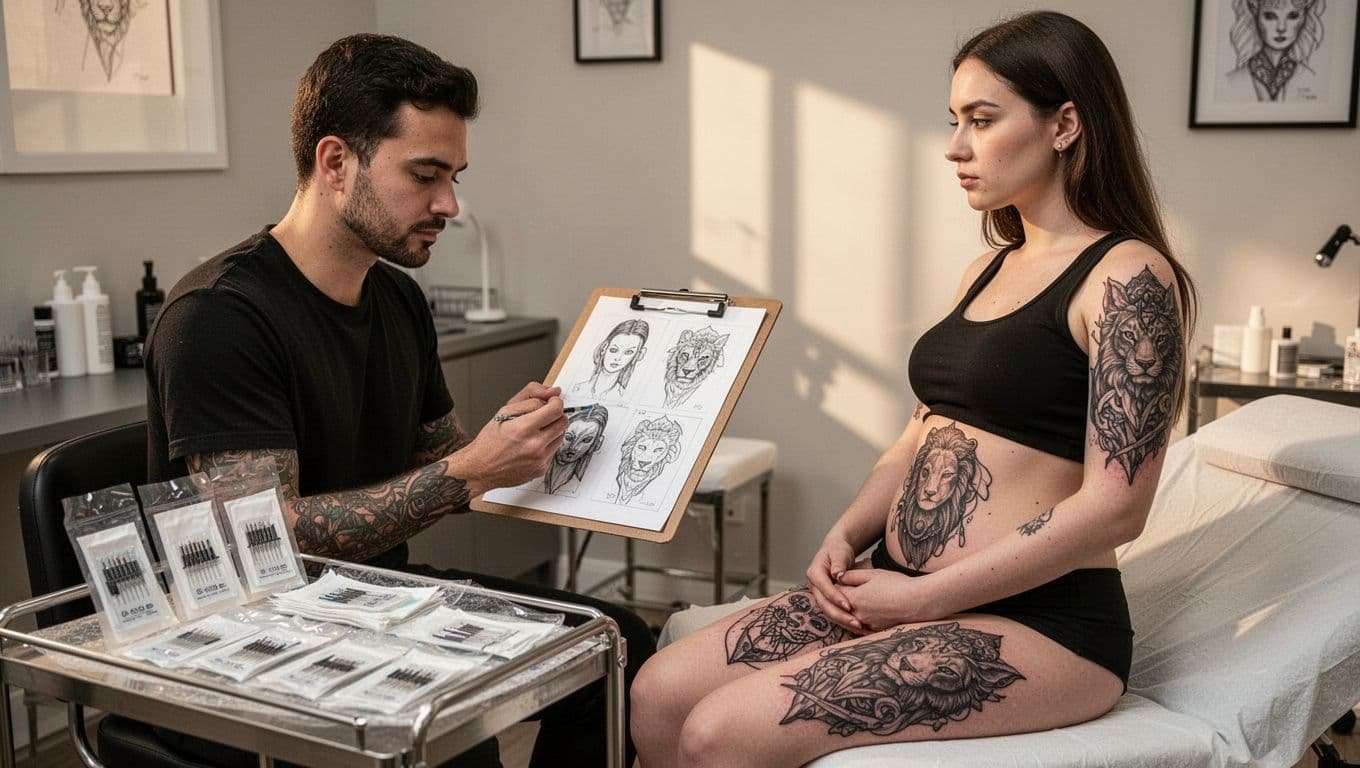
Choose an Artist Who Fits Your Style
Start with the artist’s portfolio, then look for healed tattoo photos, not only fresh work. Healed images show how the lines, shading, and color settle after the skin recovers. Fine-line tattoos, ornamental designs, realism, and bold blackwork each require different skills, so choose someone whose portfolio matches your desired style.
During the consultation, bring a few reference images and explain what you like about each one. Your artist should discuss the design’s size, orientation, and placement rather than simply copy a picture. Ask how the artwork will follow the hip’s curves when you stand, sit, and move.
A stencil gives you a chance to check the placement before the tattoo begins. Look at it from the front, side, and back, then ask for adjustments if the design feels too high, low, large, or close to a waistband.
Understand the Price Before Booking
Tattoo prices vary based on the artist, location, minimum charge, size, detail, color, and session time. A small fine-line tattoo may take far less time than a large piece with dense shading or color packing. Some artists charge hourly, while others quote a flat price for the completed design.
Ask what the estimate includes and whether the consultation, drawing time, deposit, and touch-up appointment cost extra. If you need help setting aside money for a nonessential appointment, a realistic spending plan can help you prepare without affecting essential bills.
Studios often require a deposit to reserve your appointment. Confirm whether it applies to the final balance, when it becomes nonrefundable, and what happens if you need to reschedule. Also ask how many design changes are included before the appointment. A clear agreement prevents surprises later.
Check Studio Hygiene and Policies
Choose a licensed, hygienic studio with good reviews and clear safety practices. Your artist should open a fresh, sterile needle in front of you and use clean, disposable barriers where appropriate. Washington State’s tattoo safety guidance recommends a brand-new sterile needle for every tattoo.
The workstation should look organized, and the artist should wash their hands, wear fresh gloves, and dispose of used needles in a sharps container. The FDA also reports risks linked to contaminated tattoo ink and allergic reactions, so ask how inks and supplies are handled in the studio. You can review the agency’s tattoo safety information before your appointment.
Finally, ask about the artist’s touch-up policy and healing support. Never choose someone only because they offer the lowest price. A skilled artist, safe studio, clear communication, and properly fitted design are worth protecting.
Hip Tattoo Aftercare for Clean Healing and Lasting Detail
Your artist’s aftercare instructions come first because dressing types and products can vary. Follow the studio’s guidance for how long to keep the covering on, and don’t remove adhesive film early unless it causes a reaction or your artist tells you to do so.
A Simple First-Week Care Plan
Once your artist says it’s time to uncover the tattoo, wash your hands before touching the area. Use lukewarm water and a mild, fragrance-free soap, then clean the tattoo gently with your fingertips. Don’t scrub, use a washcloth, or rub the skin.
Pat the area dry with a clean paper towel or freshly washed towel. Let it air-dry briefly if needed, then apply only the thin layer of moisturizer recommended by your artist. Too much product can leave the skin overly damp and may irritate the tattoo. Guidance from GoodRx’s tattoo care advice also supports gentle washing and light moisturizing during healing.

Wash the tattoo according to your artist’s schedule, often once or twice daily. Keep using clean hands and a small amount of the approved moisturizer until the skin no longer feels dry or tight.
During healing, avoid anything that creates moisture, pressure, or friction:
- Wear loose clothing that won’t rub against your hip or trap sweat.
- Stay out of pools, hot tubs, lakes, and baths until the tattoo has healed.
- Avoid heavy workouts if movement causes repeated rubbing or sweating around the area.
- Keep the tattoo away from direct sun, and never apply sunscreen to broken or peeling skin.
- Don’t pick flakes, scratch itching skin, or pull away loose scabs.
If you need to purchase approved care products, planning ahead can help you budget for upcoming tattoo care supplies.
Know What Is Normal and When to Get Help
Mild redness, tenderness, warmth, peeling, and itching can occur as the tattoo heals. These symptoms should gradually improve rather than become stronger each day. Avoid judging the final color or detail while the skin still looks dry or cloudy.
Contact a health professional if you notice redness that spreads beyond the tattoo, severe swelling, pus, fever, worsening pain, or skin that becomes increasingly hot and painful. A rash, blistering, or strong reaction to the dressing also deserves prompt medical advice. Don’t rely on aftercare products alone when symptoms appear to be getting worse.
After the tattoo fully heals, protect the ink with broad-spectrum sunscreen whenever the area is exposed. Sun protection helps reduce fading, while occasional touch-ups can restore small areas that lose saturation over time. Keep your artist’s contact information so you can ask about a touch-up once the skin has completely recovered.
Conclusion
Hip tattoos can be delicate, bold, private, or deeply personal, depending on the design and where you place it. The 25 ideas in this guide cover a broad range of styles, including floral details, celestial symbols, minimalist artwork, meaningful lettering, and larger statement pieces.
The strongest hip tattoo matches your personal style, comfort level, and body’s natural placement. Consider how visible you want it to be, how the design will follow your curves, and whether you prefer something subtle or eye-catching. A beautiful reference image is only a starting point, so bring your favorites to a skilled tattoo artist and give them room to customize the artwork for you.
Take time to review the stencil, ask questions about the appointment, and follow your artist’s aftercare instructions. With thoughtful planning, your hip tattoo can feel comfortable, well-placed, and personal for years to come.
Save the pin for later


- 20 Tattoo Ideas for Women on the Foot - September 19, 2026
- 5 Beautiful Tattoo Ideas for Women on Fingers - September 19, 2026
- 16 Cute Tattoo Ideas for Women on the Stomach - September 19, 2026
Leave a Reply