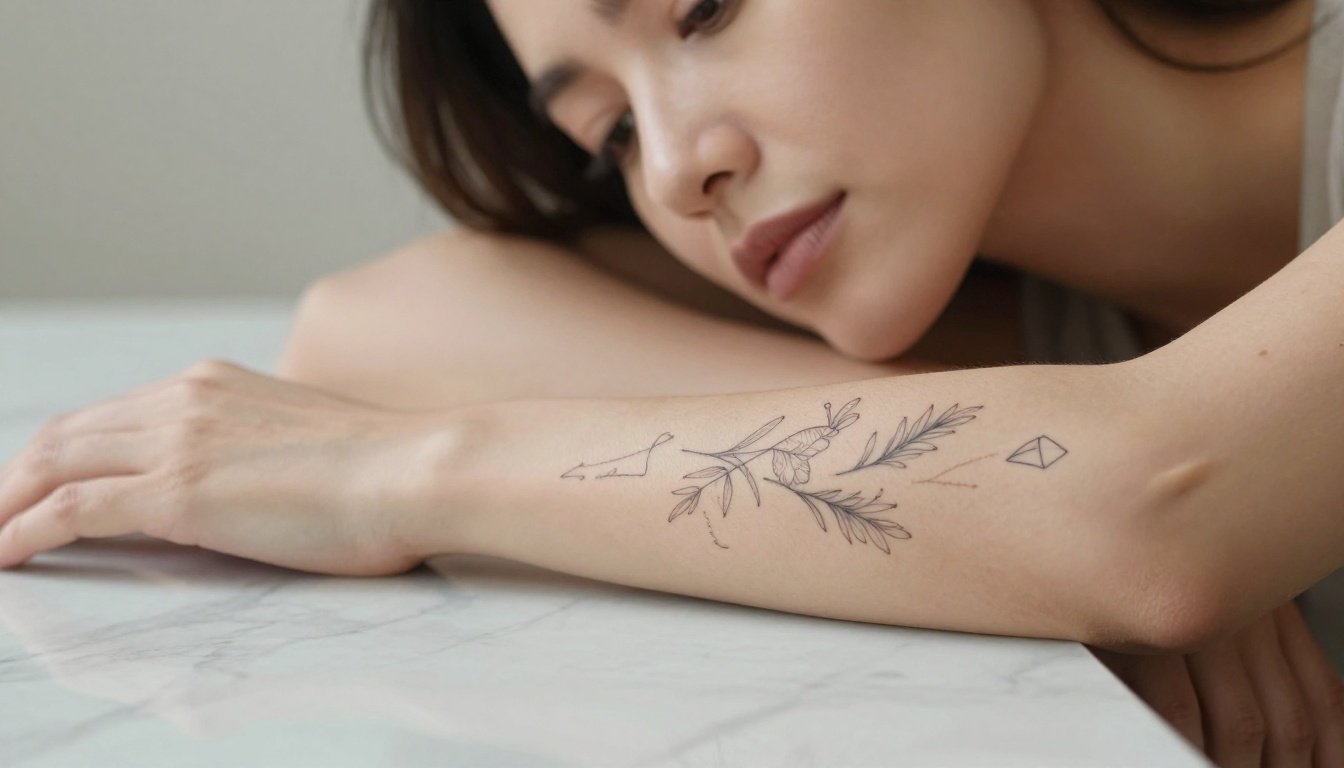
30 Forearm Tattoo Ideas for Women That Fit Every Style
Forearm tattoos are popular for a practical reason: the area gives you a clear, flat canvas that you can show off or cover with sleeves when needed. It also works well for a tiny symbol, fine-line lettering, or a larger piece with enough detail to make an impression.
Choosing among forearm tattoo ideas for women gets easier when you consider more than appearance. The 30 ideas ahead are grouped by style, meaning, and size, so you can compare delicate botanicals, meaningful symbols, bold animals, geometric patterns, and statement artwork. Your personality, work setting, comfort with pain, and long-term preferences should all guide the design, placement, and scale.
Before booking, consult a licensed tattoo artist and check that the studio uses single-use needles, fresh gloves, and properly sterilized equipment. Follow the artist’s aftercare instructions closely, too, since careful cleaning and healing help protect your new tattoo. Start with the first group of designs to find an idea that feels right for you.
30 Forearm Tattoo Ideas for Women That Match Every Style
These ideas are grouped by mood and design style, so you can compare delicate florals, personal symbols, expressive animals, and bold statement pieces. Placement matters as much as the artwork: the inner forearm feels more private, while the outer forearm puts your tattoo on display.
Delicate Floral and Botanical Forearm Tattoos
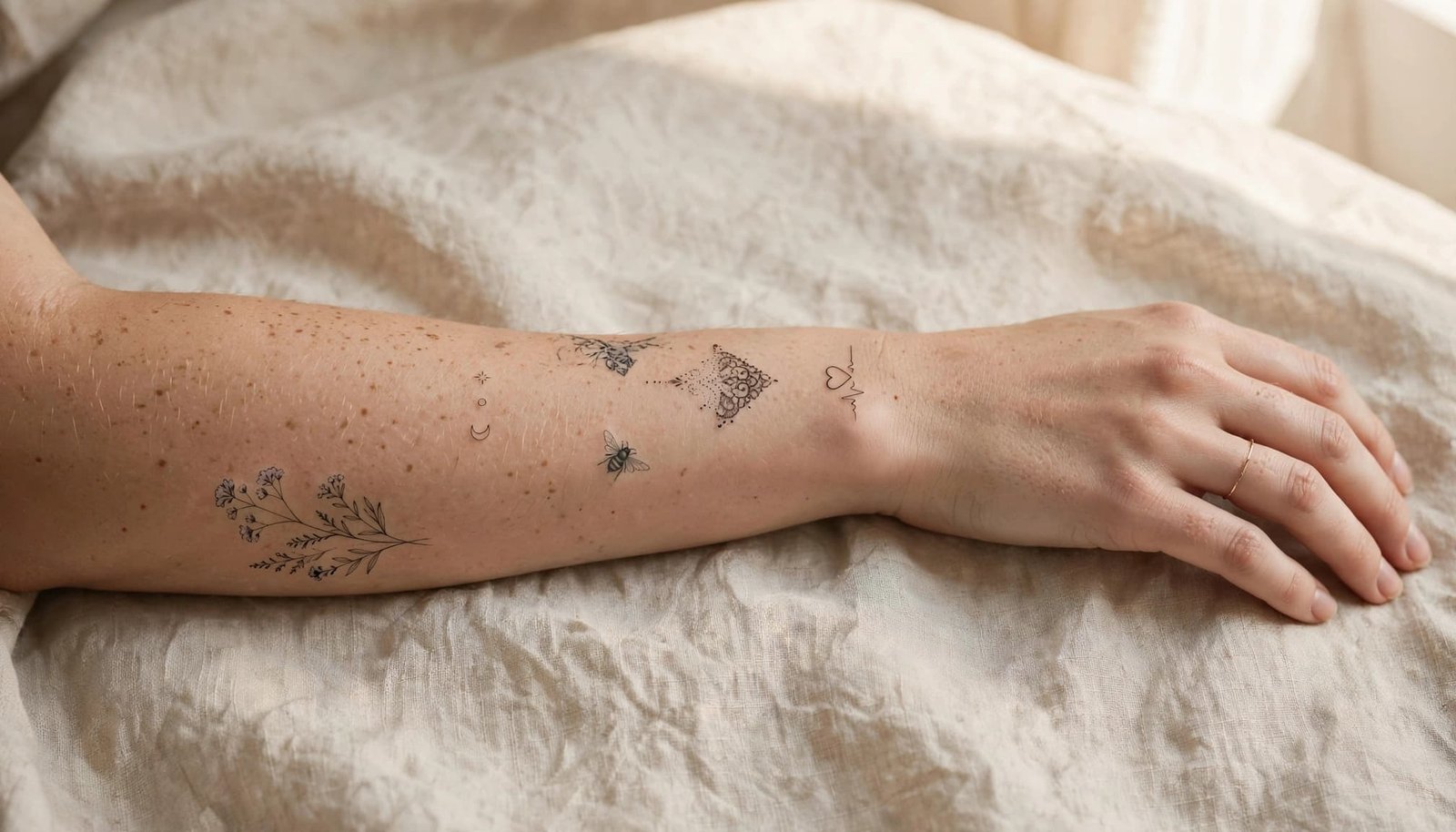
Botanical tattoos suit the forearm because vertical stems follow its natural length. A fine-line rose can suggest love, remembrance, or personal strength, while a peony branch creates a fuller, softer look associated with beauty and growth.
A lotus flower often carries ideas of calm, renewal, and new beginnings. A wildflower sprig feels more relaxed and individual, especially when placed near the wrist end. Cherry blossoms can bring a light, graceful mood, while a leafy vine or botanical wrap can curve around the forearm.
Single-stem designs leave more open skin and usually look subtle. Fuller floral pieces need more space, especially near the elbow end. Fine-line tattoos can soften over time, so choose an artist with strong botanical work and ask about spacing between leaves, petals, and stems.
Minimalist Symbols, Script, and Sentimental Designs
Small tattoos can hold personal meaning without becoming the first thing people notice. A tiny heart works near the wrist, while a crescent moon and stars can sit vertically along the inner forearm. A single-line face offers a modern, artistic option with very little visual weight.
Short affirmations, meaningful dates, coordinates, and Roman numerals also fit narrow spaces. Horizontal lettering is easier to read across the forearm, while vertical script follows its length but may require more careful font selection.
Before booking, check every spelling, number, accent, and date. Names, quotes, and coordinates deserve a second review because even a small error changes the design permanently. Choose readable lettering with enough space between fine lines, and remember that extremely tiny details may blur as ink ages.
Nature and Animal Tattoos With Meaning
Nature and animal tattoos give the forearm a sense of movement. A butterfly can suggest transformation, while a dragonfly brings a lighter feeling of change and freedom. A snake follows the arm beautifully with a curved body and may symbolize strength, rebirth, or protection.
A bird in flight creates an open, airy image that often connects with independence. A bee can represent community, purpose, or persistence. A feather offers a softer, flowing shape, while a koi-inspired design gives the forearm stronger movement and may suggest perseverance.
Place designs meant to be seen on the outer forearm. The inner forearm works well for personal artwork, especially a small animal or meaningful symbol. Decide whether you prefer realistic shading, an illustrative style, or clean fine lines before choosing your artist.
Spiritual, Ornamental, and Bold Statement Pieces
A mandala depends on symmetry and repeated details, so it often looks best in the center of the forearm. An evil eye or Hamsa can work as a small protective symbol, but choose spiritual imagery with respect for its cultural meaning.
A sun and moon pairing creates visual balance, while an ornamental bracelet or cuff wraps naturally around the wrist or lower forearm. For stronger contrast, consider a bold blackwork floral or geometric band. Delicate ornamental tattoos use thin lines and open space; blackwork needs more room and creates a heavier effect.
Symmetry makes small flaws easier to notice, so review the stencil from several angles. Bold designs also attract more attention and may be harder to cover in professional settings. Ask your artist about placement before committing to a wide band.
Personal and Matching Forearm Tattoo Concepts
A pet portrait or paw print can honor an animal companion, while a memorial flower gives remembrance a gentler form. A family initial design keeps the tribute simple, and matching friendship symbols can connect two people without making their tattoos identical.
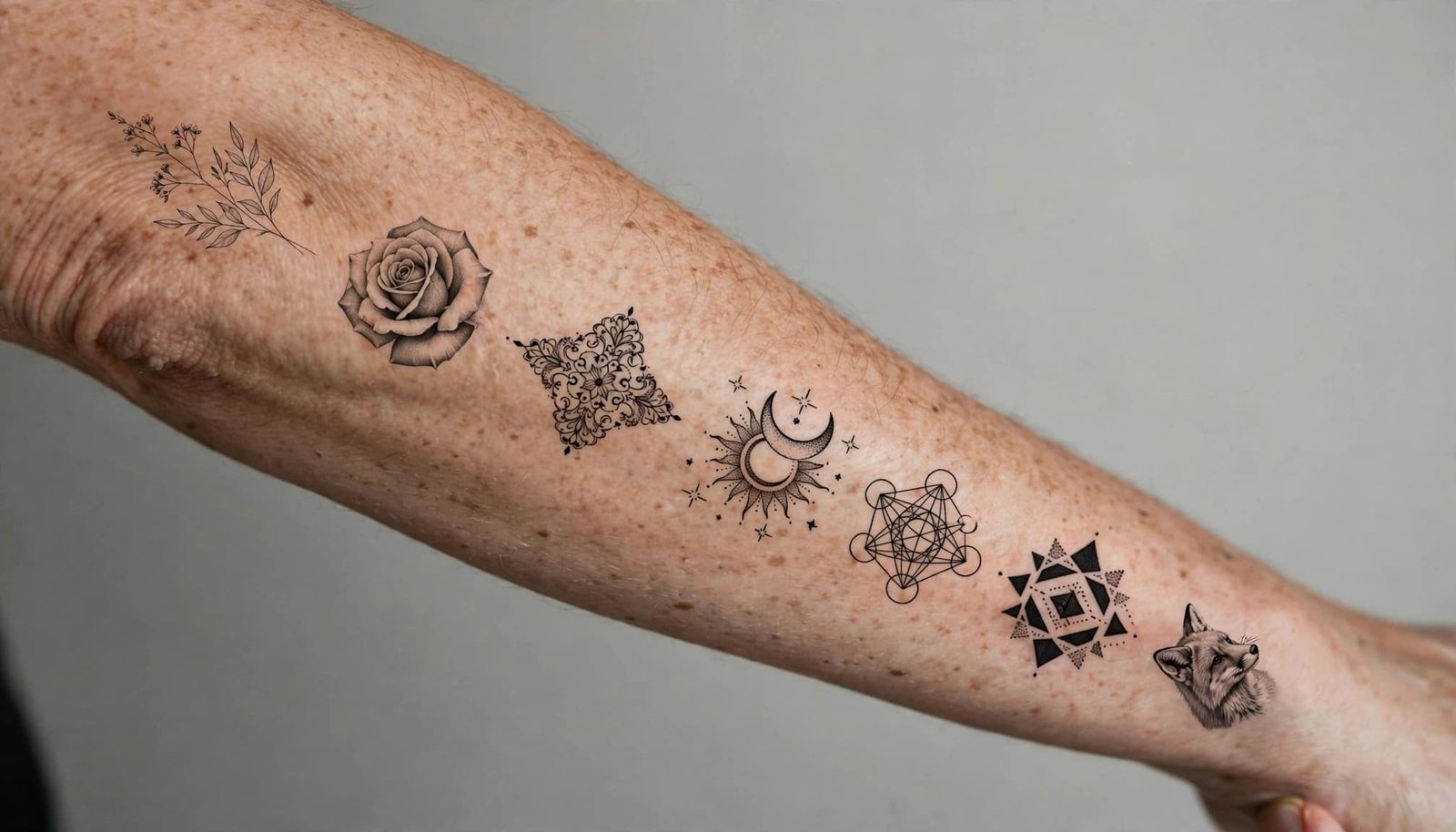
For example, one person might choose a sun while the other chooses a moon. The designs share a theme but still suit each person individually. A stacked collection of small icons can grow into a planned mini sleeve over time, with each symbol added at a comfortable pace.
Use a clear reference photo for a pet portrait, and avoid copying another person’s exact tattoo. Choose symbols that will remain meaningful if relationships or circumstances change. Before your appointment, review the artist’s portfolio and follow the FDA’s tattoo safety guidance, including advice about ink and studio hygiene.
How to Choose the Best Forearm Tattoo Placement
The best forearm tattoo placement depends on more than the design itself. Visibility, comfort, clothing, sun exposure, and the direction of the artwork all affect how your tattoo will look and feel over time. Before choosing a spot, decide whether you want the tattoo facing you, other people, or both.
Outer Forearm, Inner Forearm, and Wrist-End Placement
The outer forearm is a practical choice for visible flowers, animals, bold blackwork, and many first tattoos. It usually has more tissue than the wrist or elbow ditch, so many people find it more manageable during a session. No placement is guaranteed to feel painless, but the middle of the outer forearm is often a comfortable starting point.
This area also gives larger designs room to breathe. A vertical rose, snake, feather, or animal portrait can follow the arm’s natural length. Horizontal designs, such as a short quote or small geometric band, can sit across the widest part. Since the outer forearm faces outward, it works well when you want other people to notice the tattoo.
The inner forearm offers a more private view. You see the design easily when your palm faces upward, which makes this placement appealing for names, dates, affirmations, and sentimental symbols. However, the skin may feel more sensitive than the outer forearm, especially during longer sessions or heavy shading.
Near the wrist-end area, careful sizing matters. The skin is thinner, the arm moves constantly, and watches or bracelets can rub against a fresh tattoo. Small symbols, fine-line flowers, narrow lettering, and short horizontal designs often suit this zone better than large detailed artwork. Leave enough space around the wrist crease so the design doesn’t look crowded or distort when you bend your hand.
How Pain Can Change Across the Forearm
Forearm tattoo pain is commonly low to moderate, although your sensitivity, the session length, line weight, and the artist’s technique all matter. In the mid-forearm, you may notice steady vibration, warmth, or a repeated scratching sensation. Areas close to bone can feel sharper, while the wrist and elbow ditch often feel more tender.
The elbow-side area can be especially sensitive where the forearm meets the elbow. A design that reaches into the elbow ditch may also need more breaks because the skin folds and moves frequently. Ask your artist whether the stencil can stop short of that crease without damaging the design’s flow.
Before your appointment, eat a proper meal, drink water, and wear loose clothing that leaves the entire arm accessible. Plan short breaks for longer pieces, especially if the design includes dense shading. If you are considering a numbing product, discuss the exact product with your artist first. The FDA warns against topical pain products containing more than 4% lidocaine and against applying them heavily, over broken skin, or beneath plastic wrap. FDA tattoo safety guidance also covers infection and allergic reaction risks.
Your lifestyle matters after the appointment, too. Frequent outdoor activity increases sun exposure, while sports can cause sweat, rubbing, and accidental contact. Choose clothing that won’t stick to the tattoo, and avoid watch or bracelet friction while the skin heals.
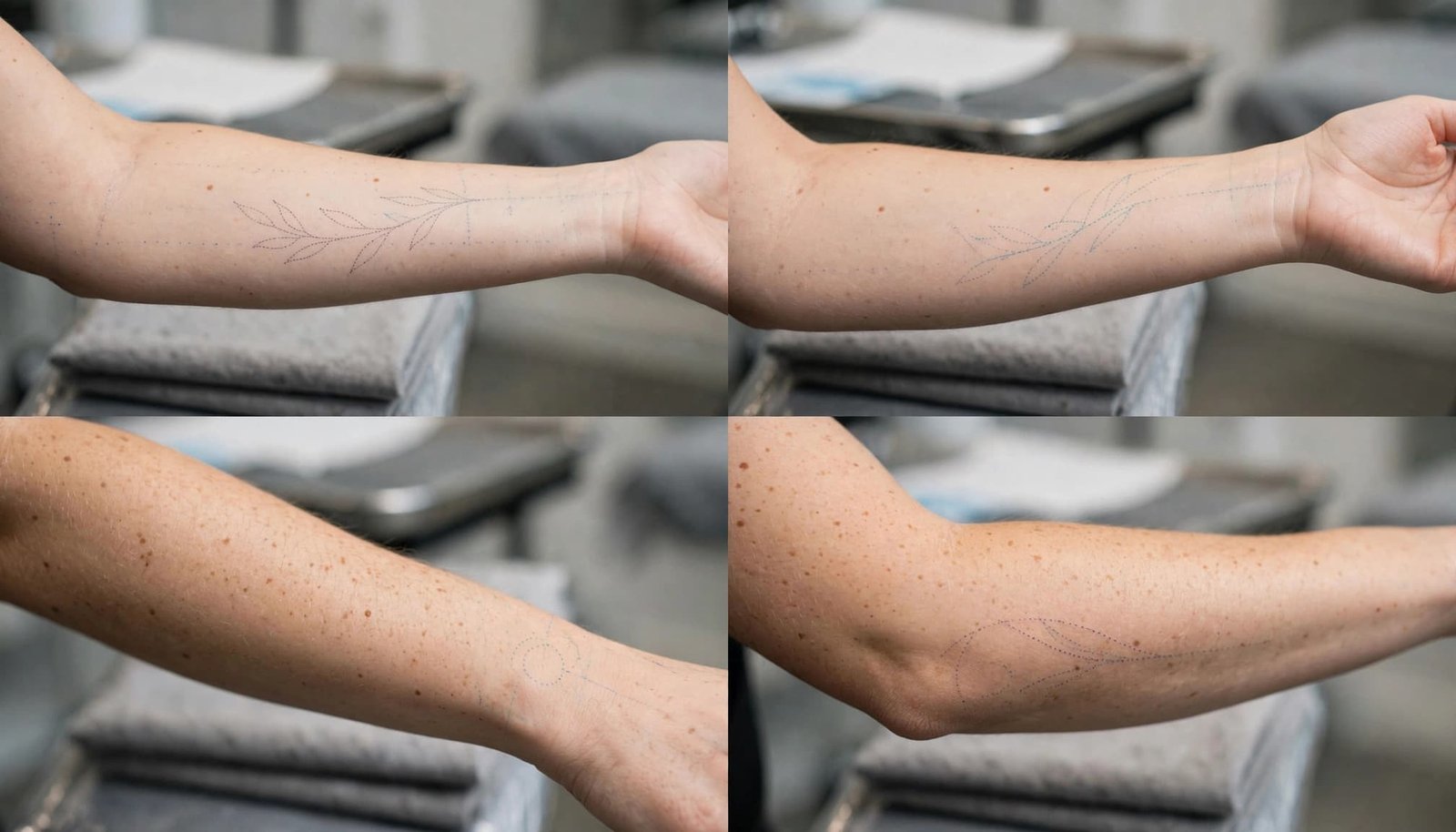
Before the needle starts, ask your artist to apply a stencil and view it with your arm relaxed, bent, and rotated. Check the design from your perspective and from the angle other people will see. A vertical layout suits stems, snakes, and feathers; a horizontal layout suits lettering and compact symbols; a wraparound layout works for bands, vines, and ornamental patterns. A few minutes with the stencil can prevent months of wishing the size or orientation were different.
Match the Tattoo Style to Your Personality and Daily Life
The best forearm tattoo fits your personality, routine, and comfort with visibility. A delicate design may suit someone who prefers subtle jewelry-like details, while a bold blackwork piece may feel more natural for someone who wants the tattoo to anchor an outfit. Your work setting, clothing habits, exercise routine, and time outdoors matter just as much as the subject itself.
Start with the feeling or message you want the tattoo to carry. Next, choose a visual subject, select a style, and adapt the design to the forearm’s length and curvature. This simple order keeps you from choosing a beautiful image that feels disconnected from your daily life.
Choose a Style That Feels Like You
Your preferred mood can narrow the design choices quickly. Feminine minimal tattoos often use fine lines, small symbols, and generous negative space. They suit someone who wants a quiet accent that can blend with watches, bracelets, and everyday clothing.
Romantic designs usually include flowers, flowing script, hearts, or soft shading. Elegant tattoos often rely on balanced symmetry, ornamental details, and controlled spacing rather than heavy contrast. A boho style may combine sun symbols, moons, botanicals, feathers, or loose geometric shapes for a more relaxed appearance.
Spiritual tattoos can include meaningful religious, celestial, or protective imagery. Research the cultural background of any symbol before using it, especially when the design comes from a tradition outside your own. Edgy tattoos often use sharp shapes, snakes, dark florals, distorted imagery, or dense blackwork. Realistic tattoos depend on careful shading and accurate proportions, while bold designs use strong outlines and solid areas of black ink.
Line weight changes the entire mood. Fine lines feel airy and delicate, but tightly packed details may soften or become harder to read as the tattoo ages. Thick outlines create stronger contrast and remain easy to see, although bold blackwork may be harder to cover or alter later. Soft gray shading creates depth, while color adds energy and warmth but may require more attention to sun protection and touch-ups.
Make the Design Work With Your Routine
Once you choose a style, consider how the tattoo will fit your schedule and clothing. A visible outer-forearm tattoo may be easy to show with short sleeves, but some workplaces may require it to stay covered. If that matters, the inner forearm or a wrist-end design may give you more control, provided your usual sleeves reach far enough.
Your wardrobe can guide the scale and contrast. Fine-line work pairs well with understated clothing and delicate accessories, while a large blackwork design can become the main feature of a simple outfit. High-contrast artwork also stays visible under light fabric, so consider whether you want the tattoo to blend in or draw attention.
Exercise and outdoor habits deserve equal attention. Repeated rubbing from sports equipment, sweat, and tight clothing can make healing less convenient. Frequent sun exposure can also fade some tattoo inks. During healing, keep the tattoo out of direct sun and follow your artist’s aftercare instructions. After it heals, use broad-spectrum SPF 30 or higher and reapply it at least every two hours when you’re outside, as outlined in this NIH-hosted tattoo aftercare review.
Before committing, ask your artist to show the design as a scaled stencil. View it with your arm relaxed, bent, and rotated. A tattoo that looks balanced on a screen may feel too crowded once it follows the forearm’s curve, so check the shape in the positions you use every day.
What to Know Before Booking Your Forearm Tattoo
A great forearm tattoo starts before you sit in the chair. Research the artist, confirm the design, understand the full cost, and check that the studio follows safe hygiene practices. A low quote means little if the artist lacks experience or the studio cuts corners.

Questions to Ask Your Tattoo Artist Before the Appointment
Use your consultation to get clear answers, not just approval of the design. Ask whether the artist has experience with your chosen style, such as fine-line florals, realistic animals, ornamental work, or bold blackwork. Request photos of healed tattoos, because fresh work can look sharper and darker than it will after the skin settles.
Discuss the design size, orientation, placement, line weight, color choices, and expected session length. Ask for the total estimate and confirm whether the studio uses a minimum charge or an hourly rate. The final price depends on size, detail, color, location, artist experience, and the time needed.
Before paying a deposit, ask:
- How much is the deposit, and is it applied to the final balance?
- What happens if you need to reschedule or cancel?
- Does the studio offer a touch-up policy, and what conditions apply?
- Which ink brands and colors will you use, and can I review the ingredient information?
- What aftercare products and instructions do you recommend?
- How should I contact you if the tattoo heals poorly or develops an unusual reaction?
Tell the artist about relevant skin conditions, allergies, medications, pregnancy status, or past healing problems. When a medical concern could affect tattooing, ask a qualified health professional before booking. The FDA explains that tattoo pigments can cause allergic reactions and that contaminated ink can cause infection, so ask about the product used and keep the brand, color, and batch information.
A clean studio should use fresh single-use needles, new ink caps, disposable gloves, and clean barrier protection on surfaces and equipment. Reusable tools should go through proper sterilization. If the artist avoids these questions, rushes the consultation, or works in an unsanitary space, choose another studio.
How to Prepare for a Comfortable, Safe Session
Eat a proper meal before your appointment and drink enough water. Good sleep can also make a long session easier, while arriving intoxicated can affect your judgment, bleeding, and ability to follow instructions. Wear loose clothing that gives the artist full access to your forearm without tight cuffs or rough fabric.
For a longer appointment, bring headphones, downloaded entertainment, and a charger. You can also bring a small snack if the studio allows it. However, don’t shave aggressively or apply numbing creams, lotions, oils, or other products unless your artist approves them first.
Your artist should inspect the skin before applying the stencil. A rash, irritation, open cut, or fresh sunburn may require a delay or a change in placement. Healthy skin gives the tattoo a better surface and makes healing easier.
Finally, don’t choose a studio based only on social media photos or the lowest quote. Photos may show fresh work, selected angles, or edited lighting. Compare healed results, hygiene, communication, and experience before price. If the tattoo cost needs planning, create a realistic personal budget so you can afford a qualified artist without rushing the decision.
Forearm Tattoo Aftercare: The First Two Weeks
A fresh forearm tattoo needs clean hands, gentle care, and protection from rubbing. Your tattoo artist’s instructions should guide the routine because standard bandages and second-skin films have different removal times.
The first two weeks usually bring tenderness, mild redness, slight swelling, itching, peeling, and flaking. Healing varies by tattoo size, ink coverage, skin type, and personal health, so don’t compare your forearm with someone else’s. If your artist’s instructions differ from general advice, follow the artist’s directions unless a healthcare professional tells you otherwise.
A Simple Day-by-Day Healing Checklist
The timeline below gives you a practical framework. Adjust it to match the dressing your artist applied.
Days 1 to 3: Keep the initial dressing on for the time your artist recommends. Standard wrap may come off sooner, while second-skin film may stay in place for several days. Don’t remove adhesive film early unless it leaks, becomes loose, or your artist tells you to do so.
When it’s time to remove the dressing, wash your hands first. Peel it away gently, and use lukewarm water to soften any adhesive that sticks. Wash the tattoo with lukewarm water and a small amount of fragrance-free soap. Avoid a strong shower stream directly on the area. Pat it dry with a clean paper towel or soft cloth, then apply a thin layer of your recommended moisturizer.
Heavy ointments, thick lotions, oils, and fragranced products can trap moisture or irritate the skin. Wear loose sleeves, and keep watches, bracelets, bags, and rough fabric away from the tattoo. During these first few days, avoid pools, hot tubs, saunas, baths, direct sunlight, and activities that create heavy sweat or friction.
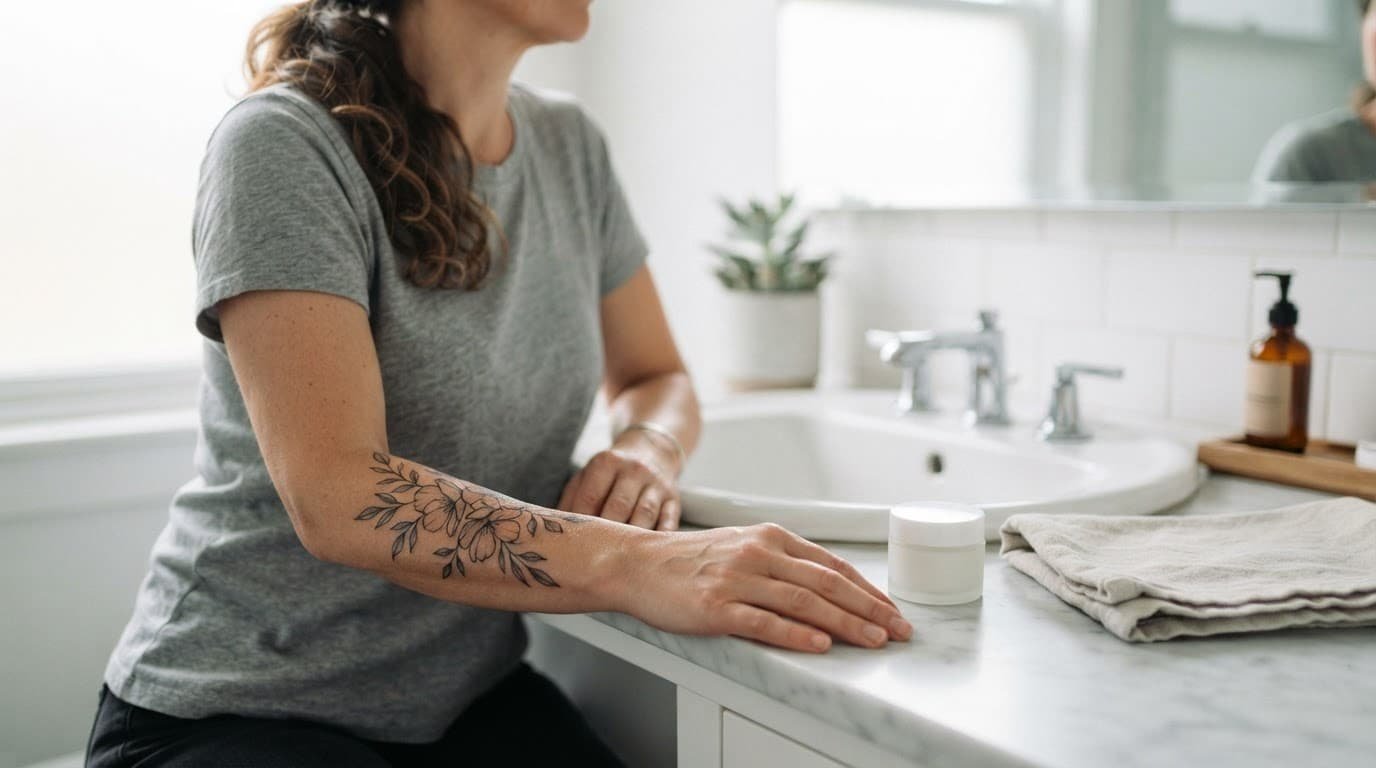
Days 4 to 7: Continue gentle washing and use only a light layer of moisturizer when the skin feels dry or tight. Peeling, itching, light flaking, and small dry areas are common at this stage. Mild redness and tenderness should gradually improve rather than spread or intensify.
Don’t scratch, pick flakes, pull off scabs, or scrub the surface with a washcloth. Removing peeling skin too soon can irritate the area and affect the tattoo’s appearance. Avoid over-moisturizing, too, because the skin needs to breathe and excess product can leave it soggy or sticky.
Days 8 to 14: Keep moisturizing lightly as needed, especially after washing. Continue wearing loose clothing and avoid activities that rub, soak, or expose the tattoo to strong sunlight until the surface has healed. You can gradually return to normal activities once the skin is closed, calm, and no longer peeling, but follow your artist’s specific timeline.
After healing, protect an exposed forearm tattoo with broad-spectrum sunscreen. Regular sun protection helps reduce fading and keeps the design clearer over time.
Signs of Infection and When to Seek Medical Help
Some redness, warmth, swelling, soreness, and clear or slightly ink-colored moisture can occur early. The pattern matters: symptoms should slowly improve. Worsening or spreading redness, increasing heat, swelling, or pain needs prompt attention.
Contact a healthcare professional if you notice pus, foul-smelling or unusual drainage, red streaks moving away from the tattoo, or fever and chills. Seek urgent medical help when symptoms are severe, spreading quickly, or getting worse instead of better. This tattoo health symptom guide offers additional warning signs to review.
Tattoo aftercare advice cannot replace medical care. Don’t apply leftover antibiotics, rubbing alcohol, hydrogen peroxide, bleach, or other harsh household products without professional guidance. These products can irritate healing skin and may make the problem harder to assess.
Conclusion
The best forearm tattoo starts with a design that has personal meaning and fits the way you live. As you compare these 30 forearm tattoo ideas for women, consider whether the artwork suits the inner or outer forearm, your preferred level of visibility, your work setting, and your daily routine.
Save a few favorite designs, then discuss them with an artist whose portfolio matches the style you want. Test the size and direction with a stencil while your arm is relaxed, bent, and rotated. Take time to review the details, confirm the design feels right, and follow your artist’s aftercare instructions carefully while the tattoo heals.
The strongest tattoo isn’t simply the prettiest design. It is the one that fits your story, comfort, personal style, and future plans.
Save the pin for later


- 20 Tattoo Ideas for Women on the Foot - September 19, 2026
- 5 Beautiful Tattoo Ideas for Women on Fingers - September 19, 2026
- 16 Cute Tattoo Ideas for Women on the Stomach - September 19, 2026
Leave a Reply