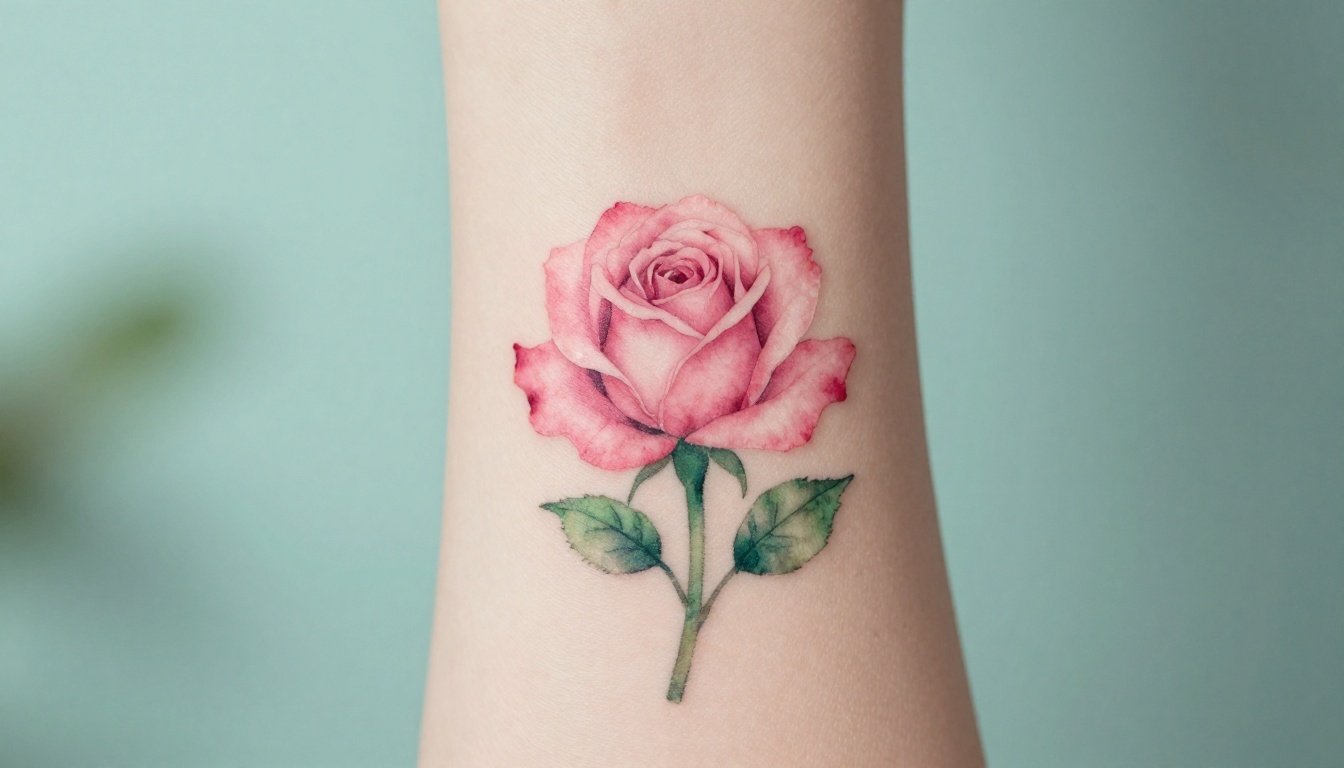
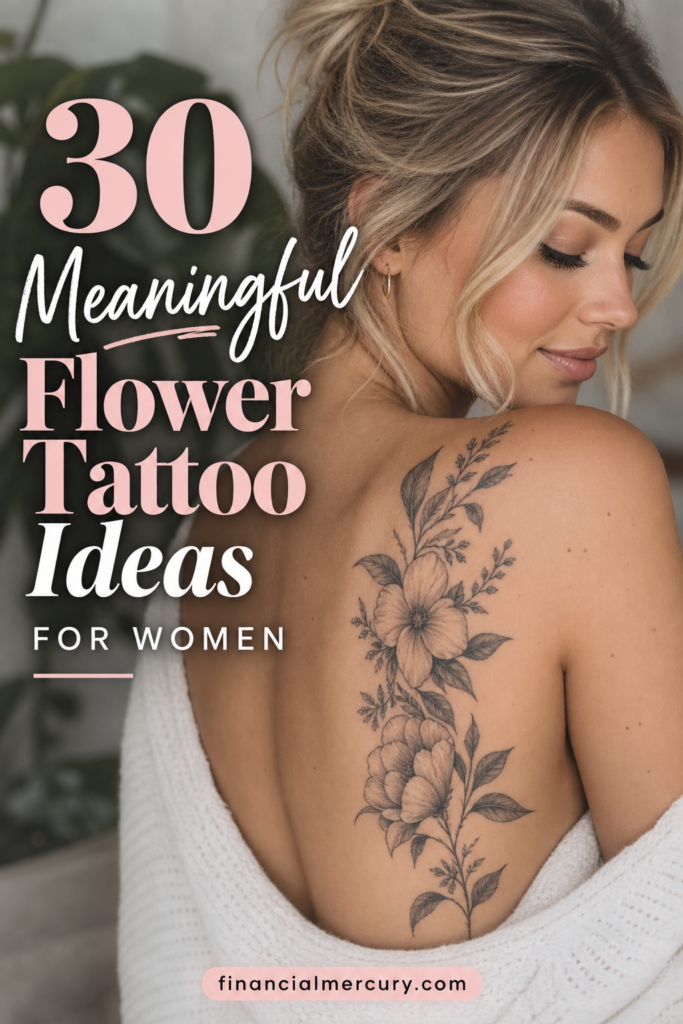
30 Meaningful Flower Tattoo Ideas for Women
A flower tattoo can hold a memory, mark a season of personal growth, or celebrate beauty that feels entirely your own. Whether it recalls someone you love or simply captures your favorite bloom, the right design can become a meaningful part of your story.
These 30 flower tattoo ideas for women include delicate linework, tiny minimalist blooms, graceful botanical arrangements, and bold pieces with rich detail. As you compare designs, consider what the flower means to you, along with tattoo style, placement, size, color, and your personal taste.
Flower symbolism can change across cultures and individual experiences, so choose an interpretation that feels honest rather than following a fixed rule.
Start exploring these ideas to find a flower tattoo that fits your story, your style, and the way you want to wear it.
30 Flower Tattoo Ideas for Women, From Soft and Simple to Bold and Detailed
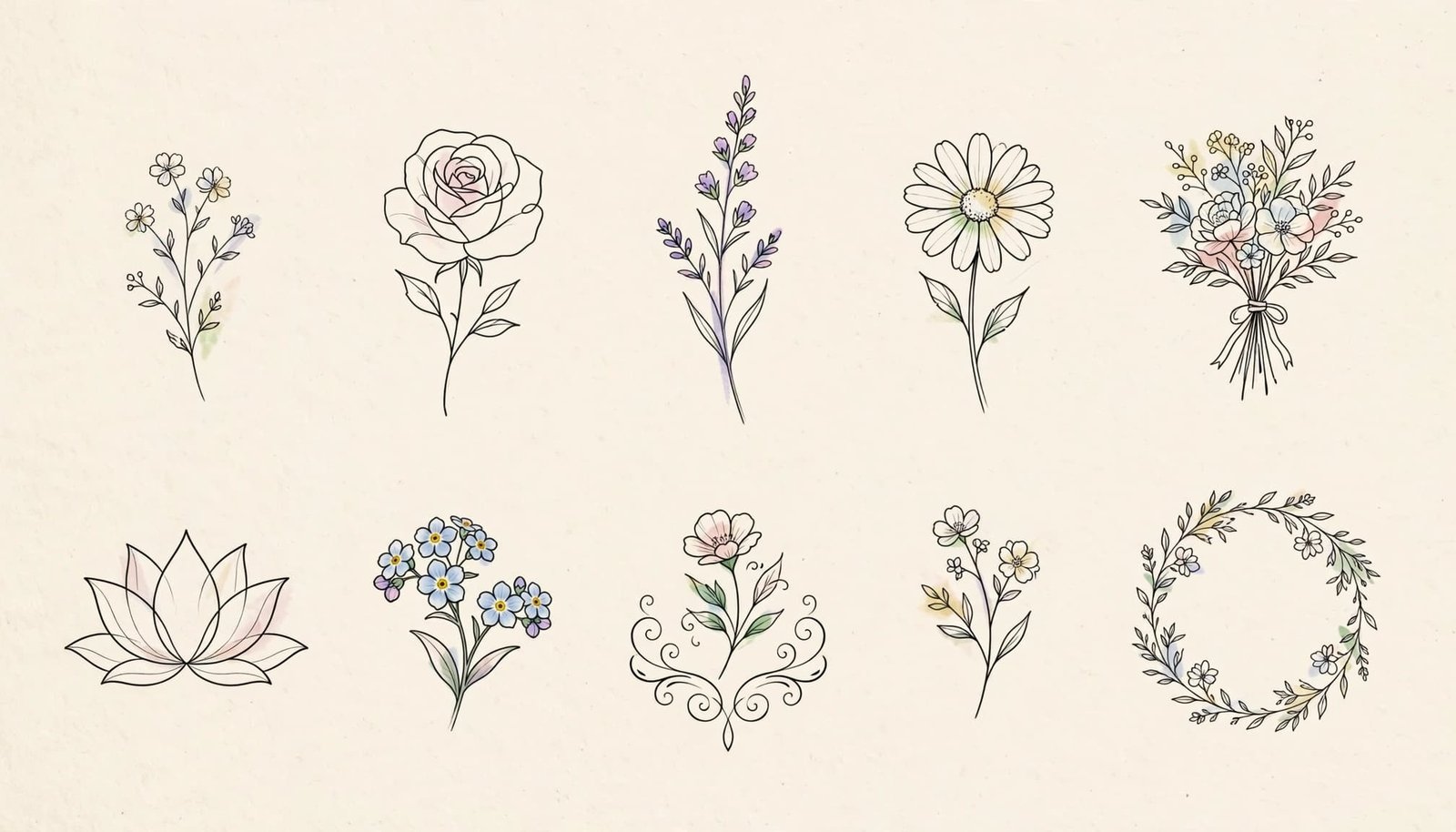
These first ten flower tattoo ideas are delicate, graceful, and easy to personalize. Fine lines, small blooms, and thoughtful placement let each design feel personal without taking over your skin. Before booking, review the FDA’s tattoo safety guidance and choose an experienced artist whose portfolio matches your preferred style.
Tiny Wildflower Sprig
A fine-line wildflower sprig has small blooms, thin stems, and an airy shape that feels naturally understated. The design can suggest freedom, growth, or a love of the outdoors, although its meaning is yours to define. Place it on the wrist, collarbone, ankle, or ribs for a soft look. Add your birth flower, a few leaves, or one tiny bud to personalize the arrangement.
Single-Line Rose
A single-line rose uses one flowing line to form the petals, creating a clean and modern tattoo with very little visual clutter. Its simple shape can suggest love, strength, or beauty without relying on heavy shading or realistic detail. Because the design stays compact, it works well in small sizes. Consider the forearm, shoulder, or space behind the ear for an elegant placement.
Lavender Stem
A slim lavender stem combines narrow leaves with rows of small purple buds. Black ink creates a crisp botanical look, while soft purple adds a gentle touch of color without making the tattoo feel bold. Lavender may connect with calm, healing, or quiet confidence, depending on your personal story. The forearm, ankle, and side of the wrist give this long, delicate design enough room to breathe.
Daisy With a Fine Stem
A simple daisy brings a cheerful, youthful feeling while its clean petals keep the design graceful. You might choose one bloom, a small cluster, or a daisy with a name hidden along the stem. That small detail can turn a familiar flower into a personal tribute. The upper arm, shoulder, or ankle suits the design, especially when you want a tattoo that feels light and easy to see.
Birth Flower Bouquet
A small birth flower bouquet can include the flowers connected to you, your child, your partner, or several family members. Fine lines and limited shading keep multiple stems from looking crowded. You can also vary the bloom sizes to give one flower a little more attention. The forearm offers an easy-to-see canvas, while the ribs or upper back create a more private arrangement.
Minimal Lotus Outline
A minimal lotus uses clean, balanced lines to capture the flower’s layered shape without filling every petal. Many people connect the lotus with renewal, inner peace, or moving through change, but those meanings don’t need to define your tattoo. Choose the symbolism that fits your own experience. The sternum, wrist, shoulder blade, or back of the arm can all support this calm, symmetrical design.
Small Forget-Me-Not Cluster
A group of tiny forget-me-nots makes a meaningful choice for remembrance, loyalty, or a cherished relationship. Blue ink helps the small flowers stand out, while subtle black-and-gray shading keeps the cluster soft and versatile. Ask your artist to leave enough space between the petals so they remain clear as the tattoo ages. Try the collarbone, inner arm, or ankle for a personal but visible placement.
Flower and Initial Design
A flower can frame a single initial or grow around it without making the tattoo feel crowded. Choose a bloom with personal meaning, then pair it with a simple letter style that will remain readable over time. A thin serif or clean handwritten initial usually works better than an overly ornate script. The wrist, shoulder, or rib cage gives you room to balance the flower and letter.
Delicate Flower Behind the Ear
A small flower behind the ear is easy to hide with your hair or reveal when you want a subtle accent. Since the area has limited space, simple shapes usually age better than tightly packed details. A tiny rose, daisy, or jasmine bloom can fit the curve without losing its identity. Keep the design compact, and ask your artist how much detail the placement can realistically hold.
Fine-Line Flower Wreath
A partial or full wreath of small flowers can curve around the wrist, forearm, ankle, or upper arm. Mix a few leaves with different blooms, but leave open space between each element so the lines don’t blur together. The circular shape can suggest connection, changing seasons, or a personal circle of people. A partial wreath often feels lighter, while a full wreath creates a more complete botanical frame.
Feminine Flower Tattoo Designs With Color, Texture, and Personality
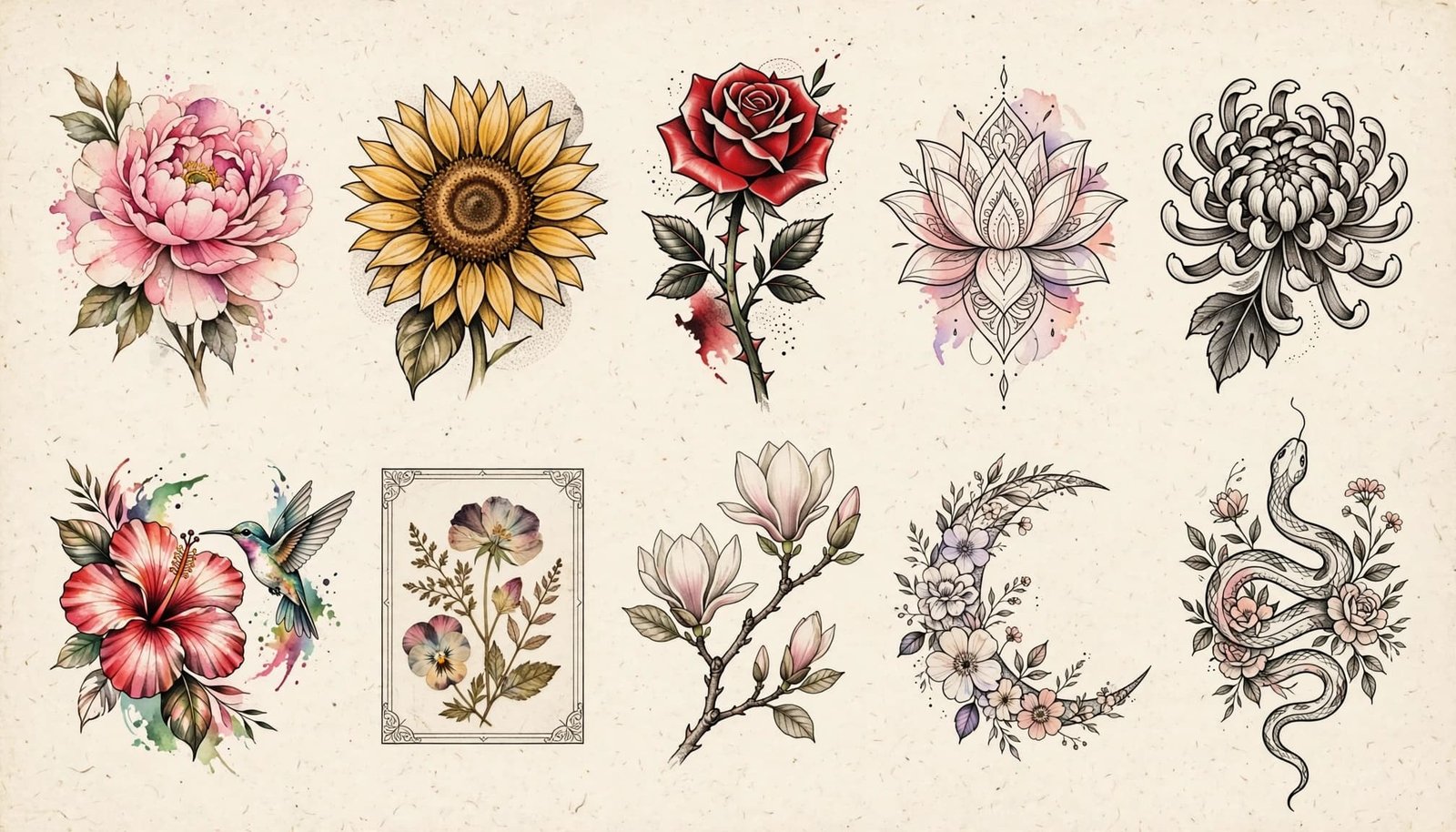
Color, shading, and unusual compositions can give a flower tattoo a much stronger mood than a simple outline. Before choosing a style, consider how the design will age, how much space it needs, and whether your artist has experience with the technique. The FDA’s tattoo safety guidance also recommends discussing ink ingredients and possible reactions with your tattoo artist.
Watercolor Peony
A watercolor peony uses loose pink, coral, or red washes that spread beyond a few defined outlines. The result feels lush and romantic, with soft edges that resemble paint brushed across paper. You can keep the center more detailed while allowing the outer petals to fade into delicate color.
Because watercolor tattoos depend on controlled saturation and clean color transitions, choose an artist with a strong color tattoo portfolio. The shoulder, upper arm, thigh, or back gives the broad petals enough room to breathe.
Realistic Sunflower
A realistic sunflower gains its character through layered petals, a textured center, and natural green leaves. Fine shading can show the folds in each petal, while darker ink around the center gives the bloom visual weight. Its warm yellow tones often feel joyful and confident, but personal meaning can come from a person, place, or season connected to the flower.
The forearm, outer upper arm, thigh, or calf offers enough space for realistic detail. A larger design usually keeps the seeds and leaves clearer over time.
Red Rose With Thorny Stem
A vivid red rose paired with a slender, thorny stem creates a clear contrast between softness and strength. Rich petals draw the eye first, while visible thorns add structure and a sharper edge. You can also choose black-and-gray shading for a quieter, more timeless version that relies on contrast instead of bright color.
The forearm makes the stem easy to follow, while the ribs, hip, or shoulder blade can hold a more private design. Ask your artist to keep the thorns distinct rather than packing them into heavy black lines.
Ornamental Lotus With Jewelry Details
An ornamental lotus can include dotwork, symmetrical lines, small gem shapes, or mandala-inspired details around the petals. Each element should support the flower’s structure instead of filling empty space at random. For example, a small jewel beneath the bloom can create a pendant-like effect, while balanced dots can frame the lower petals.
The sternum, spine, upper back, or thigh works well for this centered design. Since symmetry matters, careful stencil placement is essential. Your artist should check the design while your body is standing naturally, not only while you’re lying down.
Black and Gray Chrysanthemum
A black-and-gray chrysanthemum builds drama through many layered petals and soft gray shading. Darker sections can anchor the center, while lighter washes keep the outer edges refined rather than harsh. The flower can be scaled from medium to large, depending on how much petal detail you want.
This design works as a standalone tattoo on the shoulder, upper arm, thigh, or ribs. It can also become the foundation of a sleeve, with leaves, smaller blossoms, or flowing filler added later.
Hibiscus With a Hummingbird
A tropical hibiscus paired with a small hummingbird creates movement without needing a crowded background. Bright color can make the red, pink, or orange flower stand out beside the bird’s jewel-like wings. Black-and-gray ink creates a calmer mood, especially when you use soft shading instead of saturated fills.
The shoulder, side, thigh, or upper back can support both subjects. Keep the composition open, and give the hummingbird enough space to read clearly. Too many leaves, flowers, and decorative details can make this lively idea feel cramped.
Pressed Flower in a Frame
A botanical flower inside a fine rectangular, oval, or arch-shaped frame can look like a preserved memory from a field journal. The frame gives the tattoo a clear boundary, while the flower inside can remain delicate and slightly imperfect. Choose a bloom connected to a place, relationship, or meaningful season.
A date, short word, or tiny star may personalize the design, but add it only when the space allows clear aging. The forearm, upper arm, ribs, or thigh can accommodate a frame without forcing the flower into miniature detail.
Magnolia Branch
A curved magnolia branch has broad petals, smooth leaves, and an elegant shape that naturally follows the body. Its line can trace the collarbone, shoulder, ribs, or hip, creating movement without looking busy. A restrained palette of black, cream, blush, or muted green keeps the piece polished and feminine.
You can emphasize the open flowers or use closed buds for a more botanical feel. Either way, leave space between the leaves so the branch remains readable as the tattoo settles.
Floral Moon Design
Flowers arranged inside or around a crescent moon create a dreamy composition tied to cycles, change, and intuition. The moon can stay as a fine-line outline, receive soft gray shading, or contain dotwork that gives it a textured, starry surface. Small flowers inside the crescent create a sheltered feeling, while blooms wrapping around the outside feel more expansive.
The forearm, upper arm, thigh, or back of the neck can suit this design. Keep the flowers proportional to the moon so neither subject overwhelms the other.
Floral Snake Composition
A flower and snake composition brings softness and transformation into the same image. The snake can curve through the stems, circle the bloom, or create a gentle S-shape beside the petals. Its meaning should come from your own story rather than a fixed symbol list.
The forearm, thigh, ribs, or shoulder gives the snake enough length to move naturally. Fine scales require room, so avoid shrinking the design until the pattern becomes a dark, indistinct line. A few leaves and one main flower often create a stronger composition than a crowded arrangement.
Meaningful Flower Tattoo Ideas That Tell a Personal Story
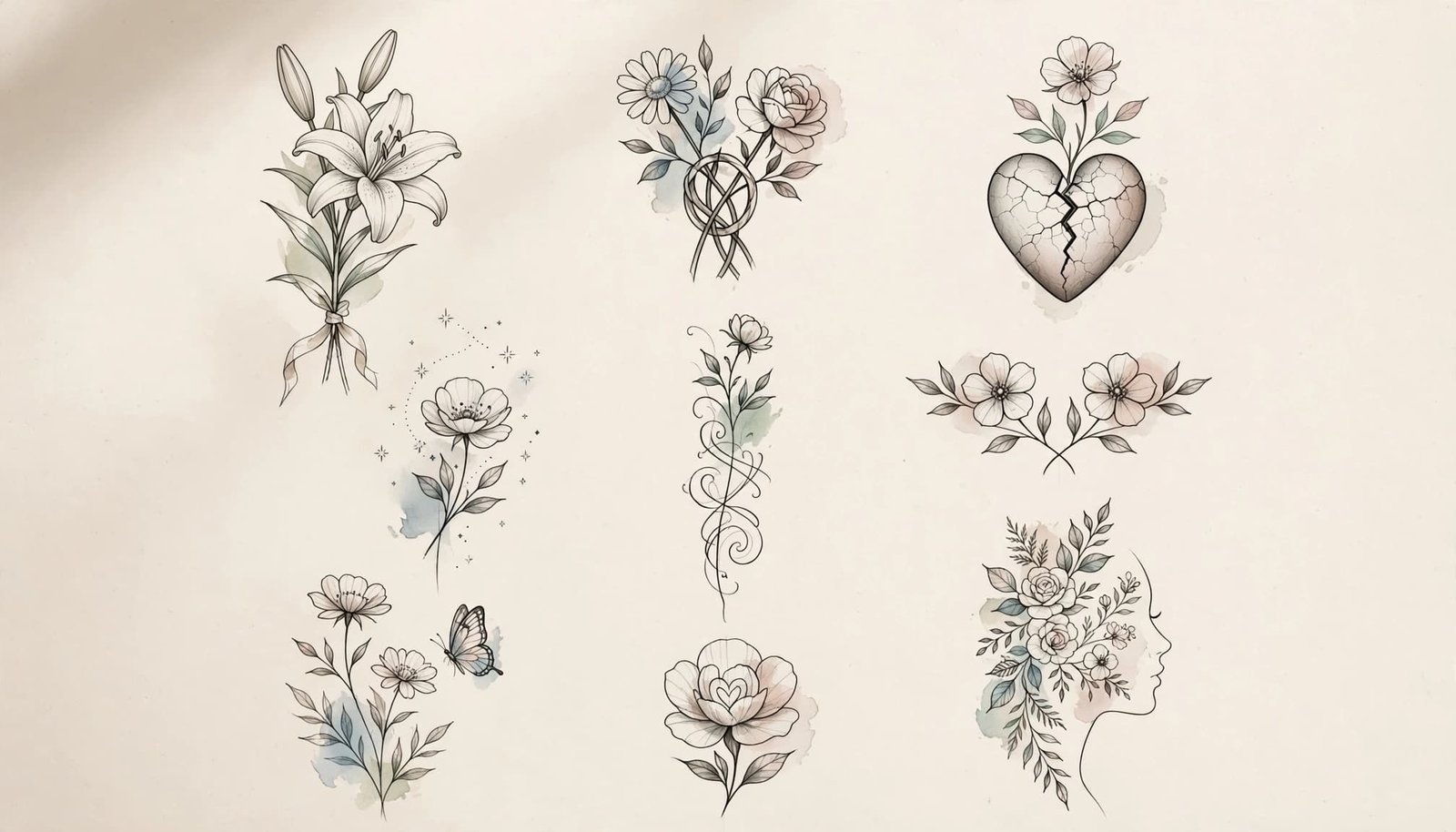
A meaningful flower tattoo becomes personal through the detail attached to it. A date, handwritten word, family connection, or carefully chosen placement can turn a familiar bloom into a lasting part of your story. Consider the memory first, then choose a style that gives that meaning enough room to remain clear.
Memorial Lily With a Date
A lily paired with a meaningful date can honor someone you love without making the tattoo feel visually heavy. Use one open bloom, a slender stem, and a small date beneath the leaves. A very short word, such as “always” or “beloved,” can create the same emotional connection.
The forearm, upper back, ribs, and shoulder blade all give the flower enough space to breathe. Choose a clean serif font or simple handwritten style that remains readable as the ink ages. Tiny, tightly packed lettering may blur, so ask your artist to scale the date to match the design.
Mother and Daughter Birth Flowers
Two birth flowers can grow from one shared root, overlap gently, or meet at their stems. Each bloom can represent one person while the connected base shows the relationship between them. Because the flowers don’t need to match perfectly, each person can choose a different size, color, or level of detail.
The inner forearm and collarbone suit a visible shared tattoo. Matching placements on opposite arms or shoulders can also create a personal connection without requiring identical designs. If one person prefers fine-line work and the other likes color, the flowers can still share the same shape and composition.
Flower Growing From a Broken Heart
A flower rising from a cracked heart or broken ceramic shape offers a clear image of healing, endurance, and new beginnings. The cracks can remain delicate rather than dramatic, while the bloom adds softness above the damaged form. A rose suggests love, a daisy feels hopeful, and a wildflower gives the design a freer character.
Keep the composition balanced so the heart doesn’t overpower the flower. A strong silhouette matters, especially if you want a smaller tattoo. Give the petals, cracks, and stem enough open space to remain distinct over time.
Birth Flower With a Constellation
Pair your birth flower with small stars or the constellation associated with your birth month. The flower can express identity, while the constellation adds a family connection, guiding memory, or personal sense of direction. Use a few fine dots rather than a crowded field of stars.
The shoulder, upper arm, forearm, and back offer room for a graceful vertical layout. Before finalizing the stencil, verify the constellation pattern you want included. A tattoo artist can help simplify the stars without changing the shape that gives the design meaning.
Favorite Flower With Handwritten Script
Let a loved one’s handwriting follow the flower stem, or add a short personal phrase beneath the bloom. One meaningful word can feel more intimate than a full sentence, especially when the handwriting comes from a family card, note, or old letter. Bring your artist a clear, high-quality reference sample.
Script needs enough size and spacing to stay legible as the tattoo ages. Avoid squeezing long words into a narrow stem. The forearm, ribs, upper arm, and shoulder blade provide room for the flower and lettering to remain balanced.
Floral Sister Tattoos
Sisters or close friends can choose matching flowers, complementary blooms, or two halves of one bouquet. One person might wear the rose while the other chooses the leaves and smaller buds that complete the arrangement. Different flowers from the same garden can share a theme without looking copied.
Try the inner arm, ankle, shoulder, or collarbone for coordinated placements. Each person can add a different color, initial, or number of leaves. That small variation lets the tattoos feel connected while preserving individual taste.
Wildflower and Butterfly
A loose wildflower arrangement with a butterfly creates a light, moving composition. The butterfly can rest on one bloom or travel between the stems, suggesting change, freedom, or personal growth if those ideas fit your story. Keep the flowers irregular so the design feels gathered from a real field rather than arranged too stiffly.
The shoulder, thigh, upper back, and forearm provide enough open space for wings and petals. Avoid shrinking the butterfly until its wing pattern becomes a dark spot. Clear outlines and breathing room will help both subjects stay recognizable.
Flower With a Hidden Initial
A single initial can hide naturally inside the flower without becoming the main feature. Ask your artist to place it within a stem, leaf vein, petal gap, or small area of negative space. The letter should be subtle, but it still needs enough size to remain visible when viewed closely.
Choose a flower with an organic shape that supports the detail. A rose, poppy, or daisy can conceal a letter more naturally than a rigid geometric bloom. Review the stencil from a normal distance before approving it, since an initial that disappears entirely loses its purpose.
Garden Sleeve With Personal Blooms
A garden sleeve can bring several chapters of your life into one flowing design. Each bloom might relate to a person, place, season, or memory, while leaves and small connecting elements guide the eye around the arm. Plan the composition from the shoulder through the upper arm and down toward the forearm so the larger flowers receive enough space.
Consistent line weight helps separate the sleeve from a collection of unrelated tattoos. Work with one experienced artist when possible, especially if you want the plants, spacing, and shading to feel unified. If you include culturally important flowers, learn their meaning and avoid using sacred imagery as decoration alone.
Flower and Feminine Figure Silhouette
A simple female profile or body silhouette can sit inside a flower, emerge from its petals, or curve beside the stem. Keep the image artistic and non-explicit, with a clean outline that suggests identity, confidence, or self-love. The flower might frame the face or replace the hair with petals and leaves.
The upper arm, thigh, ribs, and back can support this composition without forcing the figure into tiny detail. Ask for an uncluttered outline and clear proportions. A restrained design often carries more feeling than one filled with extra symbols.
How to Choose the Right Flower Tattoo for Your Style and Story
Choosing a flower tattoo becomes easier when you separate the emotional idea from the visual details. Start with the bloom, then consider the style, size, color, placement, and how the design will fit your daily life. A beautiful tattoo should feel personal now and still feel right years from now.
Choose Meaning That Feels True to You
Flower symbolism is a starting point, not a rulebook. A rose may suggest love, but it could also remind you of your grandmother’s garden, a first date, or a place you once called home. A sunflower might recall a childhood summer rather than optimism. The strongest flower tattoo ideas usually begin with a real connection.
Ask yourself what brought you to the flower:
- Does it remind you of a person, place, season, or important memory?
- Is it connected to your birth month or family history?
- Do you like the flower’s shape, scent, color, or natural setting?
- Would the tattoo still matter if someone interpreted its symbolism differently?
Your answer can guide the design without restricting it. You might combine a birth flower with a handwritten initial, add one leaf for each family member, or choose a bloom from a meaningful vacation. Save a small mood board with flower photographs, tattoo references, color ideas, and placement examples. Keep only images that share the feeling you want, rather than collecting every attractive design.
Cultural respect matters when a flower carries religious, ceremonial, or traditional meaning. Learn how the symbol is used before turning it into body art, especially when the design comes from a culture outside your own. Personal meaning can guide your choice, but it shouldn’t erase the history attached to the image.
Match the Design to Your Preferred Tattoo Style
Your preferred style changes the tattoo’s mood, detail, and aging pattern. Compare the main options before choosing a reference image:
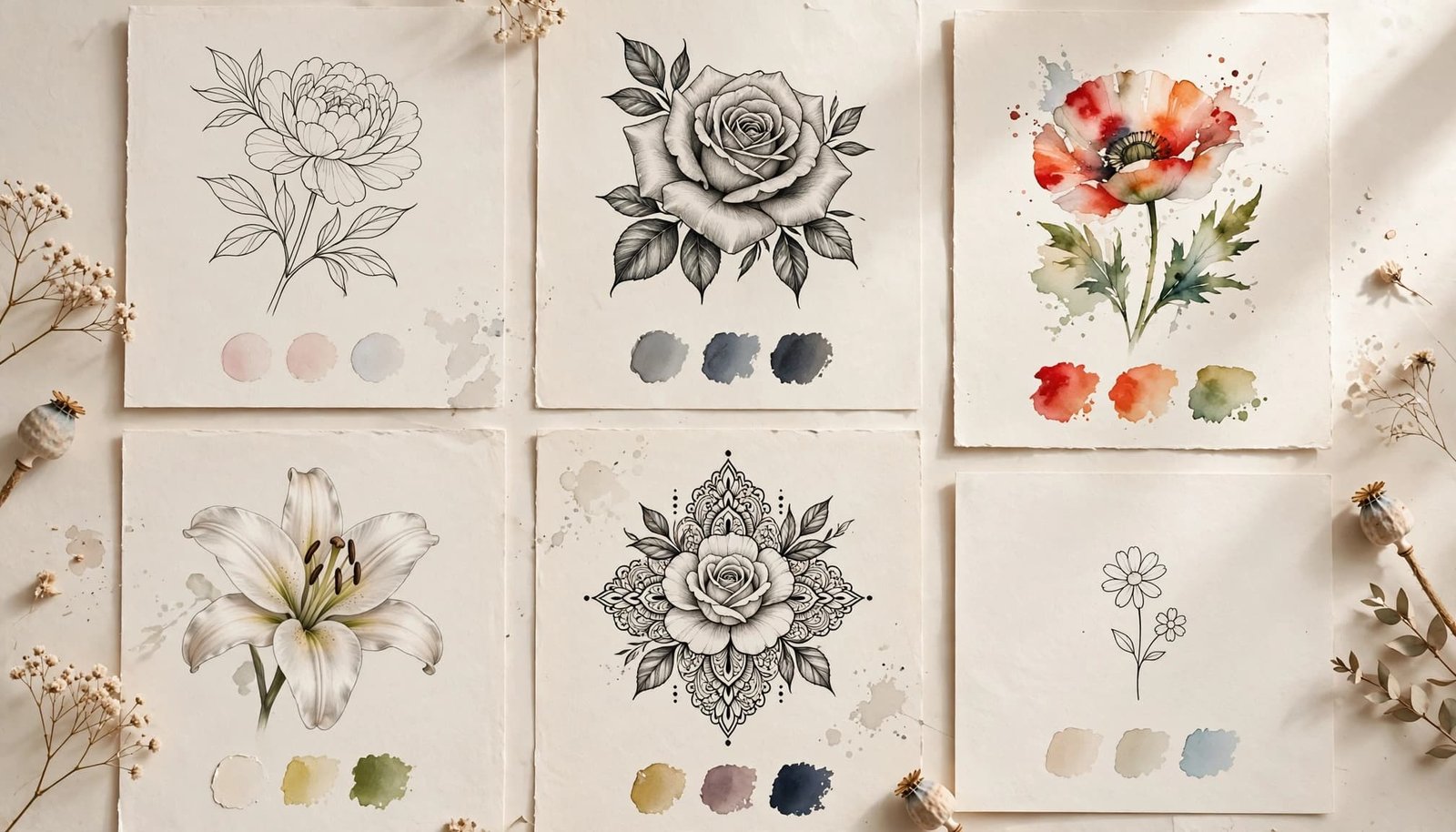
- Fine-line tattoos create an airy, graceful look with delicate outlines. They suit small botanical sprigs and simple stems, but very thin lines need careful spacing.
- Black-and-gray designs rely on contrast and shading instead of color. They work well for roses, chrysanthemums, lilies, and medium-sized pieces with visible texture.
- Color tattoos bring bright petals and green leaves forward. They suit expressive designs, although color choices can change the mood and may require more maintenance from sun exposure.
- Watercolor tattoos use soft washes and loose edges for a painterly effect. They need enough room for the colors to breathe and look best from an artist with a strong healed color portfolio.
- Realism shows natural petal folds, veins, shadows, and texture. This approach usually needs a larger body area, such as the thigh, upper arm, shoulder, or back.
- Ornamental tattoos add symmetry, dotwork, jewelry-like details, and decorative framing. They suit centered placements such as the sternum, spine, or upper back.
- Minimalist tattoos reduce the flower to its clearest shape. They are a good fit for discreet designs and simple symbolism, especially when you want a small tattoo.
Choose an artist whose portfolio shows the exact style you want, not just flowers in general. Also, ask to see healed work. Fresh ink can look sharp and saturated, while healed tattoos reveal how the artist handles line softness, color settling, and long-term contrast.
Think About Size, Visibility, and Future Details
Small tattoos can be elegant, but they need simplified shapes. A tiny daisy may hold a clean outline, while petal veins, script, and dense shading can turn into an unclear dark spot. Lines naturally spread slightly as skin ages, so tightly packed details need room from the beginning.
Larger tattoos allow more visual information. You can include layered petals, realistic texture, decorative shading, a date, or a short piece of script without forcing every element together. Before adding text, symbols, or extra flowers, ask whether each detail strengthens the story.
Visible placements, such as the forearm, wrist, shoulder, or ankle, make self-expression easy to share. Discreet areas, including the ribs, hip, upper thigh, or back, offer more privacy and may suit professional settings. Consider clothing, sun exposure, work requirements, and whether you want to see the tattoo every day.
A custom sketch should fit your body and story, rather than copy another person’s tattoo exactly.
Bring your mood board to the consultation, then ask the artist for a custom drawing. Review the proportions while standing naturally, and discuss how the design may age. Before booking, read the FDA’s tattoo safety guidance and ask the studio about hygiene, ink, and aftercare.
Best Flower Tattoo Placements, Pain Levels, and Aftercare Basics
The best placement depends on your design, daily routine, comfort, and plans for future tattoos. A curved flower can follow the body like a vine, while a straight stem usually looks cleaner along a long, narrow area. Before booking, compare how each location handles size, movement, clothing friction, visibility, and sun exposure.
Compare Popular Placements for Flower Designs
Curved flowers suit the shoulder, collarbone, ribs, hip, and thigh because those areas give the design room to bend. A magnolia branch can sweep over the shoulder, a delicate stem can trace the collarbone, and a larger bloom can follow the curve of the hip or outer thigh. These placements often allow medium or large designs, although ribs and areas close to bone may feel more sensitive during the appointment.
Straight stems work naturally on the forearm or calf. They also suit lavender, lilies, poppies, and narrow wildflower arrangements. The forearm offers strong visibility and easier daily care, while the calf gives you more privacy and space. Wrists and ankles can hold small designs, but frequent movement, footwear, and clothing may create more friction.
Placement also changes how often your tattoo sees the sun. The forearm, wrist, shoulder, collarbone, and ankle may need more consistent protection because clothing doesn’t always cover them. The upper arm, upper thigh, ribs, and hip are easier to keep covered, although every healed tattoo still benefits from sun protection.
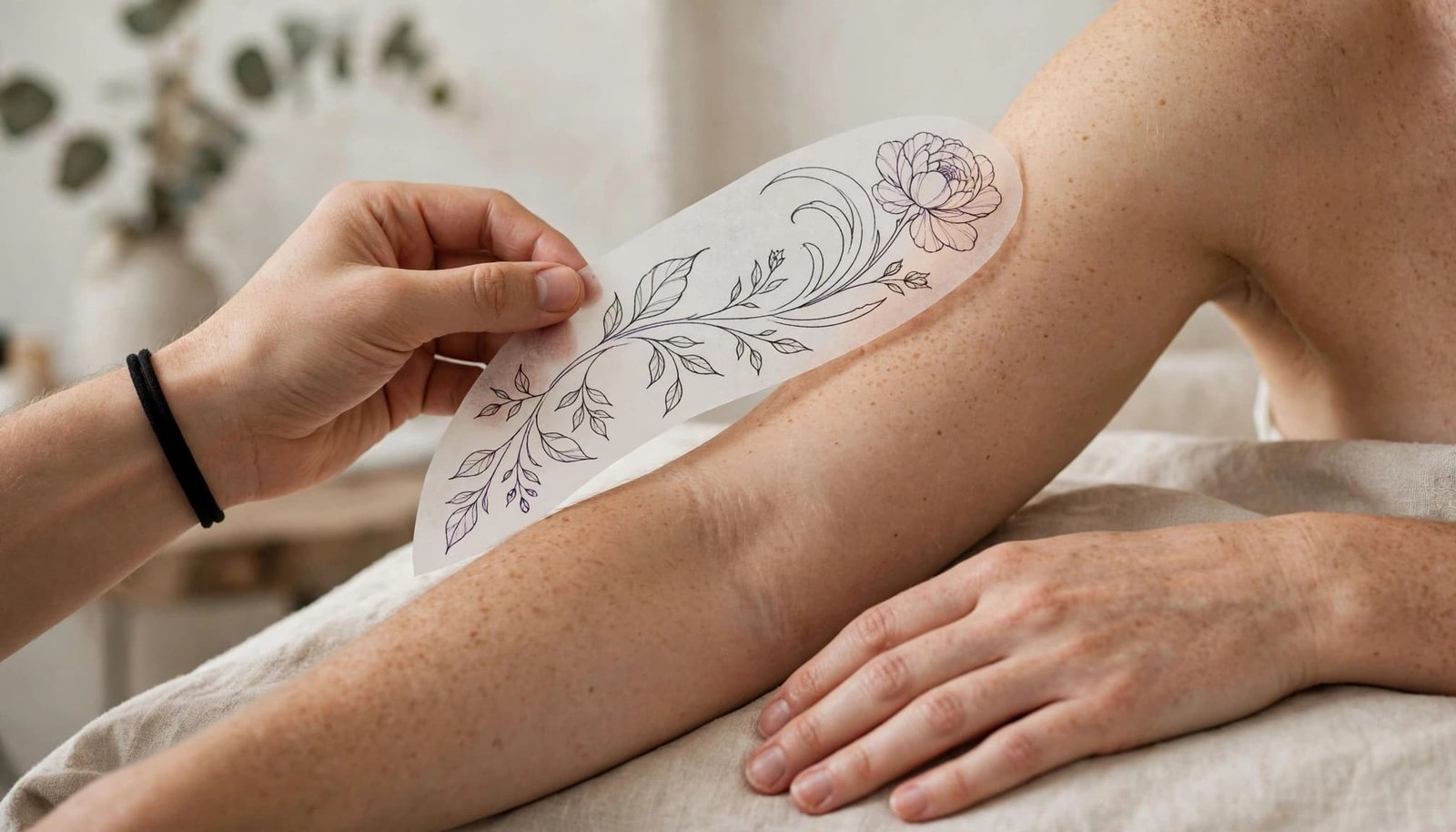
Spine tattoos create a graceful vertical layout, but the design may feel more sensitive because the area sits close to bone. Behind-the-ear tattoos are discreet and charming, yet the small space usually calls for simple shapes. Before the artist starts, ask to see the stencil while you stand, sit, bend, and move your arm. A flower that looks balanced on a flat surface may shift when your body changes position.
Ask how the tattoo will fit beside future pieces, especially if you may want a sleeve, back design, or connected floral arrangement later.
Prepare for the Tattoo Appointment
Start by reviewing the artist’s healed flower tattoos, not only fresh work. Healed photos show how lines soften, shading settles, and color looks after the skin has recovered. During your consultation, discuss the design’s size, placement, line weight, color palette, and realistic level of detail.
Bring reference images to show the mood, flower shape, and style you like. Use them as visual direction rather than asking for an exact copy. A good artist can create a custom design that fits your body and avoids reproducing someone else’s tattoo.
Eat a normal meal beforehand and drink water as you usually would. Wear clothing that gives the artist easy access without pressing against the planned tattoo afterward. Also, ask about the studio’s consent process, preparation steps, single-use supplies, sterilization practices, and written aftercare instructions.
Tell the artist about relevant allergies, medications, skin conditions, previous tattoo reactions, or healing concerns. If you have a condition or take medication that could affect your skin or healing, discuss the appointment with a qualified medical professional before proceeding. A reputable artist should welcome those questions and never pressure you to continue.
Protect the Tattoo While It Heals
Follow your artist’s written aftercare instructions because products, bandages, and healing times can vary. In general, keep the area clean, avoid picking or scratching flakes, and don’t soak the tattoo in pools, hot tubs, baths, or open water while it heals. Loose clothing can reduce rubbing against fresh ink.
Avoid unnecessary friction from tight waistbands, watchbands, backpack straps, or shoes. Keep pets away from the healing area, and don’t apply products that your artist hasn’t recommended. Once the tattoo is fully healed, protect it with clothing or broad-spectrum sunscreen. The American Academy of Dermatology’s tattoo care guidance recommends SPF 30 or higher for tattooed skin exposed to the sun.
Some tenderness, mild redness, swelling, or fluid can occur during early healing. However, worsening pain, spreading redness, pus, fever, or other concerning changes need prompt attention from a qualified medical professional. The Cleveland Clinic’s tattoo infection guidance explains why suspected infection should receive medical care rather than being treated only with home remedies.
Conclusion
The best flower tattoo is attractive, but it also feels connected to your own life. A tiny linework sprig, birth flower, or simple bloom can hold just as much meaning as a colorful bouquet, memorial design, or full floral sleeve. The right choice depends on the memory, feeling, or relationship you want to carry with you.
Before booking, consider the flower, tattoo style, size, color, and placement together. Choose a design that suits your daily life and that you can still feel good about years from now. Give detailed pieces enough space, keep small tattoos simple, and treat cultural symbolism with care.
Once your idea feels clear, work with a skilled, reputable tattoo artist who can create an original design for your body and story. Your flower tattoo should feel like more than a beautiful image. It should look and feel like something that belongs to you.
Save the pin for later

- 30 Beautiful Minimalist Tattoo Ideas for Women - September 15, 2026
- 25 Tiny Fine Line Tattoo Ideas for a Subtle Look - September 15, 2026
- 30 Meaningful Flower Tattoo Ideas for Women - September 15, 2026
Leave a Reply