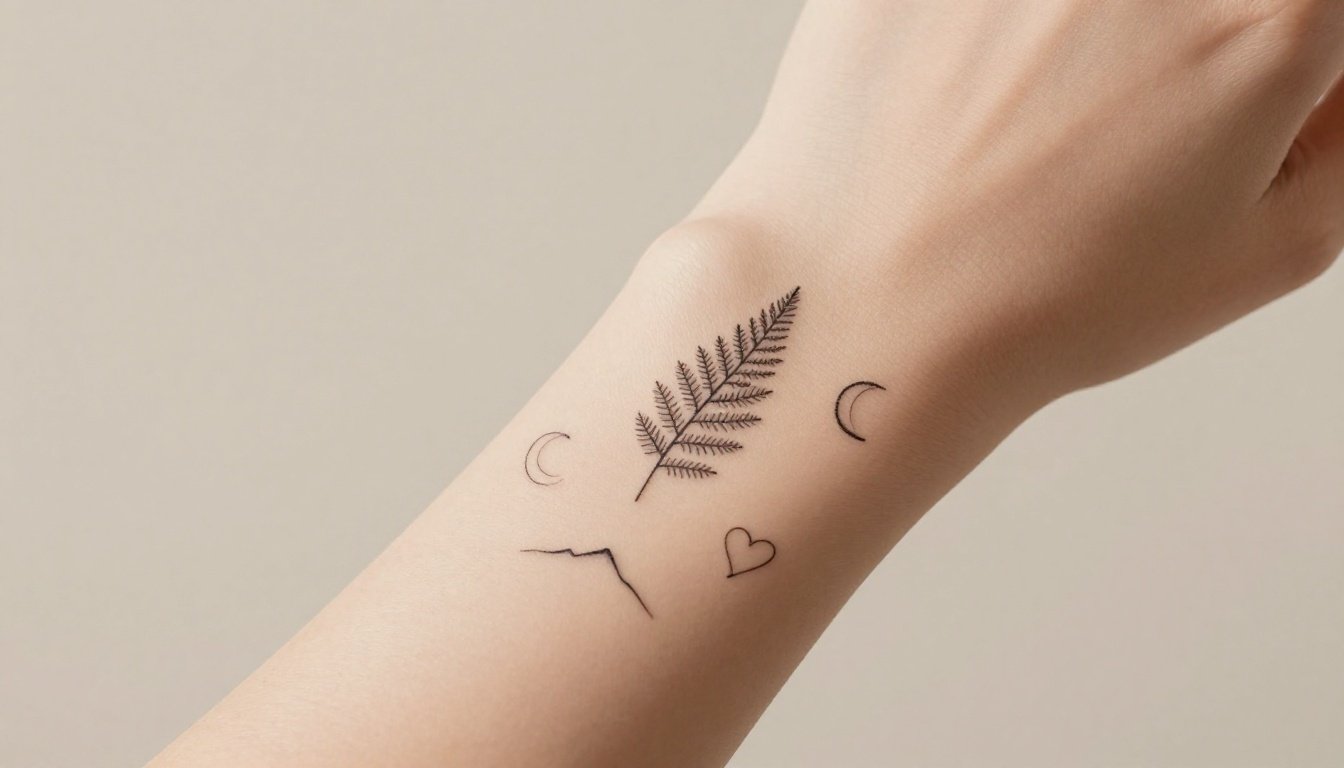
25 Tiny Fine Line Tattoo Ideas for a Subtle Look
A tiny tattoo can hold a private memory, a personal symbol, or a detail that feels like it belongs only to you. Fine line tattoos use thin, clean strokes to create delicate designs with a light, understated look, making them appealing when you want self-expression without covering a large area of skin.
Still, small size doesn’t make the choice less important. Placement, spacing, line detail, and skin movement can affect how crisp the design stays over time, while thoughtful aftercare helps protect it during healing. The right idea should feel personal, suit your style, and fit naturally where you plan to wear it.
Ahead, you’ll find 25 tiny fine line tattoo ideas, along with placement suggestions, design tips, and practical care guidance to help you choose with confidence. Start by exploring the designs that turn a small mark into something meaningful.
Tiny Floral and Botanical Tattoos That Feel Soft and Personal
Botanical designs suit a subtle tattoo because their shapes stay recognizable at a small scale. Choose a flower tied to a memory or season instead of copying a popular design simply because it appears everywhere.
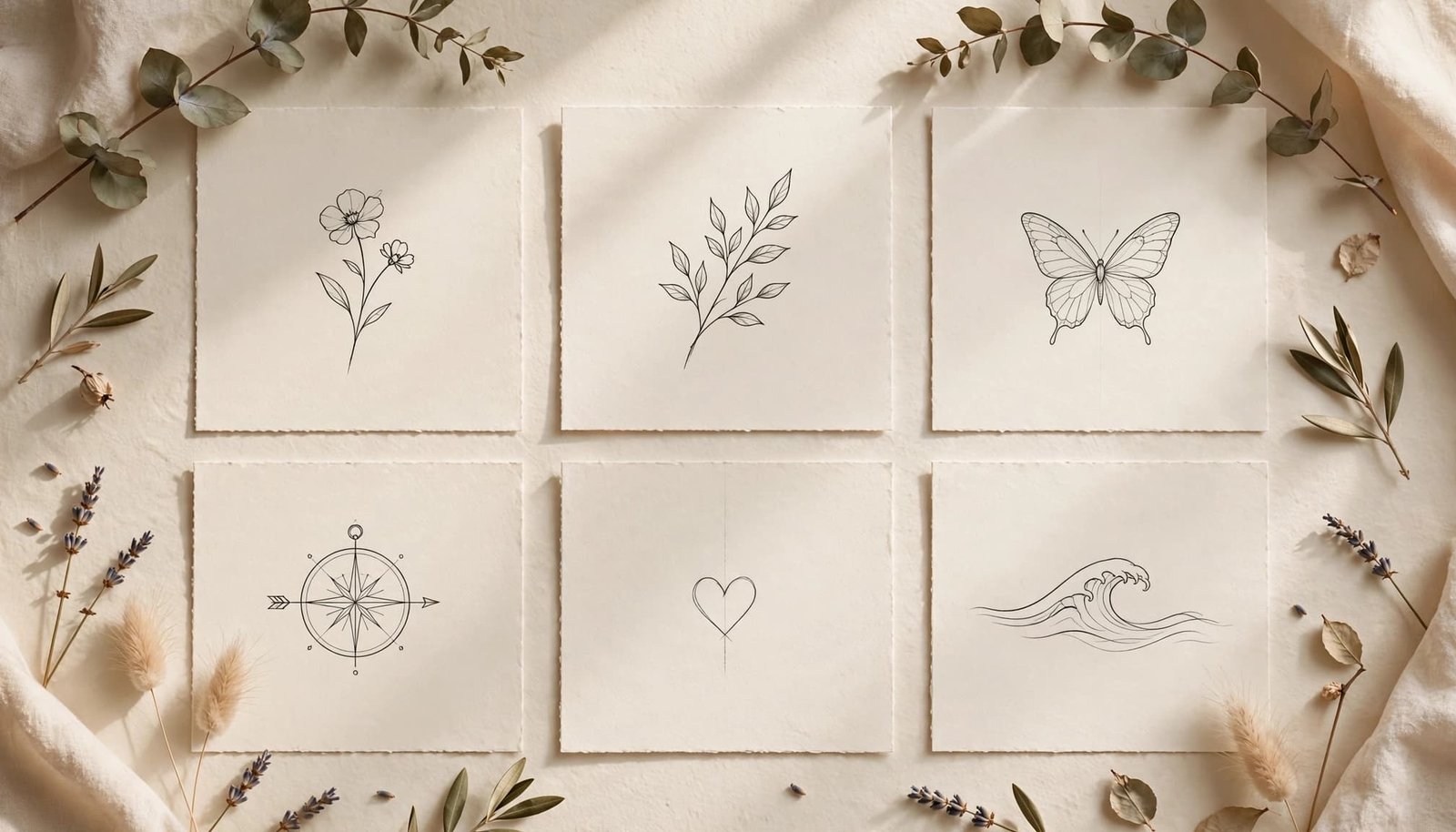
- Single-line rose: One flowing outline gives the rose a graceful, modern look. It can suggest love or remembrance, while the collarbone or inner forearm keeps it personal.
- Tiny daisy: A small center with evenly spaced petals feels cheerful and fresh. Place it on the ankle as a reminder of a favorite spring or childhood memory.
- Lavender sprig: A slim stem with a few buds suggests calm, healing, or a peaceful place. The inner forearm gives this narrow design room to follow the arm.
- Lily of the valley: Tiny bell-shaped flowers create a delicate vertical tattoo. It may recall hope, renewal, or someone special, especially behind the ear.
- Cherry blossom: A thin branch with two or three open blooms captures brief beauty and personal growth. A shoulder placement allows a gentle horizontal orientation.
- Olive branch: Sparse leaves create a clean design with room between each line. It can suggest peace, family roots, or a meaningful journey along the collarbone.
- Tiny leaf: A single leaf looks especially clean in fine line work. Its meaning can shift with your story, from growth to a love of nature, on the ankle or wrist.
- Wildflower stem: Combine one curved stem with an imperfect bloom for a more natural appearance. The shoulder or inner forearm works well for a memory connected to a field or summer.
- Four-leaf clover: Four simple rounded leaves create a recognizable micro tattoo. Wear it near the ankle or behind the ear as a personal reminder of good fortune.
Nature-Inspired Fine Line Designs With a Quiet Sense of Wonder
Nature tattoos can carry a sense of movement without becoming visually heavy. Keep them understated with one continuous line, an open shape, or only a few carefully spaced marks.
- Butterfly: An open-wing outline can suggest change, freedom, or a new chapter. A tiny version fits the wrist, ankle, or back of the neck.
- Moth: Slim wings and a small body give this design a softer, nocturnal mood. Place it on the ribcage or upper arm, with minimal interior detail.
- Bee: A simple oval body and two wings create a charming symbol of purpose and connection. The ankle or shoulder blade suits a small, balanced design.
- Small bird silhouette: A few curved strokes can show a bird in flight without detailed feathers. It may recall travel, independence, or someone you miss near the collarbone or wrist.
- Feather: Use a curved central shaft with several light barbs. This design can suggest freedom, memory, or a loved one, especially along the ribcage or back of the neck.
- Ocean wave: One fluid crest makes the wave easy to read while keeping it delicate. A wrist or ankle placement fits a reminder of the coast, calm, or emotional strength.
- Mountain outline: Two or three connected peaks provide a grounded, open shape. The shoulder blade or upper arm gives the line enough space to stay clear.
- Sun or moon phases: A tiny row of circles, crescents, or a simple sun can reflect time, change, or an outdoor life. Place it along the wrist, ankle, or back of the neck.
Meaningful Symbols and Micro Tattoos With a Personal Story
The smallest symbols often carry the most private stories. Before tattooing a date, letter, punctuation mark, or handwriting, check every detail carefully, especially when using another language.
- Tiny heart outline: A clean, open heart can honor love, friendship, self-respect, or healing. The inner forearm, wrist, or collarbone keeps the design visible without making it dominant.
- Star or constellation: Use a few dots joined by thin lines, or leave the stars open. This can recall guidance, a birth month, or a favorite night sky on the shoulder blade.
- Initial: One carefully chosen letter can honor a relationship, family member, or personal identity. Confirm the exact letterform before placing it behind the ear or on the inner wrist.
- Roman numeral date: A meaningful date becomes more discreet in Roman numerals. Verify the conversion and spacing before choosing the ribcage, collarbone, or inner forearm.
- Semicolon: This punctuation mark can honor survival, healing, or mental health. Its simple form suits the wrist or ankle, though you should choose the meaning that feels right to you.
- Paper airplane: A tiny outlined plane suggests travel, freedom, or a future goal. Angle it toward the shoulder or collarbone to give the design a sense of direction.
- Key and lock: Two miniature symbols can honor trust, a private bond, or a memory shared with someone else. Keep them open and spare on the upper arm or ribcage.
- Simple compass: Four fine strokes form a clean reminder of direction, home, or personal purpose. The ankle, shoulder blade, or inner forearm gives this symbol a natural orientation.
Dates, initials, and loved one’s handwriting deserve a second review before your appointment. Ask the artist to show the design at its intended size, then personalize it through orientation, line weight, spacing, or one small detail that makes the tattoo yours.
How to Choose a Tiny Fine Line Tattoo That Still Feels Like You
Choosing a tiny fine line tattoo takes more than picking the prettiest sketch. The right design should connect to a memory, value, person, place, or milestone while fitting your daily life. Before booking, consider how it will look at a small scale, how often the area faces friction or sunlight, and whether you will still feel attached to the idea years from now.
Match the Design to Your Lifestyle, Skin, and Comfort Level
Placement affects both practicality and longevity. A wrist, hand, or forearm tattoo may be easy to admire, but it also faces frequent washing, clothing contact, equipment, and sunlight. Jewelry, tight sleeves, sports gear, and repeated movement can rub against delicate lines. If you play sports, swim often, or work with your hands, ask whether a lower-friction area would protect the design better.
Workplace visibility matters, too. A collarbone, rib, upper-arm, or shoulder-blade tattoo stays easier to cover than one on the fingers or wrist. Consider sun exposure before choosing an exposed location, then protect healed ink with broad-spectrum sunscreen. Fresh tattoos should stay out of direct sun while they heal. For broader safety guidance, review the FDA’s tattoo safety information.
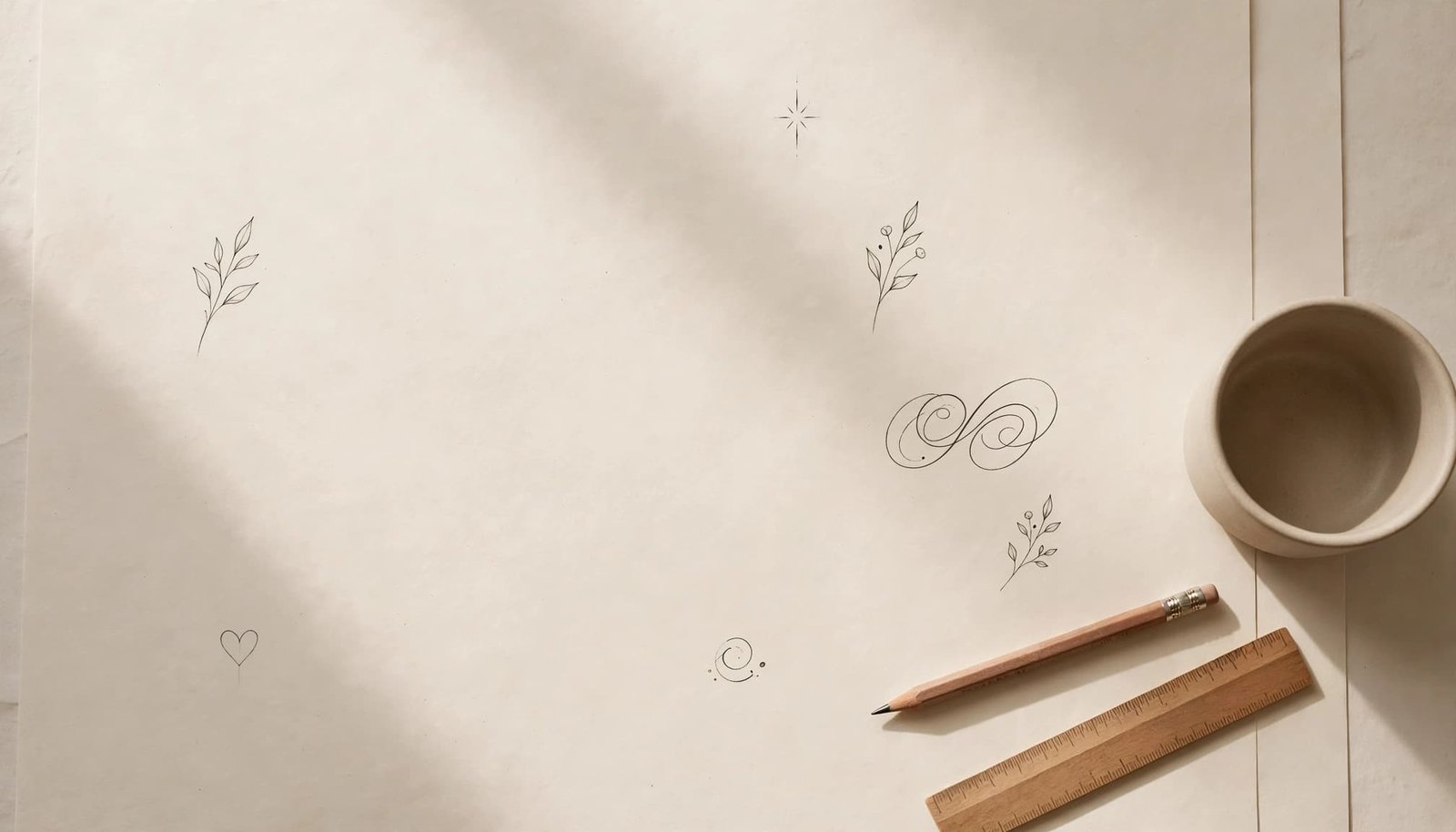
Very small lettering, crowded details, and ultra-thin lines can blur or fade sooner than a slightly larger, simpler design. Skin type, movement, and the artist’s technique also affect the finished result. Ask your tattoo artist whether the design needs more space, a heavier line, or a modest increase in size.
Comfort deserves a place in the decision. If you feel nervous about the appointment, choose a less sensitive placement and ask about the expected session time. You can also request a stencil first, giving you a chance to see how the tattoo feels on your body.
Make a Personal Symbol More Original Without Making It Busy
Start with the story, then choose the image. A flower might connect to a birth month, a mountain to a hometown, or a star pattern to a night you remember. Personal details can make familiar tattoo ideas feel specific without filling every inch with decoration.
Try one restrained adjustment:
- Change a flower’s number of petals to match a meaningful number.
- Add a birth-month flower or a small seasonal detail.
- Arrange stars according to a meaningful constellation or memory.
- Adapt a real handwriting sample instead of using a standard font.
- Combine two simple symbols, such as a wave with a tiny initial.
Bring a few references to your artist, but ask for an original interpretation rather than an exact copy. Discuss scale, line density, negative space, and symmetry. A design remains readable when its parts have room to breathe. If a symbol loses its shape when reduced, simplify it before tattooing.
Black ink is often the clearest choice for tiny fine line work. Muted color can add warmth, although pale shades may lose contrast sooner. Simple shading creates depth, but too much can turn a delicate design into a crowded mark. Sit with your favorite idea for a few weeks, then book only when it still feels personal and easy to recognize at its intended size.
The Best Subtle Tattoo Placements for Fine Line Work
Placement shapes how a tiny tattoo fits into your life. A hidden design can feel like a private reminder tucked beneath your clothes, while a visible one can become an everyday accessory you see whenever you move. Choose the location because it supports the tattoo’s meaning, not only because it looks popular online.
Choose a Hidden Placement or a Delicate Spot You Can See
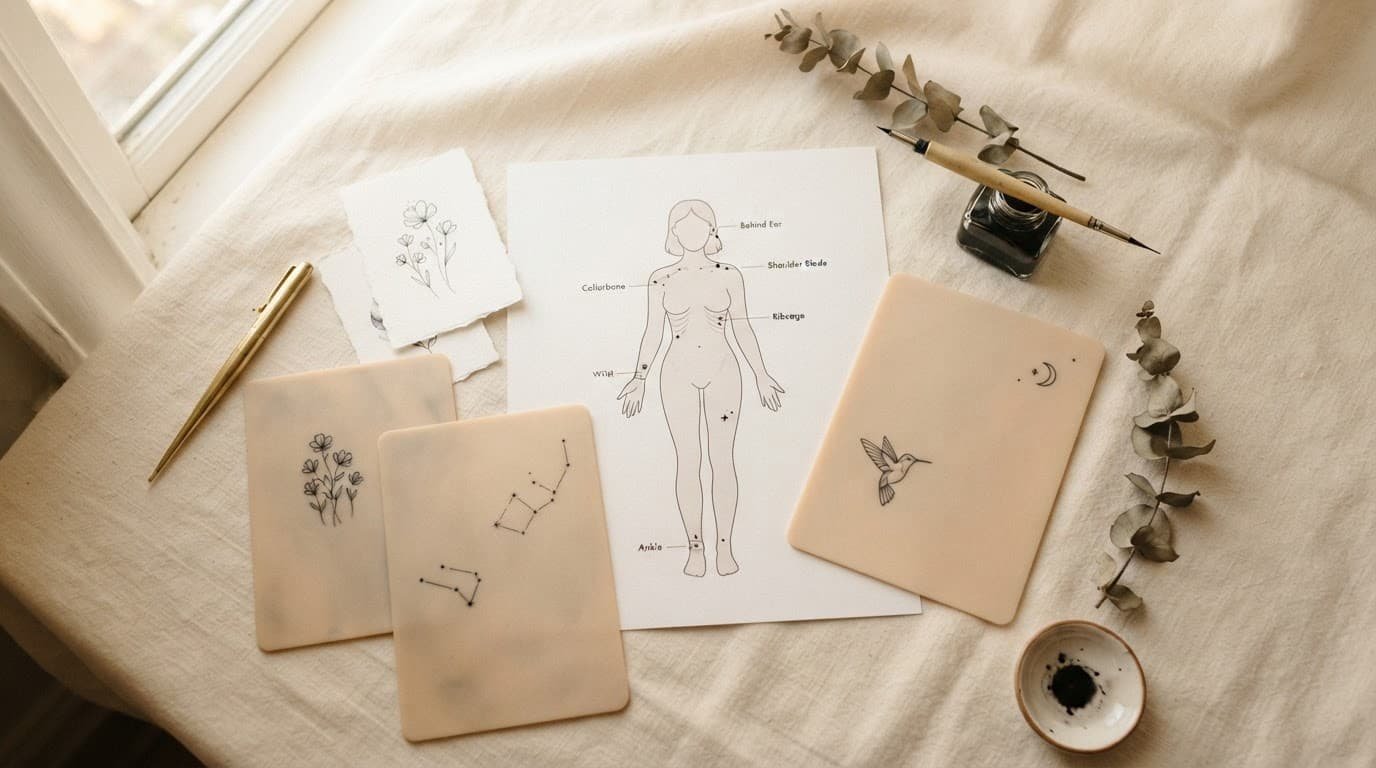
Private placements include the ribcage, hip, upper back, and shoulder blade. Clothing can cover these areas easily, which helps if you work in a formal setting or prefer your tattoo to stay personal. An upper back or shoulder blade design may feel like a message you carry rather than an accessory you display. The ribcage and hip can feel more intimate, although they are often more sensitive during the appointment.
Upper arms and upper backs usually experience less daily friction than hands, feet, or areas pressed by tight footwear. That can help fine lines stay clearer, especially when you also protect healed ink from the sun. Ask your artist about the specific design and your skin, since healing and longevity vary from person to person.
Visible options create a different relationship with the tattoo. An inner forearm gives a fine line design room to breathe while remaining easy to cover with a sleeve. The collarbone feels delicate and intentional, though it may show with open-neck clothing. The wrist is easy to admire, but frequent washing, movement, and sunlight can increase maintenance.
An ankle offers a small, graceful canvas, while the foot feels more discreet in shoes but faces pressure, sweat, and rubbing. Fingers and hands receive even more daily wear from washing, gripping, surfaces, and sun exposure, so tattoos there often need more touch-ups. Behind the ear and the back of the neck can stay hidden beneath hair or clothing, yet both become visible when your style changes.
A placement should fit the life you live, not just the photo you saved.
Pain varies widely. Ribcage, ankle, foot, finger, and areas close to bone may feel sharper for some people, while upper arm and shoulder placements often feel easier. Still, your artist, sleep, stress level, and personal sensitivity all affect the experience. Follow professional aftercare advice, and keep a fresh tattoo away from direct sun while it heals. Mayo Clinic’s tattoo safety guidance also recommends gentle washing and avoiding swimming during healing.
Before committing, test the spot with a temporary tattoo or paper mockup. Check it while your arm rests, bends, and turns, then view it from the front, side, and mirror angle. That small test can reveal whether the tattoo feels natural, easy to cover, and meaningful in everyday life.
How Long Do Tiny Fine Line Tattoos Last and How Do You Protect Them?
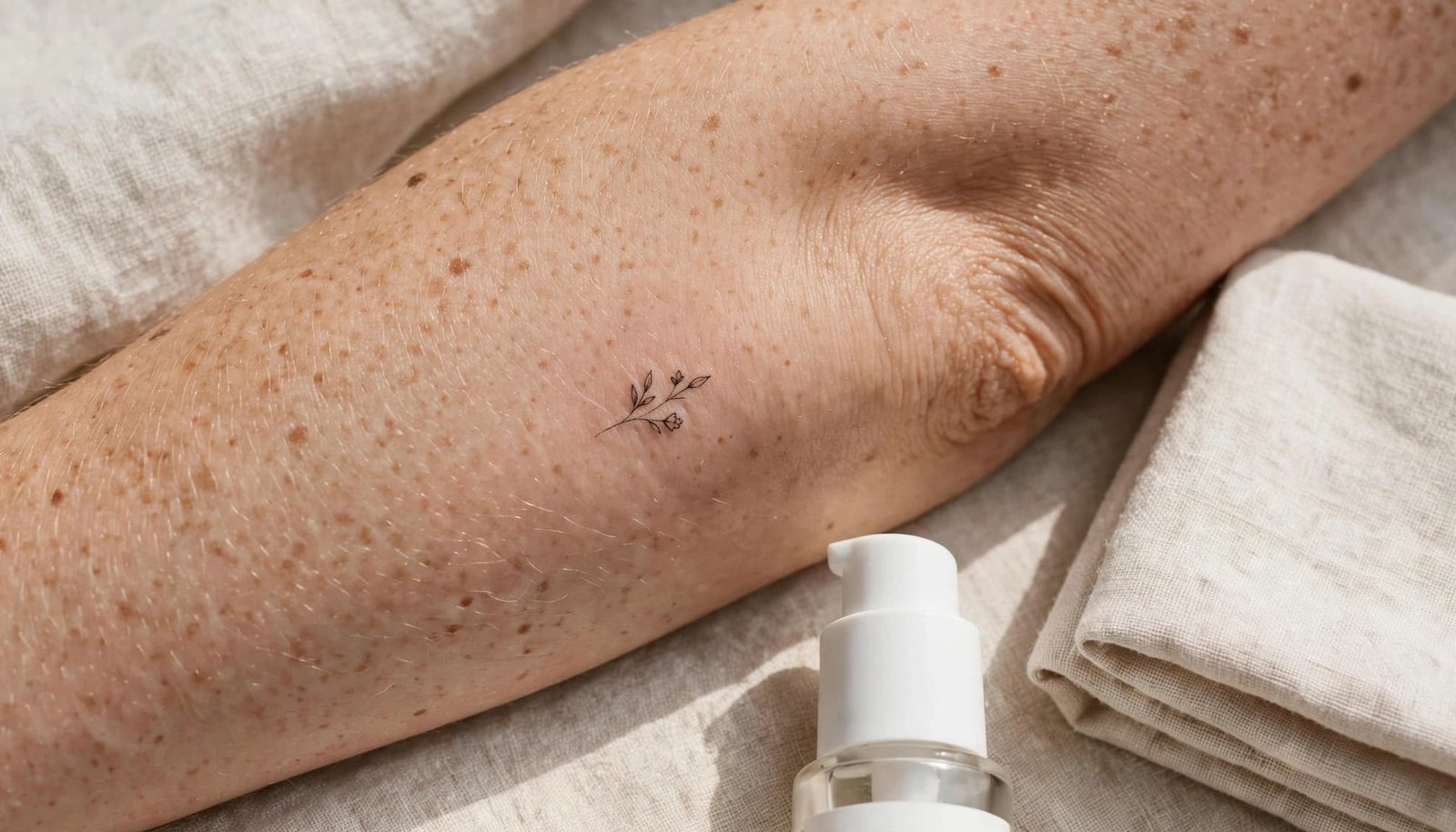
Tiny fine line tattoos can stay beautiful for years, but they often soften or fade sooner than bold tattoos. Their delicate strokes contain less ink, so sunlight, rubbing, healing problems, and natural skin changes can affect them more quickly. There is no fixed lifespan, because placement, skin type, ink depth, artist technique, and aftercare all shape the result.
Why Fine Lines Fade and What a Touch-Up Really Means
UV exposure breaks down tattoo pigment over time, especially on the hands, wrists, ankles, and other uncovered areas. Friction from shoes, watchbands, tight sleeves, sports equipment, or frequent washing can also wear down fine details. Fingers and feet usually need touch-ups sooner because they face constant movement, rubbing, moisture, and surface contact.
The tattoo’s application matters as well. If ink sits too shallowly, parts of the line may disappear during healing. Uneven placement can leave one section lighter than another, while overworked skin may heal with irritation or patchy ink retention. Picking scabs, scratching flakes, and using harsh exfoliants can pull away pigment before the skin finishes repairing itself.
Wait until the tattoo fully heals before judging the final result. During the first several weeks, peeling, dryness, and temporary dullness can make a fresh tattoo look uneven. Follow your artist’s bandage instructions, then wash gently with lukewarm water and fragrance-free soap. Pat the area dry, apply a thin layer of the recommended fragrance-free moisturizer, and never pick or scratch.
Avoid swimming, soaking in baths or hot tubs, saunas, heavy sweating, and direct sunlight while the tattoo heals. Most artists advise waiting about two to four weeks, but follow their instructions because healing time varies. Sunscreen doesn’t belong on open or healing skin. Once the tattoo is fully closed and no longer peeling, apply broad-spectrum SPF 30 or higher and reapply regularly, especially after swimming or sweating. The American Academy of Dermatology’s tattoo care guidance supports this approach.
A touch-up is a normal maintenance option, not automatic proof of poor work. If a line looks uneven after healing or a small area loses ink, contact the original artist and show them a clear photo. They can decide whether the tattoo needs a minor refresh, more healing time, or no correction at all. Additional aftercare details are also covered in this tattoo aftercare research review.
Find a Skilled Artist and Avoid Common Tiny Tattoo Mistakes
A tiny fine line tattoo needs careful planning because every millimeter affects its clarity. Choose an artist who works confidently at a small scale, then discuss how the design, placement, and your daily habits may affect its appearance over time.

Mistakes That Can Make a Tiny Tattoo Age Poorly
Start with the artist’s healed portfolio, not only fresh tattoo photos. Fresh ink often looks darker and sharper than healed work. Look for consistent line quality, clean spacing, and designs similar to your preferred style. An artist who creates bold traditional tattoos may not be the best choice for a delicate micro design.
During your consultation, ask about needle groupings, expected aging, minimum recommended size, placement, touch-up policies, and aftercare. A skilled artist may enlarge a design or remove a detail to preserve its shape. Choosing based only on the lowest price can leave you paying more for corrections later.
Several common choices also shorten a tattoo’s visual life:
- Making the design too small can cause fine details to merge or disappear. Give letters, petals, and tiny symbols enough room to remain recognizable.
- Crowding several symbols together reduces negative space. Separate meaningful elements or choose one stronger image instead.
- High-friction areas, such as fingers, feet, and places beneath tight bands, need more maintenance. Choose a calmer placement, or accept that touch-ups may be part of caring for the tattoo.
- Skipping sun protection speeds fading, especially on exposed wrists, hands, ankles, and forearms. After healing, use broad-spectrum, water-resistant SPF 30 or higher and cover the area when possible. The FDA’s tattoo safety guidance also explains infection and reaction concerns.
- Heavy ointment can trap moisture and irritate the skin when applied without guidance. Follow your artist’s instructions and use only a thin layer of the recommended product.
- Picking at flakes or scabs can remove pigment and damage healing skin. Let peeling happen naturally, even when the tattoo feels itchy.
Before your appointment, confirm that the studio follows local licensing rules and opens sterile, single-use needles in front of you. Fresh ink caps, new gloves, clean barriers, and proper sterilization procedures should be routine. Tattooing should wait if the area has a sunburn, active eczema, an open wound, or a skin infection.
Cultural respect matters, too. Don’t copy sacred, ceremonial, Indigenous, religious, or community-specific symbols without understanding their meaning and having the right connection or permission.
Contact a medical professional for spreading redness, pus, fever, severe swelling, or a reaction that worsens. A dermatologist can also assess unusual changes in tattooed skin, especially when a spot becomes persistently raised, painful, or different.
Conclusion
A tiny fine line tattoo can hold a full story in a few careful strokes. Whether you choose a flower, wave, initial, constellation, or personal symbol, the strongest design is one that carries meaning you will still recognize years from now.
Give the tattoo enough space to remain clear as it ages, and choose a placement that suits your work, clothing, movement, and daily habits. A skilled artist can adjust the size, spacing, and line weight to protect the design’s shape. Careful healing and consistent sun protection also help preserve its delicate appearance.
The best tiny fine line tattoo feels personal without needing an explanation. It becomes a quiet signature, something you are happy to discover again and again whenever you catch sight of it.
Save the pin for later

- 30 Beautiful Minimalist Tattoo Ideas for Women - September 15, 2026
- 25 Tiny Fine Line Tattoo Ideas for a Subtle Look - September 15, 2026
- 30 Meaningful Flower Tattoo Ideas for Women - September 15, 2026
Leave a Reply