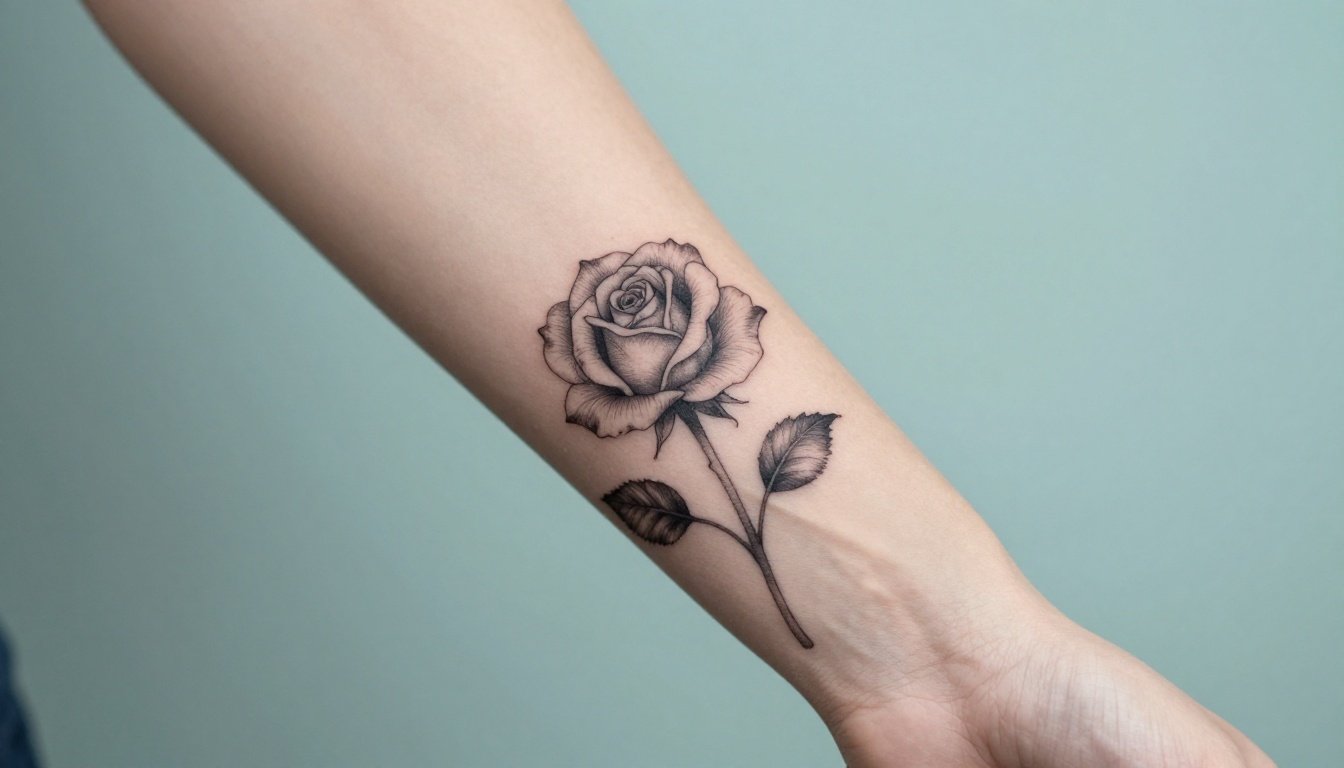
30 Fine-Line Floral Tattoo Ideas for Women
Fine-line floral tattoos have a soft, delicate look, yet they can carry personal meaning without feeling heavy on your skin. With thin, clean outlines and little shading, each design can feel as light as a pressed flower, whether it honors a loved one, celebrates growth, or captures a bloom you’ve always loved.
This collection of 30 fine-line floral tattoo ideas for women includes tiny single blossoms, graceful stems, and botanical arrangements with room for personal details. You’ll find inspiration for flower meanings, design choices, and placement ideas, along with practical guidance for choosing an artist and caring for delicate ink.
Because fine-line tattoos rely on crisp, precise work, choose a skilled tattoo artist and give your design thoughtful placement. Protect healed ink from the sun with broad-spectrum SPF 30 or higher, and follow careful aftercare while the skin heals, which can take several weeks. Start with these floral tattoo ideas to find a style that feels personal, wearable, and beautifully your own.
30 Fine-Line Floral Tattoos for Women That Feel Personal and Elegant
Fine-line floral tattoos can stay delicate while still carrying a clear story. Choose a single stem for a subtle reminder, or build a larger botanical design with open space, thin leaves, dotwork, and restrained shading.
Tiny Single-Flower Tattoos With a Quiet Meaning
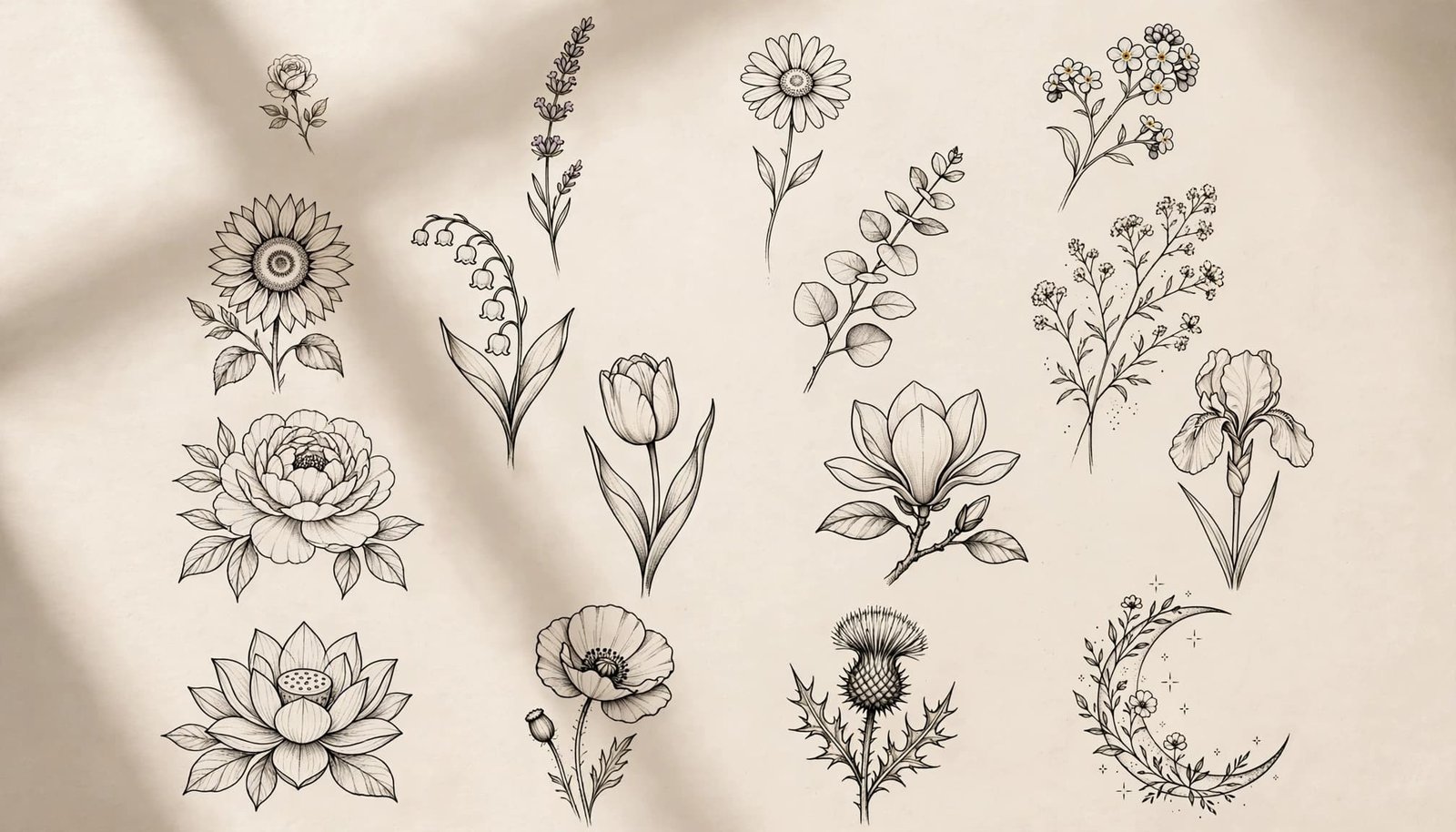
Small designs suit the wrist, ankle, behind the ear, finger side, or collarbone. A single stem and limited detail keep each tattoo clean, although extremely tiny lines may soften as the tattoo ages.
- A tiny rose with one curved stem suggests love or remembrance; fine petals and light dotwork suit the wrist or collarbone.
- A lavender sprig uses a thin stem and narrow leaves to create a calm, airy mood behind the ear or along the ankle.
- A petite daisy with an open center feels joyful and innocent, while sparse rays and a simple stem keep it readable on the finger side.
- A forget-me-not with five small petals can honor memory; minimal dotwork gives this delicate flower enough definition for the wrist.
- A small sunflower with a darkened center brings an optimistic mood to the ankle, especially when the petals remain lightly outlined.
- A lily of the valley, drawn as one slender stem with tiny bells, suggests renewal and looks graceful beneath the collarbone.
Fine-Line Flower Sprigs for a Natural, Airy Look
Sprigs create movement without filling every inch of skin. Their long stems, delicate leaves, and generous negative space work well on the forearm, ribs, shoulder blade, or ankle.
- An eucalyptus sprig pairs a long stem with slender rounded leaves, creating a relaxed botanical look for the forearm.
- A baby’s breath sprig uses tiny outlined blooms and plenty of open space, giving the shoulder blade a soft, hand-drawn feel.
- A wildflower sprig can combine three loose blooms with thin stems, light dotwork, and an ankle placement that feels natural.
- Chamomile flowers with narrow petals and feathery leaves create a gentle mood along the ribs without heavy shading.
- Baby’s tears or small filler blooms form a fine, scattered stem that looks understated on the ankle or inner forearm.
- An olive branch with one blossom balances elongated leaves and a single focal flower, making it a graceful shoulder-blade design.
Personalize any sprig with your birth-month flower or a meaningful number of blooms. That small choice can turn a familiar botanical sketch into a private reference.
Romantic Floral Tattoos With Soft Detail
Romantic designs feel elegant when the artist leaves room between petals. Light stippling, selective shading, and curved stems add depth without making the tattoo appear dense.
- A single peony with layered, lightly shaded petals suggests love or confidence and suits the upper arm or outer forearm.
- A fine-line tulip with a curved stem can express growth, grace, or a personal spring memory near the collarbone.
- A blooming magnolia uses broad petals and restrained dotwork to create a graceful sternum tattoo with a soft, feminine mood.
- A rose paired with a thin ribbon adds a personal phrase or date, while the open petals keep the outer forearm design balanced.
- A ranunculus with overlapping petal lines feels tender and full, especially when selective shading highlights only the inner folds.
- A small bouquet tied with a subtle bow can honor a lasting relationship; curved stems and limited detail work beautifully on the upper arm.
Flower symbolism is personal rather than fixed. Let your memories guide the design instead of relying only on traditional meanings.
Botanical Floral Designs With a Stronger Presence
Larger tattoos give an artist more room for accurate petals, balanced spacing, and a few darker accents. They may also age more clearly than ultra-tiny pieces, especially when placed on the spine, thigh, upper arm, calf, or shoulder blade.
- A tall iris with a long stem and defined petals creates an elegant spine or calf tattoo with a confident mood.
- A lotus above fine water ripples uses open space and delicate horizontal lines for a calm thigh or shoulder-blade design.
- A poppy with a curved stem and lightly shaded center feels expressive on the upper arm without losing its fine-line character.
- A thistle combines sharp leaves with dotwork at the flower head, creating a stronger botanical presence along the calf.
- A bird of paradise uses angular petals and carefully spaced lines for a distinctive thigh tattoo with a lively mood.
- A layered botanical branch can combine leaves, seed pods, and one small bloom across the shoulder blade, with darker accents guiding the eye.
Creative Floral Combinations for a One-of-a-Kind Tattoo
Personal details make popular flowers feel original. Keep each design uncluttered so thin lines remain distinct, and use reference images for direction rather than copying another person’s tattoo.
- A flower growing from a crescent moon pairs a curved bloom stem with open lunar space, creating a dreamy upper-arm or rib tattoo.
- A birth-flower bouquet can combine several month flowers with varied stems and restrained dotwork on the forearm.
- A floral heart outline uses tiny blooms along one side, leaving enough skin visible for a clean collarbone or sternum design.
- Flowers paired with a meaningful initial keep the letter small and the petals prominent, creating a personal wrist or shoulder-blade tattoo.
- A vine wrapping around a small symbol, such as a star or key, adds movement while keeping the central detail easy to read.
- A pressed-flower arrangement can include delicate stems with a date or coordinates in fine lettering, suited to the outer forearm or ribs.
Before booking, ask the artist how thin lines, small leaves, and tiny lettering will age in your chosen placement. After healing, protect the tattoo with broad-spectrum, water-resistant SPF 30 or higher, following American Academy of Dermatology tattoo care guidance.
How to Choose a Fine-Line Flower That Matches Your Story
The right flower should connect to a memory, feeling, or person you want to carry with you. Traditional symbolism can guide your choice, but your personal experience matters more than any fixed definition. A flower that means new beginnings to one woman may remind another of home, grief, friendship, or a season she survived.
Let Personal Meaning Lead the Flower Choice
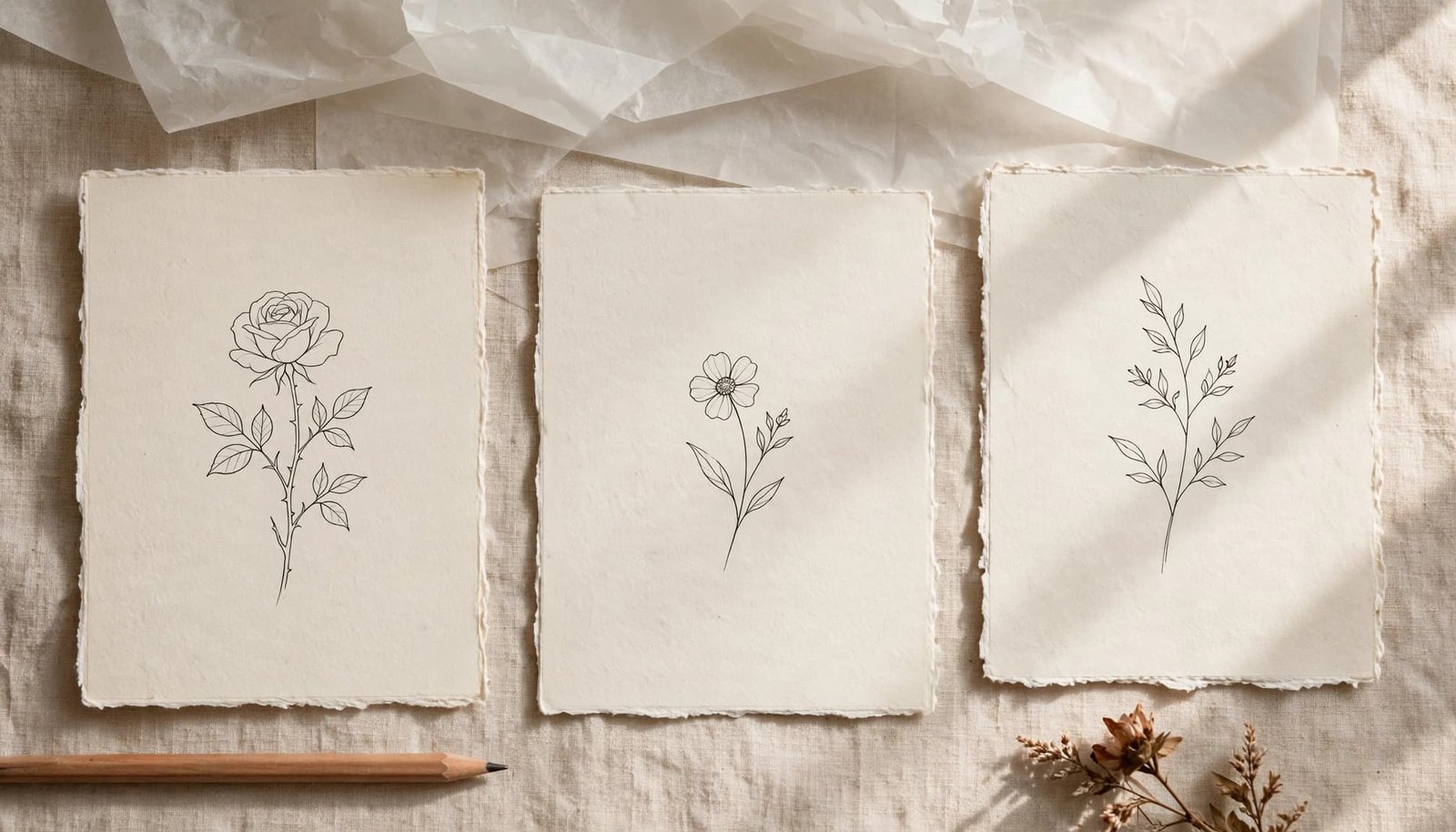
Roses are a useful example because their meaning changes with context. A rose can suggest love, passion, or remembrance, depending on the memory behind it. A rose for a partner might include an open bloom, while a rose honoring someone who passed away may feel more fitting as a single stem, a fallen petal, or a flower paired with a meaningful date. Traditional rose symbolism often centers on love and emotional bonds, but you can read more about rose tattoo symbolism before deciding what feels true to you.
Color also changes the mood. Black ink can feel classic, private, and understated, while red may make the design feel romantic or passionate. White, yellow, or blue accents can suggest different emotions, but color requires additional planning because it may soften as the tattoo ages.
The flower’s stage matters, too. A closed bud can suggest potential, patience, or a new chapter. A fully open bloom may express confidence, joy, or a life moment you want to remember. A fading flower can honor change without making the design feel tragic.
Consider these details before settling on one sketch:
- One flower can feel intimate, while several blooms may honor family members, milestones, or a shared history.
- A thorn, ribbon, butterfly, moon, book, or birthstone can add context without overwhelming the floral shape.
- A bent stem may suggest survival, while an upright stem can create a stronger feeling of hope and steadiness.
Follow a Simple Design Process
Start with the feeling you want the tattoo to hold. Write down a few words, such as comfort, courage, devotion, freedom, or remembrance. Then choose the flower that best fits that emotional center, even if its traditional meaning differs.
Next, select the level of detail. A tiny single bloom needs clear outer lines and generous open space. A larger fine-line flower can include veins, layered petals, stippling, leaves, and accompanying objects. Ask your artist to recommend a size in inches, rather than describing the design only as “small.” Fine interior details need enough room to remain readable after healing.
Finally, decide whether the tattoo should be private, visible, or easy to cover. The inner upper arm, ribs, and upper back offer more discretion. The wrist, forearm, and collarbone make the design easier to see. Placement also affects sun exposure, friction, and long-term softness.
Bring two or three references that show the mood, flower shape, line weight, or placement you prefer. Then ask your tattoo artist for an original sketch instead of requesting an exact copy. Your references should open the conversation, while the final design should belong to your story and your body.
Best Placement Ideas for Delicate Floral Tattoos
Placement shapes how a fine-line floral tattoo looks, feels, and ages. Flatter, lower-friction areas often help thin lines stay crisp, while hands, fingers, joints, ankles, and tight clothing zones may fade or soften sooner.
Before booking, ask your artist to apply a temporary stencil. Wear it for a day, check it in a mirror, and notice how the design moves when you sit, bend, or lift your arms.
Wrist, Forearm, Collarbone, and Shoulder
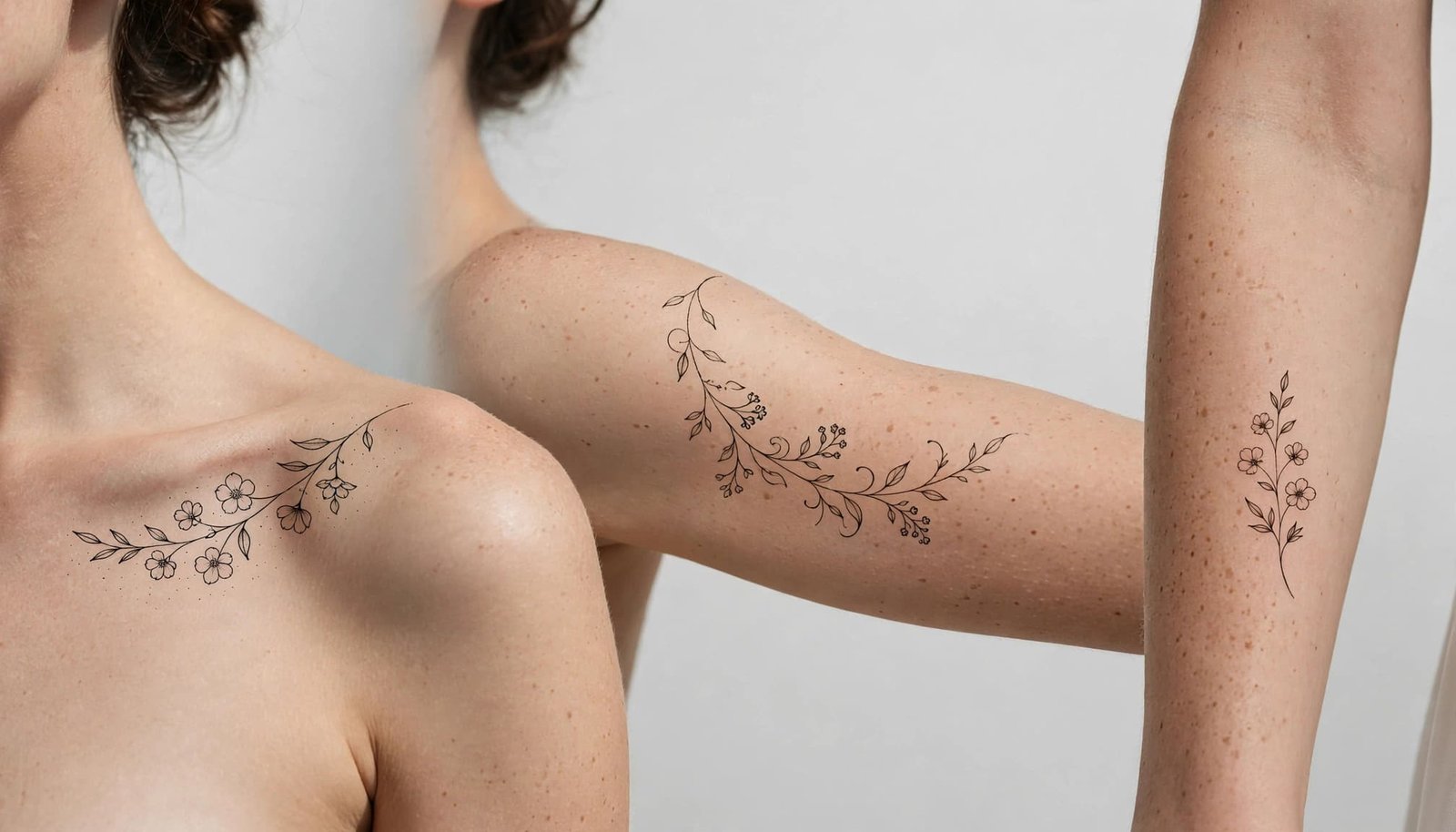
The wrist keeps a tiny flower visible and personal, but frequent bending, watchbands, sleeves, and hand movement can affect fine lines. Its exposed position also brings more sun, so healed ink needs regular protection. A short stem can follow the arm rather than crossing the wrist crease.
The forearm offers more room for a sprig, bouquet, or vertical stem. It is easy to see and usually provides a stable surface, although short sleeves leave it exposed to sunlight. Place a long flower along the arm for a natural flow, or angle the bloom toward the elbow.
A collarbone tattoo feels elegant and easy to show or cover. The area may feel more sensitive because the skin sits close to bone, and bra straps or shirt seams can create friction. A thin branch should follow the collarbone’s gentle curve instead of sitting as a rigid horizontal line.
The shoulder and upper arm provide rounded, relatively stable surfaces. They suit single blooms, crescent-shaped arrangements, and designs that curve toward the back. Clothing usually creates less rubbing here than at the wrist, but sleeveless styles increase sun exposure.
Upper Arm, Ribcage, Sternum, Spine, and Shoulder Blade
The upper arm, shoulder blade, and outer thigh are strong choices when long-term crispness matters. These areas have less constant contact than hands or ankles, and clothing can shield them from UV exposure. A shoulder-blade bouquet can spread outward, while a narrow stem can follow the spine.
Ribcage and sternum tattoos create beautiful vertical compositions, especially with vines, magnolias, or symmetrical flowers. However, breathing, body movement, bra bands, and fitted clothing can make these areas feel more sensitive during healing. Let a vine curve with the ribs instead of forcing it into a straight line.
For sun-care guidance after healing, the American Academy of Dermatology’s tattoo care advice recommends broad-spectrum, water-resistant SPF 30 or higher.
Ankle, Thigh, and Behind the Ear
Ankle tattoos look graceful with tiny sprigs, but socks, shoes, walking, and repeated rubbing can soften delicate details sooner. The area also receives sun when uncovered. Keep the design slightly above the ankle bone if your artist recommends more room and less friction.
The thigh offers generous space and usually experiences less daily abrasion. It works well for larger bouquets, curved branches, and botanical compositions that need breathing room. Tight jeans can still rub the area, so consider your usual clothing.
Behind the ear suits a petite flower or short stem with discreet visibility. Skin movement, hair products, and headphones may cause irritation during healing. Because the space is small, choose a simple design with clear spacing rather than many tiny petals. Fresh tattoos should stay protected from direct sun and friction while healing, as outlined in NIH tattoo aftercare research.
How to Keep Fine-Line Floral Ink Crisp and Healthy
Fine-line floral tattoos depend on clean spacing, steady healing, and thoughtful long-term care. Before booking, choose an artist who understands how delicate lines behave on different skin types and body areas.
Choose an Experienced Artist and the Right Size
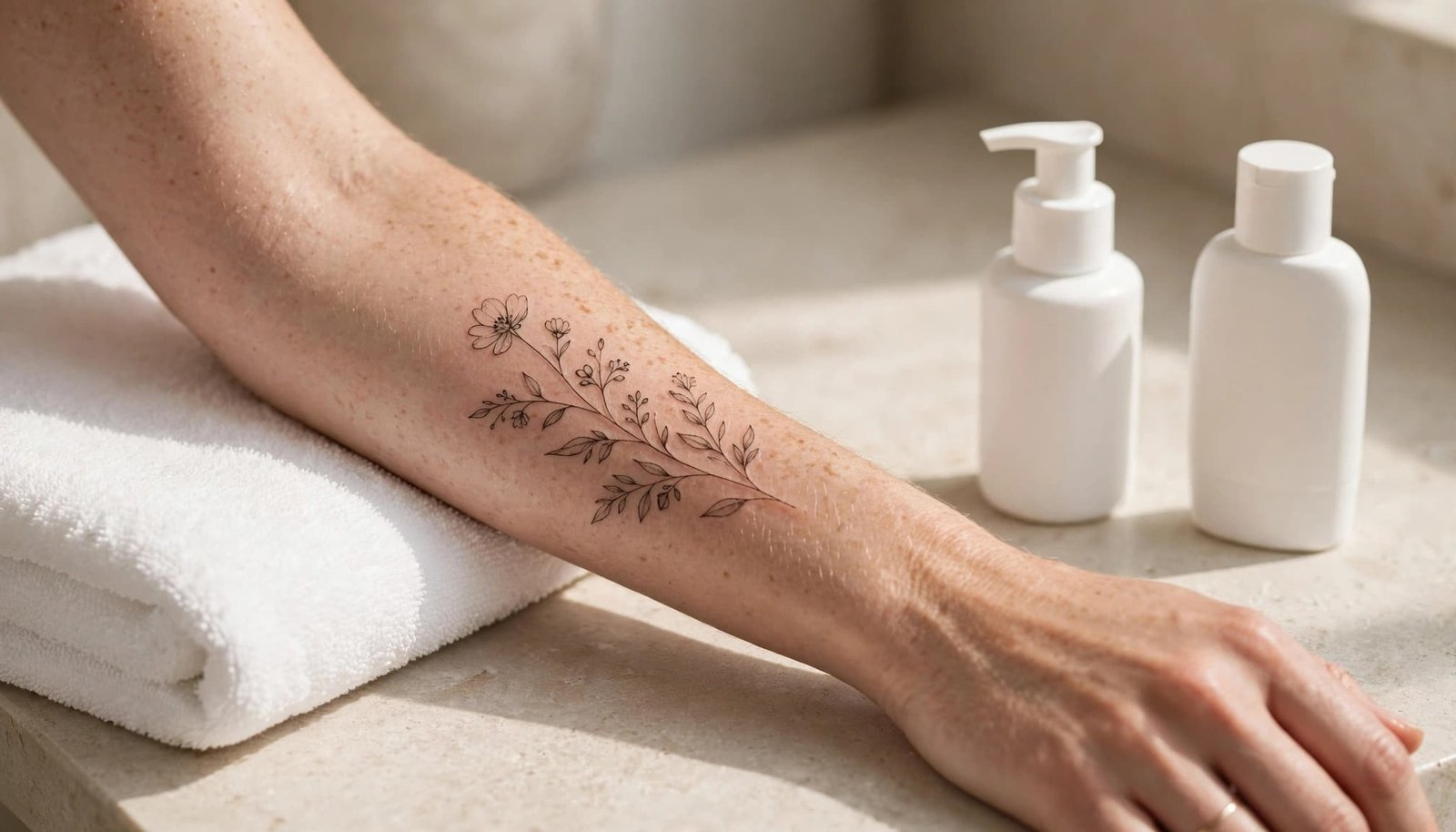
Start by reviewing healed tattoo photos, not only fresh work. Healed examples show whether an artist’s thin lines remain readable, whether small leaves blur together, and how their shading settles over time. Ask to see floral tattoos placed on skin similar to yours, especially if you have scars, freckles, stretch marks, or areas with more texture.
During your consultation, ask how the artist approaches:
- Your skin type and natural texture.
- The placement’s movement, friction, and sun exposure.
- The minimum size needed for petals and leaf details.
- Possible touch-ups and the expected timing.
A design that looks beautiful at two inches may need to be larger if it includes layered petals, tiny lettering, or several overlapping stems. Open space protects fine-line clarity, so resist squeezing too many details into a very small tattoo. Your artist should explain which elements may soften and suggest a size that gives each line room to breathe.
Also confirm that the studio follows clear hygiene practices. Look for fresh, sealed needles, single-use supplies, clean work surfaces, gloves, and proper disposal containers. A professional should answer safety questions without making you feel difficult for asking.
Follow Gentle Aftercare While It Heals
Healing commonly takes about one to three weeks, although your skin, tattoo size, placement, and aftercare routine can change the timeline. Follow your artist’s instructions first, especially for bandage removal and products.
Wash the tattoo gently with mild, fragrance-free soap and warm water as directed. Pat it dry with a clean paper towel, then apply a thin layer of suitable moisturizer. Loose clothing can reduce rubbing while the skin feels tender, itchy, or flaky. Never pick scabs or scratch peeling skin, since disturbing the surface can affect the ink.
Until the tattoo has fully healed, avoid:
- Swimming, hot tubs, baths, and other soaking.
- Heavy friction from tight clothing or equipment.
- Exfoliating products, scrubs, and vigorous rubbing.
- Direct sun exposure and tanning beds.
Fresh ink needs protection, but sunscreen belongs in your routine after healing, not on an open or peeling tattoo. For a clear overview of normal healing changes and concerning symptoms, review Cleveland Clinic’s tattoo aftercare guidance.
Protect the Floral Lines for Years
Once the skin is fully healed, apply broad-spectrum, water-resistant SPF 30 or higher before outdoor exposure. Protective clothing and shade add another layer of defense, while tanning beds can speed fading and damage the surrounding skin. Reapply sunscreen during extended time outside, after swimming, or after heavy sweating.
Use a light moisturizer when the skin feels dry, but avoid petroleum-heavy products as a regular tattoo treatment because they may contribute to a duller, faded appearance. Fine lines naturally soften with time, yet sensible sun protection can help your flower stay distinct.
Some redness, flaking, or tenderness can occur during healing. However, persistent rash, unusual swelling, worsening pain, spreading redness, pus, fever, or other concerning changes deserve attention from a qualified medical professional.
Conclusion
The best fine-line floral tattoo is not simply the prettiest flower. It is the design that fits your story, personal style, and daily life. Let the flower’s meaning guide the concept, then consider the right scale, line detail, and placement so the tattoo feels beautiful and practical on your skin.
Save a few ideas that catch your eye, but combine only the details that carry real meaning for you. A skilled artist can turn those references into a custom design with clear spacing, balanced details, and a size that will age well. Choose an artist with strong fine-line work, review healed tattoos, and follow careful aftercare while the skin recovers. After healing, protect exposed ink from the sun with broad-spectrum SPF 30 or higher.
Your finished tattoo can be small, personal, and lasting, a piece of beauty that grows with you.
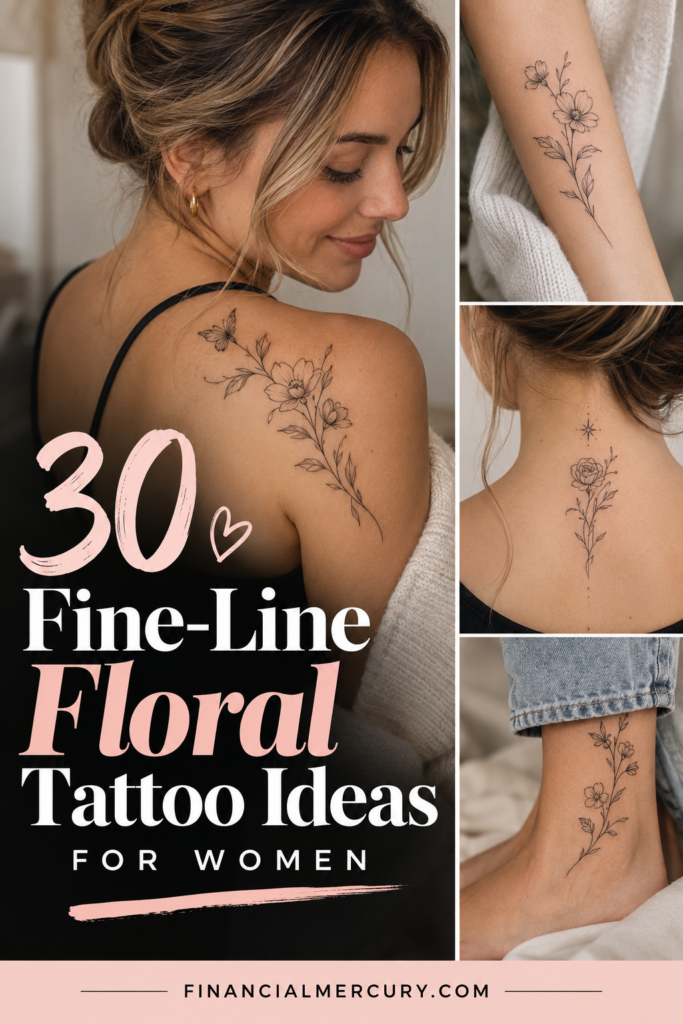
Save the pin for later

- 30 Beautiful Minimalist Tattoo Ideas for Women - September 15, 2026
- 25 Tiny Fine Line Tattoo Ideas for a Subtle Look - September 15, 2026
- 30 Meaningful Flower Tattoo Ideas for Women - September 15, 2026
Leave a Reply