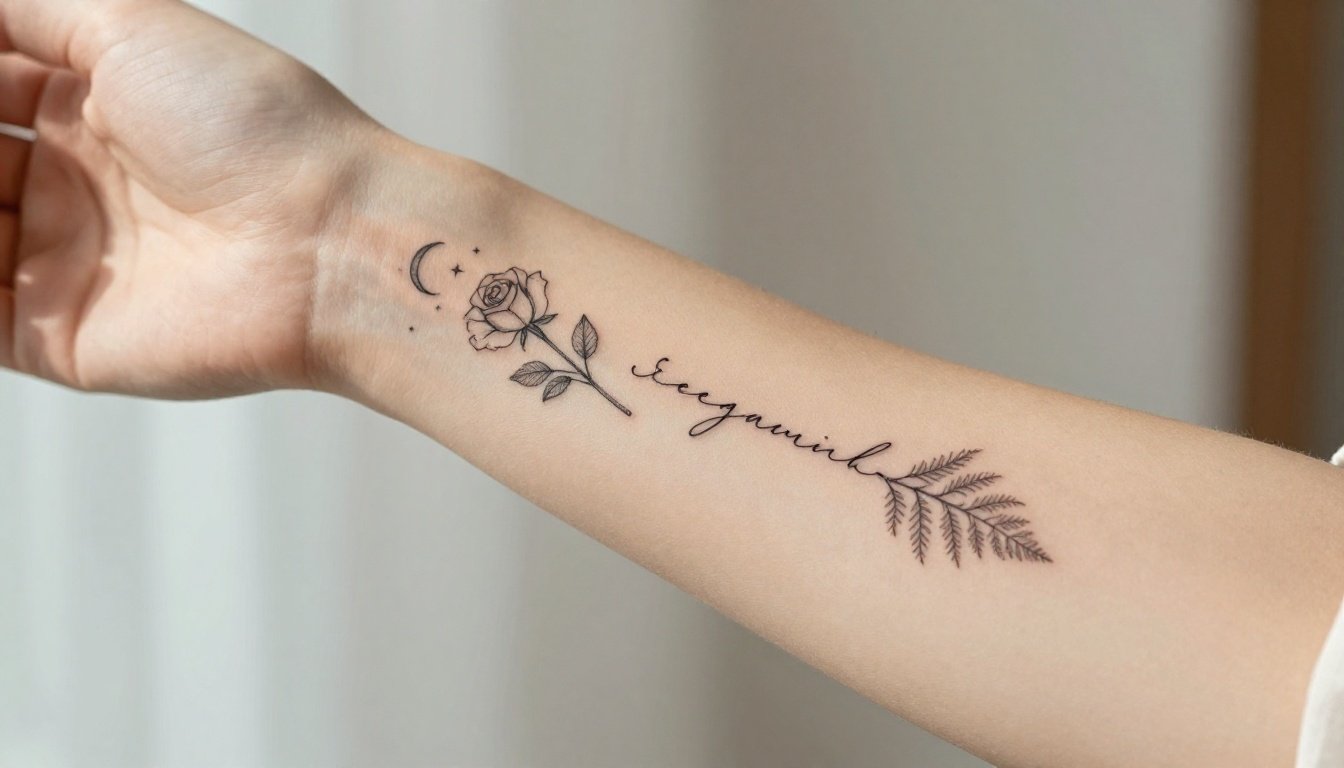
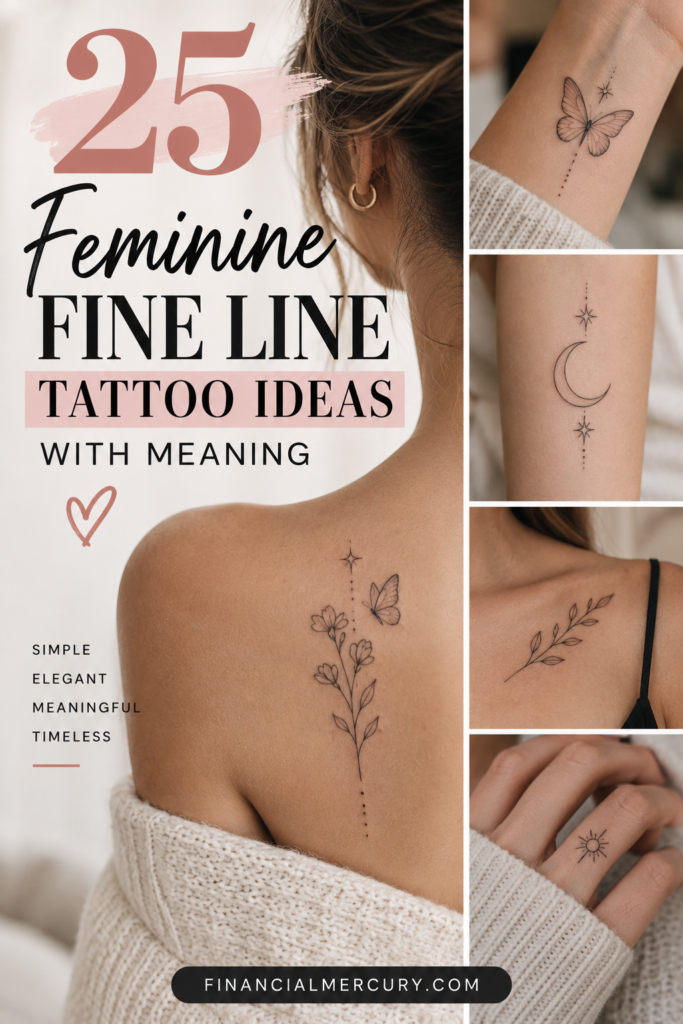
25 Feminine Fine Line Tattoo Ideas With Meaning
Fine line tattoos turn the skin into a small canvas, where a graceful curve, tiny detail, or single-stroke symbol can hold a story with lasting meaning. Feminine fine line tattoos aren’t limited to flowers or soft colors; they can express strength, healing, freedom, love, nature, identity, or your personal style through carefully chosen imagery.
The 25 ideas ahead include botanical, celestial, symbolic, script, and ornamental designs, with options that range from subtle and minimalist to distinctive and eye-catching. You’ll also find practical guidance for choosing placement, understanding why delicate lines can fade, planning for possible touch-ups, and caring for fresh ink with gentle washing, light moisturizing, and protection from friction, water, and sunlight while it heals.
Begin with these meaningful designs, then consider which image feels most like a natural extension of your story.
25 Feminine Fine Line Tattoo Ideas to Make Your Own
These ideas are starting points, not designs you must copy. Your tattoo artist can adjust the scale, spacing, line weight, shading, and placement until the concept feels personal to you.
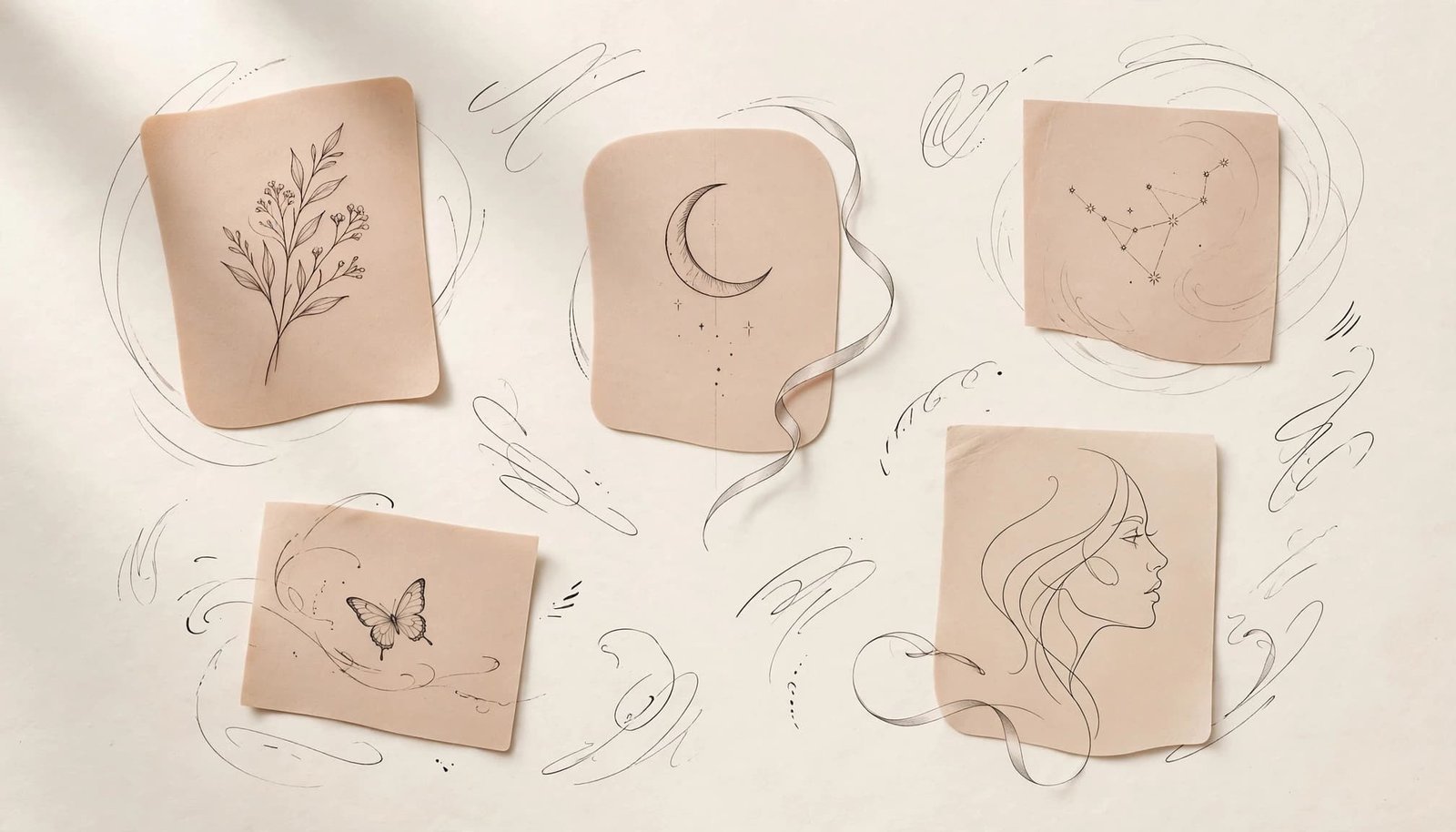
Botanical Designs That Feel Soft, Natural, and Personal
A tiny wildflower bouquet can hold the feeling of growth and joy. Place it on the inner forearm or outer thigh, where several stems have room to breathe. A single fine line rose suits the collarbone or upper arm, with an open outline that suggests love, self-worth, or a fresh start.
For a softer curve, let a trailing vine follow the collarbone or ribs. Delicate wild grasses fit the shoulder blade or wrist, symbolizing resilience and a free spirit. A small birth flower sprig adds a personal connection to your birth month or someone you love.
Simple outlines and generous negative space help each design stay readable. Ask your artist to leave room between petals and stems, since crowded details and extremely small shapes can blur as the tattoo ages.
Celestial Tattoos for Dreams, Change, and Inner Strength
A crescent moon with tiny stars can speak to change and renewal, especially behind the ear or along the ribcage. A moon phase band on the sternum or spine creates a graceful reminder of life cycles.
You could also choose a delicate constellation based on a meaningful zodiac sign. A sun and moon pairing suits the inner forearm or ankle, where the contrast suggests balance without needing color. For hope or a new beginning, a falling star with a short curved trail can sit above the ankle or along the ribs.
Graceful curves and restrained detail create a feminine look more reliably than added color. Constellation dots and fine star points need enough scale to remain visible as the ink settles and ages.
Meaningful Symbols With a Minimalist Feel
An ascending bird on the back of the upper arm can express freedom, healing, or a life opening up again. A lotus on the shoulder blade or upper thigh can suggest growth through difficulty. If you choose an unalome-inspired path for a spiritual journey, research its cultural and religious context before adapting it.
A tiny butterfly on the wrist offers a clear symbol of transformation. For love, trust, or self-protection, consider a heart with a small lock or key on the side torso.
Clean black ink and open space keep these symbols crisp. Choose an image because it connects to your story, not because it appears in every tattoo inspiration gallery.
Fine Line Script and Lettering With Emotional Weight
A single meaningful word can fit the inner forearm, while a short phrase copied from a loved one’s handwriting may work along the ribs. Vertical lettering suits the spine or side torso, and a date paired with a tiny flower, star, or initial adds context without crowding the design.
A bracelet-style word or phrase can wrap around the wrist or forearm, although wrists and fingers face more friction and sun exposure. The inner forearm and ribs often offer better long-term readability.
Thin lettering needs enough size and spacing. Check spelling, accents, translations, and exact handwriting before your appointment. Choose words you expect to value years from now, not only words that match your current mood.
Delicate Line Art and Ornamental Details
A continuous-line female profile can curve across the shoulder or collarbone with almost no shading. A fine line hand holding a flower needs more room on the forearm or thigh. Small ornamental pendant designs suit the sternum, while a graceful bow or ribbon can sit across the upper back.
For a pet or loved one, a minimalist portrait may fit the upper arm or thigh. Facial features require more space than a tiny icon, so an artist may simplify details to preserve the likeness.
Bring clear reference images and ask to see healed work before booking. Flowing outlines can look elegant, but thoughtful scale protects the design after the skin has finished healing.
How to Choose a Feminine Fine Line Tattoo That Feels Like You
The best feminine fine line tattoo begins with a personal connection, not a trending image. Start with a memory, value, relationship, season of life, or visual style you want to carry with you. A wildflower might remind you of home, while a crescent moon could capture a period of change.

Match the Design to Your Story and Style
Choose one main subject first. Then add one supporting detail, such as a date, tiny star, initial, leaf, or short line. A rose with a birth date often feels more intentional than a design crowded with several unrelated symbols.
Ask yourself:
- What memory do I want this tattoo to hold?
- Which quality matters most to me right now?
- Do I prefer soft botanical lines, celestial shapes, graceful figures, or simple symbols?
- Would I still connect with this image if its meaning changed over time?
Scale also changes the mood. A tiny tattoo feels discreet and private, especially on the wrist, ankle, or behind the ear. A larger piece on the thigh, upper arm, ribs, or shoulder blade gives the lines room to curve, breathe, and show more detail. Since tattoos are permanent, remember that the FDA describes them as lasting a lifetime, so leave enough space for the design to remain readable as your skin changes.
Use a Simple Process Before Booking
Give yourself time to test the idea instead of choosing from a single inspiration photo. This short process can help:
- Write down the meaning in one clear sentence.
- Collect five to eight reference images with similar line weight, scale, and mood.
- Build a small mood board, then remove images that feel attractive but unrelated to your story.
- Print or sketch the design at two or three sizes and place each version on your body.
- Ask your artist which size, placement, and spacing will age best.
Black ink usually keeps its contrast longer than lighter pigments. Muted color can add softness, but pastel fine lines may fade sooner and need earlier refreshing, especially in sunny or high-friction areas. For long-term clarity, ask whether the design needs slightly thicker lines or more open space.
Your artist can also adjust the composition for movement, rubbing, and sun exposure. A beautiful concept should still look balanced when you move, bend, and live in your body.
The Best Placement for Delicate Ink and Long-Term Readability
Placement affects how your feminine fine line tattoo looks on day one and how clearly it reads years later. Consider visibility, movement, friction, sunlight, canvas size, and comfort before choosing a spot. A graceful design needs enough room to breathe, especially when it includes lettering, leaves, facial features, or tiny celestial details.
Practical Placements for Fine Line Tattoos
The inner forearm is one of the most versatile choices. It offers a smooth surface, moderate visibility, and enough length for words, botanical sprigs, or a small moon phase design. You can also cover it with sleeves when needed.
Upper arms and shoulder blades provide more protection from daily rubbing and direct sunlight. They work well for feminine line art, flowers, wings, and medium-sized symbols. The ribcage offers a longer canvas for vertical script or flowing vines, while the upper or outer thigh gives larger designs plenty of space with less routine friction.

Clothing still matters. Tight waistbands, bra straps, watchbands, and rough fabrics can irritate a healing tattoo and create repeated friction after it settles. Choose clothing that won’t constantly brush against the design, particularly during the first few weeks.
Beautiful Spots That Need More Planning
The collarbone and sternum create an elegant frame for flowers, ornamental designs, and delicate script. However, these areas can feel more sensitive because the skin sits closer to bone. Spine tattoos have a refined vertical appearance, but the narrow canvas may require careful spacing and a steady design layout.
Ankle tattoos look graceful with small stars, initials, or botanical outlines. They also face more exposure to shoes, socks, movement, and sunlight. Hands, fingers, feet, and some wrist tattoos often fade faster because washing, rubbing, sun exposure, and daily use place constant demands on the skin. The FDA’s tattoo safety guidance also explains that tattoos can cause reactions and are not easily removed, so placement deserves more than a quick aesthetic decision.
Pain varies by person and body area. A fleshy outer thigh may feel manageable, while the ribs, sternum, ankle, or spine can feel sharper. Before booking, ask your artist whether the design needs more scale, open space, or a slightly stronger line weight for its chosen location. The most attractive placement is one that suits your lifestyle and gives the ink room to remain clear.
How Fine Line Tattoos Age, Fade, and Stay Beautiful
Fine line tattoos age with a softer look than bold traditional work. Their delicate strokes use less ink, so they may fade or blur sooner, especially in areas exposed to sunlight, movement, and daily rubbing. With thoughtful placement, skilled technique, and consistent care, your tattoo can remain graceful for years.
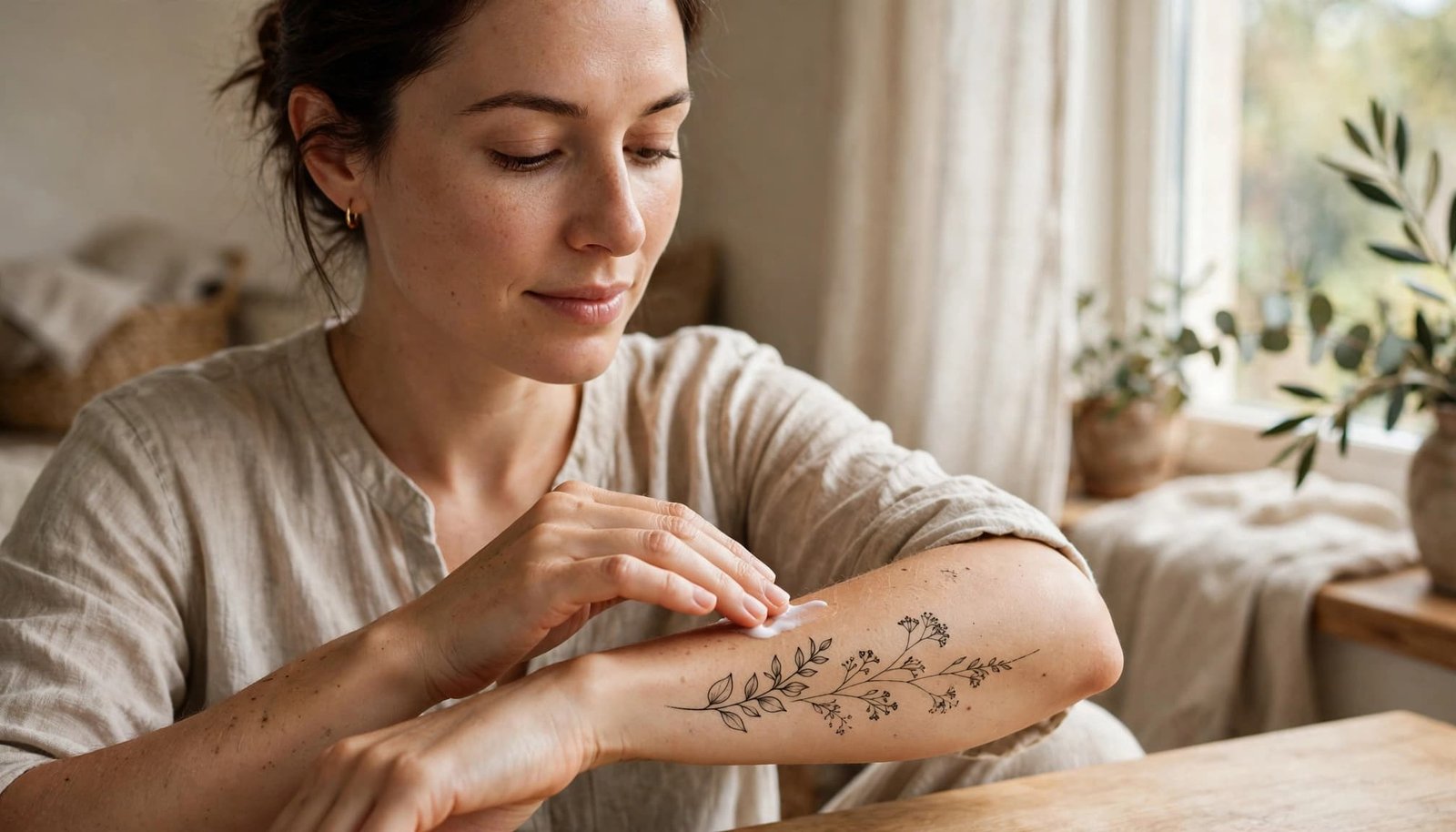
What Causes Fine Line Tattoos to Fade?
UV exposure is one of the biggest causes of tattoo fading. Sunlight gradually breaks down pigment, while tanning beds can speed up that process and damage your skin. After the tattoo fully heals, apply a broad-spectrum, water-resistant SPF 30 or higher whenever it will be exposed. The American Academy of Dermatology’s tattoo care guidance recommends applying sunscreen before sun exposure and reapplying it at least every two hours outdoors.
Placement matters too. Fingers, palms, hands, feet, ankles, and inner elbows experience frequent washing, bending, shoe contact, and friction from clothing. Upper arms, shoulder blades, ribs, and thighs usually offer a more stable canvas with less daily wear.
Your skin will also change over time. Natural aging, weight changes, dryness, and repeated stretching can soften the appearance of delicate lines. Tight waistbands, bra straps, watchbands, and rough fabrics may add more irritation, especially while the tattoo heals.
How to Help Your Tattoo Stay Clear
Ink color affects contrast. Black fine line tattoos generally remain easier to read than pale pink, white, yellow, or lightly saturated colors. However, line spacing matters just as much. Crowded details can merge as the ink settles, while open spacing gives each shape room to remain recognizable.
Artist technique plays a major role. Ask to see healed examples, not only fresh tattoos photographed immediately after the appointment. Proper ink depth, clean linework, suitable scale, and careful placement all support better aging.
During healing, wash gently, moisturize with a thin layer of fragrance-free lotion, and avoid picking flakes or scabs. Keep the tattoo away from direct sun, swimming, soaking, and heavy friction until the surface has closed completely. Once healed, regular moisturizing helps the skin look smooth, although it can’t prevent pigment from fading.
A touch-up is normal maintenance, not proof that your original tattoo failed. Some fine line tattoos may benefit from a refresh after several years, while others need attention sooner because of placement, sun exposure, skin changes, or color. Your artist can assess the lines once they have fully healed and recommend the right timing.
Fresh Tattoo Aftercare and Safety Steps That Matter
A fresh fine line tattoo is healing skin, so gentle care protects both your design and your health. Follow your artist’s bandage instructions first, since the correct removal time depends on the dressing they used.
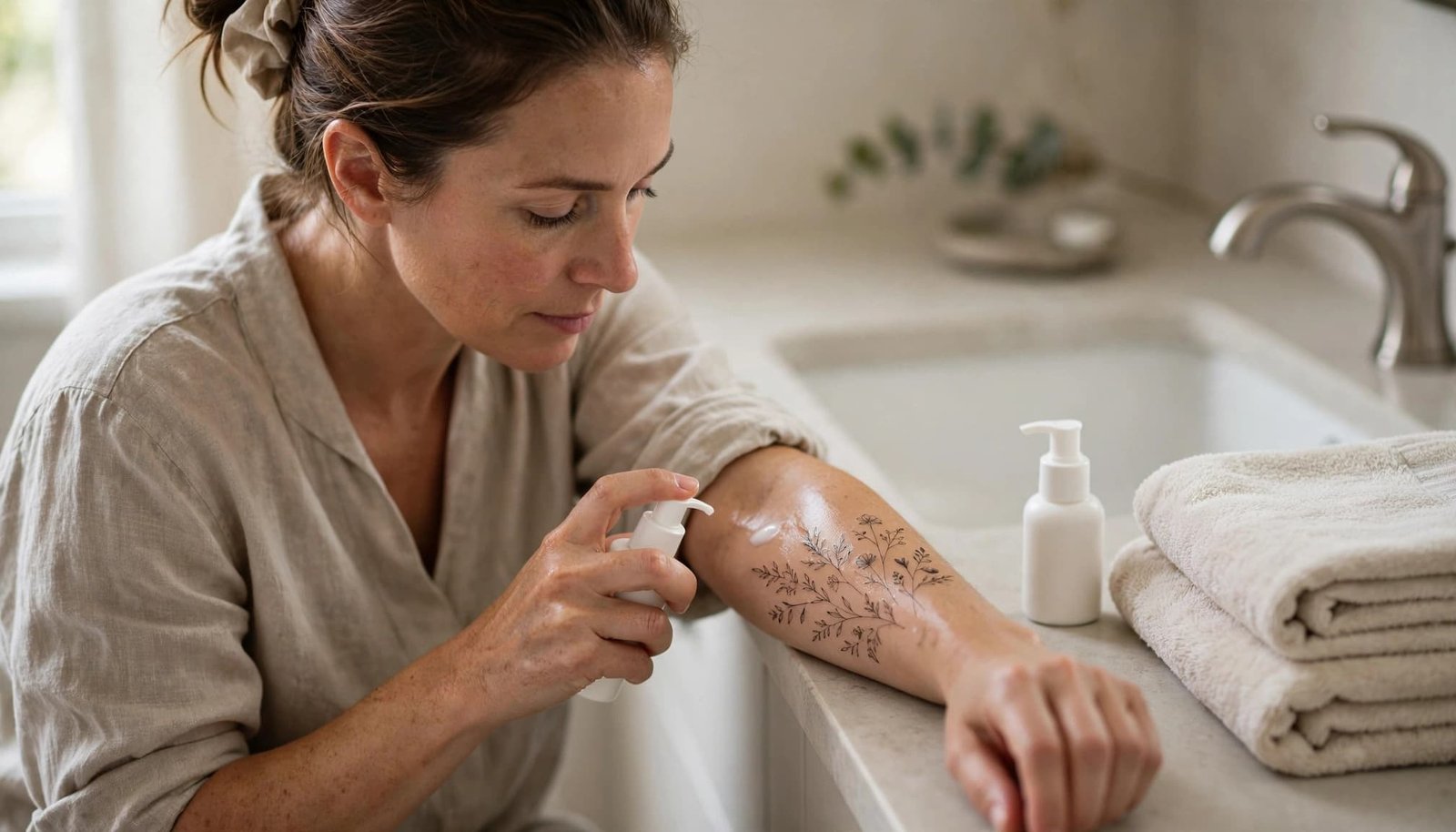
Follow a Gentle Daily Aftercare Routine
Once your artist says it’s time to remove the bandage, use this simple sequence:
- Wash your hands thoroughly with soap and water before touching the tattoo.
- Clean the area with lukewarm water and a gentle, fragrance-free cleanser. Use your fingertips rather than a washcloth, sponge, or brush.
- Rinse away all cleanser, then pat the tattoo dry with a clean paper towel. Avoid rubbing, since friction can irritate fresh skin and disturb flakes.
- Apply only a thin layer of your artist’s recommended fragrance-free moisturizer. Give the skin enough to prevent uncomfortable dryness, but don’t leave it thick, greasy, or wet.
The American Academy of Dermatology’s tattoo care guidance recommends a water-based lotion or cream for tattooed skin. Avoid heavy petroleum products such as petroleum jelly, which can trap bacteria, clog the area, and contribute to ink fading. More product won’t heal the tattoo faster; a light layer is enough.
Some redness, tenderness, clear fluid, flaking, and mild itching can occur during normal healing. Never pick, scratch, or peel the tattoo, even when a small scab feels tempting. Removing flakes early can pull away pigment and leave uneven spots.
Protect the Tattoo While It Heals
Wear loose, clean clothing that doesn’t press against the design. Tight waistbands, bra straps, socks, and rough fabrics can create repeated friction, especially on the ribs, ankle, thigh, or shoulder. Keep pets, dirty hands, and unwashed bedding away from the area as well.
Avoid swimming, hot tubs, baths, and other soaking until the tattoo has fully healed. Showers are usually safer, but don’t aim strong water pressure directly at the tattoo. Intense workouts can also expose healing skin to heavy sweating, stretching, equipment contact, and bacteria, so choose gentle activity until the surface closes.
Keep fresh ink out of direct sunlight. Don’t apply sunscreen to an open or healing tattoo. After the skin has completely healed, protect it with a broad-spectrum, water-resistant SPF 30 or higher, and reapply it during extended outdoor exposure.
Contact a medical professional if redness spreads or becomes darker, pain worsens, the area feels increasingly hot, or you notice pus, fever, chills, open sores, or a painful rash. A tattoo that keeps getting worse needs medical attention, not extra lotion.
Conclusion
The best feminine fine line tattoo is the one that feels connected to your own story. Botanical designs, celestial images, meaningful symbols, script and lettering, and delicate line art each offer a different way to express love, growth, freedom, identity, or change. The strongest choice begins with personal meaning, then gives that idea enough room to remain clear over time.
Before booking, save a few designs that match your preferred mood and personalize the details, scale, and placement. An experienced fine line artist can explain how the tattoo may age, recommend practical line spacing, and help you set realistic expectations about sun protection, healing, fading, and future touch-ups. Because tattoo ink is permanent, thoughtful planning matters as much as the first impression.
Let the final design feel like a natural part of you, whether it stays private beneath a sleeve or becomes a visible daily reminder. With care and intention, your tattoo can become a small, lasting piece of self-expression.
Save the pin for later

- 30 Beautiful Minimalist Tattoo Ideas for Women - September 15, 2026
- 25 Tiny Fine Line Tattoo Ideas for a Subtle Look - September 15, 2026
- 30 Meaningful Flower Tattoo Ideas for Women - September 15, 2026
Leave a Reply