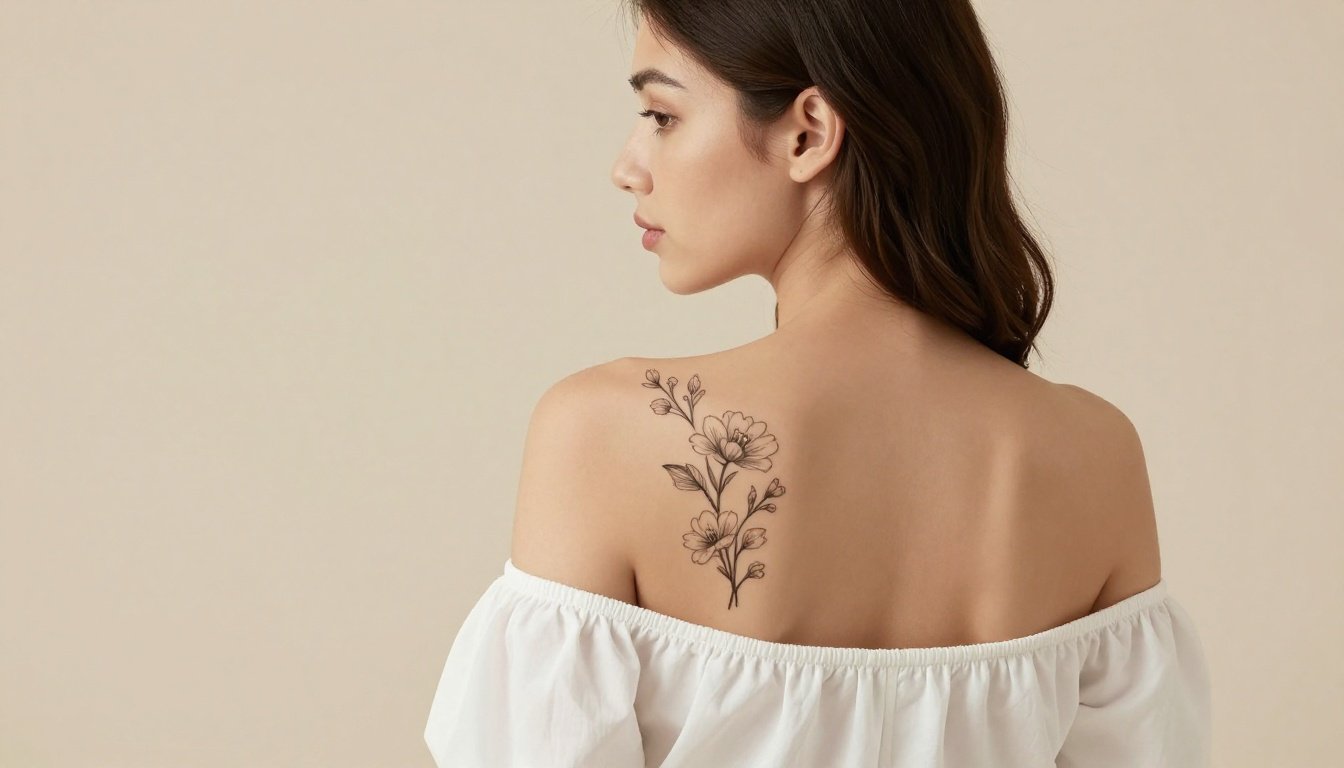
25 Beautiful Back Tattoo Ideas for Women in Every Style
Your back gives a tattoo plenty of room to breathe, whether you prefer delicate linework, a meaningful symbol, or a bold statement piece. Its broad, flexible canvas lets an artist build detail around the spine, shoulders, or entire upper back while keeping the design easy to cover when you want more privacy.
These back tattoo ideas for women include floral, ornamental, symbolic, script, and realistic styles, with options for both subtle and eye-catching designs. You’ll also find practical guidance for choosing the right placement, size, style, and tattoo artist, plus safe aftercare tips to support proper healing.
Take a look at these 25 designs, then consider which one fits your personal style, comfort level, and vision for the finished tattoo.
Beautiful Back Tattoo Ideas for Women That Suit Every Style
Your back can hold a private detail or a full statement piece. Consider how the design will look with your shoulders relaxed, your spine straight, and your favorite clothing in place. These ideas can be customized in fine-line, blackwork, watercolor, realistic, ornamental, or neo-traditional styles.
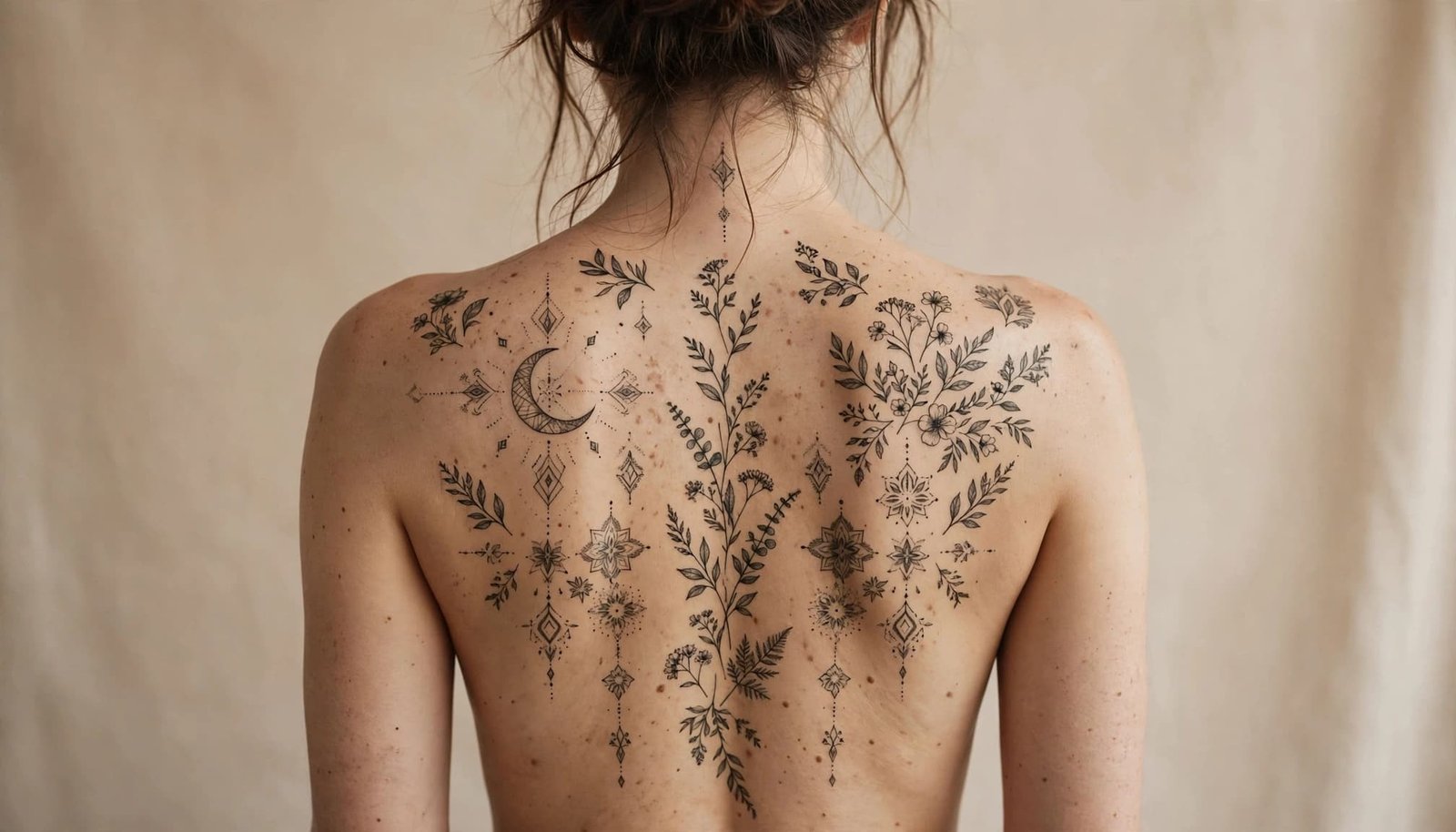
- Spine-Bound Snake: A slender snake follows the spine with small leaves around its body. It can suggest renewal and confidence. Fine-line or blackwork looks best in a long, centered layout.
- Moonlit Moth: A detailed moth rests between the shoulder blades beneath a crescent moon. The design can symbolize transformation. Place it high on the back in blackwork or neo-traditional color.
- Wildflower Trail: Several unrelated wildflowers climb from the lower back toward one shoulder. Each bloom can carry personal meaning. Fine-line ink suits this organic, slightly asymmetrical placement.
- Ornamental Mandala: A layered mandala sits at the center of the upper back, with delicate chains extending downward. It creates a balanced, decorative look. Choose ornamental linework for crisp detail.
- Hummingbird in Motion: A small hummingbird angles toward a single blossom near one shoulder blade. It can represent joy, energy, or persistence. Watercolor shading adds movement without requiring a large tattoo.
- Celestial Sun: A radiant sun spreads across the upper back, with short rays and a calm central face. It suggests warmth and inner strength. Blackwork suits a bold symmetrical design.
- Botanical Shoulder Piece: Curved stems and broad leaves trace one shoulder blade. The flowing shape follows the body’s natural movement. Fine-line or realistic shading works well here.
- Tiger Lily Portrait: A single tiger lily opens beside the spine, with layered petals and a strong stem. It can represent confidence and passion. Realistic color makes the flower a striking medium-sized piece.
- Geometric Compass: A compass with clean angles sits between the shoulder blades. Its meaning centers on direction and self-trust. Blackwork and geometric styles need careful centering and precise linework.
- Phoenix Rising: A phoenix spreads its wings across the upper back, with its tail tapering toward the waist. It symbolizes rebirth and resilience. Neo-traditional color gives the design dramatic shape.
- Fine-Line Crescent: A thin crescent moon rests just below the neck, surrounded by tiny stars. It offers a discreet celestial design. Keep it small and delicate for an understated fine-line tattoo.
- Koi and Lotus: One koi curves around a lotus along the lower back. The pairing can suggest perseverance and personal growth. Japanese-inspired or neo-traditional styling gives it rich movement.
- Raven Silhouette: A raven perches on a narrow branch across one shoulder blade. It may represent wisdom, independence, or mystery. Solid blackwork keeps the silhouette readable over time.
- Abstract Female Form: Minimal curved lines create a side profile of a woman’s face and neck. The design feels artistic without heavy shading. Place it vertically beside the spine in fine-line ink.
- Mountain Horizon: Layered mountain peaks stretch across the upper back beneath a small sun. This design can recall travel, freedom, or a meaningful place. Blackwork creates a clean landscape effect.
- Butterfly Sternum Extension: A butterfly begins near the spine, with wings extending toward both shoulder blades. It can symbolize change and self-discovery. Ornamental details make the symmetrical layout more decorative.
- Realistic Wolf: A wolf portrait fills one side of the upper back, framed by subtle forest shapes. It can express loyalty and independence. Realistic black-and-gray work needs enough space for facial detail.
- Tiny Key and Lock: A small key sits beside a delicate lock near the waist. The pairing can represent privacy, trust, or a personal chapter. Fine-line placement keeps this symbolic idea discreet.
- Watercolor Iris: A loose iris spreads violet and blue color across one shoulder blade. It can signify hope or remembrance. Watercolor styling works best with a simple outline and open skin space.
- Neo-Traditional Mermaid: A mermaid curls along the side of the back, surrounded by waves and shells. The design can reflect freedom and individuality. Neo-traditional color adds bold outlines and lasting contrast.
- Ornamental Peacock: A peacock’s tail fans across the lower back while its body follows the spine. It creates an elegant, decorative silhouette. Use ornamental or realistic detail for the layered feathers.
- Minimalist Planet Set: Three small planets form a loose vertical line beside the spine. They can represent curiosity, dreams, or favorite places. Fine-line ink keeps the composition light and easy to cover.
- Blackwork Raven Feather: A single feather runs diagonally from the shoulder toward the waist. It may suggest freedom, memory, or a fresh start. Dense blackwork creates a graphic statement in a narrow space.
- Rose Window Design: Circular stained-glass shapes surround a central rose between the shoulder blades. The image blends romance with architectural detail. Use blackwork outlines and watercolor color for contrast.
- Personal Script Accent: A short meaningful phrase follows the curve of one shoulder blade. Keep the wording brief so it remains legible as the tattoo ages. Ask the artist to match the lettering style to your chosen placement.
Before booking, review the artist’s healed work and ask about ink safety. The FDA’s tattoo safety guidance recommends choosing studios carefully and watching for signs such as a rash, fever, or skin that does not heal.
How Placement Changes the Look of a Back Tattoo
The same tattoo can look delicate, bold, private, or dramatic depending on where it sits. Before choosing an image, study the shape of your back and decide how much space, movement, and visibility the design needs.
Upper Back Between the Shoulder Blades
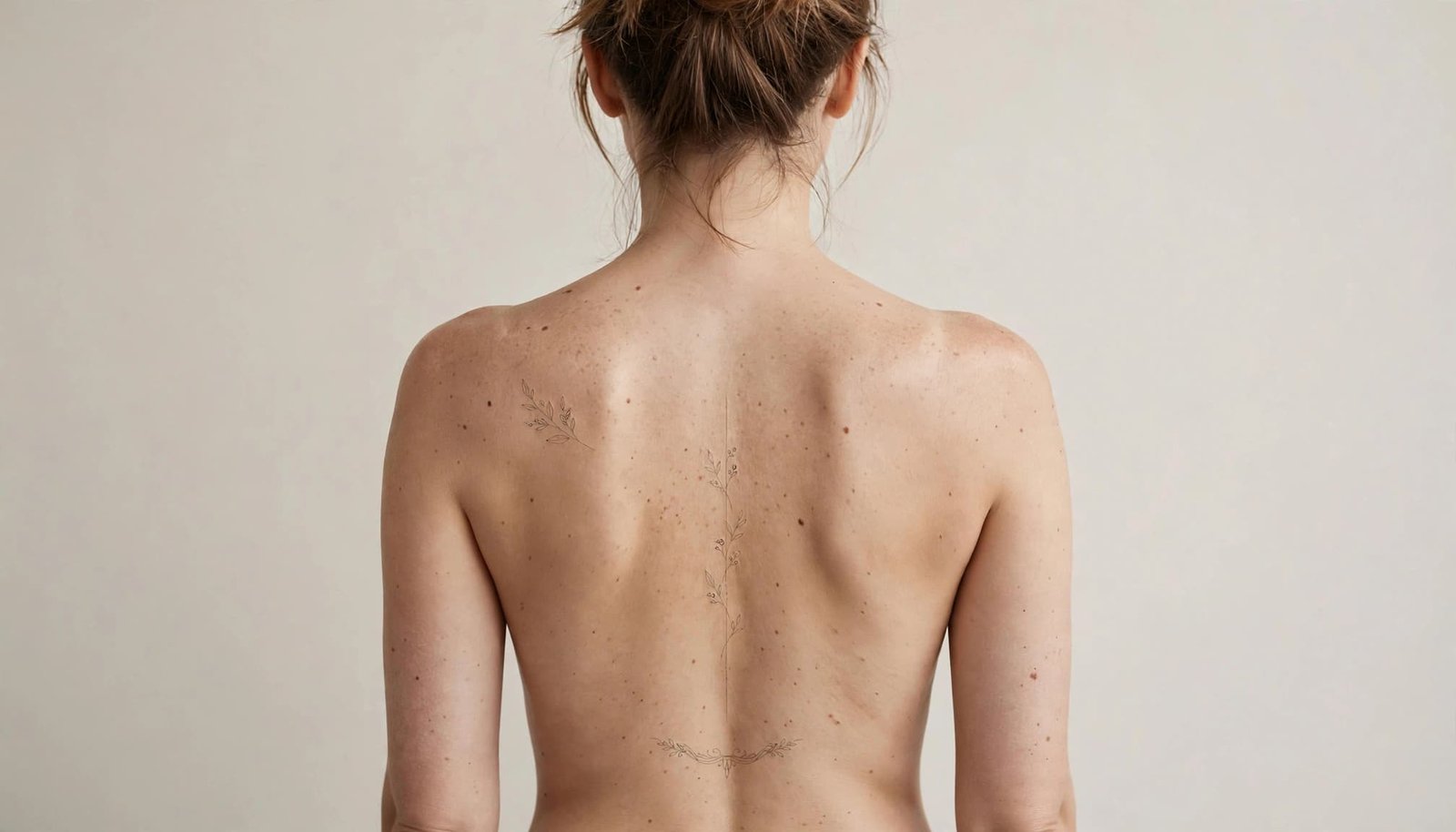
The area between the shoulder blades is one of the most versatile choices for a back tattoo. Its broad, relatively flat surface suits centered designs such as mandalas, moths, suns, butterflies, and detailed florals. Symmetrical artwork looks especially balanced here because the spine gives the composition a natural centerline.
This placement also offers moderate visibility. Most everyday shirts cover it, while open-back tops, swimsuits, and wide necklines can reveal part or all of the tattoo. Keep the design away from the neckline if you want easier coverage.
Because your shoulder blades move as you lift and rotate your arms, ask your artist to check the stencil while you stand naturally and move your shoulders. A design that looks centered while you sit still may shift visually when your posture changes.
One Shoulder Blade
A tattoo on one shoulder blade feels more relaxed and organic than a centered back piece. This area works well for botanical branches, birds, wolves, portraits, and asymmetrical linework that follows the curve of the shoulder.
The shoulder blade provides enough room for fine detail without requiring a full-back commitment. It also tends to have more muscle cushioning than the spine, which many people find more comfortable during a session. Still, designs that extend too close to the shoulder cap may look different as your arm moves.
Choose a diagonal or curved composition when you want the tattoo to follow your body’s shape. A flower stem can travel toward the spine, while a bird or feather can angle outward toward the shoulder. That direction gives the piece motion instead of making it look boxed in.
Along the Spine
The spine creates a strong vertical path, so it suits narrow designs with a clear top-to-bottom flow. Snakes, scripts, stacked symbols, flowers, celestial motifs, and ornamental chains can all follow this natural line.
However, the spine is bony and often more sensitive than the surrounding upper back. A long tattoo may also require multiple sessions or extra breaks. Keep lettering large enough to remain readable, especially if the phrase includes thin strokes or tightly spaced characters.
A spine tattoo usually has a dramatic appearance from behind, but clothing can hide it completely. Consider how high collars, bra straps, and shirt necklines will frame the top of the design before choosing its starting point.
Lower Back and Side Placement
The lower back offers privacy under most full-length shirts, making it a practical choice for a meaningful tattoo you don’t want visible every day. Horizontal ornaments, wings, flowers, and designs that spread toward the hips fit this area better than tall, narrow images.
Side-back placement near the ribs or lats creates a softer, flowing look. It works well for vines, crescent moons, and figures that curve around the body’s natural contour. These areas move more with posture, breathing, and changes in body shape, so simple silhouettes often age more cleanly than dense micro-detail.
When comparing placements, review your usual clothing first. Waistbands, bra bands, crop tops, and swimwear may reveal more of a lower-back tattoo than expected. Also protect healed work from direct sunlight, since UV exposure can fade color and detail; MD Anderson’s tattoo sun-safety guidance explains why sun protection matters.
Before booking, have your artist place a stencil on the exact area. Take photos while standing, sitting, and wearing your usual outfits. That quick test shows whether the design follows your body instead of fighting it.
How to Choose a Beautiful Back Tattoo for Women
Choosing a beautiful back tattoo starts with more than finding an attractive image online. The right design should fit your meaning, body placement, clothing habits, budget, and comfort with long-term visibility. Narrow your choices in that order, then bring a focused reference board to a skilled tattoo artist.
Start With Meaning and Personal Style
Decide what you want the tattoo to communicate before choosing the subject. A moth may remind you of change, while a flower could honor someone, celebrate a place, or simply suit your taste. You don’t need a symbolic explanation for every detail, but the design should feel personal enough to hold your interest years later.
Save references that show more than the central image. Look for examples with a similar:
- Line weight and shading style.
- Body placement and overall size.
- Amount of open skin around the design.
- Use of color, texture, and negative space.
A single isolated tattoo photo can hide important details, such as how the artwork follows the shoulder blade or spine. A small collection of healed tattoos gives your artist a clearer sense of the finish you want.
Match the Design to Placement and Visibility
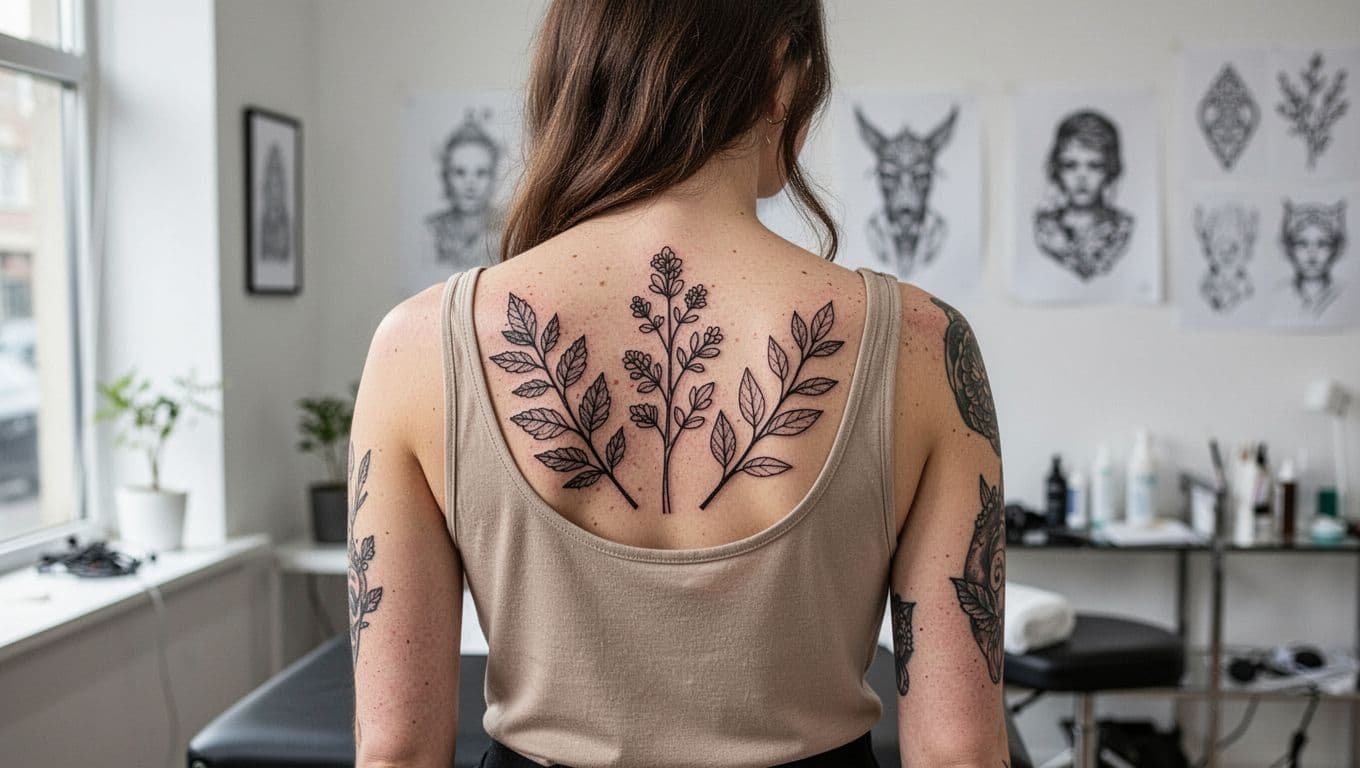
Next, choose the area before finalizing the artwork. A symmetrical design usually suits the space between the shoulder blades, while a curved botanical piece may look better over one shoulder blade or along the side back. Narrow images, such as snakes, scripts, and stacked symbols, fit the spine naturally.
Consider your normal wardrobe, too. A high-back tattoo may stay hidden under work clothes, while a lower-back or side design could show with swimwear, crop tops, or low-rise pants. If privacy matters, place the stencil on your skin and take photos while standing, sitting, and wearing your usual outfits.
A tattoo should follow your body’s shape, not force your body to fit a flat reference image.
Choose Size and Style With Aging in Mind
Size affects detail, session time, price, and how clearly the tattoo may age. Fine-line work often needs enough spacing between small elements, especially when the design includes lettering or tiny decorative marks. If you want a realistic portrait, feather, or animal, give the artist enough room for facial features and tonal contrast.
Your preferred style also affects the design brief. Fine-line tattoos feel light and understated, while blackwork depends on strong contrast. Realistic black-and-gray pieces need careful shading, and watercolor designs often use open space instead of heavy outlines. Ask to see the artist’s healed work, not only fresh tattoos.
Set a Budget and Screen the Artist
Tattoo prices vary with detail, placement, size, session length, and the artist’s experience. Request an estimate after the artist sees the intended dimensions and placement. If you need to organize the money first, use this guide for setting a realistic tattoo budget, then leave room for touch-ups or travel.
Before booking, check whether the artist and studio meet your state’s licensing and health requirements. Requirements differ across the country, so ask about bloodborne-pathogen training, sterilization practices, and the ink brand and batch information. The FDA’s tattoo safety information also explains what to do if you develop a reaction.
Finally, choose an artist whose portfolio already matches your design style. A talented portrait artist may not be the best choice for delicate ornamental work. Review their healed results, ask clear questions, and book only when you trust both the artwork and the studio.
What Back Tattoo Pain and Healing Are Really Like
Back tattoo pain varies more than online pain charts suggest. Your experience depends on the placement, tattoo size, session length, needle technique, and personal pain tolerance. A small fine-line design may feel manageable, while a large shaded piece can become tiring after several hours.
The back is often easier than areas such as the ribs or feet, but it isn’t painless. Skin near the spine, shoulder blades, and areas with less padding can feel sharper because the needle works closer to bone. Muscular areas may feel more tolerable, although shoulder movement and prolonged positioning can still add discomfort.
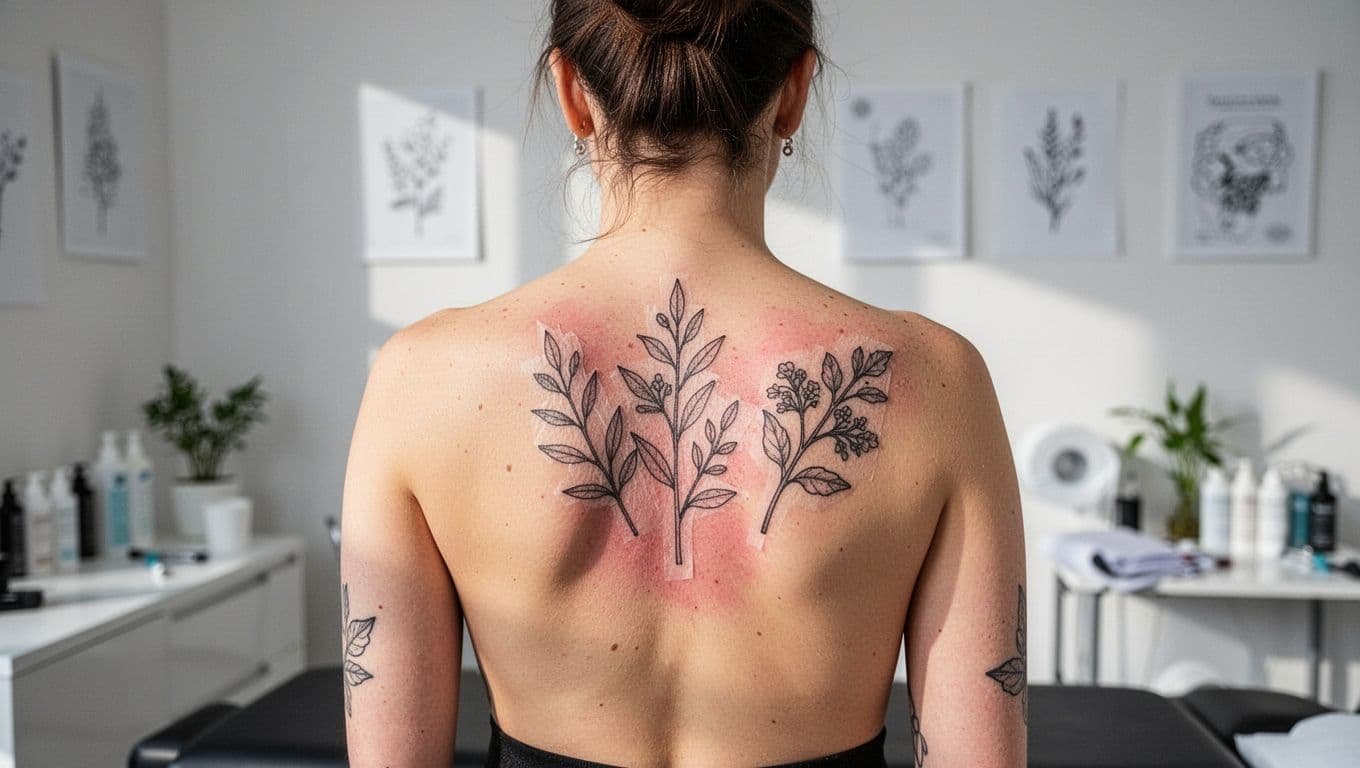
Which Back Areas Hurt Most?
Most people notice a stronger sensation over bony or thinly padded areas. The spine can feel intense because the needle passes over a narrow ridge with little cushioning. Shoulder blades may also feel sensitive, especially when the artist works close to the bone or repeatedly shades one area.
The upper back often feels more manageable because it has broader muscle coverage. However, a large tattoo can still become uncomfortable as the skin gets irritated during a long appointment. Lower-back and side-back pain varies based on body structure, pressure from the table, and how far the design extends toward the ribs or hips.
You may feel several sensations during one session:
- Fine-line work can feel like repeated scratches.
- Heavy outlines often create a sharper, more focused sting.
- Shading may feel warm, rough, or irritating over time.
- Breaks can help when discomfort builds across a large area.
Tell your artist when you need a short pause. A professional can adjust your position, work in sections, or suggest a practical stopping point.
What Healing Usually Feels Like
Immediately afterward, the tattooed skin may look red, swollen, or slightly shiny. It can feel warm and tender, similar to a mild sunburn. Larger tattoos and heavily shaded designs often remain sensitive longer than small, lightly worked pieces.
Your artist should explain when to remove the dressing because timing depends on the bandage type and their aftercare instructions. After removal, wash your hands first, then clean the tattoo with warm water and mild, fragrance-free soap when advised. Use a gentle touch, avoid scrubbing, and pat the area dry with a clean paper towel. Cleveland Clinic provides a clear overview of basic tattoo aftercare steps.
During the first days, the tattoo may peel or form small scabs. Don’t pick, scratch, or pull at flaky skin, since doing so can delay healing and remove pigment. Apply only the product and amount your artist recommends.
Most tattoos take about two weeks to heal on the surface, although larger or denser work can take longer. Mayo Clinic also recommends keeping a healing tattoo out of water, including pools, lakes, rivers, oceans, baths, hot tubs, and other soaking situations. Avoid saunas while the skin heals, too.
Wear clean, loose clothing that won’t rub against the design. Seek professional medical care if pain worsens, redness spreads, the skin feels increasingly hot, or you notice pus, fever, red streaks, or a reaction that concerns you. Your tattoo artist can explain normal healing, but a healthcare professional should assess possible infection or allergic reactions.
How to Plan the Tattoo Appointment and Find the Right Artist
A great back tattoo starts with the right artist and a clear appointment plan. Your reference images may show the subject you love, but the artist’s portfolio reveals whether they can create the line quality, scale, and body placement you need.
Match the Artist to Your Tattoo Style
Look for an artist who regularly works in your preferred style. Fine-line tattoos require consistent thin strokes and enough spacing to age well. Symmetrical designs, such as mandalas or celestial pieces, need accurate placement and balanced geometry. Realistic tattoos depend on strong shading, while script requires clean lettering that stays readable over time.
Large back compositions need another skill: the ability to plan artwork across moving curves, shoulder blades, and the spine. Review several healed examples, not only fresh tattoos. A portfolio full of bold traditional work may not show whether the artist can handle delicate botanical linework or a realistic wolf portrait.
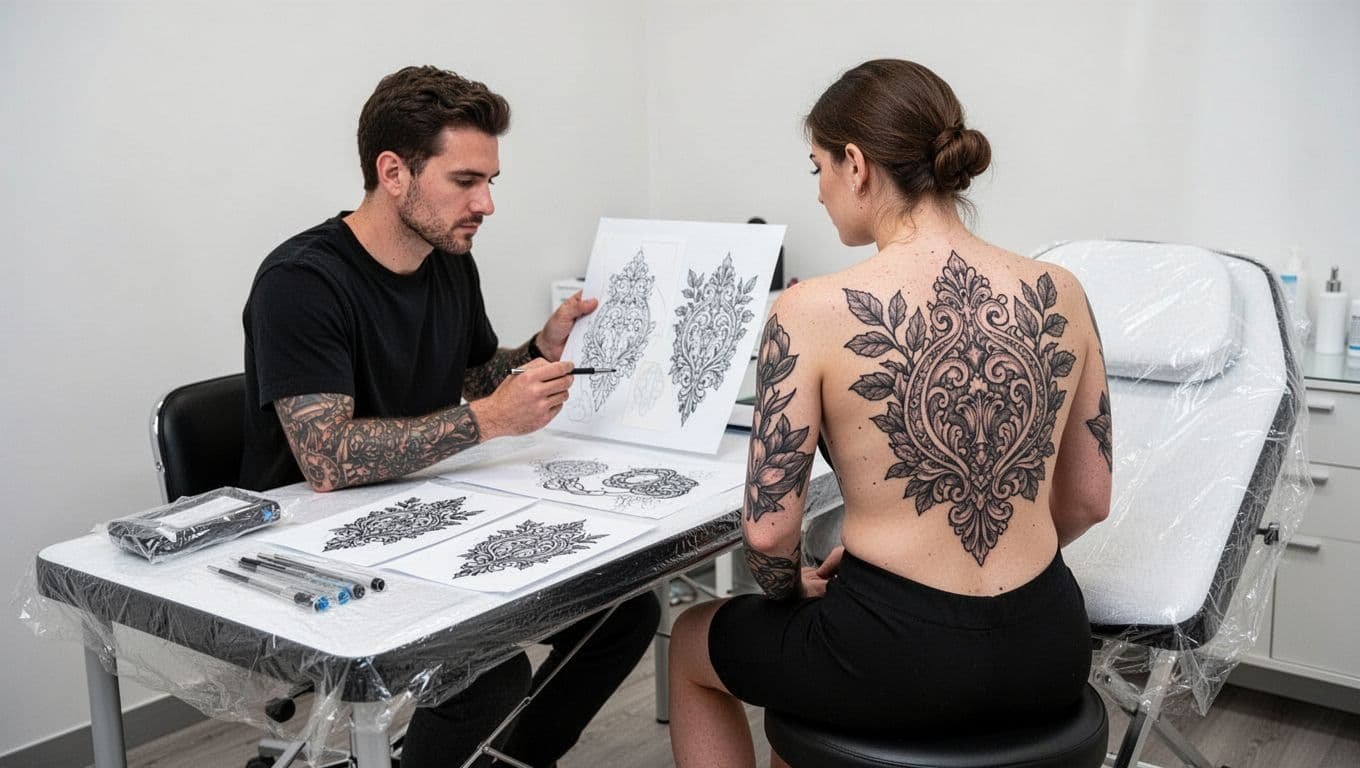
Use the Consultation to Refine the Design
During a consultation, explain your preferred subject, placement, size, colors, and overall mood. Bring a small group of references instead of asking the artist to copy one existing tattoo. Include examples of line weight, shading, composition, and negative space that appeal to you.
The artist may create a custom sketch after reviewing your ideas. Ask how many revisions the quote includes and when you’ll see the design. Many artists finish the final drawing shortly before the appointment, so confirm when you can review major changes.
Before approving the stencil, check its position while standing naturally. Raise your arms, sit down, and relax your shoulders. This matters because the shoulder blades and back muscles change shape as you move.
Confirm Price, Timing, and Session Details
Tattoo artists may charge by the hour, by the piece, or through a set session rate. Ask what the estimate includes, then clarify the deposit, cancellation policy, payment methods, touch-up policy, and expected appointment length. A large back tattoo may require several sessions, especially when it includes dense shading or color.
If you need time to save, set up a sinking fund for your tattoo and include travel, tips, aftercare supplies, and possible touch-ups in your target amount. Never choose the cheapest artist for a permanent design. Skill, safety, and a portfolio that matches your idea deserve priority.
Check Hygiene Before You Book
A clean appearance alone doesn’t prove safe practice. Ask whether needles are single-use and opened from sealed packaging at your station. Reusable equipment should go through a documented sterilization process, and the studio should have an autoclave or a named professional sterilization service.
You should also see:
- A dedicated handwashing sink with soap and clean drying supplies.
- Fresh barriers on machines, cords, and high-touch surfaces.
- Sealed sterile packages that are dry and undamaged.
- A sharps container for used needles.
For more client-focused safety details, review these tattoo studio hygiene standards. Licensing rules vary by state and city, so ask which agency authorizes the artist or studio.
Prepare for the Appointment
Eat a full meal, drink water, and wear loose clothing that gives the artist easy access to your back. Avoid alcohol before the session, and tell the artist about medications, allergies, skin conditions, or recent sunburn. Bring a phone charger, water, and a light snack if the appointment will last several hours.
Walk away if the artist dismisses safety questions, refuses to discuss pricing, uses pressure to book quickly, or shows no healed work in your chosen style. A professional appointment should feel clear, respectful, and organized before the first needle touches your skin.
How to Keep a Back Tattoo Looking Beautiful Over Time
A back tattoo changes gradually as your skin ages. Fine lines may soften, small details can blur slightly, and colors may lose some brightness. These changes are normal, but thoughtful care can help your tattoo stay clear and attractive for many years.
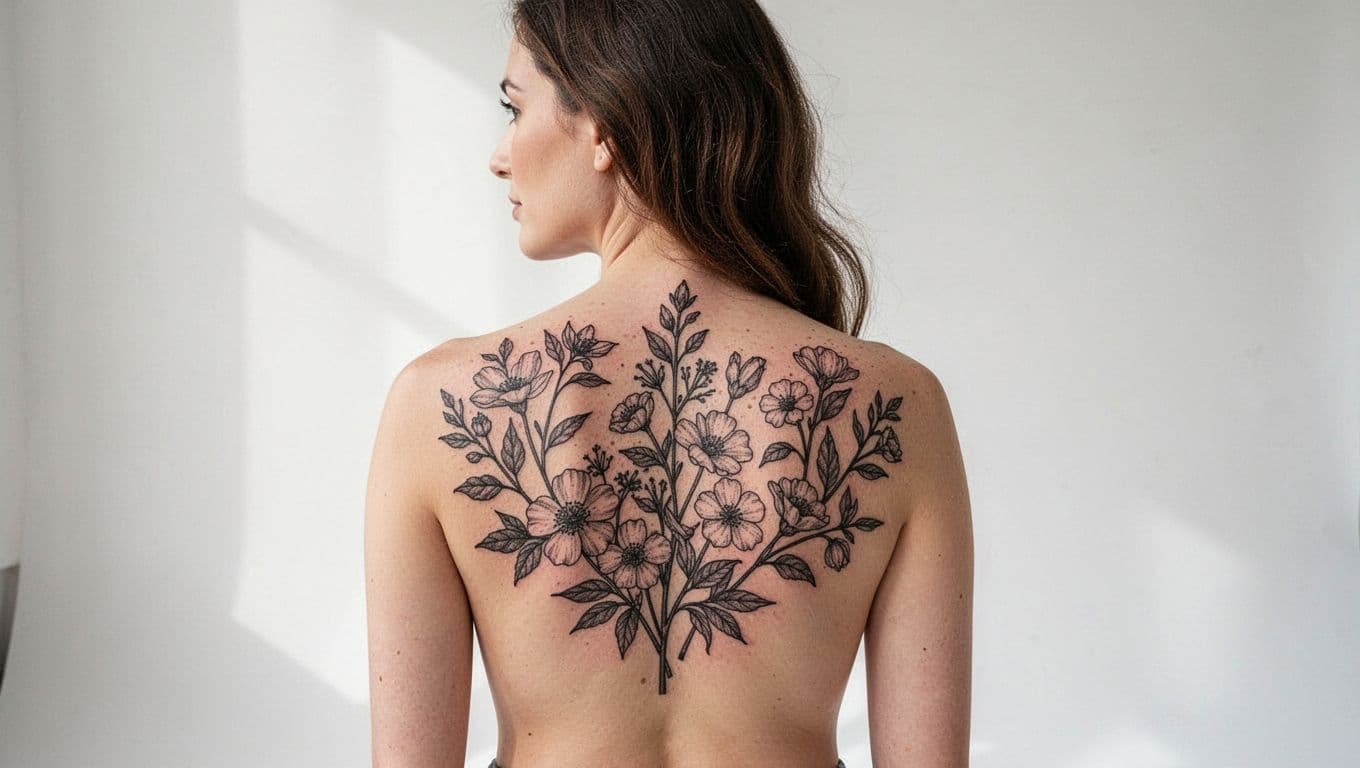
Protect Your Tattoo From Sun Exposure
Sunlight is one of the biggest causes of tattoo fading. Ultraviolet light can break down pigment and make black ink look gray, while bright colors may lose their intensity faster. After your tattoo has healed completely, apply a broad-spectrum, water-resistant sunscreen with SPF 30 or higher whenever your back will be exposed.
The American Academy of Dermatology recommends applying sunscreen before going outside and reapplying it at least every two hours. You can also protect the design with a shirt, seek shade, and avoid tanning beds. During the healing period, keep the tattoo covered with loose clothing and follow your artist’s instructions before applying sunscreen. The AAD’s tattoo skin-care guidance offers additional advice for protecting healed ink.
Keep the Skin Healthy and Expect Touch-Ups
Gentle skin care supports the appearance of both your tattoo and the surrounding skin. Use mild cleanser, avoid harsh scrubs, and apply a fragrance-free moisturizer when your skin feels dry. Exfoliating products may make the area feel irritated, especially if the tattoo is sensitive or recently healed.
Touch-ups are sometimes helpful when lines fade, color becomes uneven, or a small detail loses definition. However, you shouldn’t expect the tattoo to look exactly as it did on appointment day forever. A skilled artist can assess the healed design and recommend whether a touch-up makes sense, or whether the tattoo simply shows normal aging.
Sun protection preserves more detail than waiting until heavy fading requires correction.
Before booking, run through this short checklist:
- Choose a concept that feels meaningful or remains appealing to you.
- Confirm the placement suits your body shape, wardrobe, and privacy needs.
- Select an artist whose portfolio matches your preferred style.
- Review the stencil while standing, sitting, and moving your shoulders.
- Follow the artist’s aftercare instructions until the tattoo fully heals.
With realistic expectations and consistent skin care, your back tattoo can remain a beautiful part of your personal style as the years pass.
Conclusion
These 25 beautiful back tattoo ideas for women show how much variety this placement offers. A tiny spine symbol, delicate floral vine, or small shoulder-blade design can feel personal and refined, while a full-back phoenix, wing design, or ornamental composition can create a bold statement.
The best choice balances personal meaning, attractive design, suitable placement, realistic sizing, and safe professional work. Consider how the tattoo will fit your body, wardrobe, budget, and preferred level of detail. If you need time to prepare financially, start a realistic savings plan before booking your appointment.
Take your time with the concept, review healed work from potential artists, and choose someone who can bring your idea to life with skill and care.
Save the pin for later


- 20 Tattoo Ideas for Women on the Foot - September 19, 2026
- 5 Beautiful Tattoo Ideas for Women on Fingers - September 19, 2026
- 16 Cute Tattoo Ideas for Women on the Stomach - September 19, 2026
Leave a Reply