 Vivien Robert
A car repair, holiday spending, or an annual insurance bill can show up like weeds after a warm rain, all at once and right when your budget feels thin. A sinking fund helps you handle those costs by setting aside small, steady amounts of money before the bill arrives.
Instead of scrambling, reaching for a credit card, or raiding your emergency savings, you give each planned expense its own little stash. That keeps your monthly budget calmer and makes big costs feel far less sharp when they land. If you’re still shaping your money plan, how to create a budget for beginners is a solid place to start.
The simple part is this, you choose the goal, work out the total, and spread the savings across the months you have left. Next, let’s look at how to set one up and use it without overcomplicating your budget.
What a sinking fund is, and why it works so well
A sinking fund is money you set aside for a bill or expense you already know is coming. That could be your car insurance, a school fee, holiday gifts, travel, home repairs, or an annual subscription. Instead of waiting for a large bill to hit all at once, you save a little at a time and give that expense its own place in your budget.
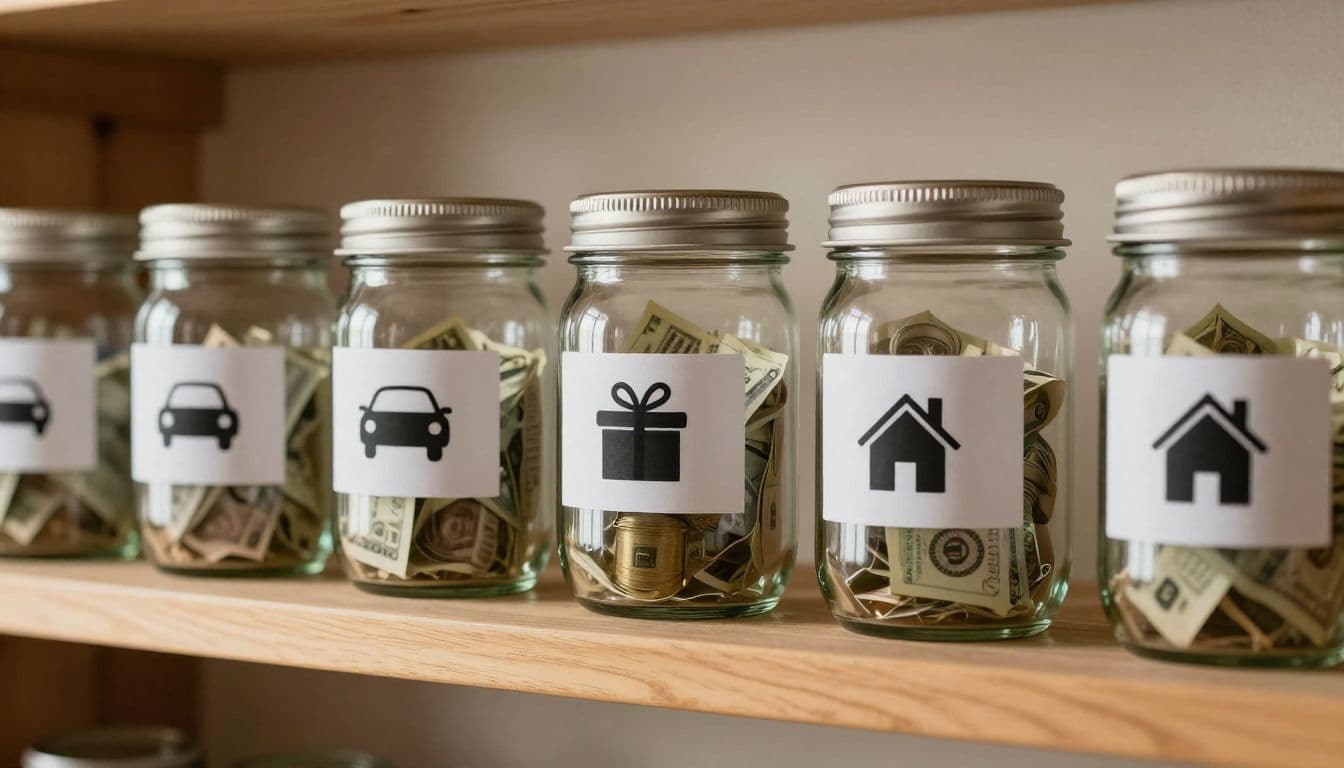 That simple setup works because it turns a huge payment into smaller, calmer steps. You are no longer staring at a $600 insurance bill like it just appeared out of nowhere. You are moving toward it month by month, with a clear plan and less stress.
How a sinking fund is different from an emergency fund
The easiest way to remember the difference is this, an emergency fund is for the unknown, and a sinking fund is for the expected.
An emergency fund covers surprises you did not plan for, such as a job loss, a sudden medical bill, or an urgent car repair after an accident. A sinking fund handles costs you can see coming, even if the timing feels far away. That includes things like annual insurance premiums, back-to-school costs, birthday gifts, vacation spending, home maintenance, and yearly fees.
If the expense is predictable, use a sinking fund. If it is sudden and unplanned, use your emergency savings. That separation matters because it keeps your emergency fund protected for real crises. For a fuller breakdown of emergency savings, see how to build an emergency fund.
A sinking fund keeps planned bills from stealing the money you meant to save for true emergencies.
When you use sinking funds the right way, you stop raiding your safety net for expenses that were always part of the year.
The money mindset behind smaller, steady savings
Big bills feel heavy because they ask for a large amount all at once. Small monthly savings feel lighter because they fit into normal life. That shift makes planning ahead feel manageable instead of painful.
For example, saving $50 a month for a $600 bill feels far easier than finding $600 in one week. The money is already waiting when the bill arrives, so you can pay it without panic. That kind of calm builds better habits, too, because you start treating irregular expenses like fixed parts of your budget.
A sinking fund also makes your budget feel more honest. If you know travel, gifts, or repairs are part of your year, setting money aside now is simply smart planning. For more on organizing those savings buckets, using sinking funds for future costs can help you keep each goal clear and separate.
In short, a sinking fund works so well because it gives your money a job before the bill shows up.
How to use a sinking fund step by step
A sinking fund works best when you give it one clear job at a time. Once the goal is set, the math is simple, the savings are steady, and the bill feels far less intimidating when it arrives.
 ### Choose one goal before you start saving
Start with the exact expense you want to cover. Name it clearly, then set the month or date when the money needs to be ready. “Car insurance renewal in October” is better than “car stuff,” because a specific goal gives your savings a real target.
Past bank statements, old bills, and yearly charges can help you spot good sinking fund goals. Look for costs that keep showing up, even if they do not arrive every month. Things like property taxes, school fees, holiday gifts, and annual subscriptions often sneak up on people who do not plan ahead.
Priority matters here. Put urgent needs first, such as car insurance, property taxes, or home repairs. Save fun extras later, like vacations or seasonal shopping. If your budget is tight, a good place to start is how to stop spending and start saving, because freeing up cash makes every sinking fund easier to build.
Figure out the total cost and monthly amount
Once you know the goal, write down the total amount you need. Then divide that number by the months left before the bill is due. That gives you the monthly amount to save.
The formula is simple:
Total goal amount ÷ months until due date = monthly sinking fund contribution
For example, if your holiday gifts will cost $600 and you have 6 months to prepare, save $100 each month. If the bill is $1,200 and it is due in 8 months, you need $150 a month. That kind of math turns a large bill into a smaller, steady task.
It also helps to add a small cushion. Prices rise, fees change, and plans shift. A little extra room, even 5% to 10%, keeps you from coming up short when the bill arrives. If you want a quick way to check the numbers, an online sinking fund calculator can help you test the amount before you commit.
A sinking fund works best when the monthly amount feels realistic enough to stick with.
Pick the right place to keep the money
Keep your sinking fund separate from everyday spending money. If the cash sits in your main checking account, it gets too easy to spend it on groceries, takeout, or random online orders. A separate home for the money gives each goal its own lane.
A dedicated savings account is a solid choice. A high-yield savings account can add a little interest, which helps if your goal is several months away. Some banks also offer sub-accounts, so you can keep one main account with smaller buckets inside it. Digital budgeting envelopes work well too, especially if you like to track goals in an app.
The tradeoff is simple. Easy access is convenient, but too much access can tempt you to dip into the fund early. Slightly harder access can protect the money from impulse spending. Many people use a 50/30/20 budget approach alongside sinking funds so the savings plan stays balanced.
Set up automatic transfers so saving happens in the background
The easiest way to stay consistent is to automate the transfer. Set it up on payday, or the day after payday, so the money moves before you have time to spend it. Treat the sinking fund like a regular bill, and it becomes part of your normal rhythm.
That habit matters because manual transfers often get forgotten. One skipped week turns into two, and then the bill starts closing in. Automation removes that problem and keeps the fund moving forward without extra effort.
You can split the amount across paychecks if that feels easier. For example, if you need to save $200 a month and you get paid twice a month, move $100 each paycheck. If your income is irregular, choose a fixed day each month and save when cash is available. The key is consistency, not perfection.
For people who know they forget money moves, automation is a lifesaver. It turns saving into background work, which is exactly what a sinking fund should be.
Good sinking fund ideas for real life
The best sinking funds are the ones that match your actual life, not an ideal one. That means the expenses you face on a normal year, plus the ones that always seem to arrive with perfect timing.
Once you start naming those costs, the list gets longer fast. That’s a good thing. It gives your money a job before the bill shows up, and it keeps surprise spending from throwing your budget off balance.
Common sinking fund categories most people need
Some sinking funds are obvious, but many are easy to overlook. Car repairs, insurance premiums, home maintenance, and medical copays can all land hard if you wait too long. A worn tire, a dentist visit, or an annual policy renewal may not feel urgent today, yet each one can strain your cash flow later.
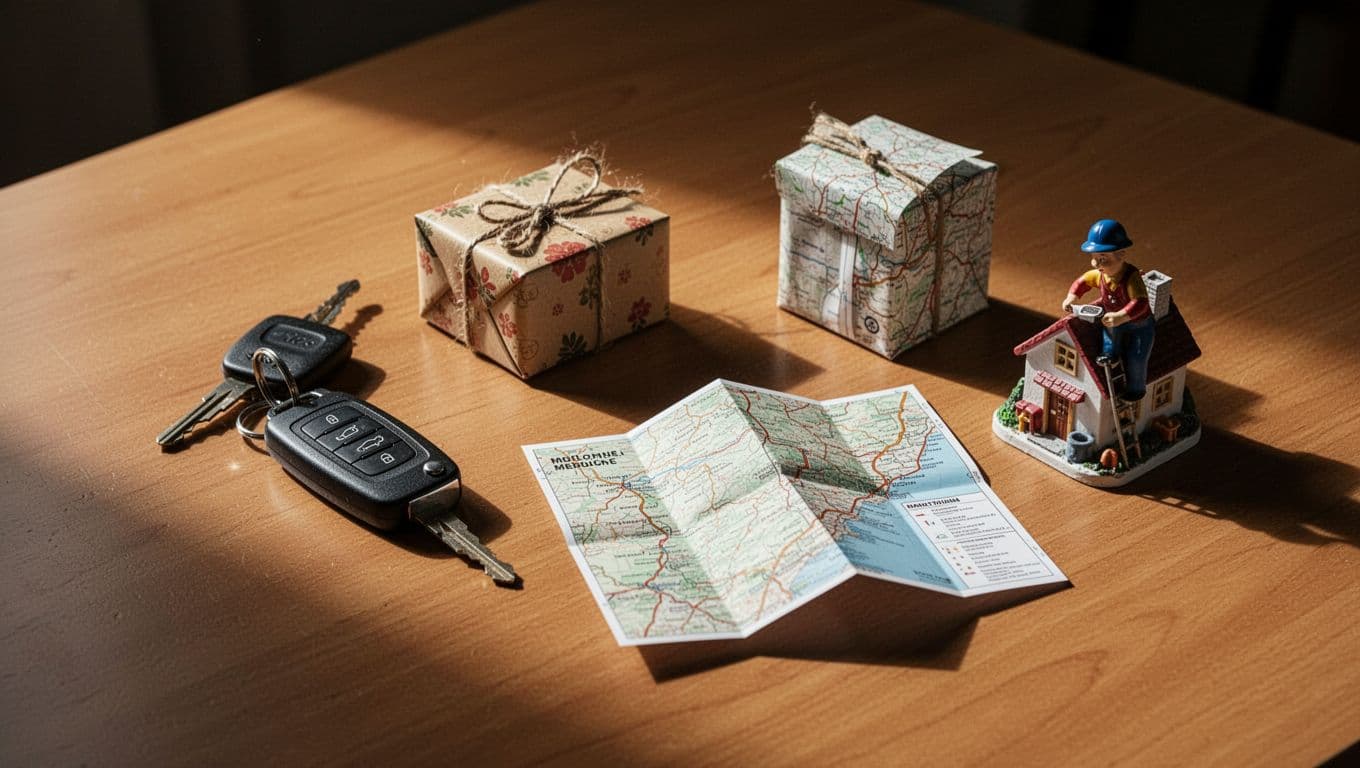 You can also build funds for lifestyle costs that are easy to enjoy but hard to absorb all at once. Holiday gifts, school supplies, travel, furniture, electronics, and annual subscriptions all fit well here. These are normal parts of life, so saving for them in advance keeps them from feeling like budget emergencies.
A few common categories to consider are:
- Car costs: Repairs, registration, tires, inspections, and insurance renewals.
- Home needs: Appliance replacement, repairs, tools, and routine maintenance.
- Family spending: School fees, uniforms, field trips, birthdays, and holiday gifts.
- Health costs: Copays, prescriptions, dental work, and vision appointments.
- Lifestyle goals: Vacations, furniture upgrades, electronics, and memberships.
If you want a broader money map, how to set financial goals can help you sort the most important targets first. For a practical outside view, Empower’s sinking fund categories shows how varied these funds can be.
How to separate needs from wants without feeling restricted
A sinking fund works best when it respects both responsibility and enjoyment. Some goals are clearly needs, like insurance or car repairs. Others are planned wants, like a family vacation, a holiday dinner, or a special celebration. That doesn’t make them careless. It makes them intentional.
The key is timing. If you save for a trip ahead of time, that trip is no longer a budget surprise. If you plan for gifts before the season starts, you can enjoy giving without the December panic. In other words, a sinking fund gives you permission to spend on things you value, as long as you fund them first.
That balance matters because money plans fail when they feel punishing. You don’t need to strip joy out of your budget to be smart. You just need to give fun spending a container. A saved-for weekend away feels very different from a credit card charge you’ll carry for months.
This is where sinking funds become flexible. One person may save for a home repair, while another sets aside money for a concert, a wedding outfit, or new furniture after a move. Both are valid, because both are planned.
A good test is simple, if the expense matters enough to you, give it a bucket. That keeps your budget honest, and it keeps your enjoyment free of guilt.
How to keep your sinking fund on track over time
A sinking fund works best when you keep it active, not untouched. Money habits shift, prices rise, and plans change, so the goal needs regular care. A quick monthly check helps you catch small problems before they turn into a shortfall.
Track your progress each month
Set aside a few minutes once a month to review each sinking fund. Check the balance, the due date, and how much you spent if you already used part of it. That simple habit tells you whether you are on pace or falling behind.
A basic spreadsheet works well if you like neat numbers. A notebook is fine too, especially if you prefer writing things by hand. Budgeting apps can also help, as long as the setup feels easy enough that you will actually use it. If your income changes from month to month, budgeting with variable pay can make those reviews easier to manage.
Keep the process simple. You do not need a complex system to stay organized. A short monthly review might look like this:
- Compare the current balance with the target amount.
- Check whether the bill date still matches your plan.
- Note any spending that came out of the fund.
- Confirm the monthly transfer still fits your budget.
That small routine keeps your sinking fund honest. It also gives you a clear picture of what needs attention next.
 ### Adjust the amount when life changes
Your sinking fund should move with real life. Prices go up, travel plans shift, and family needs can change fast. A vacation may cost more after the dates move. A repair may need a bigger estimate. A new school fee or medical bill can also change what you need to save.
When that happens, revisit the monthly amount right away. If the target grows, raise the contribution if you can. If the expense gets smaller or disappears, lower the amount and redirect the extra money elsewhere. Long-term goals also deserve a yearly review, since annual checks help you reset targets that no longer fit.
The same advice applies to expenses that stretch over time. A sinking fund for car repairs may need more money after a big increase in parts or labor. A holiday fund may need a bump if gift prices rise. A yearly review keeps those changes from sneaking up on you.
A sinking fund should match real costs, not old guesses.
Protect the fund from accidental spending
Keep the money separate and easy to identify. Give the account a clear name, like “Car Repairs” or “Holiday Gifts,” so the purpose stays front and center. That small label acts like a fence around the money.
It also helps to remind yourself what the fund is for every time you look at it. The balance may look tempting, but that does not make it extra cash. Random purchases can drain a sinking fund faster than you think, and then the real bill arrives with nothing waiting for it.
Use the money only for the job you assigned it. That discipline keeps your budget steady and your savings ready when the expense shows up.
Conclusion
A sinking fund turns a future expense into small, steady steps, so the cost feels lighter when it finally shows up. That is the real strength of this method, it keeps your budget calm and your cash ready before the bill arrives.
Start with one goal, one account, and one automatic transfer. Once that habit is in place, the next big bill feels less like a surprise and more like a plan you already finished.
Save pin for later

- How to Find Long-Tail Keywords for Your Blog - June 29, 2026
- Pinterest SEO for Bloggers - June 27, 2026
- How to Do Keyword Research for Beginners - June 27, 2026