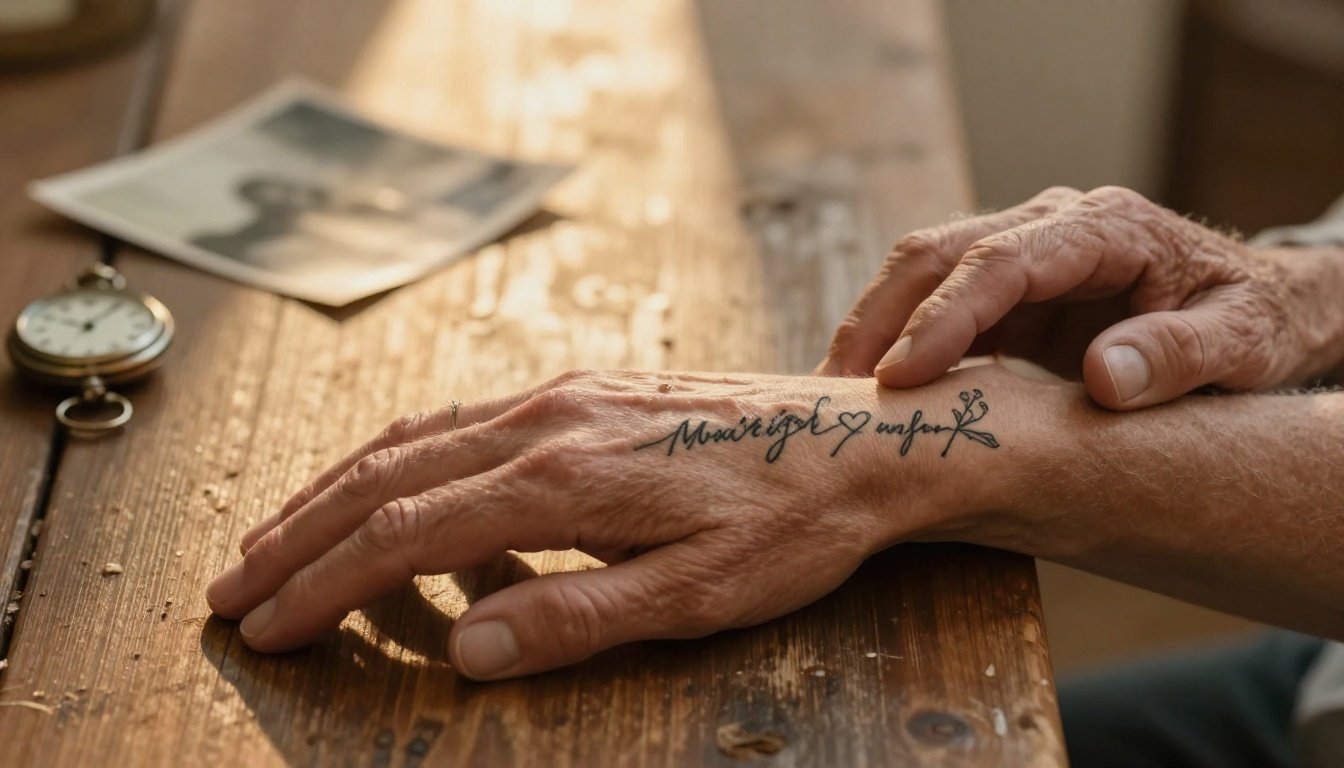
45 Loving Grandpa Tattoo Ideas to Honor His Memory
Choosing a tattoo for your grandpa often starts with a feeling that words can’t fully capture. You may want to honor the life he lived, keep his memory close after his passing, or celebrate a bond that remains strong across generations. The right design can hold a personal story, whether it recalls his familiar smile, a phrase he always used, or a small tradition you shared.
These loving grandpa tattoo ideas include portrait tattoos, handwritten notes, fingerprints, meaningful objects, short phrases, religious symbols, and subtle designs that carry significance without demanding attention.
You’ll also find inspiration for honoring a living grandfather, remembering someone who has passed, or creating a tribute that includes the whole family. As you choose, consider how the style, placement, wording, and size will fit your story and your everyday life. Start with these thoughtful ideas to find a design that feels personal, lasting, and true to your relationship.
45 Loving Grandpa Tattoo Ideas to Honor His Memory
The most meaningful grandpa tattoos connect a clear image to one real memory. Choose a sharp original photo or high-resolution scan for portraits, and save his handwriting exactly as it appeared. Before booking, review FDA tattoo safety guidance and choose an experienced artist.
Portraits, names, dates, and handwriting tributes
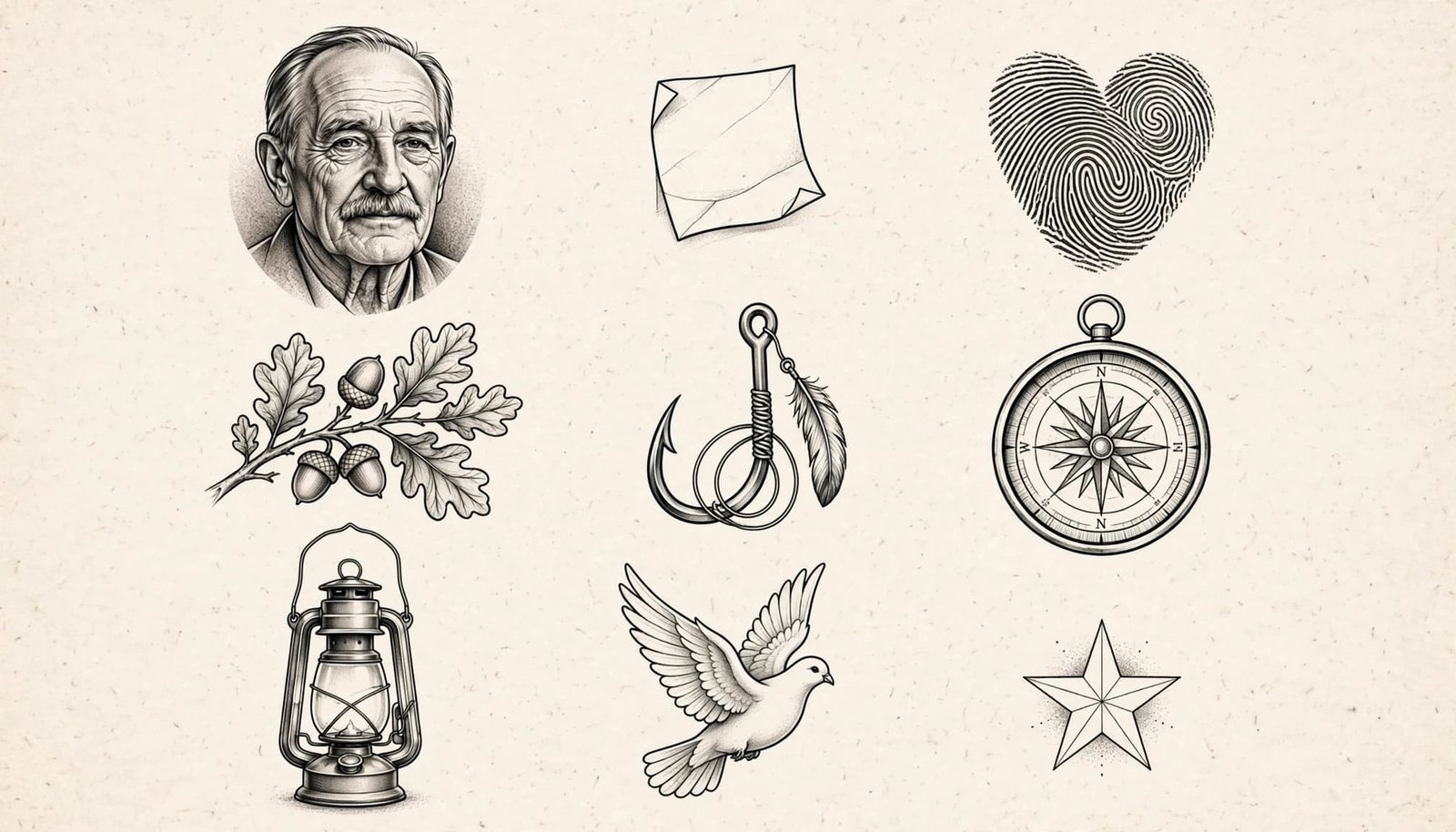
- Black-and-gray portrait: Use a favorite photograph with soft shading and his familiar expression.
- Fine-line portrait: Choose delicate facial lines for a smaller, understated tribute.
- Side-profile silhouette: His recognizable profile creates a simple, elegant memorial.
- Name and dates: Add his legal name with birth and passing dates beneath it.
- Nickname in script: Tattoo the special name only your family used.
- Signature replica: A scanned signature preserves his actual handwriting and personality.
- Handwritten note: Copy a short note from a card, letter, or recipe.
- Heart phrase: Place his handwritten words inside a small heart outline.
- Fingerprint with initials: Pair his fingerprint pattern with his first and last initials.
- Fingerprint heart: Shape a fingerprint into a heart for a highly personal design.
- Fingerprint with date: Add a meaningful date beneath the fingerprint lines.
- Birth-year design: Feature his birth year in vintage numerals or a subtle banner.
- Memorial ribbon: Wrap his name around a narrow ribbon for a classic tribute.
- Family tree branch: Place his name on a branch connected to other relatives.
- Photo-inspired outline: Turn a favorite image into a clean, small outline tattoo.
Keep handwriting’s natural imperfections, including uneven letters and unique spacing. Changing it into a generic font can remove the detail that makes it his.
Symbols that capture his personality and favorite memories
Each object becomes more personal when it recalls one real place, habit, or shared day. Add one hidden initial, date, tiny heart, or short word without overcrowding the design. You can also collect family activities that create lasting memories before choosing your symbol.
- Fishing hook: Use his favorite lure shape and add a tiny initial.
- Fishing rod: Show the rod beside a simple lake line from a shared trip.
- Small boat: Choose a boat silhouette tied to his favorite water.
- Nautical compass: Point it toward his hometown or a meaningful destination.
- Gardening tool: Pair his trowel or shears with one oak leaf.
- Favorite flower: Use the flower he grew, gave, or wore on special occasions.
- Coffee mug: Recreate his familiar mug shape with a small date underneath.
- Teacup: Add a delicate cup to recall regular conversations at the table.
- Wooden spoon: Honor his cooking with a spoon outline and hidden initials.
- Old camera: Use a vintage camera to celebrate his love of photographs.
- Glasses and book: Pair his reading glasses with the title’s first initial.
- Military symbol: Choose an appropriate insignia or service emblem after confirming its accuracy.
- Anchor: Add rope details or coordinates from a favorite coastal place.
- Oak tree: Use strong roots for family history and an acorn for descendants.
- Map or coordinates: Mark his hometown, house, farm, or another meaningful location.
Short phrases, faith symbols, and gentle memorial designs
Short wording stays clearer as a tattoo ages, especially on fingers, wrists, or ribs. Choose language that matches your beliefs and your relationship rather than copying a phrase that sounds familiar.
- Rose with dates: Use a small red or black rose with his birth and passing dates.
- Dove phrase: Place “forever with me” beneath a simple flying dove.
- Cross reference: Add a cross with a short scripture reference, such as “John 11:25.”
- Angel wings: Surround his initials with compact wings for a faith-based tribute.
- Faith word: Choose “Grace” or “Peace” in clean, readable lettering.
- Heart phrase: Pair a small heart with “I love you.”
- Butterfly: Use a butterfly to express continued connection and remembrance.
- Guiding lantern: Add a lantern for the wisdom and direction he offered.
- Sunrise: Use rising light to honor his lasting legacy in the family.
- Watching star: A single star can symbolize someone watching over loved ones.
- Memorial ribbon: Write “In loving memory” around a narrow black ribbon.
- Handwritten quote: Use his actual handwriting for a short personal saying.
- Matching family tattoo: Let relatives share one small symbol, each with a different placement.
- Infinity nickname: Combine an infinity symbol with his beloved nickname.
- Combined symbol: Pair a dove, star, or heart with “until we meet again.”
How to choose the right grandpa memorial tattoo idea
Choosing among 45 grandpa tattoo ideas becomes easier when you focus on the story behind the design. Start with your relationship, the memory you want to preserve, and the feeling you want the tattoo to carry. A tribute for a living grandfather may feel warm and celebratory, while a memorial for someone who died may focus on remembrance, faith, or continued connection.
Start with one memory and one visual detail
Write down three memories before choosing a design. They might include fishing together, working in his garden, hearing the same advice every Sunday, or sitting beside him during family gatherings. Then, choose the single memory that still feels most personal to you.
Next, identify one visual detail from that memory. It could be a fishing lure, the shape of his work gloves, a favorite flower, his handwriting, or the outline of his old truck. One strong detail often creates a clearer tattoo than a crowded design containing every important object.
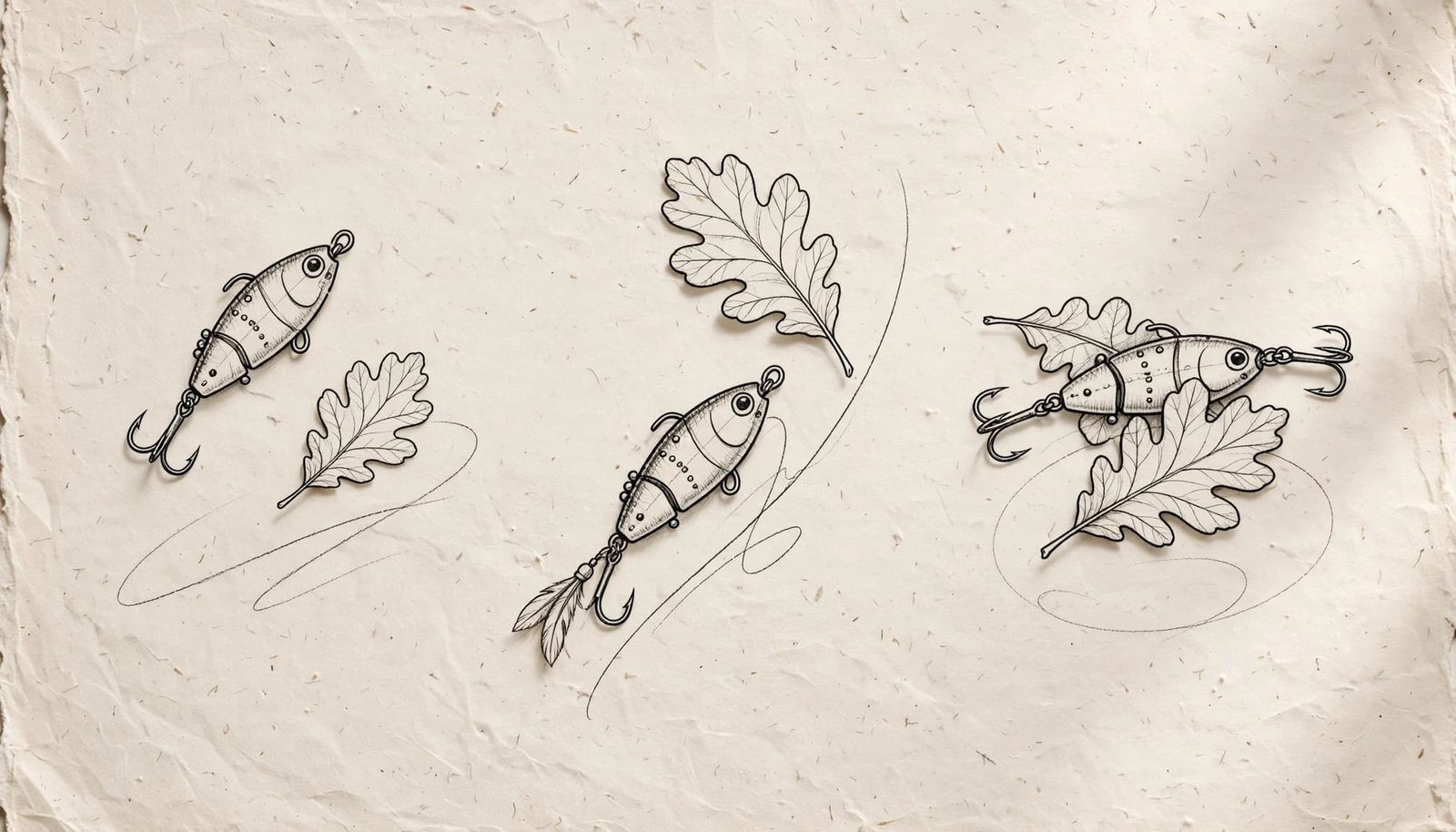
A focused design also gives your tattoo artist more room to create clean lines and balanced spacing. If you want to preserve family memories before deciding, simple traditions and shared activities can provide useful inspiration, such as these meaningful Christmas memories on a budget.
Decide between a direct tribute and a private symbol
A direct tribute makes the connection clear to anyone who sees it. His name, portrait, signature, birth year, or handwritten message identifies the person being honored without explanation. Choose this approach when you want the tattoo to openly celebrate your grandfather or preserve a recognizable part of him.
A private symbol works differently. A small object, location, flower, or personal mark may look ordinary to everyone else, yet hold an entire story for you. This option can feel more comfortable if you want the tribute to remain personal or need a design that fits discreetly on your wrist, ankle, ribs, or shoulder.
Words are optional, so decide whether the image already tells the story. If you include lettering, use only a short name, nickname, date, or phrase. Exact handwriting usually feels more personal than a decorative font, but small script needs enough space to remain readable as the tattoo ages.
Bring a clear plan to the artist
After choosing your main story, ask a tattoo artist to create a few original sketches. Bring one primary photo for a portrait, a clean scan for handwriting, or two to six reference images that show your preferred style. Tell the artist what must stay accurate, what can change, and where you want the tattoo placed.
A simple decision process can keep the consultation focused:
- Write down three memories connected to your grandfather.
- Choose one memory and one visual detail.
- Decide whether the design needs words.
- Select a realistic placement and approximate size.
- Ask the artist for several sketches based on your story.
Family members may have strong opinions, especially when the tattoo honors someone who has died. Listen to their memories, but remember that you will wear the final design. You can invite relatives to suggest symbols or share photographs while keeping the final choice connected to your own relationship with your grandpa.
Tattoo styles that make a grandpa tribute feel personal
The tattoo style you choose changes how your grandpa tribute feels. Realism can preserve his expression, while minimalist line art can keep a private memory small and understated. Start with the story you want to tell, then choose a style that gives that story enough space to remain clear over time.
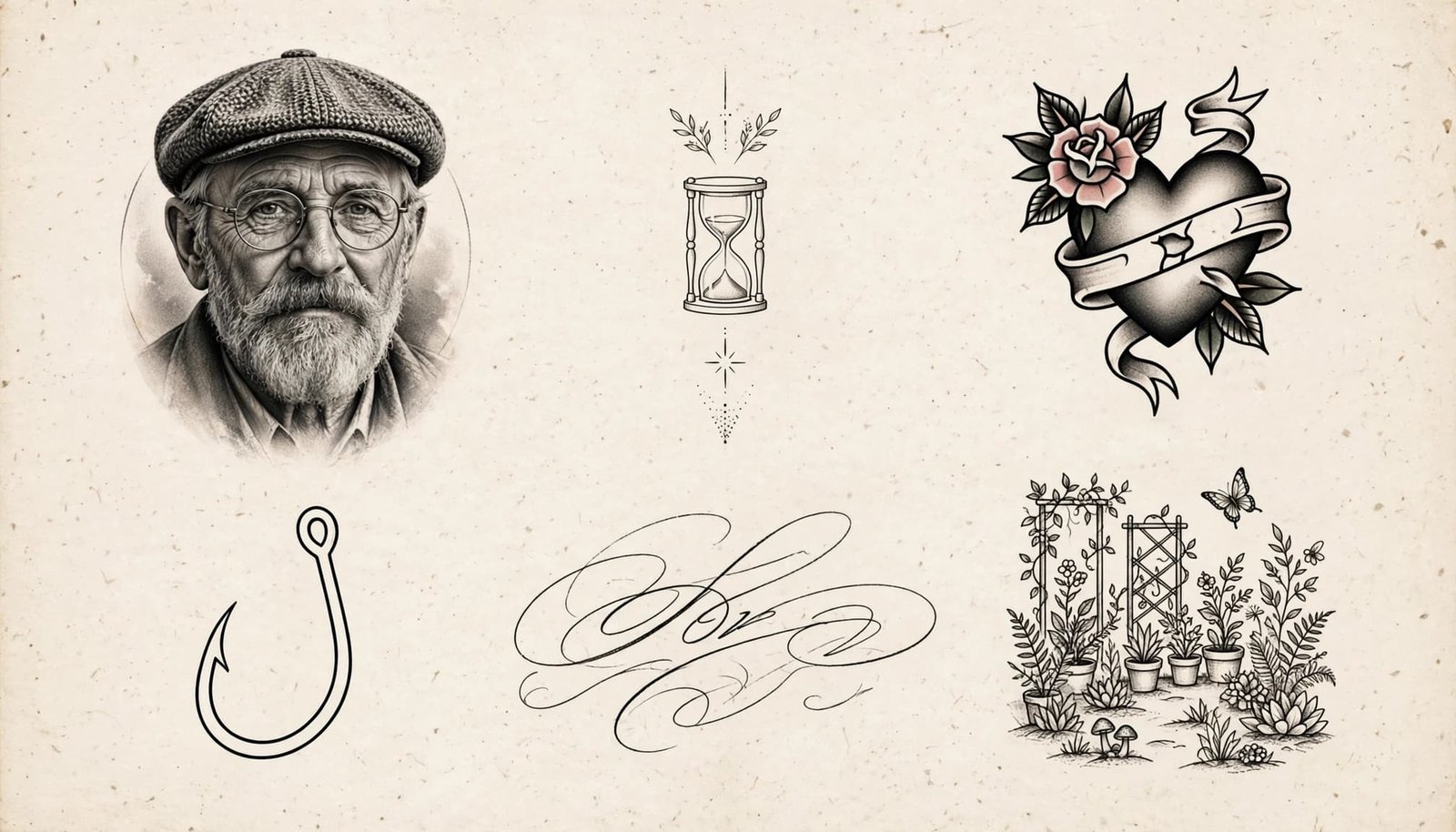
Black-and-gray realism for portraits and detailed objects
Black-and-gray realism is a strong choice when likeness matters most. A skilled portrait artist can capture your grandfather’s expression, the shape of his eyes, or a familiar smile using contrast and soft shading. This style also suits detailed objects, such as an old camera, work boots, fishing gear, or his favorite truck.
Realism needs enough space for facial features and shading to remain readable. A portrait squeezed into a very small area may lose the details that make it look like him. Choose an artist with a portfolio focused on black-and-gray portraits, then review healed examples rather than judging only fresh tattoos.
Fine-line work for small symbols and dates
Fine-line tattoos fit delicate tributes, including a small fingerprint, fishing hook, birth year, flower, or set of coordinates. They can feel personal without drawing attention, which makes them useful for wrists, ankles, ribs, and upper arms.
However, tiny tattoos cannot hold unlimited detail. Ask the artist to simplify crowded elements and leave enough space between lines. Fine-line work may soften as it heals, so look for healed examples of similarly small designs before booking.
Traditional tattooing for bold memorial symbols
Traditional tattooing gives familiar symbols a clear, lasting shape. Bold hearts, roses, anchors, memorial ribbons, and stars work especially well in this style. Strong outlines and solid areas of color help the design remain easy to recognize.
Choose traditional work when you want your tribute to feel warm, classic, and visible. A red rose beside his nickname, a heart wrapped in a ribbon, or an anchor tied to a coastal memory can carry meaning without needing a long explanation.
Minimalist line art for subtle tributes
Minimalist line art reduces a meaningful object to its most recognizable shape. You might use the outline of his favorite chair, a simple garden tool, a small boat, or the profile of his old hat. This approach works well when you prefer a quiet tribute with little shading or decoration.
Because the design has fewer elements, each line needs to be clean and intentional. Discuss placement and size with the artist before choosing a very small version.
Handwritten script for notes and signatures
Handwritten script preserves a detail no font can truly copy. His signature, a short phrase from a card, or a few words from a recipe can make the tattoo feel unmistakably his. Keep the original spacing and unusual letter shapes when possible.
Long messages often become difficult to read, so choose one meaningful line or even a single word. Scan the writing clearly, and ask the artist to create a stencil that matches the original without correcting its character.
Illustrative work for hobbies and shared scenes
Illustrative tattoos tell more of a story than a single symbol. This style can show your grandfather fishing beside a lake, tending his garden, sitting in a workshop, or teaching you a family tradition. It allows the artist to combine several visual details while keeping the design artistic rather than photorealistic.
Color can strengthen that story, but you rarely need many shades. One meaningful accent color, such as the red of his favorite cap or the green of his garden, often adds more feeling than a full palette.
Before choosing an artist, review healed work from the exact style you want. Fresh ink can look sharper and brighter than settled ink, so ask for examples that are at least several months old and compare the line quality, shading, and color after healing.
Small and meaningful grandpa tattoo placements
Tattoo placement affects more than appearance. It determines how private the tribute feels, how much detail the artist can include, and whether the design fits your workplace and daily routine. Choose a location that gives the tattoo enough room to stay clear while matching the way you want to remember your grandpa.
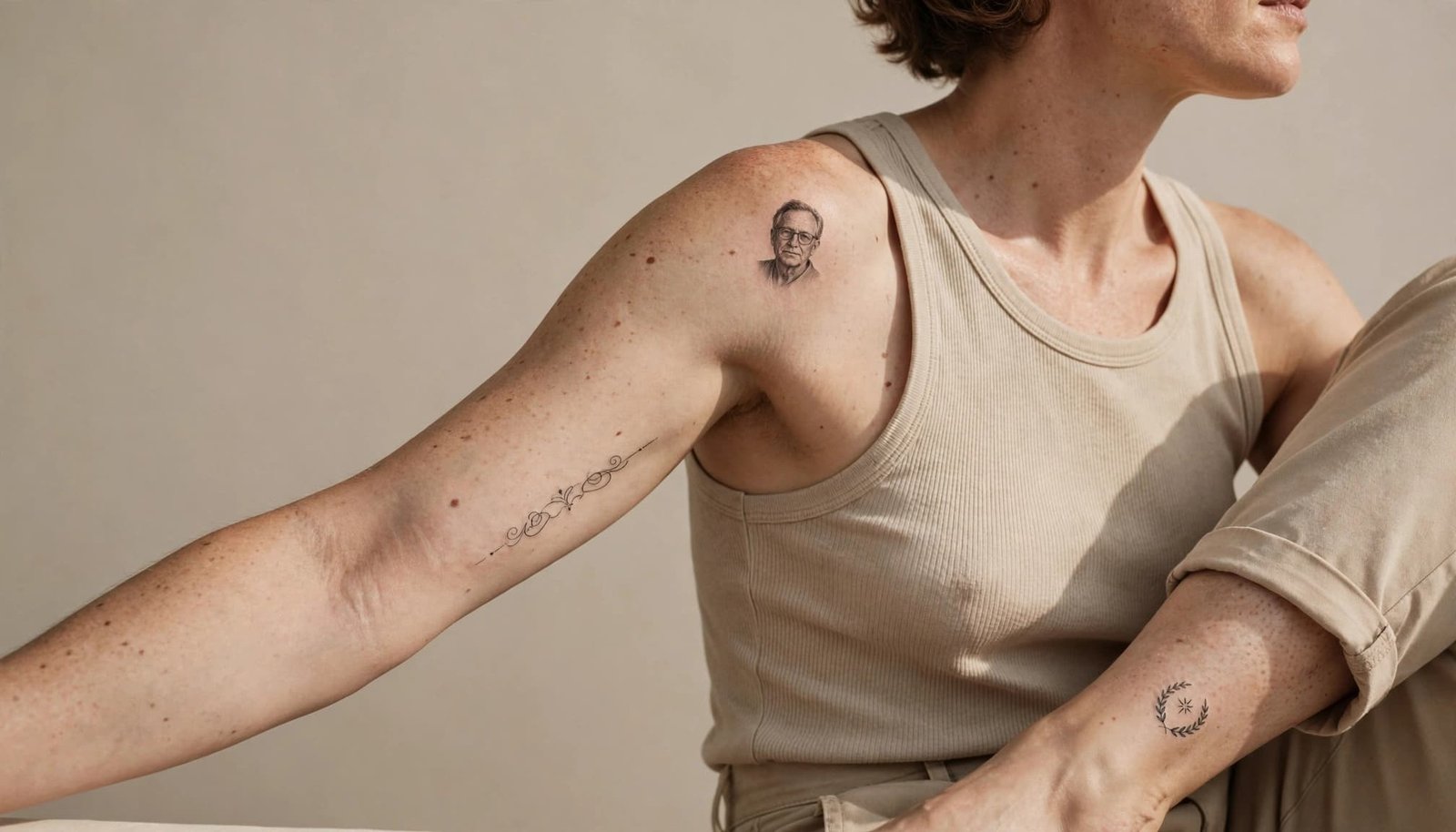
Inner wrist and forearm placements
The inner wrist works well for a small fingerprint, nickname, date, or short handwritten phrase. You can see the tribute often, while a watch or long sleeve can cover it when needed. Because the wrist has limited space and frequent movement, keep lettering simple and give each character enough room.
The inner forearm offers more length for handwriting, names, dates, or a narrow memorial design. It also gives your artist more space to preserve small details without crowding the tattoo. However, forearm tattoos are visible in many workplaces, so check your employer’s dress code before booking.
A tattoo should be large enough for text to remain legible after the ink settles. Tiny script may look delicate at first, but cramped letters can soften and blend over time.
Upper arm, shoulder, and chest tributes
The upper arm or shoulder is a practical choice for a grandpa portrait, favorite object, or larger symbolic design. These areas provide a broad surface, and clothing can usually cover them. They also tend to feel more manageable for many people than bony locations, although pain varies with skin sensitivity, session length, and the exact placement.
For a tribute that feels close to your heart, consider the chest. A fingerprint heart, handwritten note, initials, or small portrait can remain private beneath a shirt. The chest also leaves room for shading and future details if you later decide to add another family symbol.
Collarbone, ribs, ankle, and behind the ear
The collarbone suits short script, a signature, or one meaningful date. It creates a visible but refined placement, although the area can feel more sensitive because the skin sits close to bone. Ribs offer greater privacy and work well for a longer handwritten message or a personal memorial symbol, but rib tattoos are often more uncomfortable.
For a discreet design, choose the ankle or the area behind the ear. A tiny star, flower, fishing hook, or initial can fit naturally there. These placements suit private symbols, especially when you want the tattoo to carry meaning without announcing the story.
Calf, outer forearm, hands, and fingers
The calf and outer forearm provide enough space for larger objects, paired designs, or a small scene connected to your grandpa. They are also useful if you want to leave room for a second family tattoo later. Plan the surrounding space before committing, especially if you may add names, dates, or matching symbols.
Hands and fingers offer immediate visibility, but frequent washing, friction, sun exposure, and daily use can cause faster fading. Finger tattoos often need touch-ups, so avoid placing fine dates or detailed lettering in creases. If you need a tribute that stays readable and workplace-friendly, choose the upper arm, chest, ribs, or shoulder instead.
Ways to personalize a loving grandpa tattoo
A familiar memorial idea becomes one-of-a-kind when you connect it to a detail only your family would recognize. A rose, fishing hook, coffee mug, or portrait may be common tattoo subjects, but your grandpa’s real nickname, handwriting, favorite place, or daily habit can make the design unmistakably his.
Turn a popular tattoo idea into a personal tribute
Start with a specific memory, then choose one detail that proves the design belongs to your grandfather. For example, a standard fishing tattoo could include the lure he always used, the lake where you spent summer mornings, or the coordinates of his favorite fishing spot. A flower tattoo becomes more personal when you use the same flower from his yard rather than a generic bloom.
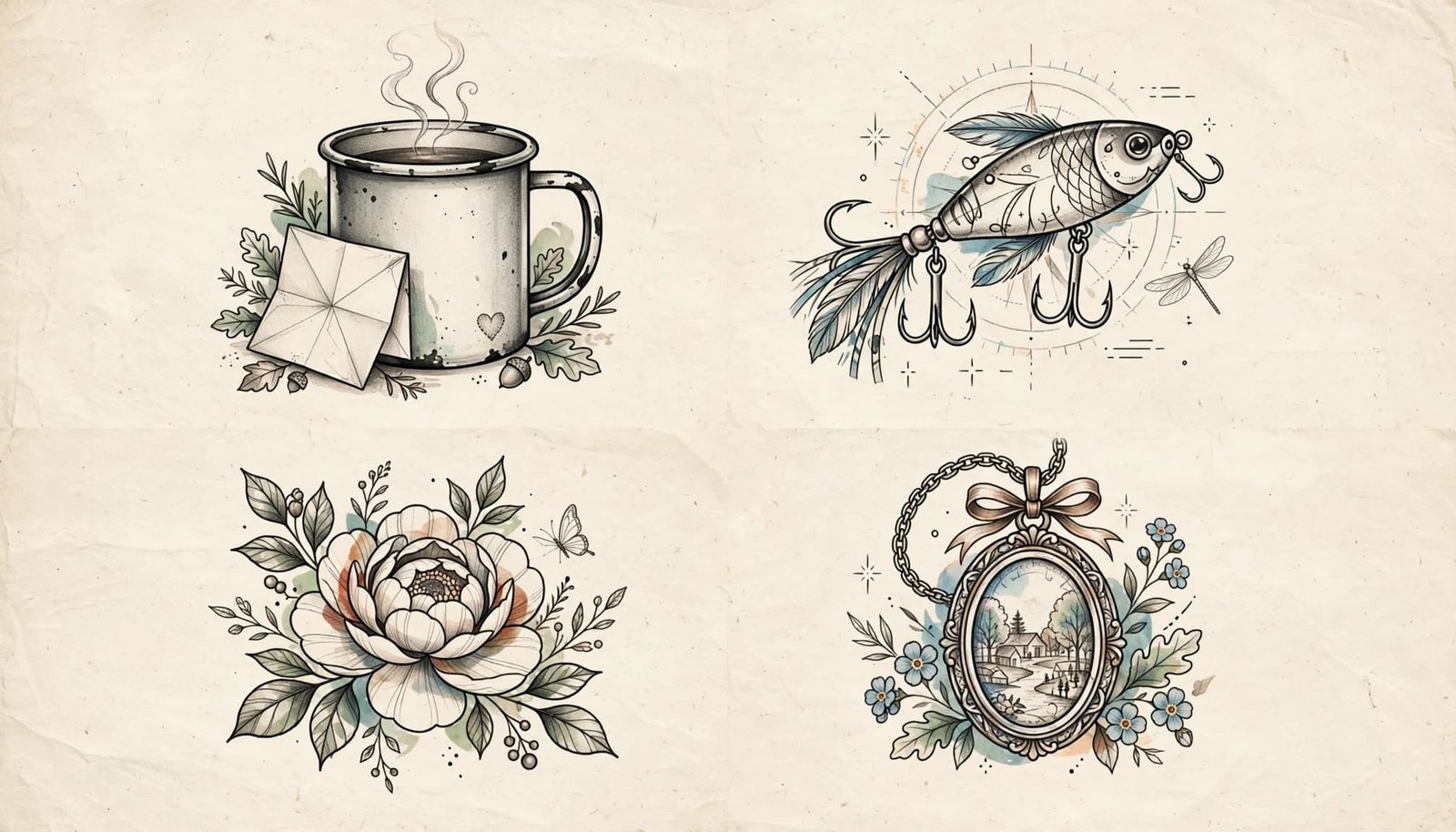
Other meaningful details might include:
- His real nickname, written in the style he used on cards or gifts.
- An exact signature copied from a letter, recipe card, or family document.
- A phrase he often said, especially one that still makes you think of him.
- His favorite tool, such as a pocketknife, hammer, garden trowel, or fishing reel.
- A birthstone color used as one small accent in an otherwise black-and-gray design.
- A tiny detail from a family photo, such as his hat, watch, work boots, or the shape of his chair.
A recipe card can inspire more than words. You might use his handwritten ingredient note, a small wooden spoon, or the outline of the dish he made most often. If you are collecting family keepsakes, these homemade holiday keepsakes and presents can also preserve the handwriting and photographs that inspire a future tattoo.
Add hidden meaning without crowding the design
Small details can hold personal meaning without making the tattoo busy. Hide a birth date inside a fishing line, place his initials beneath a flower petal, or add one tiny star beside a handwritten phrase. Meaningful coordinates can follow the curve of a compass, boat, or shoreline.
You can also combine two related memories, but give one element visual priority. A coffee mug with a short handwritten note feels balanced when the mug remains the main image and the note curves beneath it in smaller lettering. Likewise, pair an old camera with one tiny family-photo outline instead of adding several objects.
Create matching tattoos with individual details
Matching tattoos don’t need to be identical. Siblings or grandchildren can choose different symbols from the same shared theme, such as a fishing lure, garden flower, pocket watch, or favorite chair. Each person might also represent a different role in one family memory, while using the same line style, accent color, or hidden date.
That approach keeps the tattoos connected without making everyone wear the same design. Above all, choose the detail that recalls your relationship with him, because a specific memory will always feel more personal than a generic memorial image.
Before you get a grandpa tribute tattoo
A memorial tattoo deserves time, especially when the decision follows a loss. Before you book, let the idea settle and make sure the design still feels right after the first wave of emotion passes. Then choose an artist who can translate your memory into clean, lasting work.
Choose the right artist and prepare your references
Look for a licensed, reputable tattoo artist whose portfolio matches your chosen style. Portraits, handwriting, fingerprints, and tiny lettering require different skills, so review healed examples of similar work. An artist who creates bold traditional tattoos may not be the best choice for a realistic portrait or delicate signature.
Bring a clear original photograph, high-resolution scan, or sharp image of the handwriting you want copied. Also bring accurate names, dates, coordinates, and reference details. Check every letter and number before the stencil is made, because a small spelling mistake can permanently change the tribute.
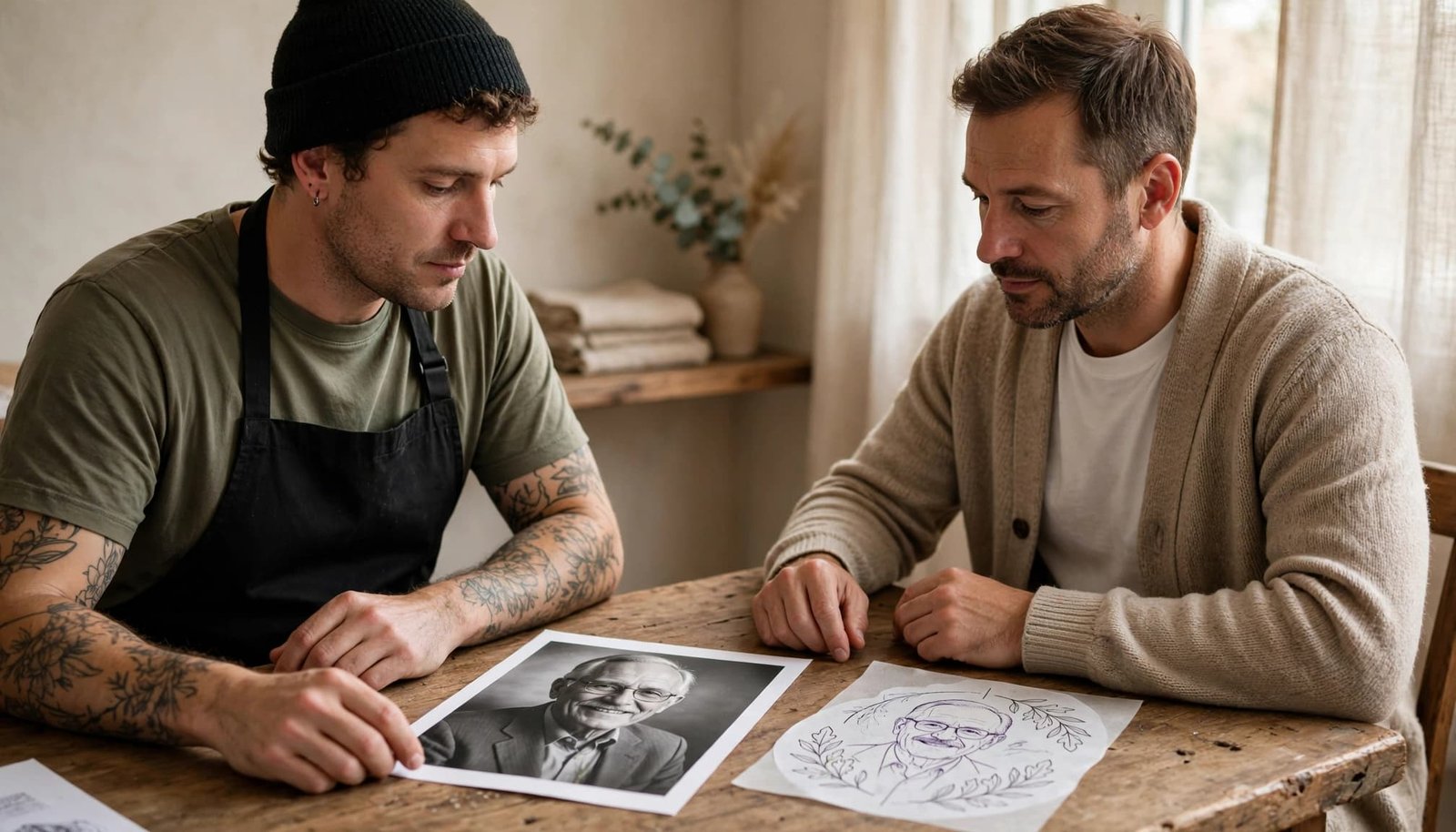
Ask to see the design at its actual tattoo size, not only on a phone screen or large sheet of paper. A portrait may need more room for facial features, while a fingerprint may need fewer lines. Very small lettering, dense fingerprint patterns, and tight fine lines can blur as skin ages, so the artist may simplify or enlarge them.
A design that looks delicate on paper may become unreadable when reduced to skin size. The best tattoo artists protect the memory by editing details that cannot age well.
Discuss placement, healing, and possible touch-ups
Review the placement with the artist before committing. Talk about visibility, friction, sun exposure, movement, and whether the area gives the design enough room. Ask how long the surface may take to heal and what activities you should avoid during that period. Many tattoos look settled within a few weeks, but deeper layers of skin can continue healing for months.
Your artist should explain dressing, washing, moisturizing, sun protection, and signs of trouble. Follow those instructions closely, and don’t pick at peeling skin or submerge a fresh tattoo in pools, hot tubs, lakes, or baths. For general information about possible ink reactions and tattoo safety, review the FDA’s tattoo safety guidance.
Tell the artist about allergies, eczema, psoriasis, keloid scarring, an active rash, diabetes, or immune conditions before the appointment. A professional can explain whether you should postpone the session or ask a medical provider for guidance. If you notice worsening redness, swelling, drainage, fever, severe pain, or a spreading rash after tattooing, seek medical care.
Questions to ask during the consultation
Write down your questions before you visit, so emotion doesn’t make you forget an important detail.
- Can I see healed examples of portraits, handwriting, or small lettering?
- Is your license current, and does the studio meet local health requirements?
- How will you adapt this design for its actual size and placement?
- Will you show me a stencil proof before tattooing begins?
- How much detail should we remove so the tattoo ages clearly?
- What ink ingredients should I know about if I have allergies?
- What aftercare products and healing timeline do you recommend?
- Is a touch-up likely, and is it included in the price?
Take the design home if you feel uncertain. A meaningful grandpa tattoo should feel personal, accurate, and comfortable to wear for years.
Conclusion
The most meaningful grandpa tattoo isn’t always the largest or most detailed design. A single memory, word, object, or symbol can say more than a crowded piece when it connects to the relationship you shared. His handwriting, a familiar hobby, or one small family detail may carry the feeling of years spent together.
Before choosing your final design, gather clear reference material and check every name, date, and handwritten word. Make sure the tattoo is large enough for the details to stay readable, and choose a placement that fits your daily life, clothing, and comfort. An experienced artist can simplify the design without taking away the personal detail that makes it yours.
Whether you choose a visible memorial portrait or a private symbol, give yourself time to settle on the idea. The best tribute grows from a real memory, much like the simple ways to create lasting family memories that keep family connections strong. A well-chosen grandpa tattoo can carry his humor, guidance, love, and legacy wherever you go.
Save the pin for later


- 16 Cute Tattoo Ideas for Women on the Stomach - September 19, 2026
- 20 Beautiful Tattoo Ideas for a Daughter That Feel Personal - September 19, 2026
- 18 Tattoo Ideas for Passed Loved Ones That Feel Personal - September 18, 2026
Leave a Reply