
Hunting Gothic Skin: What the Search Term Can Mean
Hunting Gothic skin that tells a dark story can point to more than one thing. The main meaning is likely hunting and skinning in the Gothic role-playing games, where learning to harvest hides and creature trophies matters in a dangerous world. In Gothic 3, for example, hunters can learn to take animal skins, reptile hides, teeth, claws, and horns.
Some players may instead mean the Gothic Horror Skin Pack for Mortal Kombat 11, a separate product with character skins for Cetrion, Geras, and Raiden. The names sound related, but they refer to different games. Let’s sort out both meanings and explain what players can actually hunt, harvest, or customize.
What “Hunting Gothic skin” means in the Gothic games
The phrase combines three ideas that search engines often struggle to separate: hunting, the Gothic series, and “skin.” In this context, skin most likely means an animal hide or monster trophy gathered during play, although some players may be looking for a character outfit.
In Gothic, skinning is a hunting skill, not a costume
In Gothic 3, your character must learn the relevant hunting perks before collecting certain materials from defeated creatures. The game distinguishes between animal skins, reptile hides, and trophies such as teeth, claws, and horns. These are loot and crafting or trading materials, not alternate appearances for the hero. The Gothic 3 manual describes hunting skills as a way to gather game and make trophies.
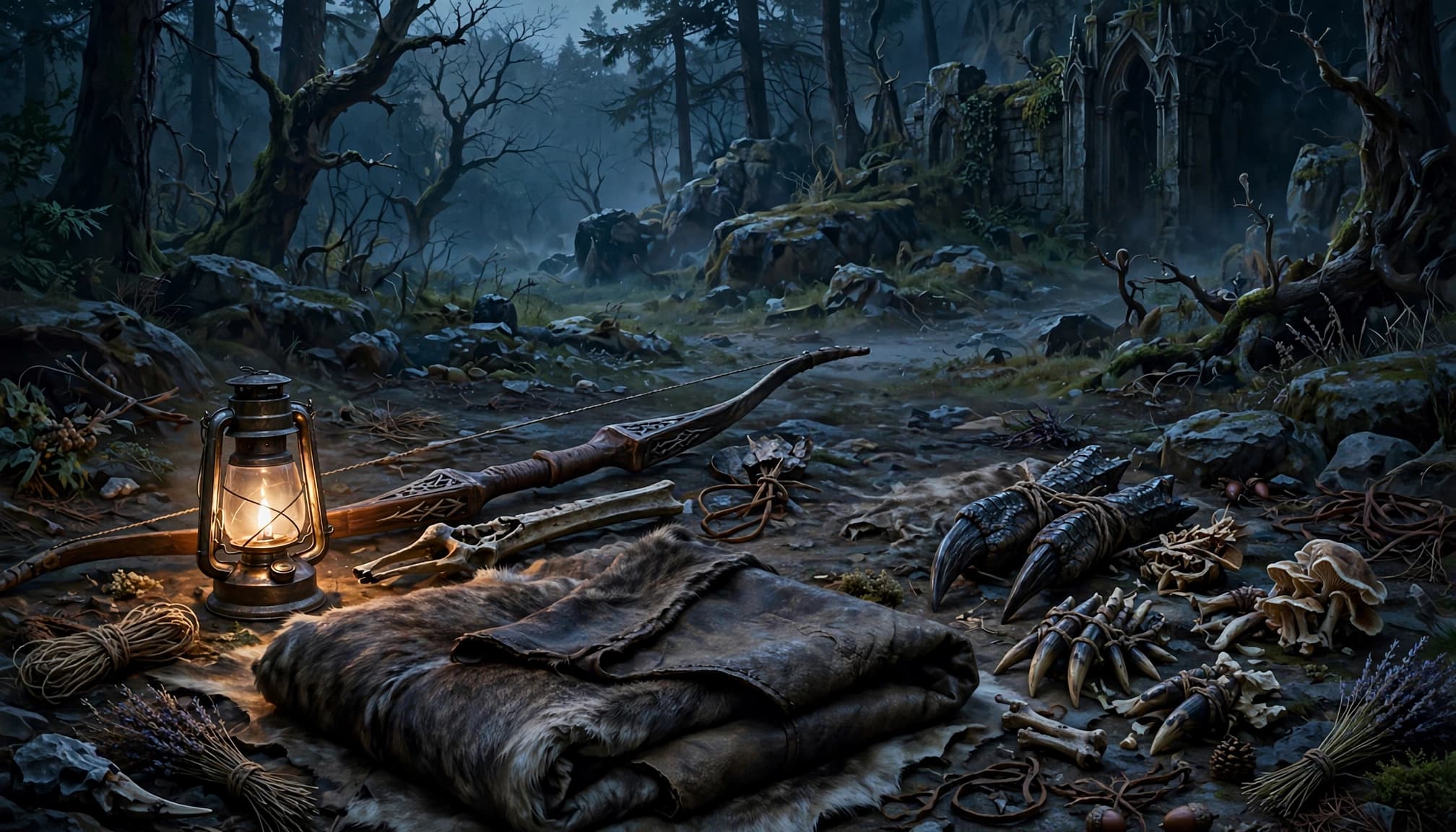
So, when someone searches for “Gothic skinning,” they may want to know which skill unlocks a hide or how to harvest a creature after a kill. That is a gameplay question. A character skin, by contrast, changes how a character looks and does not refer to the hunting system.
Why the phrase can point to more than one game
The confusion comes from how players use the word “skin.” In role-playing games, it can mean an animal’s hide as an item. In games with cosmetic add-ons, it usually means an outfit or visual change for a character. Search terms often leave out that distinction, so “Hunting Gothic skin” can lead to both kinds of results.
One likely meaning is hunting and skinning in the Gothic RPG series, especially Gothic 3, where perks unlock animal skins, reptile hides, and other trophies. Another is a search for a Gothic-style cosmetic pack. For example, Mortal Kombat 11 has an officially named Gothic Horror Skin Pack, with character looks for Cetrion, Geras, and Raiden.
However, “Hunting Gothic skin” is not a confirmed official product name. If the search is about animal loot, look for Gothic hunting skills or trophy guides. If it is about character customization, search for the full name of the game or cosmetic pack.
How hunting and skinning work in Gothic II
In Gothic II, defeating a creature doesn’t automatically give you every useful part of its body. Hunting trophies depend on the skills your character has learned, so a dead wolf without the right skill may offer no hide at all. That distinction matters if you’re building a character who plans to hunt for profit or complete Bosper’s apprenticeship quest.
Learn Skinning from Bosper before expecting hides
Bosper, the bowmaker in Khorinis, teaches the basic Skinning skill. Guides for Gothic II list its cost as 5 Learning Points, a figure specific to this game rather than a rule shared by every Gothic title. You can confirm the cost in this Gothic II skill walkthrough.
Once you learn Skinning, qualifying creatures can provide their corresponding hides when you kill them. Without the skill, you can still defeat the animal, but you shouldn’t expect to collect its pelt. Bosper also asks aspiring apprentices to bring him six wolf skins, making the skill useful for both the quest and future sales.
Before spending Learning Points elsewhere, talk to Bosper if you want to develop a hunting-focused character. His training connects the skill, the creatures you hunt, and the hides you can sell. A broader Gothic II walkthrough can help with the surrounding apprenticeship and progression steps.
Know which creatures can provide pelts
The trophy depends on the creature as well as the skill you’ve learned. Sheep and wolves can provide their own skins, while wargs, shadowbeasts, and trolls yield different hides. These items aren’t interchangeable: a wolf skin is a separate trophy from a shadowbeast hide or troll hide, and each comes from its matching creature.
Also, Skinning doesn’t mean you can harvest every useful body part. Teeth, claws, and other trophies belong to distinct hunting skills in Gothic II. A wolf might provide a skin and another trophy, for example, but only if you have the relevant skills. Plan for the material you need, then check with the appropriate trainer before heading into dangerous territory.
This system makes preparation part of hunting. Learning Skinning from Bosper is the first step toward collecting pelts, while other trophies require their own training. Don’t assume that one kill or one hunting skill unlocks every item a creature can drop.
Choose hunting skills that match the trophies you want
Hunting skills are easier to prioritize when you know what your character needs. In Gothic 1 Remake guides, separate abilities cover different materials, including pelts, reptile skins, plates, teeth, claws, and other trophies. Learning every option at once can drain resources before those materials have a use.

Start with the materials that help your character most
If you want to earn money, prioritize skills that let you collect saleable pelts. A character focused on equipment or other crafting needs may get more value from reptile materials, plates, or creature trophies. Your best first skill depends on what you plan to do with the materials, not on how many hunting abilities you can unlock.
Before spending, check which creatures you expect to hunt and what their drops can provide. Then choose a skill that supports that plan and fits your character’s current needs. For example, a player seeking steady income can focus on hides, while someone preparing for a specific crafting requirement can save points for the relevant trophy skill.
You also don’t need to learn every skill early. Training costs may include both learning points and Ore, so spreading resources across abilities can delay other upgrades. Pick one useful target, then add more hunting skills when you have a clear reason.
Check trainers and skill names in your version
Gothic 1 Remake guides associate Drax and Aidan with core hunting skills, including abilities for teeth, fur, claws, and reptile materials. Cavalorn also appears in hunting-related trainer lists, though guides differ on the skills he teaches. The Gothic 1 Remake hunting skill list can help you compare listed abilities and trainers before you travel.
Names aren’t always consistent across guides. One may call an ability “Take Fur,” while another uses “Extract Fur” or describes the material as a pelt. Reptile skills may refer to skin or scutes, and some lists separate monster-specific trophies such as plates or organs. Check the exact skill description in your game before spending Ore or learning points.
Trainer access and skill names can also differ by game and version. The trainer locations and categories above refer to Gothic 1 Remake guides, not every Gothic title. Confirm that a guide matches your version, then check with the trainer in-game to see which skills are actually available.
Turn each hide into part of a darker adventure
Hunting in Gothic fits the mood because the wilderness feels dangerous, not arranged for your convenience. A hide can mean useful coin or materials, but reaching the creature may cost more than the trophy is worth. The game doesn’t assign a fixed moral meaning to every kill; your choices come from how you manage risk, resources, and survival.

Read the world before chasing a trophy
A low-level character can run into trouble when a hunt leads far from safety or into territory with stronger beasts. Before attacking, watch how the creature moves and whether other enemies are nearby. If you can’t handle the first threat without losing most of your health, pushing farther into its territory is a poor trade.
Bring healing supplies and keep an escape route in mind. In Gothic 3, walkthrough advice stresses dealing with beasts before they close in, while Gothic II guides recommend preparing before major hunts. The Gothic 2 tips and tricks guide also connects hunting skills with the practical work of collecting useful trophies.
Remote areas can make a simple hunt feel like a survival decision. You may need to spend healing items, risk a long return trip, or abandon the hunt if another threat appears. If a target is too dangerous, mark the location mentally and come back after gaining strength or better equipment. There is no benefit in turning one hide into a costly defeat.
Use trophies for coin, supplies, and character growth
Skins and other creature parts can support your character, but their purpose depends on the game and the hunting skill you’ve learned. A trophy might be worth selling, useful for a recipe or crafting requirement, or tied to a quest. Some materials may have no immediate use for your build, so don’t assume every hide deserves a dangerous detour.
Before committing to a hunt, check what the material can do and compare that value with the risk. If you need money, a manageable animal may be a better choice than a powerful beast whose hide sells for more. Likewise, save specialized parts when you know they support a skill, quest, or crafting plan you actually want to pursue.
That choice gives the hunting loop its role-playing weight. You decide whether to spend supplies now for a possible reward, return later with better preparation, or keep moving. The wilderness supplies no guarantee that every kill has a special story or quest attached. Instead, each trophy earns its place through what it helps you do next.
Do not confuse Gothic hunting with the Mortal Kombat skin pack
The phrase “Gothic skin” can point to two unrelated things. In the Gothic RPGs, hunting and skinning refer to collecting creature hides and trophies. The Gothic Horror Skin Pack is Mortal Kombat 11 DLC, and it has no connection to hunting mechanics or cosmetic content for the Gothic games.
The Gothic Horror Skin Pack belongs to Mortal Kombat 11
The pack changes the appearance of three fighters: Goddess of the Damned Cetrion, Kronika’s Monster Geras, and Impaler Raiden. Here, “Gothic” describes the pack’s dark horror theme, while “skin” means a character’s visual look. It doesn’t teach a hunting skill or add animal hides to a role-playing game.
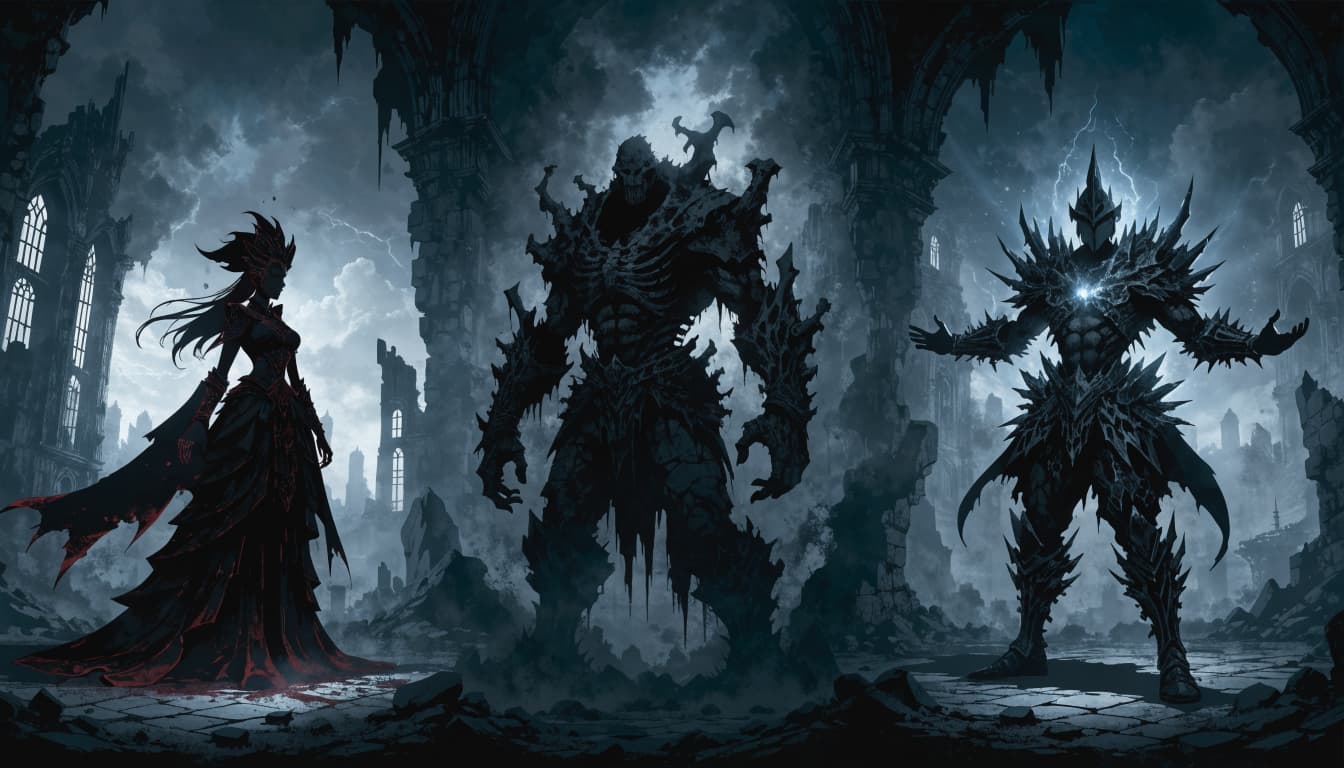
If you found the pack while searching for ways to skin animals in Gothic, you’ve landed on a separate game’s cosmetic add-on. The distinction is simple: Gothic hunting produces in-game materials, while this Mortal Kombat 11 pack changes how Cetrion, Geras, and Raiden look. The Xbox listing for the Gothic Horror Skin Pack names all three character skins.
Check the store and bundle details before purchasing
The add-on has listings for Xbox and PlayStation. Before you buy, check the PlayStation Store listing or the store page for your own platform. Availability, supported versions, and access can differ by platform and region, so confirm the listing matches your copy of the game.
Also check whether you already own the content through a bundle. The Xbox store says the pack is included in the Kombat Pack; the PlayStation listing also identifies it as included. If you own either bundle, review your add-on library before paying again. Store pages can change, so verify the current listing and your account’s ownership status at checkout.
Conclusion
The phrase “hunting Gothic skin” can mean two different things. In Gothic II, it refers to learning to collect hides and trophies from creatures. The Gothic Horror Skin Pack is separate Mortal Kombat 11 cosmetic DLC.
Check which game you mean before searching for instructions or add-ons. For creature hides, learn the hunting skill you need; for character cosmetics, verify the correct store listing. The distinction turns an ambiguous search into a clear next step.
Save pin for later

- 10 Cover-Up Tattoo Styles for Faded or Unwanted Ink - September 26, 2026
- Rose Tattoo Meaning for Women: Symbolism, Colors, and Design Choices - September 26, 2026
- Hunting Gothic Skin: What the Search Term Can Mean - September 25, 2026
Leave a Reply