
How to Manage Tattoo Pain: Tips Before and During a Session
Tattoo pain is real, but preparation and a clear plan can make it more manageable. Arriving rested and well-fed gives you a steadier start, while simple coping tools and communication with your artist can help during the session.
Numbing products need care, since they can affect your skin and may not suit every tattoo or artist. Afterward, gentle care supports healing, so start with the practical steps to take before your appointment.
Watch a tattoo artist discuss managing pain during a session.
How to manage tattoo pain like a pro before your appointment
Preparation won’t prevent tattoo pain, but it can help you feel more comfortable and steady during a long session. A little planning also gives you and your artist a chance to address concerns before the needle starts.
Give your body a better start
Try to get a good night’s sleep, and eat a meal before your appointment. Going in tired or hungry can make it harder to stay comfortable, especially during a longer session. Drink water as you normally would, and ask the studio whether you can bring a bottle and a simple snack.
Choose comfortable clothing that gives your artist easy access to the tattoo area without leaving you cold or awkwardly positioned. Most importantly, arrive sober. Mayo Clinic’s tattoo safety guidance advises against getting tattooed after drinking alcohol or using drugs.
If you take prescription medication, don’t stop or change it on your own. Tell your artist about relevant medications and health conditions, and ask your clinician if you have questions about how a treatment may affect your appointment.

Plan the session with your tattoo artist
Before work begins, talk through the design, placement, and expected session length. Pain varies from person to person, and the same tattoo can feel different depending on its location. Instead of relying on a fixed online pain ranking, ask your artist what people commonly experience in the area you chose and how they structure longer appointments.
Also share anything that could affect your comfort or safety, including health conditions, allergies, past fainting, or strong anxiety. Your artist can explain what to expect and discuss practical adjustments. If you’ve had a reaction to tattoo ink or products used on your skin, mention it before the session.
Agree on a simple signal for a break, such as raising your hand. That way, you won’t need to interrupt the session verbally if you feel overwhelmed. You can also ask when breaks are possible and whether the studio permits water or a snack during the appointment.
Use simple coping tools while the tattoo is being done
Small adjustments can make a tattoo session easier to manage, even though they won’t remove the pain. Try a few simple techniques, and tell your artist early if you feel faint, sick, overwhelmed, or need to pause.

Breathe slowly and release tension
When the needle starts, breathe gently rather than holding your breath. Let your exhale last a little longer than your inhale, then repeat at a comfortable pace. You might breathe in for a count of two and out for three or four. If counting feels distracting, simply make each exhale slow and easy.
Every so often, check whether you’re bracing against the pain. Your jaw may be clenched, your shoulders raised, or your hands and legs held tight. Let those muscles loosen where you can, while keeping the tattooed area still. Relaxing doesn’t mean forcing your body into a position that hurts; ask your artist to adjust your support or posture if needed.
These methods help some people stay calmer and cope with discomfort, but they aren’t a test of willpower. If you feel dizzy or unwell, breathing exercises aren’t a substitute for stopping and asking for help.
Make breaks and distraction part of the plan
Before the session, agree with your artist on how to ask for a break. You can listen to music or a podcast if the studio allows it, focus on a fixed point, or chat when your artist is comfortable talking. Choose something that holds your attention without making you turn, reach, or move the tattooed area.
A pause is a sensible way to manage fatigue, not a sign that you’ve failed. Long sessions can wear you down, so ask for a short break when you need water, a stretch, or a moment to reset. Most importantly, stay still while the artist is working. Wait until the needle is away and your artist says it’s safe to move.
If nausea, lightheadedness, or panic starts, tell your artist right away rather than trying to push through. They can stop and help you settle before deciding whether to continue. A clear signal and planned breaks make it easier to speak up when you need them.
Choose pain relief carefully, especially numbing creams
Pain relief products can affect your skin and the tattooing process, so don’t apply one without asking your tattoo artist and a health professional first. A product labeled for tattoos isn’t automatically safe for every person or situation.
Ask before using a topical anesthetic
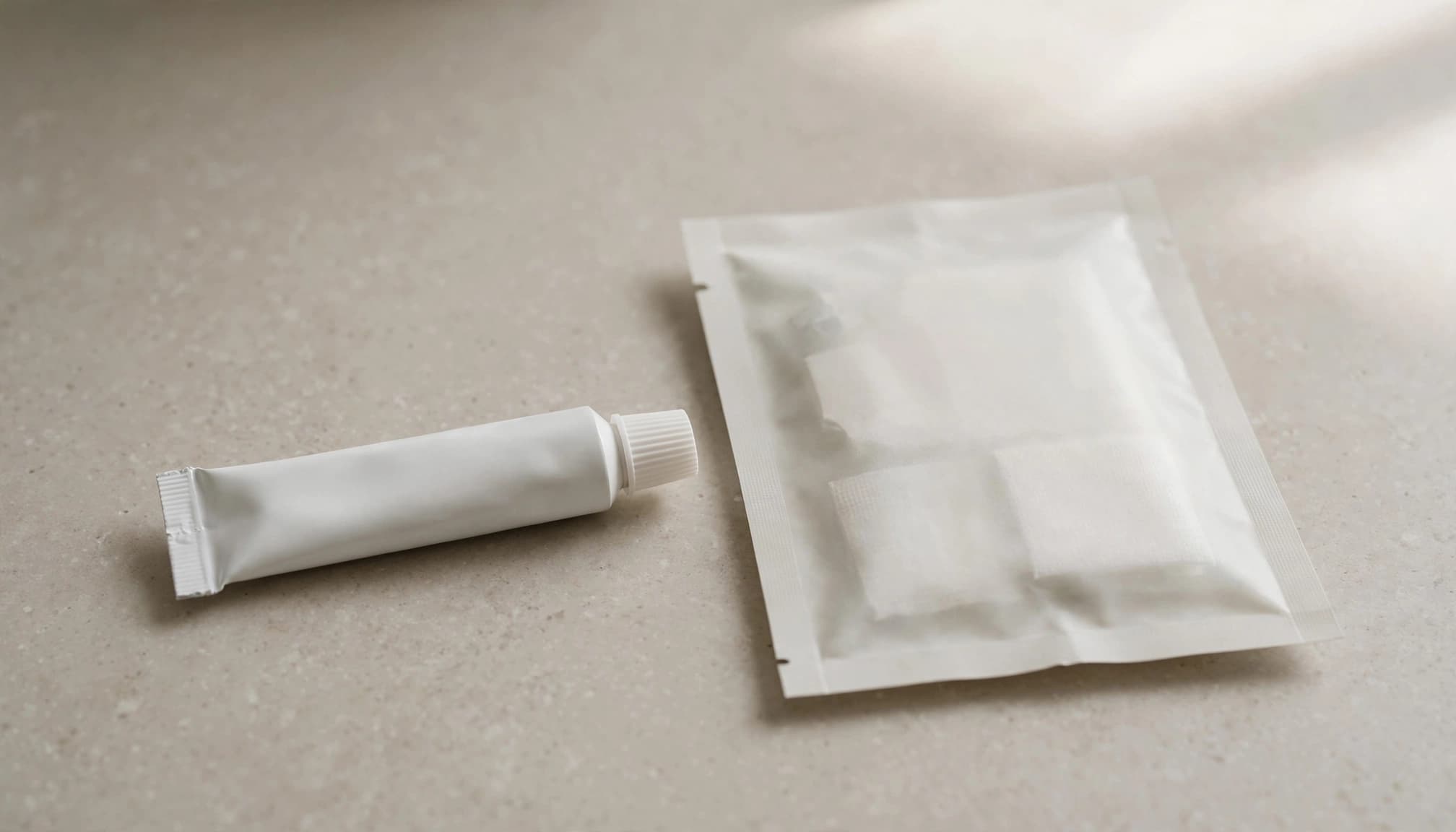
Numbing creams and sprays contain different active ingredients and strengths. They can also affect how your skin feels or responds during tattooing, so your artist may have a preference about whether to use them. Ask before your appointment, then check the ingredient and strength on the label. Follow the directions exactly, and don’t assume that a product marketed for tattooing is risk-free.
The FDA warns against certain high-strength lidocaine products and unsafe use. Applying too much, using a product on a large area or on irritated or broken skin, or covering it with plastic wrap can increase absorption. Serious reactions can include seizures, heart rhythm problems, and breathing trouble. If you aren’t sure whether a product is appropriate, ask a health professional rather than guessing.
Be cautious with pain medicine and alcohol
Don’t take medication just to get through a tattoo session without checking whether it’s safe for you. Your health conditions and other medicines matter, and some pain relievers may increase bleeding. Aspirin and ibuprofen aren’t universal solutions, so ask a clinician or pharmacist about your situation instead of taking them by default. Don’t stop or change a prescribed medication without medical advice.
Alcohol isn’t a pain-management strategy. Avoid drinking before or during your appointment, since being impaired can affect your judgment and make it harder to communicate with your artist. Afterward, follow the studio’s written aftercare instructions; many recommend avoiding alcohol for 24 hours. For medication questions, a clinician can help you weigh personal risks that a general tattoo tip can’t address.
Manage discomfort by pacing the session and knowing your limits
Tattoo discomfort can shift as the appointment goes on. Your skin sensitivity and personal pain tolerance matter, but so do the design’s size, its placement, and how long you stay in one position. Rather than rely on a fixed body-area pain scale, ask your artist what to expect for your specific design and agree on a pace that feels manageable.
Expect pain to vary from one person and placement to another
Even people getting similar tattoos may describe the sensation differently. A small design may take less time, while a larger or detailed piece can require a longer appointment, which may bring more fatigue and make discomfort harder to manage.
Placement also affects the experience, but no body area hurts the same way for everyone. Your artist can explain how the chosen spot may affect positioning and the session plan. Before you begin, discuss the estimated appointment length and ask whether the work can be paced in shorter blocks. That gives you a clearer picture without treating online pain rankings as guarantees.
Know when to pause or reschedule
Speak up if you feel faint, nauseated, shaky, unusually tense, or unable to stay still. Tell your artist as soon as symptoms begin, then pause while they stop working and help you get comfortable. You don’t have to wait until the discomfort becomes severe, and continuing through significant symptoms can make it harder to stay steady.

If a short break doesn’t help, or you still feel unwell, reschedule rather than force yourself to finish. The American Academy of Dermatology’s tattoo reaction guidance identifies dizziness or lightheadedness, trouble breathing, chest tightness, and hives among signs that need prompt medical attention. Those symptoms are different from ordinary discomfort, so seek medical help when they occur.
For a large design, ask your artist whether dividing the work across appointments makes sense. They can consider the design, your comfort, and the time needed for the tattoo. Splitting a session is a practical choice when fatigue builds or you need more time to manage the experience.
Use aftercare to soothe the tattoo as it heals
Aftercare won’t erase the pain you felt during the session, but gentle care can limit avoidable irritation while your skin heals. Follow your artist’s instructions for the initial bandage, since removal timing can vary by dressing and tattoo.
Clean and moisturize without irritating the skin
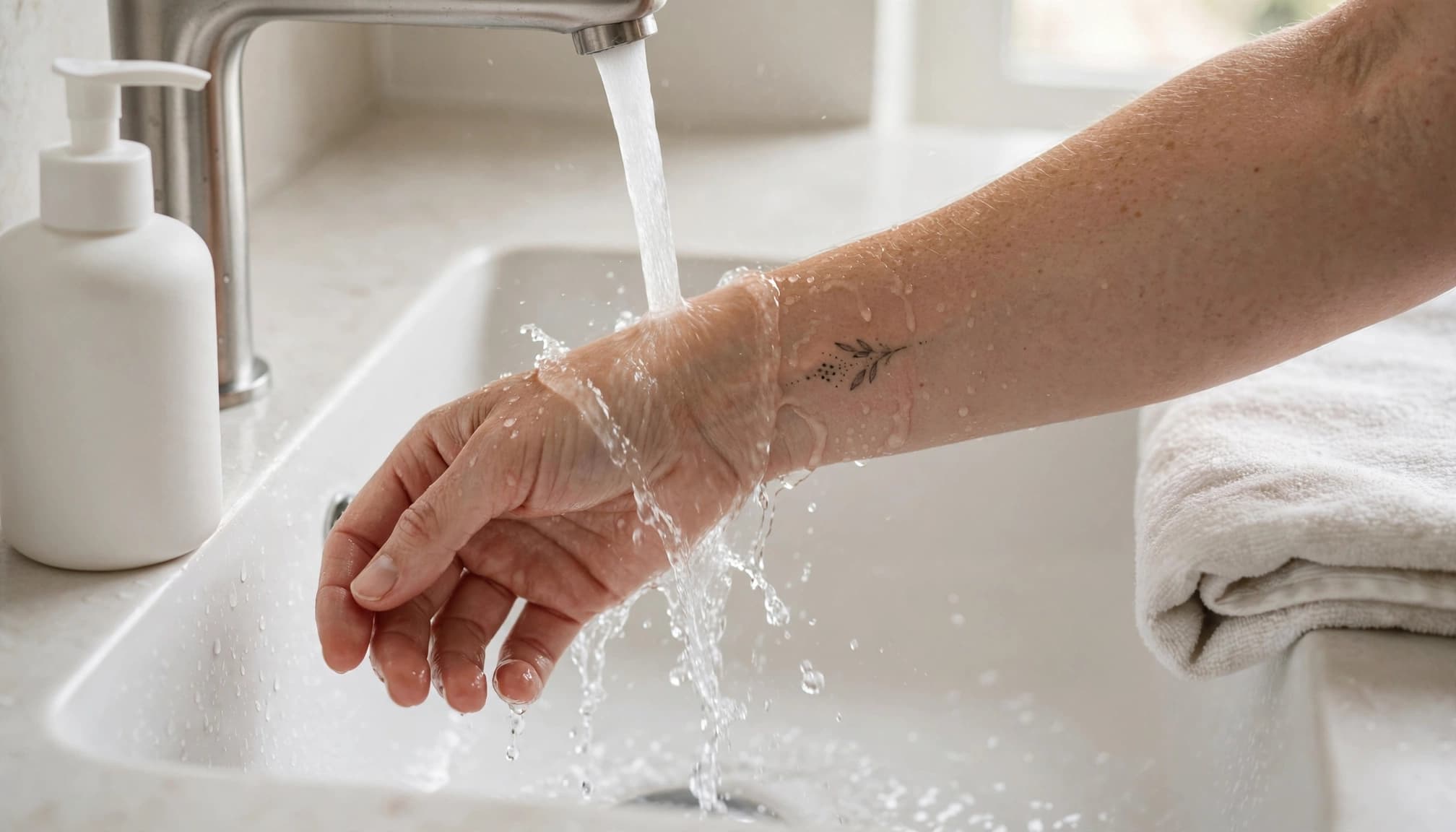
Once your artist says to remove the bandage, wash your hands, then gently clean the tattoo with mild soap and lukewarm water. Don’t scrub or use a rough washcloth. Pat the area dry with a clean towel or paper towel, then apply a light layer of moisturizer recommended by your artist. The American Academy of Dermatology’s tattoo skin-care guidance recommends a water-based lotion or cream if tattooed skin feels dry.
As it heals, avoid scratching, picking scabs, or peeling flaking skin, even if it feels itchy. Those actions can irritate the area and interfere with healing. Wear loose clothing so fabric doesn’t rub against the tattoo or stick to it, and skip any product your artist or clinician has advised against.
Keep the tattoo out of pools, hot tubs, and other standing water until it has healed. Also protect it from direct sun while it’s healing; once healed, use sunscreen when the area is exposed.
Recognize when pain may signal a problem
Some tenderness and mild redness can occur soon after getting tattooed. However, symptoms should gradually settle, not intensify. Increasing pain, spreading redness, warmth, swelling, pus or other drainage, or worsening tenderness can point to infection or another reaction. Contact a health professional for advice rather than trying to diagnose the cause yourself.
Seek prompt medical care if symptoms are severe, continue to worsen, or don’t improve. A reaction that includes hives, significant swelling, or trouble breathing needs urgent attention. The AAD’s guide to tattoo skin reactions describes signs that warrant medical evaluation.
Conclusion
Managing tattoo pain starts before the appointment: get enough rest, eat beforehand, and talk with your artist about the design, session length, and when to take breaks. During the tattoo, slow breathing and a comfortable position can help you cope, while caution with numbing products and careful aftercare can reduce avoidable risks and irritation.
Pain varies from person to person, so there’s no single way to make every session comfortable. If you feel unwell or need a moment, ask your artist to pause. Taking a break is always reasonable, and no tattoo session should depend on pushing through distress.
Save pin for later

- Skull Tattoo Designs for Men That Stay Bold Over Time - September 25, 2026
- 30 Tips to Find Your Perfect Tattoo Style and Artist - September 25, 2026
- Saniderm Healing: Wear Time, Fluid, and Aftercare - September 25, 2026
Leave a Reply