7 Tattoo Ideas for Women on Foot
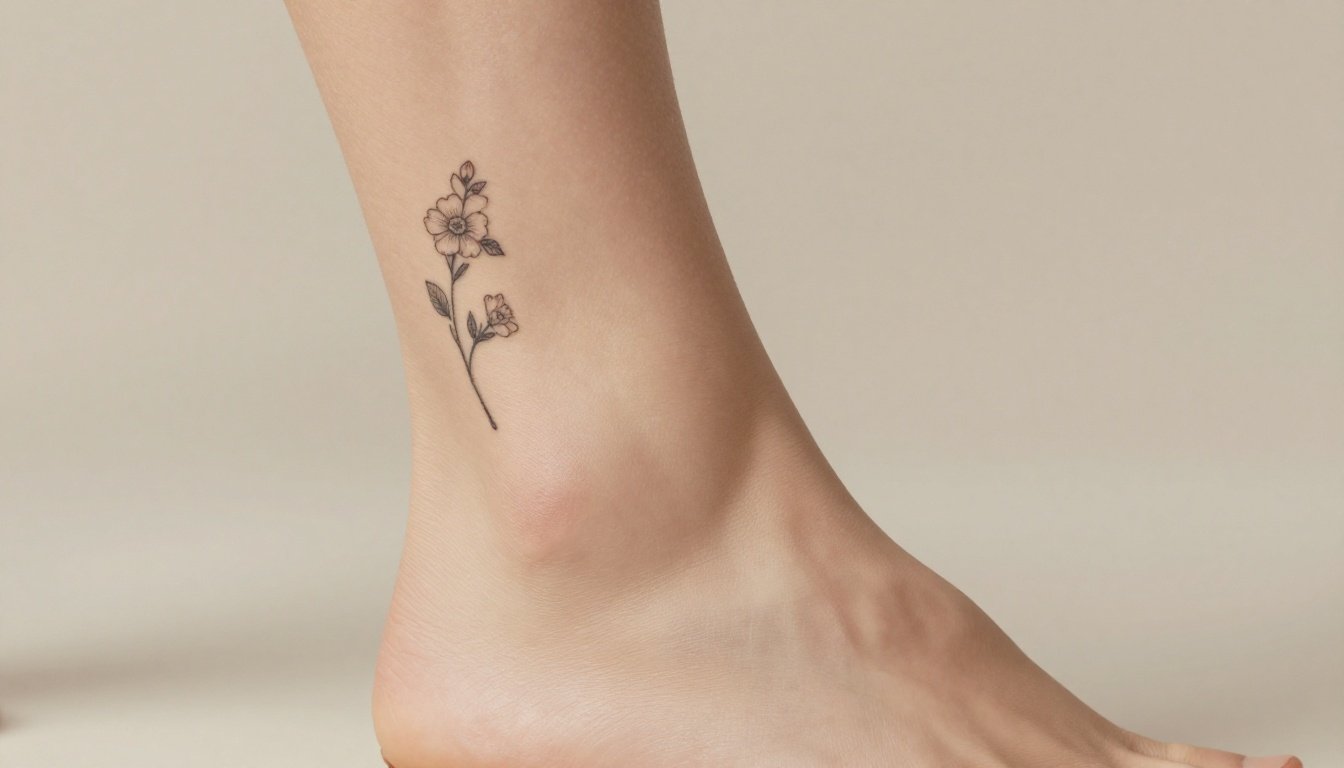
Foot tattoos appeal to many women because they can be small, easy to hide, and highly personal. A delicate flower, meaningful word, or simple symbol can show your style without feeling as visible as a tattoo on your arm or neck.
This guide shares seven tattoo ideas for women on the foot, along with practical advice on placement, pain, fading, cost, and aftercare. Keep in mind that feet face regular friction from shoes, socks, and walking, while sandals can expose the tattoo to sunlight. These factors may affect comfort, healing, and how well the ink holds over time, so choosing the right design and placement matters.
You can expect rough costs of about $100 for a small, simple tattoo to $400 or more for detailed work, while healing may take two to three weeks or longer. Read on to find foot tattoo designs that look attractive at a small scale and fit your lifestyle.
7 Tattoo Ideas for Women on Foot That Feel Personal and Stylish
Foot tattoos work best when the design matches the available space, your lifestyle, and the amount of detail you want. Use these ideas as flexible starting points, then adjust the size, placement, and style with your tattoo artist.
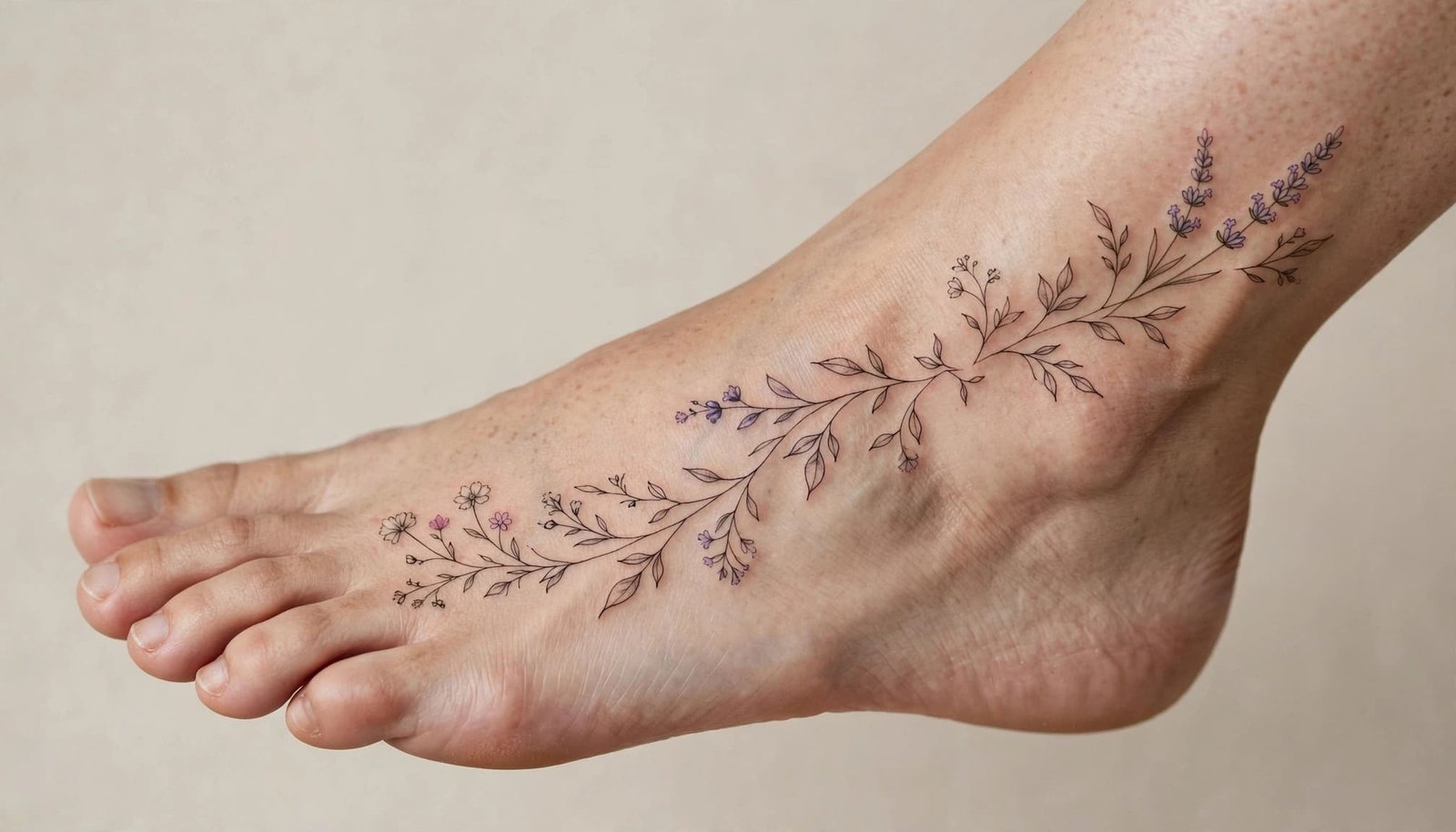
A delicate floral vine across the top of the foot
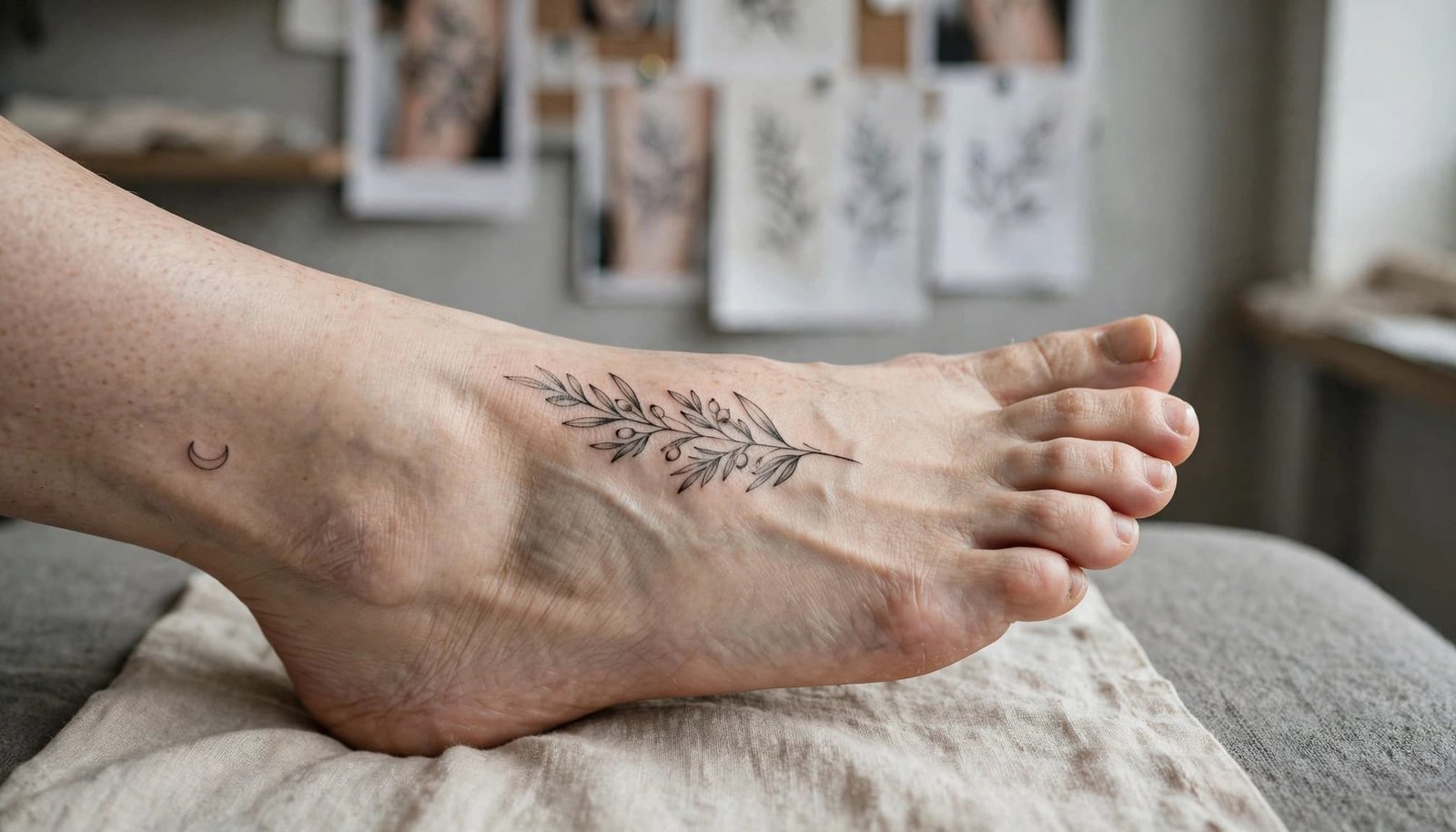
A fine-line vine can follow the foot’s natural shape, with roses, wildflowers, lavender, daisies, or cherry blossoms flowing toward the ankle. Black ink creates a clean, timeless look, while soft pink, lavender, or green gives the design a romantic feel.
Leave enough space between petals and leaves. Crowded fine-line details can blur as the tattoo ages, especially on a high-friction area.
A tiny butterfly or moth near the ankle
A butterfly can suggest growth, freedom, and confidence, while a moth often feels more mysterious and connected to change. Place a small design on the top of the foot for visibility, or beside the ankle bone for a more discreet look.
Keep symmetrical wings simple enough to remain clear. Light shading and a few dots usually age better than dense miniature detail.
A meaningful word or short script tattoo
A name, date, mantra, or personal reminder can fit along the outer foot or near the ankle. However, lettering needs enough height and spacing to stay readable as the skin moves and rubs against socks or shoes.
Check the spelling, font, capitalization, and natural reading direction before your appointment. Longer quotes usually need more room on another body area. For fresh-tattoo care, review published tattoo aftercare research before choosing footwear.
A small initial, heart, or personal symbol
An initial, heart, star, moon, arrow, or meaningful symbol can hold a personal story without taking up much space. It might honor someone you love, mark a goal, recall a memory, or express a belief.
The top or side of the foot gives the design room to breathe. You can also place it near the toes, but extremely tiny work may lose sharpness sooner.
A minimalist sun, moon, or celestial design
A crescent moon, small sun, scattered stars, or short constellation can suggest hope, calm, guidance, or a new beginning. Clean outlines and limited shading help the tattoo stay readable over time.
The top of the foot offers more space than the toes, so it works better for a small constellation. Once healed, protect exposed ink with broad-spectrum SPF 30 or higher because sunlight can fade tattoo color.
A fine-line feather or flowing leaf design
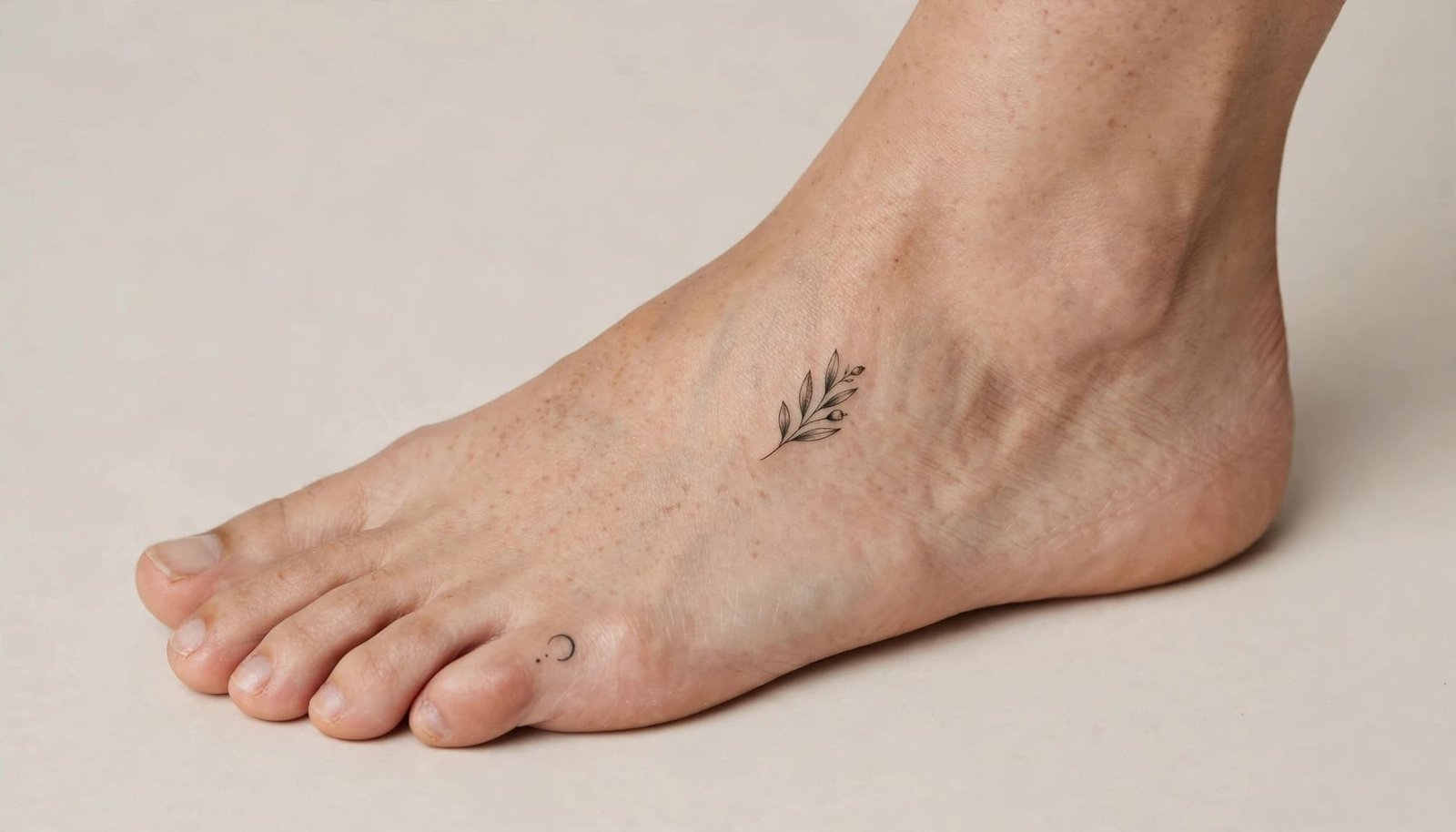
A single feather can suggest freedom, peace, or strength, while a small branch creates a natural trail toward the ankle. Both designs follow the foot’s length and create a graceful, lightweight look.
Avoid packing too many thin lines into a tiny area. As the ink spreads naturally over time, closely grouped lines can merge and make leaves or feather barbs look muddy.
A tiny toe tattoo or simple matching pair
Dots, initials, tiny hearts, stars, or matching symbols on two toes create a playful, understated look. Matching foot tattoos can suit sisters, friends, or couples, but each person can choose a slightly different version.
Toe skin faces constant movement, washing, and friction, so fading is common. Choose simple shapes, expect possible touch-ups, and ask your artist whether the design needs a little extra size.
How to Choose the Best Foot Placement for Your Tattoo
The best foot placement depends on more than appearance. Consider pain, shoe friction, healing time, fading, and whether your work dress code or daily routine requires coverage. If you wear sandals often, walk long distances, or need to hide tattoos at work, placement can affect your choice as much as the design itself.
Top of the foot versus side, ankle, and toes
The top of the foot is usually the most practical canvas. It offers enough room for vines, leaves, butterflies, and other flowing designs, while remaining easy to cover with closed shoes. However, the skin is close to bone, so tattooing may feel sharper than it does on fleshier areas. Swelling and shoe friction can also make healing uncomfortable.
The outer side of the foot suits short script, initials, arrows, and small symbols. It often stays less visible under certain shoes, but the edge can rub against narrow footwear. If you choose this spot, plan to wear loose, breathable shoes during healing. Dermatologist-informed foot tattoo aftercare also recommends limiting friction while the skin recovers.
The heel and ankle-bone area can frame a floral tattoo beautifully, especially when petals curve around the ankle. Still, shoe collars and sandal straps may press directly against the design. That pressure can increase irritation during healing and contribute to uneven fading later.
Toe tattoos are small and discreet, making them a good choice when you want a subtle detail. Their skin moves constantly and faces washing, socks, and footwear, so ink may wear unevenly. Simple dots, tiny hearts, or basic initials usually work better than detailed artwork.
The sole is usually a poor choice for a lasting tattoo. Heavy friction, body pressure, thick skin, and constant contact with the ground make ink retention unreliable. The design may fade quickly or heal unevenly, even with careful aftercare.
Match the design size to the amount of detail
Every tattoo needs enough room for its lines, letters, and negative space. Larger designs work better for multi-petal flowers, script, and detailed animals because the elements remain separate as the tattoo ages. Tiny placements should stay with basic symbols and uncomplicated outlines.
Ask your artist to prepare a stencil before the appointment. View it while standing, walking, and wearing your usual shoes. This check shows whether the design bends awkwardly, disappears under a strap, or sits where your workplace requires coverage. It also helps you catch sizing problems before the needle touches your skin.
What Foot Tattoos Feel Like, How They Heal, and Why They Fade
Foot tattoos can look delicate, but the experience often feels more intense than expected. Thin skin, nearby bone, constant movement, and daily contact with shoes all affect pain, healing, and how long the design stays sharp.
Pain and swelling during and after the appointment
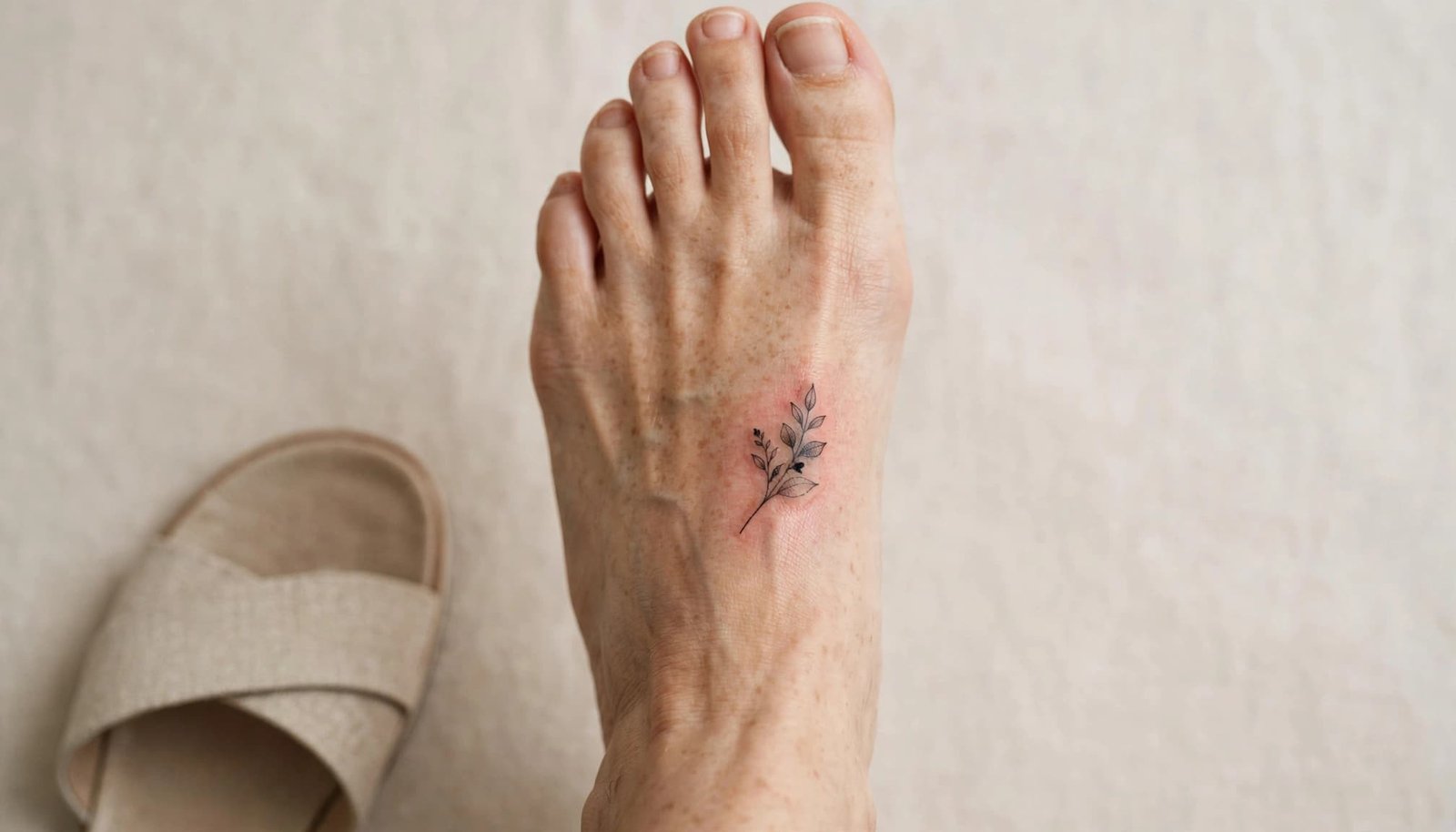
Foot tattoos often hurt more than tattoos on areas with extra padding, such as the outer thigh or upper arm. The top of the foot sits close to bone, so the needle may feel sharp, hot, or intensely irritating. Still, pain varies from person to person, and the tattoo’s size, line weight, and placement also matter.
Swelling, tenderness, mild redness, and clear fluid are common during the first day or two. Elevating your foot during the first 48 hours may help reduce swelling. Follow your artist’s bandage and cleaning instructions rather than comparing your experience with someone else’s. Different artists use different coverings, and your skin may respond differently.
Normal irritation should gradually improve. However, contact a doctor or board-certified dermatologist if redness spreads or darkens, pain worsens, swelling becomes intense, or you notice pus, open sores, fever, or chills. The American Academy of Dermatology’s tattoo reaction guidance explains these warning signs in more detail.
Healing around socks, shoes, and daily movement
Pressure and rubbing can irritate fresh ink, pull away flakes before the skin is ready, and delay healing. Walking also stretches the skin, while foot washing and sweat add more contact during the early days.
If possible, schedule the appointment when you can wear loose footwear or open shoes. Avoid tight socks, snug sneakers, and closed shoes that rub directly against the design. You should also skip workouts that create heavy sweat or repeated friction until your artist says the tattoo has healed enough.
Exact bandage removal, washing, moisturizing, and footwear instructions should come from your tattoo artist. Their advice depends on the tattoo’s size, placement, ink coverage, and dressing method.
Why foot tattoos often need touch-ups
Foot tattoos face more wear than many tattoos on the forearm or back. Shoes and socks create friction, sunlight fades exposed ink, and regular washing removes surface skin as your body naturally renews it. Constant foot movement can also affect fine lines over time.
Black ink may remain readable longer than pale colors or ultra-fine lines, but every design can soften or fade. A small toe tattoo may need more maintenance than a simple black symbol on the top of the foot.
Touch-ups are a normal possibility, not proof that your artist failed. Wait until the tattoo has fully healed, then ask your artist to assess any patchy areas before adding more ink. You can learn more about possible complications through the Cleveland Clinic’s tattoo infection guide.
Smart Preparation and Aftercare for a Fresh Foot Tattoo
A foot tattoo needs more planning than a design on a less active area. Walking, footwear, sweat, sunlight, and water exposure can all affect healing. Your tattoo artist’s instructions should take priority, especially because care depends on the bandage, ink coverage, and placement.
Plan clothing, footwear, and your schedule before the appointment
Choose an appointment time when you can limit walking for at least the first day or two. A busy travel day, beach trip, long work shift, or intense workout can create too much rubbing, sweat, pressure, or water exposure for fresh ink.
Before you leave, ask your artist whether a protective film such as Saniderm is suitable for your tattoo. Don’t apply or remove a product against their instructions. Different bandages have different wear times, and the wrong approach can trap moisture or irritate your skin.
Wear clean, loose footwear that doesn’t press against the tattoo. Soft sandals may work if they don’t expose the area to dirt or direct sun, while roomy, breathable shoes can provide gentle protection. Avoid tight sneakers, restrictive socks, narrow straps, and anything that rubs the design.
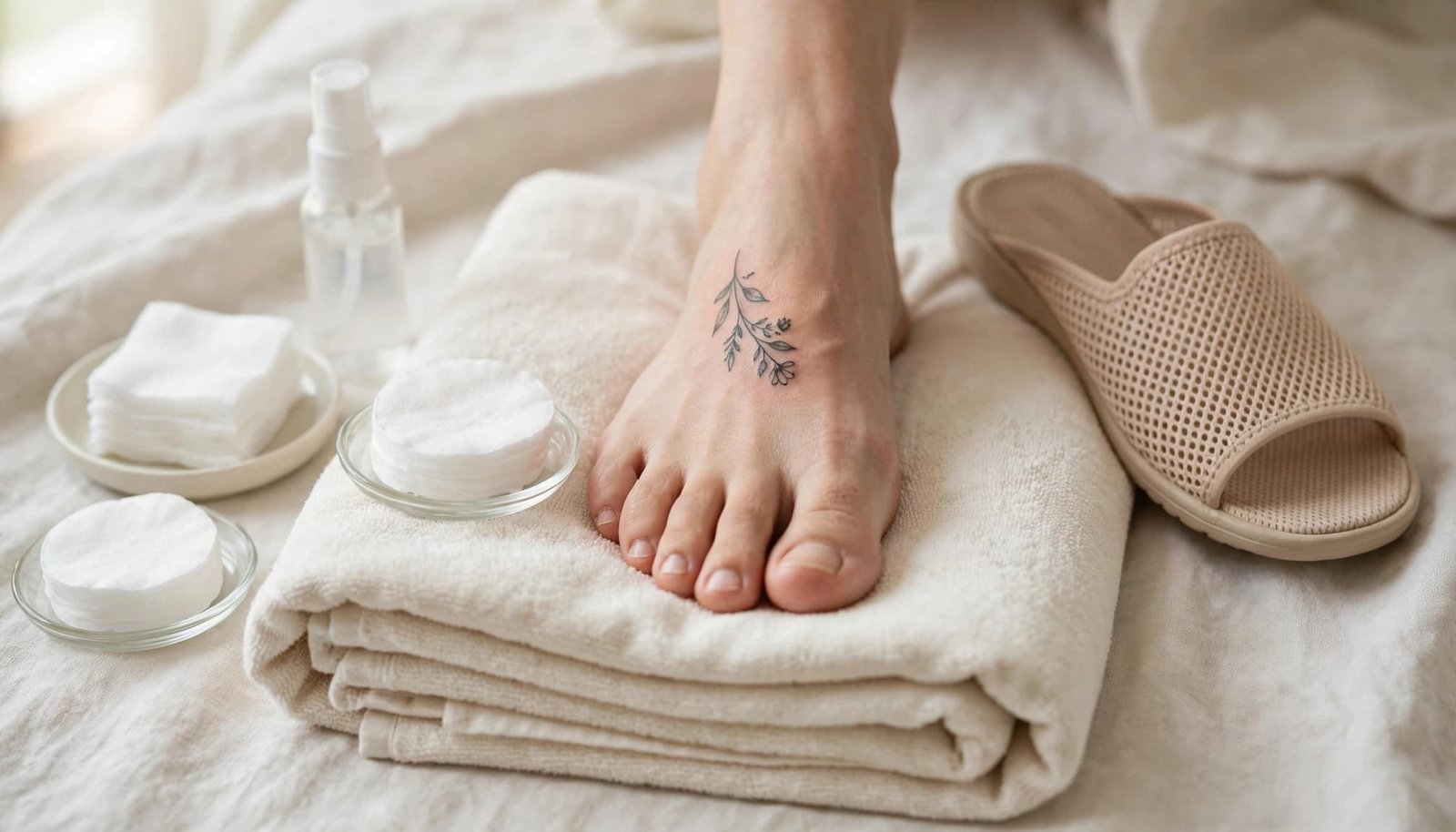
Keep the tattoo clean, moisturized, and protected
Once your artist says it’s time to remove the covering, wash your hands first. Then gently clean the tattoo with warm water and mild, fragrance-free soap, usually about twice a day or as directed. Pat the area dry with a clean paper towel or soft cloth. Rubbing can irritate the skin and pull at flakes.
When the tattoo feels dry, apply a thin layer of the simple, fragrance-free or water-based moisturizer your artist recommends. Too much product can leave the area overly damp. Avoid scrubbing, exfoliating, scratching, picking scabs, or peeling flakes, even when itching becomes annoying. The American Academy of Dermatology advises using water-based products and avoiding petroleum jelly, which may contribute to fading. Read the AAD’s tattoo skin-care guidance.
Keep the tattoo out of pools, baths, lakes, oceans, and hot tubs until it has fully healed. A shower is usually safer because it limits soaking, but follow your artist’s specific instructions.
After healing, protect exposed ink with shade, clothing, and broad-spectrum, water-resistant sunscreen rated SPF 30 or higher. Don’t put sunscreen on an open, peeling, or unhealed tattoo.
Know when healing looks unusual
Mild redness, tenderness, swelling, clear fluid, flaking, and itching can occur during normal healing. These symptoms should gradually improve rather than become stronger.
Contact a health professional if redness spreads, pain worsens, swelling becomes severe, or the area feels increasingly hot. Pus, fever, red streaks, a strong rash, or skin changes that concern you also need prompt attention. A dermatologist can assess unusual reactions, while infection concerns should never be ignored. Review tattoo infection warning signs if you’re unsure what you’re seeing.
How to Choose a Tattoo Artist and Budget for the Result
Choosing an artist involves more than finding a design you like on social media. For a foot tattoo, review healed work, ask direct safety questions, confirm the stencil placement, and set a realistic budget before booking.
Look for healed foot tattoo examples, not only fresh photos
Fresh tattoos often look darker, sharper, and more polished than they will after healing. Ask to see healed foot tattoos photographed several months or years after the appointment. This shows how the artist’s lines, spacing, shading, and color actually hold up.
Look for clean outlines, readable lettering, balanced negative space, and designs that still follow the natural shape of the foot. Fine-line experience is helpful, but it doesn’t always mean the artist regularly works on high-friction placements. Feet face constant movement, socks, shoes, washing, and sunlight, so placement-specific experience matters.
Ask how often the artist tattoos feet and whether they offer touch-ups for patchy healing or early fading. Find out whether touch-ups are included, limited to a certain period, or charged separately. A clear policy helps you plan for the tattoo’s long-term care.
Ask about hygiene, design changes, and total cost
Before booking, confirm that the studio follows local licensing and health requirements. Ask whether the artist uses new disposable needles, opens sterile packages in front of you, and places used sharps in an approved container. You can also ask what equipment gets sterilized in an autoclave and whether the studio maintains sterilization records. For additional context, the FDA’s tattoo ink safety information explains that tattoo pigments aren’t approved for injection into the skin.
Useful consultation questions include:
- Which license covers the artist and studio?
- What bandage, healing timeline, and footwear restrictions do you recommend?
- How do you handle ink, rinse cups, gloves, and reusable equipment?
- How much experience do you have with healed foot and fine-line tattoos?
- What happens if I need a touch-up?
Price depends on the tattoo’s size, detail, color, placement, artist demand, and shop minimum. Ask for the total estimate, deposit terms, and touch-up cost before you commit. You can also use this beginner’s guide to creating a budget to set aside the tattoo money without cutting into essential expenses.
A lower quote shouldn’t outweigh clean practices, strong healed-work evidence, and clear aftercare guidance. Before any needlework begins, stand up and inspect the final stencil with your usual shoes. Check its size, direction, spacing, and visibility, then request changes while adjustments are still simple.
Conclusion
The best tattoo ideas for women on the foot balance personal meaning with practical placement. Floral vines, butterflies, script, small symbols, celestial shapes, leaves, and toe accents can all look beautiful, but the right choice depends on your style, shoe habits, and comfort with regular aftercare. A design that fits your daily life will feel better long after the appointment.
Before booking, choose an experienced artist who follows strong hygiene practices and has healed foot tattoos in their portfolio. Expect some pain, swelling, and possible fading because foot skin faces movement, friction, washing, and sunlight. After the tattoo heals, protect it from UV light and rubbing, and remember that touch-ups are a normal part of maintaining foot ink. If you need time to prepare for the cost, you can save for a tattoo without using credit. The strongest design is one that looks personal and remains realistic for the way you live.
Save the pin for later


- 16 Cute Tattoo Ideas for Women on the Stomach - September 19, 2026
- 20 Beautiful Tattoo Ideas for a Daughter That Feel Personal - September 19, 2026
- 18 Tattoo Ideas for Passed Loved Ones That Feel Personal - September 18, 2026
Leave a Reply