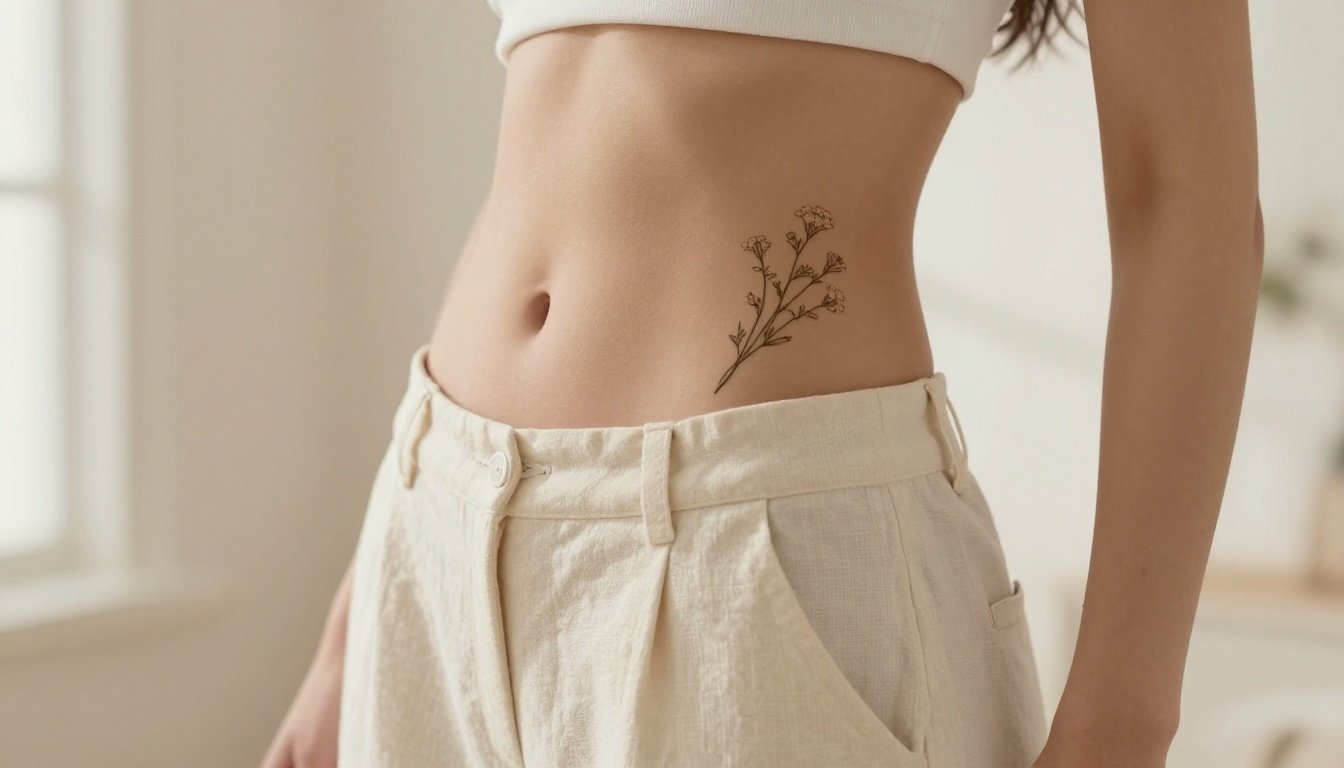
16 Cute Tattoo Ideas for Women on the Stomach
Stomach tattoos have a soft, feminine appeal while giving you the privacy to show or cover your ink whenever you choose. The area also offers enough space for everything from a tiny fine-line symbol near the hip to a bold design that follows the curve of your waist.
This collection of 16 cute tattoo ideas for women on the stomach includes delicate flowers, celestial details, meaningful script, playful animals, and statement pieces. Before choosing a design, think about where it will sit, how large it should be, and how its shape will work with your body. Pain varies from person to person and can depend on the exact placement, so your comfort matters as much as the look.
You’ll also want to plan for healing, waistbands and clothing friction, daily movement, and possible future skin changes from pregnancy, weight changes, aging, or scarring. Choose a licensed tattoo artist who follows strong hygiene practices, then follow their aftercare instructions carefully. Start with these ideas to find a stomach tattoo that feels personal, comfortable, and right for you.
16 Cute Tattoo Ideas for Women on the Stomach
The stomach gives you room to choose a private, delicate tattoo with a shape that follows your body. For an age-friendly result, keep the design clear, choose a suitable size, and work with an artist who understands how fine lines heal.
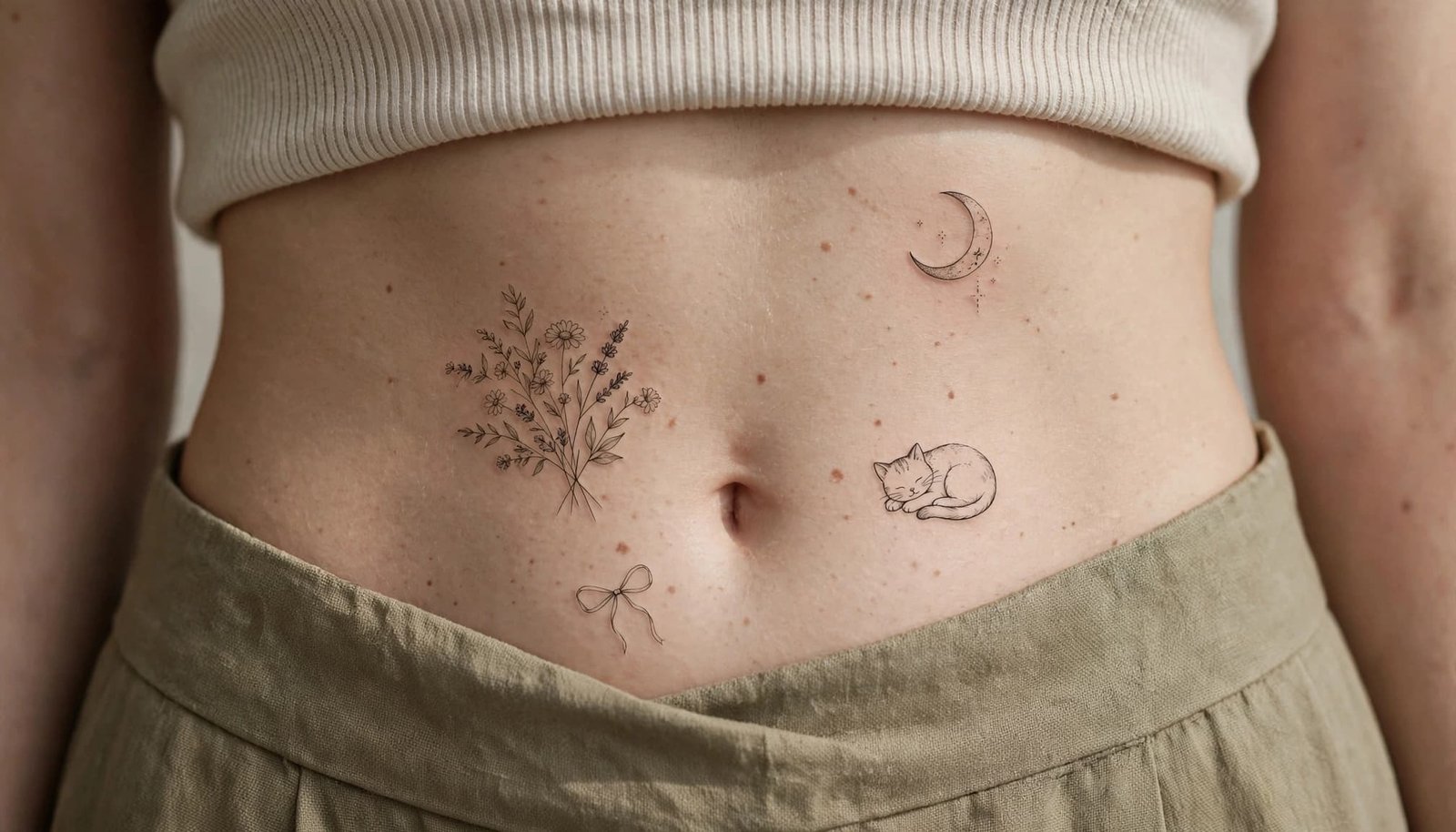
Delicate Flowers and Nature-Inspired Stomach Tattoos
Nature-inspired designs bring softness and personal meaning to stomach tattoos. Their curved stems also make it easier to follow the natural shape of your waist.
- A small wildflower bouquet below the navel can symbolize growth, resilience, and a season of change. Keep it around 3 to 4 inches wide, with a few open blooms and simple stems instead of dense shading.
- A fine-line sunflower near the hip creates a cheerful, confident look. Its face can point inward toward the navel or outward toward the hip. Black ink keeps it timeless, while muted yellow adds warmth.
- A leafy vine curving along one side of the stomach can follow the waist from the lower belly toward the ribs. This design often feels graceful and natural, with the vine symbolizing steady growth and flexibility.
- A tiny butterfly resting among flowers works well below the navel or slightly off-center. It can suggest freedom, transformation, or a fresh beginning. Leave enough space between the butterfly and flower petals so the details remain readable.
Fine details need breathing room. A tattoo that is too small may lose thin lines as the skin changes, so ask your artist to adjust the size before finalizing the stencil.
Cute Celestial Designs for a Soft, Dreamy Look
Celestial tattoos suit anyone who wants a gentle design with personal symbolism. They can look polished in fine black ink, soft color, or black ink with a few tiny white highlights.
- A crescent moon with tiny stars looks lovely at the center of the lower stomach or just below the navel. The moon can suggest calm, intuition, and personal change. Keep the stars limited so the design doesn’t become a blurry cluster.
- A sun and moon pairing can sit across the lower belly or above the navel. Their contrast suggests balance between different sides of your personality. Simple black outlines age more predictably than highly saturated color.
- A small constellation works well near the hip or along the side of the stomach. Choose a meaningful star pattern rather than adding too many dots. Fine black lines create a clean look, while tiny white highlights may soften the design at first.
- A small cloud with a star or raindrop feels playful without looking childish. Place it on the lower belly for a centered design or near the side for a more casual finish. The cloud can symbolize hope after a difficult period.
Color and very small highlights may fade at different rates. Follow your artist’s aftercare advice, and review FDA tattoo safety guidance if you notice unusual redness, bumps, or delayed healing.
Playful Animals and Tiny Character Tattoos
Animal tattoos add personality while still fitting a cute, minimalist style. They work especially well on the lower belly, near the hip, or slightly off-center.
- A curled cat can sit below the navel with its tail forming a soft circle. Rounded ears, closed eyes, and a tiny bow create charm without crowding the design. A 2- to 3-inch outline usually gives the face enough room.
- A tiny frog near the hip can have simple dot eyes and a rounded body. Add one small flower beside it for a cheerful detail, but skip extra background elements that may compete with its shape.
- A delicate bird along the side of the stomach can suggest freedom and movement. A few clean lines can define its wings, while a muted blue or dusty pink accent adds color without overpowering the design.
- A small fox or bunny works well on the lower belly, especially with a rounded face and one flower accent. Keep the facial features simple and choose an artist who regularly creates clean linework and expressive small tattoos.
Meaningful Minimalist Symbols and Feminine Details
Minimalist symbols can hold private meaning without requiring a large tattoo. Centered designs feel polished, while off-center placements look more relaxed and personal.
- A tiny heart with a ribbon beneath the navel can honor love, family, or self-worth. Keep the ribbon short and curved so it follows the stomach instead of creating harsh horizontal lines.
- A fine-line bow above or below the navel creates a feminine detail with a soft, decorative feel. Black ink keeps it classic, while a muted pink accent can make it look delicate.
- A meaningful word or short phrase can sit along the lower belly or near the hip. Check the spelling, font size, and letter spacing on a stencil first. Very small text can blur, so choose a size that remains readable as it heals.
- A small ornamental jewel or mandala beneath the navel can symbolize inner value, balance, or an important life chapter. Symmetry creates a refined centered look, while placing it slightly to one side gives the tattoo a more casual feel. A clear 3- to 4-inch design usually preserves its fine details better than an overly tiny version.
How to Choose the Right Stomach Tattoo Design and Placement
The best stomach tattoo balances your personal style, preferred visibility, body shape, and long-term plans. Before choosing one of the ideas above, decide whether you want the tattoo to feel delicate and private or more noticeable in swimwear and cropped clothing.
Placement changes the entire mood of the design:
- Above the navel creates a centered focal point and works well with vertical artwork.
- Below the navel gives you space for bows, flowers, moons, and symmetrical designs.
- Along the side or hip feels more discreet and follows the natural curve of your waist.
- Across the lower stomach suits horizontal artwork, such as vines, ribbons, lettering, or floral arrangements.
Your body shape doesn’t limit your options, but it can guide the design’s flow. Curved artwork can follow the waist, while vertical pieces can draw the eye toward the navel. Ask your artist to place the stencil while you’re standing and sitting, since skin folds and body movement can change how the design looks.
Match the Design to Your Personal Style
The same basic idea can look completely different depending on the details. A flower may become a minimalist tattoo with one fine stem, a feminine piece with soft petals, a romantic design with a ribbon, or a bold artwork with heavy outlines and dark shading. Vintage elements, such as ornamental frames or traditional roses, create a different mood than playful additions like tiny stars, hearts, or cartoon-style details.
Start by looking at the tattoos you already have, if any. Your jewelry, favorite clothing, makeup style, and preferred colors can also help you build a consistent look. Someone who wears delicate gold jewelry may prefer fine-line flowers or a small ornamental jewel. If you wear graphic clothing and statement accessories, a larger botanical design or bold blackwork piece may feel more natural.
Reference images can help your artist understand the mood, shape, and level of detail you like. However, ask for an original design rather than copying another person’s tattoo. Your artist can combine the features you like while adjusting the artwork to fit your stomach and keep the final piece personal.
Trends can be useful for inspiration, but meaning and visual appeal should guide your final choice. A popular symbol may lose its appeal when the trend fades. A flower connected to a person, place, or memory is more likely to remain meaningful years later.
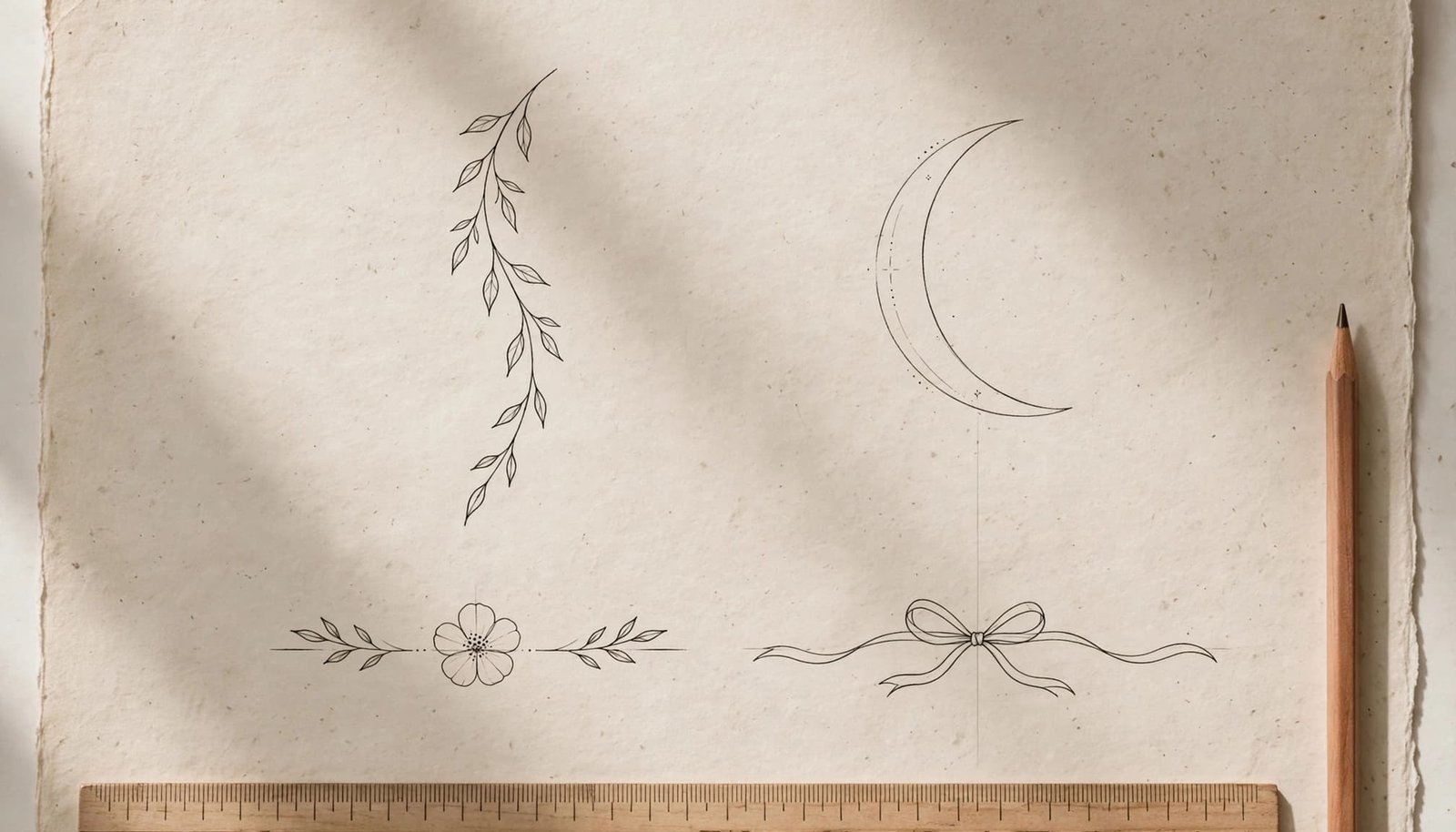
Choose a Size That Will Age Well
Small tattoos can look elegant, but extremely tiny designs often leave too little room for clean lines and open spacing. Fine details may soften or blur over time as ink settles and skin changes. This concern matters most for tiny lettering, crowded petals, miniature facial features, and designs that use several thin lines close together.
A simple symbol, such as a small heart or crescent moon, may work well at a tiny size because it has fewer details. A medium design gives flowers, animals, stars, and ornamental patterns more space to remain readable. It also gives your artist better control over line weight, spacing, and shading.
Ask your artist to show you a stencil at the actual tattoo size before the appointment begins. Look at it while standing, sitting, and moving naturally. Check whether the design still feels balanced with your navel, waistline, and nearby clothing.
Your daily wardrobe matters, too. A low placement may rub against jeans or underwear, while a higher tattoo could show with crop tops or swimwear. Consider your workplace, exercise routine, and how much privacy you want. Also leave room for future tattoos, especially if you may want a stomach piece that grows into a larger floral arrangement or side-body design.
Because tattoos can disguise changes in the skin, keep unusual moles or spots visible and discuss concerns with a dermatologist. The American Academy of Dermatology’s tattoo guidance offers useful safety information before you commit to a design.
Stomach Tattoo Pain, Skin Changes, and Timing to Consider
A stomach tattoo can feel manageable for one person and surprisingly tender for another. Pain depends on your nerves, skin thickness, body composition, tattoo size, line weight, and how much shading the design needs. Placement also matters, so consider the exact area before choosing a design.
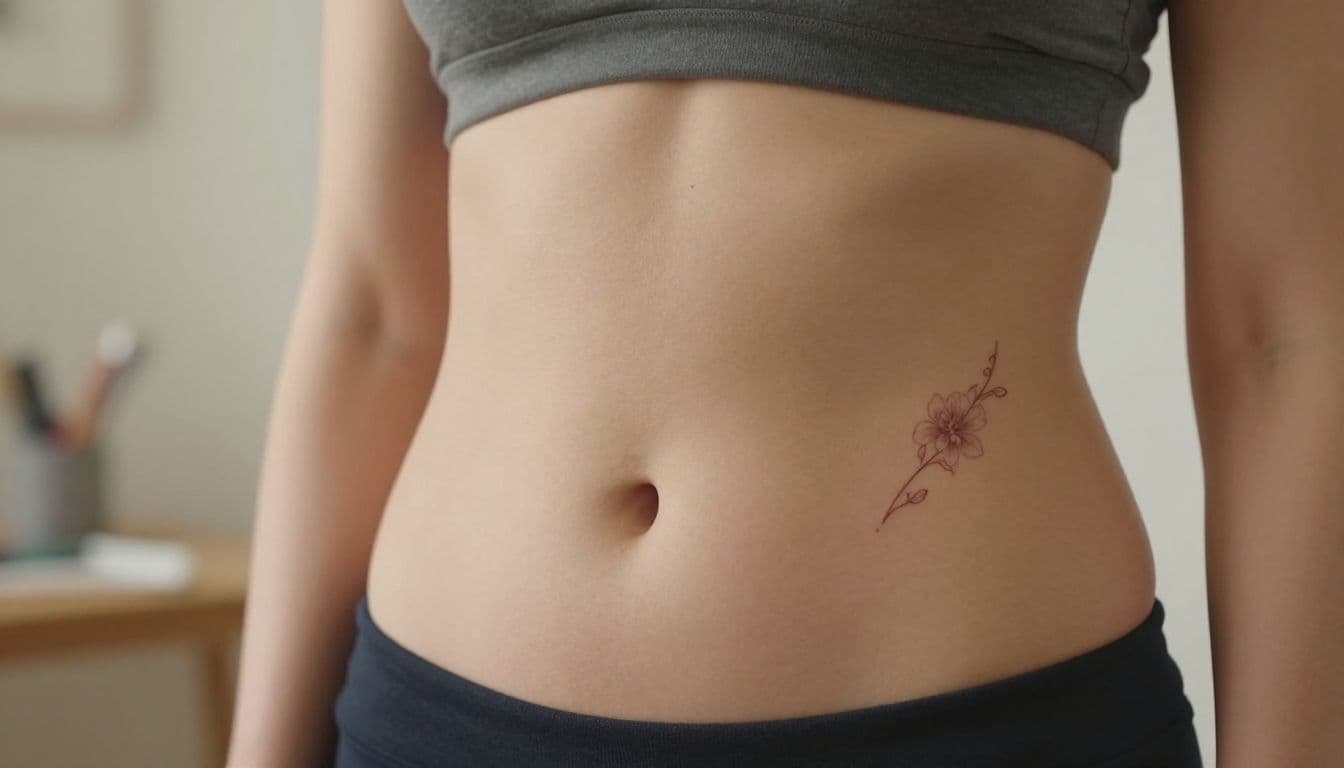
What Different Stomach Placements May Feel Like
The navel often feels more sensitive because the skin is delicate and the area contains many nerve endings. Tattooing directly around it may create a sharper, more intense sensation than working on nearby skin. A design that avoids the navel can feel more comfortable while still keeping the area visually centered.
The center belly usually feels moderate, although sensitivity can increase near the navel or wherever the skin is thinner. Obliques, which sit along the sides of the stomach, may also feel moderate and can work well for curved vines, birds, or small celestial designs. These areas have a little more surface space, which may make a medium-sized design easier to manage.
The lower belly sometimes feels easier, especially when the design sits on a softer area with more cushioning. Areas close to the hip can vary widely. Some people find the placement comfortable, while others notice more tenderness near the hip bone or waistband line.
Shading and longer sessions can make any placement feel more tiring. Your artist may pause between sections or offer short breaks, particularly if the skin becomes sensitive. Before your appointment, eat a balanced meal, drink water, and get enough sleep. Comfortable clothing can also reduce pressure and rubbing after the session.
Pain shouldn’t decide everything, but it should influence your planning. Ask your artist how long the design may take and whether the artwork can be completed in shorter sessions. Speak with a health professional before using a numbing product, since some formulas may irritate the skin or affect how your artist works.
Pregnancy, Weight Changes, and Other Skin Concerns
Pregnancy can stretch the stomach and change the position, size, or proportions of an existing tattoo. Stretch marks may also cross through the design, making lines look uneven or causing some details to spread. Individual results vary, but you should not get a stomach tattoo while pregnant.
After giving birth, many people choose to wait until the skin has had time to settle. A practical range to discuss with your doctor is about 6 to 12 months after delivery, especially if your weight, abdominal shape, or stretch marks are still changing. If you’re breastfeeding, ask your healthcare professional when tattooing is appropriate for your situation.
Major weight changes can also affect how a stomach tattoo looks. Gradual changes may have little visible effect, while significant changes can alter the spacing, angle, or shape of the artwork. Your artist can help you choose a placement with future changes in mind, but no artist can predict exactly how your skin will respond.
Delay the appointment if you have a recent surgery site, open wound, new scar, raised scar, active rash, infection, or irritated skin. Tattooing breaks the skin, so working over an unstable area can interfere with healing and may worsen irritation. Review the Mayo Clinic’s tattoo safety guidance before booking, particularly if you have a history of allergic reactions or skin problems.
A tattoo artist can assess whether the surface looks suitable for their work, but they cannot diagnose skin conditions. Ask a dermatologist or other qualified health professional about unusual moles, persistent irritation, scars, stretch marks, pregnancy-related changes, or numbing creams. Also keep suspicious spots uncovered, since tattoos can make future skin changes harder to notice, as the American Academy of Dermatology explains.
Stomach Tattoo Aftercare for Clean Healing
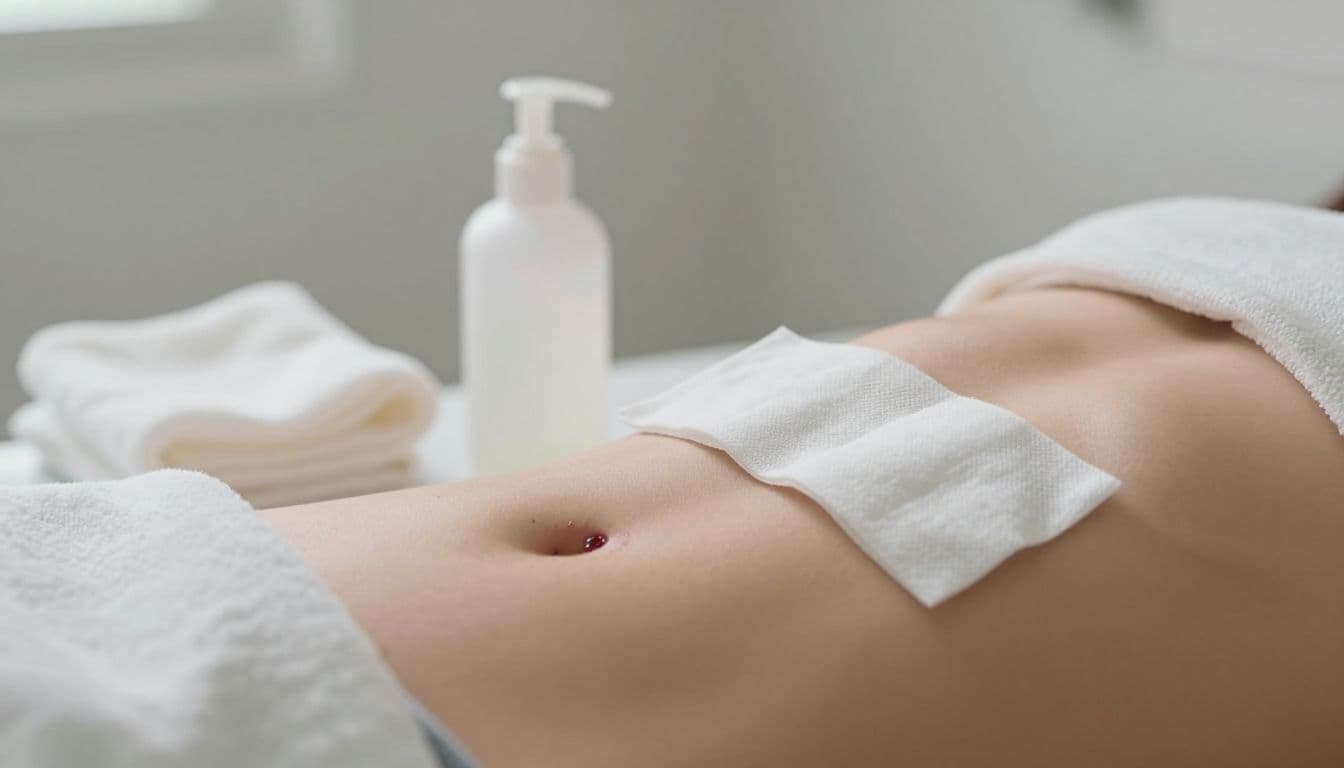
A fresh stomach tattoo needs gentle care while the skin closes and settles. Initial healing often takes about 2 to 3 weeks, but the surface may continue settling for a month or longer. During this period, protect the tattoo from friction, soaking, sweat, and anything that encourages you to scratch or pick.
Your tattoo artist’s written instructions should guide your routine, especially if they used a specialized bandage or recommended a particular product. If their directions differ from general advice, follow the instructions provided for your tattoo.
Clothing, Exercise, and Water Restrictions
Wear loose, breathable clothing during the first several days. Soft cotton shirts, relaxed pants, and low-friction underwear can reduce rubbing around a lower stomach tattoo. Tight waistbands, belts, shapewear, and rough fabrics may irritate the area or pull at peeling skin.
Wash your hands before touching the tattoo. Then wash the area gently with lukewarm water and a mild, fragrance-free soap. Avoid scrubbing, washcloths, loofahs, and direct pressure from a strong shower stream. Pat the skin dry with a clean paper towel or soft towel instead of rubbing it.
Apply only a thin layer of the ointment or fragrance-free moisturizer recommended by your artist. A heavy coating can trap moisture and make the skin feel sticky or irritated. If the tattoo still looks wet or weeps fluid, use the product schedule your artist provided rather than adding more on your own.
Showers are usually acceptable because they rinse the skin without prolonged immersion. However, avoid baths, swimming pools, hot tubs, lakes, rivers, and ocean water until the tattoo has healed. Water can expose an open tattoo to bacteria, chemicals, salt, and prolonged moisture. Follow your artist’s specific timeline, since some professionals recommend waiting several weeks before swimming.
Exercise requires similar caution. Heavy sweating may sting and can leave salt on healing skin, while stretching can pull across the stomach. Waistbands, benches, mats, and equipment can also rub the tattoo. Skip workouts that cause heavy sweating or repeated contact until the area feels closed and comfortable. When you return, choose clean, loose clothing and shower soon afterward.
A shower rinses a healing tattoo, but soaking keeps it wet for much longer. That difference is why baths and swimming need to wait.
When a Healing Tattoo Needs Medical Attention
Some changes are normal during early healing. Mild tenderness, slight swelling, limited redness, dryness, itching, and light flaking can occur as the skin repairs itself. These symptoms should gradually improve rather than become more intense each day. Let flakes and scabs fall away naturally, because picking can remove ink and increase the risk of scarring or infection.
Avoid rubbing alcohol, hydrogen peroxide, fragranced body products, and harsh antiseptics unless a clinician specifically tells you to use them. These products can irritate damaged skin and slow healing. Keep the routine simple: gentle washing, careful drying, a thin recommended moisturizer, and clean clothing.
Contact a healthcare professional if the tattoo becomes increasingly painful, hot, swollen, or red. Spreading redness, pus, foul-smelling drainage, red streaks, fever, chills, or swollen lymph nodes need prompt medical attention. Bumps filled with fluid or pus can also indicate infection. The Cleveland Clinic’s tattoo infection guidance outlines symptoms that shouldn’t be ignored.
Don’t wait for online aftercare advice to solve worsening symptoms. A clinician can examine the skin and decide whether you need treatment. Seek urgent care for rapidly spreading redness, severe pain, red streaks, fever, chills, or feeling seriously unwell. Your artist can offer aftercare information, but medical concerns belong with a qualified healthcare professional.
How to Find a Safe Artist for Your Cute Stomach Tattoo
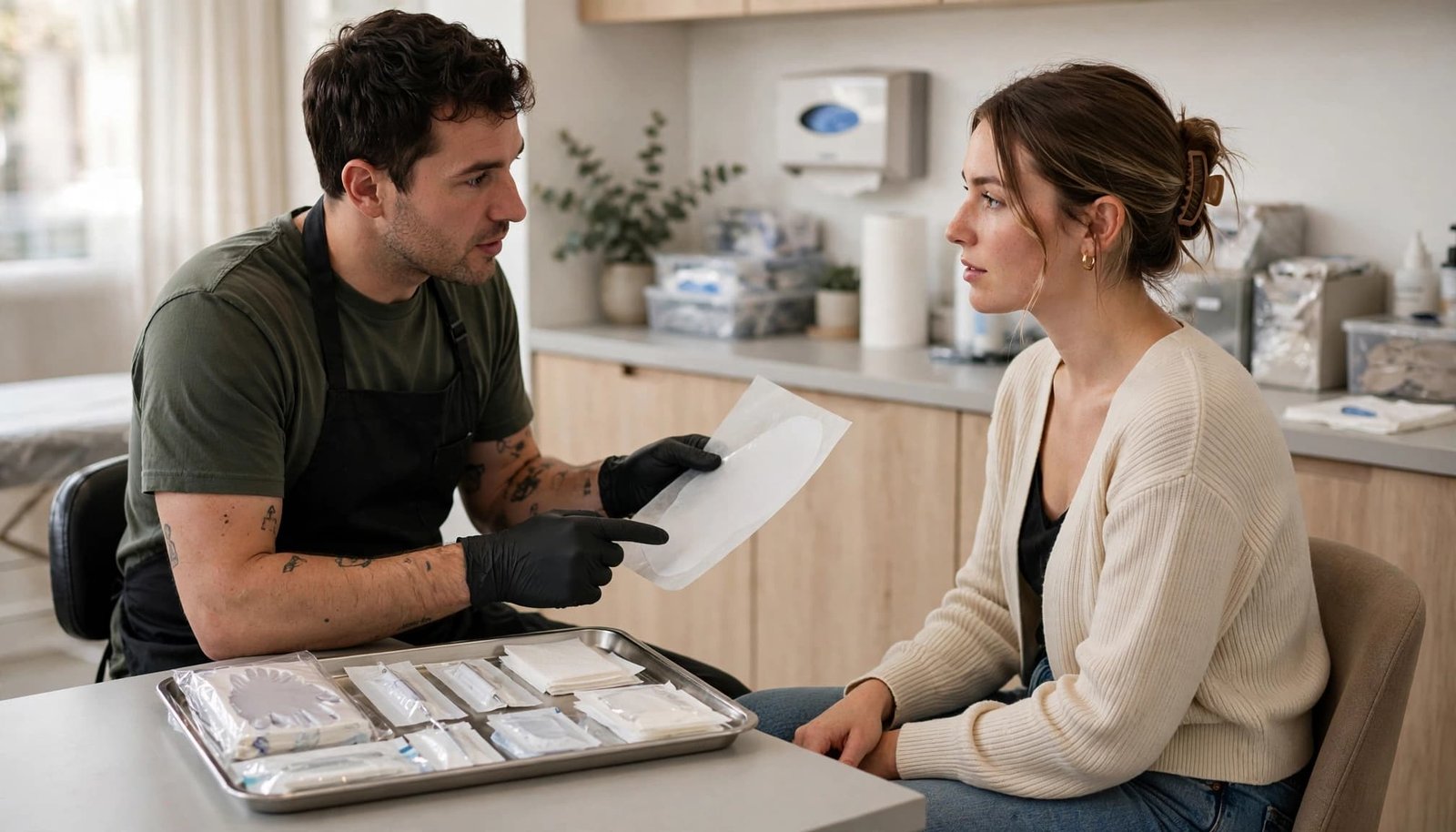
A safe tattoo artist should offer more than a cute portfolio. Look for someone with strong hygiene practices, clear communication, and experience working with the curves and changing texture of stomach skin. A careful consultation can prevent placement problems, awkward sizing, and avoidable healing issues.
Questions to Ask Before Your Appointment
Start by reviewing the artist’s portfolio, but look beyond fresh photos. Ask to see healed examples of fine-line, delicate, and body-contouring tattoos, especially work placed on the stomach, hip, or lower abdomen. Healed images show whether the lines stay clean, the spacing remains readable, and the design follows the body’s shape well.
Check whether the artist holds the licenses or permits required in your state or county. You can also visit the studio before booking. The space should look clean and organized, with fresh gloves, sealed single-use needles, covered work surfaces, and a sharps container for used needles. The New York City Health Department tattoo manual provides a useful example of infection-control practices, including opening sterile supplies for each client.
Use this checklist during your consultation:
- Ask how much experience the artist has with stomach tattoos and curved, body-contouring placements.
- Ask how long your design may take, whether the session can include pain breaks, and whether you can divide a large piece into multiple appointments.
- Confirm the total price, hourly rate if applicable, deposit amount, cancellation policy, and whether the deposit applies to the final cost.
- Ask how design changes work before the appointment and whether stencil adjustments are included.
- Discuss your inspiration images, but stay open to advice about line weight, spacing, and placement. A design that looks delicate on a screen may need thicker lines or a larger size to age well.
- Ask how the artist will account for skin texture, scars, stretch marks, loose skin, or possible future changes.
- Ask which aftercare products they recommend, how long you should avoid tight waistbands and soaking, and whether written instructions are provided.
- Ask how touch-ups work, when they assess healed tattoos, and whether minor corrections have an additional fee.
- Ask how the studio protects your privacy, including draping, private rooms, limited staff access, and permission before taking or posting photos.
A good artist should answer these questions without rushing you. They should also be willing to adjust the design, explain why a placement may not work, and recommend waiting if the skin has a rash, open wound, fresh scar, or significant irritation. During the consultation, ask to see the stencil at its actual size while standing and sitting. This reveals whether the tattoo stays balanced around your navel, waistline, and natural folds.
Fresh needles should be opened in front of you, and gloves should be changed if the artist touches a phone, door, face, or other unclean surface. If the artist avoids basic safety questions, refuses reasonable privacy requests, or promises that an extremely tiny design will keep every detail forever, choose another professional. Your stomach tattoo should begin with trust, not pressure.
Conclusion
Choosing among these 16 cute stomach tattoo ideas comes down to more than appearance. The best design balances personal meaning, visual style, placement, comfort, and long-term care. A curved flower, celestial symbol, playful animal, or meaningful minimalist detail can look beautiful when its size and shape suit your body.
Take your time before booking. Consult a reputable tattoo artist, review the stencil at its actual size while standing and sitting, and plan for gentle aftercare that protects the tattoo as it heals. With the right preparation, a small flower, moon, animal, or personal symbol can turn your stomach into a personal canvas without following a passing trend.
Save the pin for later


- 16 Cute Tattoo Ideas for Women on the Stomach - September 19, 2026
- 20 Beautiful Tattoo Ideas for a Daughter That Feel Personal - September 19, 2026
- 18 Tattoo Ideas for Passed Loved Ones That Feel Personal - September 18, 2026
Leave a Reply