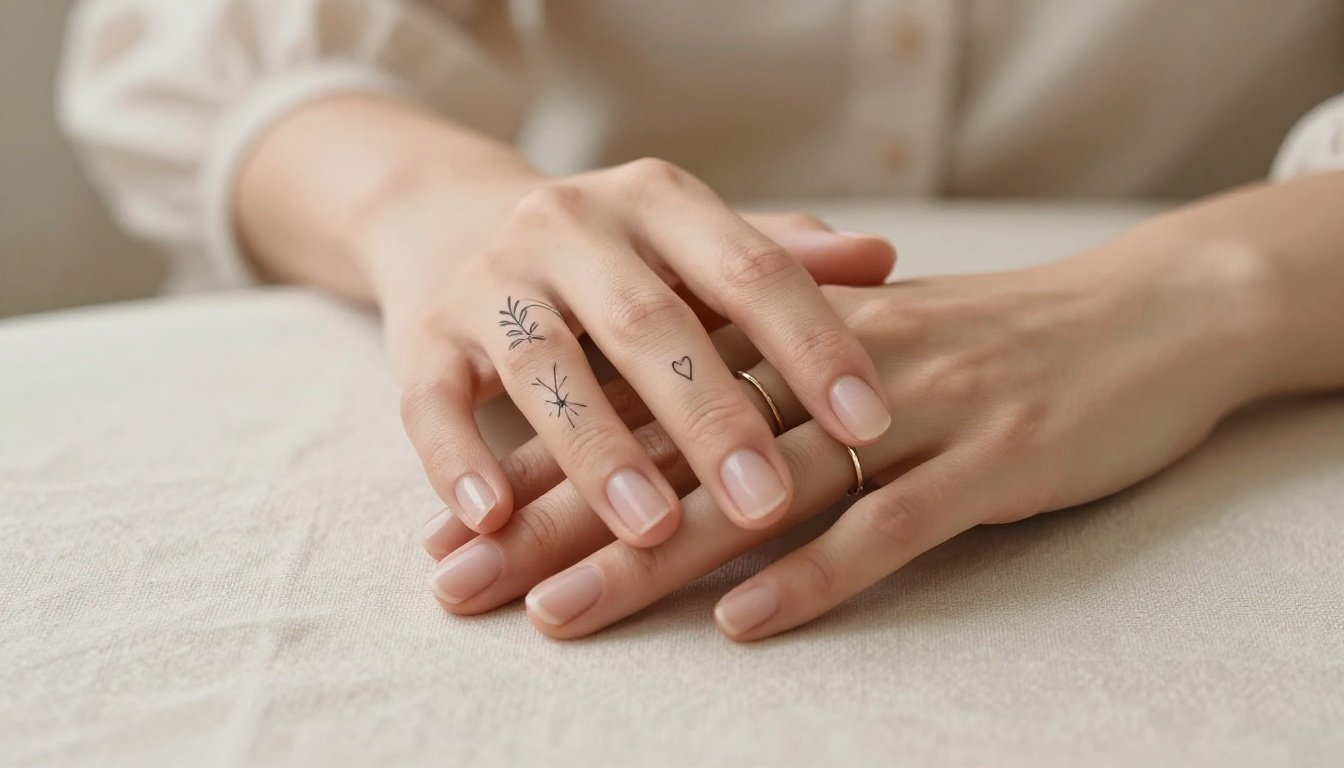
5 Beautiful Tattoo Ideas for Women on Fingers
Finger tattoos are small, stylish, and personal, making them an appealing choice when you want meaningful ink that’s easy to show or hide with rings and other jewelry. A tiny design can express your personality without taking up much space, whether you prefer delicate details or a bold minimalist mark.
Still, fingers are a demanding placement. Handwashing, soap, friction, sun exposure, thin skin, and constant movement can make tattooing more painful and cause ink to fade sooner than it might elsewhere. The five ideas ahead include botanical linework, celestial symbols, initials or micro-script, tiny hearts and minimalist marks, plus jewelry-style bands.
Before choosing a design, keep your expectations realistic: finger tattoos need gentle aftercare, protection from the sun once healed, and occasional touch-ups may be necessary. The best option is one that matches your style while respecting the limited space and changing nature of finger skin, so let’s look at designs that balance beauty with practicality.
Beautiful Tattoo Ideas for Women on Fingers That Feel Personal
Finger tattoos look best when the design has room to breathe. Because the skin is thin, mobile, and exposed to frequent washing and friction, simple shapes usually stay clearer than crowded artwork. Fresh ink may look crisp at first, but healing can soften fine lines and reveal small gaps that need a touch-up later.
Tiny hearts, stars, and moons for a soft minimalist look
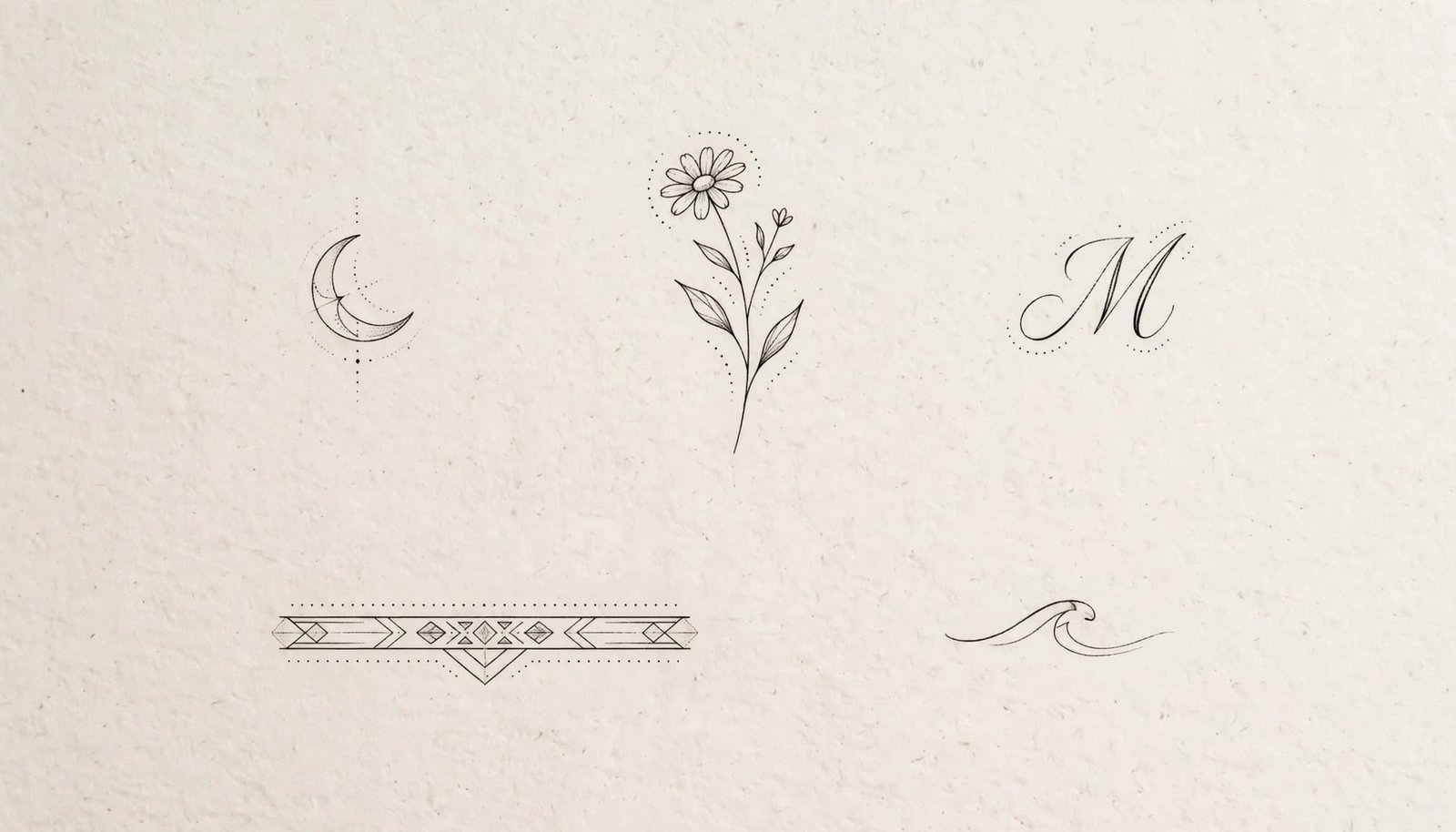
A single heart can symbolize love, self-worth, or an important relationship. A crescent moon may suggest change, intuition, or a new chapter, while a star can represent hope, guidance, or a personal milestone. Even a small sun can express confidence and warmth.
The top or side of the finger usually gives these symbols the cleanest placement. A tiny cluster of dots can add a subtle celestial touch, but tightly packed dots may blur as the tattoo ages. Choose one clear symbol instead of combining a heart, moon, stars, and extra details into one small space.
A delicate flower or leaf that follows the finger
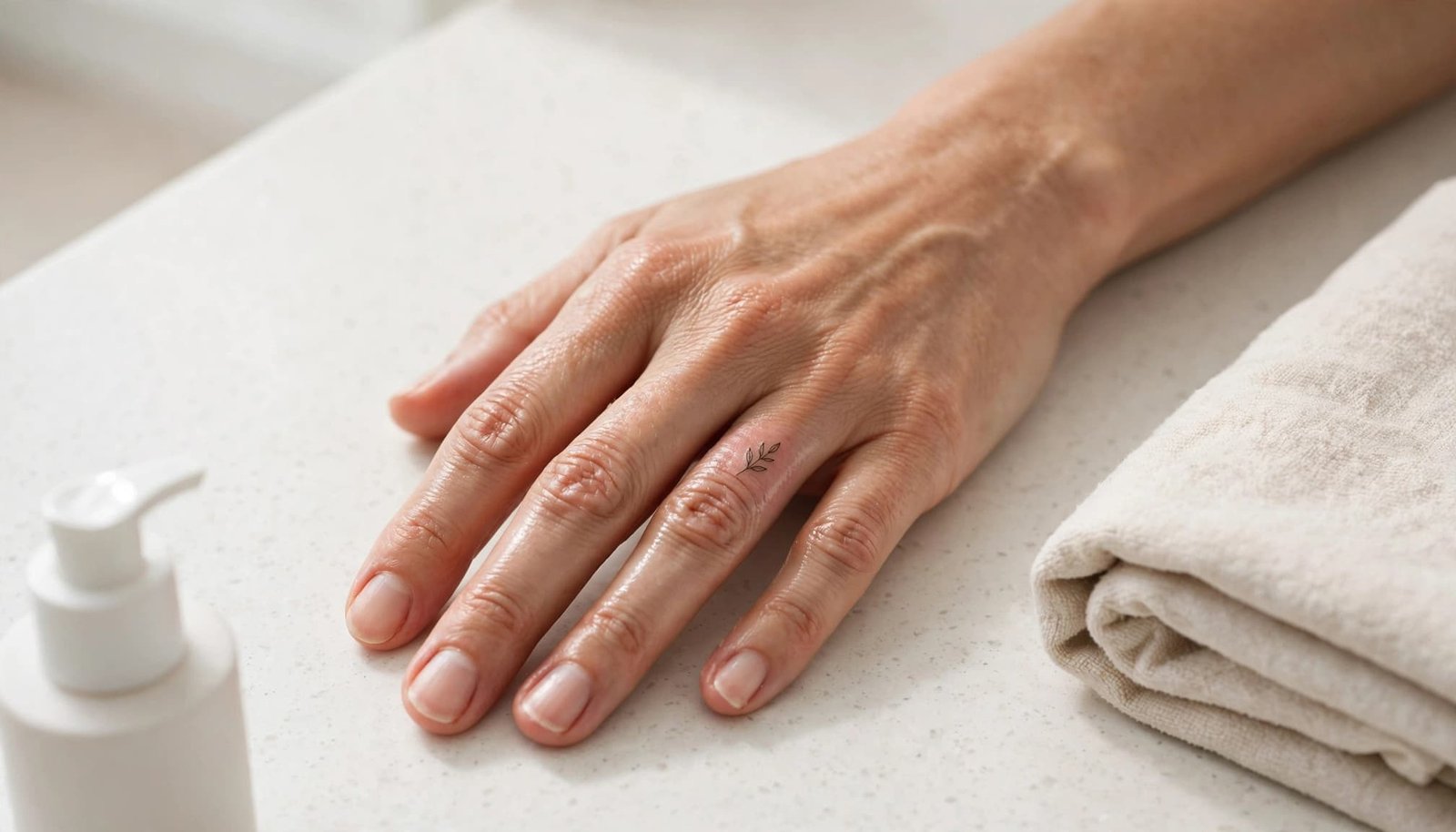
Simple botanical tattoos bring a soft, natural quality to the hand. A daisy can suggest joy, lavender can evoke calm, and an olive branch can carry ideas of peace or family. A single leaf also works well when you want something understated.
Ask the artist to let the stem follow the length of the finger. A small bloom can sit near the knuckle or beside the nail, depending on how visible you want it to be. Open spacing and a clean outline matter more than extra shading.
A detailed rose may look beautiful in a reference photo but lose its structure at finger size. Your artist may simplify it into clear line art so the petals remain recognizable after healing.
A meaningful initial or short word in fine lettering
An initial can honor a loved one, family member, pet, or even a past version of yourself. Short words such as “love,” “hope,” or “free” can carry personal meaning without taking over the finger. A small date-inspired mark, such as two numbers or a simple year, offers another discreet option.
Lettering needs enough size and spacing to stay readable. Avoid long quotes, very tiny script, and fonts with crowded loops, because finger tattoos can lose ink or blur with daily wear.
Before approving the stencil, check it from the top, side, and a relaxed hand position. A design that looks balanced when the finger is straight may appear cramped when the joint bends. For more practical aftercare guidance, review this hand and finger tattoo healing advice.
A slim band or geometric line design
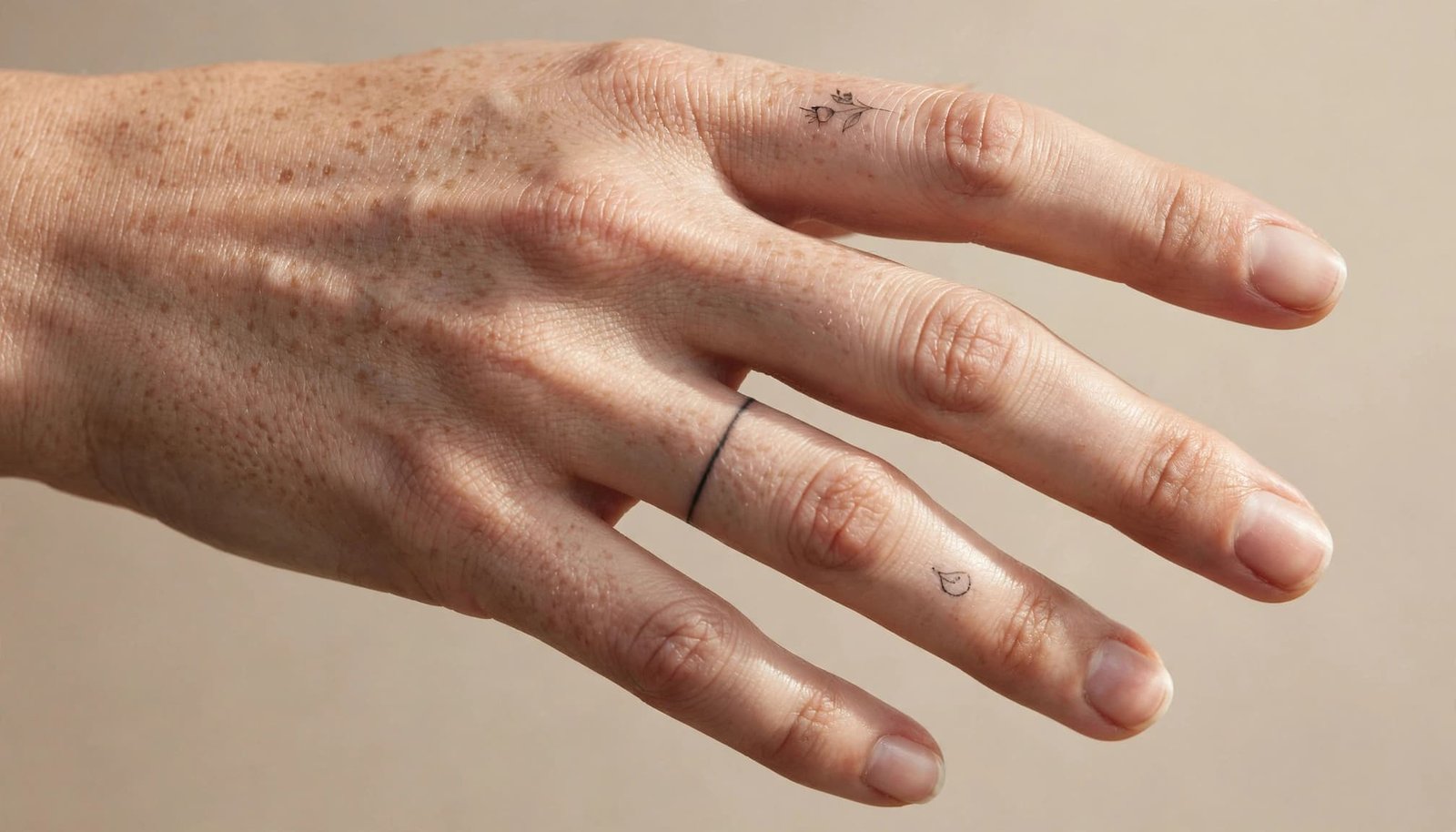
A ring-style band can work as a modern alternative to a traditional piece of jewelry. Two parallel lines, a small chevron, or a tiny triangle can create a clean geometric look without requiring much space. These designs suit both minimalist styles and symbolic tattoos.
Slightly bolder lines usually hold up better than ultra-fine strokes. Still, bands across the sides and creases of the fingers experience heavy friction, movement, and washing. They may heal unevenly or develop small gaps, so choose a pattern that still looks attractive without perfect symmetry.
A tiny personal symbol with a hidden meaning
The most personal finger tattoos often look ordinary to everyone else. A wave might recall a favorite beach, a mountain could honor a meaningful trip, and a paw print may remember a beloved pet. A music note, birth-month symbol, or simple constellation can also connect to a private story.
Start with the object that matters, then ask your artist to reduce it to a clean, finger-sized icon. A good design remains recognizable without fine shading or numerous lines. This approach lets you adapt a trend instead of copying it, while keeping the tattoo personal enough to feel like your own.
How to Choose the Right Finger Tattoo Design and Placement
Choosing a finger tattoo involves more than finding a pretty reference photo. Your daily habits, work setting, preferred jewelry, and comfort with visibility all affect how well the design fits your life. Before booking an appointment, compare each finger area carefully and ask your tattoo artist to test the stencil on your actual hand.
Match the design to your daily habits
Frequent handwashing, cleaning products, cooking, gardening, sports, and manual work can expose a healing tattoo to moisture, friction, dirt, and repeated movement. Sunlight can also fade healed ink over time, so daily hand exposure often means more maintenance than tattoos placed under clothing.
Hands are difficult to keep still and dry during healing. You may need to wash them for work, prepare food, care for children, or use tools throughout the day. Timing matters, especially if you have travel, a busy work season, a competition, or outdoor plans ahead.
If you use your dominant hand heavily, choose a simpler design or a less exposed placement. A small open symbol may handle daily wear better than dense lettering or fine detail. During healing, follow your artist’s instructions and avoid scrubbing, soaking, or picking at the area.
Compare the top, side, palm-side, and ring-finger areas
The top of the finger is usually the most visible option. It gives a small design room to show clearly, but it also receives regular sunlight and attention. This spot works well when you want your tattoo to remain part of your everyday style.
The side of the finger can feel more discreet, especially when your hands rest naturally together. However, side placements may experience more rubbing and movement, so the design can wear faster. Creases near the joints and areas that bend often can also make healing less predictable.
Palm-side tattoos offer privacy, but that skin faces frequent contact with objects, gripping, washing, and friction. A ring-finger tattoo may look especially elegant, yet jewelry can rub against fresh ink. Leave rings off during healing and ask your artist whether the selected band or symbol needs extra spacing.
Choose line weight and size for long-term clarity
Slightly bold, open designs often remain easier to read than ultra-fine lines packed with detail. Bigger isn’t always better, but the tattoo needs enough space for ink to age without small elements merging together.
Ask your artist how the design may look after one year, not only how it appears in a fresh portfolio photograph. Skin tone, line weight, placement, and daily wear all affect the result. A stencil test can reveal whether the tattoo looks balanced with your hand relaxed, bent, and viewed from the side.
Think about visibility, meaning, and future changes
Before choosing a visible hand tattoo, check your workplace rules and consider future jobs. Also picture how the design will look beside rings, bracelets, or a wedding band. If you’re considering matching tattoos, confirm that each person’s placement suits their own hand and habits.
A finger tattoo is harder to conceal than one on your upper arm or torso. Therefore, choose a symbol that still feels meaningful beyond a current trend. During your consultation, discuss symmetry, skin tone, dominant-hand use, and whether you want a private detail or a design people will notice.
What to Expect From Finger Tattoo Pain, Fading, and Touch-Ups
Finger tattoos can look delicate, but the experience requires realistic expectations. Fingers have thin skin, nearby bone, and many nerve endings, so the process may feel sharper than a tattoo on a fleshier area. Pain varies with your sensitivity, the exact placement, the design, and the artist’s technique, so don’t rely on a promised pain rating.
Healing and maintenance also differ from tattoos on the arm or thigh. Handwashing, movement, sunlight, and daily friction can make finger tattoos fade or heal unevenly. Before you book, choose an artist who can explain both the short-term healing process and the long-term care involved.
Why finger tattoos fade faster than many other placements
Your hands face repeated exposure every day. Water and soap can dry the skin during healing, while sanitizer and cleaning products may cause additional irritation. Once the tattoo has healed, frequent washing still adds wear, especially when combined with rubbing from tools, pockets, jewelry, gloves, or everyday gripping.
Finger skin also bends constantly, particularly around the joints and along the sides. That movement can affect how ink settles. Thin skin gives the artist less room to work, and sun exposure can gradually soften tattoo pigment. After healing, protect the area with broad-spectrum SPF 30 or higher, as recommended in the American Academy of Dermatology’s tattoo care guidance.
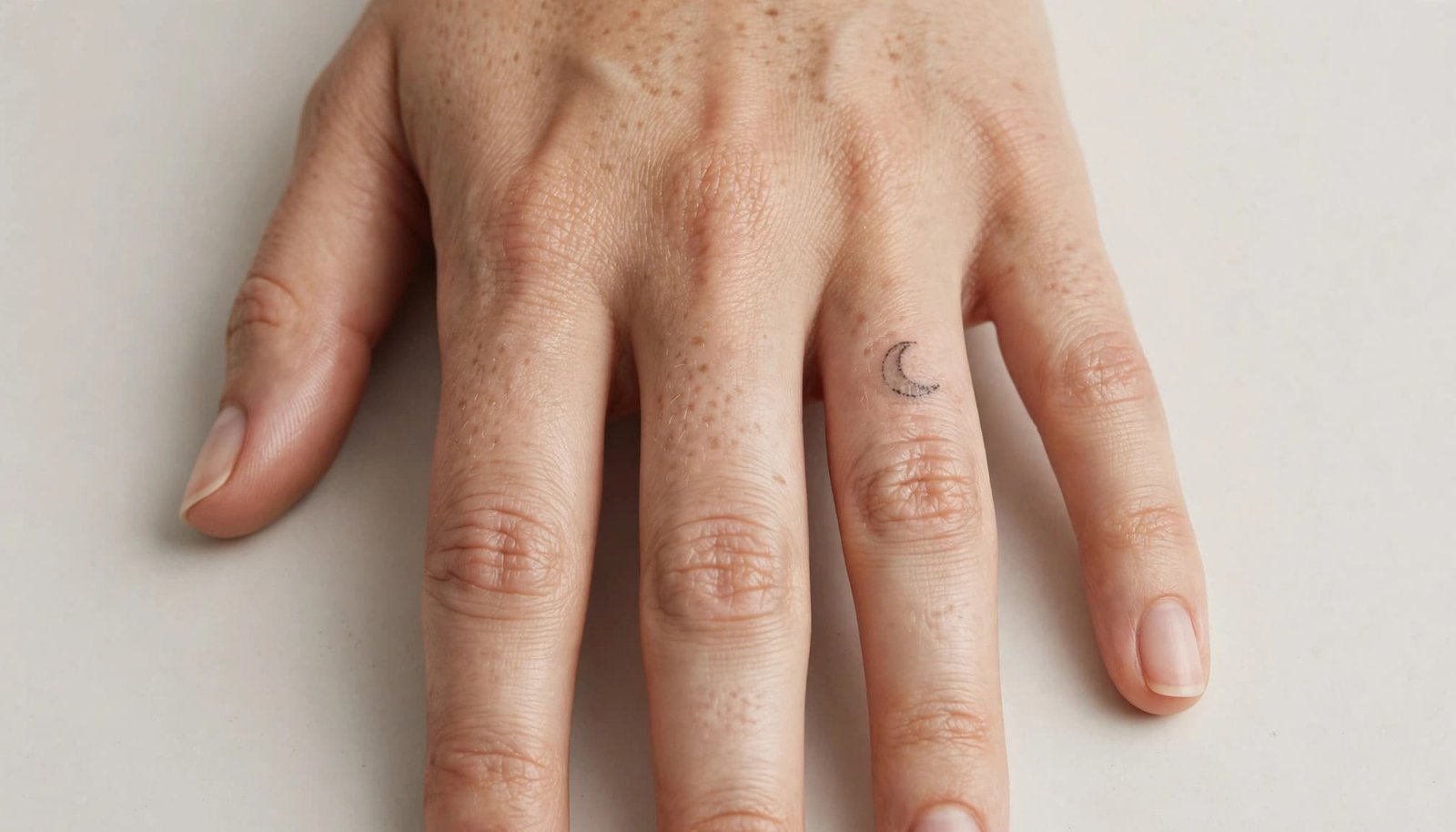
Some softening is normal. Over time, a fresh black line may look less intense, and a small area may lose ink. However, spreading lines, major gaps, uneven ink loss, or irritation that continues during healing deserve a conversation with your artist. Don’t pick peeling skin or scrub the tattoo, and seek medical advice if you have concerning symptoms such as increasing redness, swelling, or drainage.
Plan for touch-ups before you book
Some finger tattoos need a touch-up within 6 to 12 months, although the timing depends on the design, placement, healing, skin, daily habits, and artist technique. A touch-up is normal maintenance for this demanding location. It doesn’t automatically mean your artist did poor work or that you cared for the tattoo incorrectly.
Ask these questions during your consultation:
- Does the appointment include a healed-work check?
- How long do you wait before assessing the tattoo?
- Which touch-ups does your policy cover?
- Is there an added cost for refreshing the ink?
Look through healed finger tattoo examples instead of judging an artist only by fresh work. Fresh ink often appears darker and sharper than the settled result. A skilled artist may also decline a design that is too tiny, crowded, or detailed for the area. That decision protects clarity, because a touch-up cannot always restore fine detail once lines have spread or multiple elements have merged.
Finger Tattoo Aftercare and Finding an Artist You Can Trust
A finger tattoo needs careful aftercare because your hands face constant washing, friction, movement, and contact with germs. Protecting the tattoo starts with following your artist’s written instructions, then choosing a professional whose experience matches this demanding placement.
A simple healing routine for the first few weeks
Your studio’s bandage instructions should come first because bandage types, removal times, and recommended products can vary. Once the bandage comes off, wash your hands before touching the tattoo. Then gently clean the area with lukewarm water and mild, fragrance-free soap. Some aftercare guidance recommends washing two or three times daily, but overwashing can dry and irritate the skin.
Use clean fingertips instead of a rough washcloth or scrubber. After rinsing, pat the tattoo dry with a clean paper towel or freshly washed towel. Rubbing can pull at peeling skin and create unnecessary irritation. Apply only a thin layer of the moisturizer or aftercare product your artist recommends. A heavy coating can trap moisture and leave the area feeling overly wet.
During the first few weeks, avoid peeling flakes, scratching scabs, or picking at loose skin. The tattoo may itch as it heals, but removing flakes too early can pull out pigment. Keep the area away from prolonged soaking, swimming pools, hot tubs, and baths until the skin has healed. Limit rough gripping, heavy friction, tight gloves, and activities that leave your hands dirty or sweaty.
If pain worsens instead of improving, or you notice spreading redness, pus, marked swelling, red streaks, or fever, contact a medical professional. These symptoms need medical attention, not extra moisturizer or another layer of ointment. After the tattoo fully heals, regular moisturizing can reduce dryness, while broad-spectrum, water-resistant SPF 30 or higher helps protect the ink. The American Academy of Dermatology’s tattoo care guidance recommends applying sunscreen 15 minutes before sun exposure and reapplying it at least every two hours.
Questions to ask before choosing a tattoo artist
Start by asking whether the artist has documented experience with finger tattoos. Request healed portfolio photos, not only fresh work, and ask how the designs changed after healing. A trustworthy artist can explain how finger skin, joints, and daily friction affect line weight, spacing, and placement.
During the consultation, ask:
- Which finger area suits this design and your daily habits?
- How would you simplify the artwork for finger skin?
- What happens if the tattoo needs a touch-up?
- Which cleanser and moisturizer should you use?
- Will you provide written aftercare instructions?
Hygiene questions matter just as much. Confirm that the artist uses a new, sterile needle for every client, wears fresh gloves, disinfects work surfaces, and follows local licensing and safety requirements. The workspace should look organized, clean, and comfortable enough for you to ask questions.
Pay close attention to how the artist discusses fading. Finger tattoos often need maintenance, so honest guidance is more valuable than a promise that every tiny detail will stay perfect. If an artist recommends a larger design, different placement, or fewer details, that limit may protect the tattoo’s clarity and your investment.
Conclusion
Tiny symbols, simple botanicals, initials or short words, slim bands or geometric lines, and personal icons each offer a beautiful way to make a finger tattoo feel individual. The best design stays clear and meaningful while fitting the realities of frequent handwashing, movement, and daily friction.
Finger tattoos can be painful, fade faster than ink in many other placements, and need careful aftercare with possible touch-ups. Choose a skilled artist who can show healed examples, simplify the design when needed, and help you select a tattoo based on personal meaning rather than a passing trend.

- 20 Tattoo Ideas for Women on the Foot - September 19, 2026
- 5 Beautiful Tattoo Ideas for Women on Fingers - September 19, 2026
- 16 Cute Tattoo Ideas for Women on the Stomach - September 19, 2026
Leave a Reply