13 Hand Tattoo Ideas for Women: Delicate to Bold Designs
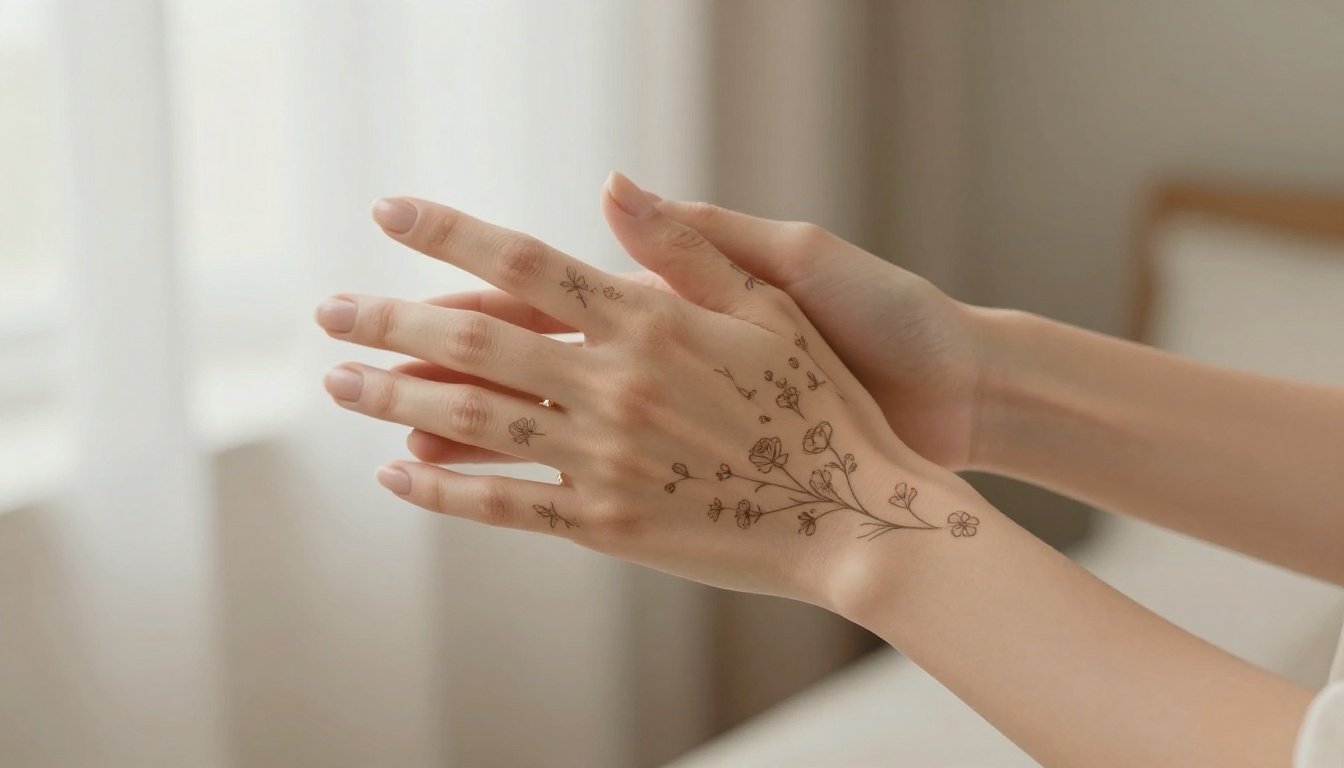
Hand tattoos are visible, personal, and easy to adapt to your style, whether you prefer a soft detail or a bold statement. The right design can feel like a small piece of art you carry everywhere, but the placement deserves careful thought before you book an appointment.
These 13 hand tattoo ideas for women include fine-line florals, tiny symbols, meaningful lettering, and palm designs, with options for both understated and eye-catching looks. Keep in mind that hand tattoos can feel more painful because the skin has less padding, may fade faster from washing, friction, and sun exposure, and are harder to hide than tattoos in many other areas.
As you compare designs, you’ll find practical guidance on choosing the right style and hand placement, preparing for discomfort and possible fading, and caring for your tattoo while it heals. Start with these ideas to find a design that fits your personality and your comfort level.
Tattoo Ideas for Women on Hand That Feel Personal and Stylish
Small hand tattoos work best as inspiration, not strict rules. Choose a design that fits your style, memories, and comfort with visible ink. Since hand skin moves often and faces sun, soap, and friction, clear shapes and generous spacing help small tattoos stay readable.
Delicate Nature Designs for a Soft, Elegant Look
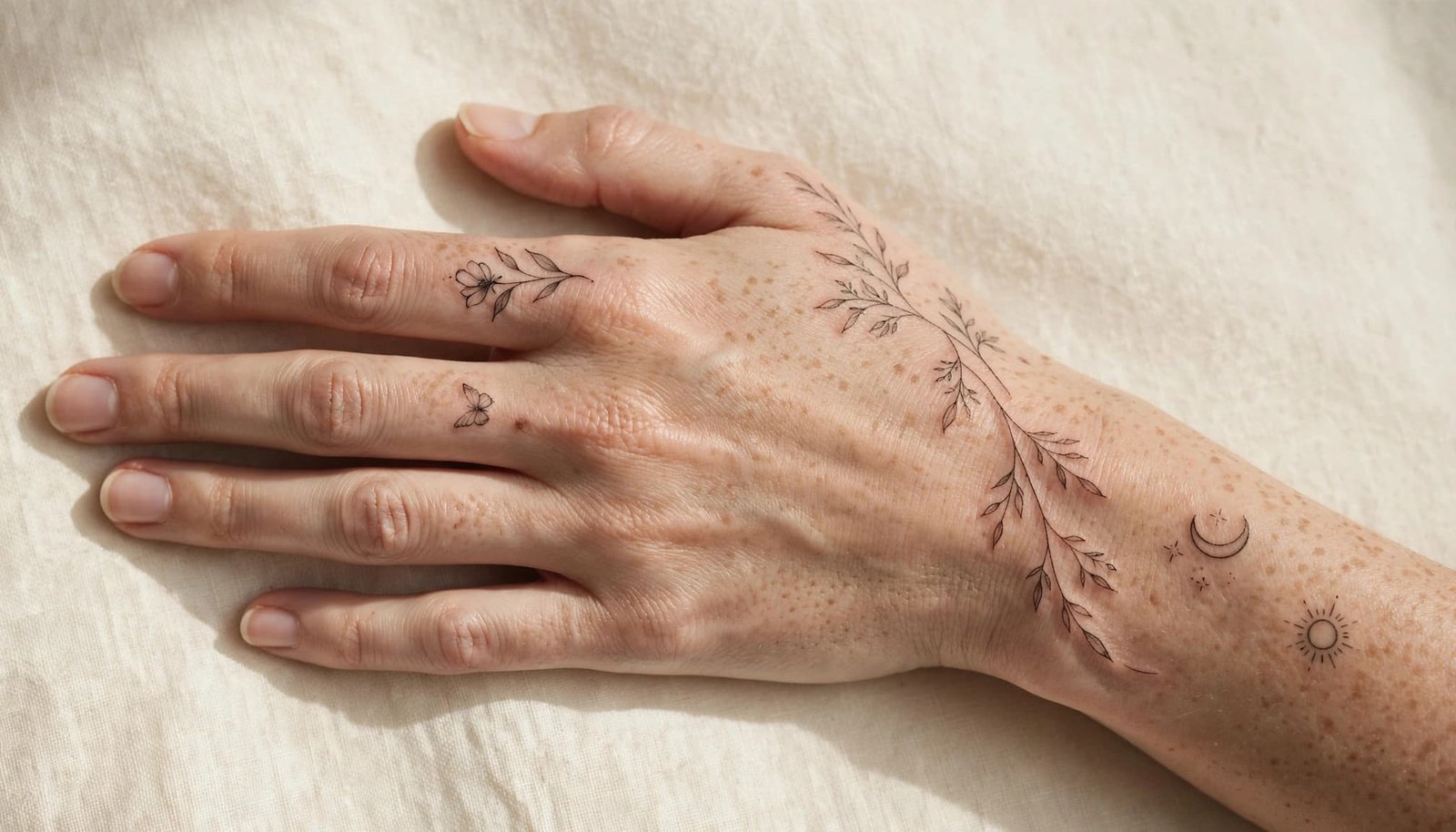
A fine-line flower can feel personal without taking up much space. Roses may suggest love, daisies can feel cheerful and uncomplicated, and lavender often connects with calm. A birth flower adds an even more personal touch, especially when it honors your birth month or someone important to you. The back of the hand gives the artist more room, while a finger version should stay simple.
A leafy branch creates a graceful line along the side of the hand or the edge of the wrist. Its shape can follow the body’s natural movement, making it feel subtle rather than placed on top of the skin. Leaves may suggest growth, renewal, or a connection to nature.
A tiny butterfly is a lovely choice for someone who wants a symbol of change, freedom, or personal growth. Place it on the back of the hand for visibility, or near the thumb for a more discreet look.
A crescent moon with stars can hold several meanings. It may connect with dreams, intuition, a love of the night sky, or a private reminder to trust yourself. Keep the stars spaced apart so the design doesn’t turn into one dark mark over time.
A small sun brings a cheerful note to hand tattoo ideas for women. It can stand for energy, hope, warmth, or a new beginning. A simple outline usually works better on a finger than a sun filled with many rays.
Fine lines look delicate when fresh, but they may soften as the tattoo ages. Ask your artist to leave room between details, and review fine-line tattoo care guidance before booking. The back of the hand offers the easiest visibility and more working space, while finger tattoos need cleaner, less crowded shapes.
Meaningful Symbols and Tiny Details With Personality
A heart can honor self-love, a partner, a family member, or a personal milestone. Even a small outline can carry real meaning on the thumb side, between the thumb and index finger, or near the wrist edge.
An initial or meaningful letter keeps a loved one’s memory close without requiring a large design. Pair it with a dot, tiny flower, or important date. However, very small lettering can blur, so ask to see the design at a readable size before choosing a placement.
A small star or constellation suits someone drawn to astrology, travel, or night-sky imagery. A single star works well on a finger or knuckle, while a constellation needs the back of the hand for clearer spacing.
A minimalist wave can suggest calm, resilience, travel, or a connection to the ocean. Its clean curve fits naturally along the side of the hand or below the thumb.
Simple symbols often age better than crowded micro designs. When details compete for the same small patch of skin, the tattoo can lose its shape sooner.
Bold and Artistic Hand Tattoo Ideas That Stand Out
A small ornamental mandala adds balance and decorative detail. It needs enough space for each section to remain clear, so the back of the hand usually works better than a finger.
A snake, bird, cat, or other fine-line animal can express strength, independence, protection, or a connection to nature. A snake can curve around the thumb side, while a small bird or cat may suit the back of the hand.
A botanical wrist-to-hand design follows the natural shape of the hand and can connect visually with an existing wrist tattoo. Leaves and stems create movement without forcing the design into a box.
For a more experimental choice, try a palm or knuckle motif with simple dots, stars, lines, or geometric shapes. Detailed work may not hold well in these high-friction areas. Palm tattoos are especially difficult to heal and maintain, so discuss the placement with an experienced tattoo artist before committing.
How to Choose the Best Hand Tattoo Placement
Hand tattoo placement affects more than appearance. It changes how much space your artist has, how visible the tattoo feels, how much discomfort you may experience, and how often the design might need a touch-up. Before choosing a spot, consider your daily routine, workplace expectations, jewelry, and comfort with permanent visibility.
Compare the Back of the Hand, Fingers, and Knuckles
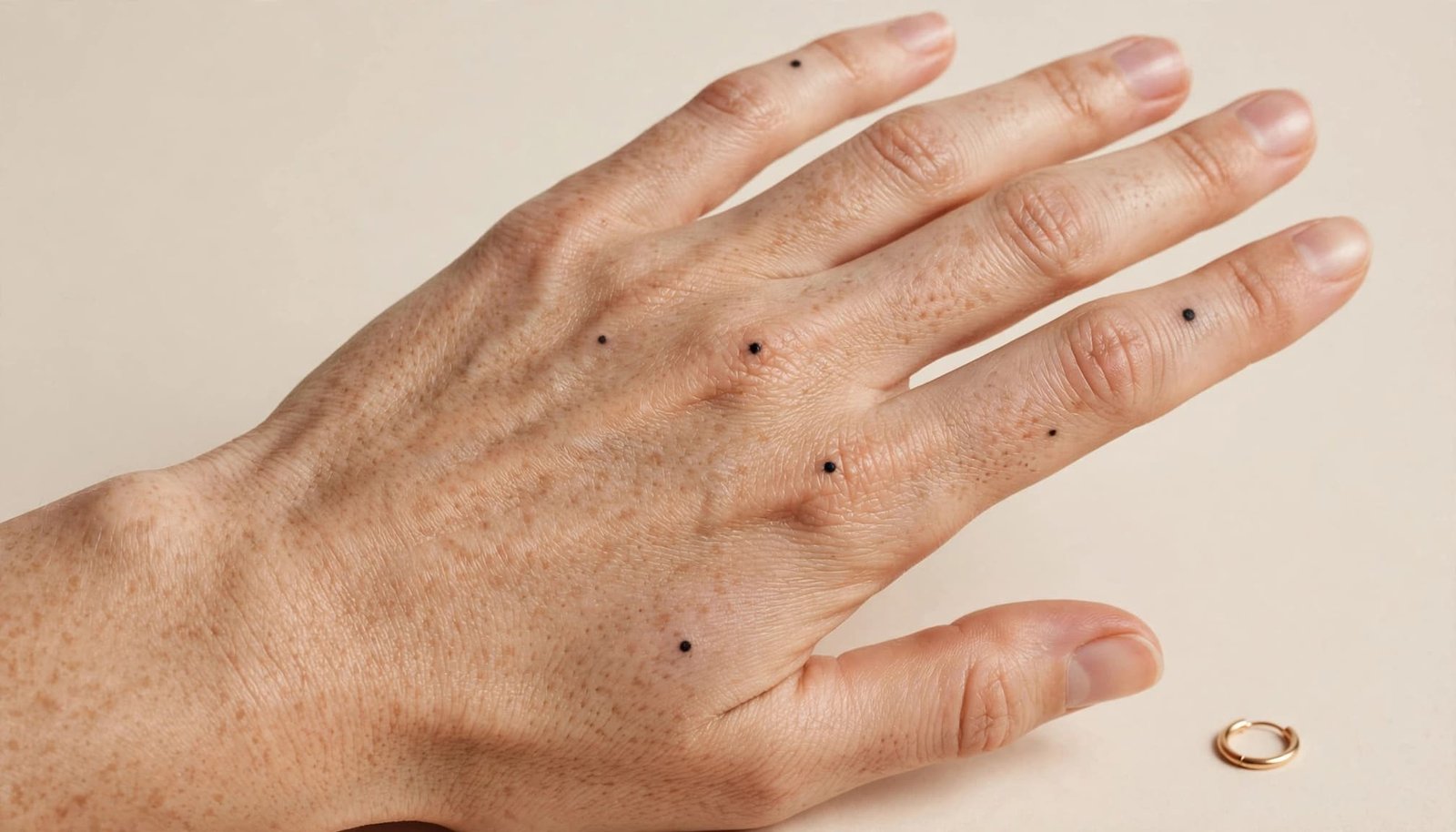
The back of the hand usually offers the most room for a readable tattoo. Its broader, flatter surface gives an artist more space to maintain clean lines and balanced proportions. This placement is also often less painful than the fingers or palm because it has more usable skin and padding.
A design on the back of the hand is highly visible, though, so think about how it fits your work and personal life. If you regularly attend formal events, work with clients, or prefer tattoos that can stay private, the back of the hand may feel too exposed. Long sleeves can cover part of it, but they won’t hide the tattoo in every setting.
Finger tattoos are smaller and even harder to conceal. The tops of the fingers and knuckles are highly visible, while the sides can look more discreet when your hands rest naturally. These areas work best with bold, simple shapes that can remain clear in a narrow space.
Good finger tattoo choices include:
- Short words with thick, readable lettering.
- Initials, small symbols, or single numbers.
- Simple bands that don’t contain crowded details.
- Clean shapes placed on the top of a finger or knuckle.
Finger sides and tips can be among the more painful spots because the skin is thin and the bone sits close to the surface. Creases and joints also move constantly, which can contribute to patchiness and fading. For more practical guidance on discomfort, healing, and touch-ups, review this hand tattoo placement guide.
Think Carefully Before Choosing the Palm
The palm is a high-commitment placement. Your hands grip objects, wash repeatedly, bend throughout the day, and rub against clothing, tools, and surfaces. That constant friction can cause palm tattoos to fade unevenly or need future touch-ups more often than tattoos on the back of the hand.
Palm tattoos can also be difficult to cover. Gloves may hide them in some situations, but they aren’t practical for every workplace or social setting. The skin can feel sensitive during healing, and normal activities may make aftercare harder.
Jewelry deserves attention, too. Rings and bracelets can rub against nearby ink, especially when a tattoo sits along the thumb side, wrist edge, or finger. Remove jewelry during healing if your artist recommends it, and consider whether your favorite pieces will continue to feel comfortable around the finished design.
Before booking, test the placement with temporary ink or a small sticker. Wear it for a few days while working, washing your hands, wearing jewelry, and meeting other people. This simple trial can show you whether the tattoo feels too visible, too crowded, or awkward when your hand moves.
The safest starting point for a readable hand tattoo is usually the back of the hand or the top of a finger. Palm, side-of-hand, and between-finger placements require more willingness to accept fading and touch-ups.
Choose the location based on your actual habits, not only how it looks in a tattoo photo. A design that suits your lifestyle will feel more comfortable long after the appointment.
What to Know About Pain, Fading, and Touch-Ups
Hand tattoos need more maintenance than many tattoos placed on areas with thicker skin and more padding. Pain, fading, and touch-ups vary from person to person, but the placement itself creates practical challenges you should consider before booking.
How Much Do Hand Tattoos Hurt?
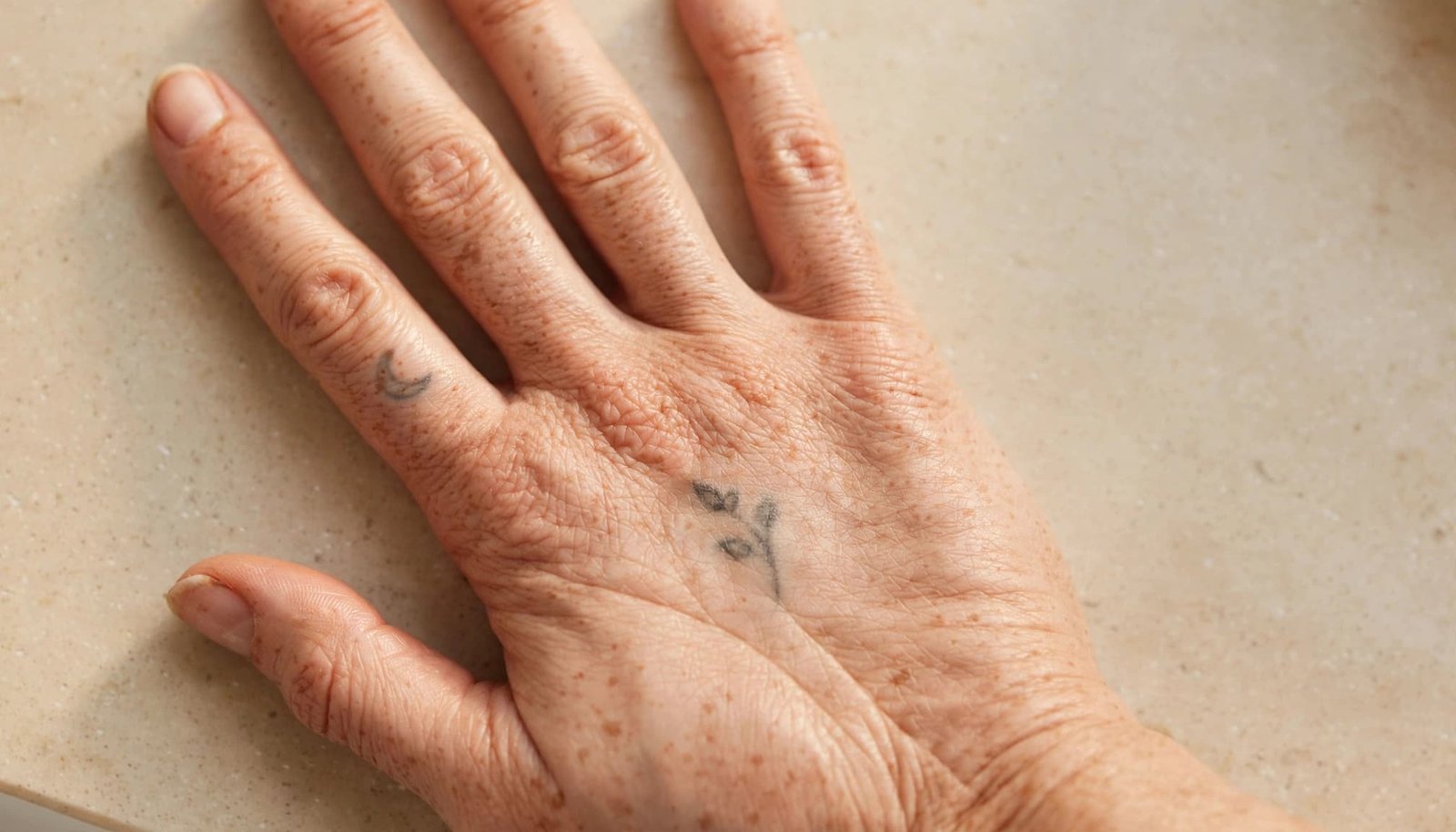
Hand tattoos can hurt more than tattoos on fleshier areas because the skin is thinner and bones, tendons, and nerve endings sit closer to the surface. Fingers, knuckles, and palms often feel sharper than the back of the hand, especially when the needle passes near a joint or bony edge.
Still, no artist can promise a universal pain level. Your experience depends on your pain tolerance, the size and detail of the design, the session length, and the artist’s technique. A small symbol may feel manageable, while dense shading or a long session can become tiring.
The healing period can also feel inconvenient. Your hand moves constantly, so normal tasks such as washing, gripping, typing, and opening containers may irritate the area. Follow your artist’s aftercare instructions closely, and avoid judging the final result while the tattoo is still peeling or settling.
Pain is part of the decision, but your daily routine often determines whether a hand tattoo feels easy or frustrating to maintain.
Why Hand Tattoos Fade Faster
Finger and palm tattoos often fade faster than tattoos in less exposed areas. Frequent handwashing, sunlight, friction, and constant skin movement all affect how the ink looks over time. Rings, tools, clothing, and everyday work can add more rubbing to the area.
Some people notice fading within a few months, while others keep a clearer result for much longer. Long-term results depend on the ink, your skin, sun exposure, lifestyle, aftercare, and the artist’s technique. UV exposure is a major concern, so protect healed tattoos with broad-spectrum, water-resistant SPF 30 or higher. Research on tattoo aftercare also links sun exposure with premature fading and changes during healing, as described in this tattoo aftercare research.
Simple designs usually age better than ultra-fine details. Slightly bolder lines, open spacing, and fewer tiny elements give the tattoo more room to remain readable as the ink softens.
When a Touch-Up May Be Needed
Wait until the tattoo has fully healed before deciding whether it needs additional work. Many artists recommend waiting at least six to eight weeks, since patchiness during early healing may improve as the skin settles.
Finger tattoos may need touch-ups every few years, although some require attention sooner. A first refresh might become noticeable within months for a high-friction design, while another tattoo may stay presentable for several years. There is no fixed schedule.
Before booking, ask your artist:
- How do you handle touch-ups for hand and finger tattoos?
- Is a follow-up included in the original price?
- Does your portfolio show healed hand tattoos, not only fresh work?
A healed portfolio gives you a better idea of the artist’s line quality and how their designs hold up after the initial appointment.
Hand Tattoo Aftercare for a Cleaner Healing Process
Proper aftercare helps your hand tattoo heal with less irritation and keeps the design looking clearer. Because your hands face frequent washing, movement, friction, and sun exposure, even small mistakes can affect the final result.
Your tattoo artist’s instructions should come first. Bandage types, removal times, ointments, and healing methods vary, so follow the guidance provided for your specific tattoo. General advice can support that plan, but it shouldn’t replace it.
Follow These Steps During the First Few Days
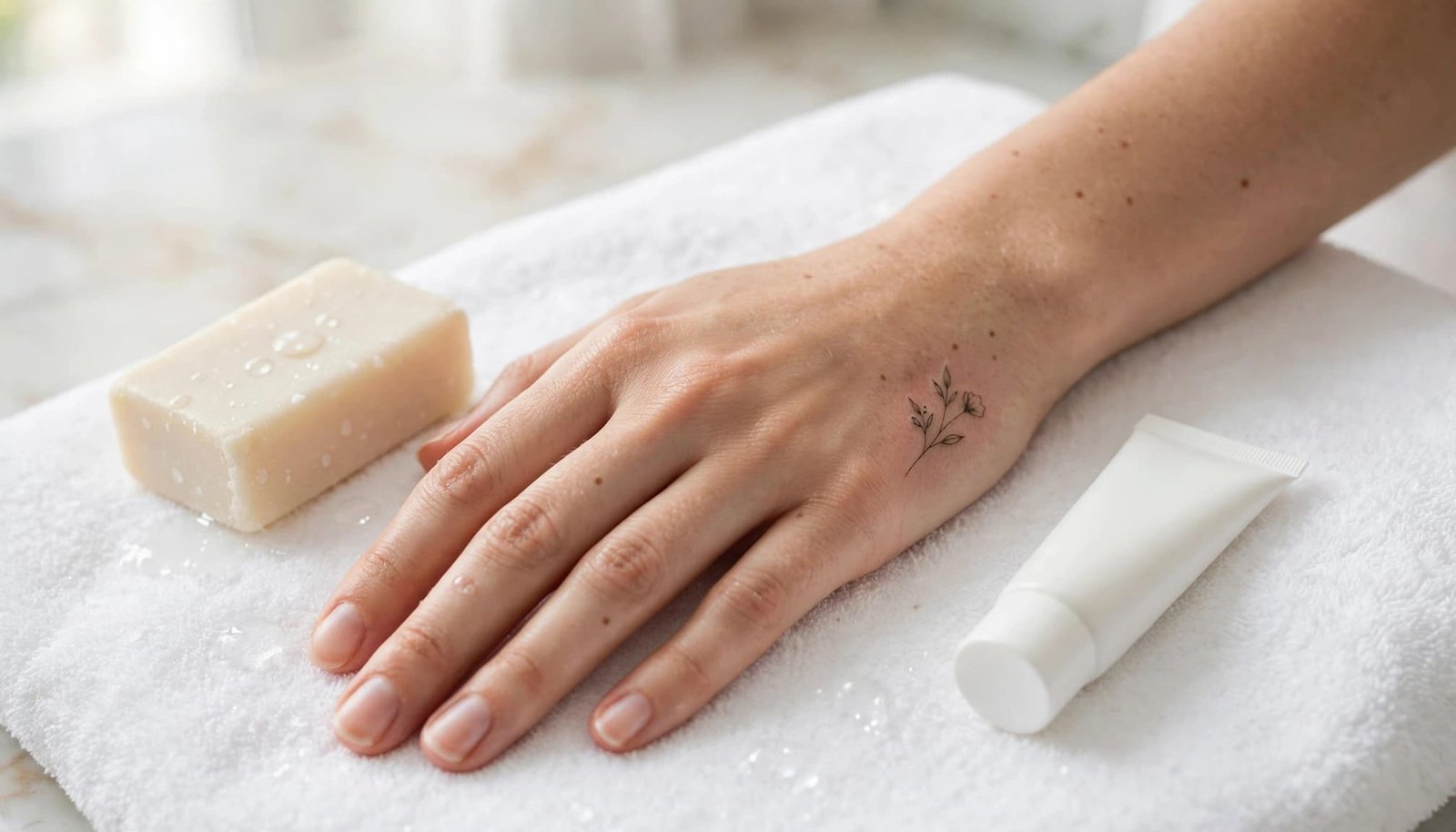
Once your artist says it’s time to remove the bandage, wash your hands before touching the tattoo. Then clean the area gently with lukewarm water and a mild, fragrance-free soap. Avoid washcloths, loofahs, exfoliants, scrubs, and scented products, which can irritate freshly tattooed skin. This tattoo aftercare guide also recommends gentle cleansing and light moisturization.
Use your fingertips to remove dried fluid, excess ointment, or ink without scrubbing. After rinsing, pat the tattoo dry with a clean paper towel or let it air-dry briefly. Rubbing the area with a regular towel can create unnecessary friction and leave fibers behind.
Apply only a thin layer of the ointment or fragrance-free moisturizer your artist recommends. Too much product can trap moisture, make the skin feel sticky, and contribute to clogged or irritated skin. The tattoo should look lightly moisturized, not glossy or covered in a thick film.
Avoid these common mistakes while the surface heals:
- Don’t pick scabs, flakes, or peeling skin, even when itching becomes distracting.
- Don’t scratch, rub, or repeatedly touch the tattoo.
- Don’t apply extra ointment every time the skin feels slightly tight.
- Don’t keep the tattoo covered longer than your artist directs.
- Don’t use alcohol, hydrogen peroxide, fragranced lotion, or harsh antibacterial products unless a medical professional tells you to.
Protect Your Hand From Water and Friction
Frequent handwashing is difficult to avoid, especially when your tattoo sits on the fingers, palm, or back of the hand. Wash as needed, but dry the tattoo carefully each time. When cleaning your home, wear clean protective gloves if appropriate, and remove them if sweat or moisture builds up inside.
Keep the tattoo out of pools, hot tubs, lakes, oceans, and baths while it heals. Short showers are usually easier to manage, but avoid directing hot water onto the tattoo or leaving it soaked for a long time. Prolonged water exposure can soften scabs and increase irritation or infection risk.
Surface healing often takes around two to three weeks. However, the tattoo can continue settling for four to six weeks, especially on the fingers, knuckles, sides of the hand, and palms. Wait until peeling, redness, tenderness, and scabbing have ended before judging the final appearance.
Add Sun Protection After Healing
Don’t apply sunscreen to an open or peeling tattoo unless your artist or healthcare provider specifically advises it. During healing, cover the area with clothing when possible and limit direct sunlight.
After the skin has fully healed, use a broad-spectrum sunscreen with at least SPF 30 whenever your hands are outdoors. Reapply after washing, sweating, or extended sun exposure. Consistent protection can help slow fading, which matters even more for hand tattoos that already face daily friction and frequent washing.
Conclusion
These 13 hand tattoo ideas for women offer plenty of room for personal style, from tiny symbolic marks and delicate flowers to bold animals, ornamental designs, and simple palm motifs. The strongest choice is one that matches your personal meaning, preferred visibility, comfort with pain, and the amount of space your design needs.
Before booking, consider whether you’re willing to manage fading and schedule future touch-ups, especially for finger and palm tattoos. Choose an experienced artist who has healed hand tattoo work in their portfolio, not only fresh designs, and follow their professional aftercare instructions throughout healing.
A small, well-planned hand tattoo can feel both stylish and deeply personal. When the design, placement, and long-term care all suit your lifestyle, your ink can become a meaningful detail you enjoy seeing every day.
Save pin for later


- 30 Trendy Tattoo Ideas for 2026: Styles and Placement - September 27, 2026
- 30 Gorgeous Fine Line Tattoo Ideas to Try - September 27, 2026
- 25 Fine Line Tattoo Ideas for Women With Meaning - September 22, 2026
Leave a Reply