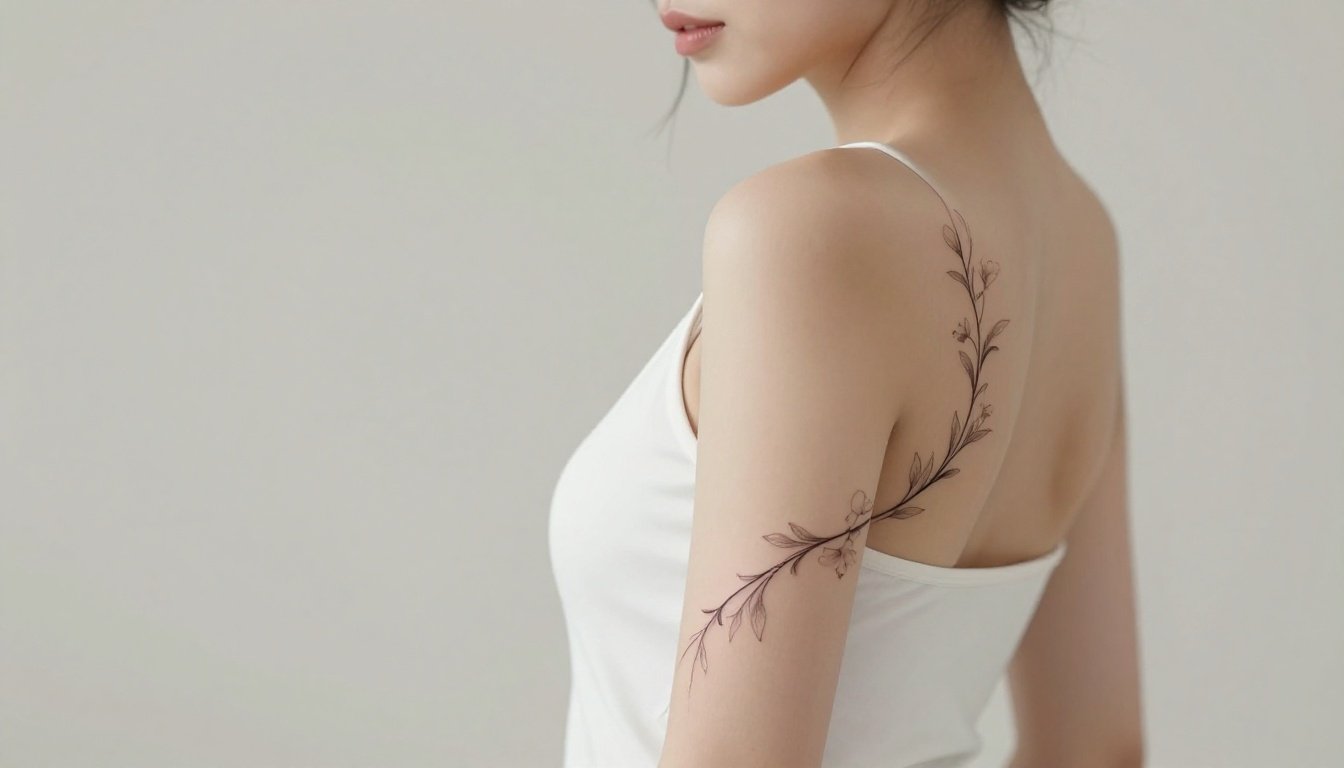
25 Rib Tattoo Ideas for Women
Rib tattoos have a personal, elegant appeal that other placements don’t always offer. You can keep the design hidden beneath everyday clothing, reveal it when you choose, and use the natural curve of your side for artwork that feels made for your body.
The rib area works well for tiny symbols, delicate lettering, and long, flowing designs. It can hold a small star or meaningful word just as easily as a large floral side panel, so you have plenty of room to match the tattoo to your style and story. If you’re building a more intentional look, these ideas can also complement your approach to building a cohesive personal style.
Before choosing a design, remember that ribs are often considered one of the tougher tattoo placements because the area has less padding and moves with your breathing. Clothing friction, bra bands, sleeping positions, and workouts can also affect comfort during healing, which commonly takes about two to four weeks at the surface. A skilled artist can help with sizing, placement, line weight, and aftercare planning, so take your time choosing both the design and the studio.
Here are 25 rib tattoo ideas for women, followed by practical advice to help you choose one that looks beautiful and fits your lifestyle.
25 Rib Tattoo Ideas for Women That Feel Personal and Stylish
These ideas are inspiration, not strict rules. Your best choice depends on the meaning you want to carry, your preferred tattoo style, the space available, and whether you want a discreet detail or a bold statement piece. A good artist can adjust any concept to fit your body’s natural lines.
Delicate Flowers and Botanical Rib Tattoos
Botanical designs suit the long rib canvas because thin stems and vertical layouts can follow the body’s shape without feeling crowded. Consider these five ideas:
- A fine-line wildflower stem can run vertically beneath the arm or along the side ribs. It may suggest growth, resilience, or a love of simple beauty.
- A rose or peony branch creates a longer, more noticeable design. Black ink keeps it clean and classic, while soft pink or muted red adds a vivid finish.
- A lavender sprig works well as a small, narrow tattoo near the waist or under the breast. Many people connect it with calm, healing, or peaceful memories.
- A leafy vine can follow the curve of the ribs, creating movement across the side instead of a straight vertical line. Its meaning might center on growth or personal strength.
- A birth-flower arrangement can combine flowers for family members, children, or important dates. Use fine black outlines for a refined look or gentle color for easier visual distinction.
Keep enough space between leaves, petals, and stems. Fine details packed too closely together can blur as the tattoo ages.
Celestial and Magical Designs for the Side Ribs
Celestial rib tattoos can stay minimalist or become ornate, depending on how much space you want to use. A sun and moon pairing can sit centered on the side ribs, suggesting balance or two parts of one story. A crescent moon with stars is easy to scale down and may represent hope, intuition, or nighttime comfort.
A constellation can match a meaningful star pattern without requiring much shading. For something even smaller, choose a tiny eclipse with a narrow ring of light. Its meaning might relate to change, transition, or a private turning point.
For a more decorative design, consider a celestial woman or mystical eye with fine rays, dots, and light shading. Minimal versions suit the waist or underarm, while ornamental designs can stretch vertically toward the hip. These symbols don’t have one fixed meaning, so choose the interpretation that fits your own transformation.
Butterflies, Snakes, and Other Nature-Inspired Ideas
Curved animals naturally follow the line of the ribs, while their movement creates a strong side-profile design. A single butterfly can sit near the waist or under the breast in fine-line ink, while a pair of butterflies can represent companionship, renewal, or two important stages of life.
A graceful snake can wind vertically along the ribs or curve toward the back. Fine-line work keeps it delicate, while blackwork or realistic shading gives it more intensity. A hummingbird with flowers creates a lively composition that works well in color or detailed grayscale.
For a darker style, choose a moth with botanical details. Blackwork makes the wings bold, while ornamental dots and leaves soften the design. Possible meanings include freedom, confidence, mystery, and change, but your personal story matters more than any standard symbolism.
Meaningful Words, Quotes, and Tiny Rib Symbols
A short handwritten word can sit horizontally along the side ribs or vertically beneath the breast. Choose lettering large and clear enough to remain readable on moving skin. A meaningful date in small lettering offers a private reminder, while a Roman numeral date gives the same idea a more structured appearance.
A short lyric or brief quote can work when the phrase has emotional weight, but long quotations often become cramped and difficult to read. Check spelling, translation, dates, and font samples before your appointment. Ask your artist to show the design at its actual size.
For the smallest option, choose a tiny heart, star, arrow, or semicolon. These symbols can sit near the waist, under the breast, or on the side ribs. Placement changes the mood: vertical lettering feels elongated, while horizontal lettering follows the body’s natural width.
Bold Rib Tattoo Concepts for a Larger Statement Piece
Larger rib tattoos need more planning, time, and often more than one session. A blackwork ornamental panel can cover the side with dense patterns, while a realistic portrait or animal uses grayscale shading for depth. Color adds energy, but solid black usually creates the strongest contrast.
A Japanese-inspired wave and flower composition can flow across the ribs toward the back or hip. A geometric mandala can center on the side and widen with the body’s curve. For the most personal option, combine several symbols in a meaningful collage, such as flowers, dates, stars, and an animal connected to your story.
Your artist should design the piece for movement, breathing, and body shape rather than copy a flat image. Ask whether the composition can extend toward the back, hip, or underbust without making the original design feel unfinished.
How to Choose the Right Rib Tattoo Design and Placement
The best rib tattoo fits your body, lifestyle, and personal style at the same time. Before choosing a design, consider how often you wear fitted clothing, how private you want the tattoo to be, and how much detail you want to maintain over the years.
Side-rib tattoos can sit high near the underarm, in the center of the rib cage, lower near the waist, or extend toward the back and hip. Bra bands, waistbands, and regular body movement can affect both comfort and healing, so placement deserves as much thought as the artwork itself.
Match the Design to Your Body’s Natural Lines
The rib cage naturally favors designs with length and movement. Vertical stems, snakes, narrow lettering, and elongated symbols can follow the side of your torso without looking cramped. A flower stem might run beneath the arm, while a snake can curve gently toward the waist or back.
Wider designs need more room. A floral panel, large butterfly, or ornamental pattern may need to wrap toward your stomach, back, or hip instead of sitting entirely on the side ribs. Ask your artist how the design will flow when you stand, sit, bend, and twist.
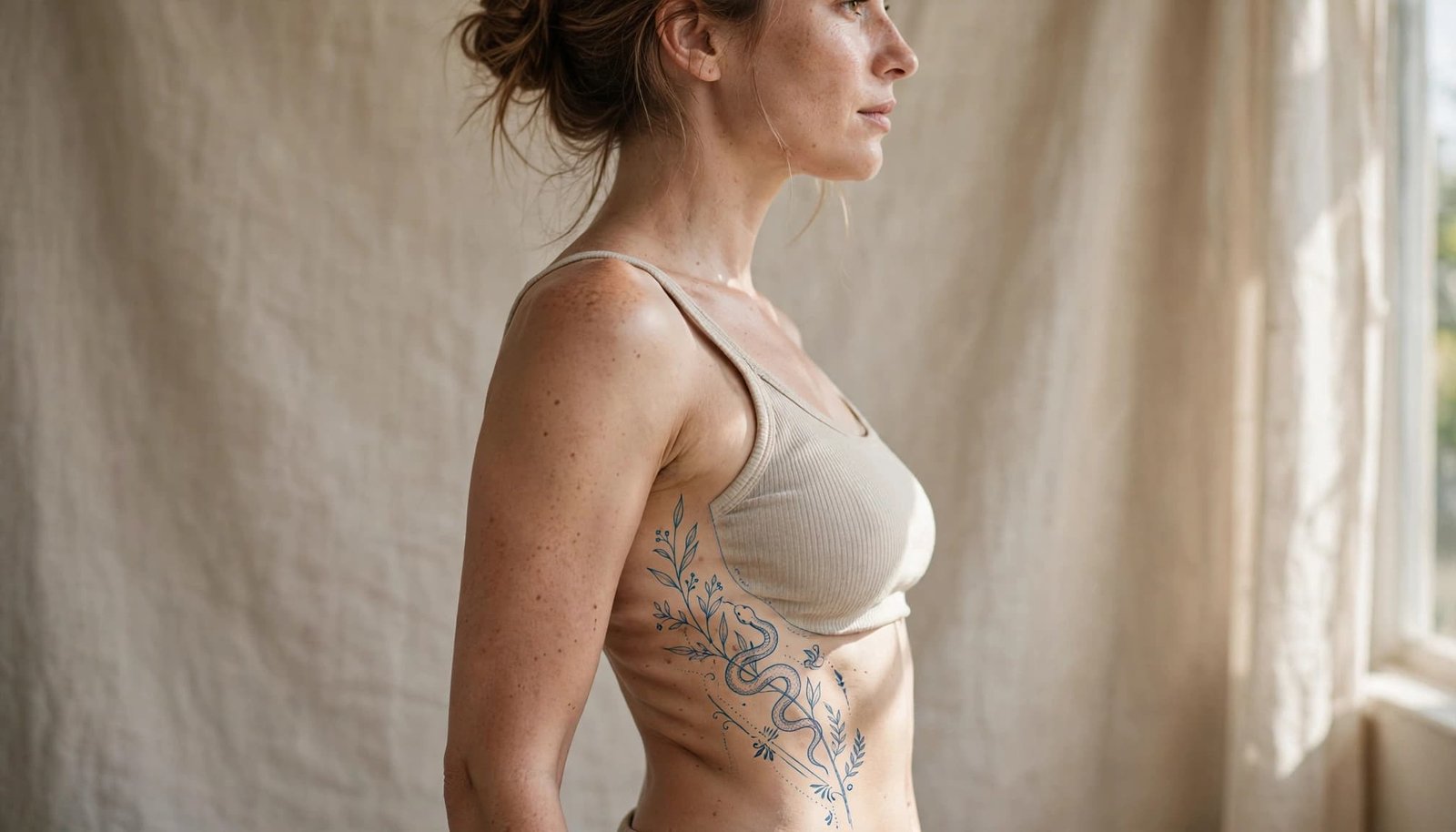
Have the artist apply a stencil while you’re standing in a relaxed position, not only while lying down. Your skin shifts when your posture changes, and a placement that looks centered on the table may sit differently when you stand naturally. The tattoo may also look slightly different when you bend or twist. That movement is normal, not a flaw in the design.
Decide Between Fine-Line, Color, Blackwork, and Realism
Your preferred tattoo style affects the design’s size, upkeep, and visual weight. Fine-line tattoos look delicate and refined, but they need thoughtful spacing and an artist with strong control. Very tiny details can soften over time, especially when the design includes tightly packed lines.
Color can make flowers, butterflies, and sunsets stand out against the skin. However, frequent sun exposure can fade tattoo ink, so healed tattoos need protection. The American Academy of Dermatology recommends broad-spectrum, water-resistant sunscreen with SPF 30 or higher on tattooed skin outdoors. Fresh tattoos should stay protected from direct sunlight while they heal. Read the American Academy of Dermatology’s tattoo care guidance before your appointment.
Blackwork and ornamental tattoos create bold contrast with solid ink, decorative shapes, and strong borders. They suit larger side pieces and designs that need to remain visible beneath clothing. Realism requires even more space because portraits, animals, and flowers depend on careful shading. Always choose an artist whose healed work matches the style you want, not only fresh photos posted online.
Make the Tattoo Meaningful Without Making It Too Busy
Personal meaning doesn’t require a crowded collage. Start with one main image, then add one or two supporting details, such as a date, initial, star, leaf, or small natural element. A rose with a meaningful date usually reads more clearly than five unrelated symbols competing for attention.
Your lifestyle can help narrow the choice. If you wear high-waisted jeans or fitted work clothes often, a lower design may experience more friction. If privacy matters, place the tattoo beneath the bra line or higher on the side ribs. Those who want occasional visibility might extend the design toward the back or hip.
Save several references before meeting your artist, but look for a shared visual direction rather than one tattoo to copy. Bring examples of line weight, composition, and mood, then ask the artist to create an original design for your body. Trends can offer ideas, but a symbol connected to your life is more likely to feel right years from now.
What Rib Tattoo Pain and Healing Are Really Like
Rib tattoos often require more preparation than tattoos on fleshier areas. The skin moves every time you breathe, clothing can rub against the design, and sleeping comfortably may take some planning. Knowing what to expect helps you choose a size and placement that fit your comfort level.
Why the Ribs Can Hurt More Than Other Tattoo Placements
The ribs are often considered a high-pain tattoo location because the skin is relatively thin, there is limited padding, and the area sits close to bone. Nerves also run through the torso, so the tattoo needle may feel sharper or more intense than it does on the outer arm or thigh.
However, pain varies widely. A rating such as 7 to 9 out of 10 is a broad estimate, not a promise of what every person will experience. Your exact placement, session length, pain tolerance, hydration, stress level, and artist’s technique all affect the experience.
Areas near the sternum may feel more sensitive because the skin lies close to the breastbone. The upper ribs near the underarm can have a different sensation, while the lower ribs may feel more manageable for some people. Constant torso movement also matters. Breathing, talking, shifting position, and stretching the skin can make a long session feel more tiring.
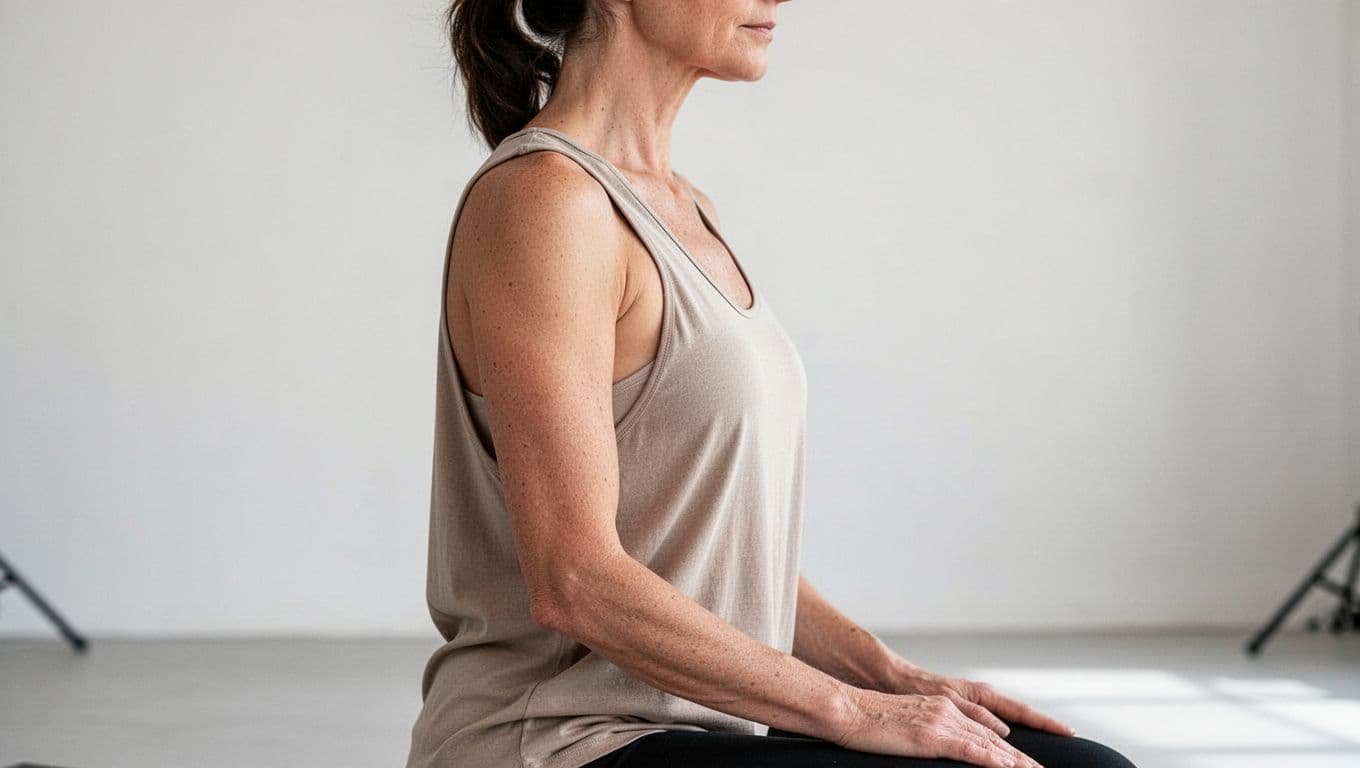
Plan Clothing, Sleep, and Exercise Around Healing
During the early healing period, choose loose, breathable clothing that won’t press against the tattoo. Tight bras, firm waistbands, lace, and rough fabrics can create friction, especially when the design sits under the breast, near the underarm, or along the lower ribs.
If you can, sleep on your back or on the opposite side. Your artist may recommend a specific dressing, so follow those instructions rather than removing it early or adding products without guidance. Clean sheets and soft clothing also reduce unnecessary rubbing.
Pause twisting workouts, contact sports, and activities that cause heavy sweating until your artist says the skin is ready. Yoga twists, intense core exercises, running, and tight athletic clothing can stretch, compress, or irritate the tattoo. Give the skin time to close before returning to movements that repeatedly bend the torso.
Know What Normal Healing Looks Like
A new tattoo may feel tender, warm, or mildly swollen at first. Light redness, itching, peeling, small flakes, and minor scabbing can also occur as the surface heals. These symptoms should gradually improve rather than spread or become more intense.
Surface healing often takes about two to four weeks, although deeper skin recovery can continue for several more weeks or months. Follow your artist’s aftercare instructions, keep the area clean, and avoid scratching, picking, or pulling at peeling skin. Removing flakes yourself can irritate the area and affect the finished tattoo.
Contact a qualified medical professional if you notice worsening redness, increasing warmth, severe swelling, worsening pain, pus, fever, chills, open sores, or red streaks extending from the tattoo. These signs can indicate infection. Learn more about tattoo infection symptoms, and seek prompt medical advice when healing starts to worsen instead of improve.
Finding the Right Tattoo Artist and Understanding Rib Tattoo Cost
Choosing a rib tattoo artist takes more care than picking the lowest quote. The skin curves, moves with every breath, and can make straight lines look uneven if the artist lacks experience with side-body placement. Review the artist’s healed work, ask direct questions about studio practices, and calculate the full cost before booking.
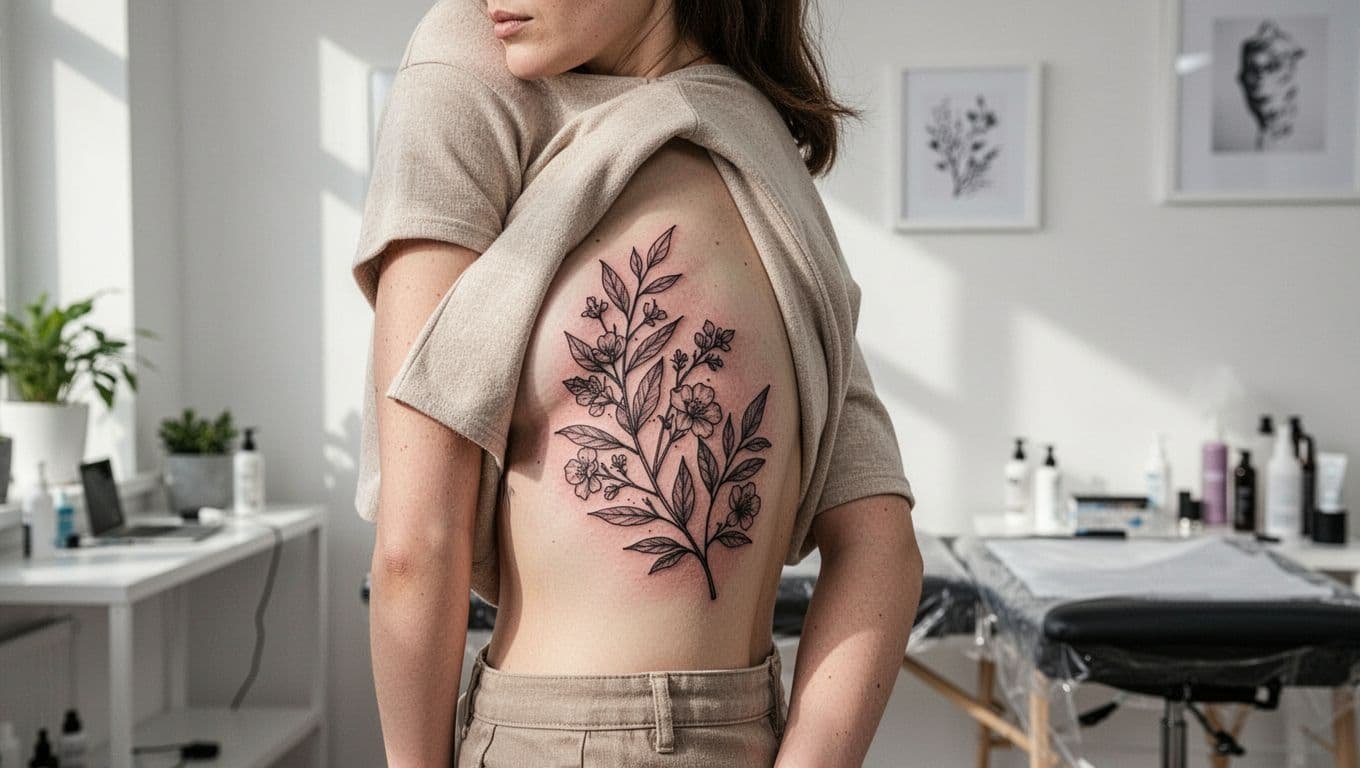
Check the Artist’s Portfolio for Healed Rib Work
Start with the exact style you want, whether that’s fine-line flowers, delicate lettering, blackwork, realism, or color. Look for consistent line quality, smooth shading, balanced composition, and lettering that remains readable at a normal viewing distance. Fresh tattoos often look crisp because the ink and skin are still new, so clear healed photos give you a more useful idea of the long-term result.
Prioritize portfolios that include rib, side-body, underbust, or other curved-surface tattoos. Work on flat areas such as arms can look excellent but may not show how an artist handles breathing, body movement, changing angles, or a long design that follows the torso. Ask to see healed examples in the same style and approximate size as your idea.
An artist who specializes in your preferred style is usually a better choice than the cheapest available option. Experience with the right technique can help prevent uneven lines, crowded details, and poor placement. Check the artist’s portfolio before booking and compare quality, not just the number on the estimate.
Ask About Hygiene, Deposits, Sessions, and Touch-Ups
Before you schedule, ask whether the studio has the required local license, inspection, or health department approval. Confirm that the artist uses new, single-use needles, fresh gloves, barrier protection, and properly sterilized reusable equipment. The FDA also warns that tattoo inks, including sealed products, can sometimes contain harmful microorganisms, so ask how ink is handled and stored. Review the FDA’s tattoo safety guidance before your appointment.
A professional artist should answer clearly about:
- The deposit amount and cancellation policy.
- Design changes, revisions, and stencil approval.
- Expected session length and whether the piece needs multiple appointments.
- Recommended aftercare products and instructions.
- Included or paid touch-ups after the tattoo heals.
A deposit and consultation are common, but the terms should be explained before you pay. Leave if you notice reused equipment, an unclean workspace, vague hygiene answers, or an unusually low price that seems too good to be true.
Estimate the Full Cost Before You Book
Many experienced US tattoo artists charge about $150 to $300 per hour. Your final rib tattoo cost may include an hourly rate or flat quote, deposit, multiple sessions, travel, aftercare products, and possible touch-ups.
As a practical estimate, a small script tattoo or tiny symbol may cost around $200 to $600. A medium rib design with flowers, shading, or several details often falls near $500 to $1,200. A large, detailed full-side panel can cost $1,200 to $3,000 or more, especially when it requires multiple appointments.
City, artist demand, size, detail, color, session count, and touch-ups all affect the total. Ask for a written estimate that explains what the quote includes, then compare portfolios and experience before comparing prices. A lower quote can become expensive if the design needs correction or the artist cannot produce the style you requested.
Rib Tattoo Aftercare and Long-Term Care
Proper rib tattoo aftercare protects your skin while the design settles. Your tattoo artist’s instructions should come first because bandage types, ink coverage, and healing methods can vary. Keep the area clean, reduce friction, and avoid anything that irritates freshly tattooed skin.
Follow a Gentle Cleaning and Moisturizing Routine
Leave the initial bandage on for the exact amount of time your artist recommends. That timing may differ depending on whether they used a traditional adhesive bandage or a transparent medical film. Don’t remove it early or keep it on longer without asking your artist first.
Once you’re ready to clean the tattoo, wash your hands with soap and water before touching it. Then rinse the area with lukewarm water and use a small amount of mild, fragrance-free soap. Move your fingertips gently over the tattoo without scrubbing, rubbing, or using a washcloth. Afterward, rinse away all soap and pat the skin dry with a clean paper towel or fresh, soft towel.

When the skin feels dry, apply only a thin layer of the moisturizer or healing ointment your artist recommends. Heavy layers can trap moisture, block airflow, and irritate the skin beneath the product. Fragrance-free lotions and creams are common choices, but confirm the product and application schedule with your artist. The American Academy of Dermatology’s tattoo care guidance also recommends gentle cleansing and a water-based moisturizer for dry tattooed skin.
Repeat the routine as directed, but don’t keep touching the tattoo throughout the day. After cleaning, clean clothing and loose fabric can help protect the area from unnecessary contact.
Avoid Water, Sun, and Friction While the Skin Heals
Keep the fresh tattoo out of pools, hot tubs, baths, lakes, and ocean water until the skin has fully healed. Soaking can expose an open or peeling tattoo to bacteria, chlorine, salt, and other irritants. Take showers instead, and avoid directing strong water pressure at the tattoo.
Direct sunlight can irritate healing skin and affect the tattoo’s appearance. Cover the area with loose clothing and stay in the shade while it heals. Once the skin has completely closed, apply a broad-spectrum, water-resistant sunscreen with SPF 30 or higher whenever the tattoo will be exposed.
Your rib tattoo also needs protection from repeated rubbing. Tight bras, rough seams, compression tops, and firm waistbands can scrape the area or trap sweat against it. Choose soft, breathable clothing, and pause activities that repeatedly stretch or compress the tattoo until your artist says they are safe.
Protect the Tattoo So It Stays Sharp
Sun exposure can fade tattoo ink, especially pale colors and fine details. After healing, apply sunscreen before outdoor activities and reapply it at least every two hours when you remain outside or after swimming. Regular moisturizing also helps healed skin stay comfortable and keeps the tattoo looking clear.
Don’t judge the final appearance while redness, peeling, or mild swelling remains. The tattoo may look dull, cloudy, or uneven during surface healing, then appear sharper as the skin settles. Never pick scabs or pull away flakes, since doing so can remove pigment and prolong irritation.
Fine lines and pale colors may soften over time, even with good care. That makes thoughtful spacing and artist selection important before your appointment. Give delicate details enough room, choose an artist with strong healed work, and protect the finished tattoo from unnecessary sun exposure.
Conclusion
These 25 rib tattoo ideas show how much variety this placement can offer. A small symbol, handwritten word, flower, celestial design, animal, or large artistic panel can all work when the concept matches your personality and carries personal meaning.
Before booking, consider how the design will follow the natural curve of your ribs and how its size will look when you stand, sit, and move. Rib tattoos can involve more discomfort than some other placements, and clothing, bras, waistbands, and exercise may create friction during healing, so plan your recovery time carefully.
Most importantly, choose a hygienic tattoo studio and an artist with healed portfolio examples in the style you want. Take time to review the stencil, placement, aftercare instructions, and final design before the needle touches your skin.
With thoughtful planning, your rib tattoo can become a personal piece that feels beautiful, intentional, and right for you.
Save the pin for later


- 20 Tattoo Ideas for Women on the Foot - September 19, 2026
- 5 Beautiful Tattoo Ideas for Women on Fingers - September 19, 2026
- 16 Cute Tattoo Ideas for Women on the Stomach - September 19, 2026
Leave a Reply