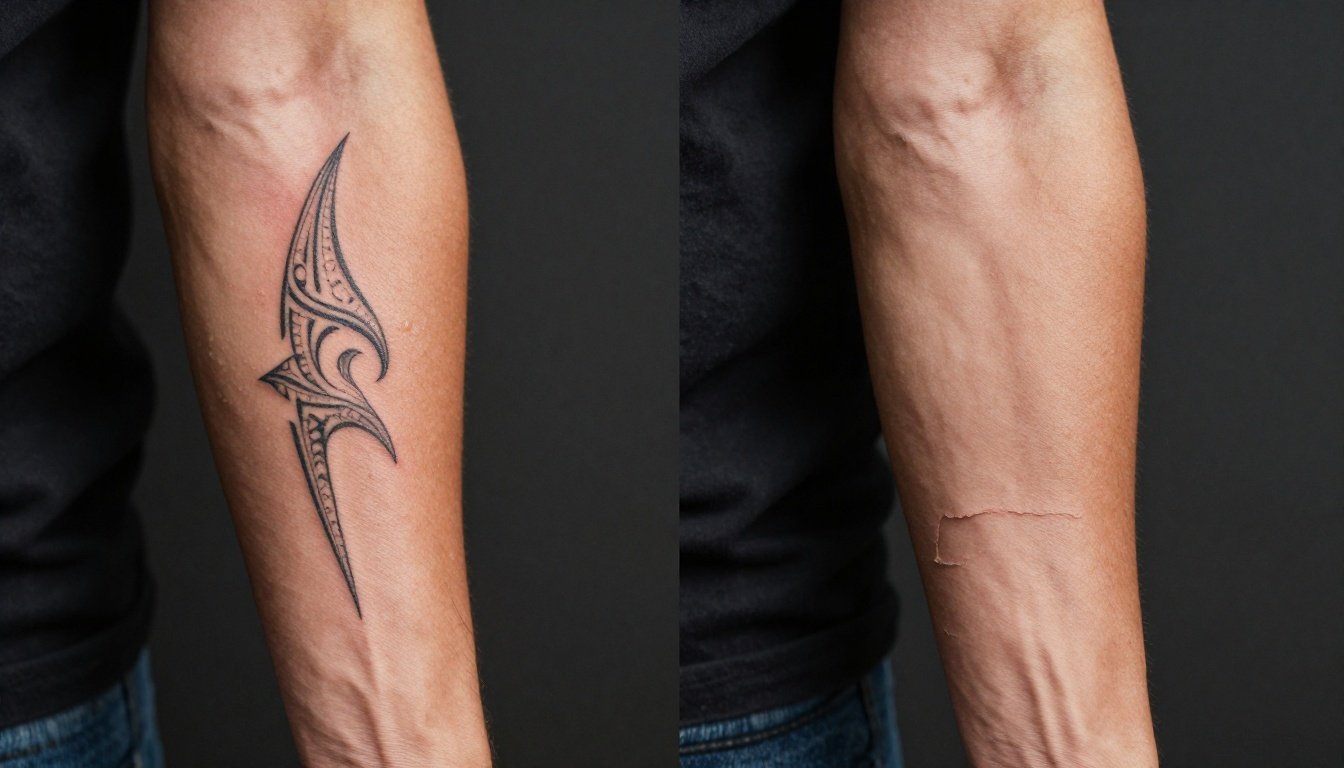
Your Tattoo Healing Timeline: What to Expect Week by Week
Fresh tattoo ink settles into your skin as the redness fades, tenderness eases, and the surface begins to peel. This tattoo healing timeline is gradual, not a single deadline: most tattoos heal on the surface in about two weeks, while color and deeper layers can continue settling for four to six weeks.
Healing varies with the tattoo’s size, placement, your skin, and how well you follow aftercare instructions. You’ll learn what to expect from the first day through full healing, how to clean and moisturize the area, which activities to avoid, and when worsening redness, swelling, pain, pus, or fever may need medical attention. Next, we’ll look at each stage week by week.
Key Takeaways
- Most tattoos heal on the surface in about two weeks, but deeper layers may continue settling for four to six weeks.
- Mild redness, soreness, clear fluid, itching, peeling, and small scabs can be normal during healing.
- Wash gently twice daily, pat dry, apply a light moisturizer, and never pick or scratch the skin.
- Avoid swimming, soaking, direct sun, tight clothing, and friction until the tattoo heals. Follow these tattoo aftercare recommendations.
- Contact a healthcare professional if redness spreads, pain worsens, pus or odor appears, or you develop fever.
Your Tattoo Healing Timeline, From Fresh Ink to Fully Healed Skin
A tattoo usually looks mostly healed within two to three weeks, but the skin underneath may continue repairing itself for several more weeks or months. Larger designs, dense color, and heavy shading create more irritation, so they often need extra time.
Your tattoo may look different each day as the surface changes. Mild redness, soreness, flaking, itching, and small scabs can be part of normal healing. Use the timeline below as a guide, not a strict deadline.
Days 1 to 3: Fresh ink and tender skin
During the first few days, your tattoo is an open wound. The area may feel warm, swollen, tight, or sore, and a small amount of clear fluid mixed with ink can appear. Mild redness around the design is common.
Follow your artist’s bandage instructions. Once you’re told to remove it, wash your hands first, then clean the tattoo gently with lukewarm water and mild, fragrance-free soap. Pat the area dry instead of rubbing it, then apply a thin layer of recommended moisturizer. Mayo Clinic’s tattoo care guidance also advises avoiding direct sun, swimming, and clothing that sticks to the skin while it heals.
Days 4 to 14: Peeling, itching, and scabbing
As the skin closes, the tattoo may become dry, itchy, flaky, or slightly scabbed. The colors can look dull or cloudy beneath the peeling surface. That temporary haze doesn’t mean the ink has failed. Fresh skin is still forming over it.
Wash and moisturize the tattoo about twice daily, unless your artist or healthcare professional gives different instructions. Resist scratching or pulling at flakes, since removing them early can irritate the skin and affect the final appearance. Loose, breathable clothing also helps reduce friction.
Peeling skin is usually part of healing, but spreading redness or worsening pain is not.
Weeks 3 to 6: The surface settles
By the third or fourth week, most tattoos feel smoother and appear clearer. Mild dryness may remain, especially around heavily shaded areas. Keep moisturizing when the skin feels tight, and continue avoiding prolonged soaking until every scab and flaky patch has disappeared.
Cleveland Clinic lists increasing pain, heat, odor, significant drainage, fever, and spreading redness as possible infection signs. NHS aftercare guidance also recommends medical advice for swelling, discharge, unusual tenderness, or skin that feels hotter than the surrounding area. If these symptoms appear, contact a healthcare professional rather than waiting for the timeline to correct itself.
After six weeks: Fully healed skin
The tattoo may be surface-healed while deeper layers continue settling for months. Once the skin feels smooth and shows no scabs, peeling, or tenderness, apply sunscreen whenever it will be exposed. UV protection helps reduce fading and protects the newly healed skin.
How to Care for Your Tattoo at Every Stage of Healing
Good tattoo aftercare is simple, but the first instruction should always come from your tattoo artist. Coverings differ, and a transparent adhesive film needs different removal timing than a traditional bandage. Products also vary, so follow the artist’s directions before adding advice from elsewhere.
The basic tattoo aftercare routine
Once your artist says it’s time to remove the covering, use this routine:
- Wash your hands thoroughly before touching the tattoo. Clean hands keep bacteria away from freshly injured skin.
- Remove the dressing as instructed. If it sticks, soften it with lukewarm water instead of pulling hard.
- Gently wash the tattoo with lukewarm water and mild, fragrance-free soap. Use your fingertips, not a washcloth, brush, or sponge.
- Rinse away all soap, then pat the area dry with a clean paper towel or freshly washed towel. Rubbing can disturb peeling skin and scabs.
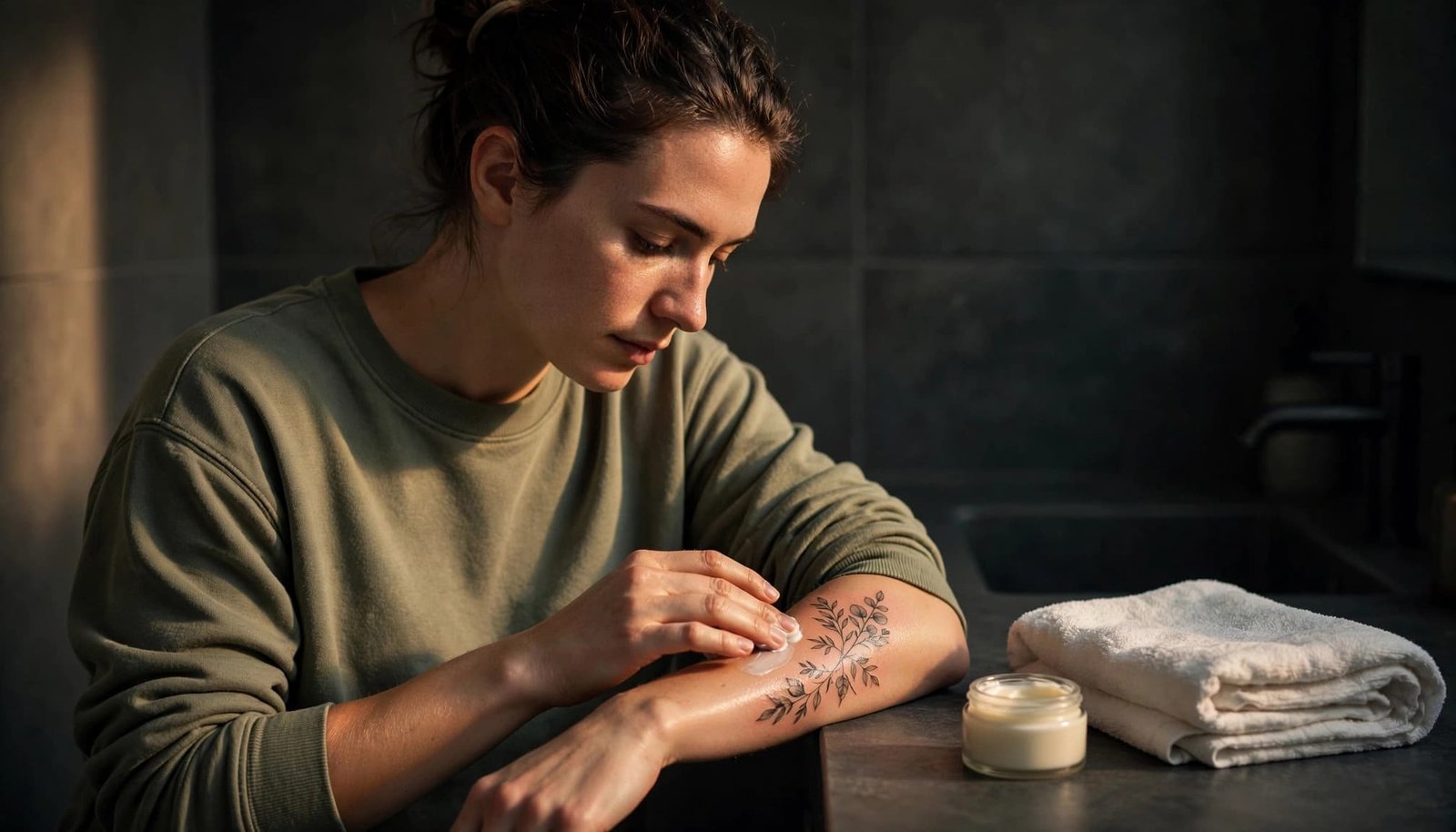
- Apply a very thin layer of suitable moisturizer when the skin feels dry or tight. A simple, fragrance-free, water-based lotion is usually a practical choice.
- Repeat gentle washing and light moisturizing about twice daily, unless your artist or healthcare professional gives different instructions.
The goal is balanced care. Too little moisture can leave the skin cracked and uncomfortable, while heavy layers can trap moisture and irritate the area.
Clean hands, gentle washing, and a thin moisturizer layer matter more than buying an elaborate collection of tattoo products.
Avoid petroleum jelly unless a qualified professional specifically recommends it for your situation. Petroleum-based products may clog pores, increase irritation, and contribute to ink fading. See the guidance on petroleum jelly and tattoos before choosing an occlusive ointment.
Care that changes with the healing stage
During the first few days, protect the tattoo from dirt, direct water pressure, and unnecessary touching. Wear loose, breathable clothing so fabric doesn’t stick to the skin or create friction. Follow your artist’s instructions about re-covering the tattoo, since some dressings should stay on longer than others.
As peeling and itching begin, continue washing gently and moisturize only when needed. Never scratch, pick scabs, or pull away loose flakes. Also avoid swimming, baths, hot tubs, and other soaking until the tattoo has no scabs, peeling, or tenderness.
After the surface feels smooth and fully healed, use broad-spectrum sunscreen on exposed skin. Contact a healthcare professional if redness spreads, pain worsens, swelling increases, pus or odor appears, or you develop a fever, rash, or blisters.
What Can Make a Tattoo Take Longer to Heal?
A tattoo doesn’t heal on an identical schedule for everyone. Your skin, the design, its location, and your daily habits all affect how quickly the surface settles. A slower timeline isn’t automatically a problem, especially when redness, tenderness, peeling, and itching gradually improve.
Tattoo size, ink density, and placement
A large tattoo usually takes longer to heal because it creates a bigger area of injured skin. Dense color, heavy shading, and repeated passes can also cause more irritation than a small linework design. The skin may stay tender, swollen, or flaky for several extra days.
Placement matters just as much. A tattoo over the elbow, knee, wrist, or ankle moves whenever you bend a joint. Areas beneath waistbands, bra straps, socks, or shirt sleeves face constant pressure and rubbing. By contrast, a calmer area with less movement and friction may settle sooner.
Friction, sun, and water exposure
Tight clothing can scrape peeling skin and trap sweat against the tattoo. Choose loose, breathable fabric while the area heals, particularly if the design sits under a sleeve or waistband. Repeated rubbing can keep inflammation active and may disturb scabs before they’re ready to fall away.
Sun exposure creates another delay. Ultraviolet light can irritate fresh tattooed skin, slow repair, and fade pigment. Keep the tattoo covered with clean clothing while it’s healing, then use broad-spectrum, water-resistant SPF 30 or higher once the surface has fully closed. The American Academy of Dermatology’s tattoo care guidance recommends this approach for protecting healed tattooed skin.
Swimming and soaking can also interfere with recovery. Pools, hot tubs, lakes, oceans, and long baths soften the forming surface and expose an open wound to bacteria. Wait until the tattoo has no scabs, peeling, drainage, or tenderness before submerging it.

Skin sensitivity and inconsistent aftercare
Reactive skin may remain red or uncomfortable longer than less sensitive skin, even when healing is proceeding normally. Skipping washes, applying too much or too little moisturizer, scratching, picking scabs, or touching the tattoo with unwashed hands can extend irritation.
Watch the direction of change rather than counting exact days. Redness and soreness should ease, flakes should fall away naturally, and the surface should become smoother. Spreading redness, worsening pain, heat, pus, or fever needs medical attention, not more time.
When Can You Swim, Exercise, and Enjoy the Sun Again?
Returning to normal activities depends less on the calendar and more on the tattoo’s condition. Wait until the skin is fully healed, with no open areas, peeling, scabs, drainage, or tenderness. Your artist’s advice also matters, especially for large tattoos or designs placed over joints.
Swimming and showering are different
A gentle shower is usually fine while your tattoo heals. Keep the water lukewarm, avoid spraying the tattoo directly, and wash it with mild soap using clean fingertips. Afterward, pat the area dry with a clean towel. Don’t rub, scrub, or leave the tattoo under running water for a long time.
Swimming and soaking require more patience. Pools, hot tubs, lakes, oceans, and baths can expose healing skin to bacteria and soften scabs before they are ready to fall away. Chlorine and saltwater may also irritate the area.
Wait until the tattoo has completely healed before submerging it. A waterproof bandage doesn’t make swimming safe because water can still reach the edges, and trapped moisture can irritate the skin.
Exercise depends on sweat and friction
You don’t necessarily need to stop all movement, but choose activities that keep the tattoo clean and comfortable. Heavy sweating, tight clothing, repeated rubbing, and stretching across a joint can prolong irritation while the skin remains open or tender.
For example, a fresh thigh tattoo may rub against exercise shorts, while a shoulder design may stretch during weight training. Choose loose, breathable clothing and avoid equipment that presses against the tattoo. Clean shared equipment before use, and wash the tattoo gently afterward if sweat collects on the area.
Pause the workout if the tattoo becomes increasingly hot, painful, swollen, or irritated. Resume your usual routine once the skin has closed and no longer peels, scabs, or feels sore.

Protect fresh ink from the sun
Keep a healing tattoo covered with clean, loose clothing and out of direct sunlight. Don’t apply sunscreen to open or peeling skin. Once the surface has fully healed, use a broad-spectrum, water-resistant SPF 30 or higher. The American Academy of Dermatology’s sunscreen guidance recommends applying it 15 minutes before sun exposure and reapplying at least every two hours, including after sweating or swimming.
Long-term sun protection helps preserve both your skin and the tattoo’s color.
How to Tell Normal Healing From a Tattoo Problem
A healing tattoo can look unsettled before it looks clear. Mild redness, soreness, swelling, itching, clear fluid, peeling, and small scabs often improve as the skin repairs itself. The key is to watch the direction of change: healthy irritation gradually settles, while a possible problem usually worsens, spreads, or fails to improve.
Signs that usually fit normal healing
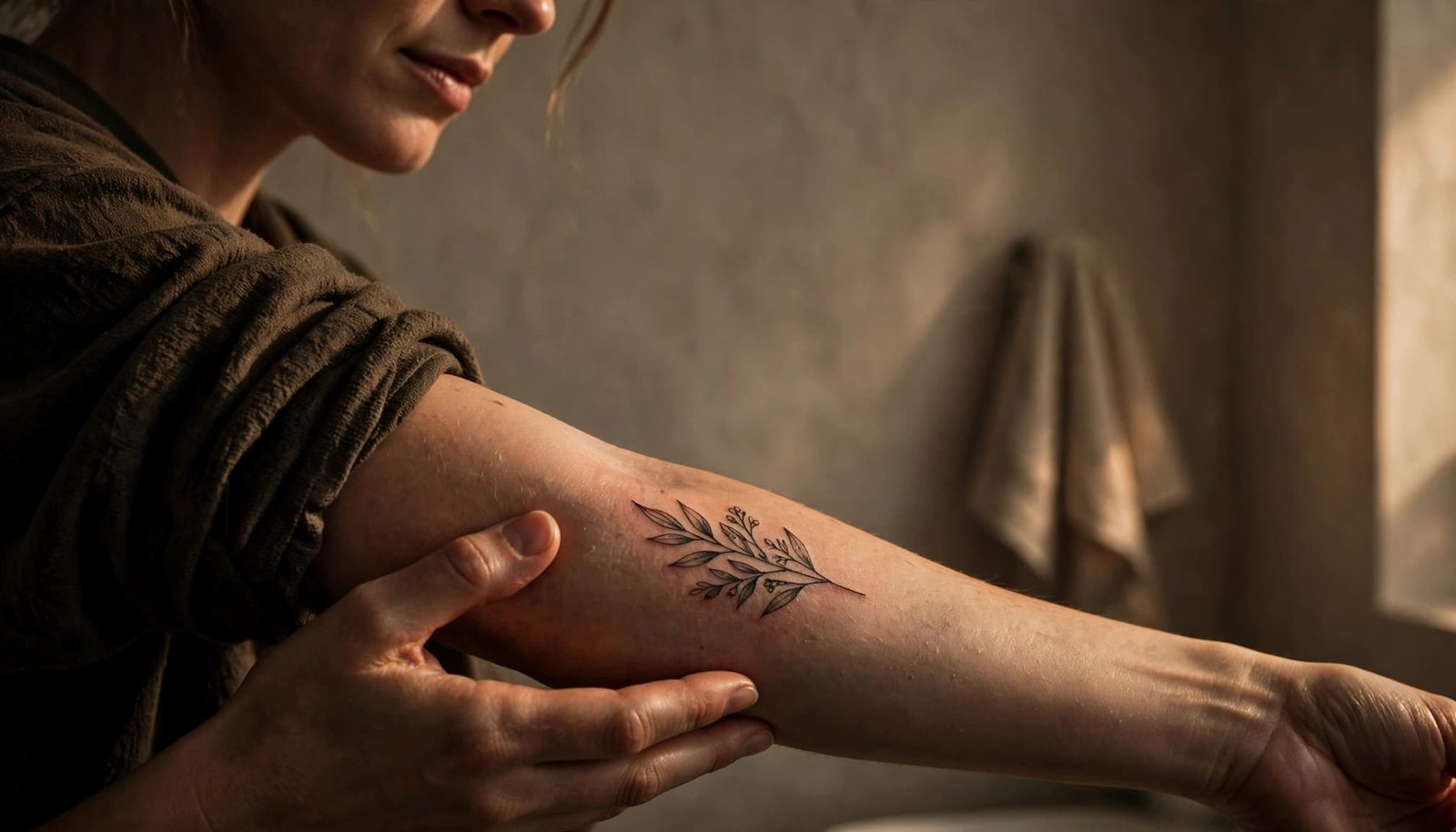
During the first several days, the skin around your tattoo may feel warm, tender, tight, or slightly swollen. A small amount of clear fluid mixed with excess ink can also appear. These changes should stay close to the tattoo and become less noticeable over time.
As the surface closes, itching, flaking, dryness, and light scabbing are common. The design may look dull or cloudy beneath peeling skin, then appear brighter once the flakes fall away naturally. Avoid scratching or picking, even when the itch feels difficult to ignore.
Changes that need medical attention
A tattoo problem becomes more concerning when symptoms move in the wrong direction. Redness that spreads beyond the tattoo, becomes darker, or grows warmer deserves prompt medical advice. Pain should ease after the first few days, so increasing or severe pain is a warning sign.
Thick yellow or green drainage, pus, a foul odor, open sores, or rapidly increasing swelling also require evaluation. A rash can have different causes, including irritation or an allergic reaction, so don’t try to identify the cause from appearance alone. Cleveland Clinic’s tattoo infection guidance describes worsening pain, swelling, drainage, and fever among symptoms that need attention.
When to contact a healthcare professional
Contact a healthcare professional if your tattoo keeps getting worse, doesn’t begin settling after the early healing period, or remains unusually painful and swollen. Seek prompt care for fever, chills, pus, red streaks, severe pain, or spreading redness. Red streaks traveling away from the tattoo can indicate that inflammation is spreading and should not be watched at home.
Don’t apply harsh disinfectants, leftover antibiotics, or heavy ointments unless a professional recommends them. Keep the area clean, avoid picking, and take a clear photo if the appearance changes quickly. Individual symptoms can have different causes, but worsening symptoms deserve professional assessment rather than extra waiting.
Conclusion
Your tattoo healing timeline is a gradual return to calm, comfortable skin. Fresh ink may feel tender, peel, itch, or look cloudy before the design settles, and most surface healing takes about two weeks, with deeper layers needing longer. Patience gives your skin the time it needs to rebuild without unnecessary irritation.
Follow your tattoo artist’s aftercare instructions, wash gently, moisturize lightly, and protect the area from friction, soaking, and sun while it heals. The clearest sign of healthy progress is steady improvement, with redness, soreness, and peeling becoming less noticeable over time.
If pain, heat, swelling, redness, drainage, or fever worsens instead of improving, seek medical advice. Your artist knows the work they performed, while a healthcare professional can assess symptoms that feel abnormal. A well-healed tattoo is the result of gentle care and enough time for your skin to recover.
Save the pin for later


- 30 Trendy Tattoo Ideas for 2026: Styles and Placement - September 27, 2026
- 30 Gorgeous Fine Line Tattoo Ideas to Try - September 27, 2026
- 25 Fine Line Tattoo Ideas for Women With Meaning - September 22, 2026
Leave a Reply