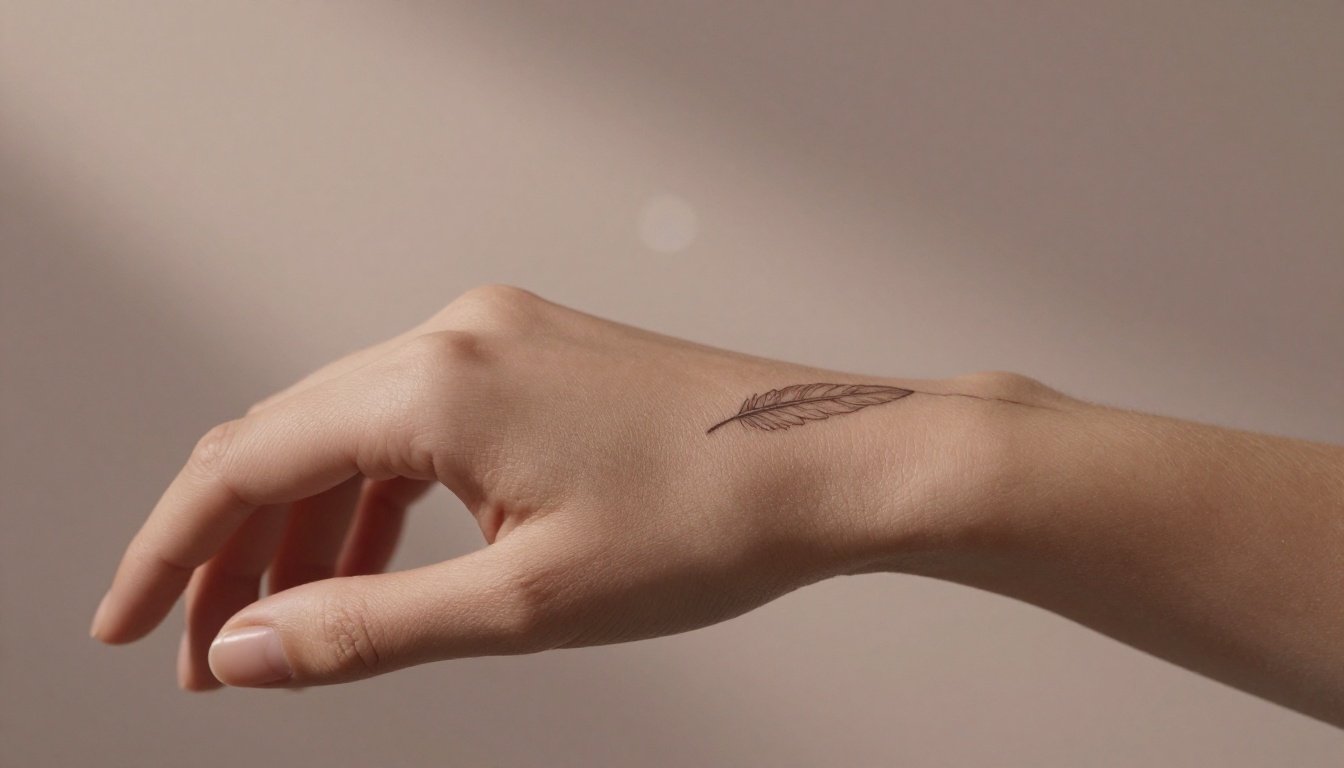
30 Tiny Tattoo Ideas for First-Timers
A tiny tattoo can hold a whole story in a few careful lines: a private reminder on your wrist, a shared symbol between partners, or a small image tied to someone you love. For first-timers, that sense of meaning pairs well with a simple look, flexible placement, and a shorter tattooing session than many larger designs.
Still, small doesn’t mean risk-free or painless. Fine details can blur over time, certain areas can feel tender, and the final result depends on the artist’s technique, your skin, and proper healing. The right design should feel personal while also fitting your daily life, budget, and comfort level.
The 30 tiny tattoo ideas ahead include delicate symbols, nature-inspired images, meaningful lettering, and small designs for couples or close friends. As you browse, you’ll also find practical guidance on symbolism, placement, choosing an artist, pain, cost, studio safety, and aftercare. Start by exploring the first-timer-friendly designs, then narrow your choice to the idea that still feels right when you picture wearing it for years.
Key Takeaways
- Choose a tiny tattoo with personal meaning, a clear shape, and details that can age well.
- Simple designs, fine lettering, and small symbols work best when scaled to your skin and placement.
- Compare visible areas, pain levels, workplace needs, and future touch-up expectations before booking.
- Select a licensed artist who uses sterile equipment and reputable ink; review the FDA tattoo safety fact sheet.
- Follow aftercare instructions carefully, keep the tattoo clean, avoid swimming during healing, and protect it from direct sun.
30 Tiny Tattoo Ideas for First-Timers
The best tiny tattoo is one you will still enjoy years from now. Choose a clear design with personal meaning, then let small details make it yours.
Tiny Nature Tattoos That Feel Calm and Personal
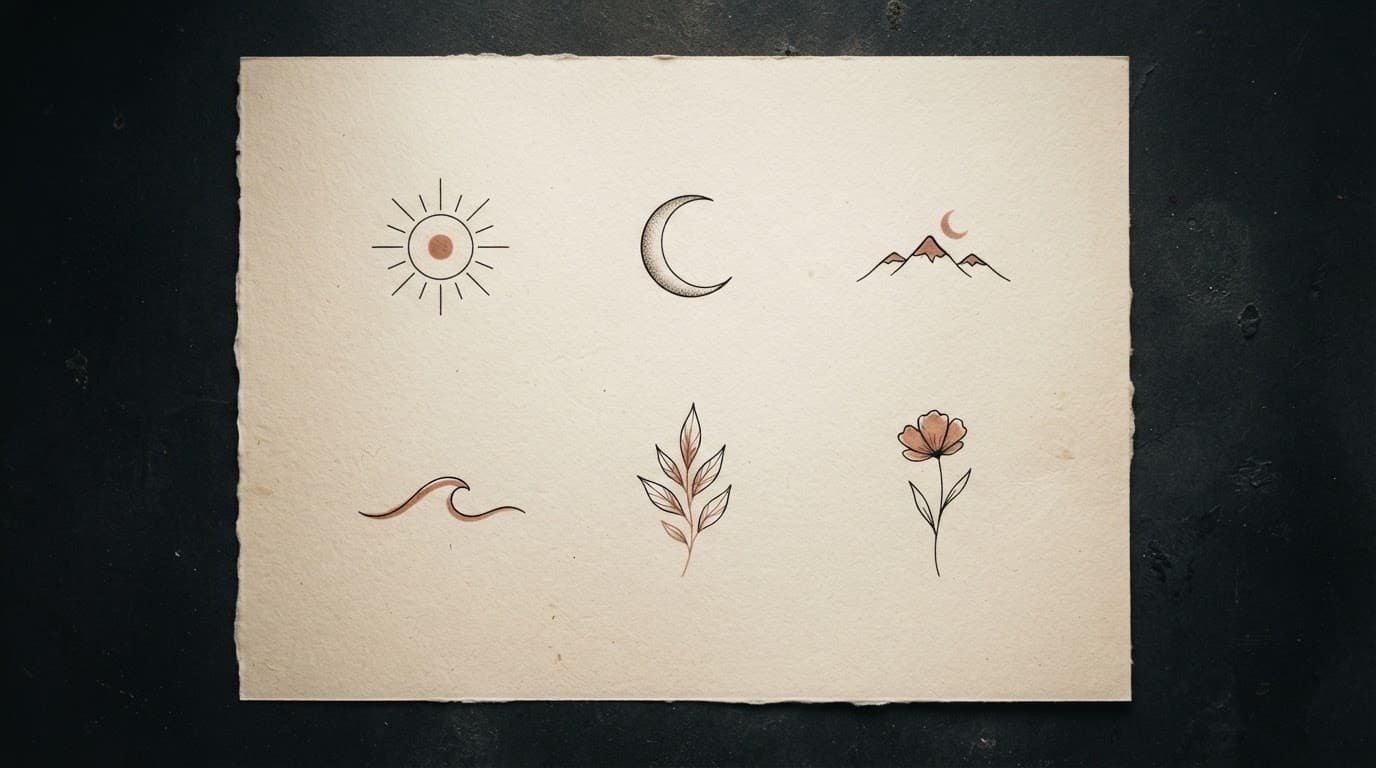
- A single-line sun can suggest new beginnings; add one muted yellow accent.
- A crescent moon may express inner calm or change; choose a slightly thicker outer curve.
- A tiny mountain range can recall resilience and a place you love; use one meaningful peak.
- A small wave might capture freedom or emotional movement; add a single blue line.
- A delicate leaf can symbolize growth; select a leaf from a favorite tree.
- A simple wildflower may connect you to a person, place, or season; choose its real flower type.
Fine lines look graceful, but very small details can soften with time. Ask your artist which line weight will age well for your chosen placement.
Minimal Symbols With a Quiet Message
- A tiny heart can hold a story about love; shape it after a handwritten heart from someone special.
- A four-point star may suggest hope or guidance; make one point longer for a personal touch.
- A small infinity symbol can express balance or lasting connection; keep its loops open and uncluttered.
- A protective evil eye may symbolize safety, but its meaning differs across cultures; learn its history before choosing it.
- A simple anchor can suggest steadiness during difficult seasons; add a short rope detail.
- A tiny key might represent opening a new chapter; use the outline of an inherited or meaningful key.
Choose a symbol because it fits your experience, not because it appears often online. The FDA’s tattoo safety guidance also makes checking ink and studio practices part of the decision.
Small Tattoos Inspired by Words, Numbers, and Memories
- One meaningful initial can honor a loved one; copy the letter from their handwriting.
- A short handwritten word may hold a private reminder; choose a simple script that stays readable.
- A Roman numeral date can honor a real milestone; verify every numeral before booking.
- A tiny coordinate pair can recall a hometown or meeting place; double-check the exact coordinates.
- A small semicolon may reflect continuing through a hard chapter; keep its two marks distinct.
- A short line from a favorite song or book can preserve a memory; confirm the quotation and spelling.
Short wording and an uncomplicated font give text the best chance of staying legible. Check spelling, dates, translations, punctuation, and coordinates with the artist before the appointment.
Tiny Animal and Everyday Object Tattoos
- A miniature cat or dog outline can honor companionship; use your pet’s recognizable ear shape.
- A tiny bird may suggest freedom or a fresh direction; choose a species tied to a personal memory.
- A small butterfly can express change; add one distinctive wing pattern.
- A simple coffee cup can celebrate a daily ritual; include the shape of your favorite mug.
- A little camera may reflect curiosity or creativity; customize its lens or viewfinder.
- A delicate paper airplane can recall travel or possibility; angle it toward a meaningful destination.
A personal feature often makes a tiny design stronger than a generic icon. One recognizable detail is usually enough.
Matching and Meaningful Tiny Tattoo Ideas
- Two halves of one symbol can honor a partner or sibling; make each half attractive alone.
- Matching dots may celebrate friendship or a shared milestone; vary their placement slightly.
- Linked initials can honor two people; let each person choose their preferred lettering.
- A sun and moon pair can express balance; choose different sizes for distinct personalities.
- A shared birth flower can connect friends or family; each person may select a different line style.
- A lock and key set can suggest trust; agree on designs that remain meaningful if circumstances change.
No matching tattoo should feel obligatory. Each person should approve the final design independently, including its size, placement, and meaning.
How to Choose a Tiny First Tattoo You Will Still Love
A tiny tattoo should begin with a memory, value, or feeling you want to carry with you. Before choosing a design, write down the story behind it in one sentence. That sentence becomes your filter when you compare styles, references, placement, and size.
Collect three to five visual references, but don’t copy one tattoo exactly. Save images that show the mood, line quality, and level of detail you like. Then sketch several versions, even if your drawings look rough. A simple sun, flower, or initial can look completely different as an outline, a filled shape, or a tiny color design.
Match the Design to Your Style and Comfort Level
Each tattoo style creates a different impression:
- Fine-line tattoos use slim, delicate strokes for an airy, graceful look. They suit botanical shapes and small personal symbols, but extremely thin details may soften as the tattoo ages.
- Minimalist tattoos reduce an image to its clearest shapes. They use little shading and few lines, which often makes them a practical choice for a first tattoo.
- Blackwork tattoos use solid black areas, bold outlines, or strong contrast. Even a small blackwork design can look striking from across the room.
- Single-needle-inspired tattoos imitate the precise, sketch-like quality of very small needlework. Ask your artist whether the design needs more structure to stay readable over time.
- Tiny color tattoos add small areas of ink in shades such as red, blue, or yellow. Color can make a simple design feel personal, although it may need more care around sun exposure and future touch-ups.
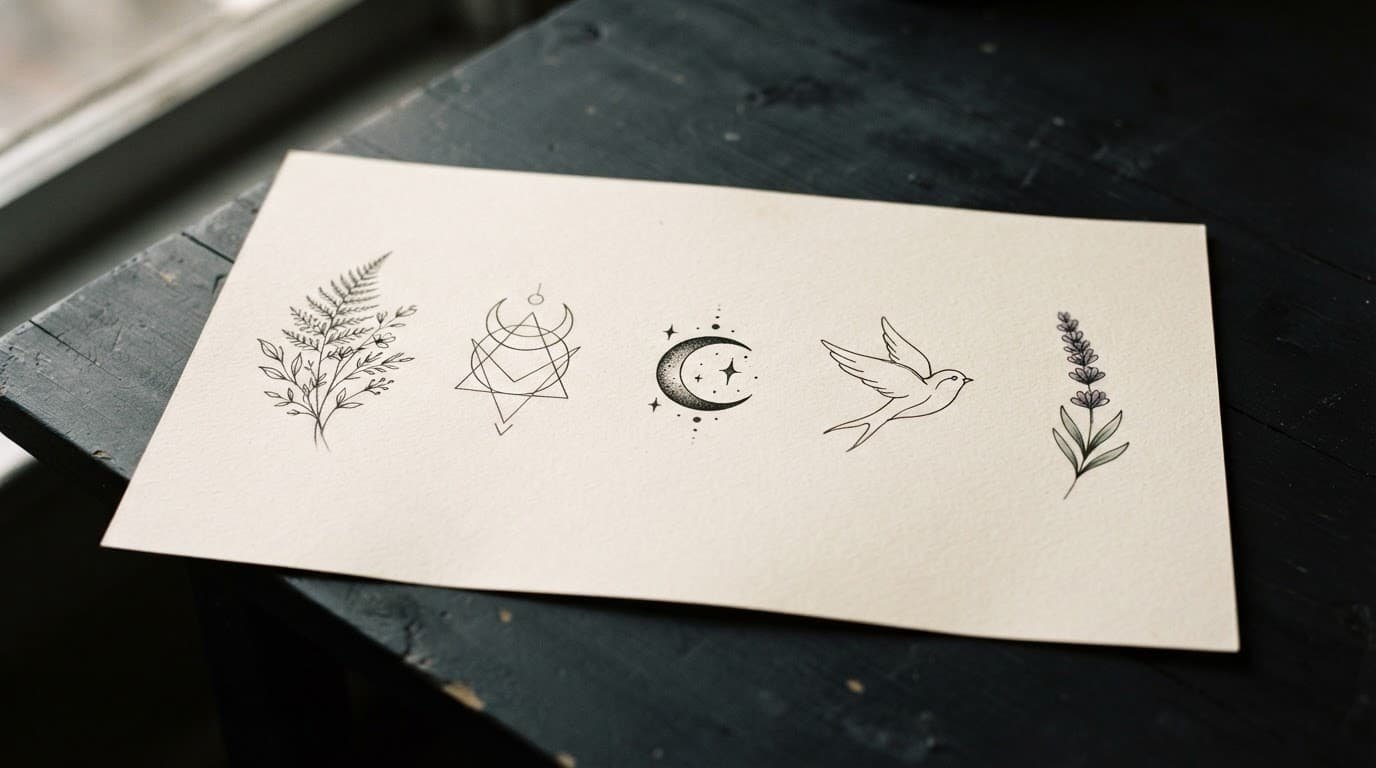
Bring your references to the consultation, then explain what you dislike as clearly as what you love. For example, you might like a flower’s shape but dislike heavy shading or bright color. Your artist may recommend thicker lines, fewer details, or a slightly larger size so the tattoo remains readable instead of turning into a blurred speck.
Consider whether the design fits your everyday clothes, workplace preferences, and future tattoo plans. Live with your favorite version for at least one week. Use it as a phone wallpaper, draw it on your skin with eyeliner, or place a temporary version where you want it. If you still like seeing it each morning, ask the artist to make the final design original to you.
Check Symbolism, Text, and Cultural Context Before You Commit
Personal meaning matters, but research protects you from an avoidable mistake. Before booking, check these points:
- Search the symbol’s common meanings, including meanings connected to religion, politics, grief, or specific communities.
- Verify every letter, accent, date, number, and punctuation mark in text-based designs.
- Ask a fluent speaker to review foreign wording, rather than trusting an online translator or tattoo image.
- Research sacred imagery and traditional patterns before using them as decoration.
- Consider whether you have a genuine connection to the culture behind the design.
A personal interpretation doesn’t erase a symbol’s history. For additional context, this discussion of cultural context in tattoos explains why a popular design may carry meanings you didn’t intend. When a symbol is sacred or culturally specific, choose a different image unless you have a respectful connection to its tradition.
Best Tiny Tattoo Placements for Visibility, Privacy, and Longevity
Placement affects more than how often you see your tattoo. It also shapes how easily an artist can work, how much the skin moves, and how well you can protect the design while it heals. Your daily routine matters too. Consider your job, clothing, workouts, sun exposure, and whether you want the tattoo easy to show or simple to hide.
Easier Placements for a First Tattoo
The outer upper arm, shoulder, forearm, and calf often give artists a stable, accessible surface. These areas usually provide enough room for a tiny design without forcing its lines too close together. That extra breathing room can help a small flower, symbol, or short word stay clear as the tattoo ages.

The outer upper arm and shoulder offer a practical balance between visibility and privacy. A short sleeve can cover them at work, while a tank top can reveal them easily. These areas also experience less bending than the wrist, fingers, or ankle, although backpack straps, tight sleeves, and sports gear can create friction during healing.
The forearm is easy to inspect during aftercare, and its relatively open surface suits clean, simple designs. However, it receives regular sunlight, especially if you drive, walk outdoors, or spend time near windows. Once the tattoo heals, protect exposed skin with broad-spectrum, water-resistant sunscreen rated SPF 30 or higher, as recommended by the American Academy of Dermatology’s tattoo care guidance.
A calf tattoo is easy to hide under pants and simple to view while cleaning. It also gives many artists a broad working area. Socks, boots, and athletic clothing can rub against the skin, so your routine may affect how convenient the placement feels during healing.
A slightly larger tiny tattoo often ages better than an ultra-small design with crowded lines.
The inner wrist offers strong visibility and personal meaning, but frequent bending, handwashing, and sun exposure deserve attention. A shoulder blade tattoo can stay covered and experiences less daily movement, although you may need help checking it during aftercare.
Popular Small Placements That Need Extra Thought
Fingers and hands are highly visible, but they face constant washing, rubbing, gripping, and sunlight. Finger tattoos may fade unevenly or need touch-ups, particularly along the sides and joints. Ask your artist for realistic expectations before choosing lettering or delicate details there.
Feet and ankles move inside shoes and often experience pressure from socks, straps, and footwear. Healing can feel less convenient if you exercise, walk frequently, or spend long hours standing. The collarbone and neck are easier to show, yet clothing edges, hair, jewelry, and sun can irritate the area.
Behind the ear offers privacy when your hair covers it, but the skin is thin and the space is limited. Ribs provide excellent concealment, though breathing and body movement can make the area feel more sensitive during the appointment. Every body responds differently to tattooing, so personal pain response matters more than a universal ranking.
Choose the spot that fits your life, not only the picture you saved. Before booking, ask how movement, friction, healing access, and future touch-ups may affect your chosen design.
What First-Timers Should Know Before Booking a Tattoo Appointment
Booking your first tattoo should feel like a conversation, not a rushed transaction. Before choosing a design or sending a deposit, research the artist, inspect their work, and make sure the studio answers practical questions clearly.
Look for a reputable artist through local recommendations, established studio websites, and portfolios with healed tattoos. Fresh tattoos often look crisp because the ink and skin are still new. Healed photos show whether fine lines remain readable, colors hold evenly, and small details survive after the skin settles. Check the studio’s licensing or health department requirements in your area, then review its cleanliness in person or through recent client photos.
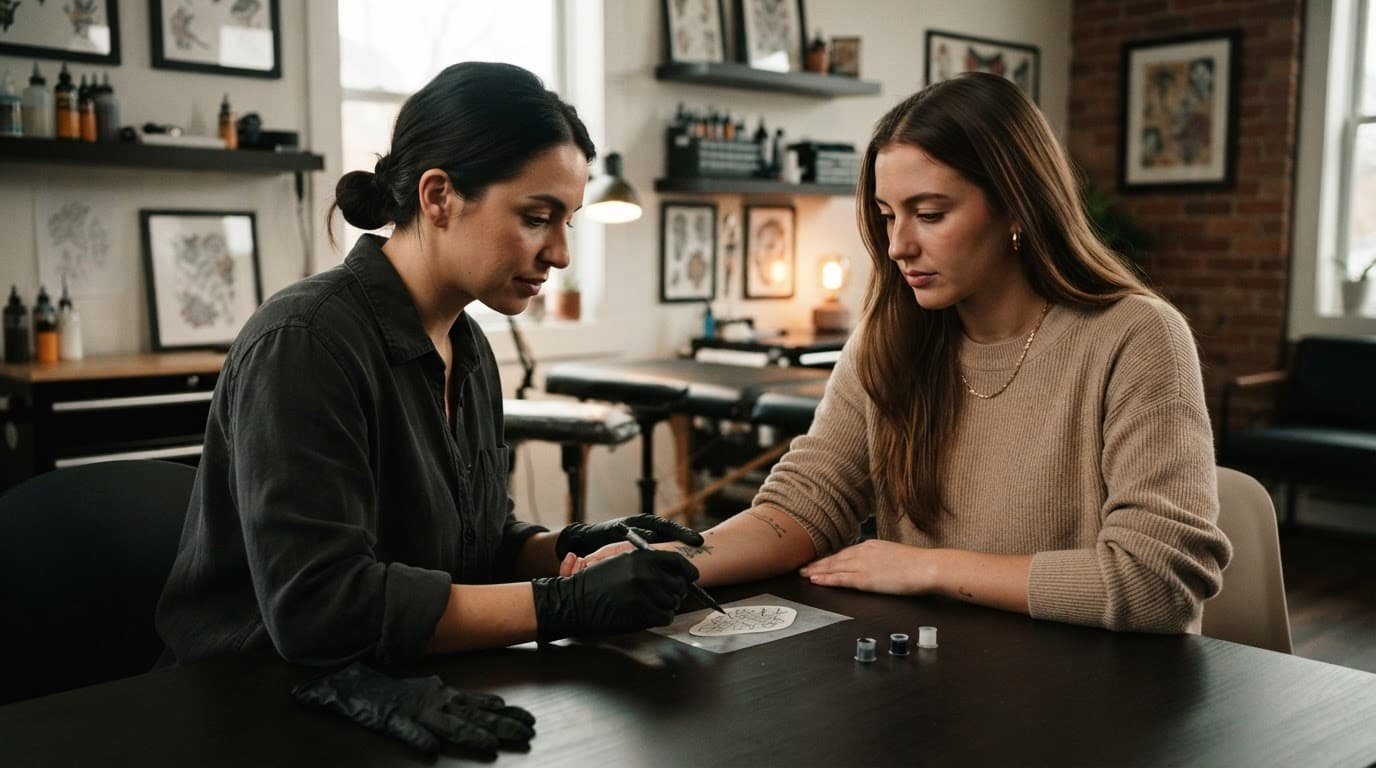
Questions to Ask Your Tattoo Artist
A short consultation can prevent an expensive or disappointing mistake. Bring your reference images and ask how the design should change for your skin, placement, and preferred size.
Useful questions include:
- How much experience do you have with tiny or fine-line tattoos?
- Will this design stay readable at the size I want?
- What line weight would age best in this location?
- Should we remove a detail, widen a gap, or make the tattoo slightly larger?
- How might this placement affect fading, spreading, or future touch-ups?
- Which ink colors do you recommend, and how may they change as they heal?
- What is the estimated total price, and is the deposit applied to that amount?
- What does the deposit cover, and when would I lose it if I cancel or reschedule?
- How many design revisions are included before the appointment?
- What identification do you require on the day of the session?
- What aftercare and healing timeline should I expect?
- Do you use new, single-use needles and fresh barriers for each client?
The artist should open sterile packages in front of you, wash their hands, wear fresh gloves, and protect surfaces that may become contaminated. The FDA’s tattoo safety guidance explains why unhygienic equipment and contaminated ink can cause serious infections.
Pay attention to the artist’s response, not only the answer itself. A professional should explain trade-offs without making you feel foolish. If they dismiss concerns, pressure you to book immediately, hide the price, or cannot describe their safety process, leave and find another artist.
How to Prepare Your Body and Mind for the Appointment
Arrive rested, hydrated, and fed. Eat a proper meal beforehand, especially if you tend to feel lightheaded, and bring water plus a small snack if the studio allows it. Avoid alcohol before your appointment, and follow the studio’s guidance about medications. If you have a medical condition or take prescription medication, ask your healthcare professional rather than changing anything on your own.
Wear loose clothing that gives easy access to the chosen area without rubbing against fresh ink. Bring government-issued identification, your preferred payment method, and any required consent forms. Confirm the deposit policy, arrival time, parking details, and aftercare instructions before the appointment day.
When the artist applies the stencil, study it while standing and sitting if possible. Check its size, angle, spacing, and position in a mirror. You can ask for changes, take more time, or reschedule if the stencil doesn’t feel right. A permanent decision deserves a calm yes, never a pressured one.
Tiny Tattoo Pain, Cost, Healing, and Aftercare Basics
A tiny tattoo usually takes less time than a large piece, but the experience still includes needle sensation, skin irritation, and a healing period. The needle may feel like a steady scratching, stinging, or vibrating sensation. Placement matters, so a design on the outer forearm may feel easier than one near the ribs, ankle, finger, or collarbone.
Cost also depends on more than size. Many artists charge a studio or artist minimum, which can make a tiny tattoo cost more than its short appointment suggests. Location, color, detail, demand, and the artist’s experience can raise the final price. Ask for the full estimate before paying a deposit, and confirm whether the quote includes design time or future touch-ups.
What Healing a Tiny Tattoo Usually Looks Like
During the first day, the skin may look mildly red, feel tender, or seem slightly warm. Your tattoo artist may cover it with a bandage or medical film and provide written instructions for when to remove it. Follow those directions closely because different coverings require different care.
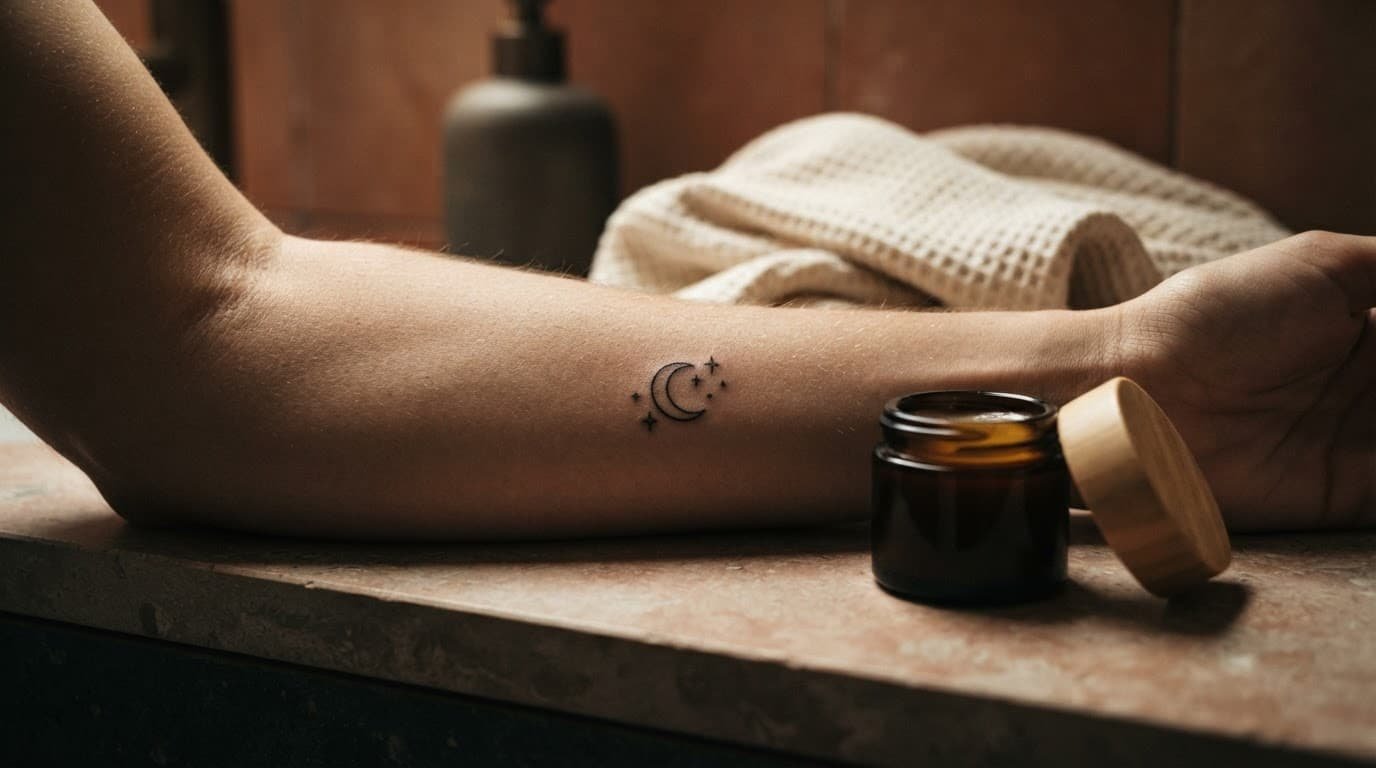
After washing your hands, clean the tattoo gently with the product your artist recommends. Use lukewarm water and mild, fragrance-free soap if instructed. Avoid scrubbing, washcloths, and strong water pressure. Pat the area dry with a clean paper towel, then apply only the recommended amount of aftercare product. A thin layer is enough, since heavy ointment can trap moisture and irritate the skin.
Over the next several days, peeling, dryness, or itching can occur. The tattoo may look less sharp while the outer skin sheds, then gradually settle as the deeper skin heals. Never pick, scratch, or pull at flakes, even when the area feels tempting to touch. Removing peeling skin can disturb the ink and prolong irritation.
For the healing period, avoid swimming, hot tubs, baths, and other soaking activities. Skip workouts or clothing that create intense rubbing over the tattoo. Loose, clean fabric helps reduce friction from waistbands, socks, straps, and sleeves.
Keep direct sun away from fresh ink. Once the skin has fully healed, use broad-spectrum, water-resistant SPF 30 or higher on exposed areas. For more detail on protecting tattooed skin, follow the American Academy of Dermatology’s skin care guidance. Your artist’s written aftercare instructions should take priority because they know the products, technique, and covering used for your tattoo.
Signs to Contact a Professional About
Normal tenderness and mild redness should gradually improve. Contact a qualified healthcare provider if symptoms worsen instead of settling, especially if you notice:
- Redness that spreads beyond the tattoo.
- Swelling that increases or becomes severe.
- Pain that grows sharper or more intense.
- Pus, foul-smelling drainage, or persistent bleeding.
- Fever, chills, or feeling generally unwell.
- Hives, widespread itching, breathing difficulty, or another possible allergic reaction.
A tattoo artist can explain expected healing changes, but an artist isn’t a medical professional and cannot diagnose an infection or allergic reaction. For additional information about warning signs, review the Cleveland Clinic’s tattoo infection guidance, then seek medical advice promptly when something feels wrong.
Mistakes to Avoid When Getting Your First Tiny Tattoo
A tiny tattoo may look simple, but small designs leave little room for errors. Before you book, consider how the image will look on your skin, fit your routine, and age over time. A few extra minutes of research can protect both the tattoo and the meaning behind it.

Common First-Tattoo Mistakes to Avoid
Use this list as a final check before you approve the stencil:
- Choosing a design only because it is trending. A popular symbol may look beautiful today, but trends change quickly. If the image has no connection to your life, you may lose interest once the style fades from social media. Choose a design tied to a memory, person, value, or place you will still care about later.
- Making the tattoo too small for its details. Crowded lines, tiny lettering, and complex shading can merge as the ink settles. Your artist may need to remove details or increase the size so the design stays readable. A slightly larger tattoo often gives each line the breathing room it needs.
- Skipping research. Spelling errors, incorrect translations, misunderstood symbols, and cultural imagery can create lasting regret. Check every letter and number, then learn the history of symbols connected to religion, grief, identity, or a specific community. The American Academy of Dermatology’s tattoo guidance also covers possible skin reactions and safety concerns.
- Selecting an artist by the lowest price. A cheap appointment may reflect limited experience, weak hygiene practices, or poor skill with fine lines. Review healed work, read current client feedback, and ask how the artist sterilizes equipment. Price matters, but technical skill and safe practice matter more for permanent ink.
- Ignoring placement and sun exposure. Fingers, feet, ankles, and hands face frequent friction and washing, while exposed areas receive more ultraviolet light. That combination can cause uneven fading and make delicate lines harder to read. Choose a location that suits your clothing, job, exercise routine, and ability to protect the tattoo.
- Rushing a matching tattoo. Matching ink can feel exciting during a friendship or relationship, yet circumstances can change. Give everyone time to choose a design they would still appreciate alone. Each person should approve the size, placement, and symbolism without pressure.
- Neglecting aftercare. Picking flakes, soaking the tattoo, wearing rubbing clothes, or applying too much ointment can irritate healing skin and affect the final appearance. Follow your artist’s instructions, keep the area clean, and wait until it heals before applying sunscreen. If redness spreads or pain worsens, seek medical advice and review professional tattoo aftercare advice.
Choose a clear design, a trusted artist, and a placement that fits real life. That combination gives your first tiny tattoo the best chance to stay readable, meaningful, and comfortable to wear.
Conclusion
A tiny tattoo can hold a large moment, whether it honors a personal belief, a relationship, a cherished memory, or a fresh beginning. The strongest choice is a design with meaning, a readable scale, and details that fit your skin instead of crowding it.
Before making an appointment, save a few ideas and refine each one. Consider how the design will age, whether the placement suits your daily routine, and whether the artist has a reputable portfolio with healed work. Take time to review the stencil, ask clear questions, and follow aftercare instructions carefully while your skin heals.
Your first tattoo doesn’t need to be elaborate to feel important. Let a small, well-chosen mark hold a story that feels entirely your own.
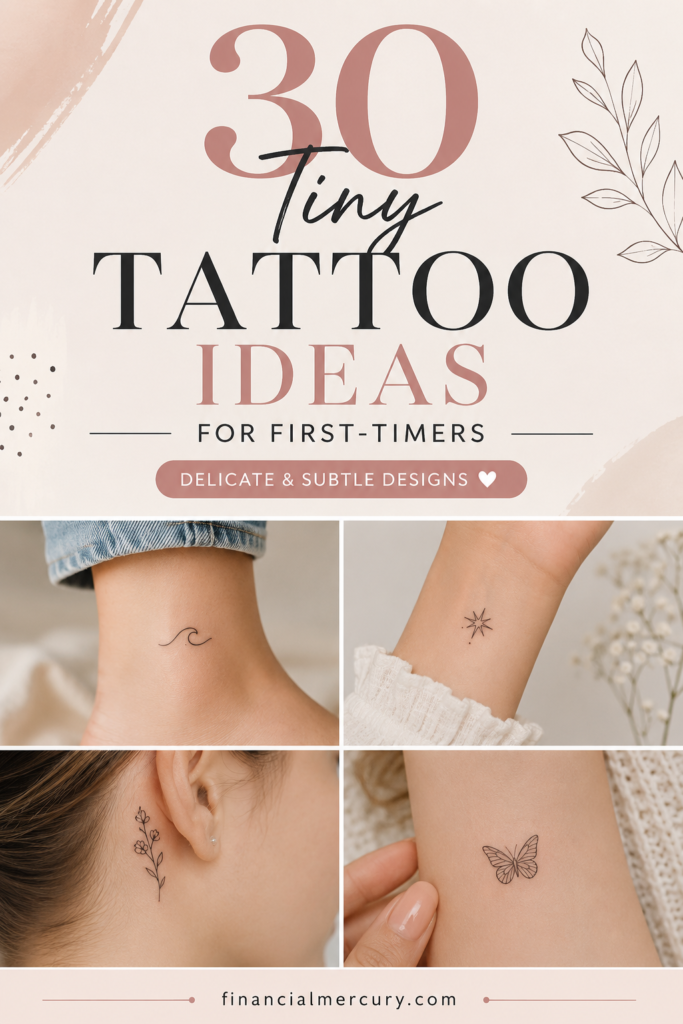
Save the pin for later

- 30 Trendy Tattoo Ideas for 2026: Styles and Placement - September 27, 2026
- 30 Gorgeous Fine Line Tattoo Ideas to Try - September 27, 2026
- 25 Fine Line Tattoo Ideas for Women With Meaning - September 22, 2026
Leave a Reply