20 Delicate Tattoo Ideas for Women With Personal Meaning
A delicate tattoo can feel like a secret written on the skin: a fine-line crescent near the wrist, a tiny flower beneath the collarbone, or a meaningful symbol tucked behind the ear. With careful linework, small details, and thoughtful placement, delicate tattoo ideas for women can express love, growth, memory, identity, or hope without overpowering your natural shape.
Choosing a small design still takes care, since thin lines, skin type, body movement, and sun exposure can affect how a tattoo looks over time. The 20 ideas ahead include nature symbols, celestial designs, meaningful words, feminine motifs, and personal keepsakes, along with guidance on symbolism, placement, size, and design choices.
You’ll also find practical advice about choosing an experienced tattoo artist, estimating cost, preparing for your appointment, and caring for fresh ink afterward, so start with the ideas that speak to your story.
Key Takeaways
- Choose a delicate tattoo whose symbol connects to your story, such as growth, love, memory, hope, or identity.
- Fine-line designs look graceful, but size, placement, skin movement, and sun exposure affect their appearance over time.
- Personalize familiar motifs with meaningful dates, flowers, celestial symbols, initials, or subtle keepsakes.
- Review an artist’s fine-line portfolio, discuss your ideas clearly, and select a licensed, hygienic studio.
- Follow professional aftercare instructions, protect healed ink from the sun, and learn more about caring for tattooed skin.
20 Delicate Tattoo Ideas for Women That Feel Personal and Beautiful
Delicate tattoos can hold large memories in small designs. Any symbol can suit any person, so choose the image, placement, and details that fit your own story.
Soft Nature Tattoos With Quiet Meaning
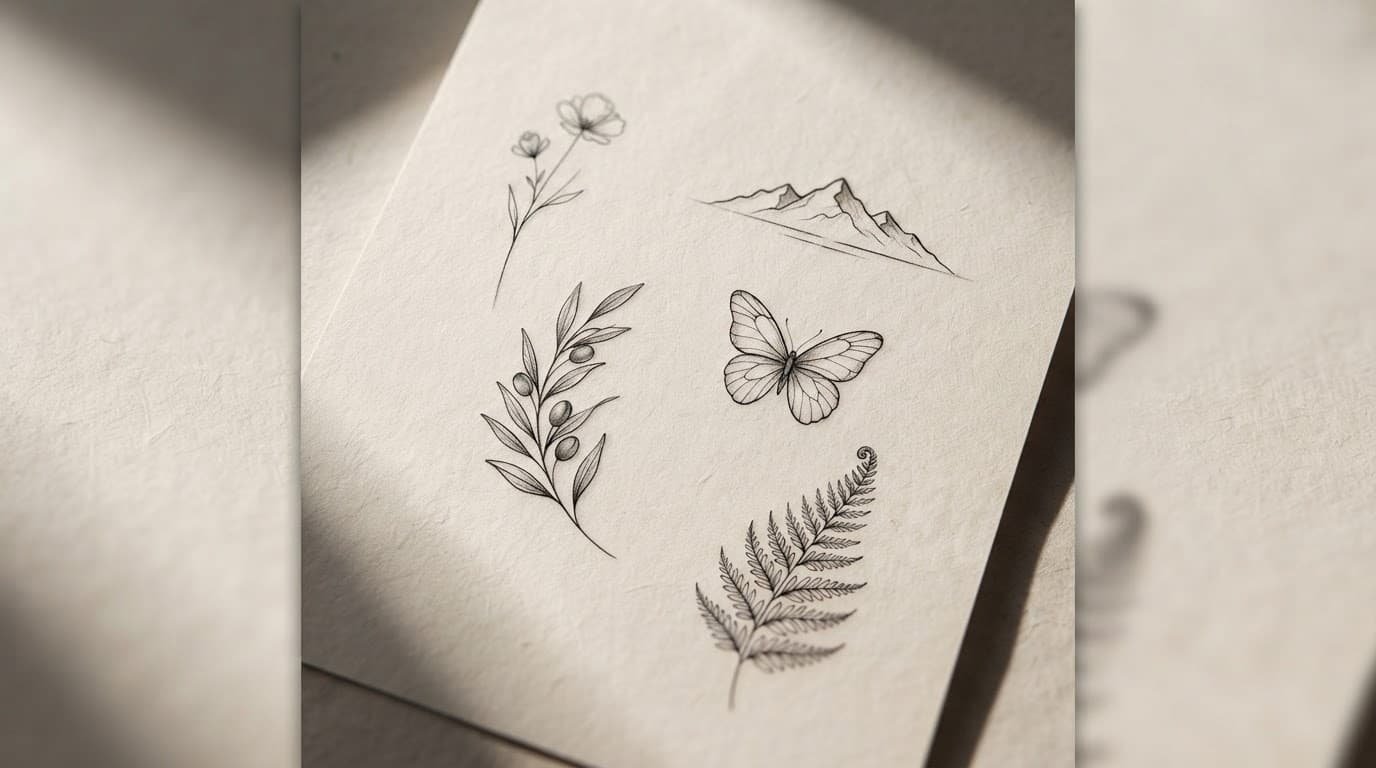
- A single-line wildflower feels gentle and organic. Choose a daisy for hope, a poppy for remembrance, or another flower tied to a personal memory. A wrist or collarbone placement keeps the design visible.
- A tiny olive branch can suggest peace, reconciliation, or a fresh beginning. Longer leaves create a graceful mood, while rounded leaves feel softer. Try the ankle or inner forearm.
- A delicate fern offers a natural symbol of growth and resilience. Fine leaflets look airy, while slightly heavier lines give the tattoo more strength. The shoulder blade gives its shape room to breathe.
- A small mountain outline can recall a home, a journey, or a challenge you overcame. One continuous line feels calm; layered peaks suggest a more adventurous story. Consider the forearm or ankle.
- A fine-line butterfly can express freedom or transformation. Open wings look light, while carefully drawn wing details add character. Its meaning can stay private on the upper shoulder.
Celestial Designs That Feel Dreamy and Personal
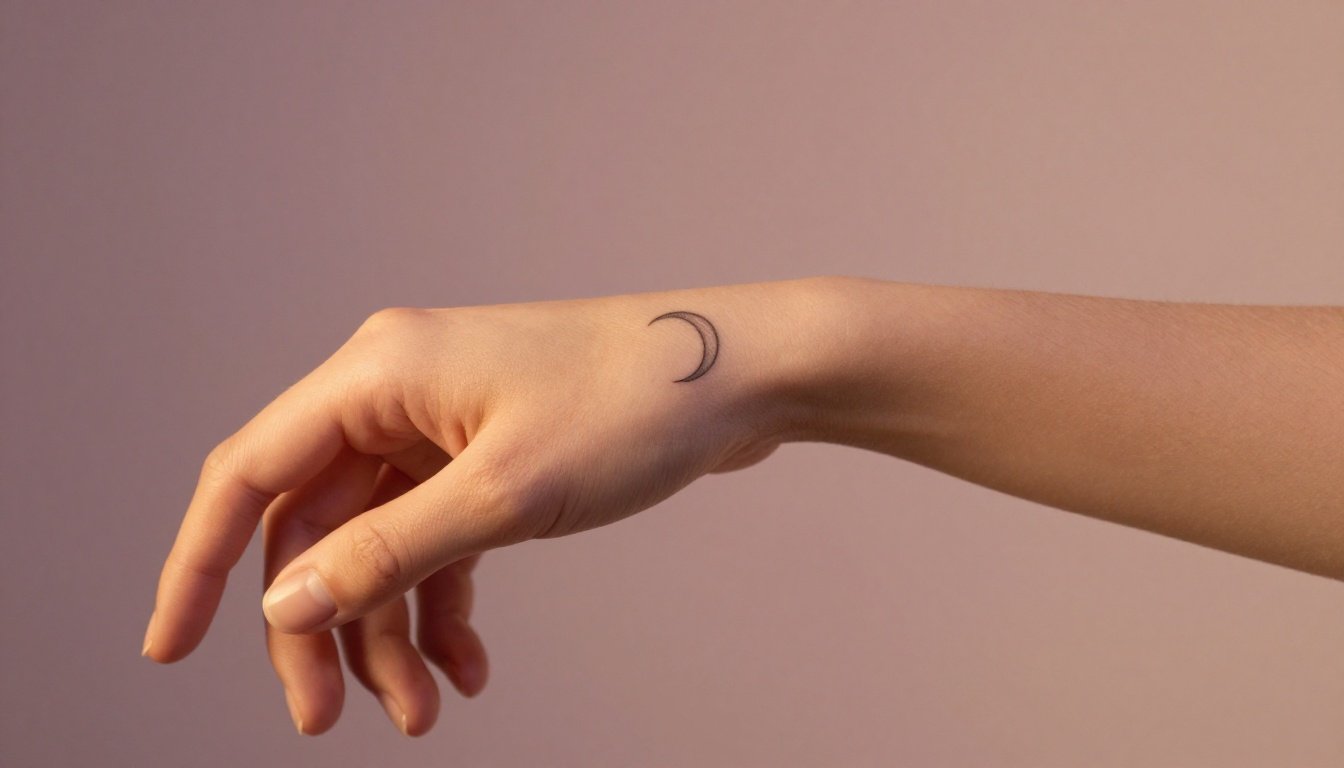
- A crescent moon suits someone connected to change, rest, or renewal. Thin curves and generous negative space keep it refined near the wrist or behind the arm.
- A tiny sun brings warmth, hope, or a reminder to keep moving forward. Sparse rays look modern, while short dotted rays feel playful. The collarbone makes a natural setting.
- A constellation becomes personal when you choose a meaningful star pattern, such as one connected to your birth or a special night. Use small dots and thin lines, but avoid making them too tiny.
- A star cluster can honor family, friendship, or several important milestones. Uneven star sizes create a natural sky-like look, especially on the shoulder blade.
- A moon with a small flower combines renewal with growth. Add a birth flower or choose the moon phase from an important date. Fine details may fade, and the American Academy of Dermatology explains that tattooed skin can develop reactions after sun exposure, so discuss placement and aftercare with your artist.
Minimal Symbols, Words, and Numbers With Meaning
- A meaningful initial can honor a loved one, place, or former version of yourself. Use a clean letterform and enough space for readability on the wrist, rib, or forearm.
- A short handwritten word such as “hope” or “breathe” feels intimate when copied from a real note. Check the spelling and provide a clear handwriting sample before booking.
- A Roman numeral date can preserve a birthday, anniversary, or turning point. Verify every numeral twice, then select lettering that won’t blur as it heals.
- A semicolon may carry a personal message about healing, survival, or continuing your story. Its meaning isn’t universal, which is part of its privacy and appeal.
- A tiny heart or infinity symbol can express love, remembrance, hope, or a private promise. Choose a simple shape and check translations or cultural meanings before finalizing any symbol.
Feminine Details and Keepsake-Inspired Tattoos
- A fine-line bow can recall a gift, a favorite garment, or a soft personal detail. Keep the loops graceful and place it near the ankle, hip, or back of the arm.
- A tiny perfume bottle may preserve a signature scent or memory of someone special. Base its shape on a real bottle rather than generic artwork.
- A delicate seashell can connect to a beach, vacation, or feeling of calm. Fine ridges need enough room, so avoid placing them where clothing constantly rubs.
- A minimalist eye may symbolize intuition, protection, or self-awareness. A curved lid and a small iris keep it clean on the inner forearm or shoulder.
- A small pet portrait or silhouette can keep a beloved companion close. Use a clear reference photo, and give portraits more room than expected. Sun, friction, and skin movement can soften fine details over time.
How to Choose a Delicate Tattoo for Women That Will Age Well
A delicate tattoo should feel personal today and remain readable years from now. Start with the meaning, then choose a style, size, and placement that give the design enough room to breathe. A beautiful idea can lose its clarity when too many details are squeezed into a space smaller than a coin.
Match the Tattoo Style to Its Meaning
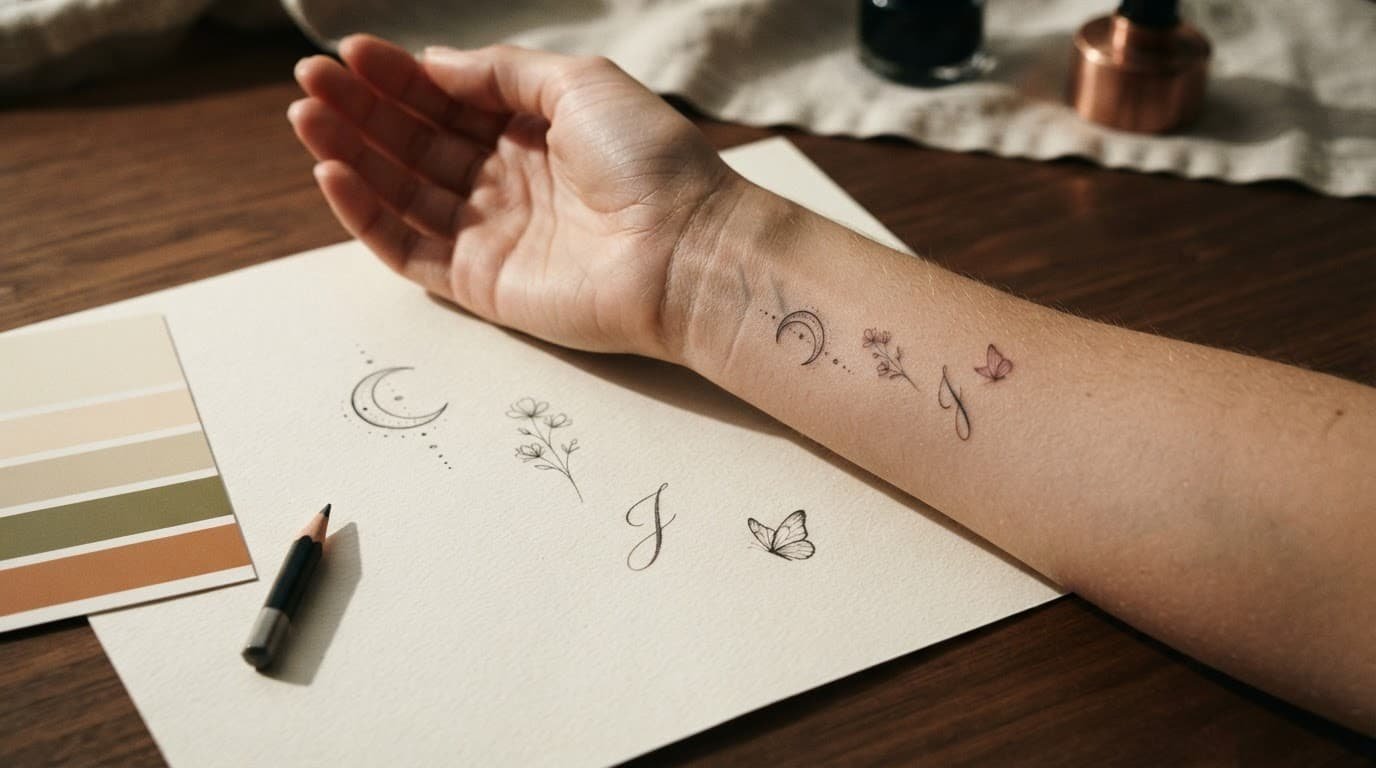
The same symbol can create very different feelings depending on its treatment. A crescent moon in fine-line realism may include soft shading and subtle texture, giving it a dreamy, sentimental quality. A minimalist outline feels cleaner and more modern, while a single-needle version appears especially light and intimate.
Dotwork changes the mood again. Small dots can make a star, flower, or sun feel airy and decorative, while heavier clusters create more contrast and visual weight. A small illustrative design may feel playful when it includes a waving stem, uneven stars, or an expressive animal shape. With balanced proportions and graceful curves, that same subject can look elegant.
Line weight matters as much as subject matter. Ultra-fine lines create an almost pencil-drawn effect, but slightly bolder lines usually offer better contrast and may remain easier to read as the ink softens with age. Your skin tone, undertone, and texture also affect how much contrast the ink creates, so ask to see healed examples on skin similar to yours.
Choose the style that matches the feeling you want to carry, rather than copying a trend that may soon feel disconnected from your story. Collect references, but combine them into something that belongs to you. For example, you might borrow the soft shading from one moon tattoo and the open composition from another, then pair them with a meaningful moon phase.
Check Size, Detail, and Skin Placement Before You Commit
Ask your artist to print or draw the design at its actual tattoo size. A design that looks clear on a phone may become crowded when reduced to an inch. Tiny text, close-together lines, miniature portraits, and dense shading can blur as ink spreads slightly or loses contrast over time.
Your artist should explain which details need simplifying. A pet portrait may need a larger size than a silhouette, and a birth flower may need fewer leaves than the reference image shows. Size the tattoo for its details, not the other way around.
Placement also affects the result. Scars, stretch marks, moles, body curves, and areas that bend or rub often can change how the design heals and appears. Ask the artist to assess your skin in person before finalizing the stencil. Wrists, fingers, feet, elbows, and other high-movement areas may need a simpler design and more realistic expectations.
Use this short review before booking:
- Meaning: Does the symbol connect to a memory, value, person, or chapter in your life?
- Readability: Can you recognize the design at its intended size?
- Originality: Have you added a detail that makes it personal rather than generic?
- Wearability: Can you accept how the placement may change with movement, sun, and time?
Test the placement with a temporary tattoo or paper stencil for several days. Sketch two or three versions, live with the idea, and review reputable guidance on caring for tattooed skin before your appointment. A little patience can turn a pretty concept into ink you still recognize as your own.
Best Placements for Small and Fine-Line Tattoo Designs
Placement shapes how a delicate tattoo looks, heals, and fits into your daily life. Before choosing a spot, consider visibility, workplace expectations, sun exposure, friction, and the way your design will follow the body’s natural lines.
Visible Placements for Everyday Self-Expression
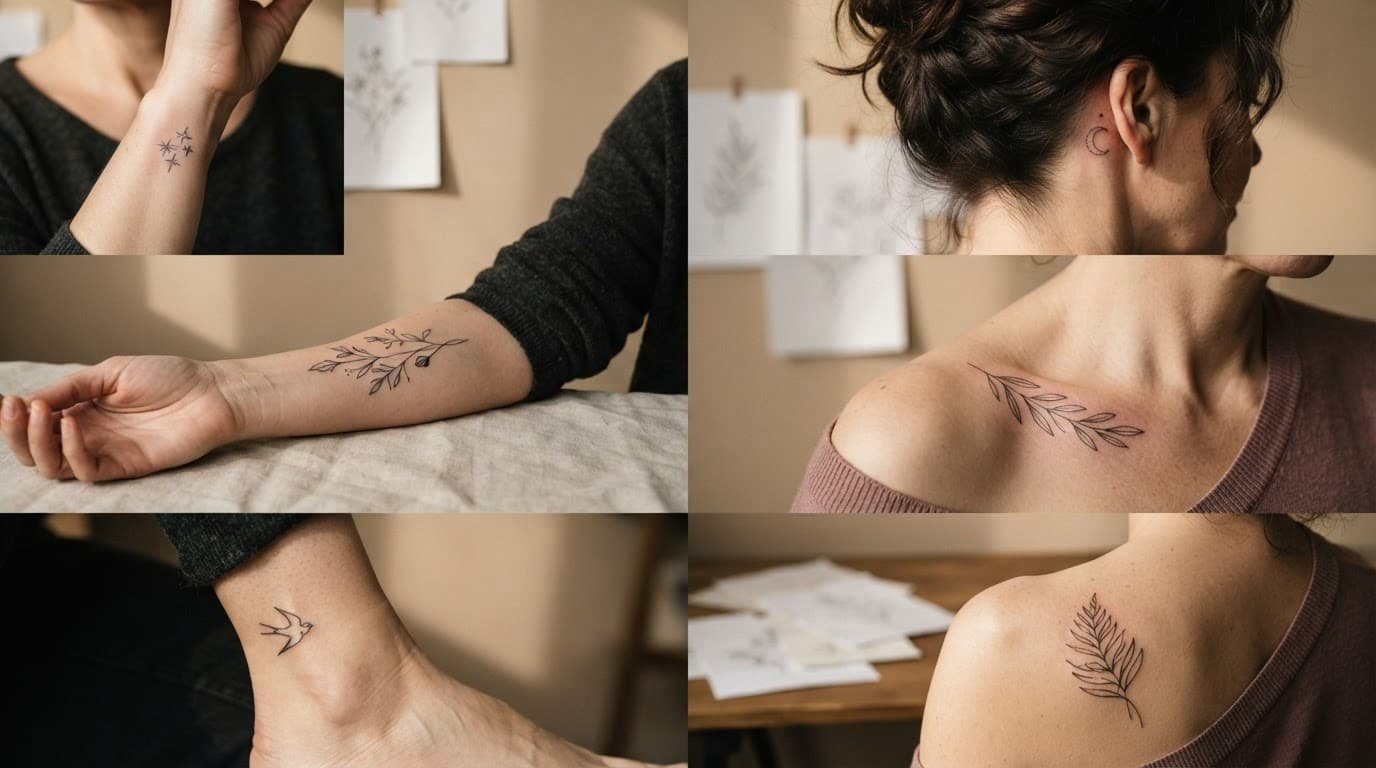
The wrist and inner forearm make small tattoos easy to see, especially when you want a personal reminder within your own view. A short word usually reads best when it follows the length of the arm, while a flower can run vertically with its stem aligned toward the elbow. Simple symbols, such as a moon or heart, often suit the wrist’s narrow width.
The forearm offers more space and can be covered with a long sleeve when needed. It also tends to provide a flatter surface than the wrist, which helps fine-line flowers, constellations, and small keepsake drawings stay balanced. Still, exposed skin receives sunlight, and the wrist may experience frequent contact with watches, bracelets, desks, and clothing cuffs.
A collarbone tattoo feels graceful and visible without taking over your appearance. Curved words can follow the bone’s natural slope, while a vine, branch, or string of stars can stretch gently beneath it. This area may work well for someone who wants to show the design with a tank top but cover it with a higher neckline at work.
Behind the ear offers a discreet version of visible ink. Tiny symbols, single flowers, and short marks fit naturally beside the ear’s curve. Hair can conceal the tattoo, while an updo makes it easy to show. Because the area gets some sun and may rub against hair, headphones, or mask straps, ask your artist whether the design needs slightly stronger lines.
Hands and other exposed areas often face more sunlight and friction, so they may need extra sun protection and realistic expectations about fading.
Pain varies by person, and no placement is universally easiest. Fingers, hands, feet, ribs, and spots close to bone can feel more intense or require extra healing care. Healed tattoos also benefit from broad-spectrum SPF 30 or higher, especially when they sit on frequently exposed skin. Research on tattoo aftercare links sun exposure with premature fading and irritation, so follow your artist’s instructions and protect the area once healed (NIH tattoo aftercare research).
Private and Low-Visibility Placements
Ribs, the upper back, and the shoulder blade suit meaningful designs you want to keep mostly for yourself. A memorial flower, relationship symbol, or handwritten date can stay beneath clothing while still feeling close to your body. The shoulder blade gives a small design a smooth, slightly curved canvas, while the ribs allow a narrow word or symbol to follow the length of the torso.
The hip offers privacy and room for a soft floral design, tiny portrait, or personal keepsake. However, waistbands can rub the area during healing. Bra straps may also irritate tattoos on the ribs, shoulder, or upper back, so plan clothing before your appointment.
An inner-arm tattoo is easier to hide beneath sleeves but remains visible when you choose to reveal it. The ankle and foot can hold petite symbols or flowers, although shoes and socks create friction. Movement may also stretch the skin while the tattoo heals.
Wear loose, clean clothing that won’t scrape the fresh tattoo, and follow your artist’s advice about bras, waistbands, socks, and footwear. A private placement should protect your comfort as well as your privacy.
Plan the Tattoo Session, Budget, and Artist Carefully
A meaningful tattoo deserves more planning than a quick scroll through inspiration photos. Before you book, confirm that the artist can create your chosen style, explain the expected cost, and work in a clean, licensed environment.

Find an Artist Who Truly Does Fine-Line Work
Start with the artist’s portfolio, but look past the newest photographs. Fresh tattoos often look crisp because the skin is still irritated and the ink has not settled. Look for healed fine-line tattoos, ideally photographed several weeks or months after the appointment.
Study the portfolio for clean line endings, consistent spacing, smooth curves, and small text that remains readable. Pay attention to tattoos placed on areas similar to yours, since an artist who excels at forearms may have less experience with fingers, ribs, ankles, or curved shoulders.
Before sending a deposit, ask:
- What is your minimum price for a small tattoo?
- Do you charge for consultations or design revisions?
- How much is the deposit, and is it refundable?
- What does your touch-up policy cover?
- How do you sterilize reusable equipment?
- Are you licensed or permitted under local rules?
- What will you change if the design is too small to heal clearly?
A skilled artist may recommend a larger size, fewer details, or a slightly heavier line. That advice protects the tattoo’s readability, so treat it as part of the design process rather than a rejection of your idea. Local requirements differ, but Texas tattoo studio licensing rules offer a useful example of hygiene standards involving handwashing, gloves, and equipment.
Prepare References Without Copying Someone Else’s Tattoo
Reference photos help an artist understand your taste, but an exact copy can feel impersonal and may ignore the way your body needs to carry the design. Instead, combine several references into a short, clear brief.
Explain the subject, mood, approximate size, placement, line style, and personal meaning. You might request a small wildflower with an airy outline, a calm mood, and a stem based on a flower from your grandmother’s garden. Add your own handwriting, a meaningful date, a clear pet photo, or a favorite flower to give the concept its personal shape.
Send these details before the appointment, then mention any changes as soon as you make them. Artists may redraw the design to improve spacing, simplify fragile details, and help the tattoo heal with better clarity. Review the FDA’s tattoo safety guidance before booking, especially if you have sensitive skin or a history of reactions.
Understand the Real Cost of a Small Tattoo
A tiny tattoo isn’t always inexpensive. Most artists set a minimum that covers setup, sterile supplies, cleaning, consultation time, and professional skill. Your quote may also change based on location, reputation, complexity, size, color, and total session time.
Ask for a written estimate that lists the deposit and any likely extras. Budget for:
- Travel, parking, or lodging if the artist is outside your area.
- Aftercare products recommended by the studio.
- A touch-up if the artist’s policy doesn’t include one.
- Design changes that require additional time.
- Future removal or cover-up work if you rush the decision.
A lower price shouldn’t outweigh licensing, hygiene, portfolio quality, or communication. Save longer if needed, and choose an artist who explains the process clearly. Quality work costs more than a rushed appointment, but correcting an unsafe or poorly planned tattoo often costs far more.
Delicate Tattoo Aftercare and Long-Term Care
A delicate tattoo needs gentle care while the skin closes and settles. Follow your tattoo artist’s specific instructions first, since healing advice can vary by ink, placement, bandage type, and skin sensitivity. Clean habits now help protect fine lines from unnecessary irritation.
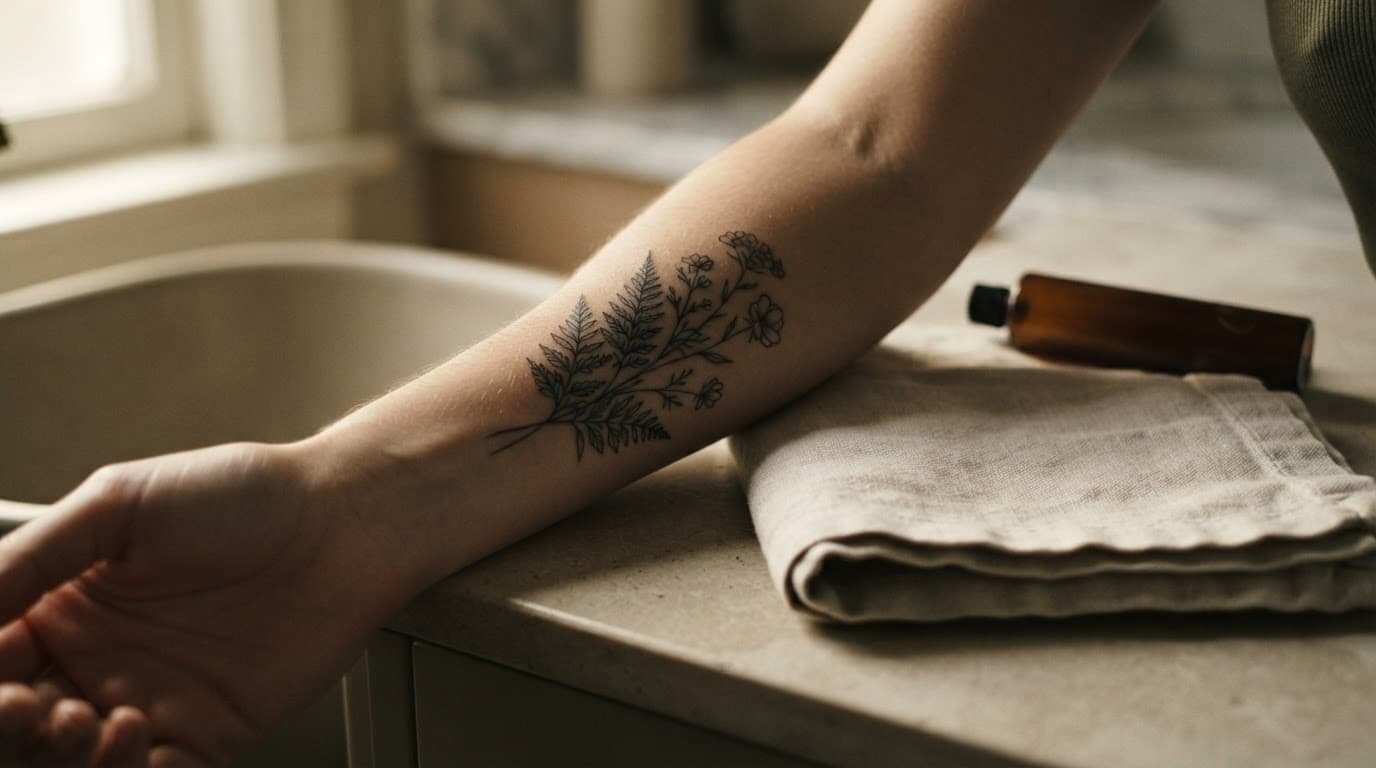
What to Avoid While the Tattoo Heals
For the first several weeks, treat the tattoo as healing skin rather than a finished accessory. Healing times vary by placement, tattoo size, ink, line density, and your individual skin, so don’t rely on someone else’s timeline.
Avoid these common sources of trouble:
- Swimming pools, hot tubs, lakes, and oceans can expose fresh ink to bacteria and chemicals.
- Baths can soak the tattoo for too long, which may soften scabs and interfere with healing.
- Direct sun can irritate the area and affect the tattoo’s color before the skin has fully recovered.
- Intense workouts may create heavy sweating and repeated rubbing, especially around the ribs, waist, underarms, feet, and joints.
- Scratching, peeling, or pulling loose skin can remove flakes before the skin is ready.
- Unwashed hands can transfer dirt and bacteria, so touch the tattoo only after washing your hands.
- Tight sleeves, waistbands, shoes, socks, and jewelry can scrape the surface and trap moisture.
Friction is easy to overlook. A bracelet may brush the wrist dozens of times each day, while a waistband can press against a hip tattoo whenever you sit. Choose loose, clean clothing and keep accessories away from the area until your artist says normal wear is safe.
Wash the tattoo gently with clean hands, lukewarm water, and mild soap. Pat it dry with a clean paper towel or fresh towel, then apply only the recommended amount of aftercare product. A thick layer can trap moisture and make the area feel more irritated.
If an activity causes rubbing, soaking, heat, or heavy sweating, postpone it until the tattoo has healed.
How to Keep Fine Lines Looking Crisp
Once the tattoo has fully healed, protect it with broad-spectrum, water-resistant sunscreen rated SPF 30 or higher. The American Academy of Dermatology’s tattoo care guidance also recommends sun protection because ultraviolet exposure can contribute to fading. Cover the tattoo with clothing when practical, and reapply sunscreen during extended outdoor time.
Moisturizing healed skin can help the tattoo look smoother and maintain contrast. Use a fragrance-free lotion or cream when the area feels dry, and support healthy skin with regular hydration and gentle care. Repeated sunburns, harsh exfoliation, and constant friction can make fine details look less distinct.
Some softening and fading are normal, especially with ultra-fine lines or pale ink. If a line heals unevenly or loses more pigment than expected, contact the original artist when possible. Discuss a professional touch-up only after the tattoo is fully healed, since evaluating it too early can lead to unnecessary changes.
Increasing redness, warmth, swelling, worsening pain, pus, fever, or red streaks requires medical advice. Contact a healthcare professional promptly if these symptoms appear, and don’t try to treat a possible infection by picking, scrubbing, or applying unapproved products.
Conclusion
The best delicate tattoo ideas for women begin with a personal story, then take shape through careful choices. A flower, moon, handwritten word, or keepsake can hold lasting meaning when the design has enough space, a suitable placement, and linework that fits the skin. Meaning matters more than size or popularity.
Save the ideas that catch your eye, then personalize one detail, such as a birth flower, meaningful date, familiar handwriting, or a symbol connected to someone you love. Before your appointment, review the stencil in the mirror, check how it looks with everyday clothing, and give yourself time to feel certain. Choose an experienced artist who can refine the design without losing its heart, and follow their aftercare advice once the tattoo is complete.
A delicate tattoo should feel like a natural part of your story rather than a design chosen in a hurry. When the meaning, scale, placement, and artist all align, small ink can carry a memory with grace for years to come.
Save the pin for later


- 30 Trendy Tattoo Ideas for 2026: Styles and Placement - September 27, 2026
- 30 Gorgeous Fine Line Tattoo Ideas to Try - September 27, 2026
- 25 Fine Line Tattoo Ideas for Women With Meaning - September 22, 2026
Leave a Reply