25 Beautiful Tattoo Ideas for Women With Personal Meaning
A tattoo can be a small work of art with a story held inside every line. It might carry a memory, a hope, a piece of your identity, or a style that feels unmistakably yours.
Finding the right design takes more than choosing a pretty image. You’ll want an idea that suits your personality, feels comfortable in its placement, and still feels right years from now, whether you prefer fine-line ink, bold artwork, flowers, celestial details, nostalgic images, or symbols with private meaning. These 25 beautiful tattoo ideas for women offer inspiration without assuming that femininity has one specific look.
As you browse, you’ll find design meanings, placement suggestions, style guidance, and practical tips for choosing an artist and caring for fresh ink. Start with the ideas that catch your eye, then consider which one feels most like your story.
Key Takeaways
- Choose a tattoo with personal meaning, whether it honors family, healing, identity, love, or a treasured memory.
- Match the design to your preferred style, such as fine-line, floral, celestial, minimalist, illustrative, or bold blackwork.
- Consider placement, visibility, size, and how the design may look as your body changes over time.
- Work with an experienced artist whose portfolio matches your idea, and review hygiene practices before booking.
- Follow professional aftercare instructions, and contact a healthcare professional if redness worsens, the tattoo fails to heal, or fever develops. See the FDA’s tattoo safety guidance for additional precautions.
25 Beautiful Tattoo Ideas for Women That Feel Personal and Timeless
The most meaningful tattoos often begin with an image you already love. Add a birth month, family detail, favorite color, or private symbol, and the design becomes unmistakably yours. Remember that symbolism is personal, so choose the interpretation that fits your story.
Floral and Botanical Tattoos With Meaning
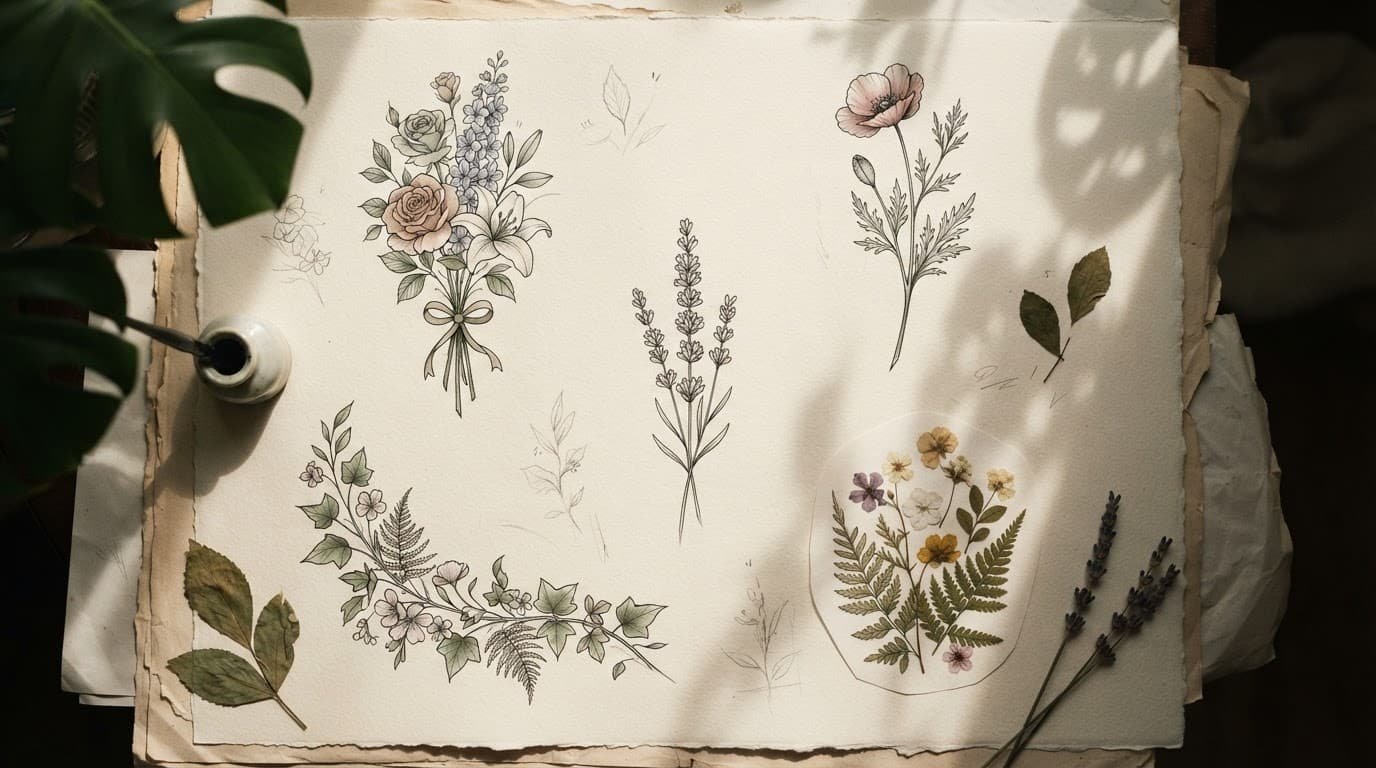
- Birth flower bouquet: Combine the birth flowers of your children, siblings, or partner into one bouquet. Place it on the forearm or ribs, and use black ink with one muted accent color.
- Single wildflower stem: A simple daisy, poppy, or buttercup can suggest quiet strength, freedom, or a meaningful place. Keep the stem slightly larger than a tiny tattoo so its details age clearly on the ankle or inner arm.
- Fine-line lavender sprig: Lavender can reflect calm, healing, or a season of personal restoration. A thin black outline with soft purple shading works well along the wrist, collarbone, or forearm.
- Botanical shoulder vine: Let leaves curve across the shoulder or collarbone to express growth, change, or a new chapter. Your artist can hide initials inside the leaves or connect the plant to a family birth month.
- Pressed-flower tattoo: Arrange delicate flowers and stems like a treasured specimen saved inside an old book. Include a flower from a wedding, childhood garden, or favorite trip, but leave enough space between fine details.
Celestial and Nature-Inspired Designs
- Sun and moon pairing: A sun beside a moon can express balance between two parts of your personality. The upper arm or shoulder blade gives both shapes room, while black ink creates a sharper mood.
- Zodiac constellation: Turn your zodiac constellation into a small map of stars connected by fine lines. Place it on the ribs, ankle, or forearm, and add one discreet dot for a significant date.
- Crescent moon with stars: This design can suggest reflection, changing seasons, or comfort during uncertain times. Soft shading makes it gentle on the ribs, while solid black ink gives it a bolder look.
- Mountain and wildflower scene: Pair a mountain outline with flowers from a place that shaped you. The forearm or calf suits a horizontal landscape, and muted color can make it feel more illustrative.
- Botanical butterfly: Add leaves or tiny blossoms to a butterfly for a personal interpretation of change, freedom, or self-expression. The shoulder blade allows graceful wings, while black linework keeps the design timeless.
Minimalist Symbols and Small Fine-Line Tattoos
- Delicate heart outline: A fine heart can honor love, self-compassion, or someone important without feeling obvious. Test the size carefully before choosing the wrist, finger, or behind-the-ear placement.
- Handwritten word: Use a loved one’s handwriting for a word such as “hope,” a nickname, or a private promise. Ask the artist to test the lettering at its intended size, because tiny script can blur.
- Tiny wave: A wave can recall the ocean, a favorite vacation, or your ability to move through changing circumstances. The ankle, inner wrist, or rib makes a natural home for a small black design.
- Continuous-line face: One unbroken line can form a profile, portrait, or abstract face connected to identity and art. Choose the forearm for visibility or the shoulder for a more private version.
- Key, lock, or compass: A key may symbolize access, a lock may suggest privacy, and a compass can point toward a personal direction. Keep the symbol at least large enough for its opening and small details to remain distinct.
Minimalist tattoos appeal to people who want a quiet reminder rather than a statement piece. Still, extremely thin lines and miniature lettering may fade or soften with time. Review an artist’s healed work, compare lettering samples, and choose placement based on your comfort with visibility.
Mythology, Spirituality, and Symbolic Artwork
- Goddess-inspired silhouette: A flowing feminine silhouette can reflect strength, creativity, or a connection to a particular myth. Ornamental details on the thigh or upper arm can add elegance without filling every space.
- Protective eye design: An eye may represent watchfulness, intuition, or protection in your personal story. Research its cultural context first, then use negative space and restrained black-and-gray shading.
- Phoenix for renewal: A phoenix can express recovery, reinvention, or the decision to begin again. The shoulder blade or outer thigh gives wings room to move, while red and orange accents add energy.
- Moon phase sequence: Show several moon phases to honor time, transformation, or a personal cycle. A horizontal sequence suits the ribs or forearm, and clean spacing keeps it readable.
- Duality design: Pair light and shadow, a sun and eclipse, or smooth and thorned forms to show opposing experiences. Black-and-gray shading creates depth, while negative space prevents the composition from becoming overly ornate.
Sacred imagery deserves care. Research mythology, religious symbols, and cultural designs before booking, especially when the image comes from a tradition outside your own.
Playful, Nostalgic, and Modern Tattoo Concepts
- Sticker-style patchwork: Build a collection of small tattoos based on hobbies, places, or favorite memories. Keep the scale and spacing consistent so future pieces can join the group naturally.
- Pixel-art heart or flower: A pixel design can recall childhood games, early internet culture, or a playful side of your personality. Bright color works well on the forearm, while black ink gives it a cleaner modern feel.
- Y2K star or butterfly: Metallic-looking stars, glossy butterflies, and sharp accents can capture early-2000s style. Use the lower back, hip, shoulder, or ankle, depending on how visible you want the tattoo.
- Abstract 3D illusion: A floating shape, folded ribbon, or impossible staircase can express curiosity and imagination. Blackwork with controlled shading makes the illusion clear without relying on many colors.
- Small personal object: A camera, book, perfume bottle, or music player can preserve a hobby, comfort, or childhood memory. Add one meaningful color or tiny hidden initial, and choose a size that keeps the object recognizable.
How to Choose a Tattoo Idea That Still Feels Like You
A lasting tattoo usually begins with a personal feeling, not a trend. Before saving images, write down what you want the tattoo to remind you of. You might be honoring healing, family, independence, love, creativity, travel, or a belief that guides your choices.
That sentence becomes your filter. A fine-line flower may suit a story about recovery, while a compass may fit a season of independence. Current trends, including birth flowers, celestial symbols, patchwork tattoos, nostalgic designs, and minimalist work, can give you direction without becoming a design you copy exactly.
Match the Design to Your Story, Style, and Comfort Level
Start with the memory or message, then choose an image that carries it naturally. A private date hidden inside a stem, a favorite plant from your childhood, a custom line inspired by a handwritten note, or one unexpected color can make a familiar concept personal.
Consider how much of your story you want other people to understand. Initials and names can honor someone you love, but relationships and circumstances can change. A symbol may also have cultural or social meanings you didn’t intend, so research unfamiliar imagery before using it. Resources such as this guide to cultural meaning in tattooing can help you ask better questions.
Visibility matters, too. A wrist, hand, neck, or forearm tattoo may appear at work, during interviews, or in family settings. If you want more privacy, consider the upper arm, ribs, thigh, shoulder blade, or back. Ask yourself whether you’ll still feel comfortable seeing the design every day, or whether its meaning works better as something only you know.
Choose the Right Size, Detail, and Tattoo Style
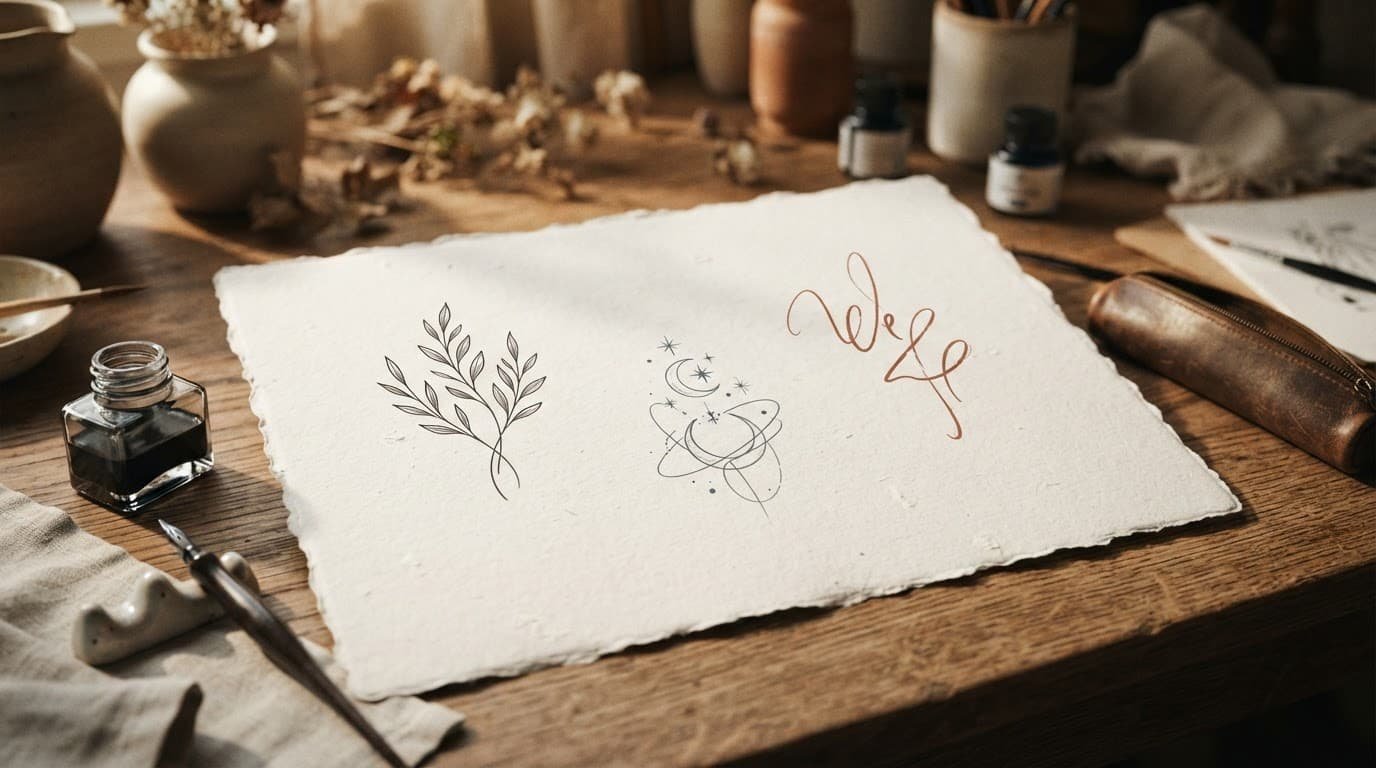
Your style choice should support the image, not force it into a popular format. Fine-line tattoos use delicate outlines and suit botanical sketches, small symbols, and restrained script. Minimalist designs reduce an image to its clearest shapes, while black-and-gray work adds depth through shading rather than color.
Color tattoos can bring flowers, memories, or playful objects to life. Ornamental designs use symmetry and decorative detail, abstract tattoos focus on shape and movement, and illustrative pieces look more like small drawings. Patchwork tattoos collect separate images over time, so plan the spacing before adding the first piece.
A highly detailed reference cannot always become a successful tiny tattoo. When an artist shrinks it too far, petals, lettering, and small gaps may lose clarity as the tattoo heals. Larger pieces allow more room for shading, texture, and lettering, while fine-line and tiny tattoos need thoughtful sizing from the beginning.
Look at healed tattoo photos, not only fresh work. Ask whether the artist has healed examples in the exact style you want, especially for fine-line florals, miniature script, celestial dots, and micro-details. Fresh ink can look razor-sharp, but healed work shows how the lines, contrast, and spacing settle on real skin.
Use a Simple Placement Test Before Your Appointment
Print the design at the planned size, or sketch it on paper and hold it against your body. You can also use a temporary tattoo or cosmetic pencil, then view it while sitting, standing, walking, and moving your arms.
Notice how clothing rubs the area, how much sun it receives, and whether body contours change the image. Decide whether the tattoo should face you when you look down or face outward so others can read it. Sensitive areas and longer sessions may feel more challenging, so discuss breaks, timing, and session length with your artist before booking.
Use this simple order:
- Choose the feeling or story.
- Select the image.
- Decide on the style.
- Test the size and placement.
- Sit with the idea before scheduling.
If you still want the design after several weeks, your references feel personal, and the placement fits your daily life, you’re much closer to a confident choice.
Popular Tattoo Placements for Women and What to Consider
Placement shapes how a tattoo looks, heals, and fits into your daily routine. Before choosing a spot, consider visibility, movement, friction, clothing, sun exposure, and whether the design still looks balanced from different angles.
Wrist, Forearm, and Hand Designs
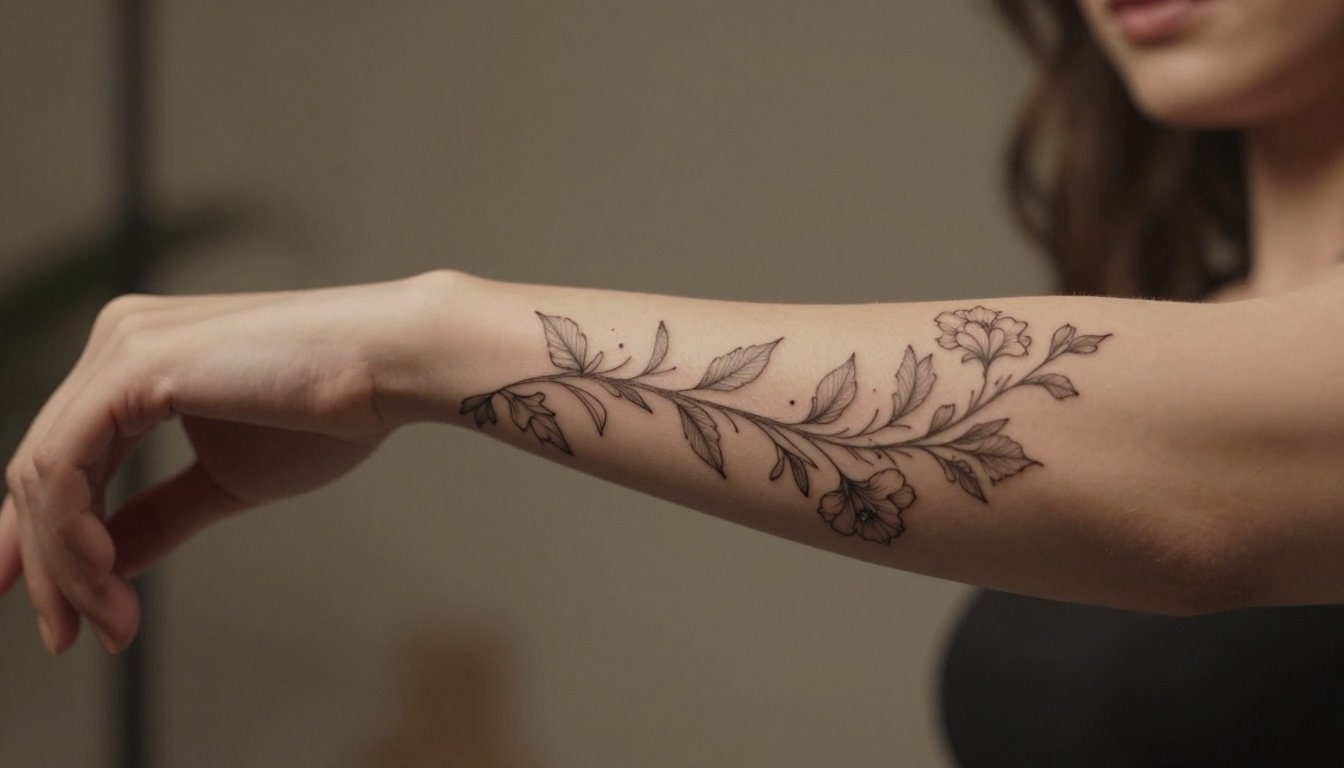
The wrist and forearm work well for meaningful words, fine-line flowers, tiny symbols, waves, and celestial pieces. These areas let you keep a reminder close, whether you choose a handwritten “hope,” a small crescent moon, or a botanical sprig tied to a personal memory.
Forearms offer a flatter canvas and are usually easier to view while planning the design. They also give an artist more room to preserve spacing around small lettering and delicate linework. A wrist tattoo can look elegant from the front, but ask to see the stencil while your arm rests naturally and turns to both sides.
Hands and fingers bring more practical concerns. Frequent washing, sun exposure, friction, and constant movement can cause tattoos in these areas to fade or soften sooner. Choose an artist with strong experience in small lettering and healed linework, then ask how the design may change over time.
Visible tattoos also deserve extra thought. A forearm, wrist, or hand piece may appear in workplaces, interviews, family settings, or formal clothing. If you love the idea but want more privacy, shift the same wave, flower, or symbol toward the inner upper arm or ribs.
Shoulder, Upper Arm, and Collarbone Tattoos
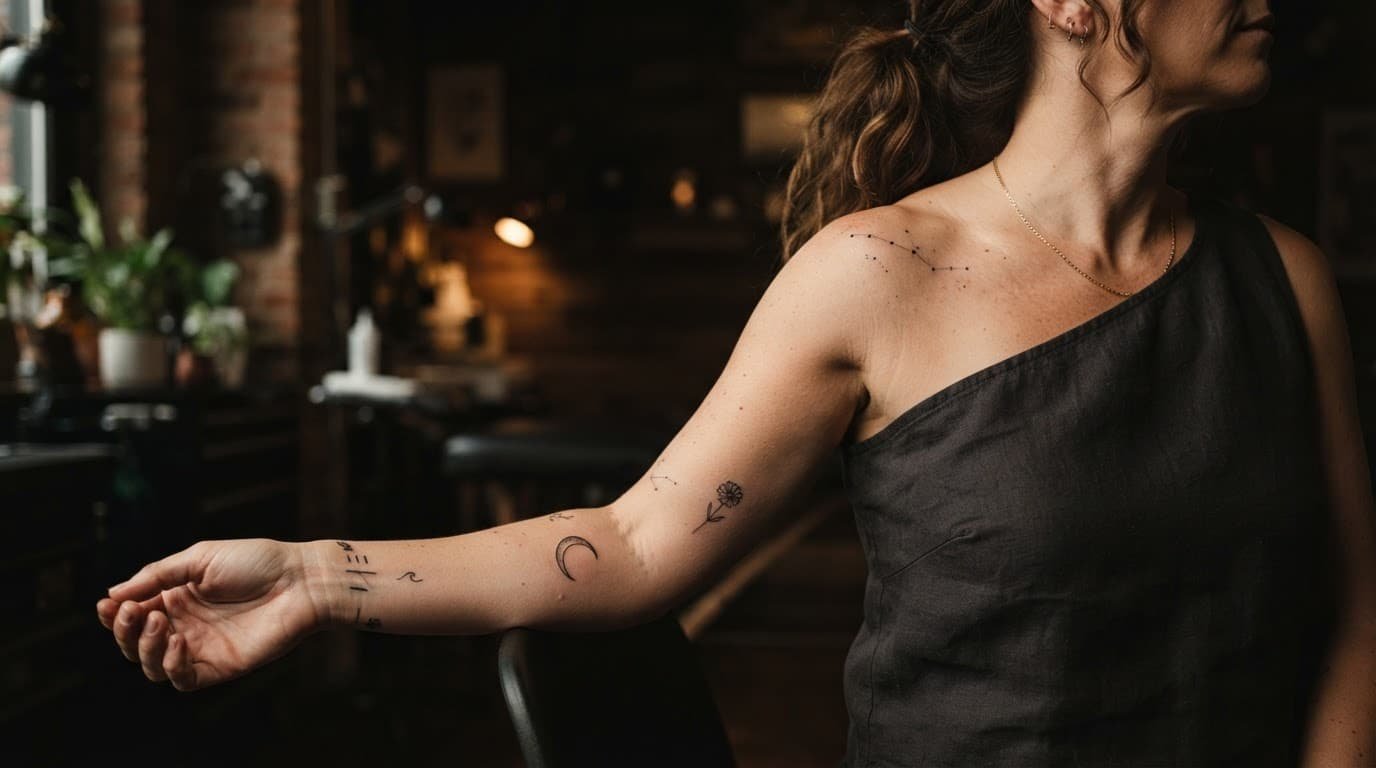
The shoulder and upper arm give bouquets, butterflies, ornamental designs, patchwork collections, and larger black-and-gray work enough space to breathe. A phoenix, botanical butterfly, or goddess-inspired silhouette can follow the curve of the shoulder instead of sitting like a flat sticker.
These placements also make coverage simple. A T-shirt, sweater, or dress with sleeves can hide the tattoo when needed, while sleeveless clothing can reveal it. Before committing, check the design from the front, side, and back so leaves, wings, or ornamental lines don’t look crowded when your arm moves.
The collarbone creates a graceful line for fine lettering, botanical stems, moon phases, and delicate celestial details. However, bone-adjacent areas can feel more sensitive during a tattoo session. Ask your artist to angle the stencil along your natural curve, rather than forcing a straight design across uneven anatomy.
Rib, Back, Hip, and Sternum Pieces
Ribs, the back, hips, and sternum suit private or more detailed artwork. Moon phases, mountain scenes, phoenixes, goddess-inspired silhouettes, and larger floral designs can spread across these areas without competing with everyday accessories or clothing.
Curved and bony locations require careful stencil placement. They may also feel more challenging during a long session, especially when the design crosses several contours. Before booking, ask about your sitting position, planned breaks, clothing access, and the number of sessions the artwork may require.
Placement should follow the body’s shape. A moon phase sequence might flow horizontally along the ribs, while a floral design can curve around the hip or sternum. Clothing seams and waistbands may rub fresh ink, so follow your artist’s healing instructions and protect healed tattoos from UV exposure with dermatologist-recommended tattoo care.
Ankle, Foot, Thigh, and Calf Ideas
Small flowers, waves, symbols, and playful motifs can work beautifully on the ankle or foot. The thigh and calf provide more room for bouquets, nature scenes, mountain landscapes, and detailed illustrative work, including ideas from the 25 designs above.
Feet face repeated contact with shoes, socks, walking, and moisture. Those pressures can make healing less comfortable and may contribute to fading. Areas near tight straps or frequent rubbing need thoughtful aftercare and may require touch-ups later.
Choose size for long-term clarity, not only for the smallest possible tattoo. A flower with enough room for its petals or a tiny object with readable details will usually age better than an over-compressed design. Ask to see the stencil while standing and sitting, because body contours can change the artwork’s proportions.
Tattoo Safety, Artist Selection, and Aftercare Basics
A beautiful tattoo should begin with a safe studio and an artist who respects your questions. Before you book, check local licensing or inspection requirements, review the artist’s healed work, and learn how the studio protects your skin during and after the appointment.
How to Find a Skilled and Hygienic Tattoo Artist
Start by comparing portfolios based on style, not just overall appearance. An artist who creates beautiful watercolor work may not be the right choice for fine-line flowers, realistic portraits, tiny lettering, or bold blackwork. Ask to see healed tattoos in the style you want, because fresh ink can look sharper and darker than settled skin.
For custom work, request a consultation before scheduling the tattoo. Bring your references, explain the personal meaning behind the design, and discuss size, placement, color, expected session time, and possible changes. A trustworthy artist should explain the process clearly, answer questions without irritation, and never pressure you to book before you feel ready.
Read the studio’s policies and look for a licensed or properly regulated business where local rules require it. During your visit, ask whether the artist:
- Puts on fresh gloves before touching you or clean equipment.
- Uses sterile or single-use needles, cartridges, ink caps, and other disposable supplies.
- Cleans and disinfects work surfaces between clients.
- Stores sterile supplies in sealed packaging until they are needed.
- Handles ink hygienically and avoids returning unused ink to a shared container.
- Covers the finished tattoo with the appropriate sterile or professionally designed wound covering.
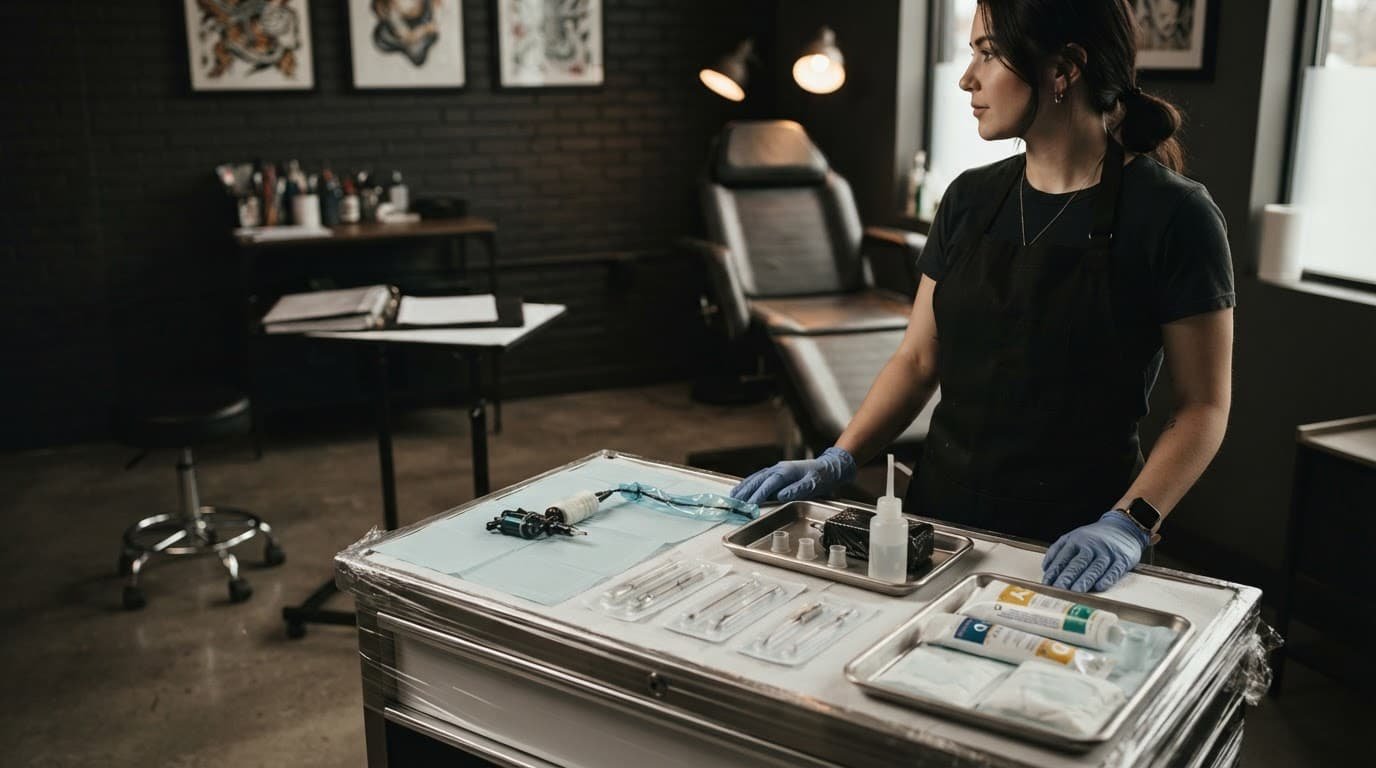
Written aftercare instructions are another good sign. If the studio looks cluttered or unclean, equipment appears unprotected, or the artist dismisses safety concerns, postpone the appointment. Your design can wait; questionable hygiene isn’t a detail worth overlooking.
What to Expect During Healing
Mild tenderness, warmth, swelling, and redness can occur during the first few days. Peeling often begins around the third or fourth day, and most tattoos take about two weeks to heal, although timing varies with size, placement, skin, and technique. The area should gradually improve rather than become more painful or inflamed. Mayo Clinic’s tattoo safety guidance explains common risks and precautions.
Follow your tattooer’s covering instructions because healing methods and products differ. Once they tell you to clean the area, wash gently with mild, unscented soap, pat it dry with a clean towel, and apply only the product and amount they recommend. Heavy ointment layers can trap moisture and irritate the skin.
While the tattoo heals, avoid:
- Scratching, picking, or peeling loose skin.
- Tight or dirty clothing that rubs against the area.
- Improvised coverings, plastic wrap, or adhesive materials not recommended by your tattooer.
- Baths, pools, hot tubs, saunas, and steam rooms.
- Tanning beds and direct sun exposure.
A shower is usually fine, but avoid letting a strong stream hit fresh ink. Wear loose, clean clothing that won’t stick to the tattoo.
When to Seek Medical Advice
Normal healing usually brings mild discomfort that slowly settles. Worsening symptoms need attention, especially when redness, swelling, warmth, or pain becomes stronger instead of easing.
Contact a medical professional if you notice extreme or spreading redness, increasing swelling, severe pain, pus, unusual color changes, heavy bleeding, fever, red streaks, a persistent rash, or skin that doesn’t appear to be healing. These signs can point to an infection or allergic reaction. Cleveland Clinic’s tattoo infection guide lists symptoms that require medical evaluation.
Contact the tattoo studio for routine questions about washing, coverings, peeling, or moisturizer. However, online articles cannot diagnose complications. Seek medical care for concerning symptoms, and tell the clinician when and where you received the tattoo.
Planning the Cost, Timeline, and Final Design
A meaningful tattoo deserves enough planning to feel personal, look balanced, and fit your budget. Before you book, prepare your ideas, discuss practical details with your artist, and leave room for professional advice.
Prepare a Strong Tattoo Brief for Your Artist
A clear brief gives your artist a starting point without limiting their creativity. Share:
- The story, person, memory, or feeling behind the tattoo.
- Preferred motifs, such as flowers, moons, waves, animals, or handwritten details.
- Style references, including fine-line, blackwork, illustrative, ornamental, or color tattoos.
- Details you don’t want, such as heavy shading, crowded elements, bright colors, or realistic faces.
- Your approximate size and preferred placement.
- Whether you want black ink, gray shading, color, or one small accent shade.
- Any words, dates, initials, or symbols that must remain readable.
- Reference images that show the mood, line quality, or composition you prefer.

Use reference tattoos to explain what attracts you, but ask for a design made for your body and story. Copying another person’s tattoo exactly can remove the personal quality you want and may ignore differences in anatomy, scale, and skin.
A skilled artist may adjust the line weight, spacing, or proportions so the design stays clear as it heals and ages. Collaboration often produces a stronger result than handing over a finished image and expecting an exact replica.
Know When to Wait Before Getting Inked
Pause if you feel rushed, uncertain about a name, or drawn mainly to a short-lived trend. Pressure from friends also deserves attention. A tattoo should be your decision, even when someone else helped inspire the idea.
Money matters as well. If you can’t afford a reputable artist, waiting is safer than choosing based only on the lowest quote. Give yourself a short reflection period for highly visible tattoos, while remembering that a tattoo doesn’t need a dramatic meaning to deserve a place on your skin.
Timing can affect healing. Consider postponing your appointment if you have a beach trip, swimming plans, intense exercise, or work that creates heavy friction, sweat, or sun exposure. Fresh ink needs protection and gentle care, so schedule it when your routine allows both.
Estimate the Price and Appointment Timeline
Tattoo pricing varies widely by region and artist. Experience, demand, shop minimums, size, detail, color, placement, and the number of sessions all affect the final cost. A small design may still meet the studio’s minimum charge, while a large back piece may require several appointments.
Ask how the shop handles the following before you pay a deposit:
- Whether the consultation is free or charged separately.
- How much the deposit is and whether it applies to the final balance.
- How much notice you need to give when canceling or rescheduling.
- Whether the first drawing and revisions are included.
- Whether the artist charges by the hour, session, or completed piece.
- How long the appointment and healing period may take.
The cheapest option isn’t always the safest or best value. Review healed work, sanitation practices, communication, and experience with your chosen style before comparing prices. Before your appointment, confirm your references, exact size, placement, budget, health considerations, and recommended aftercare supplies. That final check helps turn a beautiful idea into a design you can confidently live with.
Conclusion
These 25 beautiful tattoo ideas for women show how personal style can shape meaningful body art. A quiet fine-line symbol, birth flower, moon phase, or handwritten word can hold private significance, while mythology, patchwork, bold blackwork, and nostalgic designs can make a more visible statement. The strongest idea is the one that feels true to your story and suits your preferred style, body, placement, and comfort level.
Before booking, choose a qualified artist with experience in the style you want. Ask thoughtful questions about healed work, hygiene, sizing, cost, and how the design will fit your chosen placement. Plan for clothing, movement, sun exposure, and healing time, then follow the artist’s written aftercare guidance carefully.
Let these ideas guide your imagination rather than limit it. Change the flower, adjust the symbolism, combine two concepts, or add a detail only you understand. The most beautiful tattoo is personal, so give yourself permission to create a design that feels like yours instead of copying someone else’s ink.
Save the pin for later


- 30 Trendy Tattoo Ideas for 2026: Styles and Placement - September 27, 2026
- 30 Gorgeous Fine Line Tattoo Ideas to Try - September 27, 2026
- 25 Fine Line Tattoo Ideas for Women With Meaning - September 22, 2026
Leave a Reply