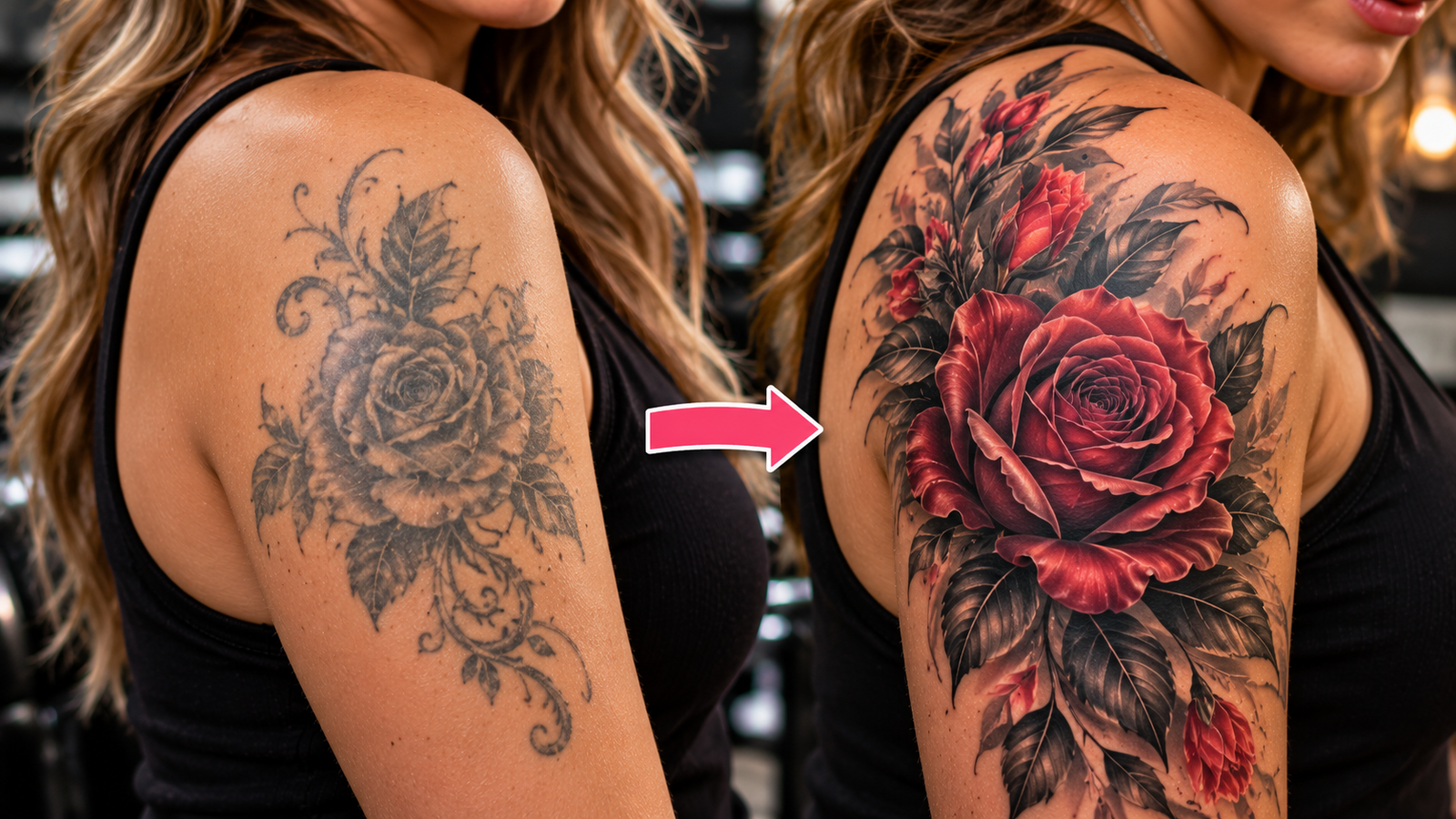
10 Cover-Up Tattoo Styles for Faded or Unwanted Ink
An old, faded, or unwanted tattoo can be frustrating to look at, but a well-planned cover-up may give it a fresh direction. The new design disguises the existing ink, and the right style depends on the tattoo’s size, color, darkness, line work, and placement.
Some cover-ups need to be larger or darker than the original, while laser fading may create more design options. Here are ten styles to discuss with your tattoo artist, who can assess what will work for your specific tattoo.
Watch cover-up tattoo transformations
10 Cover-Up Tattoo Styles to Hide an Old Looking Tattoo
These ten styles offer different ways to work with existing ink, but none guarantees a perfect disguise. A skilled tattoo artist can adapt each design to the original tattoo’s size, shape, color, and darkest areas. Since many cover-ups need more space or deeper tones, the best choice may look different from your first idea. You can also browse creative tattoo ideas and body-art inspiration as you consider possible motifs.
Blackwork and bold traditional designs
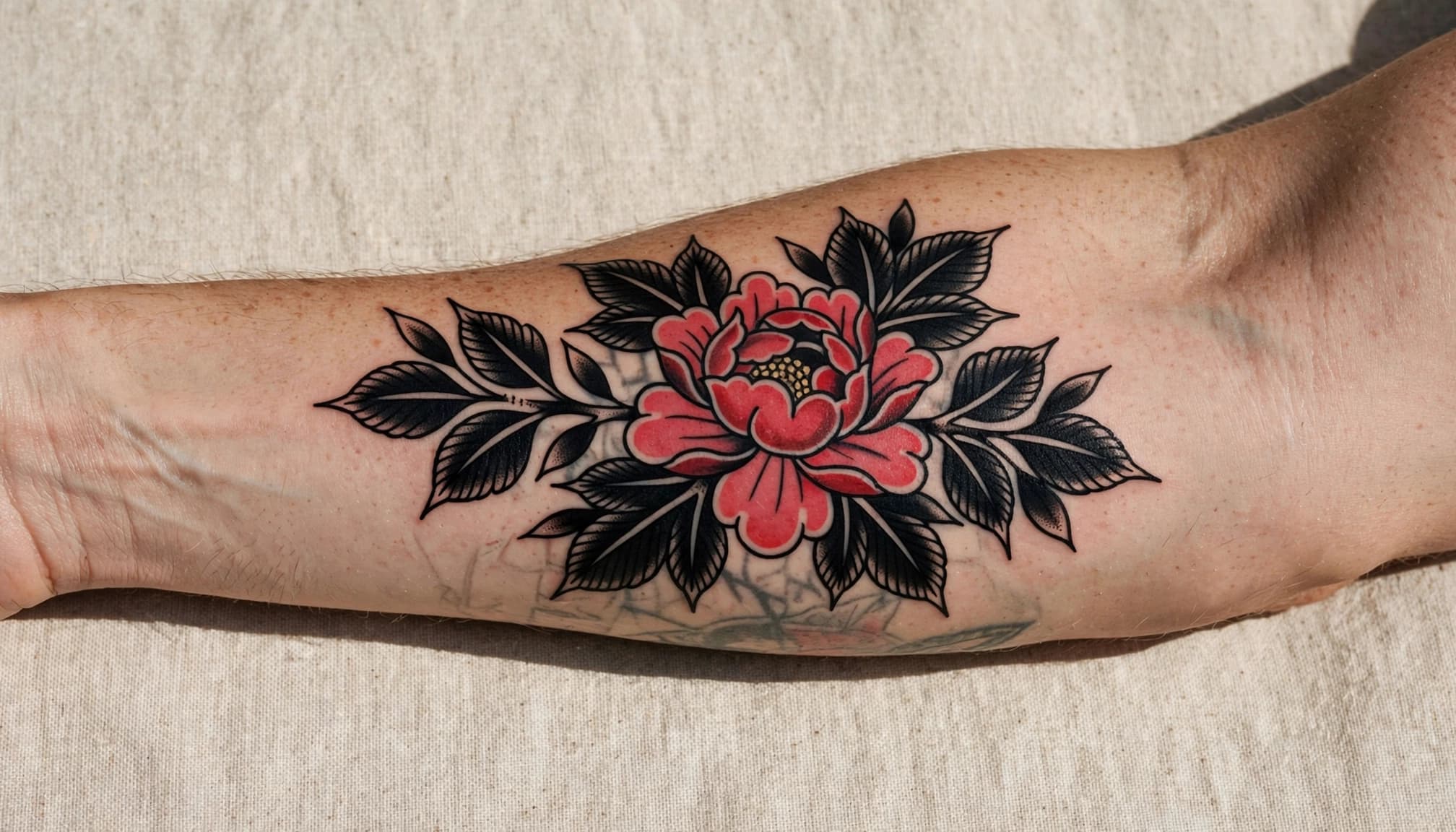
Blackwork uses dense dark shapes, solid fills, and strong contrast. Those features can help disguise heavy outlines or filled sections of an older tattoo, especially when the artist places the darkest areas over the most visible ink. Large leaves, ornamental shadows, or graphic shapes can give the composition a clear structure.
Bold traditional tattoos take a different route. They pair thick outlines and simple forms with saturated colors, such as deep red, green, or blue. Both styles may need a larger design than the original. If you want a very light, delicate result, discuss the limits upfront, since pale colors and fine lines often struggle to cover dense ink.
Japanese compositions and layered floral tattoos
Japanese-inspired waves, clouds, wind bars, and leaves create movement across the skin. Rather than hiding an old tattoo with one solid shape, an artist can guide the eye through a larger composition and place darker details where the original ink shows most.
Layered flowers and foliage offer similar flexibility. Overlapping petals and leaves can break up uneven lines or conceal smaller sections of an older design. In both styles, room to extend beyond the original tattoo often helps the new artwork feel intentional instead of crowded around its edges.
Geometric patterns and mandala or dotwork designs
Geometric shapes can frame or echo the old tattoo’s outline, letting the artist fold its edges into a more deliberate pattern. Mandalas add repeated forms around a central point, while dotwork builds shading through carefully placed dots. Together, these details can create a fuller design with visual texture.
However, thin lines and open spacing may leave dark ink visible underneath. An artist may need to add solid or shaded sections directly over the heaviest areas. If you prefer a fine geometric look, ask whether selective laser fading for a cover-up could make the design more achievable.
Ornamental and neo-traditional artwork
Ornamental tattoos use decorative lines, balanced shapes, and rich shading. Their flowing details can spread beyond an older tattoo, while dark accents cover areas where its lines remain most noticeable. The placement matters: dark elements need to conceal the ink without making the composition feel lopsided.
Neo-traditional tattoos keep the bold outlines of classic traditional work but add more detail, layered shading, and a broader range of color. That extra structure gives the artist more options for arranging shadows and saturated tones over the existing design.
Nature-inspired illustration and abstract designs
Illustrative animals, plants, and other nature subjects can be shaped around the old tattoo’s placement. A bird’s feathers, a flower’s petals, or an animal’s shadows may give the artist useful areas for stronger contrast. Abstract designs use layered shapes and movement instead, allowing more freedom to follow the tattoo’s existing footprint.
Still, highly realistic details and pale colors can be difficult to place over dark, saturated ink. Your artist may recommend bolder shading, deeper colors, or a larger composition to keep the older lines from showing through.
How to choose a cover-up design that can really hide the old ink
A cover-up starts with the tattoo you have, not only the design you want. Its darkness, saturation, line thickness, size, placement, and any scar tissue all affect what an artist can realistically create. A faded tattoo may allow more choices, but age alone doesn’t tell the whole story.
Match the design to the tattoo’s darkest and largest areas
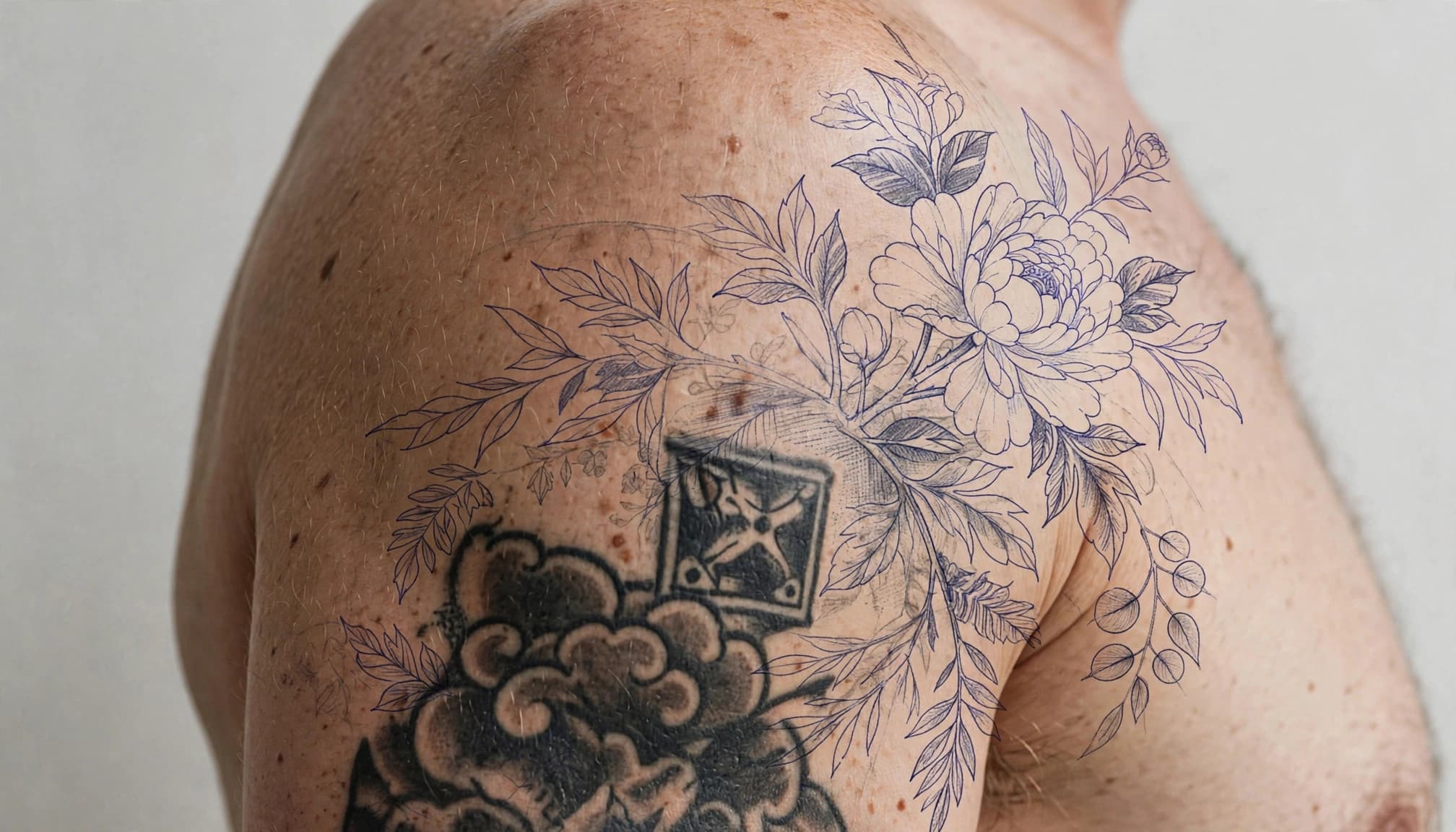
Look closely at the whole tattoo, including heavy outlines, solid fills, and saturated patches. Those areas are more likely to show through light colors, fine lines, or open designs. Even if the tattoo looks faded from a distance, its darkest sections may still need bold shading or dense detail directly over them.
Placement also shapes the design. A tattoo on a narrow wrist has less room to expand than one on a shoulder or thigh. The artist needs enough surrounding skin to extend the new composition past the old edges, so the cover-up doesn’t look cramped or leave parts of the original visible. In many cases, the new tattoo needs to be larger than the original, though there’s no fixed size rule that suits every tattoo.
Scar tissue adds another consideration because its texture can affect how ink settles and heals. If the area feels raised or uneven, show it to the artist in person. They can explain whether the texture may limit fine detail or affect the final appearance. For more planning context, see this cover-up tattoo guide.
Bring clear photos and stay open to a larger design
Photos can help an artist review the tattoo before a consultation, especially if you’re contacting studios from a distance. Take a few in natural light, with the skin relaxed and the full tattoo visible. Then explain what you want to keep, what you want hidden, and what you dislike about the current design.
Be flexible about size, color, and composition. A small black symbol may need a larger flower, animal, or ornamental design with shaded areas placed over its darkest lines. If your first choice is delicate or mostly light-colored, ask whether the underlying ink will remain visible. Sometimes a bolder version or a different placement creates a cleaner result.
An experienced cover-up artist should talk through these trade-offs before you commit. They may suggest a larger design, stronger contrast, or laser fading to reduce the old pigment first. Be cautious if someone promises that any design will work without examining the tattoo. A clear plan should account for the ink and skin you have, not just the reference image you bring.
When laser fading can make a cover-up easier
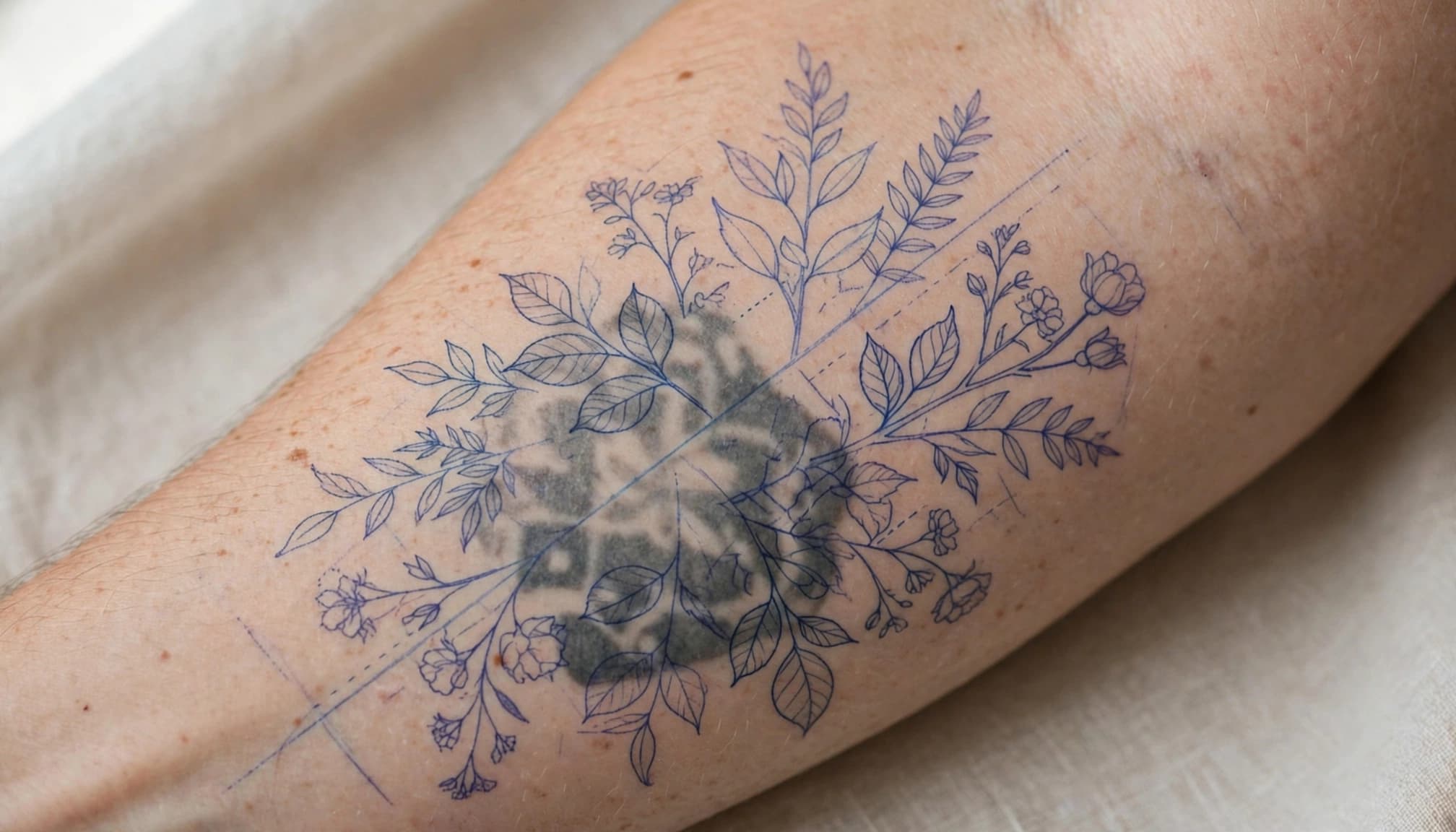
Laser treatment can reduce the darkness of an old tattoo before you cover it. The goal is usually to lighten the existing ink, not remove it completely. That can give your artist more room to design around the original rather than relying on dense shading to hide it.
Ask whether partial fading is worth the time and cost
Fading may be especially helpful when the old tattoo is very dark or saturated, or when your preferred cover-up uses lighter colors, finer details, or a smaller footprint. With less pigment to work around, those design choices may become more realistic. However, fading won’t guarantee that every style will work, and the result depends on the original ink and your skin.
Talk with a qualified laser provider before deciding. They can assess the tattoo and explain a treatment plan, including likely costs and how your skin may respond. The American Academy of Dermatology’s laser tattoo removal guidance notes that treatments are spaced to give skin time to heal and the body time to clear ink particles. The number of sessions and the overall timeline vary, so avoid relying on a fixed estimate before an in-person assessment.
You’ll also need to wait until the treated skin has fully healed before getting tattooed. Redness, swelling, blistering, or scabbing means the area needs more time, not a new layer of ink. Follow the laser provider’s aftercare instructions and ask when they consider the skin ready for tattooing.
Before treatment begins, have your tattoo artist and laser provider coordinate. The artist can identify which areas or colors need fading to make the design work, while the provider can assess the skin and discuss what laser treatment may achieve. Revisit the cover-up plan after fading, when your artist can evaluate the healed skin and remaining pigment.
Choose a cover-up artist and care for the finished tattoo
A strong cover-up depends on more than a striking design. Look for an artist with specific experience reworking existing tattoos, then protect the finished piece with careful aftercare while your skin heals.
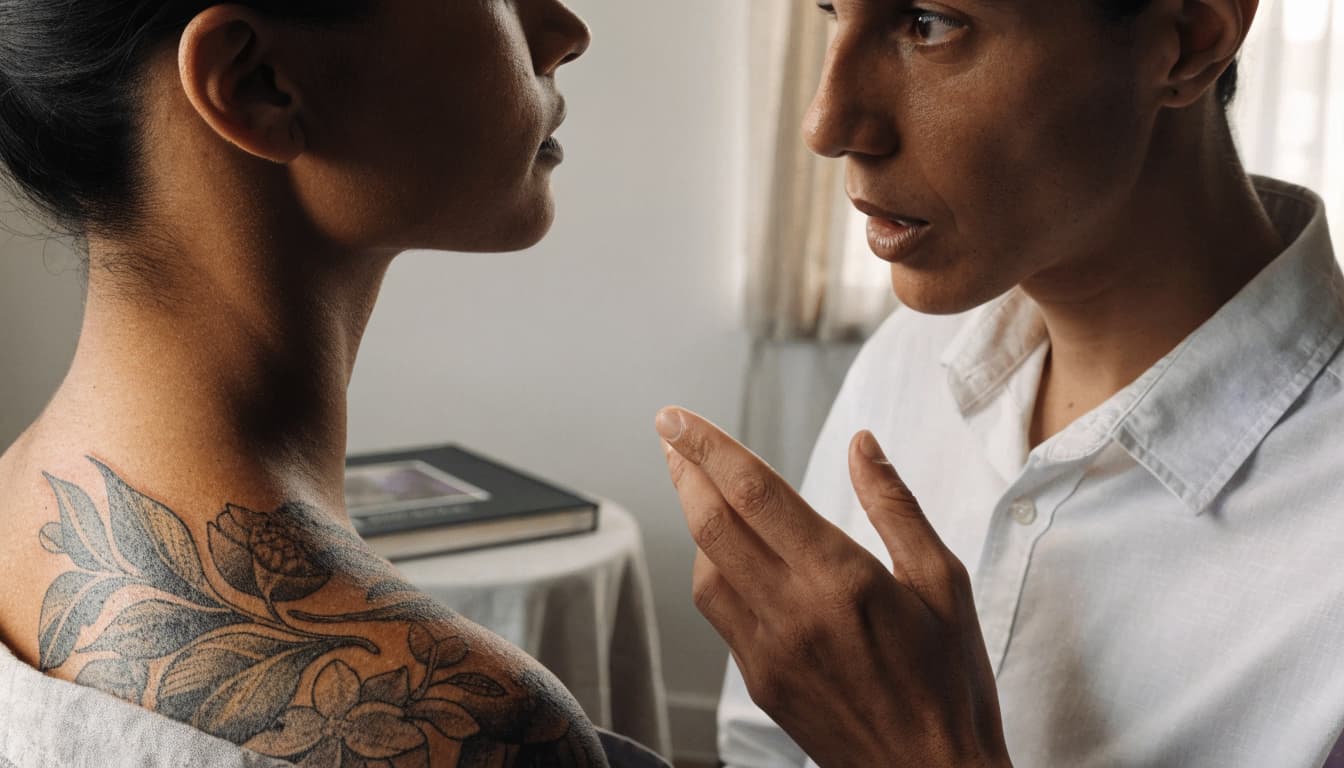
Look for healed examples and an honest design plan
Ask to see healed before-and-after photos, not only fresh tattoos. Fresh ink can look crisp and saturated, while healed examples show how well the older lines stay concealed after the skin settles. Look for projects similar to yours in size, placement, and darkness; a cover-up on a small, faded wrist tattoo may not tell you much about covering a dense, dark design on your shoulder.
At the consultation, ask whether laser fading could help, how much larger the new tattoo may need to be, and which colors or details are realistic. A skilled artist should explain how the existing ink affects the design and be clear about any limits. If your preferred idea needs more space or stronger contrast, ask what changes would make it work. Clear answers and a thoughtful plan are good signs that the artist understands both the artwork and the challenge beneath it.
Follow safe aftercare while the skin heals
Once the tattoo is complete, follow your artist’s specific aftercare directions. In general, keep the area clean, wash it gently as instructed, and avoid picking or scratching scabs and flakes. Also limit sun exposure while the skin heals, and avoid swimming, soaking in a bath or hot tub, or other activities that irritate the area until your artist says it’s safe.
Healing skin can be sensitive, so don’t add products or change your care routine based on guesswork. If you notice a rash, increasing pain, warmth, pus or unusual drainage, spreading redness, fever, or skin that isn’t healing normally, contact a health professional. The American Academy of Dermatology’s guidance on tattoo skin reactions explains symptoms that may need medical attention.
Conclusion
Blackwork, traditional, Japanese, floral, geometric, ornamental, illustrative, and abstract designs can all inspire a cover-up. The right choice depends on the old tattoo’s darkness, color, size, and shape, along with how a skilled artist plans to work around it.
Book a consultation to review your tattoo and discuss realistic options. If your artist recommends partial laser fading, it may give the new design more flexibility. Above all, choose a design that works with the existing ink rather than forcing a very small or light idea onto it.
Save pin for later


- 10 Cover-Up Tattoo Styles for Faded or Unwanted Ink - September 26, 2026
- Rose Tattoo Meaning for Women: Symbolism, Colors, and Design Choices - September 26, 2026
- Hunting Gothic Skin: What the Search Term Can Mean - September 25, 2026
Leave a Reply