Blackwork Tattoo Ideas for Men: Designs, Placement, and Planning
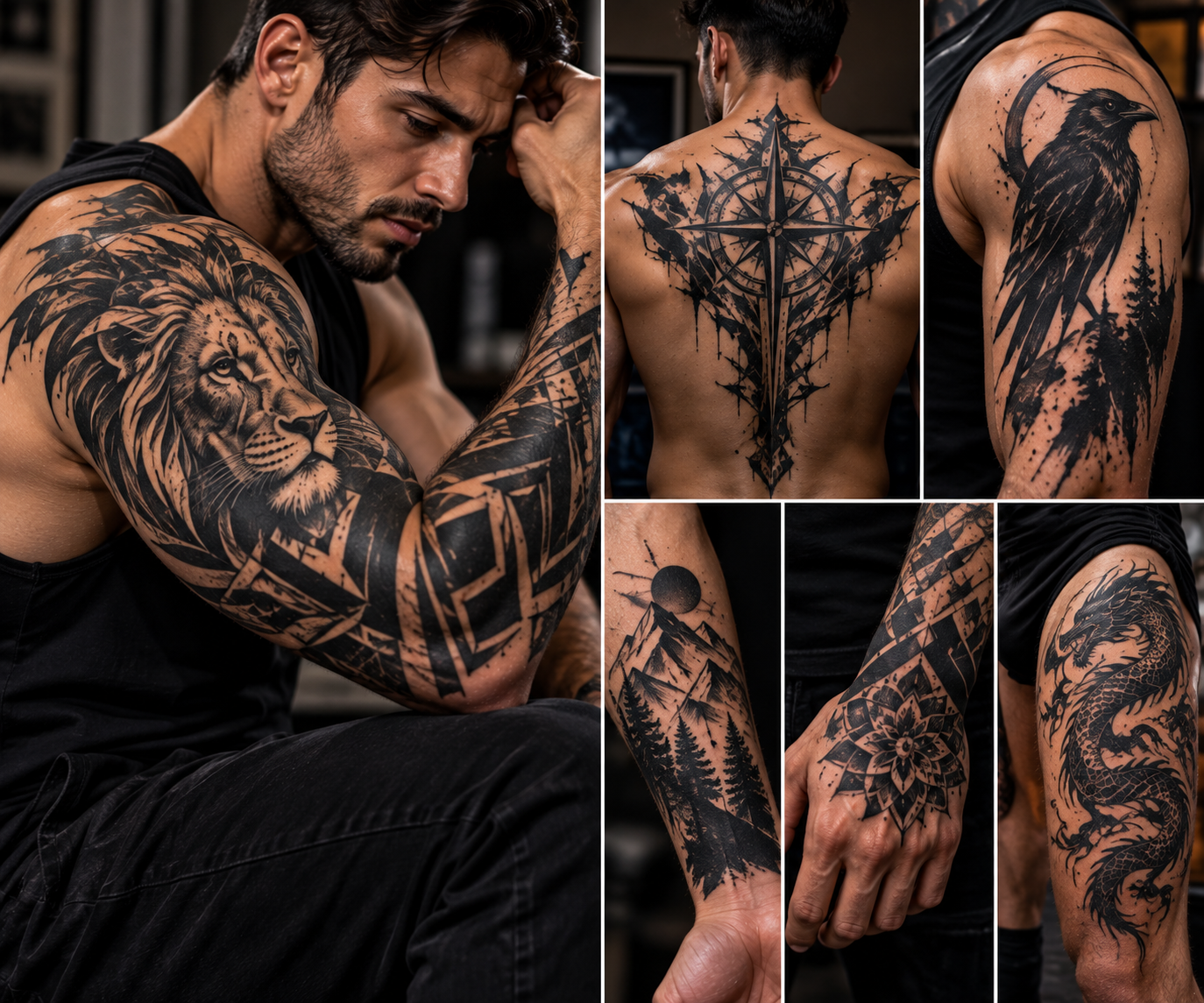
Bold black ink and high-contrast designs make a tattoo hard to overlook, especially when open skin becomes part of the artwork. If you’re searching for “blackwood tattoo” inspiration, you may mean blackwork, the more commonly used term for tattoos built around black ink, bold shapes, and contrast.
Blackwork can range from detailed patterns to solid-black areas, and the right design depends on your style and where you want it placed. Explore ideas for men, then consider placement and planning tips before you talk with your tattoo artist. For a visual starting point, watch blackwork tattoo designs for men, and find more tattoo inspiration from Financial Mercury.
Blackwork Tattoo Inspiration for Men Who Love Tattoos
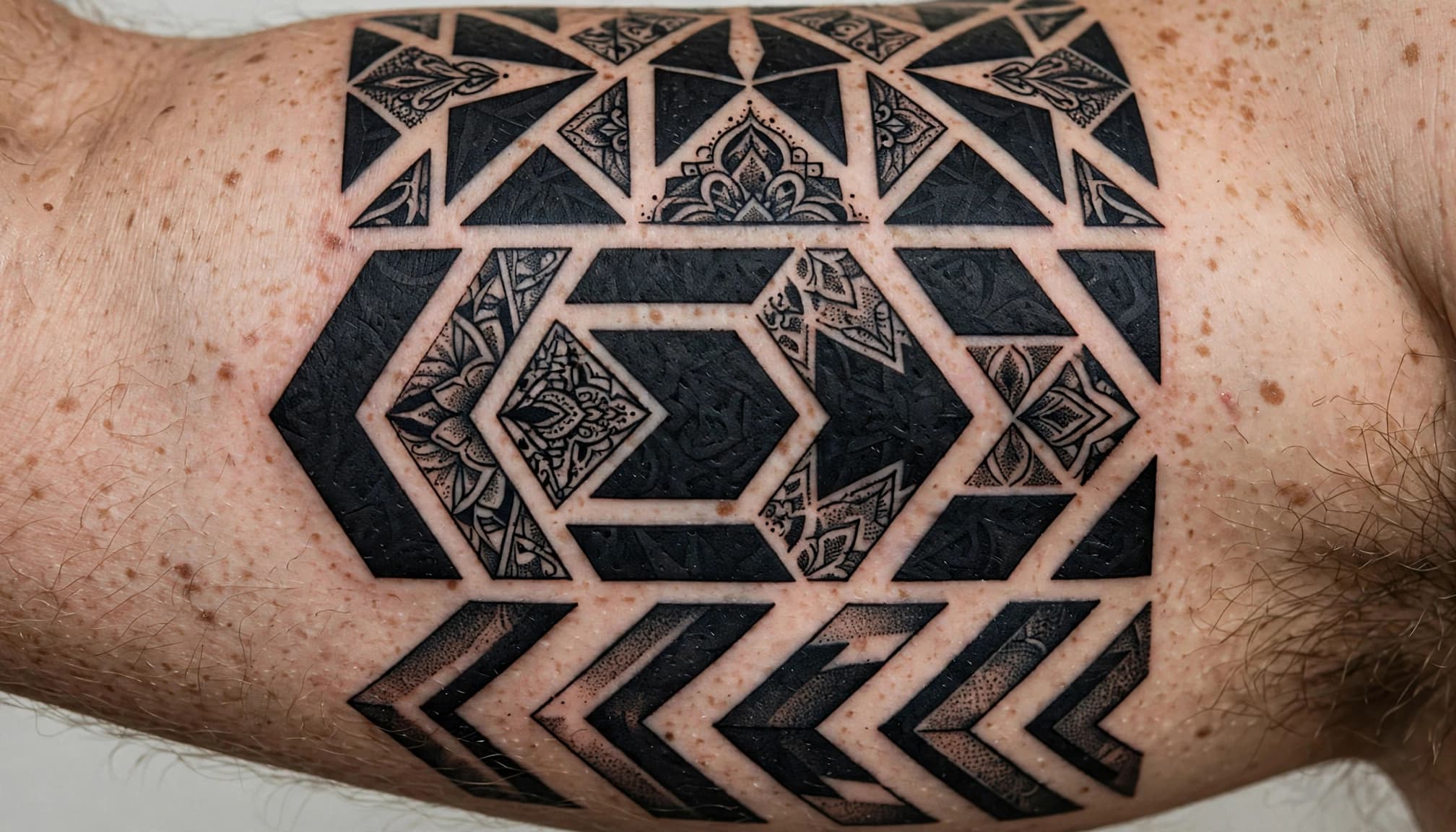
Blackwork tattoos use black ink, strong shapes, and intentional skin breaks to create contrast without relying on color. The uninked skin becomes part of the design, separating forms and creating highlights. This approach can make a simple graphic feel sharp or give a dense piece room to breathe.
A broad style, not one fixed look
Blackwork covers a wide range of designs. Some tattoos use clean geometry or fine dotwork, while others feature ornamental patterns, illustrative imagery, or large areas of solid black. As TattooDo’s blackwork style guide explains, bold black areas and purposeful skin breaks are key parts of the style.
That range gives you room to choose a look that feels personal. A small symbol can stay minimal, while a sleeve or chest piece can combine several patterns into one composition. Your artist can also adjust the scale and flow to suit your body and the placement you have in mind. Think about how the design will look when your arm moves or your torso turns, not only in a still reference image.
Find a Blackwork Design That Fits Your Personal Style
Start with the mood and imagery you want, then choose a blackwork approach that supports it. A sharp geometric piece feels different from a shadowy animal portrait, even when both use only black ink. Your favorite references can help your tattoo artist shape a design that feels personal and fits the placement.
Choose bold shapes, geometric patterns, or dotwork
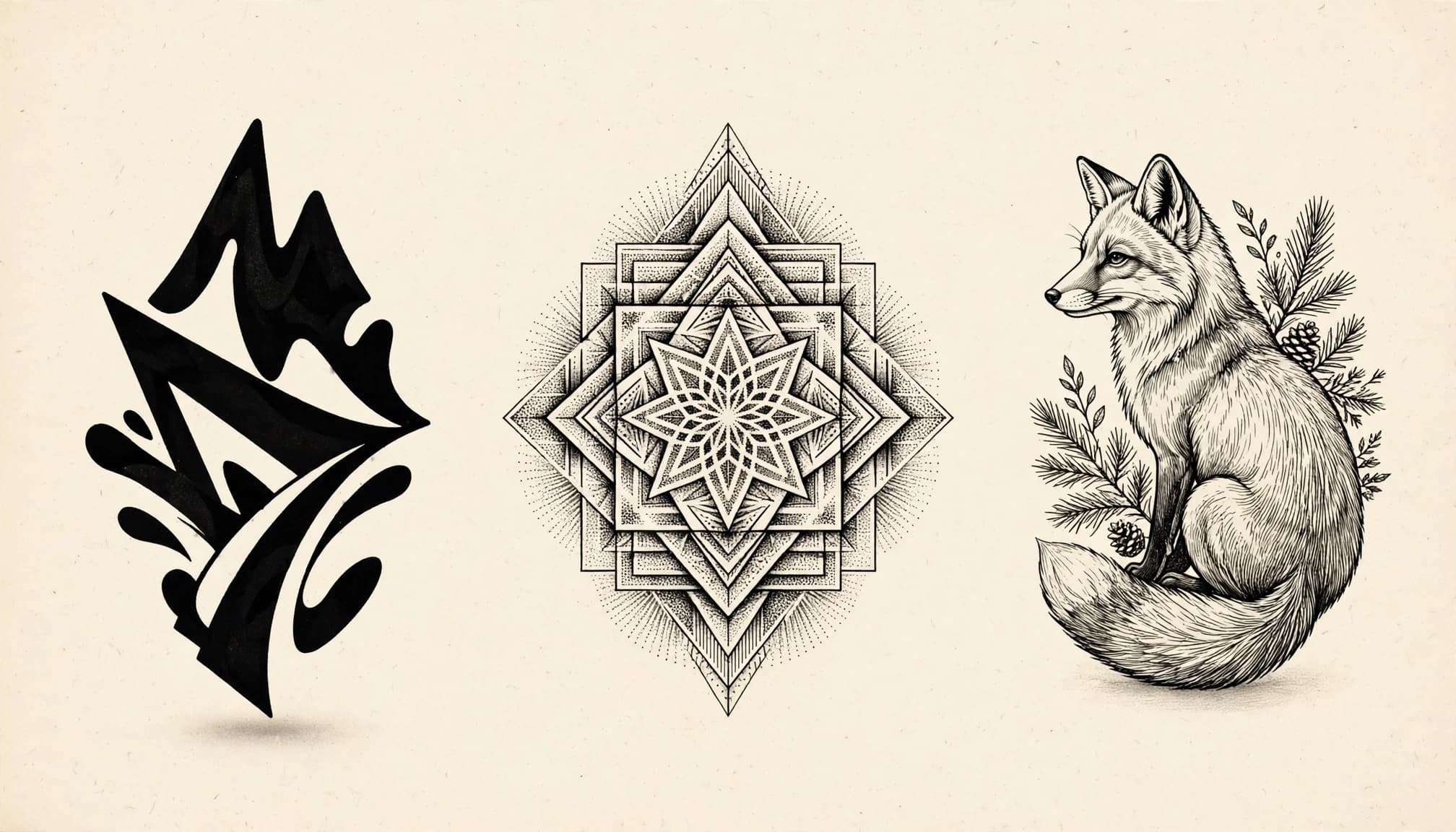
Solid black shapes and silhouettes create immediate contrast. A raven in flight, a dark crescent, or an abstract form can feel graphic and direct, especially on the upper arm or calf. Because these designs rely on clear outlines and filled areas, they can make a strong impression without fine detail.
Geometric patterns offer a more ordered look. Repeating lines, circles, or angular forms can feel precise and balanced, while dotwork adds a softer gradient or a textured shadow. You might pair a solid shape with dotted transitions for contrast without making the whole tattoo feel dense.
Negative space, or untouched skin, gives each element room to read. It can separate dark forms, create highlights, and keep a pattern from blending into one solid mass. Ask your artist where open skin can become part of the design rather than treating every gap as unfinished.
Explore illustrative, ornamental, and dark-art designs
If you prefer recognizable imagery, consider an animal, a plant, or a small nature scene rendered in blackwork. A wolf in an etched style can feel dramatic; a fern or moth may create a quieter, more organic effect. Engraving-inspired lines add a vintage, print-like texture, while dark-art imagery can lean surreal or eerie.
Ornamental designs use repeating curves, fine borders, and balanced shapes. They can follow the shoulder, chest, or forearm and give a tattoo a decorative feel. Whatever subject you choose, discuss line weight and open areas with your artist. Clear separation between details can help the image remain readable as it heals and ages, while tiny crowded marks may lose definition.
Approach tribal-inspired motifs with care
Bold, flowing forms can follow the body’s contours and emphasize its natural movement. Still, “tribal” is a broad label, and some patterns belong to specific cultures, histories, or ceremonies. A design may carry meaning beyond its appearance.
Before choosing a motif, find out where it comes from and what it signifies. The history of tattooing and cultural appropriation offers useful context on traditions such as Samoan and Māori tattooing. Avoid copying sacred or closed motifs without permission or a clear understanding of their cultural role. If you like the bold flow but want a personal design, ask your artist to develop original forms instead.
Choose a Tattoo Placement That Works With Your Body
The best placement gives a blackwork design enough room to read, follows your natural shape, and suits how visible you want it to be. Consider how the area moves, how much sun it gets, and whether you can cover it when needed.
Match the design to an arm, chest, back, or leg
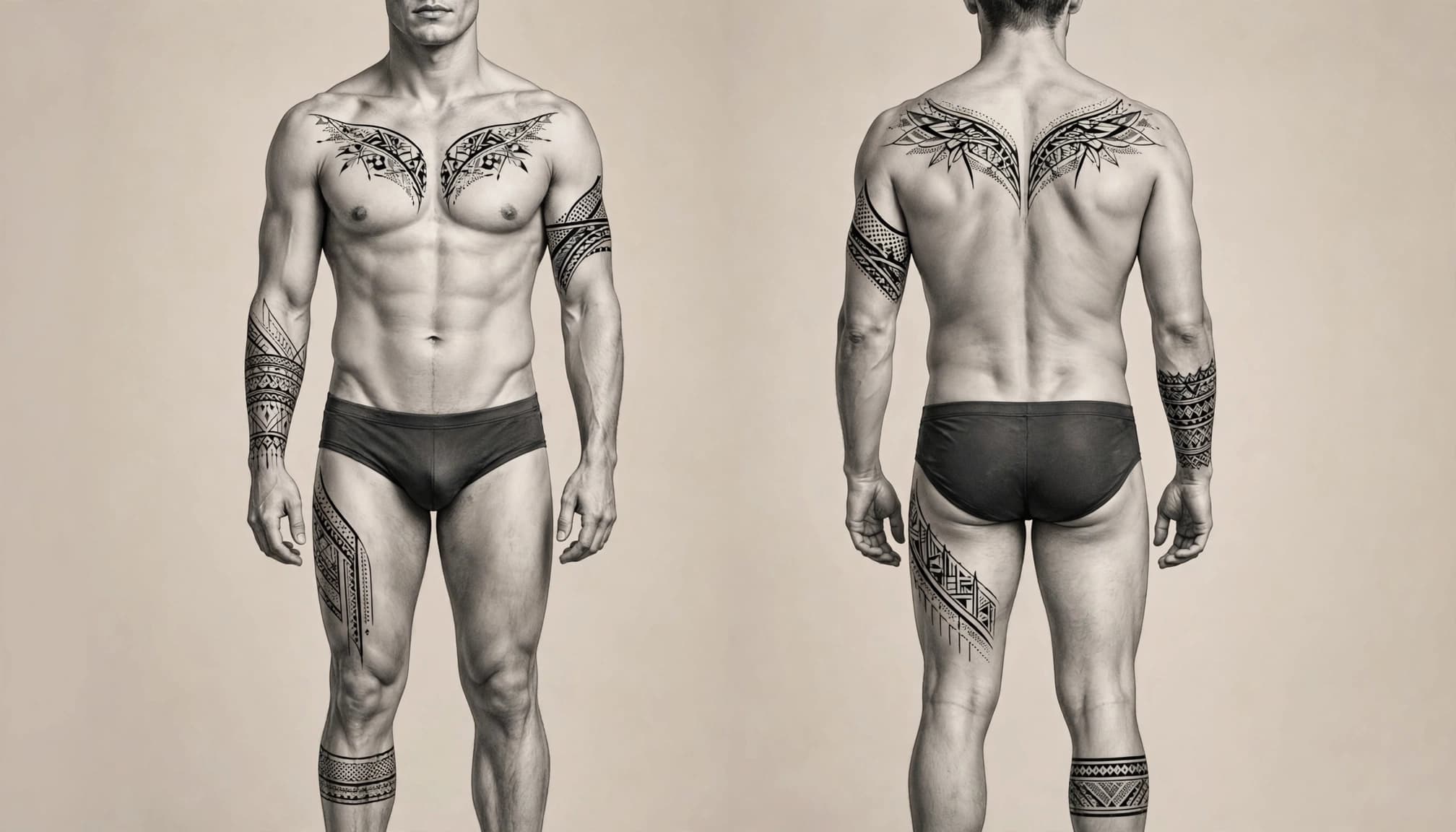
A forearm works well for vertical motifs and bold patterns you want to see easily. Upper-arm designs have more coverage, while sleeves and wraparound patterns look most natural when they follow the muscle lines instead of cutting across them.
Chest and back pieces give large, dark designs the space they need. The chest can suit balanced imagery or shapes that extend toward the shoulder; a back piece can hold a broader composition with room for open skin. On the leg, a calf often suits vertical artwork, while the thigh provides a larger area that clothing can cover.
Movement matters, too. Artwork that crosses an elbow, shoulder, knee, or ankle needs careful planning because the skin bends and shifts around the joint. Ask your artist to assess the design while you move, not only while you stand still.
Think through visibility, comfort, and future plans
Placement affects more than appearance. Outer arms, thighs, and calves are often easier to conceal and may feel more manageable than areas with thin skin or bone close to the surface. Ribs, hands, and feet can be more sensitive for many people, though pain varies. Hands and the neck also stay highly visible, can be harder to cover, and may face more friction during healing.
Before choosing, consider your workplace expectations, usual clothing, and the amount of direct sun the area gets. A new tattoo needs protection while it heals; once the skin has healed, the American Academy of Dermatology’s tattoo-care guidance recommends sun protection to help protect tattooed skin.
A temporary stencil can help you test both size and position. Wear it for a day, check it in your usual clothes, and look at it while sitting, standing, and bending. That simple trial can reveal whether the design feels balanced on your body or needs a different scale or placement.
Plan the Design and Find the Right Blackwork Artist
A strong blackwork tattoo starts with a clear idea and an artist whose portfolio fits the style you want. Before booking, gather a few references, think through size and placement, and leave room for the artist to create an original design.
Check healed work, not just fresh tattoo photos
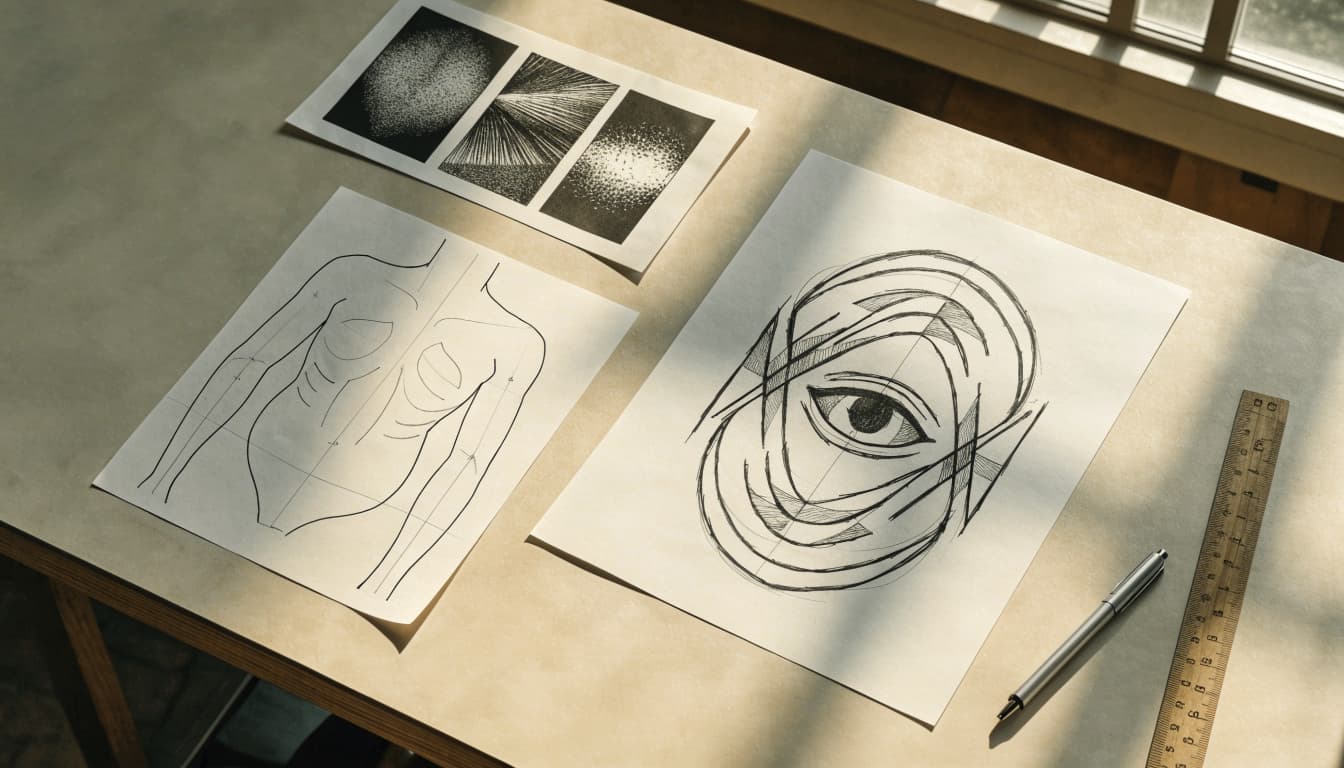
Fresh tattoos often look especially crisp because the skin is newly inked and slightly swollen. Healed photos give you a more realistic view of how the artist’s lines, dark fills, and skin breaks look after recovery. Look for even ink coverage and clean edges, plus negative space that still separates the design’s main shapes.
As you review portfolios, focus on work similar to your idea. Someone who excels at fine dotwork may not be the right fit for a large, solid-black sleeve. Ask how much experience the artist has with your chosen blackwork style and placement, especially if the design crosses a joint or wraps around a limb.
You can also ask to see several healed examples, not only the artist’s most polished recent post. A consistent portfolio helps you judge whether their approach suits the result you have in mind.
Keep details clear and the design easy to read
Tiny marks and tightly packed black areas can lose separation as a tattoo ages. If every part of the design competes for attention, the image may read as a dark blur instead of a distinct pattern. A clear silhouette and enough open skin give the main shapes room to stand out.
Bring a small set of references that show what you like, such as the subject, contrast, or pattern. Then explain what matters most to you and ask the artist to adapt those elements into an original design. A reference should guide the conversation, not become a tattoo to copy.
Discuss the intended size and placement early. A motif that looks detailed on a screen may need more space on skin, while a larger design may need stronger contrast to stay legible. Your artist can recommend adjustments to scale, line weight, and negative space based on the body area.
Before paying a deposit, ask how the artist will fit the design to your chosen placement and whether you can review the draft. Also confirm local licensing requirements, since rules vary by state. For example, Florida requires licenses for tattoo artists and establishments; its tattoo artist licensing information explains the state process.
Protect Your Blackwork Tattoo While It Heals and Ages
Aftercare helps protect the clean edges and open-skin contrast that make blackwork stand out. Follow your tattoo artist’s instructions, since bandage type and removal timing can vary.
Keep the fresh tattoo clean and protected
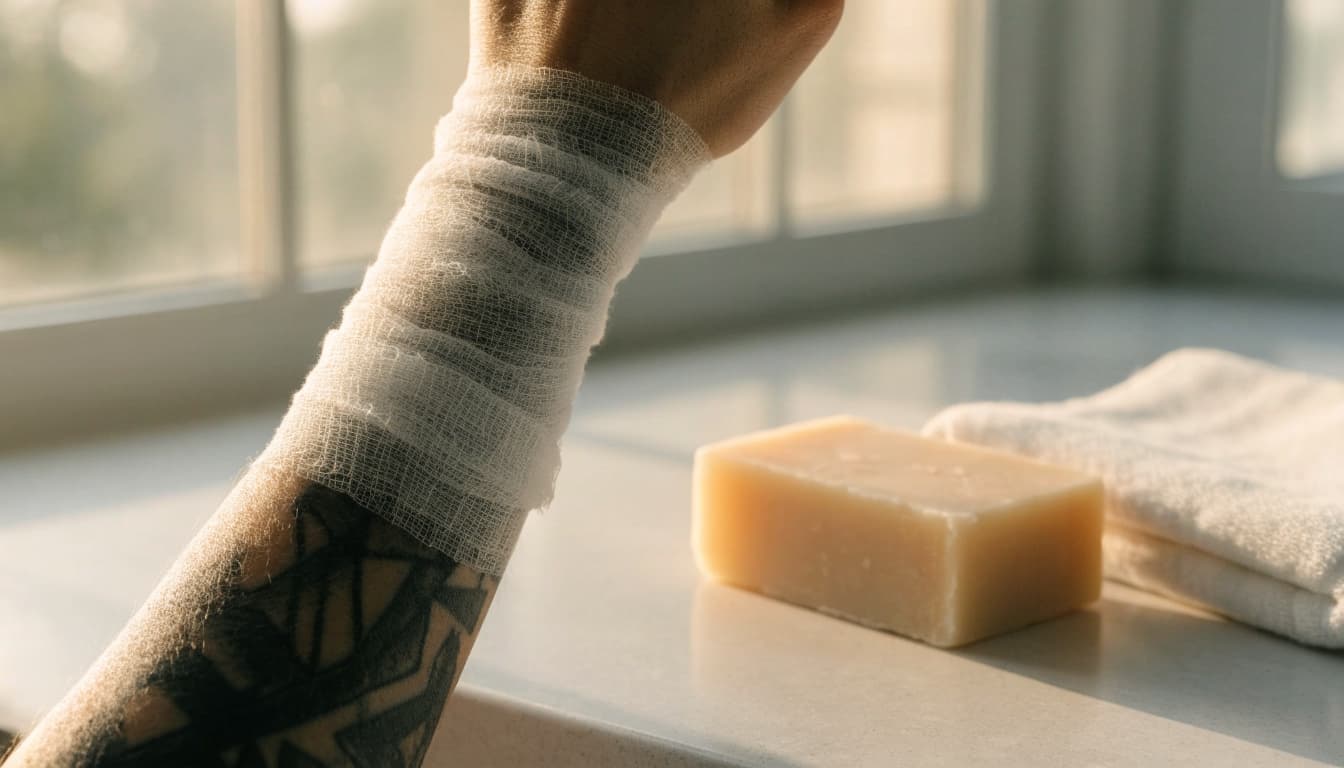
Once your artist says to remove the covering, wash your hands first. Gently clean the tattoo with lukewarm water and mild, fragrance-free soap, then pat it dry with a clean towel. Rubbing can irritate healing skin.
Keep the area clean, and avoid picking at flakes or scabs. Also skip swimming, baths, and hot tubs until the skin has healed. During this stage, cover the tattoo with loose clothing and keep it out of direct sun. Don’t apply sunscreen to skin that’s still healing.
Some tenderness and mild redness can occur early on, but symptoms should improve. If the area feels unusually hot, redness worsens or spreads, pus appears, or you develop a fever, contact a healthcare professional. The American Academy of Dermatology’s advice on tattoo skin reactions can help you recognize when a reaction needs attention.
Protect black ink after healing
Once the tattoo has fully healed, sunscreen can help protect exposed ink from UV damage. Choose a broad-spectrum, water-resistant sunscreen with SPF 30 or higher, and reapply at least every two hours outdoors. Clothing and shade offer extra protection, especially for tattoos on the forearms, hands, or calves.
Blackwork depends on strong contrast, so limiting sun exposure can help preserve its appearance over time. Keep the skin moisturized, too, and ask your artist or a dermatologist about changes that concern you.
Conclusion
The strongest blackwork tattoo begins with a design that feels personal and stays clear at the size you want. Choose a placement that gives the artwork room to follow your body, then work with an experienced tattoo artist who can balance dark fills and open skin.
Save inspiration that captures the shapes, mood, or contrast you like, rather than treating any image as a template. Then discuss a custom version with a qualified tattoo professional, including how the design will fit your placement and remain readable over time.
Save pin for later


- Blackwork Tattoo Ideas for Men: Designs, Placement, and Planning - September 26, 2026
- 20 Tattoo Designs and Where to Place Them for the Best Fit - September 26, 2026
- 10 Line Tattoo Designs and What They Can Symbolize - September 26, 2026
Leave a Reply