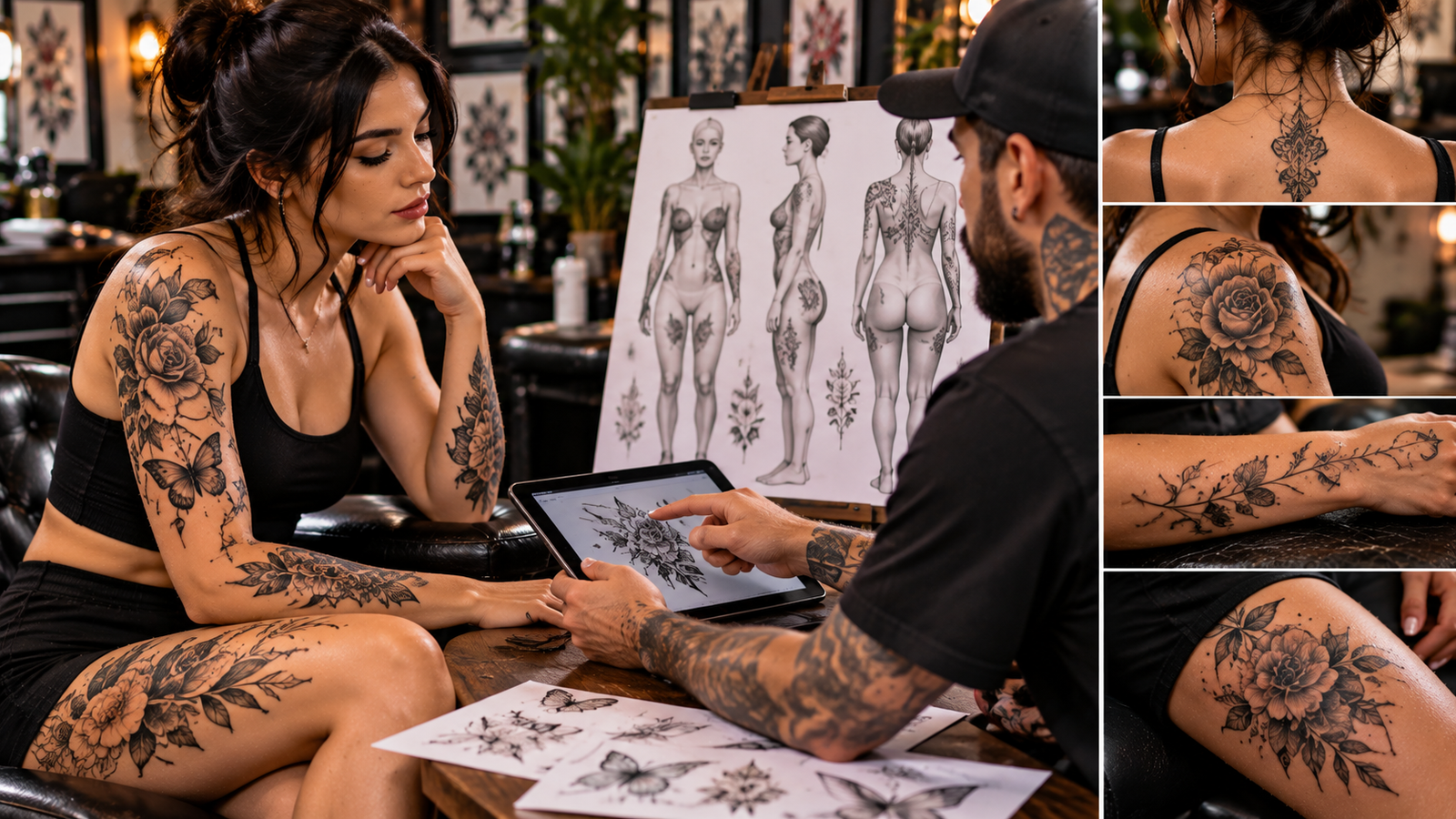
20 Tattoo Designs and Where to Place Them for the Best Fit
A great tattoo depends on more than the artwork. Size, body shape, visibility, comfort, and long-term care all affect how a design looks and fits your life.
The right placement can give a small symbol room to breathe or help a larger piece follow your body’s shape. This guide pairs 20 tattoo ideas with placement options and explains the tradeoffs, starting with designs that work well in smaller spaces. For more placement and sizing tips, watch this tattoo placement video.
Choose a Tattoo Placement That Fits Your Design and Daily Life
A placement can change how a tattoo looks when you move, how often you see it, and how much care it needs. Compare the design’s shape, your clothing habits, and your tolerance for pain before settling on a spot.
Match the design’s shape and detail to the body area
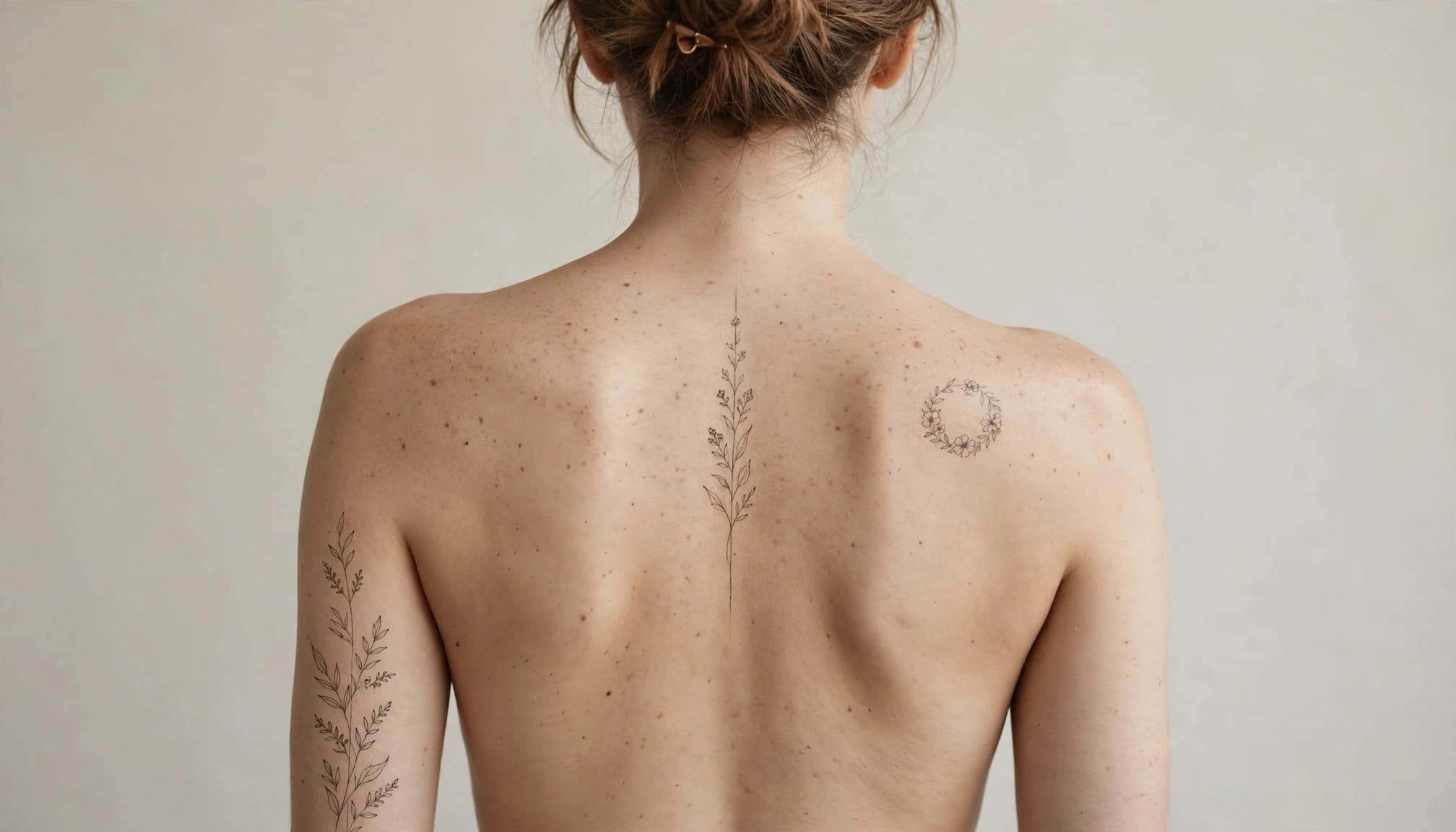
Narrow, vertical artwork often follows the forearm, ribs, or spine. Round designs, such as a floral medallion or mandala, tend to fit the shoulder or upper back, where there’s more room for the shape to read clearly.
Body movement matters, too. Skin stretches and shifts as you bend, twist, or raise an arm, so a design may look different in motion than it does in a reference photo. Ask your tattoo artist to position a stencil while you move naturally.
Small areas call for simpler artwork. Fine lines and tiny details can blur as a tattoo ages, especially when they’re packed closely together. If a design needs breathing room, choosing a larger placement is often a better fit than shrinking every detail.
Balance visibility, pain, and easy coverage
Hands, wrists, and forearms are easy to see, which may suit you if you want your tattoo on display. However, those spots can be difficult to cover at work or for formal occasions. The upper arm, chest, thigh, and back offer more options for clothing coverage.
Comfort varies by person, but areas close to bone, including the ribs and sternum, are often more painful during tattooing. Thin skin and sensitive areas can also make a session feel more intense. No placement is guaranteed to be painless, so consider both the tattoo’s size and how long you’ll need to sit.
Think about sun, friction, and healing
Frequent sunlight and rubbing can contribute to fading over time. Hands, fingers, feet, and ankles get regular exposure or friction, so tattoos there may need more upkeep than designs under clothing. Once the tattoo has healed, the American Academy of Dermatology recommends broad-spectrum, water-resistant SPF 30 or higher to protect tattooed skin outdoors.
During healing, loose clothing can help reduce rubbing and irritation. Follow your tattoo artist’s aftercare instructions, and keep a fresh tattoo out of direct sunlight until it’s healed. A spot that fits your routine now will be easier to care for later.
20 Tattoo Designs and the Best Places to Put Them
A tattoo’s placement affects how its details read, how often you see it, and how it holds up to daily wear. Use these pairings as starting points, then ask your artist to adjust the size and position to suit your body and preferences.

Six small tattoos for subtle or easy-to-see placements
Small designs can suit discreet spots or places you’ll see every day. However, tiny artwork still needs enough room to stay clear as it heals and ages.
- Initials behind the ear are easy to conceal with longer hair and work well at a petite scale. The area offers little space, so ornate lettering may lose definition.
- A tiny icon on the wrist stays visible and is easy to check as it heals. Frequent sun exposure and movement can affect its appearance over time.
- A small butterfly at the nape can follow the curve below the hairline and remain covered by most shirts. Hair and collars may rub against it during healing.
- A single word at the nape uses the narrow placement for a short, simple design. Keep the lettering large enough to read, since a long phrase may need more space.
- Fine-line script on the inner forearm is easy to view and gives delicate lettering a relatively straight area. It’s exposed more often than a tattoo beneath clothing.
- A minimal geometric symbol on the hand is highly visible and suits crisp, uncomplicated shapes. Hands fade and wear faster because they get frequent washing, friction, and sun exposure; hand and finger tattoo care takes ongoing attention.
Seven medium tattoos with room for clear detail
Medium designs need enough surface area to keep lines and shapes distinct. These placements offer more room, though clothing, movement, and friction still matter.
- A fine-line floral sprig on the outer forearm can follow the arm’s length and remain easy to see. Short sleeves may leave it exposed to the sun.
- A small portrait on the outer upper arm has room for facial details and can be covered by a sleeve. A very small portrait may still lose clarity if its features are crowded.
- An animal head on the calf suits the leg’s broad vertical area, which can frame the face and fur or feather details. Pants may cover it, and the design moves when you walk.
- A botanical panel on the outer thigh gives leaves and stems space to spread along a larger area. It’s easy to cover, but less visible in everyday clothing.
- A floral cluster on the upper back can spread naturally across a broad, relatively flat area. You may need help checking its appearance during healing.
- A shoulder-cap design on the shoulder follows the rounded contour, making circular or curved artwork a natural fit. Its shape can shift visually as you lift or rotate your arm.
- A compass or travel icon at the ankle fits a compact design near the foot. Shoes and socks may rub the spot, especially during healing.
Seven larger tattoos made for a broader canvas
Larger artwork benefits from space, especially when it includes fine detail or lettering. Still, a generous canvas may come with more coverage needs or discomfort during tattooing.
- A landscape strip on the outer thigh or upper arm gives a panoramic scene room to stretch horizontally. The thigh is easier to cover, while the upper arm is more visible.
- A chest or pec design on the chest can follow the body’s broad shape and accommodate a bold image. Clothing may cover it, but the outline can shift with posture.
- A mandala on the upper back gives a symmetrical design room to spread. You won’t be able to see it without a mirror.
- Ornamental art at the sternum can align with the body’s centerline and suit a vertical or symmetrical layout. The sternum is close to bone and can be more painful.
- A long quote along the ribs takes advantage of the torso’s length. Ribs can be more painful, and the lettering must be sized to remain readable.
- A vertical quote or symbol stack along the spine follows a naturally long, narrow line. The spine can be a more painful placement, and small lettering may blur together.
- A small letter or motif on a finger keeps a personal detail in plain view. Finger tattoos often fade quickly, so consider whether you’re comfortable with possible touch-ups.
How to Pick the Best Tattoo Placement for You
The best tattoo placement balances your design with the way you live. Before choosing a spot, consider how visible you want the tattoo to be, what you wear most often, and whether your work or social settings call for easy coverage. Then ask your artist to help you assess the fit on your body.
Use a stencil to test the size and position
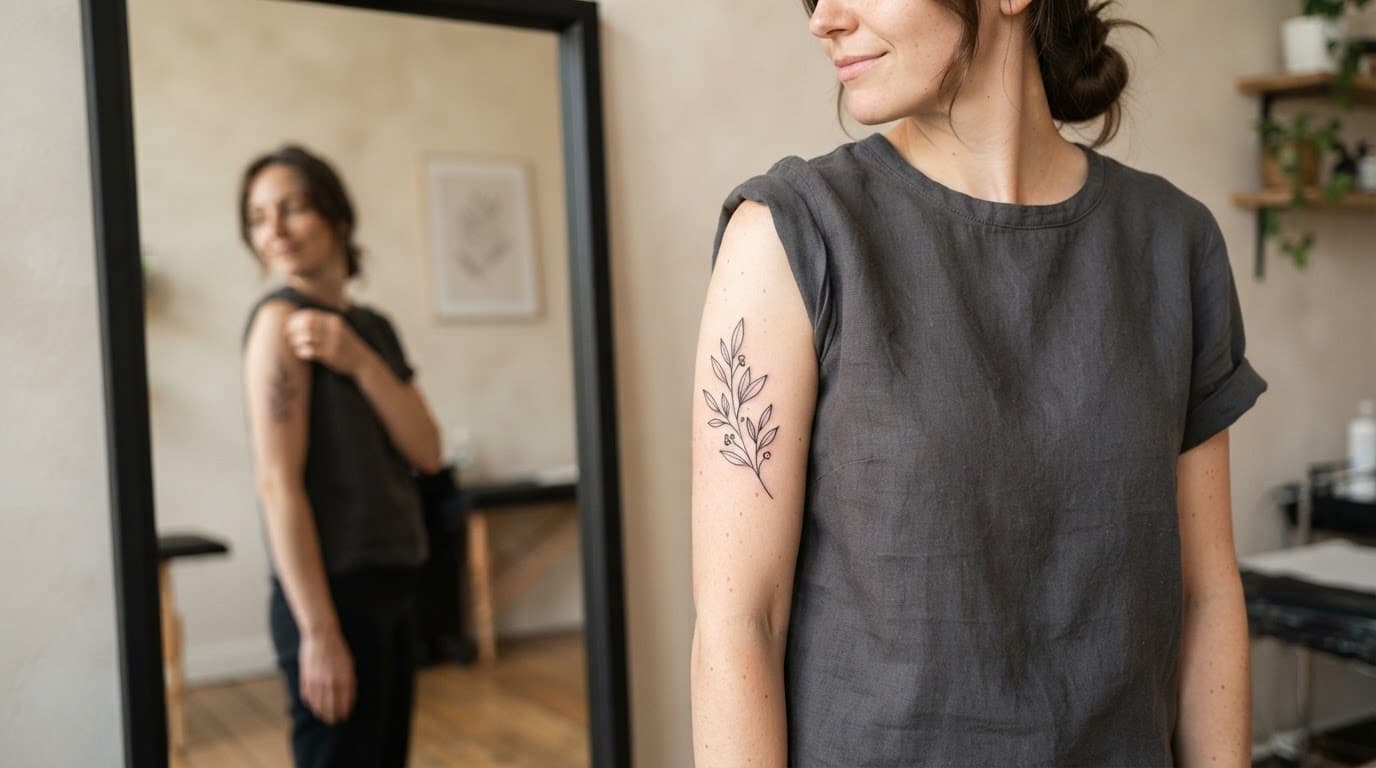
Ask your tattoo artist to apply a stencil before the session begins. Check it while standing in your usual posture, then move naturally: raise your arm, bend, or turn as the placement requires. A design can look balanced when you’re still but shift with your body’s movement.
View the stencil from several angles, and use a mirror or ask someone you trust to check spots you can’t see easily. Also consider how it looks with the clothes you wear most often. A tattoo that disappears beneath a work shirt may suit you better than one that remains visible, while a wrist or forearm design may be a better fit if you want to see it daily.
Take your time before approving the stencil. Confirm that the size gives the artwork enough room and that its position feels right when you move. If something seems off, ask the artist to adjust it before the tattoo begins.
Ask your tattoo artist about detail and touch-ups
A placement needs to suit the design’s details, not just its outline. Ask whether the area can hold the planned line work, shading, or lettering at a size that will remain clear. If the space is too small, your artist may suggest enlarging the tattoo, simplifying fine details, or shifting it to a broader area.
Your daily routine matters, too. Areas exposed to regular sunlight may need more protection to help limit fading. The American Academy of Dermatology recommends SPF 30 or higher for tattooed skin when you’re in the sun. Spots that rub against shoes, waistbands, or other clothing may need extra attention, particularly while healing.
Ask your artist how the chosen area tends to hold the design and whether it may need touch-ups over time. Their advice can help you weigh visibility, detail, and upkeep before you commit.
Care for Your Tattoo So It Heals and Holds Its Detail
A tattoo needs careful attention while the skin repairs itself. Follow your tattoo artist’s aftercare instructions, since bandages and recommended products can vary. Gentle cleaning, reduced friction, and sun protection after healing help preserve the design and protect your skin.
Keep the new tattoo clean and reduce rubbing
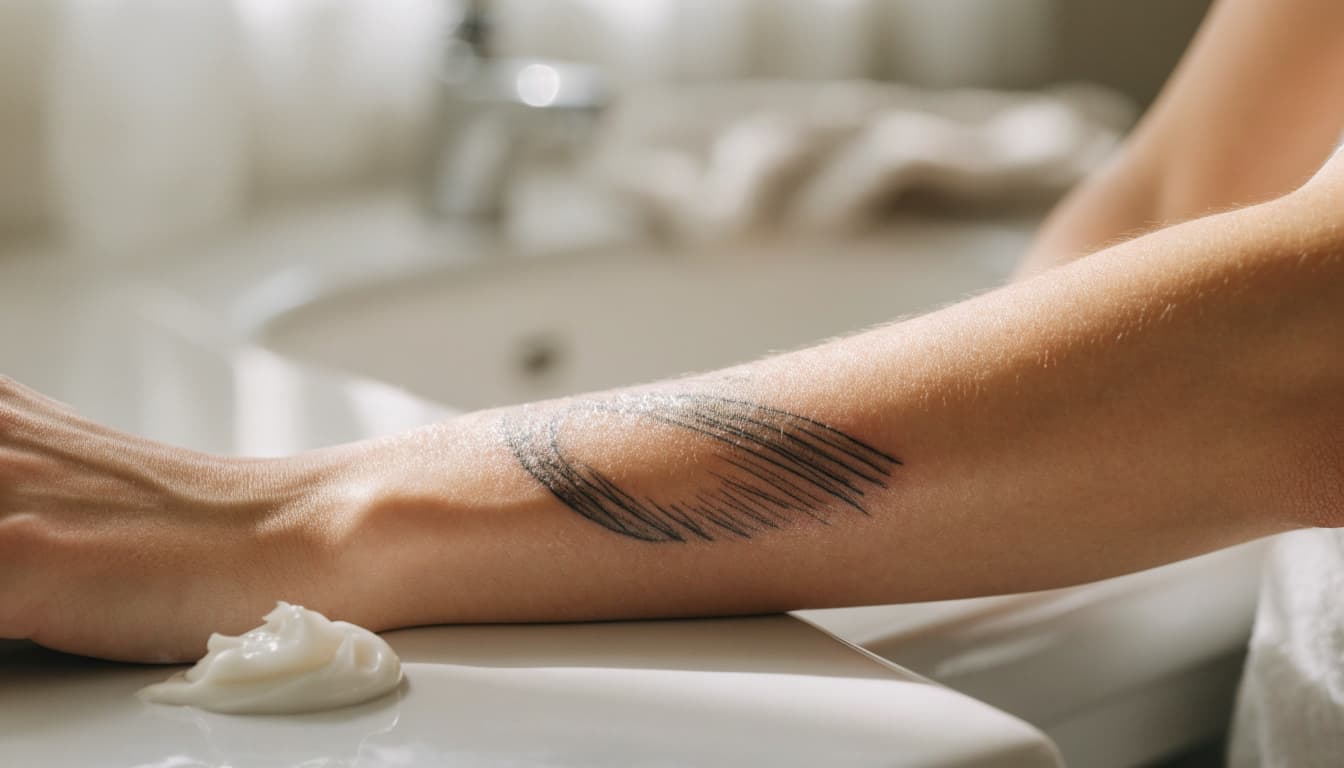
After removing the bandage as directed, wash the tattoo gently with clean hands, lukewarm water, and mild, fragrance-free soap. Pat the area dry with a clean towel instead of rubbing it. Apply a thin layer of moisturizer if your artist recommends it, and avoid using more product than needed.
Loose, breathable clothing can reduce rubbing while the skin heals. Avoid swimming, baths, and other activities that soak the tattoo; skip scrubbing and activities that create heavy friction around the area. Healing time varies, so ask your artist when you can return to your usual exercise and water activities.
Some tenderness and peeling can occur during healing, but worsening redness, swelling, pain, drainage, or a persistent rash deserves medical attention. An itchy or raised reaction can also signal sensitivity to the ink. Contact a health care professional if you notice signs of infection or an unusual reaction, and don’t try to treat a worsening problem by picking or scratching the skin. The American Academy of Dermatology’s advice on tattoo skin reactions can help you recognize when to seek care.
Protect healed tattoos from sun exposure
Sunlight can fade tattoo ink over time, so keep a new tattoo out of direct sun until it has healed. Once the skin is fully healed, cover the area with clothing when practical. For exposed tattooed skin, use a broad-spectrum, water-resistant sunscreen with SPF 30 or higher, and reapply it as directed on the label.
If your tattoo sits on a spot that gets frequent sun, such as the forearm or ankle, build sun protection into your routine. Consistent care helps the artwork retain its color and keeps the skin protected.
Conclusion
The best tattoo placement is the one that fits the design and your everyday life. Before deciding, weigh its shape and visibility alongside pain, how the tattoo may age, and the care the area will need.
Then review the stencil with a skilled tattoo artist. Check the position while standing and moving, and ask whether the design has enough space to stay clear over time. A thoughtful placement helps your tattoo feel right beyond the first day. Explore our tattoo inspiration and design guides for more ideas.
Save pin for later


- Blackwork Tattoo Ideas for Men: Designs, Placement, and Planning - September 26, 2026
- 20 Tattoo Designs and Where to Place Them for the Best Fit - September 26, 2026
- 10 Line Tattoo Designs and What They Can Symbolize - September 26, 2026
Leave a Reply