
Tattoo Numbing Cream: How to Compare Options and Use Them Safely
Tattoo numbing cream may take the edge off session pain, but the product you choose and how you use it matter. These creams aren’t all alike, and some popular tattoo-marketed products have raised safety or FDA compliance concerns.
The FDA warns consumers against using certain topical pain-relief products with more than 4% lidocaine, and that limit isn’t proof a product is approved for tattoo use. Before applying anything, compare the active ingredients and concentrations, follow the label, and check with your tattoo artist about their studio’s policy. Here’s how to assess your options and spot important safety concerns.
Watch a tattoo artist discuss numbing creams
Best Tattoo Numbing Cream to Ease Your Session: What to Compare
There’s no single cream that’s best for every person or tattoo. Before choosing one, compare the active ingredients, concentration, intended skin condition, and clarity of the directions. A product’s popularity or availability doesn’t confirm that the FDA has approved it or that it complies with federal requirements.
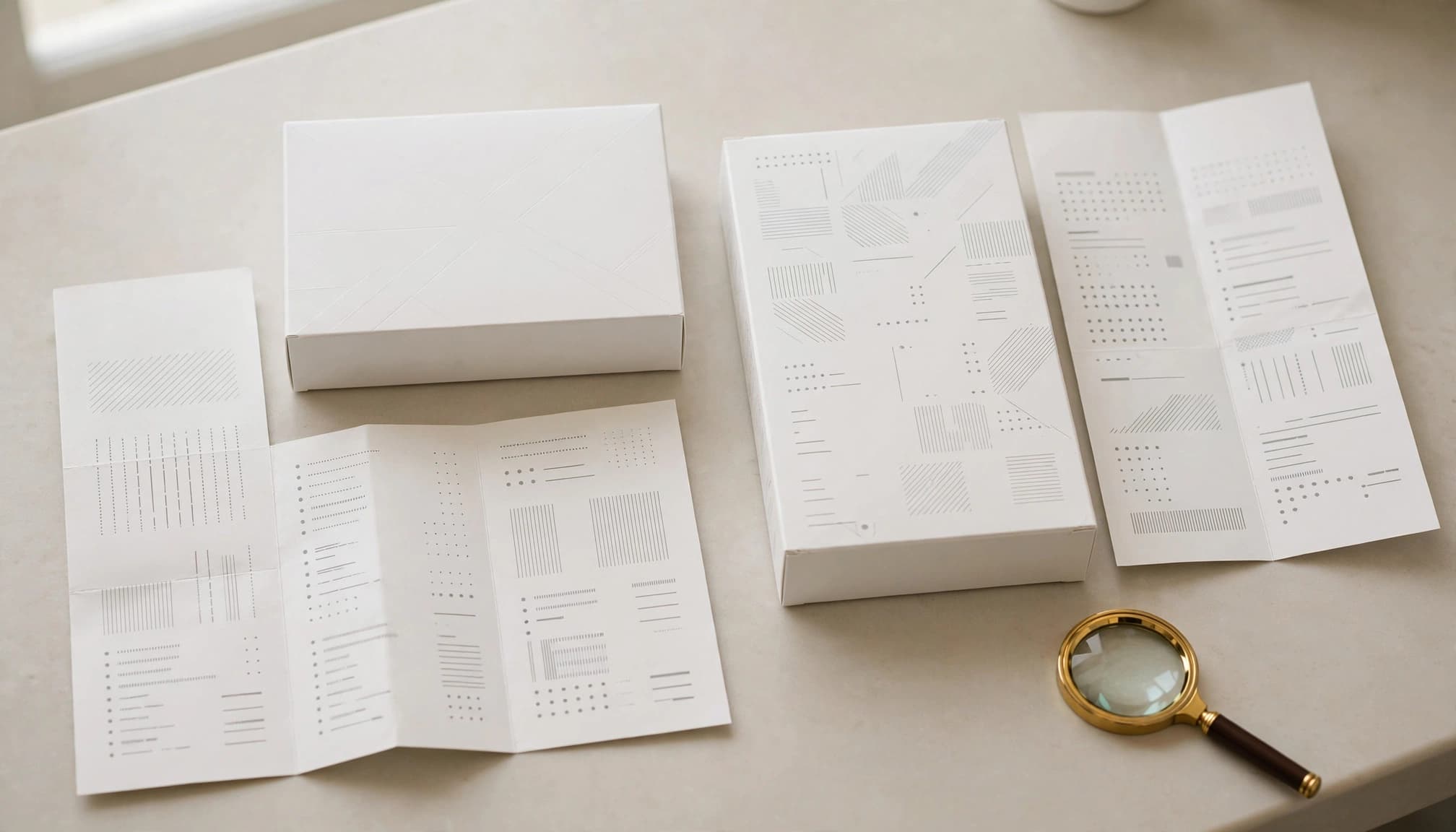
Check the active ingredient and strength first
Lidocaine is a common topical anesthetic in numbing creams. However, the FDA advises consumers not to use over-the-counter topical pain-relief products with more than 4% lidocaine. That limit is a safety guideline, not proof that a product at or below 4% is effective or suitable for tattooing. Concentration alone can’t tell you whether a cream is safe for your skin or appropriate for the area you plan to treat.
The FDA has issued warning letters about tattoo-marketed products with higher lidocaine concentrations and products combining anesthetics such as prilocaine, benzocaine, or tetracaine. Some letters also cite epinephrine. These cases show why it’s important to read the complete active-ingredient panel, rather than judging a product by “maximum strength” claims. Review the FDA’s consumer warning on topical lidocaine and its warning letter to a tattoo numbing cream seller.
Compare labels, not just popular product names
Tattoo-branded creams appear in DailyMed, including products labeled with lidocaine. Zensa also markets a 5% lidocaine cream, a concentration above the FDA’s 4% consumer guidance for OTC topical pain relief products. These examples illustrate why a familiar name or a listing in a drug-label database shouldn’t be treated as an FDA endorsement. A product being sold or listed does not, by itself, establish FDA approval or compliance.
Check the current package for the exact concentration, warnings, and directions. Look for clear instructions about whether the product is intended for intact skin, how much to apply, and when to remove it. Don’t assume directions from one cream apply to another. If the label is vague, conflicts with FDA advice, or doesn’t address your intended use, ask a pharmacist or clinician before applying it. Online rankings and testimonials can’t replace a careful label check.
How tattoo numbing cream works, and what it cannot do
Topical anesthetics temporarily reduce pain signals in the skin. They may make a tattoo session more manageable, but they don’t guarantee a pain-free experience, and their effects vary with the person, body area, tattoo size, skin condition, and application.
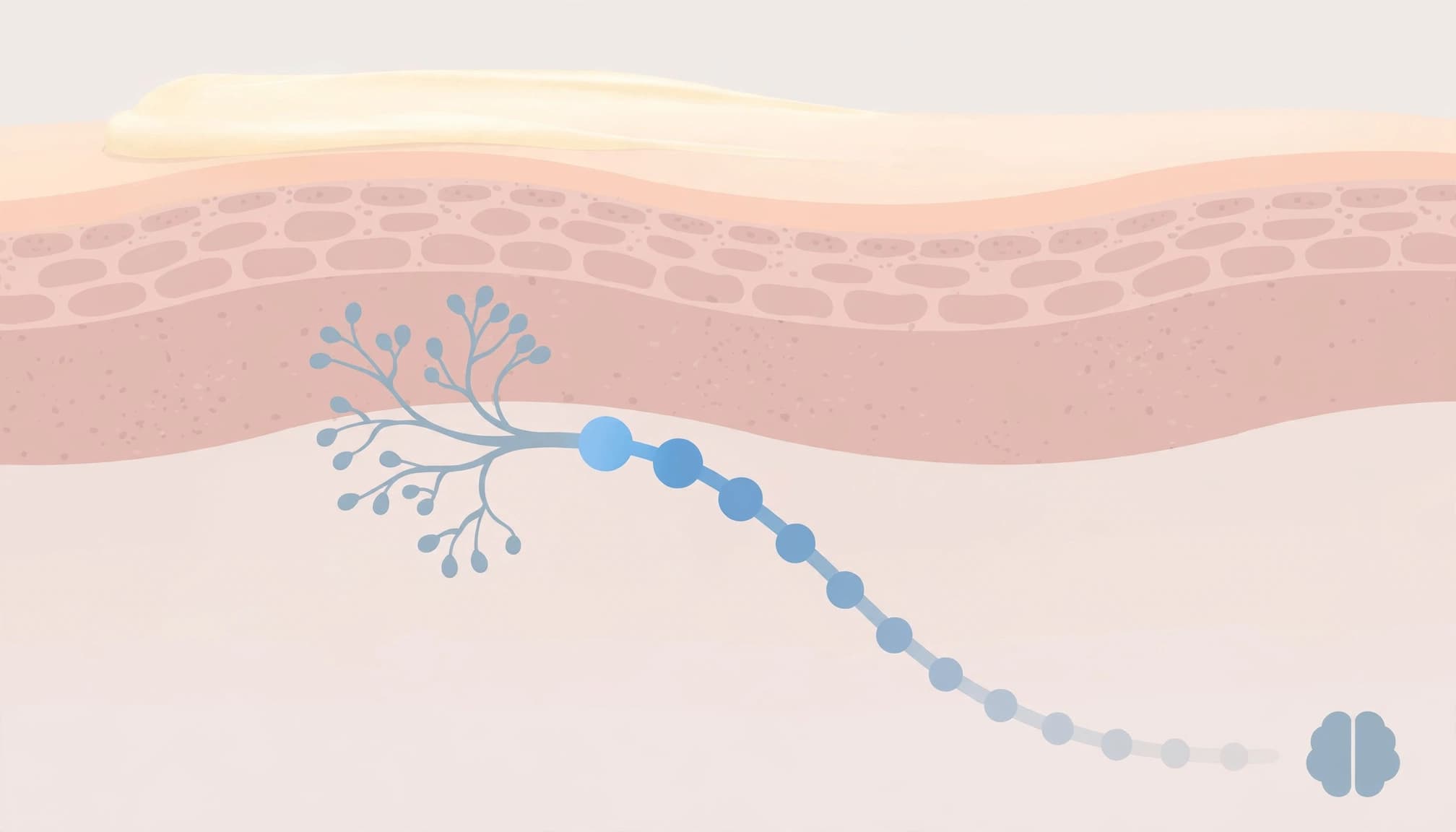
Why timing and placement affect the result
A topical anesthetic acts on nerves near the area where you apply it, temporarily reducing their ability to send pain signals. How much relief you feel depends partly on how the product is used and how your skin responds. Even when it works, you may still feel pressure, vibration, or pain as the tattoo artist works.
Directions vary by product. Some labels recommend applying cream about 30 minutes before a procedure, while others call for a longer wait. Don’t combine directions from different products or rely on a promised numbing duration. Follow the exact label and your tattoo artist’s instructions, since studios may have policies about numbing products.
Apply only to the area and for the time specified. Using more cream, covering a larger area, or leaving it on longer than directed can increase exposure to the medication and the risk of side effects. The FDA also warns against applying topical pain-relief products heavily over large areas or covering treated skin with plastic wrap.
Why fresh tattooed skin needs a different approach
Tattooing punctures the skin. As a result, directions for applying a cream to intact skin before a session don’t automatically make it safe to use during tattooing or on a fresh tattoo. Broken or irritated skin can absorb more medication, which may raise the risk of harmful effects.
The FDA’s warning on topical pain-relief products advises consumers not to apply these products to irritated or broken skin. Be cautious about brand claims that a cream is suitable for use on freshly tattooed skin; marketing language isn’t a substitute for safety guidance. Ask a clinician before using a topical anesthetic on broken skin, and follow your artist’s aftercare instructions.
How to choose a safer cream for your tattoo appointment
Compare a tattoo numbing cream by its label and intended use, not by its popularity or promises. Before buying, confirm what it contains, how it should be applied, and whether your health history calls for professional advice.
Look for clear directions and avoid risky claims
Choose a product only when its label clearly identifies each active ingredient and its strength. It should also explain where to apply the cream, how much to use, how long to leave it on, and whether it is intended for intact skin. Avoid products with missing or confusing ingredient information, vague directions, or instructions that conflict with FDA safety guidance.
Be wary of claims promising complete numbness or unusually long-lasting relief. Those promises don’t establish that a cream is safe or effective. Also avoid products that encourage layering or combining anesthetics, such as lidocaine, prilocaine, benzocaine, or tetracaine, unless a health professional specifically advises you to do so. The FDA has issued warning letters about tattoo numbing products with high lidocaine concentrations and nonconforming combinations of active ingredients, including in its 2025 letter to TKTX Numbing Cream USA.
A product’s presence on a retail site, marketplace, or brand website does not mean the FDA has approved it or confirmed it is safe for tattoo use. If the label is incomplete, the claims sound extreme, or you can’t tell how to use the product, choose another option and ask a pharmacist or clinician.
Match the product to your skin and the tattoo area
The amount of skin treated and its condition affect how much anesthetic your body may absorb. A large tattoo, sensitive or damaged skin, or covering the cream with plastic wrap or another dressing can increase exposure and risk. Follow the product’s warnings, and don’t apply cream to irritated or broken skin unless a health professional directs you to.
Before your appointment, tell your tattoo artist what you plan to use, especially for a large piece or a long session. Your artist can explain the studio’s policy and whether the product could interfere with the procedure. Never use a cream if you know you’re allergic to one of its ingredients.
Ask a clinician or pharmacist before using a topical anesthetic if you’re pregnant, have a health condition, take prescription or over-the-counter medicines, or have had a reaction to numbing products before. Bring the package or a photo of the full label so they can review the ingredients and directions with you.
How to use numbing cream without increasing health risks
A safer tattoo appointment starts with restraint: use only a product whose directions you understand, and don’t change how it’s applied to chase stronger or longer-lasting numbness. The amount absorbed through your skin can rise when you use too much, treat a large area, or cover the cream.
Follow the exact label, and do not improvise with plastic wrap
Directions vary by product, so don’t borrow another brand’s timing, amount, or covering instructions. Follow the label for the specific cream you have, including where it can be applied and when it should be removed. If the directions don’t clearly address your intended use, pause and ask a pharmacist or clinician.
The FDA warns that covering treated skin with plastic wrap or another dressing can increase absorption and the risk of serious side effects. It also cautions against heavy application over large areas and use on irritated or broken skin. Avoid applying extra cream, leaving it on longer, or adding a covering to make it work better. The FDA also advises consumers not to use over-the-counter topical pain-relief products with more than 4% lidocaine. Read its safety warning on topical pain-relief products before considering a product.
Talk with your tattoo artist before your appointment, since the studio may have its own policy. For questions about the label, your health conditions, or medicines you take, check with a pharmacist or clinician. Don’t rely on a seller’s application advice if it conflicts with the product directions or FDA guidance.
Know when to stop and get medical advice
Stop using the cream and seek medical advice if you develop a rash, swelling, severe burning, dizziness, or unusual drowsiness. Don’t apply more while waiting to see whether symptoms pass. A clinician can help determine what care is appropriate.
Some symptoms need urgent attention. The FDA warns that increased absorption of topical pain-relief products can lead to irregular heartbeat, seizures, and breathing difficulties. Get emergency medical care for severe symptoms, including trouble breathing, a seizure, or an irregular heartbeat. Don’t try to manage these symptoms at home or drive yourself if you feel seriously unwell.
Ease Tattoo Pain With Session Prep Beyond Cream
A numbing cream is only one part of getting ready for a tattoo. Basic preparation won’t numb your skin, but it can help you stay comfortable and cope with the session.

Ask your tattoo artist before applying anything
Contact your artist before the appointment if you’re considering a topical product. Cream can change how the skin feels, and the studio may have policies about what clients can apply before tattooing. Ask about the planned placement and session length, too, since both can shape what to expect.
Share the product’s name and full ingredient list, including active ingredients and strengths. Your artist can explain whether the studio allows it and how they want you to arrive. Don’t apply cream secretly or show up with residue if your artist has asked you not to use it. If you have questions about whether an anesthetic is safe for you, ask a pharmacist or clinician rather than relying on studio guidance.
Use simple comfort steps during the session
In the days before your appointment, prioritize sleep. On the day, eat a meal beforehand and drink water, since hunger, fatigue, or dehydration can make a long appointment harder to manage. Wear loose, comfortable clothing that gives the artist easy access to the tattoo area without leaving you cold or awkwardly positioned.
Before work begins, agree on a manageable session length and ask how breaks will work. If you feel overwhelmed, stiff, or lightheaded, tell the artist and ask for a pause. Slow, steady breathing can help you settle; bring headphones or ask whether music is allowed. Your artist can help pace the appointment, but they can’t provide medical advice about anesthetics.
Avoid using alcohol or recreational drugs to dull the pain. They can affect your judgment and make it harder to communicate clearly during the session. A well-planned appointment won’t erase the discomfort, but arriving rested, fed, and ready to speak up can make it easier to handle.
Conclusion
The safest tattoo numbing cream isn’t necessarily the one with the boldest marketing. Check its active ingredient and strength, use it only as directed on intact skin, and discuss your plan with your tattoo artist and a pharmacist or clinician. The FDA warns consumers against OTC topical pain-relief products with more than 4% lidocaine, heavy application over large areas, use on broken or irritated skin, and covering treated skin with plastic wrap or another dressing.
Because creams vary and pain relief isn’t guaranteed, weigh the label and safety guidance more heavily than promises of a pain-free tattoo. Informed consent and safe session planning help you decide whether a numbing cream fits your appointment.
save pin for later

- Saniderm Healing: Wear Time, Fluid, and Aftercare - September 25, 2026
- How to Choose the Right Tattoo Size for Your Design and Skin - September 25, 2026
- How to Slow Tattoo Fading: Healing Care and Sun Protection - September 25, 2026
Leave a Reply