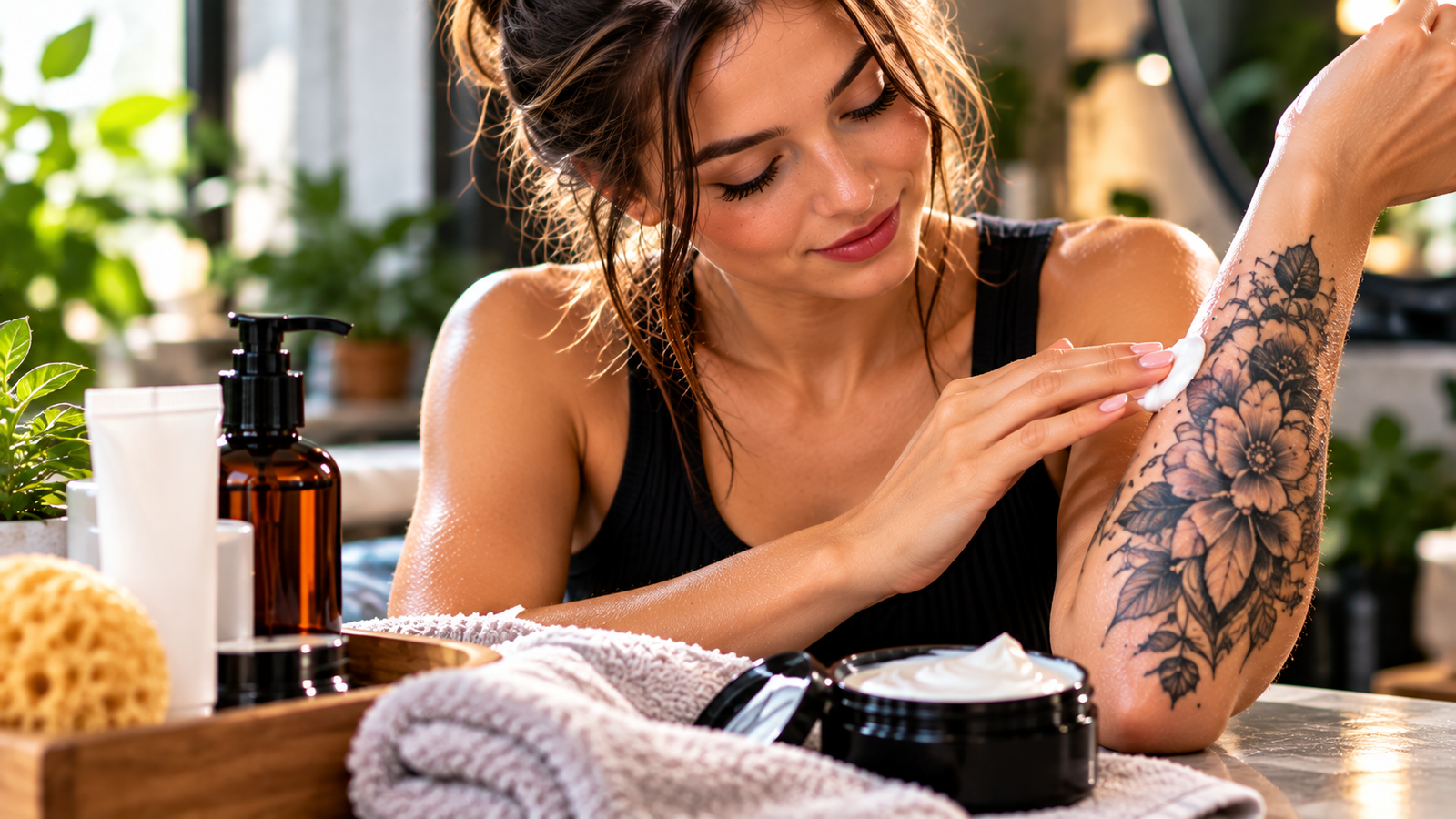
13 Tips to Prevent Your Tattoo from Fading
Tattoo ink can soften or fade over time, but smart choices and steady care can help preserve its appearance. Sun exposure is a major preventable cause of fading, while careful aftercare gives fresh ink the best chance to heal well.
The goal isn’t to stop every change: skin ages naturally, and tattoos change with it. These 13 practical tips focus on protecting healed tattoos from UV exposure and caring for new ink, with sun protection and healing habits making the biggest difference. Start with the steps that protect your tattoo from the sun.
How to prevent your tattoo from fading starts before the first session
A tattoo’s long-term appearance depends partly on decisions you make before the needle touches your skin. The artist’s technique, the design’s details, and how you care for fresh ink all influence how it heals and looks over time.
Choose an experienced artist and a design that will age well
Before booking, review an artist’s healed-work portfolio, not only fresh photos. Healed examples show how their lines and shading settle after recovery. Also check that the studio follows proper hygiene practices and that the artist regularly works in your chosen style.
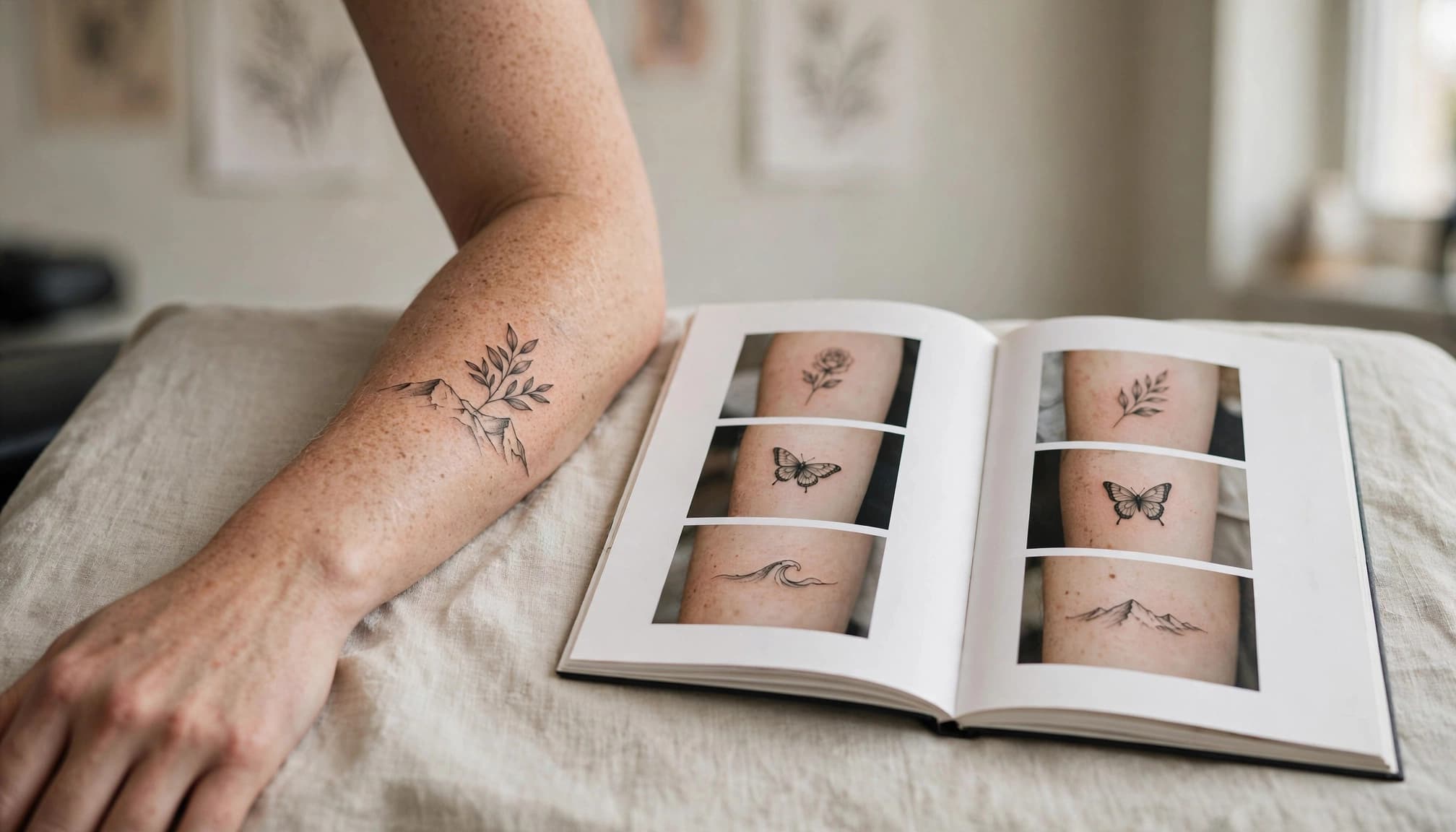
Talk through the design’s size, placement, and level of detail. Very small details may become less distinct as skin changes, while areas that bend or stretch often can alter how a design appears. A skilled artist can help adapt the idea to your skin and placement, but no artist or style can guarantee a tattoo will never fade.
Follow your artist’s aftercare instructions
A new tattoo is healing skin, so consistent care matters. Your artist can give you instructions based on the studio’s products and the covering placed over your tattoo. Follow those directions rather than mixing advice from different sources, and ask questions before the appointment if anything is unclear.
During healing, keep the area clean and avoid picking at flakes or scabs. If you notice spreading redness, worsening pain, or pus, contact a healthcare professional. Those symptoms can indicate infection, and prompt medical advice is safer than waiting to see whether they resolve. The Cleveland Clinic’s guide to tattoo infection signs explains what to watch for.
Wash gently and pat the tattoo dry
Wash your hands first, then clean the tattoo with soap and water using a gentle touch. Mayo Clinic recommends washing a healing tattoo twice a day and patting it dry rather than rubbing it. During a shower, avoid directing a strong stream of water at the fresh tattoo.
Use a clean towel and press it lightly against the skin. Scrubbing or friction can irritate the healing area, so keep the routine simple and follow your artist’s instructions for any additional care. See Mayo Clinic’s tattoo care guidance for its recommendations on cleaning and drying.
Protect fresh ink while the skin heals
A fresh tattoo is healing skin, so aftercare should limit irritation and lower the risk of infection. Follow your artist’s instructions for the first days and weeks, since the right routine can depend on the dressing and products they recommend.
Use a suitable moisturizer, and avoid petroleum jelly
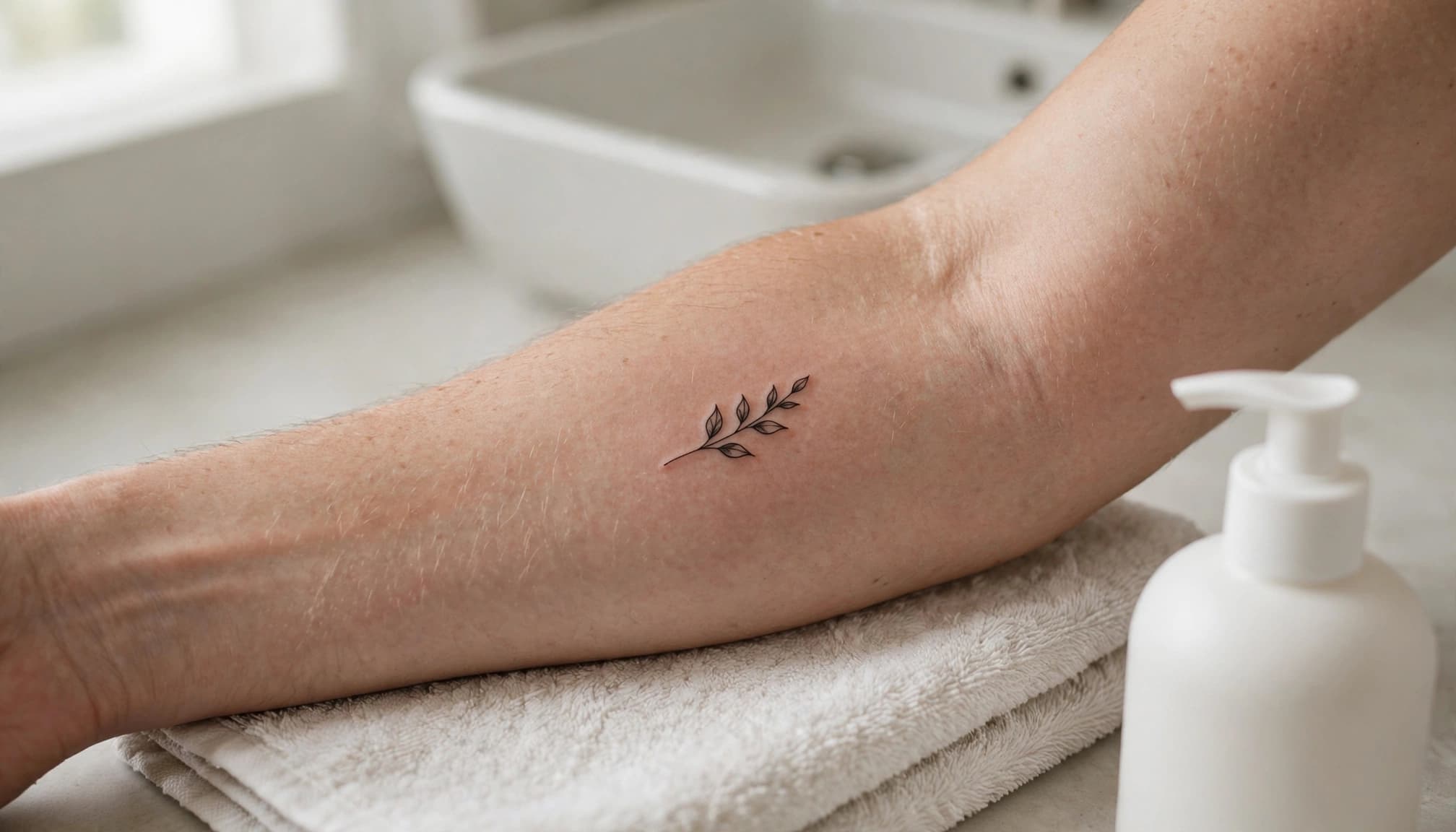
For a new tattoo, use only the cleanser and moisturizer your artist recommends. Apply a thin layer as directed. Too much product can leave the skin overly coated, so resist the urge to keep adding more whenever the tattoo feels tight.
After the tattoo has healed, ongoing care is different. If the skin feels dry, the American Academy of Dermatology recommends a water-based lotion or cream. It warns that petroleum-based products, including petroleum jelly, can cause tattoo ink to fade. See the AAD’s guidance on caring for tattooed skin. Keep sunscreen off open or peeling skin; once the tattoo is healed, use sun protection to help preserve its color.
Let scabs fall off on their own
Itching and flaking can happen as a tattoo heals, but scratching or picking can pull away healing skin. That may leave uneven color or cause scarring, which can change the tattoo’s appearance.
Instead, leave scabs and flakes alone, even when they’re tempting to lift. Continue gentle care according to your artist’s instructions, and contact them if you’re unsure whether the skin is healing normally. If you notice signs of infection or have worsening symptoms, seek medical advice rather than trying to treat the area yourself.
Stay out of pools, hot tubs, and open water until healed
Keep the tattoo out of pools, hot tubs, lakes, rivers, and oceans while it heals. Soaking can irritate the damaged skin, and natural or treated water may expose it to germs. Avoid baths and saunas, too, until your artist says you can resume them.
Showers are generally different from soaking, but keep washing gentle and follow your artist’s specific directions. Healing time varies, so use the tattoo’s condition and your artist’s advice rather than relying on a fixed number of days. Once the skin has healed, return to swimming and other activities gradually.
Shield your healed tattoo from everyday UV exposure
Sun exposure can fade tattoo pigment because ultraviolet rays break down ink particles over time. Once your tattoo has fully healed, make sun protection part of your routine whenever the area is exposed.
Keep a new tattoo out of direct sun until it heals
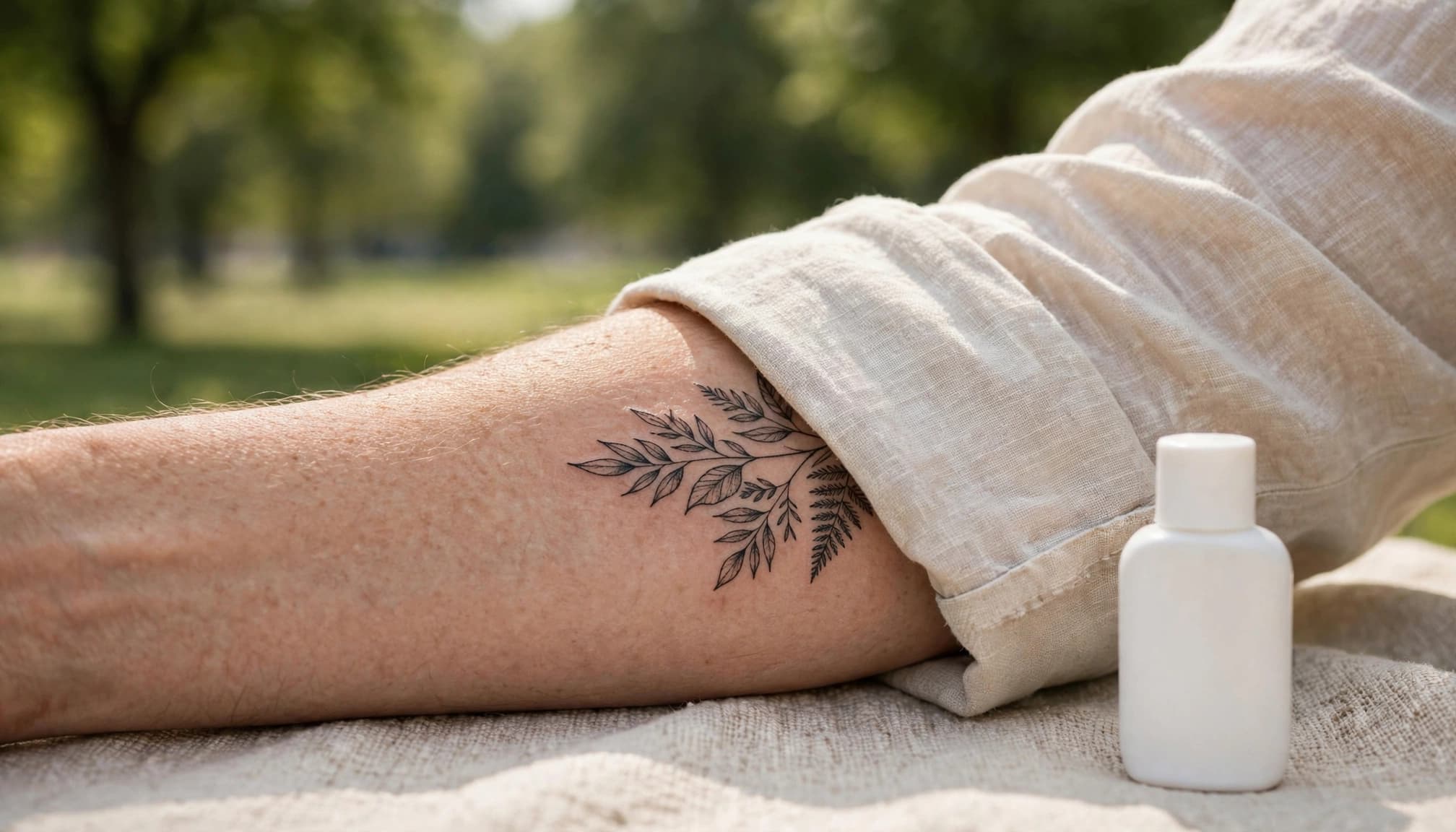
Direct sunlight can irritate healing skin and affect how your tattoo settles. While the area is fresh, cover it with loose, clean clothing or stay in the shade. Don’t apply sunscreen to a fresh or open tattoo; wait until the skin has fully healed, and follow your artist’s aftercare instructions. Healing time varies, so don’t rely on a fixed number of days.
Apply broad-spectrum, water-resistant SPF 30 or higher
After your tattoo heals, apply a broad-spectrum, water-resistant sunscreen with SPF 30 or higher to exposed skin. The American Academy of Dermatology recommends applying it 15 minutes before going outdoors and reapplying at least every two hours. Reapply after swimming or sweating, too. The AAD’s tattoo sun-protection guidance covers these basics.
Use enough sunscreen to cover the tattoo evenly, and remember easy-to-miss spots near sleeves or straps. If you’ll be outside for hours, bring sunscreen with you so you can reapply on schedule.
Use clothing and shade as extra sun protection
Sunscreen works best alongside physical barriers. Cover an exposed tattoo with clothing when practical, seek shade during prolonged time outdoors, and limit direct sun when it’s strongest. A lightweight long-sleeved shirt can protect a larger area without requiring constant sunscreen touch-ups.
Even water-resistant sunscreen needs reapplication, and no sunscreen blocks all UV rays. So don’t treat it as permission to stay outside longer. Combine sunscreen with shade and clothing to reduce exposure and help your healed tattoo keep its color.
Build daily habits that help your tattoo stay vibrant
Once your tattoo has healed, small care habits can help the skin look healthy and keep the design easy to see. They won’t stop natural changes to your skin or guarantee that ink never fades, but they can limit avoidable dryness, UV exposure, and irritation.
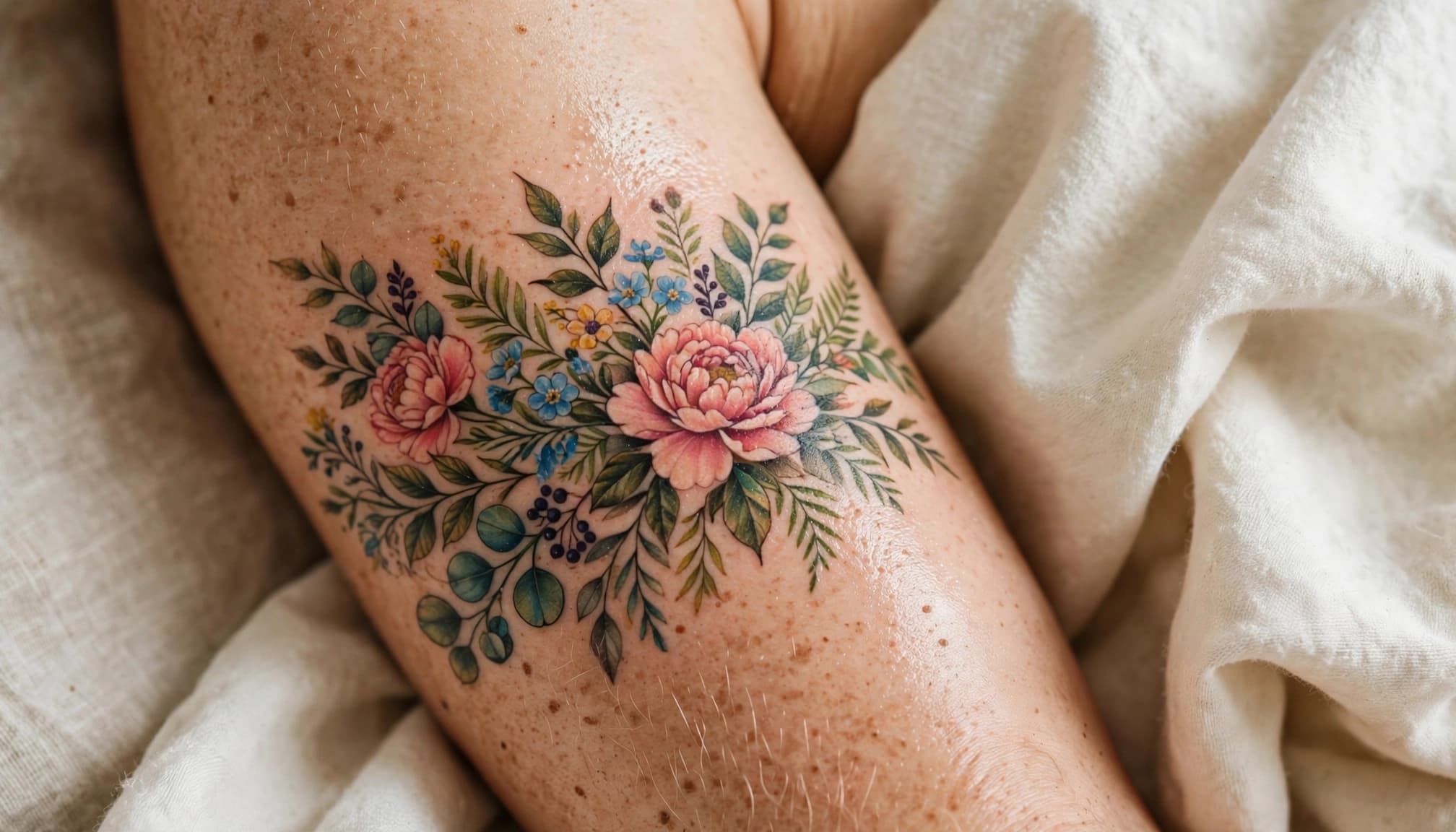
Moisturize dry, healed tattooed skin
When healed skin feels dry or looks flaky, apply a water-based lotion or cream. Moisturizer can reduce dryness and help the surface look smooth, which may make tattoo details appear clearer. It doesn’t add pigment or reverse fading, so think of it as skin care rather than a way to restore ink.
You don’t need a heavy layer. Use a modest amount and adjust based on how your skin feels, especially after bathing or during dry weather. If a product stings or causes a rash, stop using it and choose a gentler option.
Skip tanning beds and sunlamps
Tanning beds and sunlamps expose skin to UV radiation, which can fade tattoo ink over time and increase skin-cancer risk. The FDA warns that UV exposure from indoor tanning devices can cause skin cancer. Read the agency’s guidance on tanning risks before considering artificial tanning.
The safest habit for your tattoo and your skin is to avoid tanning beds and sunlamps. A thin shirt isn’t a dependable substitute for avoiding UV exposure, either. If you’re outdoors, use the sun-protection habits described above rather than relying on light clothing alone.
Reduce repeated rubbing on exposed or high-friction areas
Clothing, sports gear, and daily movement can rub against tattoos on areas such as the shoulders, waist, or ankles. Repeated friction may irritate the skin, even after the tattoo has healed. Choose comfortable clothes that don’t constantly scrape or press on the design, especially during exercise or long periods of movement.
When washing the area, use a gentle touch instead of scrubbing with a rough cloth or exfoliating product. These steps can help keep the skin comfortable, though they can’t guarantee that a tattoo will never lose ink. If friction causes persistent redness, soreness, or a rash, give the area a break and seek medical advice if symptoms continue.
Know when fading is normal and when a touch-up may help
Tattoo ink can soften over the years as skin changes, the tattoo ages, and sunlight breaks down pigment. Gradual fading is different from uneven color that appears during healing, when the skin is still recovering and the tattoo’s final appearance may not be clear.
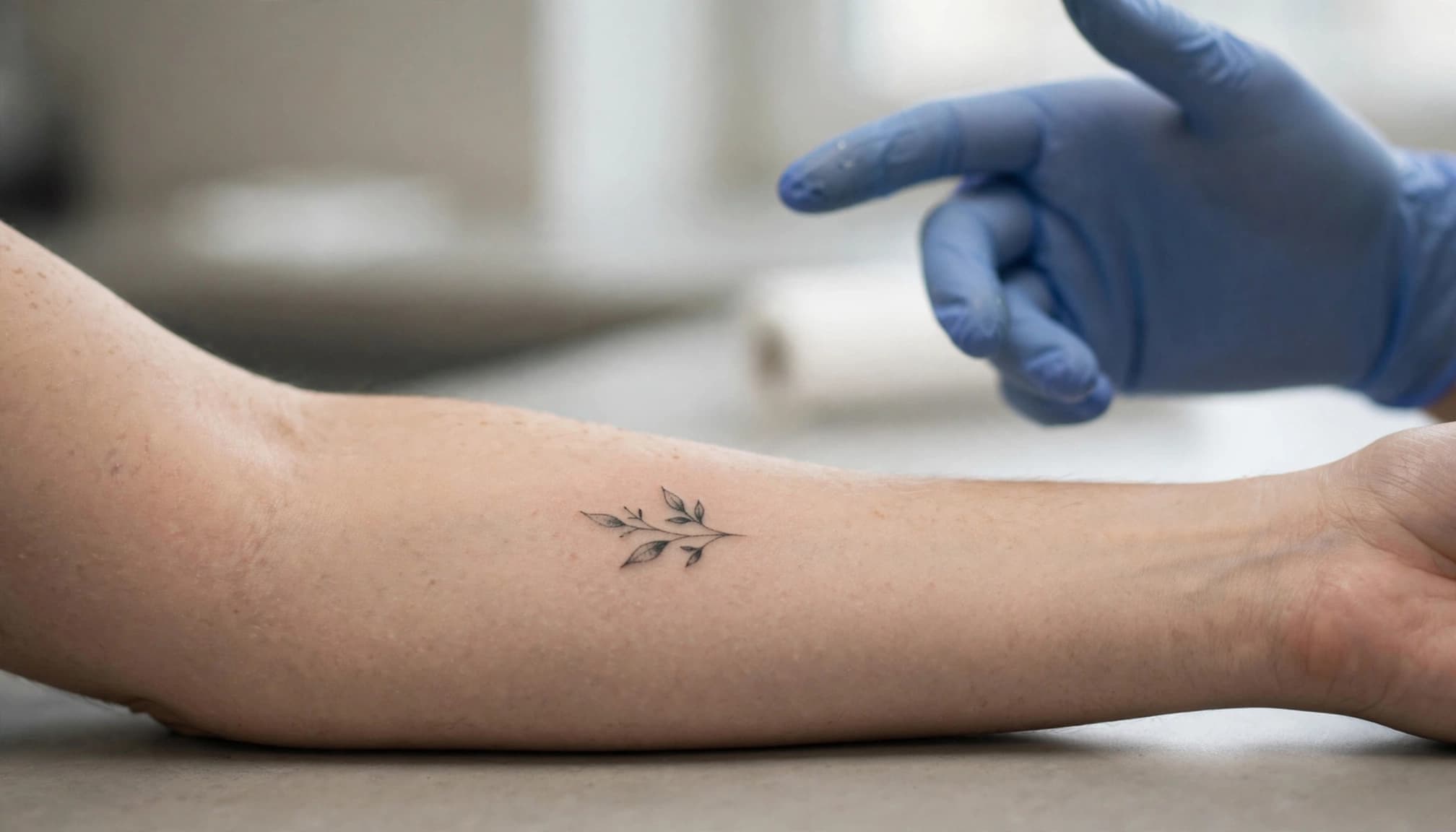
Ask a reputable tattoo artist whether a touch-up makes sense
Wait until your tattoo is fully healed before judging its color. Healing time varies, and deeper layers of skin may take longer to recover than the surface. If the design still looks patchy or noticeably faded afterward, contact the original artist or another qualified tattoo professional. They can assess whether a touch-up is suitable for the design and your skin.
A touch-up may restore some areas of lost or uneven pigment, but it can’t prevent future fading. Keep protecting the healed tattoo from UV exposure and care for the skin to help preserve the result.
However, don’t treat redness, swelling, worsening pain, pus, or a persistent rash as a cosmetic issue. Those symptoms may need medical attention, not a touch-up. The American Academy of Dermatology’s guide to tattoo skin reactions explains when to seek care.
Conclusion
Protecting a tattoo starts while it heals. Follow your artist’s aftercare instructions, keep fresh ink out of direct sun, and avoid swimming or soaking until the skin has healed. Afterward, make sun protection part of your daily routine: use broad-spectrum SPF 30 or higher on exposed tattoos, and add shade or clothing when you can.
Even with steady care, some fading and changes are normal as skin ages. Consistent UV protection helps limit avoidable fading and keeps your tattoo looking its best over time.
Save pin for later


- Saniderm Healing: Wear Time, Fluid, and Aftercare - September 25, 2026
- How to Choose the Right Tattoo Size for Your Design and Skin - September 25, 2026
- How to Slow Tattoo Fading: Healing Care and Sun Protection - September 25, 2026
Leave a Reply