
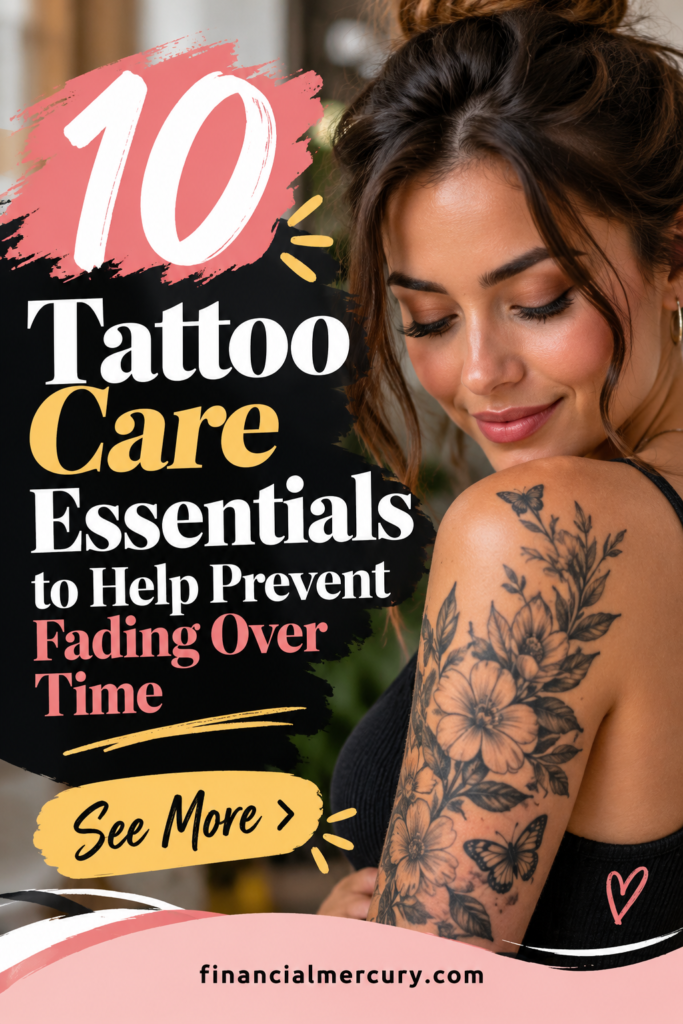
10 Tattoo Care Essentials to Help Prevent Fading Over Time
Keeping your tattoo’s colors clear and your skin healthy takes care over time. Tattoos naturally change as skin ages, but daily habits, especially protecting healed skin from the sun, can help slow UV-related fading.
Fresh tattoos need different care than healed skin, so using the right products at the right stage matters. These 10 skin care essentials will help you build a practical routine for both; you can also watch tips to help prevent tattoo fading.
10 Skin Care Essentials to Help Prolong Your Tattoo
Healthy skin helps your tattoo look its best, but no product or routine can prevent all fading. Ink naturally changes over time, so focus on gentle care and sun protection, and follow your tattoo artist’s instructions while your skin heals.
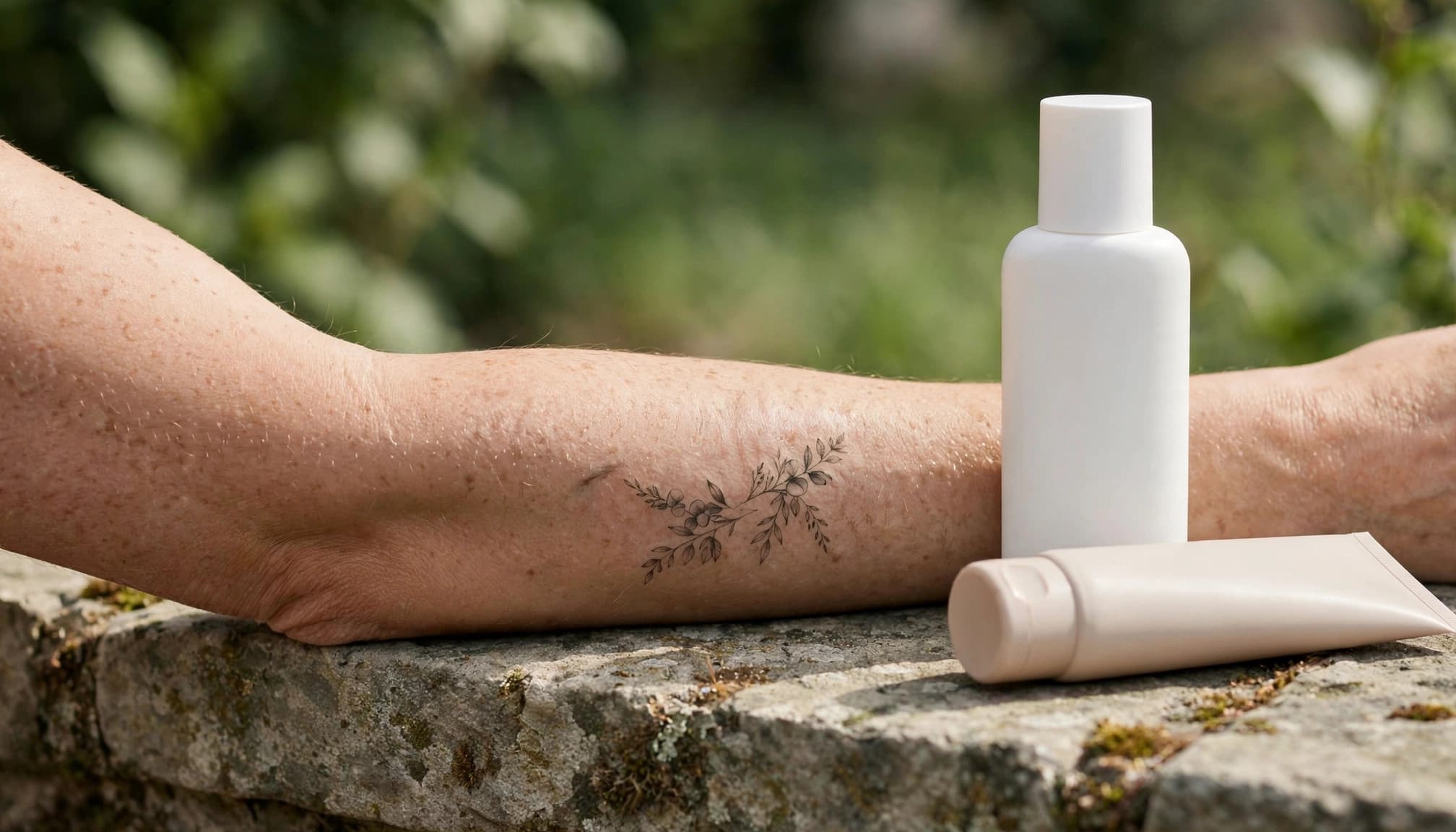
Use a gentle cleanser and a water-based moisturizer
1. Wash gently. For healed skin, use lukewarm water and a mild, fragrance-free cleanser. Rinse well, then pat the area dry with a clean towel instead of rubbing. Harsh scrubbing can irritate skin and leave it dry.
2. Moisturize dry, healed skin. If the tattooed area feels dry, apply a water-based lotion or cream. The American Academy of Dermatology recommends water-based moisturizers for dry tattooed skin and cautions that petroleum-based products, such as petroleum jelly, may contribute to fading. See its tattooed-skin care recommendations. A fresh tattoo needs a different routine, so follow your artist’s aftercare directions rather than applying a standard moisturizer.
Make sunscreen, shade, and protective clothing your sun-care basics
UV light can fade some tattoo inks, which makes sun protection one of the most useful habits for healed tattoos.
3. Apply sunscreen to fully healed tattoos. Choose a broad-spectrum, water-resistant sunscreen with SPF 30 or higher. Apply it 15 minutes before sun exposure, then reapply at least every two hours. Reapply sooner after swimming or heavy sweating.
4. Keep healing tattoos out of direct sun. Don’t apply sunscreen to fresh or healing skin. Instead, stay in the shade and cover the area with loose clothing until it has fully healed.
5. Use clothing and shade as added protection. Even after healing, a shirt or other light cover can limit direct exposure during long stretches outdoors. Sunscreen works best as part of a routine, not as a reason to stay in strong sun longer.
Choose fragrance-free products and support your skin with hydration
6. Pick fragrance-free products if your skin is sensitive. Fragrance can irritate some people, so a fragrance-free cleanser or lotion is a sensible choice if your skin reacts easily. This can make routine care more comfortable, but fragrance-free products don’t prevent ink fading by themselves.
7. Drink enough water for general skin wellness. Hydration supports overall health and can help prevent dehydration, but drinking water won’t directly stop tattoo ink from fading. Keep the focus on comfortable, healthy skin and protect healed tattoos from UV exposure.
Exfoliate gently only after the tattoo has fully healed
8. Avoid exfoliating fresh or healing skin. Scrubs, exfoliating acids, and similar products can irritate skin that’s still recovering. Leave flakes and peeling skin alone, and wait until the tattoo has fully healed before considering exfoliation.
Exfoliation isn’t needed to maintain a tattoo, and it can’t restore faded ink. If you exfoliate fully healed skin, keep it gentle and stop if you notice irritation.
Leave healing flakes alone and keep an eye on skin changes
9. Don’t pick, scratch, or peel. Scabs and flakes are part of healing. Pulling them off can interfere with recovery and irritate the area, so let them shed on their own.
10. Watch for signs of infection. Worsening redness or swelling, pus, increasing pain, fever, or chills can signal a problem. Seek medical care if these symptoms appear, especially if the tattoo isn’t healing as expected.
Build a tattoo aftercare routine for healing and healed skin
Tattoo care changes as the skin recovers. A fresh tattoo needs a careful, low-irritation routine, while healed skin benefits from basic cleansing, moisturizer when needed, and consistent sun protection. Keep the two stages separate, and follow your tattoo artist’s instructions for the products and bandage they recommend.
What to do while a new tattoo heals
For the first few days, mild soreness and redness can occur. As your skin repairs itself, the tattoo may flake or form small scabs. These changes should gradually improve, though the timing varies by tattoo, placement, and individual skin. Your artist can tell you what to expect based on your tattoo and the covering used.
Before touching the area, wash your hands with soap and water. Clean the tattoo gently as directed by your artist, using clean hands and mild soap if recommended. Rinse without scrubbing, then pat the skin dry with a clean towel. Avoid rubbing, picking flakes, or pulling at scabs, since that can irritate recovering skin.
Follow your artist’s specific guidance on when to remove a bandage and whether to apply ointment or moisturizer. Use only the recommended amount, and avoid adding products just because the tattoo feels tight or itchy. While the skin is healing, skip exfoliants and keep the tattoo out of direct sun. Don’t apply sunscreen to broken or healing skin. Instead, use loose clothing for coverage when practical.
Also avoid swimming pools, hot tubs, and other prolonged soaking until the skin has fully healed. A quick shower is generally different from soaking, but follow your artist’s instructions if they advise otherwise.
Redness or discomfort that keeps getting worse deserves attention, rather than being treated as routine healing.
Contact a health care professional if you notice spreading or worsening redness, increasing pain or swelling, pus, foul-smelling drainage, fever, or chills. These symptoms can indicate infection. If you’re unsure whether a change is normal, check with a clinician instead of trying to treat it with extra products.
How to care for a tattoo once the skin has healed
Once the tattooed skin is fully healed, keep daily care simple. Wash it gently with a mild cleanser, rinse well, and pat dry. Apply a water-based lotion or cream when the area feels dry, rather than moisturizing automatically if your skin already feels comfortable.
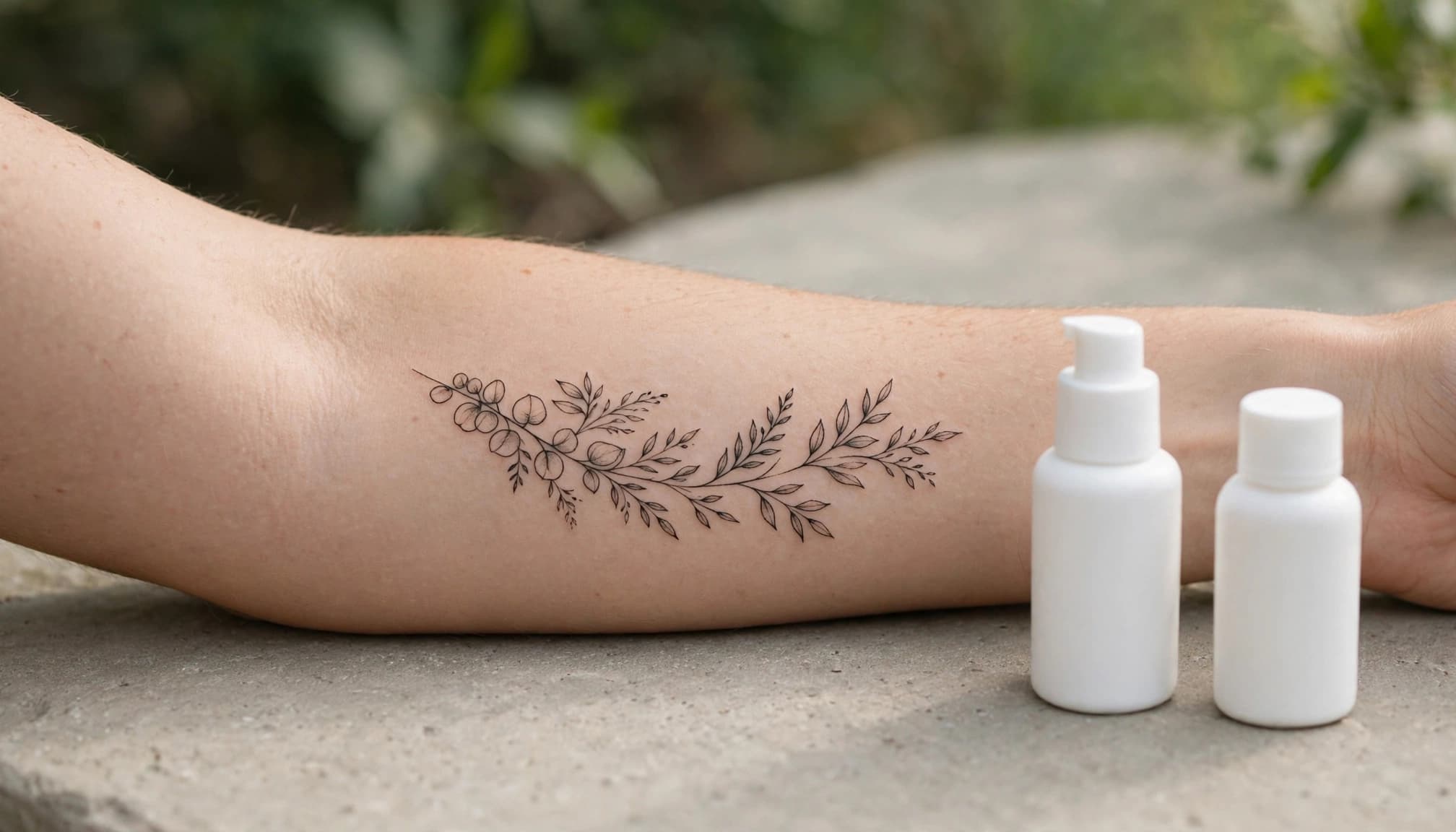
Before spending time outdoors, apply broad-spectrum, water-resistant sunscreen with SPF 30 or higher to healed tattooed skin. Reapply at least every two hours, and sooner after swimming or sweating. During long stretches in direct sun, shade and loose clothing add another layer of protection. Avoid tanning beds and sunlamps, too.
If you’re not certain the surface has completely healed, wait before using sunscreen or exfoliating products on the tattoo. Healing time varies, so don’t rely on a fixed number of days. Your artist can help you judge when the skin is ready for your usual routine.
Consistent skin care can help a healed tattoo look its best, but it can’t prevent every change. Skin ages, and ink can soften or fade over time. Gentle cleansing and sun protection remain useful habits, even when the tattoo has been part of your skin for years.
Choose tattoo-friendly skin care without overcomplicating it
A tattoo-care product doesn’t need special packaging or a high price tag. For healed skin, choose a mild cleanser and a water-based moisturizer that feel comfortable and don’t irritate you. If you have a skin condition or known allergy, follow your clinician’s advice before trying something new.
Look for simple formulas that suit your skin
Check the label for a fragrance-free cleanser and moisturizer if you’re prone to irritation. “Unscented” products may still contain ingredients that mask odors, so fragrance-free is the clearer choice for sensitive skin. You can also compare ingredient lists and avoid ingredients you already know trigger a reaction.
For healed tattoos, the American Academy of Dermatology recommends a water-based lotion or cream if the skin feels dry. A tattoo-specific label doesn’t make a product automatically better than basic skin care. The AAD’s guidance on caring for tattooed skin focuses on suitable, gentle care rather than a special brand.
If you’re trying a new product, test a small amount on an area of unaffected skin first and follow the product’s directions. The AAD’s skin-care product testing advice can help you reduce the chance of a surprise reaction. A test on your skin won’t predict whether you’ll react to tattoo ink, though. For a fresh tattoo, stick with your artist’s aftercare instructions and don’t experiment on healing skin.
Avoid harsh products and stop if irritation starts
Skip strong scrubs and exfoliating acids on a fresh tattoo. Healing skin is sensitive, and these products can worsen irritation or disrupt the area as it recovers. Wait until the tattoo has fully healed before adding exfoliating products to your routine.
On healed skin, introduce unfamiliar products one at a time. That makes it easier to identify the cause if your skin reacts. If you feel burning or develop a rash or lasting redness, stop using the product and gently rinse the area. Don’t apply another new product to cover up the reaction.
Mild irritation may settle after you stop the trigger, but persistent or worsening symptoms need medical guidance. Contact a health care professional if the rash or redness continues, or if you notice swelling or significant discomfort. For known allergies or ongoing skin conditions, ask your clinician which ingredients and products are appropriate for you.
Know what can fade a tattoo and when to get help
Sun exposure is a major preventable cause of tattoo fading, but time changes tattoos too. Protect healed skin from UV rays, and pay attention to how your skin feels as a new tattoo heals.
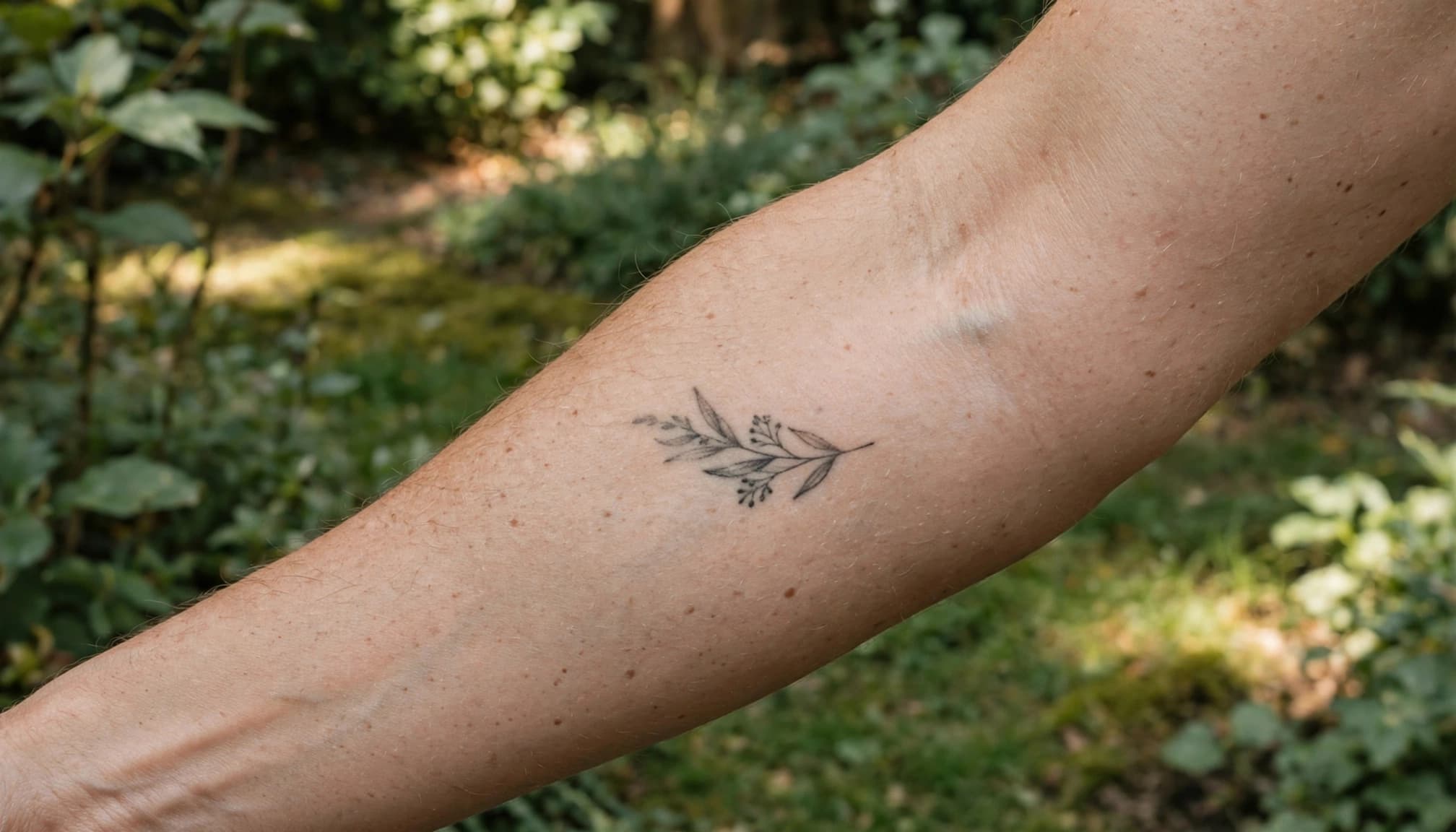
Separate normal healing from possible infection
Some soreness and redness are common soon after getting tattooed. As the skin heals, it may also flake or form small scabs. These symptoms should gradually improve, rather than become more intense or spread.
Watch for worsening redness or swelling, pus-filled bumps, increasing pain, or a fever. Chills or sweats are also reasons to contact a health professional. The American Academy of Dermatology describes these and other warning signs in its guidance on tattoo-related skin reactions.
If symptoms worsen, don’t try to cover them with lotion, ointment, or another cosmetic product. These products won’t treat a possible infection and may irritate the skin. Contact a health professional for advice, especially if the tattoo isn’t healing as expected. The FDA also recommends contacting a health care professional about concerning reactions after tattooing in its tattoo safety guidance.
Set realistic expectations for color and appearance
UV exposure can fade tattoo colors, so sunscreen and clothing help limit avoidable sun damage once the skin has fully healed. Still, no skin-care routine can keep a tattoo looking exactly the same forever. Natural aging and other skin changes can affect how the ink looks over time.
Care for the skin to keep it comfortable and healthy, not to promise permanent color. If you want to refresh a tattoo, ask a qualified tattoo artist about cosmetic touch-ups only after the skin has completely healed. However, seek medical advice first if you notice a new rash, persistent irritation, or another skin change. A cosmetic touch-up isn’t a substitute for checking a possible health concern.
Conclusion
A tattoo’s long-term appearance depends on simple, steady care. Clean the skin gently, moisturize healed skin when it feels dry, and protect fully healed tattoos from the sun. While a tattoo heals, follow your artist’s aftercare directions and let flakes and scabs fall away on their own.
Seek medical care if you notice signs of possible infection or irritation that persists. Although some fading over time is normal, these small habits can help keep your tattoo looking vibrant and your skin comfortable.
Save pin for later

- Hunting Gothic Skin: What the Search Term Can Mean - September 25, 2026
- Skull Tattoo Designs for Men That Stay Bold Over Time - September 25, 2026
- 30 Tips to Find Your Perfect Tattoo Style and Artist - September 25, 2026
Leave a Reply